
REVIEW · ORGANIC
In Crete Discover the miracle of Olive Oil and Organic Fruits
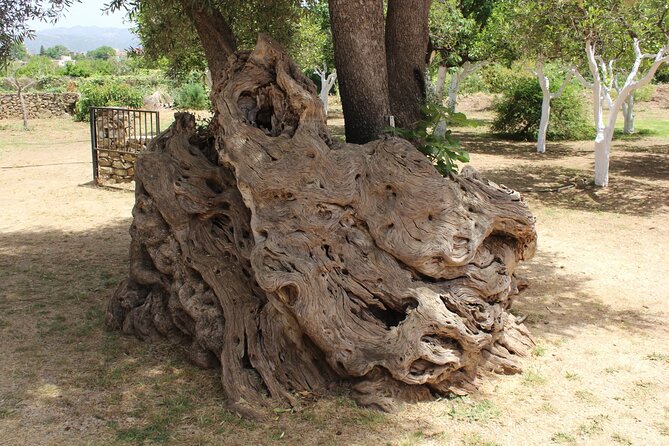
The most unusual part of this Chania excursion is the chance to see three eras of olive-oil making in one day: modern factory production, old mill machinery, and traditional farming at a private fruit and olive farm. The day also takes you to a remarkably old olive tree, said to be more than 2,500 years old, in a location kept undisclosed.
I like the private format, since your group can travel at its own pace rather than follow a large bus through the countryside. I also like the mix of tasting, local agriculture, village stops, and high viewpoints. The main drawback is that lunch and drinks are not included, so you should plan for a long day with only a short break along the way.
Key points to know before booking
- Three periods of olive-oil production: See contemporary factory methods, an older mill, and traditional rural production.
- A private farm visit: Pick fresh fruit from the tree and hear how olive farming fits into daily life.
- A very old olive tree: Visit a protected, undisclosed site with a living tree estimated at more than 2,500 years old.
- Private transportation: Pickup and drop-off are available from central Chania areas, and the tour can also work as a Souda cruise-port excursion.
- Views beyond the coast: Malaxa offers broad views across valleys, villages, and parts of the Chania region.
- A useful price comparison: At $179.43 per person, the cost is easier to justify for a private group that wants a full countryside day, rather than for someone seeking only an olive-oil tasting.
Why this olive-oil day feels different
Many food tours stop at a shop, offer a few samples, and send you on your way. This one follows the product from tree to bottle, then places it in the setting where it has shaped Cretan work and local life for centuries.
You begin at a working modern olive-oil factory in Vamos. Later, you see the equipment used in an old mill at Vryses. At Kalyves, a professional farmer explains the work behind the harvest and lets you collect fresh fruit. These are not separate attractions stitched together at random. Each stop adds another piece to the story.
The day also reaches beyond food. The ancient tree, the monastery, the river village, and the mountain view give you a broader look at mainland Chania. You are not simply tasting oil in an urban setting. You are seeing the groves, villages, farms, and roads that give the oil its meaning.
The experience is private, with a start time of 8:30 a.m. and a total duration of about 6 to 7 hours. That makes it a strong choice for couples, families, or a small group that wants a focused countryside excursion. It is less suitable if your main aim is a quick tasting or a relaxed half-day with plenty of free time.
More Organic Olive Oil Tours in Chania:
- Ronda: LA Almazara LA Organic, Olive Oil Museum and Tasting
★ 4.6 · 435 reviews - Organic cooking class with a sommelier in an Olive and wine farm
★ 5.0 · 69 reviews - Balsamic Vinegar, Olive oil and Organic Winery Tour in Assisi with tasting
★ 5.0 · 66 reviews
Vamos: From olives to extra virgin oil
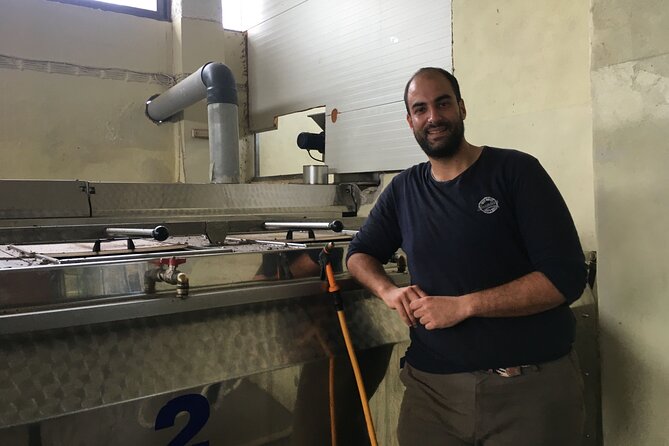
The first major stop is a modern olive-oil factory in Vamos. You learn how olives are processed and how extra virgin olive oil is made. The visit covers the different qualities of olive oil and the byproducts created during production.
This is the most useful place to ask basic questions about the bottle you buy in Crete. You can learn why one oil is labeled extra virgin, how production methods affect quality, and what happens to the olive after the oil is removed. The tasting of fresh organic extra virgin olive oil gives the information a practical finish.
I would pay close attention here, even if you already use olive oil at home. The factory visit gives you a framework for comparing oils later in the trip. You may also find the machinery and processing steps more interesting than expected, particularly if you have only seen the finished bottles in a shop.
The stop lasts about one hour, and admission is included. Since the tour begins early, this factory visit also sets a clear purpose for the day before the route moves into smaller villages and farms.
Vryses: Seeing an older olive mill
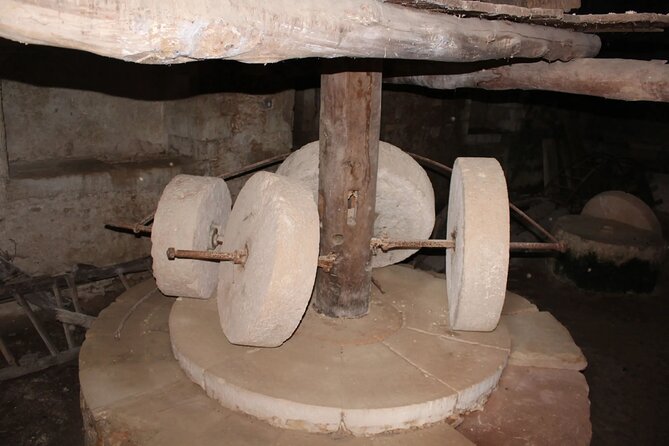
The next visit takes you to a traditional olive-oil mill in Vryses. Instead of watching modern equipment, you see the machinery and process used in earlier centuries.
The contrast with Vamos is the point. At the factory, production is organized around modern equipment and efficiency. At the old mill, the work appears far more laborious. The guide explains how olives were handled and pressed, helping you understand how much effort once went into producing a basic kitchen staple.
This half-hour stop is shorter than the factory visit, but it adds valuable context. It also breaks up the technical side of the tour with a more physical reminder of past farm life. You can see the tools directly rather than relying only on a verbal explanation.
If old machinery is not your interest, this may feel like a brief stop. Still, it is one of the better parts of the route because it makes the modern factory process easier to understand. You see not only what has changed, but why modern olive-oil production developed as it did.
Kalyves: A private farm and fresh fruit
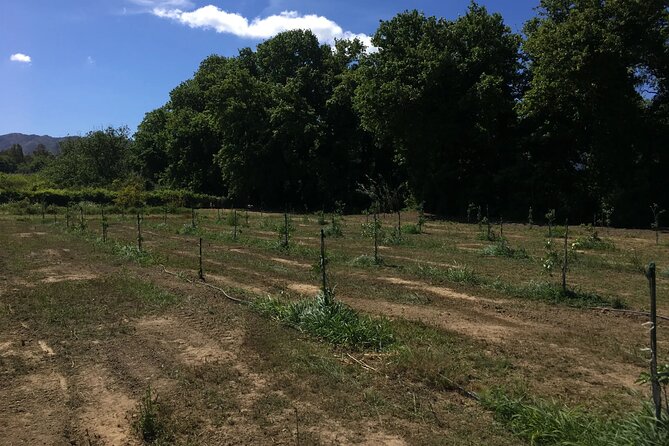
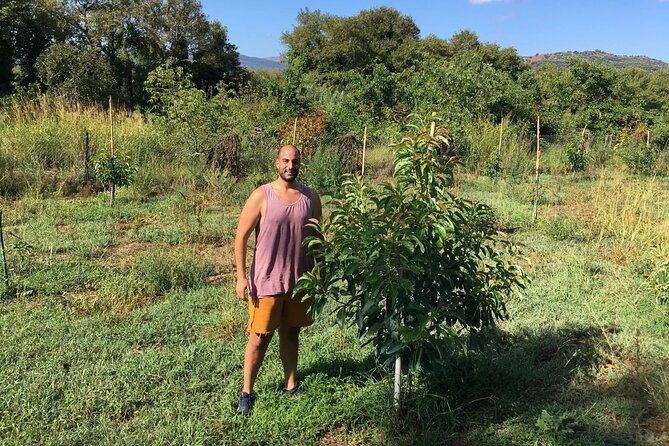
At a private fruit and olive-tree farm near Kalyves, the focus shifts from machinery to the land and the people who work it. A professional farmer explains different olive varieties, the daily routine of production, and the practical side of farm life.
You also collect fresh fruit directly from the tree. That simple activity gives this part of the day a more personal feel. It is a chance to connect the finished oil with the trees, seasons, labor, and care behind it.
This stop lasts about one hour. I like its balance of explanation and participation. You are not just watching a demonstration. You are seeing the trees at close range and hearing how a farmer approaches the work.
The description does not specify which fruit will be available during your visit, so do not expect a particular variety. The same applies to the exact olive varieties you will see. The useful promise is the farm setting and the chance to learn directly from a producer, not a fixed menu of fruit.
For families, this may be one of the easiest stops to enjoy. Children can connect with the idea of food growing on trees, while adults can ask more detailed questions about farming and olive production.
A few more olive oil tours around Chania worth a look
- Crete Wine and Olive Oil Tour
★ 5.0 · 272 reviews - Wine & Olive Oil Tour with Lunch at Milia Mountain Retreat
★ 5.0 · 194 reviews - Wine & Olive Oil Tour with Lunch – Semi Private Safari Tour
★ 5.0 · 156 reviews - Chania: Milia Mountain Tour w/Lunch Olive Oil/Wine Tastings
★ 4.9 · 97 reviews
Tsivaras: Meeting an ancient olive tree
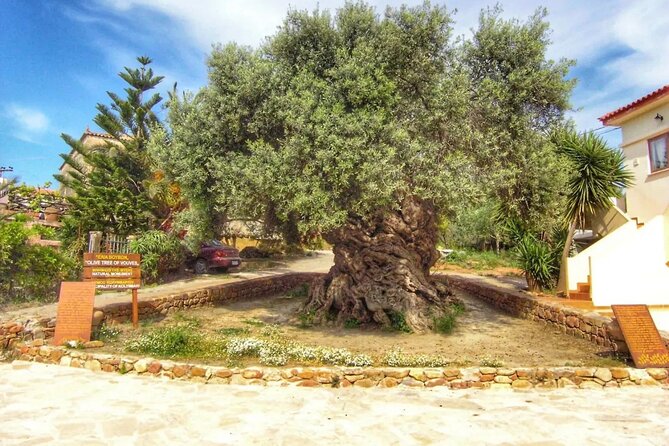
The visit to Tsivaras is the day’s most unusual stop. The group goes to an undisclosed location to see an olive tree believed to be possibly the oldest in the world. Its age is described as more than 2,500 years, and the tour also presents it as a 3,000-year-old olive tree.
That wording signals an important point: the exact age is an estimate, not something you should treat as a laboratory-certified fact. Still, an olive tree that has lived for more than two millennia is an extraordinary sight. You get to see its great dimensions and touch a living tree that has survived across countless generations.
The undisclosed location helps protect the site and keeps it away from casual crowds. It also means you should not expect to locate the tree independently after the tour. This is a guided visit, and the value lies partly in being taken to a place that is not presented as a standard public attraction.
The stop takes about one hour. It is a quiet counterpoint to the factory and mill. Instead of focusing on production, you are reminded that olive cultivation in Crete reaches far beyond modern tourism. The tree connects the day’s practical lessons with a much older story of farming and settlement.
Apokoronas: Olive oil in a monastery setting
In the Apokoronas region, you visit a monastery with a strong connection to olive-oil production. The monastery includes its own olive-oil factory, where you learn how important olive oil has been to local communities over time.
This stop adds a social and cultural layer to the tour. The factory explains the work. The farm explains the daily routine. The monastery shows how olive oil also belonged to community and religious life.
You should expect a guided visit rather than a long independent exploration. The information supplied does not name the monastery, and it does not promise a religious service or a particular architectural feature. The clear focus is the relationship between the monastery and olive-oil production.
The visit lasts about one hour. For you, the main benefit is seeing how one product can connect agriculture, local economy, tradition, and community life. It also offers a change of setting after the ancient tree and farm stops.
Vryses riverside: A short pause in the day
The second stop in Vryses is a small break in a romantic riverside village. It lasts about 50 minutes and gives you time to pause between the more structured visits.
Do not think of this as a full meal stop. Lunch and drinks are not included at the private tour stops, and the tour description does not promise a restaurant meal. Bring this limitation into your planning, especially if you are used to eating early or need regular refreshments.
The riverside setting should make this a pleasant reset. You can stretch your legs, take in the village atmosphere, and enjoy a slower moment before the final viewpoint. Since the day includes several one-hour visits, this break matters more than its short description suggests.
Ask your guide how the break will work on the day. The provided details confirm a small pause, but not the exact food arrangements or whether a particular café will be used.
Malaxa: Finishing with views over Chania
The final sightseeing stop is in Malaxa, where you pause for photographs of the valleys, villages, and regions of Chania. The stop lasts about 45 minutes.
This is a good final chapter for the route. After spending the day examining olives close up, you step back and see the broader countryside. The view helps place the farms, villages, and roads into one picture.
Bring a phone or camera, but keep your expectations practical. The tour promises broad views and photo opportunities, not a specific landmark or guaranteed weather. Visibility will naturally affect what you see.
I like that the day ends with scenery rather than another technical explanation. You finish with a sense of the region itself, not only the product it produces.
What the $179.43 price really covers
The listed price is $179.43 per person. That is a significant amount for a day excursion, but this is a private tour lasting roughly 6 to 7 hours. The cost includes hotel pickup and drop-off from central Chania areas, a professional olive-oil producer or farmer, and a licensed historian guide and driver.
It also covers a route with several separate stops, including the modern factory, traditional mill, farm, ancient olive tree, monastery, riverside village, and Malaxa viewpoint. Admission is listed as free at each stop, so you are mainly paying for private transport, guiding, planning, and access to a route that would be difficult to reproduce on your own.
The value improves if you are sharing the experience with family or friends and want your own vehicle and guide. Group discounts are available, though the exact discount is not specified. If you are a solo visitor or only want to taste oil, the price may feel high compared with a shorter food activity.
Lunch and drinks are extra. That is the one notable cost gap in an otherwise clearly structured day. Budget for refreshments, and do not assume the price includes a full meal.
Who will enjoy this tour most
I would recommend this excursion to you if you enjoy food with a strong sense of place. The tasting is only one part of the day, and you should be happy spending time on rural roads, at farms, in villages, and around historic production equipment.
It suits:
- Couples wanting a private day outside Chania
- Families interested in food, farming, and outdoor stops
- Small groups that value private transport
- Visitors arriving through Souda cruise port
- Anyone curious about how olive oil is made
- People who prefer local producers and working sites over a standard city tour
It may not suit you if you want a short tasting, a relaxed late start, or a guaranteed lunch. The 8:30 a.m. departure and several one-hour visits create a full schedule. You should also be comfortable with a day that mixes education, driving, walking around farms and mills, and brief sightseeing pauses.
Most people can participate, and the tour is near public transportation. Pickup is offered from all central Chania areas, with drop-off afterward. The tour can also be arranged as a shore excursion covering Chania and Souda cruise port.
Practical details before you go
The start time is 8:30 a.m. Confirmation is provided when you book, and the activity is private, meaning only your group participates.
The free cancellation policy allows a full refund if you cancel at least 24 hours before the local start time. Changes or cancellations made inside that 24-hour window are not accepted for a refund.
Because the route includes farms, mills, a monastery, and an ancient tree site, wear practical clothing and shoes. The supplied information does not give specific accessibility details, so contact the provider before booking if your group has mobility needs.
The experience provider is Proper Cretan Guide. The guiding team includes a professional farmer or olive-oil producer and a historian licensed by the Greek Ministry of Tourism and Culture. That combination is important: you get both hands-on production knowledge and a wider explanation of Cretan places and traditions.
Should you book it?
Book this tour if you want to understand Cretan olive oil as part of rural life, not just taste it in a glass. The strongest parts are the contrast between modern and old mills, the private farm visit, and the rare chance to see an extremely old olive tree at an undisclosed site.
Skip it if you want a simple tasting, a low-cost outing, or a day built around a long lunch. At $179.43 per person, it makes the most sense for a private group that values a full route, personal guiding, hotel transport, and access to several distinct places. For the right group, it offers a thoughtful look at the countryside behind one of Crete’s most important foods.
FAQ
Where does the tour take place?
The tour begins in the Chania area and visits Vamos, Vryses, Kalyves, Tsivaras, Apokoronas, and Malaxa.
What time does the tour start?
The scheduled start time is 8:30 a.m.
How long does the tour last?
The experience lasts approximately 6 to 7 hours.
Is hotel pickup available?
Yes. Free hotel pickup and drop-off are available from all central Chania areas.
Can I take this tour from Souda cruise port?
Yes. The experience is also available as a shore excursion covering Chania and Souda cruise port.
Is this a private tour?
Yes. Only your group participates in the activity.
What olive-oil production methods will I see?
You will see contemporary production at a modern factory, older methods at a traditional mill, and farming practices at a private olive and fruit farm.
Will I taste olive oil?
Yes. The tour includes a tasting of fresh organic extra virgin olive oil.
Is lunch included?
No. Lunch and drinks at the private tour stops are not included.
Can I cancel for a full refund?
Yes, if you cancel at least 24 hours before the experience start time. Cancellations made less than 24 hours before the start are not refunded.
Just added around Chania
- Wine, Beer, Olive Oil Tasting Private Tour (price per group of 6)★ 5.0 · 4 reviews
- Wine & Olive Oil tasting one day private tour in Crete★ 5.0 · 2 reviews
- Discover Rethymno, Lake Kournas & the Secrets of Cretan Olive Oil★ 5.0 · 10 reviews
- Rethymnon Olive Tree Sponsorship Protect and Plant Tour★ 5.0 · 5 reviews
- Chania Old Town – Millennial Olive Tree – Olive Oil Mill★ 5.0 · 2 reviews
- Crete Off-Road & Flavors Safari: Wine, Olive Oil & Mountain Life★ 5.0 · 9 reviews
- Pottery – Honey & Olive Oil experience★ 4.5 · 9 reviews
- Explore the Secrets of Wine and Olives in Rethymno★ 5.0 · 2 reviews
Organic Olive Oil Tours, compared.
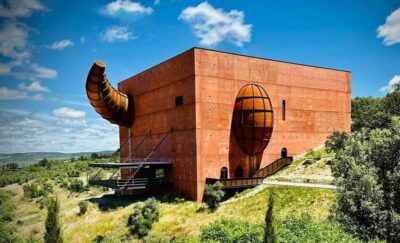
LA Almazara LA Organic, Olive Oil Museum and Tasting
Read our review →
Organic cooking class with a sommelier in an Olive and wine farm
Read our review →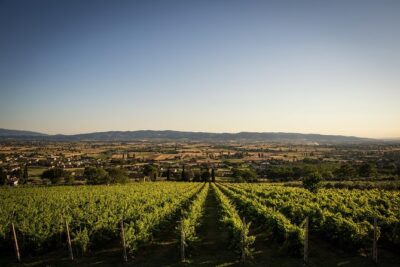
Balsamic Vinegar, Olive oil and Organic Winery Tour in Assisi with tasting
Read our review →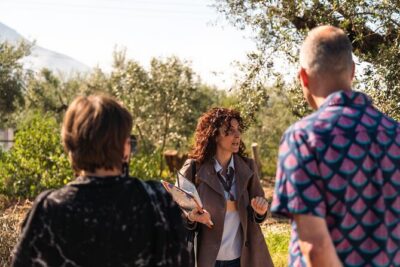
Organic Olive Grove tour & Olive oil tasting & lunch in Kalamata!
Read our review →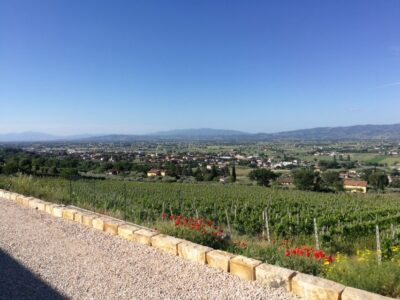
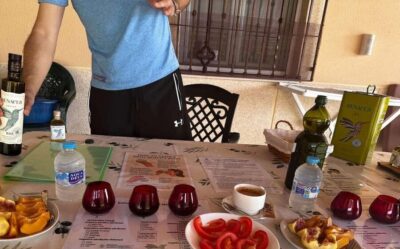
Córdoba: Visit a family organic olive grove with tasting
Read our review →
Organic Wine and Olive Oil Tasting Experience near Lecce
Read our review →
Leonardo Da Vinci’s wind mill visit and Organic olive oil tasting
Read our review →Browse the lists this tour appears in