
REVIEW · FLORENCE
Leonardo Da Vinci’s wind mill visit and Organic olive oil tasting
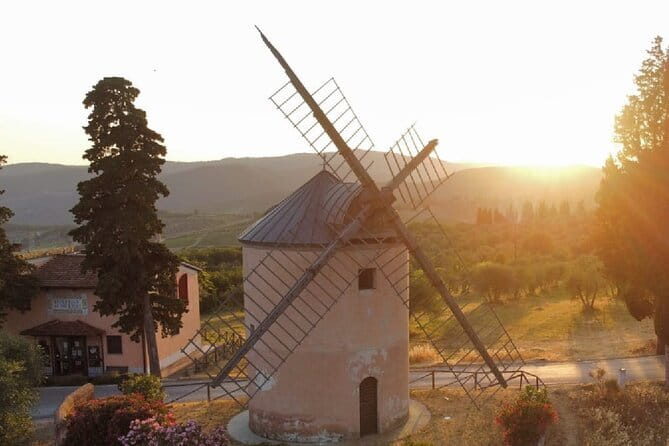
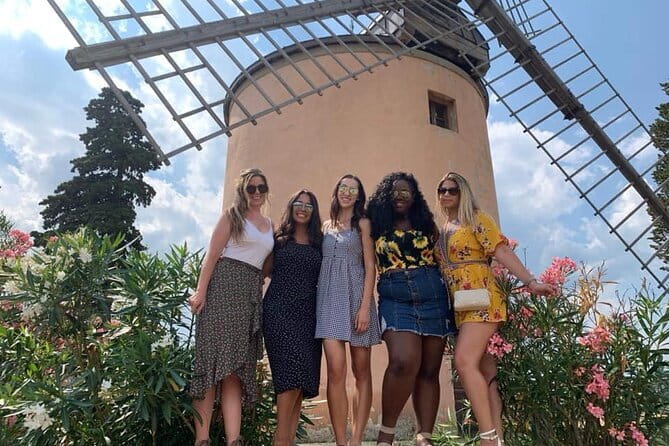
The most unusual part of this outing is the working windmill based on a Leonardo da Vinci design. At Fattoria Lavacchio, you walk through the olive groves, hear how the mill was restored, and see how wind power can turn grain into organic flour. It is a small countryside visit with a pleasing mix of farming, machinery, and food.
I like the hands-on look at Tuscan olive oil and the chance to taste several oils side by side instead of simply buying a bottle in a shop. I also like the setting: about 40 minutes from central Florence, you get open farm views and a slower pace. The catch is transport. The meeting point is outside Florence, and getting there without a car can cost more than the tour itself.
Key points to know before booking
- Leonardo-inspired windmill: Learn how the restored mill works and how it is used to make organic flour.
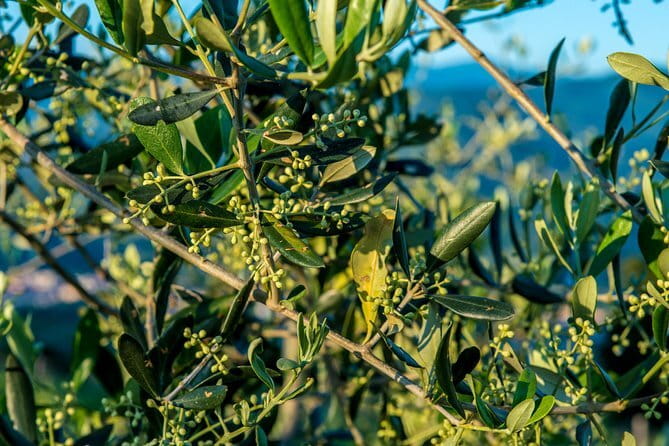
- Olive grove walk: Expect a short outdoor walk through the farm and an introduction to Tuscan olive-growing traditions.
- Three-oil tasting: Compare the qualities of good extra virgin olive oil in a guided professional tasting.
- Chianti included: Your tasting also includes one glass of organic Chianti DOCG wine or grape juice.
- About 40 minutes from Florence: The farm is in Pontassieve, not at Florence’s main train station or city center.
- Two-hour format: One hour covers the groves and mill, and one hour focuses on olive oil tasting.
A small Tuscan farm visit with an unusual centerpiece
This is not a standard Florence food walk. You leave the city for Bottega del Mulino by Fattoria Lavacchio, at Via di Montefiesole 48 in Pontassieve, and spend your time around an operating agricultural property. The focus is on how food is produced, not just how it tastes once it reaches the table.
The windmill gives the visit its character. Its design is linked to Leonardo da Vinci, and the tour covers its history, renovation, and working parts. You receive technical explanations rather than a quick photo stop, which makes the mill useful for anyone interested in old machinery, sustainable farming, or the practical side of rural life.
The tour is offered in English and includes a professional guide. The group can reach 20 people, although the experience is described as semi-private. That means the feel may depend on the day and the size of your group. It should still be more focused than a large city sightseeing tour.
More Olive Oil Tastings in Florence:
- Fiesole E-Bike Tour with Olive Oil Tasting or Pool & Chill
★ 4.7 · 94 reviews - Seggiano: Typical Tuscan Farm Tour with Olive Oil Tasting
★ 5.0 · 4 reviews - Chianti from Florence:PRIVATE Wine, Olive Oil Tasting in the Tuscan countryside
★ 5.0 · 2 reviews
Walking through the olive groves
The first hour begins with a walk through the olive groves. You get an introduction to Tuscan olive oil traditions and a closer look at the setting where the crop is grown. This short walk helps connect the tasting to the farm itself. You are not only told that the oil is local and organic, you see the trees and the land that supply it.
The walk also means you should dress for a rural property. One account notes fields and narrow stairs, so sensible shoes are a better choice than polished city footwear. The former note about correct dress appears less important than practical clothing. Wear something comfortable and suitable for walking outdoors.
The views are part of the appeal. The farm provides a change from Florence’s churches, traffic, and crowded lanes. If you want a quick taste of the Tuscan countryside without committing to a full-day wine excursion, this two-hour visit is a compact option.
The experience does not appear to include a long hike or an extended farm lunch. The olive grove portion is an introduction, not a full agricultural tour. That is useful to know if you want a relaxed outing, but it may feel brief if you are hoping to spend most of the day outdoors.
Seeing the windmill work
The windmill is the main reason this experience feels different from a standard olive oil tasting. The guide explains the historical background, the restoration, and the technical details of the mechanism. You also learn how organic flour is made through the working mill.
That practical element gives the visit a clear story. Olives are grown and processed nearby, while grain is turned into flour using a traditional mill design. The result is a lesson in local production, old technology, and the farm’s effort to preserve rural methods.
You should not expect a large museum with many separate rooms or displays. The attraction is the mill itself and the explanation that brings it to life. A good guide matters here, since machinery can be hard to understand when you only look at it from the outside.
The available feedback gives particular weight to the guide’s friendly manner and strong command of the subject. One account also describes the host as personable and practical, sharing information about farming methods and the region. No guide name is provided, so you should not expect a specific named host when booking.
Learning how to taste olive oil
The second hour is a professional olive oil tasting course. You learn how to identify differences in good extra virgin olive oil and compare three oils. This is more useful than simply hearing that one bottle is better than another. The point is to understand what you are tasting.
A guided tasting can teach you to pay attention to the oil’s smell, flavor, texture, and balance. The supplied details do not provide a formal tasting checklist, so the exact teaching style may vary. Still, the course is designed to explain the characteristics of high-quality extra virgin oil rather than offer a casual bread-and-oil snack.
This is the part I find most valuable for a first-time buyer. Olive oil labels can be confusing, and many visitors know they like an oil without knowing why. After a side-by-side comparison, you have a better chance of making sense of the differences when you shop in Florence or return home.
The tasting is also tied to the farm’s production methods. The property emphasizes organic and local products, so the session has a strong connection to place. It is not presented as a generic tasting using anonymous brands.
More Organic Olive Oil Tours in Florence:
- Amazing Lunch in organic Farm with Balsamic Vinegar Olive Oil truffle and Wine tasting Experience in Tuscany
★ 3.0 · 3 reviews - Ronda: LA Almazara LA Organic, Olive Oil Museum and Tasting
★ 4.6 · 435 reviews - Organic cooking class with a sommelier in an Olive and wine farm
★ 5.0 · 69 reviews - Balsamic Vinegar, Olive oil and Organic Winery Tour in Assisi with tasting
★ 5.0 · 66 reviews
Chianti, grape juice, and farm products
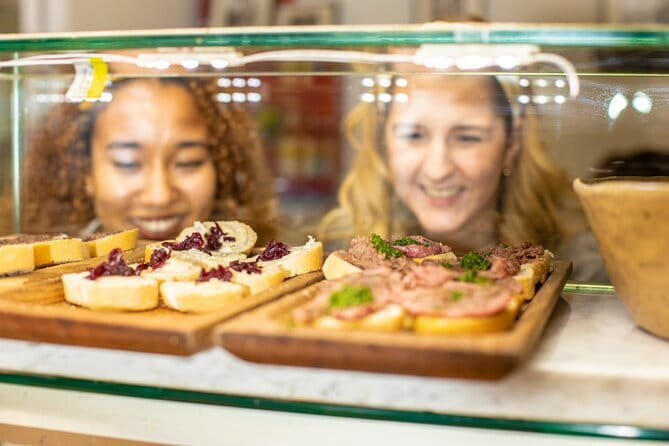
The experience includes one glass of organic Chianti DOCG wine or grape juice. That is a pleasant addition, especially because it gives non-drinkers an alternative. The wine is part of the included tasting rather than a separate wine tour, so do not book this expecting a full examination of Chianti production.
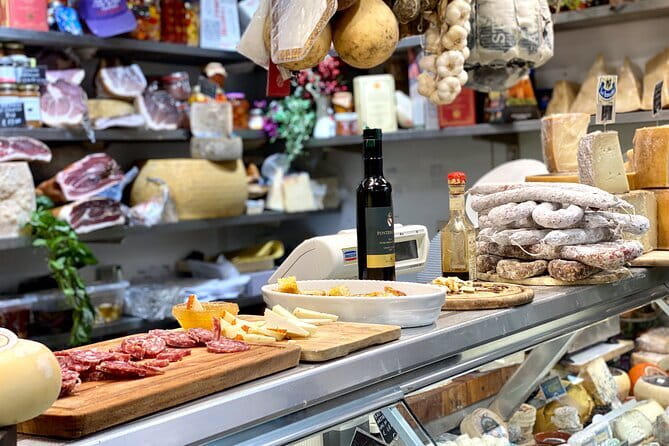
The farm shop also sells food products. A visit may give you the chance to buy salami, cheese, bread, wine, and olive oil, although purchases are not listed as part of the price. This can be a good place to pick up a practical souvenir, provided you have room in your luggage and can transport food home.
The farm’s approach is centered on natural, local, and on-site products. That helps the food tasting feel connected to the property rather than tacked on at the end. Still, the official inclusions specifically promise the professional olive oil tasting and one glass of wine or grape juice, not a full meal or a selection of salami and cheese.
The real issue: reaching Pontassieve from Florence
The meeting point is Bottega del Mulino by Fattoria Lavacchio, Via di Montefiesole 48, 50065 Pontassieve. The tour begins and ends there. Transportation to and from the attraction is not included.
This detail deserves careful attention. The farm is roughly 40 minutes from Florence by the estimate provided in the experience details, but the exact trip depends on your starting point and the transport you arrange. It is not a walk from the center of Florence.
If you have a car, the outing is much simpler. You can plan around the two-hour visit and return to Florence or continue elsewhere in the countryside. If you do not have a car, check the route before paying. One booking problem came from confusion about a train station reference. The station mentioned was not Florence’s main station, and the meeting point was still some distance away.
The operator may arrange transport in advance, but one quoted option was 90 euros per person for a Florence pickup. That can quickly change the value calculation when the activity itself costs $39.74 per person. A taxi or private transfer may be sensible for a group splitting the cost, but it can be poor value for a solo visitor or couple.
My practical advice is simple: treat transport as part of the booking decision, not as a minor detail. Confirm the exact route to Via di Montefiesole 48, allow time for the return trip, and do not assume that a reference to a Florence train station means the city’s main station.
Is two hours enough?
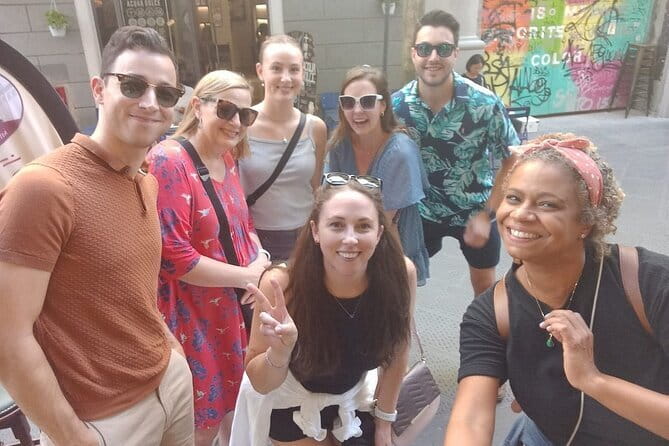
For this format, two hours is a sensible length. The first hour covers the olive groves, the mill, and the farm’s history. The second hour gives the tasting room enough time for a proper lesson rather than a rushed sample.
The short duration also makes this easier to fit into a wider Florence plan. You can spend the morning or afternoon at the farm and still have time for city sightseeing. The tradeoff is that travel time may be much longer than the activity itself, especially if you are relying on taxis or public transport.
You will get the most from the visit if you like focused experiences. It is well suited to people interested in food, farming, old machinery, organic production, and the Tuscan countryside. Families may also appreciate the windmill’s moving parts, while food lovers will probably care most about the tasting.
It is less suitable if your main goal is a long vineyard visit, a full meal, or a broad sightseeing tour of the Florence area. The farm is the destination, and the experience stays focused on olive oil, flour, wine, and rural traditions.
What the $39.74 price gives you
At $39.74 per person, the price is reasonable if you can reach the farm without a costly transfer. You receive an English-speaking expert, a professional olive oil tasting, the farm and mill visit, a small-group format with a maximum of 20 people, and a glass of organic Chianti DOCG or grape juice.
The price is especially fair for visitors who value instruction. You are paying for an explanation of how the products are made, not just for a drink and a few crackers. The windmill adds a second subject, which makes the outing more varied than a basic oil tasting.
The value falls sharply if you need a private car from Florence. A 90-euro-per-person pickup would cost more than twice the tour price. For that reason, I would compare the total cost with other countryside tours that include transport before you book.
A useful way to judge it is this: if you already have a car, are sharing a taxi, or can arrange affordable transport, the tour offers good value. If you are a solo visitor staying in central Florence, transport may be the deciding factor.
Practical details for the visit
Confirmation is provided at booking, and the activity is offered in English. Service animals are allowed, and most people can participate. Since you walk through olive fields and may use narrow stairs inside the mill, comfortable footwear is sensible.
The group maximum is 20 people. The tour is described as semi-private, but that does not mean a private tour for your own party. If you want the smallest possible group, ask the operator what the expected group size is for your date.
The activity ends back at the meeting point. Plan your return from the farm before you arrive, particularly if you have a train, dinner reservation, or museum ticket in Florence.
Free cancellation is available up to 24 hours before the start time for a full refund. Changes made inside that 24-hour window are not accepted, and the experience requires a minimum number of participants. If the operator cancels because that minimum is not reached, you can receive a different date or a full refund.
Who should book this countryside outing?
I would recommend it to you if you want a small, food-focused escape from Florence and have a sensible transport plan. The combination of a working windmill, organic flour, olive groves, and a guided oil tasting gives you several subjects in a compact visit.
It is also a good fit if you are tired of buying olive oil without knowing what separates a fresh, well-made oil from a dull one. The tasting course gives you a skill you can use for the rest of your trip and at home.
I would hesitate if you are staying in Florence without a car and have not priced the journey. The tour itself is affordable, but the distance and unclear station information can create stress. I would also skip it if you want an all-day countryside program or a substantial meal.
Should you book the Leonardo windmill and olive oil tasting?
Book this experience if the idea of seeing a Leonardo-inspired windmill and learning how Tuscan farm products are made appeals to you. The guide-led explanations, three-oil tasting, organic Chianti, and peaceful farm setting make it a worthwhile short excursion.
Before you pay, solve the transport question. With a car or shared ride, the $39.74 price is attractive. Without one, get a firm quote and exact directions first. The tour delivers an authentic rural visit, but the journey from Florence is the part most likely to affect your satisfaction.
FAQ
Where does the experience begin?
It begins at Bottega del Mulino by Fattoria Lavacchio, Via di Montefiesole 48, 50065 Pontassieve FI, Italy.
Where does the experience end?
The activity ends back at the meeting point at Bottega del Mulino by Fattoria Lavacchio.
How long does the tour last?
The experience lasts approximately two hours. One hour covers the olive groves, mill, and windmill history, followed by one hour of professional olive oil tasting.
Is transportation from Florence included?
No. Transportation to and from the attraction is not included. The farm is about 40 minutes from central Florence according to the provided information.
What is included in the tasting?
You receive a professional olive oil tasting and one glass of organic Chianti DOCG wine or grape juice.
Is the tour offered in English?
Yes. An English-speaking expert leads the experience.
What is the cancellation policy?
You can cancel up to 24 hours before the start time for a full refund. Cancellations or changes made less than 24 hours before the start time are not refunded or accepted.
Just added around Florence
- Florence: Great Chianti Wine and Olive Oil Trail with Lunch★ 5.0 · 8 reviews
- Chianti from Florence:PRIVATE Wine, Olive Oil Tasting in the Tuscan countryside★ 5.0 · 2 reviews
- Amazing Lunch in organic Farm with Balsamic Vinegar Olive Oil truffle and Wine tasting Experience in Tuscany★ 3.0 · 3 reviews
- Seggiano: Typical Tuscan Farm Tour with Olive Oil Tasting★ 5.0 · 4 reviews
- From Florence: Horseback Ride and Olive Oil and food tasting★ 4.3 · 8 reviews
- From Florence: Olive Oil Mill Tour and Tasting in Fiesole★ 3.3 · 10 reviews
- Florence: Olive Oil Tasting Experience★ 5.0 · 2 reviews
- Florence: The secret of wine, cheese and olive oil at a farm★ 5.0 · 3 reviews
Organic Olive Oil Tours, compared.
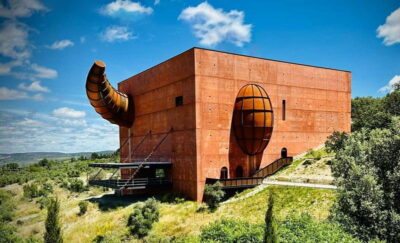
LA Almazara LA Organic, Olive Oil Museum and Tasting
Read our review →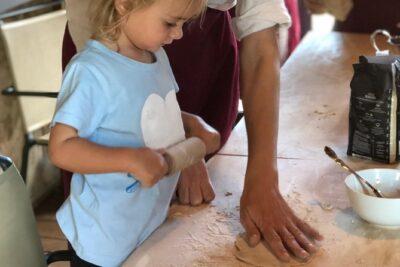
Organic cooking class with a sommelier in an Olive and wine farm
Read our review →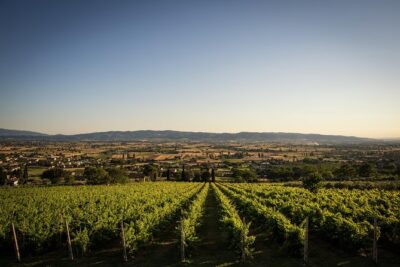
Balsamic Vinegar, Olive oil and Organic Winery Tour in Assisi with tasting
Read our review →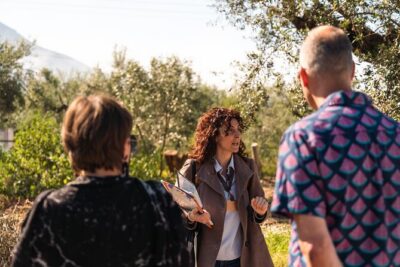
Organic Olive Grove tour & Olive oil tasting & lunch in Kalamata!
Read our review →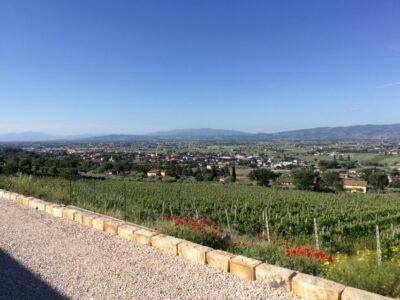
Córdoba: Visit a family organic olive grove with tasting
Read our review →
Organic Wine and Olive Oil Tasting Experience near Lecce
Read our review →
Kalamata, Greece: Organic Olive Grove Tour-Olive oil tasting
Read our review →Browse the lists this tour appears in