
REVIEW · CRETE
Kleanthi Olive Farm: Guided Tour with Local Delicacies Tasting
The best part of the Kleanthi Olive Farm tour is that it connects the whole chain, from old olive trees to modern mill equipment and finally to a generous tasting table. You walk through the grove, learn how olives are harvested and pressed, and taste the finished oil in several Cretan combinations.
I like the friendly family setting and the way guides such as Mary, George, Yannis, and Theodora explain things in clear English. I also like the value: at $25.34, you get a 75-minute visit, a proper tasting with food, and useful insight into one of Crete’s defining products. The main consideration is timing. Outside harvest season, the mill may be quiet, with no live production taking place.
Key points to know before you book
- The tour begins in an olive grove: You get a close look at the trees, farming methods, and Cretan olive-growing traditions before entering the mill.
- The mill visit explains the process: Equipment, production steps, and a short video help connect the fruit on the tree with the oil in your bottle.
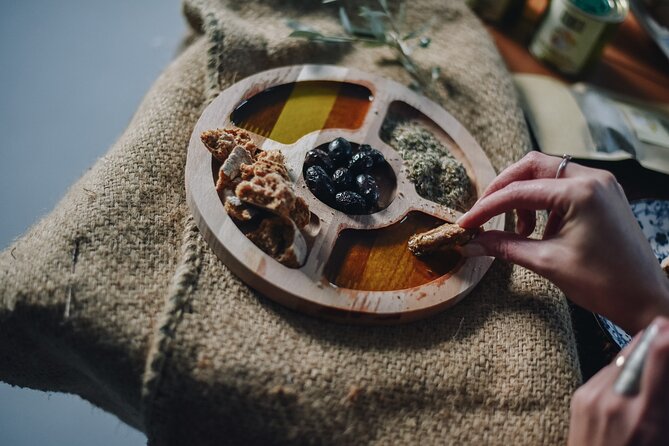
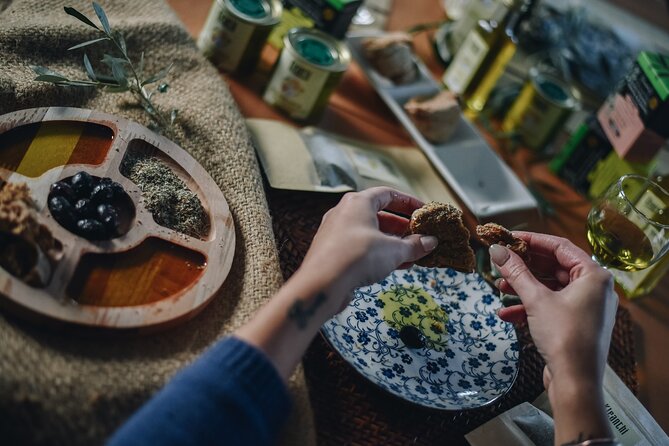
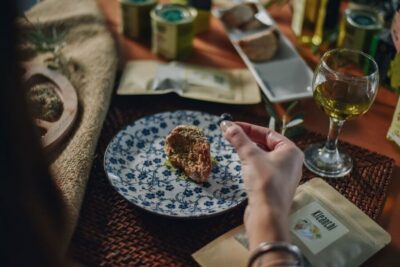
- The tasting is more than a sip of oil: Expect bread, cheeses, tomatoes, olives, fruit, yogurt, honey, herbs, and other local products.
- The guides are a major strength: Mary, George, Yannis, and Theodora are among the hosts who lead visits in friendly, clear English.
- Harvest season changes the mood: The production line operates during harvest, while off-season visits focus more on history, farming, and tasting.
- It is easy to combine with Heraklion: The farm is in Skalani, near Heraklion, and the visit ends where it starts.
Why an olive farm belongs on your Crete itinerary
Crete is often presented through beaches, ruins, and mountain villages. Olive oil gives you another way to understand the island. It is not just a bottle on a restaurant table. It is part of everyday cooking, family work, local trade, and hospitality.
At Kleanthi Family Olive Farm, you get a short but useful look at that world. The visit does not try to fill an entire day with activities. It gives you a focused 75-minute introduction, followed by food that makes the lesson easier to remember.
I find this kind of stop especially useful early in a Crete trip. Once you understand how extra virgin olive oil is made and how Cretans use it, meals across the island become more interesting. You start noticing the oil itself, not just what is placed around it.
The experience is also a good break from a busy sightseeing schedule. The farm setting offers a change of pace from Heraklion’s streets and archaeological sites, while the short duration makes it easier to fit into a larger day.
More Olive Farm Tours in Crete:
- Spiridi Olive Oil Farm Tour
★ 4.5 · 22 reviews - Cretan Farm Tour with Cheese-Making, Olive Oil Tasting & Picnic
★ 5.0 · 10 reviews - Heraklion: Olive Farm Tour with Tasting of Local Delicacies
★ 4.9 · 411 reviews
Starting among the old olive trees
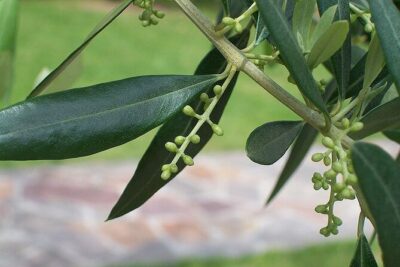
The visit starts at Kleanthi Olive Farm in Skalani, at postal code 715 00. The first part is a walk through the olive grove, where your guide explains the trees, olive cultivation, and the role of the crop in Cretan life.
This is not a strenuous hike. It is a simple walk through the farm, but sensible shoes still make sense because the experience takes place outdoors. The grove is where the process begins, so this opening section gives the rest of the visit a clear purpose.
The trees also provide the most direct connection to the farm’s family tradition. Instead of beginning with a sales counter, you begin with the source of the product. You see where the olives grow before hearing how they are handled after picking.
Guides have different personalities, but the strongest hosts here appear to be warm, patient, and comfortable with questions. Mary is praised for her friendly English and personal attention. George is described as lively and well informed about both cultivation and processing. Yannis and Theodora are also among the hosts who lead the visit.
That personal touch matters. Olive oil production can sound technical if it is explained only through machinery and dates. A family guide can connect the machinery to real work on the farm and to the food served at home.
Inside the mill, from fruit to bottle
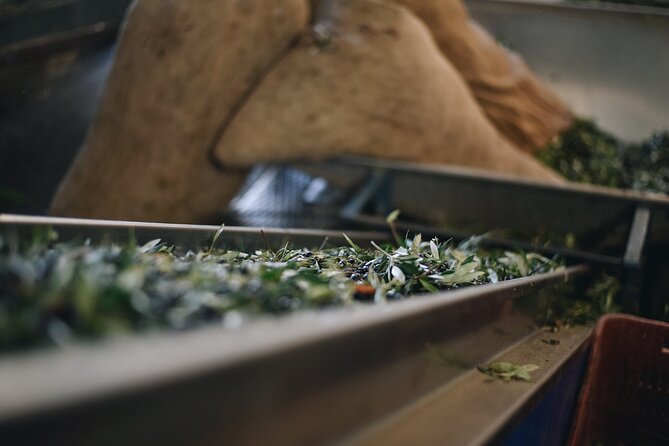
After the grove, you move to the mill and production area. Here, the focus shifts from farming to processing. You see the equipment, hear an explanation of the stages, and may watch a short video that reinforces the guide’s talk.
The exact feel of this section depends on the time of year. During harvest, the mill is in operation, so you may see the production line working. That makes the process easier to grasp because the machinery is not just sitting still. You can watch the olives move through the system and better understand how the finished oil is produced.
Outside harvest season, the mill is not operating. The guide can still explain the equipment and the process, but the setting will feel quieter and less active. If you are choosing this tour mainly to see live production, book with harvest timing in mind.
This seasonal difference is the one real weakness of the experience. A quiet off-season visit can feel thin if you expect a working factory. On the other hand, you still receive the grove visit, the explanation of olive cultivation, and the tasting. If food and local culture matter more to you than machinery in motion, the off-season may still offer good value.
The presentation also covers sustainable farming practices. That gives you useful context beyond the basic question of how olives become oil. You learn that the work involves care for the trees, the land, and the quality of the final product.
The tasting table is the heart of the visit
The tasting follows the grove and mill, and this is where the tour becomes distinctly Cretan. You sample Kleanthi olive oils with local foods rather than tasting oil in isolation.
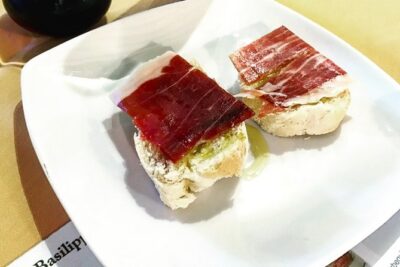
Expect combinations involving fresh bread, cheeses, tomatoes, olives, fruit, yogurt, honey, herbs, and smoked meat. Figs or grapes in syrup may also appear, along with other local products. The spread is substantial enough to feel like a generous snack or light lunch, not a token bite before shopping.
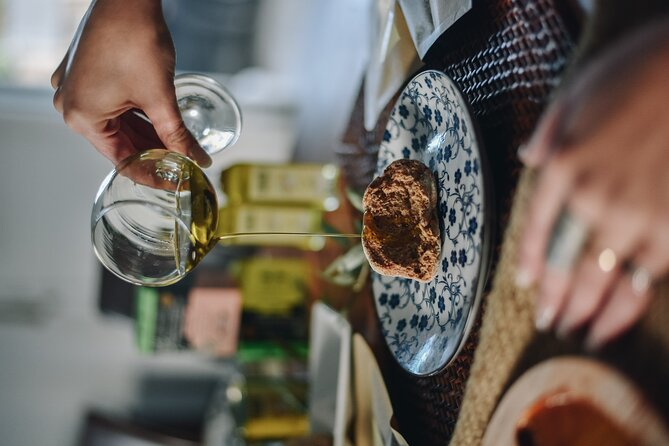
The guide may show you different ways to use the oil. You might try it with oregano or thyme, pair it with honey or syrup, or taste it alongside dairy, fruit, and bread. These combinations help you notice how olive oil changes with other flavors.
This is particularly helpful if you have never attended an oil tasting. You do not need to arrive with a trained palate. The food gives you familiar reference points, while the guide explains what to notice and how Cretan households use olive oil.
I like that the tasting is social and practical. You are not simply told that the oil is good. You taste it with foods you could actually serve at home. That makes the lesson stick, and it can give you ideas for using the bottle you take back with you.
Families should also find this section easy to enjoy. Children may not care about extraction methods or farming practices, but bread, cheese, fruit, honey, and unusual pairings give them something immediate to try. One family described the tour as a favorite activity for their children in Crete.
More Farm Visits in Crete:
- Crete: Road-trip to Lasithi, Zeus Cave & Olive Mill Farm
★ 4.4 · 451 reviews - Moires: Cooking Class and Olive Oil Tasting at a Family Farm
★ 5.0 · 93 reviews - Traditional Olive Oil Making at Spiridi Olive Oil Farm – Crete
★ 5.0 · 3 reviews - Sorrento Farm and Food Experience including Olive Oil, Limoncello, Wine tasting
★ 5.0 · 2,524 reviews
What makes the food useful, not just generous
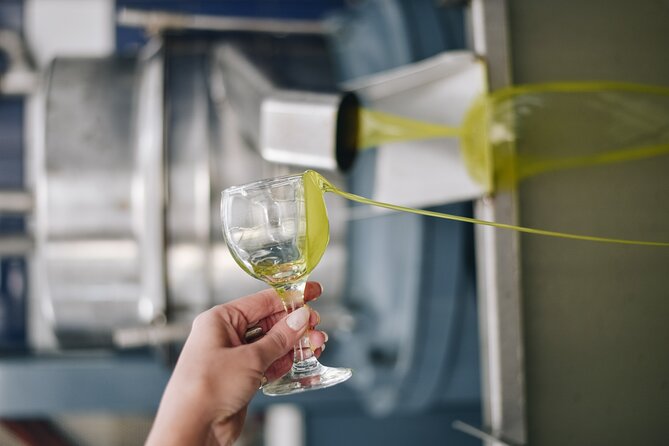
A large tasting can sometimes become an excuse to sell products. That does not appear to be the tone at Kleanthi. The farm has a small shop, but the sales approach is described as relaxed rather than pushy.
You can buy Kleanthi olive oil after the tasting, along with products such as honey. The shop gives you a chance to compare what you tasted and choose a bottle while the flavors are still fresh in your mind.
I recommend thinking about transport before buying a large quantity. Olive oil is heavy, and glass bottles need care in luggage. Still, a bottle can be one of the more useful food souvenirs from Crete, especially if you cook with olive oil at home.
The food also gives the tasting local character. Bread and cheese are familiar, but syrup-soaked fruit, herbs, honey, tomatoes, olives, and smoked meat create a broader picture of Cretan eating. You are tasting the oil as part of a food culture, not treating it like a laboratory sample.
How much time and money should you allow?
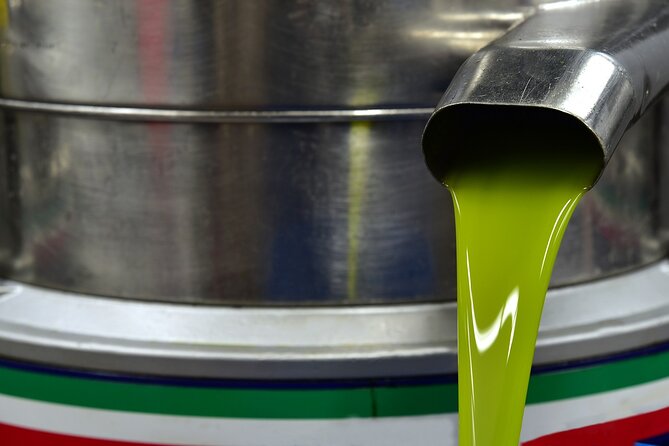
The official visit lasts about 1 hour and 15 minutes. That is long enough for the grove, mill, explanation, video, and tasting, but short enough to fit beside a morning or afternoon in Heraklion.
At $25.34 per person, the price is fair because it covers both the guided visit and the food tasting. If you only wanted to walk through an olive grove, it would be more than you need. But the combination of instruction, mill access, local products, and oil tasting gives the price real value.
The cost becomes even more reasonable for families or groups if a group discount applies. The maximum group size is 40 people, so the atmosphere can vary. A smaller group should feel more personal, while a full group may make questions and movement around the equipment less intimate.
The experience is offered in English and uses a mobile ticket. Confirmation is provided when you book. It is near public transportation, and the activity ends back at the farm, so you do not need to arrange a separate return point.
You may need a taxi or other local transport from Heraklion, depending on where you are staying. The farm is described as a short taxi ride from the city, and the location in Skalani makes it a practical outing for people based in or near Heraklion.
When harvest season matters most
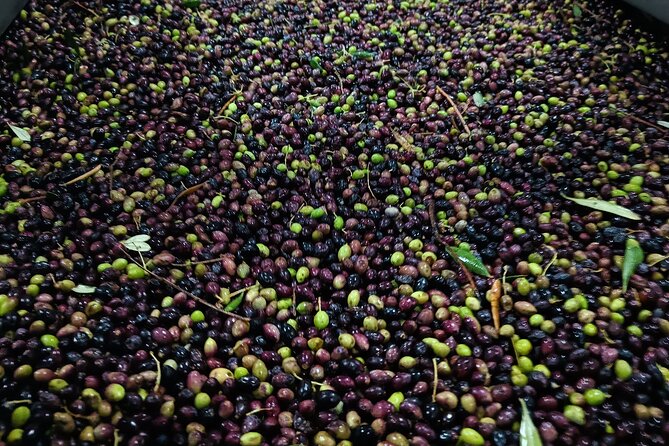
If you want the most active version of the tour, aim for harvest season. The mill is then in full operation, and you can see the production line working rather than only hearing how it works.
That does not mean an off-season visit is automatically a poor choice. The farm remains open for the grove walk, history, farming explanation, and tasting. The quieter period may even suit you if you prefer a calmer visit and care more about food than factory activity.
Be honest about what you want from the day. If your main interest is traditional agriculture and a relaxed meal, any season can work. If your main interest is seeing olives processed in real time, ask about harvest dates before booking.
Weather can also affect the visit. The experience requires good weather, and a cancellation caused by poor conditions comes with the choice of another date or a full refund. That policy is useful for planning, particularly if your Crete schedule is tight.
Who will enjoy this tour most?
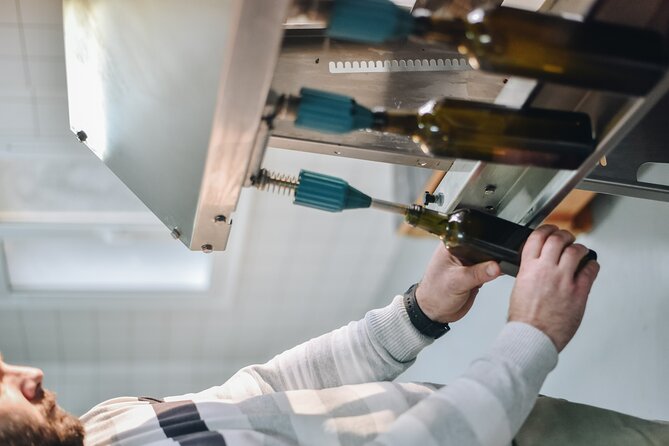
I would recommend Kleanthi to several kinds of visitors:
- Food-focused visitors who want to understand an ingredient they will encounter at nearly every Cretan meal.
- Families looking for a short, hands-on cultural activity with plenty of familiar food.
- Couples and small groups who enjoy local production, tasting, and a relaxed family setting.
- Visitors staying near Heraklion who want an easy outing without committing to a full-day excursion.
- Olive oil buyers who want to taste before choosing what to take home.
- Curious first-time visitors who want a simple introduction to Cretan agriculture.
It may be less suitable if you expect a large museum, a long farm hike, or a full meal with many courses. It is also not the best match for someone who wants guaranteed live mill activity but is visiting outside harvest season.
The walk itself appears manageable, but the farm setting means you should wear comfortable footwear and be ready to spend part of the visit outdoors. Service animals are allowed, and the activity is near public transportation.
Booking and cancellation details
The tour is often reserved about 19 days ahead, so I would not leave it until the last minute if it is important to your schedule. The high rating, 4.9 from 51 ratings, and 98 percent recommendation rate also suggest that popular dates can fill.
You can cancel for a full refund up to 24 hours before the start time. Changes or cancellations inside that 24-hour window are not accepted for a refund, and the cut-off follows local time.
Because the experience depends on good weather, a farm cancellation for poor conditions gives you another date or a full refund. That is a sensible safeguard for an outdoor visit.
Should you book Kleanthi Olive Farm?
Yes, if you want a compact, good-value look at Cretan olive oil with a generous local tasting. The strongest reasons to book are the family atmosphere, clear English explanations, practical food pairings, and the chance to connect the grove, mill, and finished bottle in one visit.
Before booking, check the season. Harvest time offers the fullest version because you can see the mill working. Outside harvest, expect a quieter history-and-tasting visit rather than a live production show.
For most people staying near Heraklion, the price and short duration make this an easy addition to a Crete itinerary. I would especially choose it for families and food lovers, then buy a bottle only after tasting it with the bread, cheese, fruit, and herbs at the farm.
FAQ
Where does the Kleanthi Olive Farm tour begin?
The tour begins and ends at Kleanthi Olive Farm, Skalani 715 00, Greece.
How long does the olive farm experience last?
The visit lasts approximately 1 hour and 15 minutes.
What language is the tour offered in?
The experience is offered in English.
What food is included in the tasting?
The tasting includes Kleanthi olive oils with local products such as bread, cheeses, tomatoes, olives, fruit, yogurt, honey, herbs, and smoked meat. Figs or grapes in syrup may also be served.
Is the olive mill operating all year?
No. The mill is active during harvest season. Outside harvest, the tour focuses on olive-growing history, the grove, the equipment, the production explanation, and the tasting.
What is the cancellation policy?
You can cancel at least 24 hours before the start time for a full refund. Cancellations or changes made less than 24 hours before the start time are not accepted for a refund. If poor weather causes the farm to cancel, you can choose another date or receive a full refund.
Just added around Crete
- 1 hour and 30 minutes wines and olive oil tasting in Greece★ 5.0 · 2 reviews
- Crete in a Day: Knossos, Soap Workshops, Olive Oil & Wine Tasting★ 5.0 · 5 reviews
- Traditional Olive Oil Making at Spiridi Olive Oil Farm – Crete★ 5.0 · 3 reviews
- Full Day Spinalonga Elouda Agios Nikolaos Olive factory Tour★ 4.5 · 5 reviews
- PRIVATE Workshop ESSENTIAL OILS & OLIVE OIL Factory with TASTING★ 5.0 · 5 reviews
- Guided Tasting of 3 Extra Virgin Olive Oils at Douloufakis Winery★ 5.0 · 2 reviews
- Shore Escape: Chania, Monastery & Olive Oil Tasting★ 5.0 · 6 reviews
- Private Guided Tour to Lasithi Plateau Villages & Olive Oil Mill★ 5.0 · 5 reviews
Olive Farm Tours, compared.
Olive Farm Tour with Tasting of Local Delicacies
Read our review →
Traditional Olive Grove and Dragon Fruit Farm Tour
Read our review →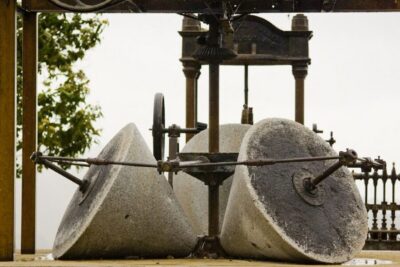
Private Traditional Olive Grove and Dragon Fruit Farm Tour
Read our review →
Browse the lists this tour appears in