
REVIEW · CROATIA
Olive farm & village
Vardia farm gives you something Dubrovnik itself cannot: a quiet morning among olive trees, vines, fruit, and old stone terraces, only 15 minutes from the Old Town. Ivica Vlašić guides you through land tended by his family for centuries, then serves olive oil, homemade bread, white wine, and fruit liqueurs.
I like the small maximum of eight people, which leaves room for questions and a personal welcome. I also like the mix of walking and tasting: you do not simply sit at a table and sample products, you see the trees, herbs, vegetables, and vines that produce them.
The main consideration is the footing. This is an easy-to-moderate walk, but it includes about 30 minutes on a hillside, with uneven ground and some uphill and downhill walking. Wear sensible shoes, and do not treat this as a fully accessible sightseeing stop.
Key points to know before booking
- A family farm above the Adriatic: Vardia sits on Malaštica Hill, about 200 metres above the sea and near the Bosnia and Herzegovina border.
- Ivica Vlašić leads the visit: He shares family farming knowledge and stories connected with the property.
- The tasting comes from the farm: Expect olive oil, bread, salt, vinegar, white wine, and homemade fruit or herb liqueurs.
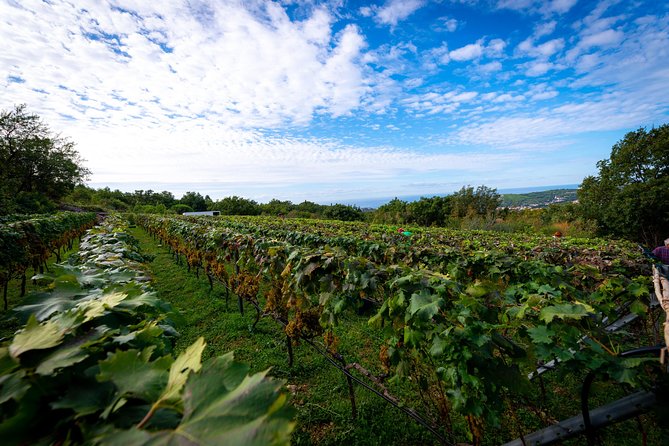
- You walk before you taste: The route passes olive groves, vines, an organic farm, old oak trees, herbs, and fruit trees.
- Pickup keeps the morning simple: Collection is offered at Dubrovnik hotels or meeting points, with an 8:30 am start.
- A good escape from city crowds: The experience lasts about 2 hours and 45 minutes and takes no more than eight people.
A countryside morning 15 minutes from Dubrovnik
Dubrovnik can feel packed, especially around the Old Town streets and city walls. Vardia farm offers a useful change of pace without taking up a full day. After pickup from your hotel or an agreed meeting point, you drive into the countryside toward Malaštica Hill.
The farm sits roughly 200 metres above the Adriatic Sea, close to the border with Bosnia and Herzegovina. That location gives the outing its character. You are still near Dubrovnik, but the sound and rhythm change quickly once you leave the stone streets behind.
This is not a formal estate with grand buildings and polished displays. The attraction is the working family farm itself. Ivica shows you the land, explains how the crops are grown, and connects the present-day visit with the work of his father and grandfather.
That personal link matters. You get a better sense of Croatian country life when the person explaining the olive trees also knows the family stories behind them. The farm has been in the Vlašić family for centuries, and the visit treats that past as part of daily life rather than as a museum exhibit.
More Olive Farm Tours in Croatia:
- Heraklion: Olive Farm Tour with Tasting of Local Delicacies
★ 4.9 · 411 reviews - Traditional Olive Grove and Dragon Fruit Farm Tour
★ 4.8 · 118 reviews - Olive Oil Farm Tour with Tasting from Seville
★ 4.5 · 61 reviews
Walking through olives, vines, and old terraces
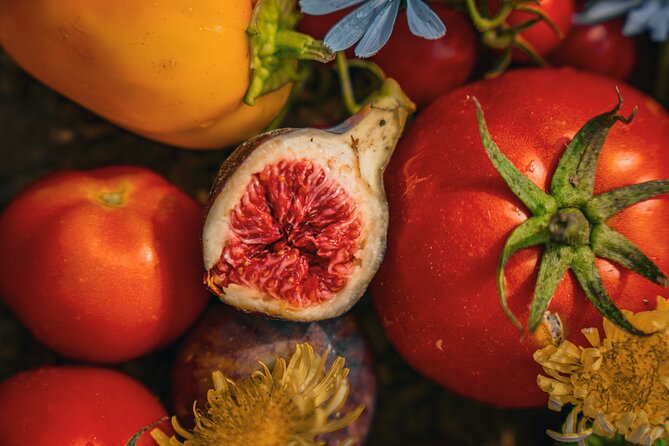
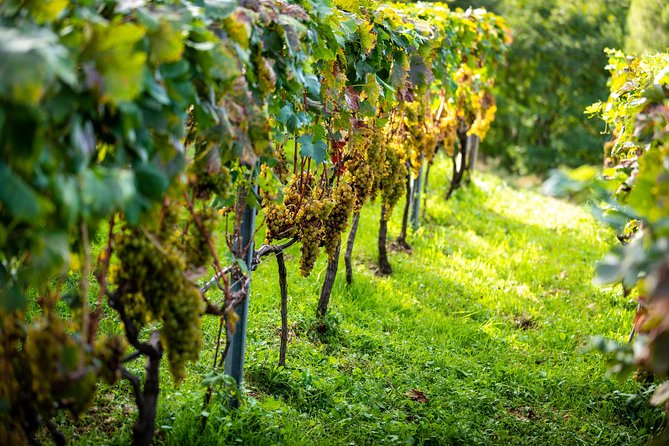
The walk begins among the farm’s olive trees and cultivated areas. You may pass fruit trees, vegetable plots, grapevines, bay trees, rosemary, wildflowers, and old oak trees. Depending on the season, the produce can include figs, grapes, blackberries, almonds, pomegranates, plums, cherries, tomatoes, potatoes, or peppers.
The chance to taste something directly from the plant is one of the best parts of the visit. Fresh fruit and vegetables make the farm feel active and productive, not simply arranged for sightseeing. You might taste an almond from the tree or a fig picked along the path, then hear how the family uses the land.
The farm is described as covering about 100 acres, though you should not expect to walk across every part of it. The usual outing includes an easy route down and back up the hillside, with around 30 minutes of walking. The pace is suited to stopping for explanations, smells, views, and samples rather than covering distance.
You should still prepare for uneven ground. Ancient terraces and farm paths are more practical than smooth, paved walkways. Trainers or walking shoes are the sensible choice. Sandals with poor grip could make the return uphill less comfortable.
The walk is not a demanding hike for most people with moderate fitness, but it is also not a flat garden stroll. If you have trouble with slopes, ask about the route when booking. The supplied information specifically describes moderate physical fitness as necessary.
What Ivica adds to the farm visit
Ivica Vlašić is central to the experience. He leads the walk and explains cultivation, harvesting, and production in plain, personal terms. His connection to the farm gives the visit a natural flow: the olive trees lead to the oil, the vines lead to the wine, and the fruit trees lead to the liqueurs and homemade products.
You are not just given a list of crops. The setting becomes the classroom. Ivica’s education and practical experience working with his father and grandfather shape the explanations, so the information is tied to actual work on the property.
That makes this a good choice if you prefer a host-led experience over a large commercial tasting. With a maximum of eight people, you can ask about olive cultivation, family farming, fruit production, or the differences between the products you taste.
The small group also affects the mood. This is likely to feel closer to spending a morning with a local family than joining a coach excursion. That is a strength, but it also means the experience depends on the host, the weather, and the season. It does not follow the same polished script as a major winery tour.
The olive oil tasting, from simple to more revealing
The tasting focuses on the farm’s organic olive oil. You try it in three ways with homemade bread, salt, and vinegar. This is a simple setup, but it helps you notice how the same oil changes when eaten plain, with salt, or with vinegar.
Start with the oil on its own. Then use the bread to carry the flavor, add salt, and finally try the vinegar combination. You do not need to be an olive oil expert. The point is to compare and pay attention.
Homemade bread is an important part of the tasting rather than a minor extra. It gives you something substantial to eat after the walk, and it suits the informal farm setting. The bread may also be joined by other homemade items such as shortbread, apricot jam, or sugared almonds, depending on what is being served.
The tasting is not presented as a long parade of oils. If you want a specialist olive oil class with many varieties and detailed technical notes, this may feel limited. If you want to understand one family’s product in the place where it is made, the format works well.
More Farm Visits in Croatia:
- Buje: Authentic Istrian family farm, guided walk, foods & wine
★ 5.0 · 37 reviews - Sorrento Farm and Food Experience including Olive Oil, Limoncello, Wine tasting
★ 5.0 · 2,524 reviews - Crete: Road-trip to Lasithi, Zeus Cave & Olive Mill Farm
★ 4.4 · 451 reviews - Lassithi, Zeus Cave, Olive Mill Farm & Knossos Combo Tour
★ 4.6 · 404 reviews
Wine, liqueurs, and produce from the orchard
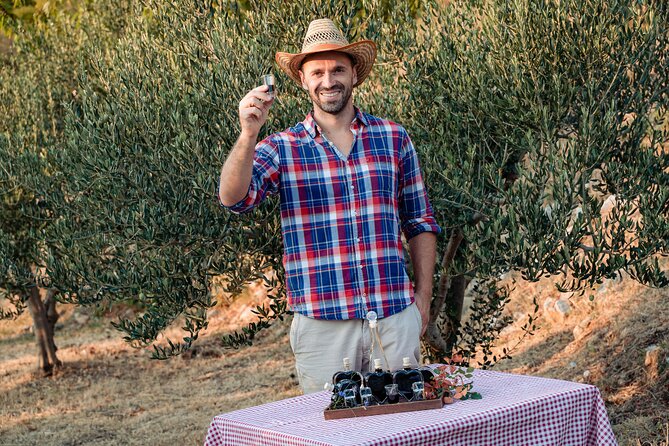
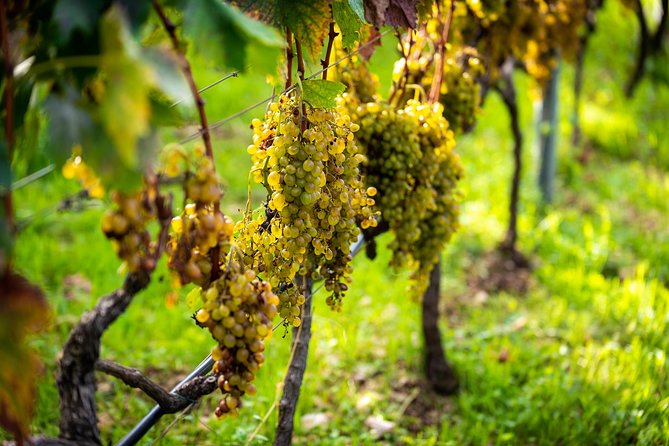
The farm’s white wine is served with the bread and olive oil. The tasting can include two types of wine, along with homemade liqueurs made from products grown on the property. Walnut liqueur, fruit liqueurs, herb brandy, and a lemon-flavored wine have all been part of the experience described by the provider and past visitors.
The walnut liqueur is particularly tied to the farm because walnuts are grown there. A homemade herb brandy or fruit liqueur gives you a taste of another side of Croatian rural food culture, one that you might miss on a standard wine tasting.
The produce changes the visit from a fixed menu into a seasonal experience. Figs, grapes, berries, almonds, tomatoes, peppers, and other fruits or vegetables may be available at different times of year. That means you should not book expecting every item listed above. The reliable core is the olive oil, bread, and white wine, while the garden samples depend on the season.
The wine selection is also smaller than at a traditional winery tour. You may taste an outstanding white wine and a couple of liqueurs rather than several vintages. That is worth knowing if your main goal is a broad wine education. The strength here is the connection between the drinks and the farm, not the size of the wine list.
The setting above the Adriatic
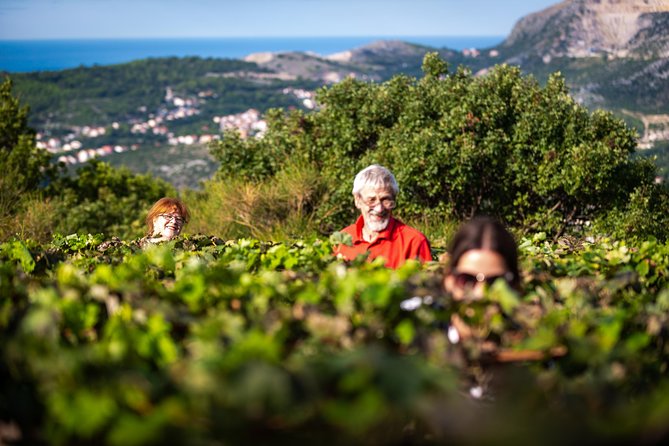
The view is a major reason to make the trip. From the hillside, you look out toward the Adriatic while sitting among the farm’s trees and fields. The quiet setting makes a sharp contrast with Dubrovnik’s busy core.
The morning departure is practical in summer. An 8:30 am start gets you out before the hottest part of the day, and you return to your accommodation after the tasting. The property may look especially appealing at sunset, but the listed experience begins in the morning, so you should not book it assuming an evening departure.
The scenery is not separated from the activity. You see the sea while learning about olive trees, eat products made from the land, and walk through the plants before sitting down. That combination gives the visit more meaning than a viewpoint stop followed by a standard meal.
There is also a gentle social side. The small group can bring people from different countries together around the table, but you should expect a shared experience rather than a private tour unless your booking happens to be the only one that day. One couple was still taken out when they were the only people booked, which suggests the provider may keep the appointment rather than cancel it for a small group. It is best to confirm this directly if it matters to your plans.
Is $84.10 a good value?
At $84.10 per person, this is not the cheapest way to taste Croatian food or wine. You are paying for more than the food on the table. The price includes pickup in the Dubrovnik area, transport to the farm, a guided walk, the host’s time, the farm setting, and the tasting.
The 2-hour-45-minute duration makes the price easier to justify. You are not rushing through a 45-minute sample session. You get a countryside outing that fills much of the morning without requiring a full-day commitment.
Value depends on what you want. If you mainly want several glasses of wine, a city wine bar could offer more choice for less money. If you want a personal visit to a family farm, a walk among working olive trees, and a direct connection between the land and the food, the cost is more reasonable.
Pickup adds practical value in Dubrovnik. You do not need to arrange a car or figure out how to reach Malaštica Hill, and the return to your accommodation is included. Ask for the exact pickup details when booking, since collection is arranged at hotels or meeting points in the Dubrovnik area.
The experience is often booked well ahead, with an average lead time of about 57 days. That is useful planning information, especially if you are visiting in a busy season or have only a few mornings available. A group of eight is small, so last-minute availability may be limited.
Who will enjoy Vardia farm most?
I would recommend this outing to you if you want a break from Dubrovnik’s historic center and prefer a local, food-based experience. It suits couples, small groups, families with older children, and anyone interested in olive oil, home cooking, fruit growing, or rural life.
Children can enjoy the edible garden, fruit tasting, goats, and open countryside, although the walk and uneven ground still require supervision. The provider also offers substitutes for children during the tasting, according to the information supplied.
This is a particularly good fit if you value conversation. Ivica’s stories and explanations are a central part of the visit, so people who like to ask questions will get more from it than those looking for a quick photo stop.
You may want to choose another activity if you need step-free access, dislike slopes, or want a long and technical wine education. The walk is described as easy to moderate, not fully flat. The tasting is generous and personal, but it is not designed as a large professional wine course.
Service animals are allowed. Confirmation is provided at booking, and the activity requires good weather. You can cancel for a full refund up to 24 hours before the start time, but changes or cancellations inside that window are not accepted. If bad weather causes the provider to cancel, you are offered another date or a full refund.
Should you book this farm visit?
Book it if you want to see a more domestic side of the Dubrovnik area, taste food made close to where it is grown, and spend a few quiet hours with a family host. The combination of old terraces, Adriatic views, and a personal farm story is the real attraction.
I would especially choose Vardia if your itinerary already includes Dubrovnik’s walls, churches, and busy streets. It gives you a useful pause without demanding a full day. Wear good shoes, keep your expectations focused on a small farm tasting rather than a major winery, and leave room for seasonal surprises from the garden.
If you want polished facilities, many wine varieties, or a flat route, this may not be your best match. For an authentic countryside morning with olive oil, homemade bread, white wine, fruit, and Ivica’s guidance, it offers very good value.
FAQ
Where is Vardia farm located?
Vardia farm is on Malaštica Hill, about 200 metres above the Adriatic Sea, near the border with Bosnia and Herzegovina. It is about a 15-minute scenic drive from Dubrovnik’s Old Town.
How long does the experience last?
The experience lasts approximately 2 hours and 45 minutes.
What time does the tour start?
The stated start time is 8:30 am.
Is pickup available?
Yes. Pickup is arranged from hotels or meeting points in the Dubrovnik area, and you are returned to your accommodation afterward.
Who leads the experience?
Ivica Vlašić leads the farm walk and explains the family’s farming practices, cultivation, and production.
What will I taste?
The tasting includes organic olive oil, homemade bread, white wine, salt, and vinegar. You may also taste homemade herb brandy or fruit liqueurs made with produce from the farm.
Is there walking involved?
Yes. The outing includes an easy-to-moderate walk down and up the hill through olive groves, the organic farm, and an old oak forest. About 30 minutes of walking is specified.
What should I wear?
Wear sensible shoes suitable for uneven paths and uphill or downhill walking.
How many people can join?
The maximum group size is eight people.
What happens if the weather is poor?
The activity requires good weather. If it is canceled because of poor conditions, you are offered another date or a full refund. You can also cancel up to 24 hours before the start time for a full refund.
Just added around Croatia
- Zadar, Šibenik: olive oil, wine & food tasting, Self Drive★ 4.7 · 9 reviews
- Olive Oil Tour of Solta Island with Lunch★ 5.0 · 4 reviews
- Private tour of Brač island with olive oil tasting★ 5.0 · 2 reviews
- Wine, Honey & Olive Oil of Solta Island – Tasting Tour★ 5.0 · 4 reviews
- Makarska Tuk Tuk Tour Olive Grove, Scenic Views and Tastings★ 5.0 · 3 reviews
- Small-Group Olive Oil Tour in Cres with Tasting★ 5.0 · 2 reviews
- Private Hvar Island Tour and Olive Oil Tasting★ 4.5 · 10 reviews
- Poreč: Olive Grove Walk and Tasting with Local Products★ 5.0 · 5 reviews
Olive Farm Tours, compared.
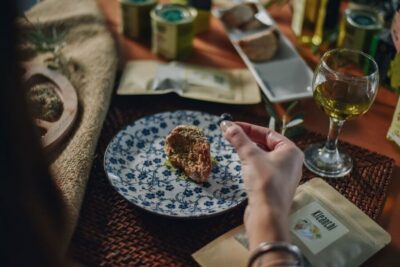
Olive Farm Tour with Tasting of Local Delicacies
Read our review →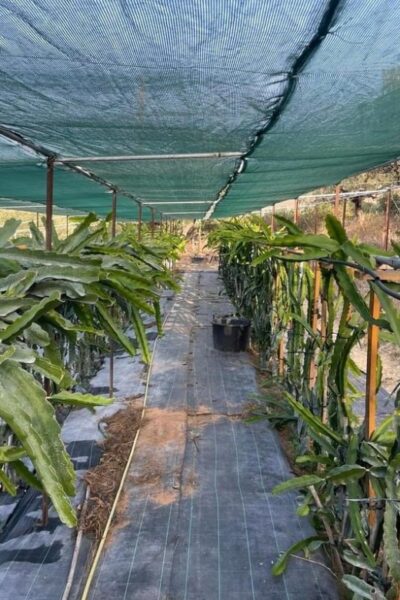
Traditional Olive Grove and Dragon Fruit Farm Tour
Read our review →
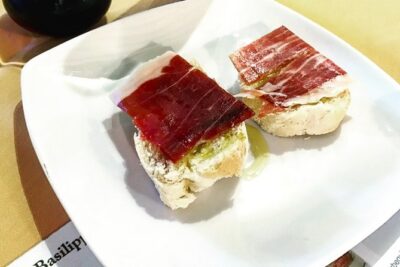

Kleanthi Olive Farm: Guided Tour with Local Delicacies Tasting
Read our review →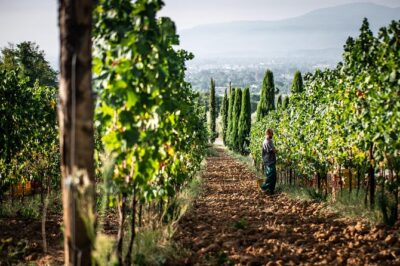
Private Traditional Olive Grove and Dragon Fruit Farm Tour
Read our review →
Browse the lists this tour appears in