
REVIEW · SORRENTO
Sorrento: Guided Olive Mill Visit with Tastings
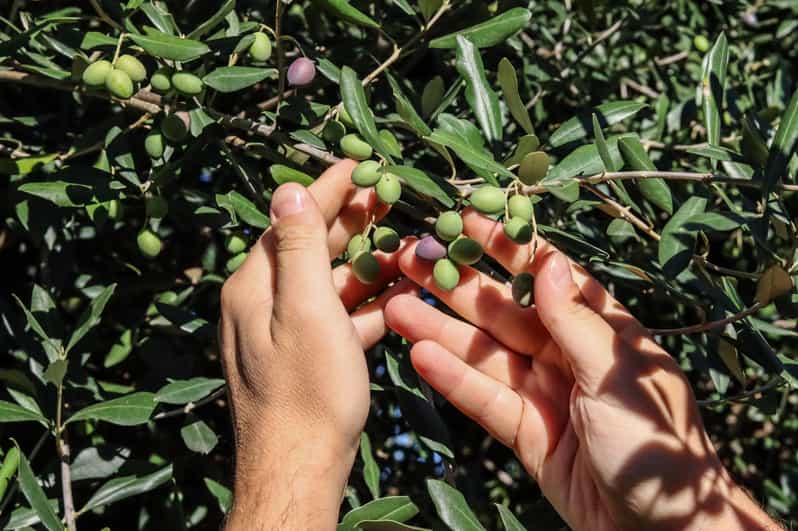
Sorrento’s olive oil story comes alive here through a tasting that goes far beyond a splash of oil on bread. You’ll walk among old olive trees, visit a working mill when the season allows, and compare 15 extra virgin oils, including blends with lemon, orange, truffle and chili.
I like the easy hotel pickup and the sheer range of samples. I also like the practical food advice, such as pairing balsamic glaze with cheese or using lemon honey on bread. The main drawback is that the mill visit can feel brief, especially outside the harvest season, and the production explanation may rely on a video rather than live machinery.
Key points to know before you book
- Taste around 20 oil styles: The core tasting includes 15 extra virgin oils, with roughly 20 flavored blends available, including citrus, truffle and chili versions.
- Pickup is included: Transportation connects your accommodation on the Sorrentine peninsula with the mill and back to Sorrento.
- The tasting goes well beyond oil: Honey, citrus marmalades, balsamic glazes, Limoncello and cream liqueurs are part of the experience.
- Harvest timing matters: Visit during production season if seeing the machinery in action is important to you.
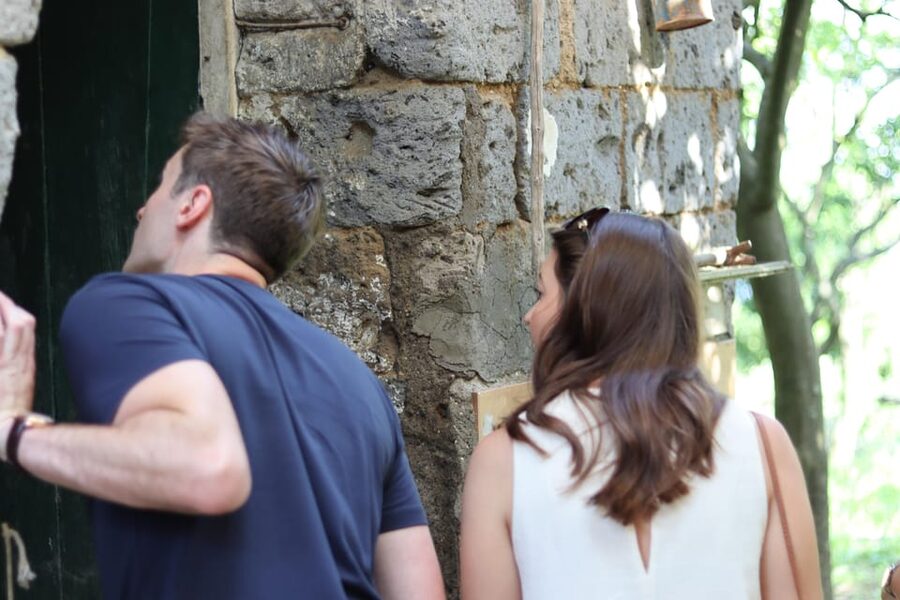
- Viola has led especially personal visits: On one small tour, she answered questions freely and helped make the tasting feel relaxed rather than rushed.
- Wine costs extra: Campania wine pairings may be available, but they are not part of the $50 price.
Why this Sorrento olive mill visit is worth your time
Sorrento can fill a day with lemon shops, sea views and crowded lanes. This visit gives you a different side of the area: the farm products that end up on local tables and in the colorful bottles sold across town.
The experience is built around tasting, not just looking at agricultural equipment. That matters because olive oil is easy to misunderstand. A bottle labeled extra virgin does not tell you how peppery, grassy, fruity or mild it will taste. Sampling several oils side by side helps you notice the differences.
The unusual part is the flavored selection. Along with standard extra virgin oils, you can try versions made with local citrus, oranges, truffles, chilies and other ingredients. These are not all-purpose cooking oils. They are best thought of as finishing oils, used in small amounts over food where their flavor can be noticed.
The staff also explains organic production methods and offers suggestions for using the oils. You might leave with a better sense of which oil belongs on salad, which could work with fish or vegetables, and which is better saved for a simple piece of bread.
More Olive Mill Visits in Italy:
- Bardolino: Lake Garda Oil Mill Tour with Olive Oil Tasting
★ 4.9 · 205 reviews - Olive Oil Tours and Tasting at Frantoio di Montalcino
★ 5.0 · 85 reviews - Lecce to Galatina E-Bike: Olive Mill & Wine Tasting + Taxi back
★ 5.0 · 54 reviews
Pickup from your accommodation on the Sorrentine peninsula
The included pickup makes this a simple half-day-style outing, even though the activity itself lasts only about 1.5 hours. You do not need to arrange a taxi to a rural mill or work out a bus connection from Sorrento.
The listed route begins in Sorrento, continues through the Sorrento Peninsula for the guided visit, and returns you to Sorrento. Since pickup is offered from accommodations in the Sorrentine peninsula, confirm the exact pickup point and timing when you reserve.
This is especially useful if you are staying outside Sorrento’s center. It also helps if you plan to buy bottles or cosmetics, since you will not have to carry your purchases through town immediately afterward.
The group size can affect the feel of the visit. One recent booking had only two people, allowing plenty of time for questions. That is not a promise that every departure will be private or tiny, but it shows that the format can sometimes be personal and conversational.
Walking among Sorrento’s old olive trees
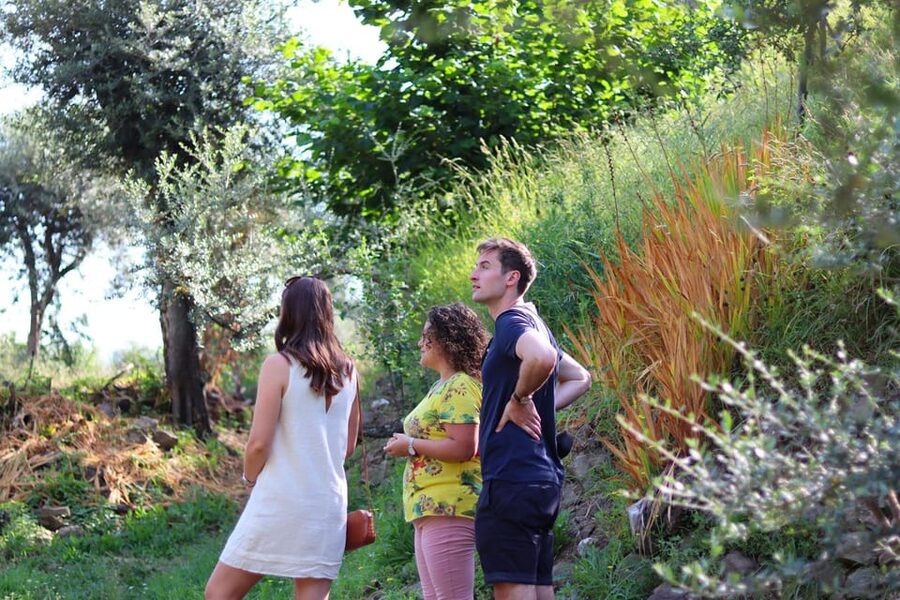
The orchard visit gives the tasting a sense of place. Instead of treating oil as a souvenir with a lemon on the label, you see the trees and the setting connected to its production.
The available information does not specify how long you spend outdoors or how extensive the orchard walk is, so I would keep expectations sensible. This is not a full agricultural day with a long farm hike. The guided visit is about an hour within a 1.5-hour experience.
If you want detailed instruction about olive varieties, pruning, harvest methods and the full growing cycle, ask questions as you go. One lower-scoring experience specifically found the explanation of the groves and varieties too limited. That is useful guidance: this outing is strongest as a food tasting with an orchard and mill visit, not as a technical farming course.
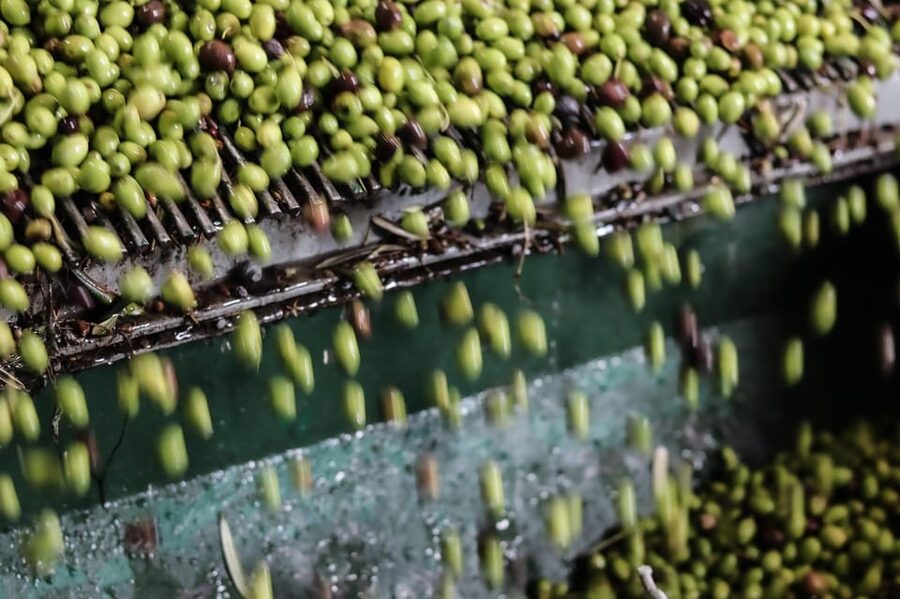
The time of year can change the visit in a meaningful way. During harvest, the mill may be operating, giving you a chance to see the production area in use. Outside that period, the machinery may be quiet, and the process may be explained with a video instead.
Seeing the mill during harvest season
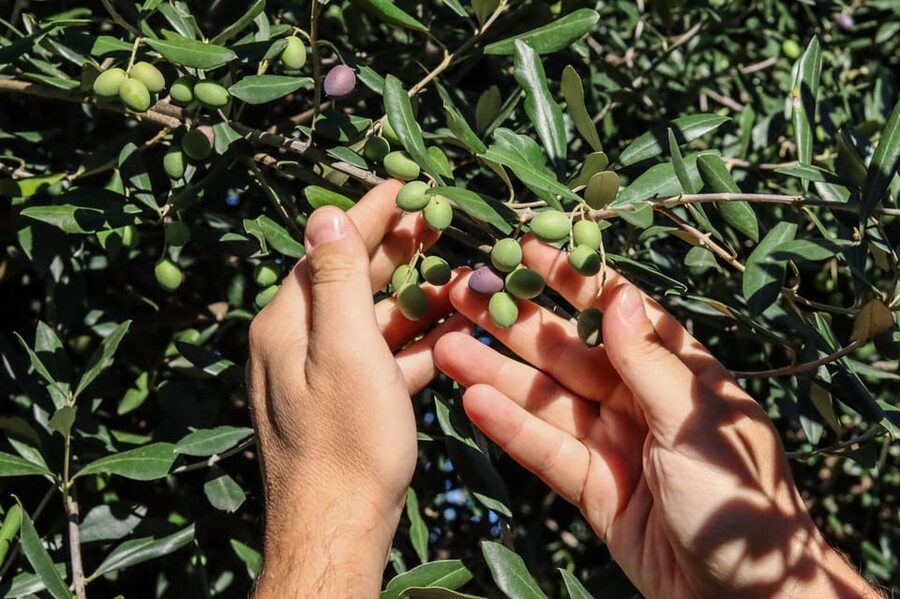
If the olive mill in operation is your main reason for booking, try to visit during the harvest period. A working mill gives the tour more movement and makes the explanation easier to understand. You can connect the trees outside with the pressing and processing inside.
When production is not running, the visit may feel more static. A video can explain the process, but it does not replace the sound and motion of active equipment. One visitor found the substitute screen too small and the production explanation too short, so I would ask about current mill operations if that detail matters to you.
This is a good example of an experience where timing affects value. The oil tasting remains available throughout the year, but the machinery portion may not. You are paying for the full package, including transportation, a guide and food samples, rather than a guarantee of a live production demonstration.
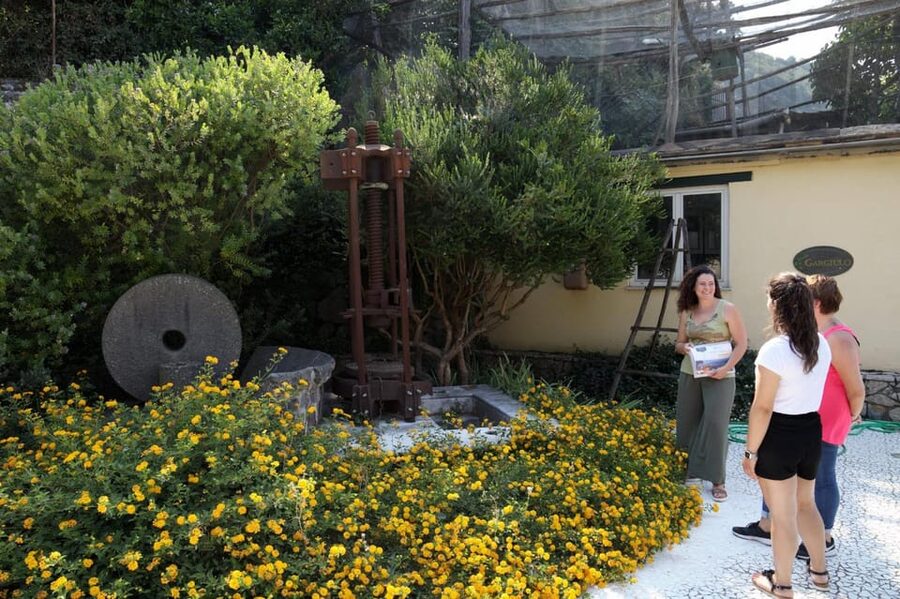
The mill is Frantoio Gargiulo, a local producer with a range of olive oil products and olive-oil-based cosmetics. At the end, you can browse the cosmetics and decide if they make sense as a gift or personal purchase. They are not included in the price.
More Guided Tours in Italy:
- Guided Wine and Olive oil tasting
★ 5.0 · 158 reviews - Guided tours of the olive grove with oil tasting.
★ 5.0 · 67 reviews - Seggiano: Guided Tour of the Olive Grove and Food Tasting
★ 4.8 · 30 reviews - Oristano: Olive Tree Grove Guided Visit with Tasting
★ 5.0 · 28 reviews
Comparing 15 extra virgin olive oils
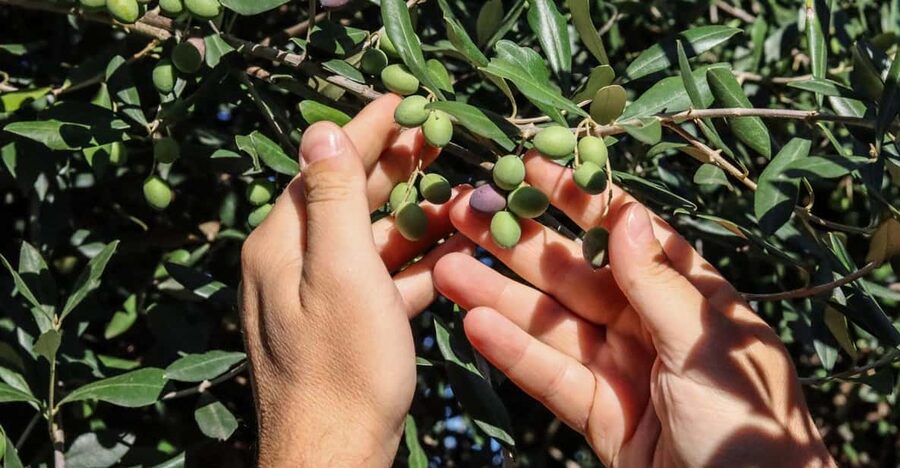
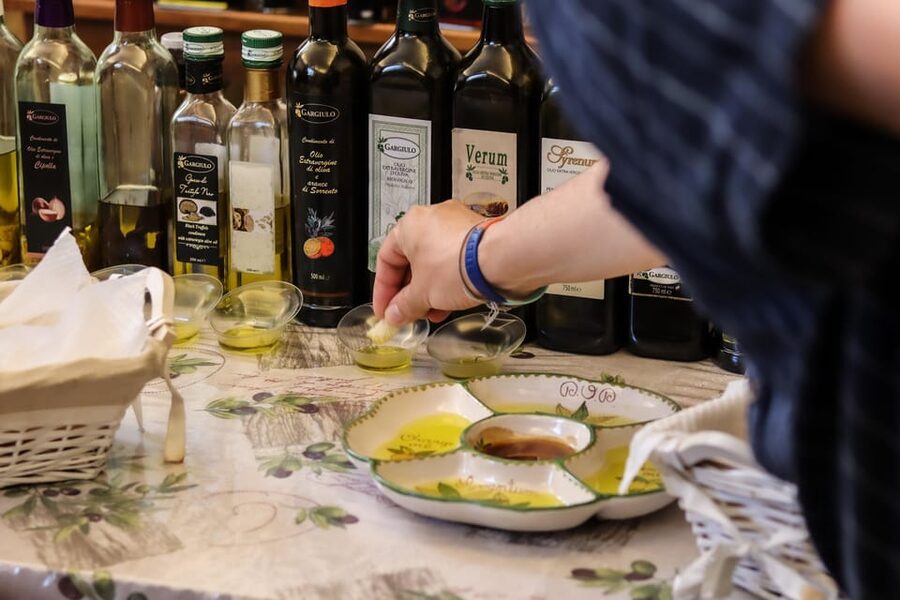
The oil tasting is the heart of the visit. You can sample 15 different extra virgin oils, while the full selection includes around 20 blends and flavor combinations.
Start with the plain oils if they are offered first. They give your palate a reference point. Then compare the infused choices. Lemon oil should bring a clear citrus note, while orange offers a sweeter aromatic quality. Truffle and chili versions move in very different directions, so tasting them alongside mild oils makes the contrast easier to notice.
You do not need to be an oil expert. Pay attention to three simple things:
- How strong the aroma is when you first smell it
- Whether the oil tastes mild, fruity, bitter or peppery
- Which foods you would want beside it
The staff explains how organic methods shape production and how to use each style in the kitchen. That practical guidance adds value, since flavored oils are tempting purchases but can sit unused if you do not know how to serve them.
Take your time with questions. The strongest accounts of this experience describe friendly, clear explanations and plenty of answers. Viola, one of the named guides, received particular praise for making space for questions during a small visit.
Honey, balsamic glaze and citrus marmalade
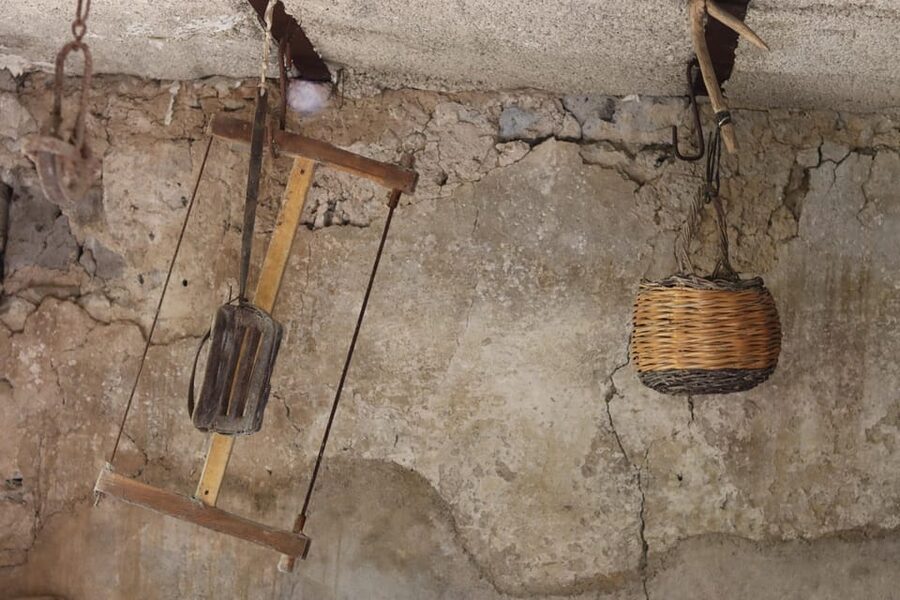
The second part of the tasting broadens the experience from olive oil to everyday foods from Sorrento and the Amalfi Coast.
The balsamic product here is a thick glaze made from grape must. It has an intense sweetness and is meant for finishing rather than ordinary vinegar use. Try it with cheese or over a salad. It can also make a good comparison with the sharper acidity of regular balsamic vinegar.
Honey adds another local flavor. The selection includes millefiori honey, made from different flowers, and versions paired with lemon. The suggested use is simple: spoon it over cheese, spread it on homemade bread from a wood-fired oven, or serve it at breakfast.
The citrus marmalades close this section of the food tasting. Sorrento is closely tied to lemon production, so the marmalade connects naturally with the oils and liqueurs. You can compare the sweetness of the preserve with the brighter scent of lemon-infused oil.
This part is useful if you are choosing edible gifts. Bottles and jars travel differently from fresh foods, and the mill offers products you can buy and arrange to have shipped home. Several people have purchased a large number of items for delivery, so ask about shipping before you commit to more than you can carry.
Limoncello and cream liqueurs
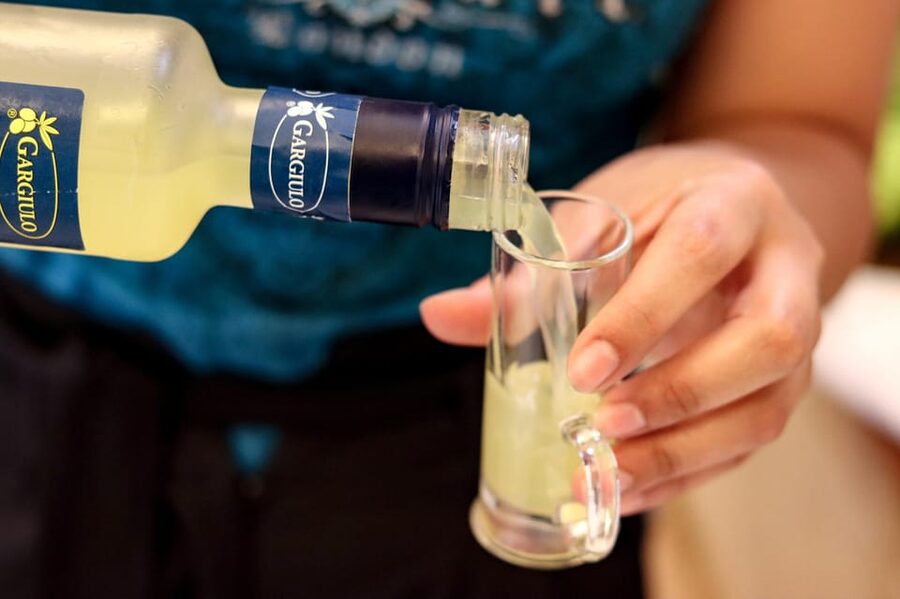
The final tasting moves into sweets and after-dinner drinks. You can try Sorrento’s famous Limoncello, made with local lemons, and hear how it is produced.
You also sample cream liqueurs in flavors such as lemon, pistachio and chocolate. These are designed to pair with local sweets including babà and delizia limone. The tasting gives you a chance to decide if you prefer the sharp citrus style of classic Limoncello or the softer, dessert-like cream versions.
The liqueur portion is not just a quick toast. It helps explain why lemon appears in so many Sorrento products. The same local ingredient moves from savory oil to marmalade, then into a chilled digestif and a cream dessert drink.
Campania wine tastings may also be offered for an additional fee. Wine is not included in the $50 price, so check the cost before adding it. If you want an experience focused on local wine, this may not be the right tour on its own. If you mainly want olive oil and regional food samples, the included tastings already provide plenty.
What the $50 price includes
At $50 per person, the price is reasonable if you use the included transportation and sample most of the products offered. The package covers pickup and drop-off, a guide, the mill visit, 15 extra virgin oil tastings, balsamic glaze, honey, marmalade, Limoncello and cream liqueurs.
That is a lot of tasting for a short activity. You are also paying for the setting and explanation, not simply for a table of samples. The value improves if you want to buy food products afterward, because you can taste before choosing.
The value is less clear if you expect a long orchard walk or a detailed production lesson. The guided portion lasts about an hour, and the full outing lasts 1.5 hours. One person found the mill explanation too short and vague, while other experiences received high marks for the guide’s answers and the food selection.
Think of this as a focused food experience, not a full-day farm tour. It fits neatly into a Sorrento schedule before lunch, after a morning walk, or between other activities.
Who will enjoy this experience most
I would recommend this visit to you if you like food shopping with context. You taste first, learn how products are made, then decide what you want to take home.
It also suits couples, families and small groups who want an activity that does not require a long hike. The pickup makes it easier for anyone staying around the peninsula rather than directly in central Sorrento.
You will get the most from it if you ask questions. Ask about the difference between infused and plain oils, when the olives are harvested, how the mill handles production and which foods suit each bottle.
I would be more cautious if your priority is a long technical tour. The orchard and mill portions are present, but the focus remains on tasting. Also keep harvest dates in mind if active machinery is essential to your plans.
The language options are English and Italian. The live guide format is helpful if you want explanations as you sample rather than a self-guided walk through the facility.
Practical details before you go
The experience lasts 1.5 hours, with starting times available according to the date you choose. The guided visit itself is listed at about one hour, with the remaining time covering transfers and the wider tasting experience.
Hotel pickup and return are included for accommodations on the Sorrentine peninsula. The meeting and return details should be confirmed during booking, especially if your accommodation is outside central Sorrento.
You can cancel up to 24 hours in advance for a full refund. The reserve-now, pay-later option also lets you hold a place without paying immediately, which is handy when your Sorrento plans are still shifting.
The activity is offered with a live guide in English or Italian. Wine costs extra, and olive-oil cosmetics are available for purchase rather than included.
Should you book this Sorrento olive mill visit?
Book it if you want to taste your way through Sorrento’s food culture in a short, well-organized outing. The included pickup, broad sample list and friendly guide format make the $50 fee fair, especially if you are curious about buying oil, honey, marmalade or liqueur to take home.
Go during harvest season if seeing the mill running is important. Otherwise, treat the machinery and orchard as supporting parts of a tasting centered on oil and local specialties.
My advice is simple: choose this for food discovery and useful souvenirs, not for a long agricultural lecture. If you ask questions and give yourself time to compare the oils, you should come away with a clearer palate and a much better idea of what those attractive Sorrento bottles actually taste like.
FAQ
Where does the olive mill experience take place?
The visit takes place on the Sorrento Peninsula at Frantoio Gargiulo, with pickup and return available from accommodations in the Sorrentine peninsula.
How long does the activity last?
The complete experience lasts about 1.5 hours. The guided visit is listed as approximately one hour.
What languages are available?
The live tour guide is available in English and Italian.
How many olive oils can I taste?
The tasting includes 15 different extra virgin olive oils. The full selection includes around 20 blends, with examples such as lemon, orange, truffle and chili oils.
What other products are included in the tasting?
The included samples feature balsamic vinegar glaze, honey, citrus marmalades, Limoncello, liqueurs and cream liqueurs.
Is wine included in the price?
No. Campania wine tasting may be available for an additional fee.
Can I buy olive-oil cosmetics at the mill?
Yes. Cosmetics made with olive oil are available to purchase, but they are not included in the activity price.
Just added around Italy
- Vernazza (5 Terre): olive grove tour and oil and wine tasting★ 5.0 · 9 reviews
- Trevi: Guided tour and tasting at Frantoio Gaudenzi★ 5.0 · 3 reviews
- Trieste’s Essence: Wine and Olive Oil Tasting★ 5.0 · 3 reviews
- Umbria: E-Bike Rental and Fresh EV Olive Oil Tasting★ 5.0 · 4 reviews
- Valpolicella Wine and Olive Oil Tasting with Lunch from Verona★ 5.0 · 2 reviews
- Half-Day Chianti Wine and Olive Oil Tour from Viareggio★ 4.0 · 5 reviews
- Umbria: Guided tour to Traditional Olive Oil Mill and Tasting★ 5.0 · 2 reviews
- From Venice: Olive Oil & Wine Tour in the Venetian Hills★ 5.0 · 9 reviews
Olive Mill Visits, compared.

Knossos-Zeus Cave -Old Traditional Villages-Olive Oil Factory
Read our review →
The Governor’s Olive Mill Tour with Olive Oil Tasting
Read our review →
Road-trip to Lasithi, Zeus Cave & Olive Mill Farm
Read our review →
LA Almazara LA Organic, Olive Oil Museum and Tasting
Read our review →
Lassithi, Zeus Cave, Olive Mill Farm & Knossos Combo Tour
Read our review →
Zeus Cave, Lassithi Plateau, and Olive Factory Tour
Read our review →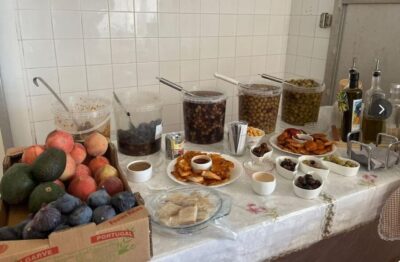
Browse the lists this tour appears in