
REVIEW · PORTUGAL
Tavira: Olive Factory Tour and Tasting
The most useful thing to know is that this is an olive factory tour, not an olive-oil mill visit. You’ll learn how olives for eating are sorted, treated, seasoned, and packed, then sit down to a generous tasting of olives, bread, cheese, honey, marmalade, olive oil, and local wine. Andrea is the lively guide who makes the machinery and methods easy to follow.
I like the warm, family-run feel, and I like that the tasting is substantial enough to serve as a light meal. The chance to meet local producers and buy regional goods in the small shop adds real value.
The main drawback is seasonal: the machinery runs only from September through November, and not every day. Outside that period, you’ll watch a production video instead of seeing the full process in motion. That is worth knowing before you book.
Key points to know before you go
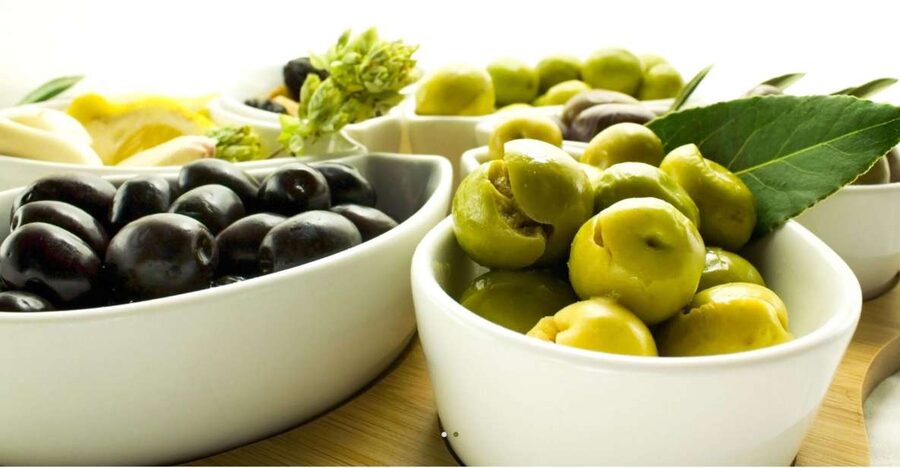
- This is about table olives: Expect the preparation of olives for eating, not olive-oil extraction.
- Andrea brings the factory to life: Her presentation is clear, funny, and full of practical detail.
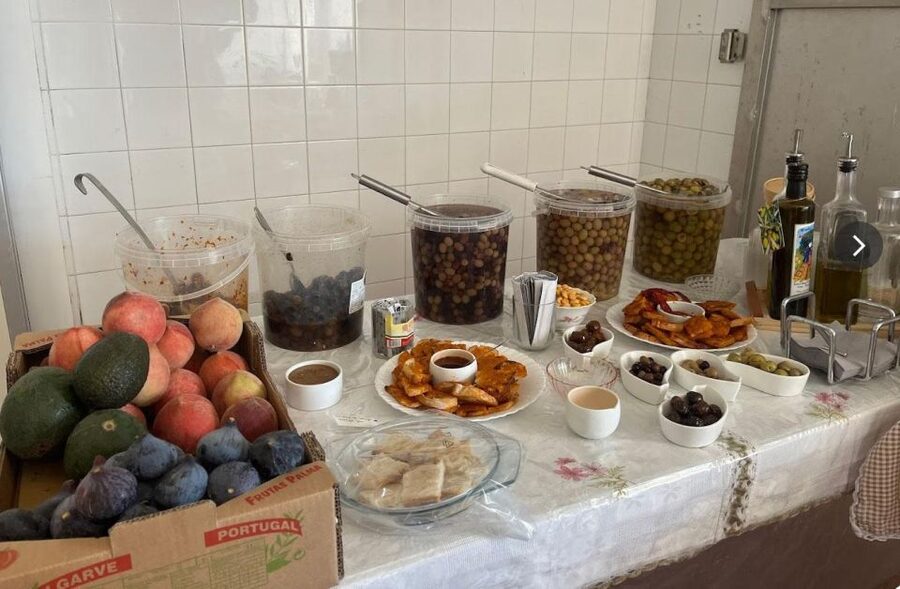
- The tasting is generous: Olives come with local wine or a nonalcoholic drink, bread, cheese, honey, marmalade, and other regional bites.
- September to November is the active season: Outside those months, a video explains the machinery and production.
- The factory is outside central Tavira: A taxi from town costs only a few euros according to the supplied visitor information, and the approach includes an unpaved industrial area.
- Plan extra time for shopping: The small store sells olives and other local products, including items made by nearby producers and family members.
Why this small factory makes a good Tavira stop
Tavira is known for its old streets, tiled buildings, churches, and nearby coast, but food gives you another way into the Algarve. At Hélder Madeira, you get a look at a working local business rather than a polished museum display.
The factory is family-run, with Andrea, her sister Liliana, their mother, and other family members involved in the operation and hospitality. That personal connection shapes the visit. Andrea explains the work with energy and humor, while the tasting is prepared by the family team.
I find that combination more useful than a quick shop tasting. You see the equipment, learn why olives need treatment before they can be eaten, and then taste the finished products. The food gives you a practical reference point. After trying several styles side by side, you’ll have a better idea of what you want to buy and what to order in restaurants.
The experience also works well on a rainy afternoon. It takes place indoors, and the presentation, tasting, and shop give the visit a clear rhythm. If you arrive up to an hour early, you can have a drink at the bar, though those drinks cost extra and are not part of the tour.
More Olive Mill Visits in Portugal:
- Tavira City & Olive Factory
★ 5.0 · 4 reviews - Crete: Quad Safari, Olive Mill with Tasting & Ghost Village
★ 4.9 · 1,004 reviews - From Mendoza: 3 Wineries, Olive Oil Factory Tour & Tasting
★ 4.6 · 901 reviews
Finding Hélder Madeira outside Tavira
You meet directly at Hélder Madeira, Indústria e Comércio de Azeitonas, Unipessoal Lda. Show your voucher at the entrance. Transportation is not included, so you need to arrange your own way there.
The factory is not in Tavira’s historic center. The approach is through an industrial area, and part of the route may be unpaved. A taxi from the town center is a practical choice, especially if you do not want to walk in the heat or struggle with directions.
One useful tip is to rely on Google Maps rather than Apple Maps, which has reportedly caused visitors trouble when finding the factory. Give yourself a little extra time for the journey, particularly if you are unfamiliar with Tavira’s outskirts.
Wear comfortable shoes. You are visiting a working production site, not simply sitting down for a food class, so sensible footwear makes the factory portion easier.
The factory visit and the machinery
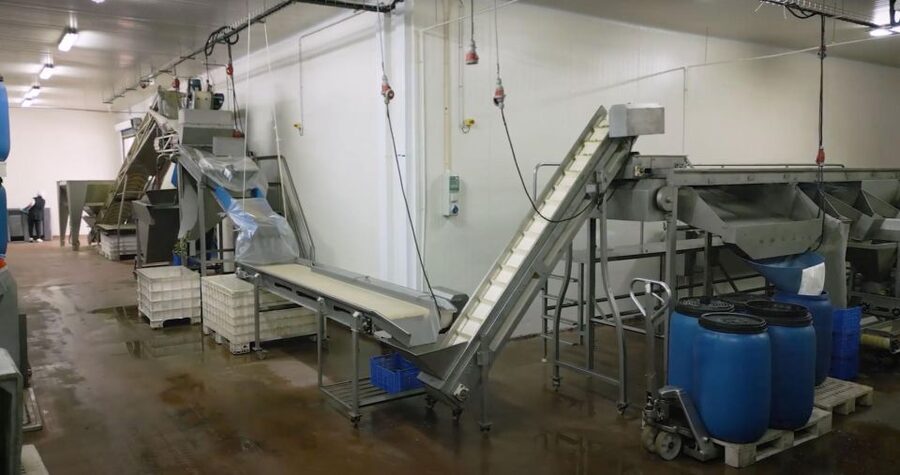
The tour begins with a guided look at the factory. Andrea explains what happens to olives after they arrive and how they are prepared for eating. The machinery is the main visual feature, and you’ll see the equipment used to transform and handle the olives and related products.
The exact amount of machinery in operation depends on the time of year. From September through November, production takes place, but not every day. If your visit falls during an active production period, you may see more of the process directly. If it does not, the factory remains worth seeing, but the machines will not be running.
Outside the olive season, a production video fills in the missing action. It shows how the transformation works and helps explain the equipment you are looking at. This is not quite the same as seeing fresh olives move through the machines, so anyone fascinated by industrial process should aim for the autumn season and confirm the operating schedule.
The live explanation still has value outside harvest months. You can ask questions, look closely at the equipment, and understand the sequence before tasting the finished products. The presentation is aimed at ordinary food lovers, not industry specialists, so you do not need any background knowledge.
The factory portion can feel fairly short compared with the tasting. One account describes the hands-on factory explanation as about 20 minutes, while the overall activity is advertised at 1.5 hours. The supplied schedule also gives separate time blocks for the guided visit, tasting, and shopping, so allow flexibility rather than planning a tight connection immediately afterward.
Andrea’s presentation makes the process easy to follow
The guide is a major part of the experience. Andrea explains the work in fluent English and mixes facts with humor. She is clearly proud of the business, but the tone remains friendly and conversational rather than formal.
You’ll hear repeated clarification that the factory prepares olives for eating rather than making olive oil. That distinction matters because many visitors associate Algarve olives with oil production. Here, the focus is the table olive: the fruit you eat as a starter, snack, or part of a meal.
The presentation also covers olive oil, salt, and related local products, particularly when the tasting begins. You can ask questions during the visit, and the guide is prepared to explain the products in a way that suits people who know little about olives.
A small limitation is that the cultural and historical side could be fuller. The tour explains production well, but it is not primarily a history talk about olive growing in Portugal. If your main interest is ancient agriculture, regional tradition, or the place of olives in Portuguese culture, you may want to add that context elsewhere during your Algarve visit.
A few more olive oil tours around Portugal worth a look
- Tavira Olive Experience Factory Tour and Tasting
★ 5.0 · 190 reviews - Arrábida, Setúbal, Sesimbra, Olive with wine tasting
★ 5.0 · 75 reviews - Douro Valley: A Sensory Experience in the Douro: Wines, Olive Oil, and History
★ 4.9 · 15 reviews - Premium gastronomic mountain tour: Wine, olive oil, spirits, food
★ 5.0 · 8 reviews
The tasting is the heart of the experience
After the factory explanation, you sit down to taste a broad selection of local foods. The exact arrangement may vary, but the advertised tasting includes preservative-free olives, olive oil, cheese, honey, orange marmalade, and locally produced wine.
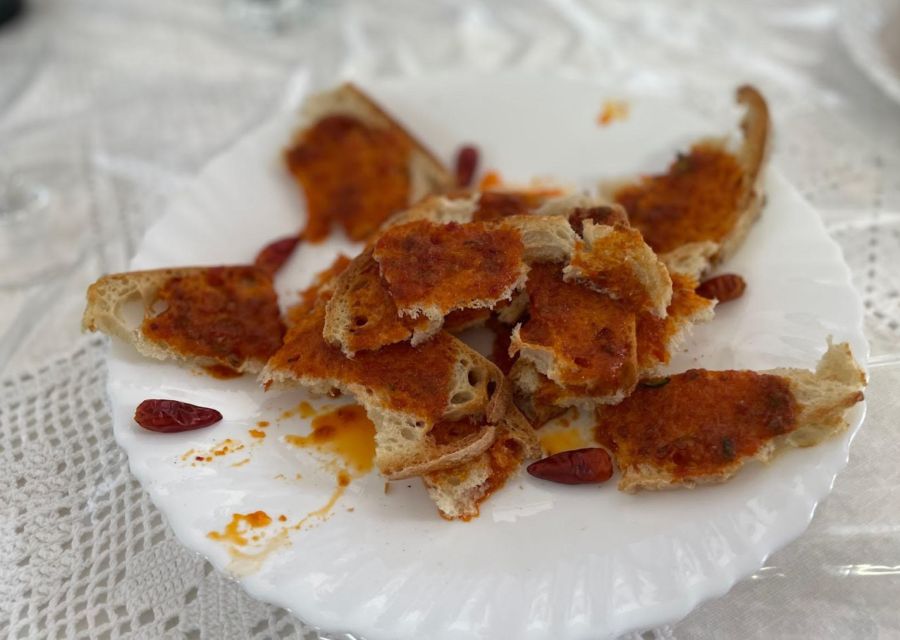
The spread is more generous than a token sample. Past arrangements have included several types of olives, homemade bread, meats, cheeses, dips, marmalade, honey, and fresh orange juice. That makes the tasting feel closer to a light meal than a quick nibble, especially if you take your time and try each item with the others.
I especially like the contrast between the products. The olives give you the central flavor of the visit, while the bread and olive oil show how they work in a simple meal. Cheese and cured meat add salt and texture. Honey and orange marmalade provide a sweet finish and connect the tasting to the Algarve’s wider food culture.
Local wine is part of the experience, and a wine tasting is included. Nonalcoholic options are available in the tasting setup, including lemonade or fresh orange juice in some arrangements. You should still avoid booking if you have food allergies, since the activity is specifically marked as unsuitable for people with food allergies.
The tasting is also a social part of the visit. You share a table with the other people on the tour, and the family hosts remain involved rather than disappearing after the factory talk. That helps the experience feel personal and relaxed.
Shopping for Algarve products after the tasting
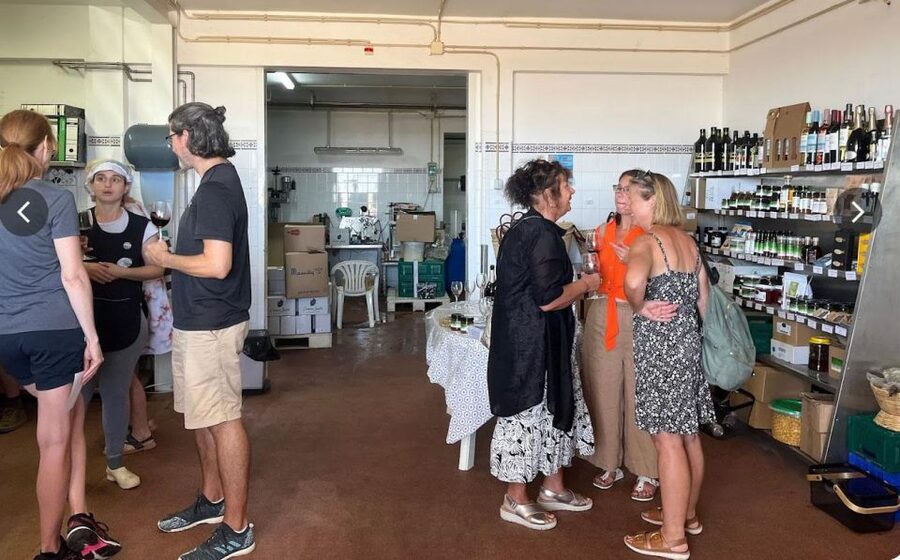
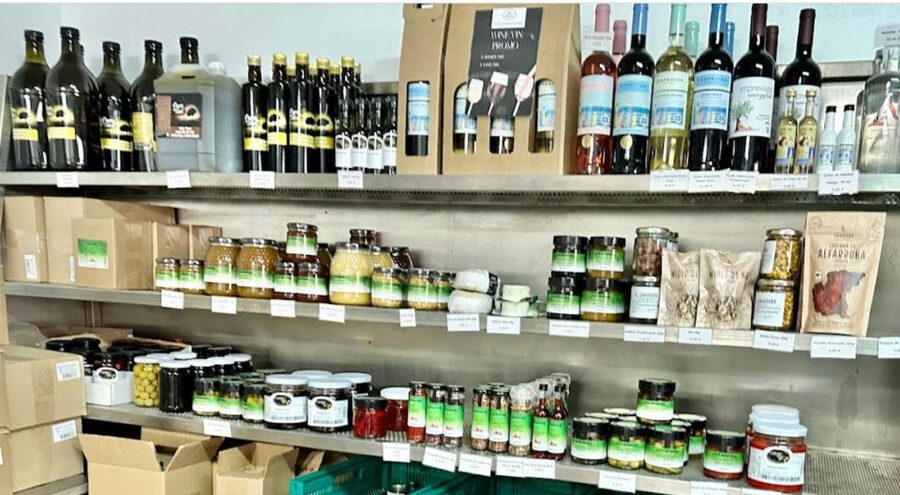
The small shop is useful because you can buy the products you have just tasted. That is much better than guessing from a shelf of unfamiliar labels. If you find an olive style or marmalade you like, you can take it home for your own table or as a gift.
The shop includes the factory’s products and other regional goods. Some items come from family members and friends or other nearby producers. This gives you a chance to support a small local business beyond the admission fee.
Do not treat shopping as an obligation. The products are an optional extra, and personal expenses and souvenirs are not included in the tour price. Still, the store adds practical value, particularly if you want food gifts that are easier to carry than fragile ceramics or larger bottles.
The buying period is listed as about 30 minutes, though your actual time may depend on the group and the pace of the tasting. If you want to browse carefully, avoid scheduling another activity immediately afterward.
Is $34 a fair price?
At $34 per person, this is not the cheapest way to taste olives in Portugal. It is fair value if you want the complete package: a guided factory explanation, access to the machinery, a hands-on look at olive production, a substantial food tasting, wine, staff assistance, and time to shop.
The value is strongest for people who would otherwise pay separately for a meal and a food experience. The tasting has been described as plentiful, with enough bread, cheese, meat, olives, and drinks to make it more than a sample plate. You also get an indoor activity that fills roughly an afternoon or part of one, depending on the actual timing.
The value is lower if you only want to watch machines running. Production is seasonal, and the factory may be idle during your visit. Outside the active period, the video explains the process, but you are paying for the guide, tasting, hospitality, and setting rather than a live production line.
Free cancellation up to 24 hours before the activity and the option to reserve now and pay later make the booking less rigid. The advertised duration is 1.5 hours, but the separate schedule details add up to more time, so check the starting time and expected finish when you book.
Who will enjoy this most?
I would recommend this to food lovers, curious families, couples, and anyone who wants a local activity that does not depend on perfect weather. The family-run setting gives it more character than a standard commercial tasting, and the guide’s humor helps keep the factory explanation lively.
It is also a good pick if you are unsure about olives. You can taste different products and learn how preparation changes the fruit. You do not need to arrive as an olive expert.
Families can enjoy it too. One past party ranged from a one-year-old to a 67-year-old, showing that the experience can suit mixed ages. Very young children may not care much about the production explanation, but the food and informal atmosphere give them something to enjoy.
I would be more cautious if you want a full working harvest demonstration, a deep study of Portuguese olive history, or a visit in which every machine is guaranteed to be operating. I would also skip it if anyone in your party has food allergies.
The activity is described as wheelchair accessible, but there is an important qualification: the other rooms are accessible, while the toilet is not wheelchair accessible. Contact the provider directly if that detail affects your planning.
Best time to book the visit
For the clearest view of production, aim for September through November, and ask whether the factory will be operating on your chosen day. The olive season does not run every day, so even an autumn booking is not a guarantee of live machinery.
For the strongest food experience, any season can work. The tasting remains a central part of the visit, and the guide can explain the production process with the help of the video when needed. Spring and summer visits have still included detailed presentations and broad tastings.
If you are visiting during the quiet season, set your expectations correctly. You will not see olives moving through the transformation machines, but you will see the equipment, watch the production video, hear the explanation, taste the products, and shop afterward.
My verdict on this Tavira olive tour
Book it if you want an approachable look at Algarve food production with a generous tasting attached. The best parts are Andrea’s warm presentation, the family hospitality, the chance to understand table olives properly, and the spread of local foods and wine.
Think twice if your priority is a live olive-oil mill or a guaranteed production run. This is an olive factory, not an olive-oil factory, and the machinery may be idle outside the September to November season.
For most visitors, the $34 price is justified by the amount of food, the personal guide, and the chance to support a small Tavira business. Take a taxi from town, wear comfortable shoes, use Google Maps, and check the seasonal production schedule. With those points clear, this is an easy and tasty addition to an Algarve itinerary.
FAQ
Is this an olive-oil factory tour?
No. The factory focuses on olives prepared for eating. Olive oil is included in the tasting, but the main production process concerns table olives rather than olive-oil extraction.
Can I see the machinery operating?
Only sometimes. Production takes place from September through November, and not every day. Outside the active season, or on a nonproduction day, you will watch a video explaining the process instead.
What food and drinks are included?
The tasting includes preservative-free olives, olive oil, cheese, honey, orange marmalade, and locally produced wine. Other tasting items can include bread, meats, dips, and fresh orange juice. Nonalcoholic drinks may be available.
Where do I meet the guide?
Meet directly at Hélder Madeira, Indústria e Comércio de Azeitonas, Unipessoal Lda. Show your voucher at the entrance. Transportation to and from the factory is not included.
Is the tour wheelchair accessible?
The activity is described as wheelchair accessible, but the toilet is not wheelchair accessible. Other rooms are accessible.
Can I cancel the booking?
Yes. You can cancel up to 24 hours in advance for a full refund. You can also reserve now and pay later, subject to the booking terms.
Just added around Portugal
- Unveiled Secrets of Porto + Olive Oil Tasting★ 4.8 · 3 reviews
- Premium gastronomic mountain tour: Wine, olive oil, spirits, food★ 5.0 · 8 reviews
- Historical Évora – PRIVATE Full Day Tour – Cork, Wine and Olive Oil Haven★ 5.0 · 3 reviews
- Olive Oil Private Tour in Portugal★ 5.0 · 6 reviews
- Tour with Wine and Olive Oil Tasting★ 4.6 · 8 reviews
- Tavira City & Olive Factory★ 5.0 · 4 reviews
- Porto: Tuk Tuk Tour with Olive Oil Tasting★ 4.4 · 5 reviews
- Douro Valley: Private Tour & Guided Wine & Olive Oil Tasting★ 5.0 · 3 reviews
Olive Mill Visits, compared.
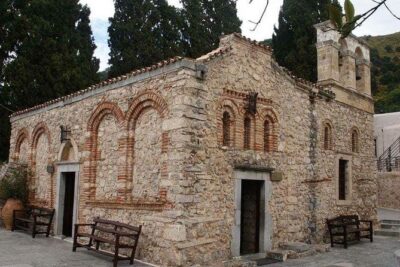
Knossos-Zeus Cave -Old Traditional Villages-Olive Oil Factory
Read our review →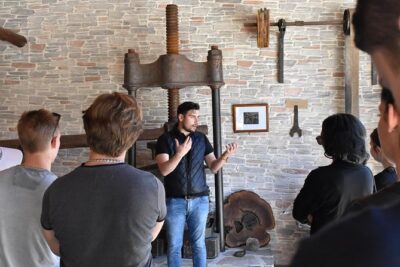
The Governor’s Olive Mill Tour with Olive Oil Tasting
Read our review →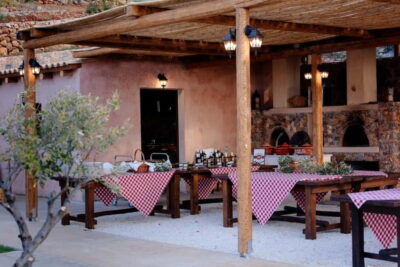
Road-trip to Lasithi, Zeus Cave & Olive Mill Farm
Read our review →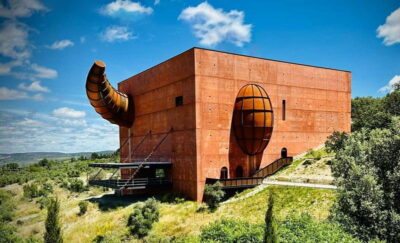
LA Almazara LA Organic, Olive Oil Museum and Tasting
Read our review →
Lassithi, Zeus Cave, Olive Mill Farm & Knossos Combo Tour
Read our review →
Zeus Cave, Lassithi Plateau, and Olive Factory Tour
Read our review →
Bardolino: Lake Garda Oil Mill Tour with Olive Oil Tasting
Read our review →Browse the lists this tour appears in