
REVIEW · ITALY
Trieste’s Essence: Wine and Olive Oil Tasting
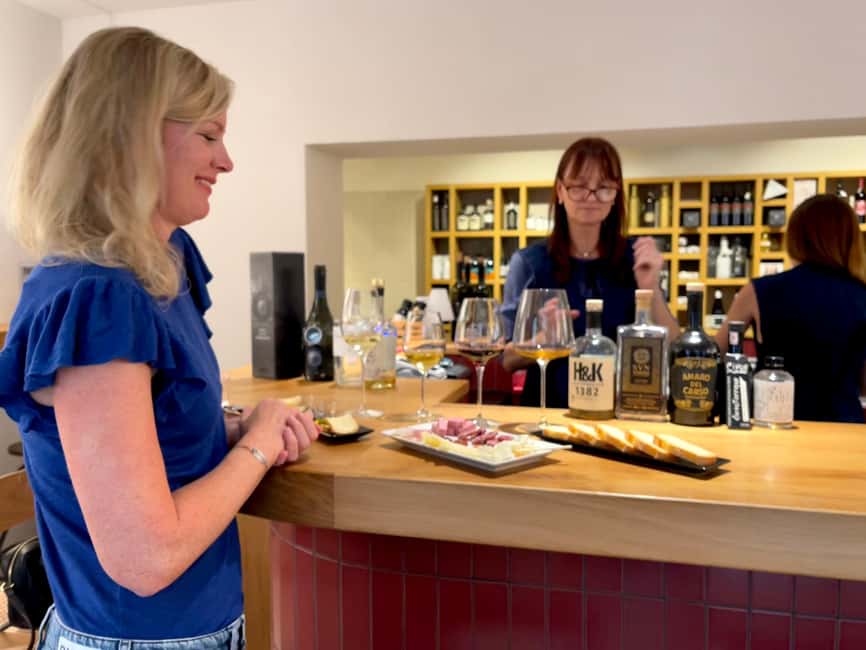
Trieste’s food identity comes into focus one glass and one small bite at a time. This one-hour tasting brings together Karst wines, Trieste olive oils, local cheeses, and cured meats, with the focus firmly on local producers rather than a generic wine-bar sampler. I like the chance to compare bold Terrano with lighter whites such as Vitovska or Malvasia, then see how the area’s olive oils reflect their growing conditions.
I also like the small group limit of 10, which suits an informal tasting better than a crowded room. The relaxed setting and friendly local guidance should make this a good first taste of Friuli-Venezia Giulia’s food culture. The main drawback is its short length: you get an introduction, not a full winery visit or countryside tour. You also need to reach the wine bar yourself, and the experience is not suitable for wheelchair users or children under 18.
Key points to know
- Compare Karst reds and whites: Taste Terrano or Refosco alongside Vitovska, Istrian Malvasia, or Glera.
- Taste olive oils from Trieste: Learn how the Karst’s small-scale microclimates shape extra virgin olive oil.
- Pair wine with local food: Artisan cured meats and cheeses from Karst producers add substance to the tasting.
- Meet at a central wine bar: Find the venue at Via Roma 24B, marked by a glass door, two windows, and wine bottles displayed on the glass.
- Keep the experience compact: The tasting lasts one hour and accepts no more than 10 people.
- Plan for adults only: The activity is for visitors aged 18 and over and is not wheelchair accessible.
What this one-hour Trieste tasting is really about
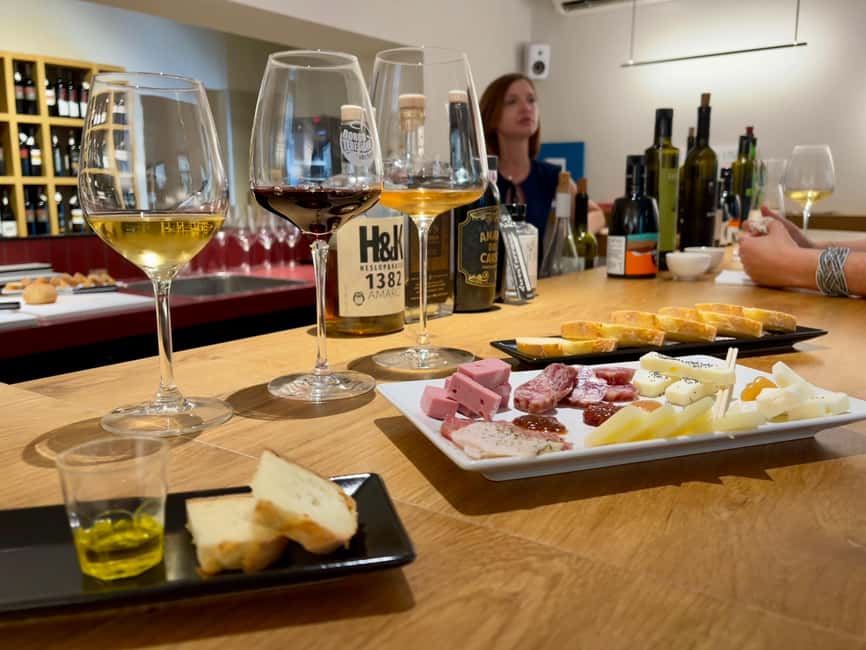
This is not a full-day food excursion. It is a compact introduction to the flavors around Trieste, built around conversation, tasting, and a few carefully chosen local products.
That distinction matters. If you want transportation into the Karst, visits to farms, or a walk through vineyards, this will feel too short. If you want to fit a regional food experience between sightseeing stops, it makes much more sense.
The tasting links three things: the wine-growing area near Trieste, the olive groves shaped by the Karst climate, and the simple food served alongside both. You are not only sampling wine. You are getting a basic explanation of how place, producers, and tradition meet at the table.
The setting is intended to be relaxed and friendly. That should appeal to you if formal tastings make you feel as though you need to know the correct vocabulary before you arrive. You can come curious, ask questions, and use the hour to work out which flavors suit you.
More Olive Oil Tastings in Italy:
- Olive oil tasting in Sorrento
★ 5.0 · 434 reviews - Alghero: Wine and Olive Oil Tasting at a Local Farm
★ 4.8 · 294 reviews - Ostuni: Masseria tour among thousand-year-old olive trees with oil tasting
★ 4.8 · 261 reviews
Finding the wine bar on Via Roma 24B
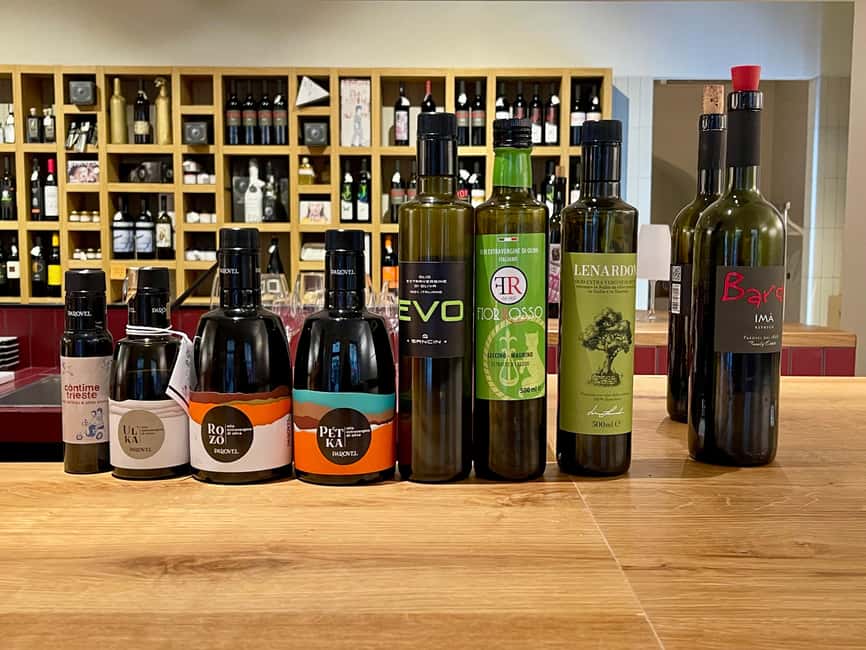
The meeting point is at Via Roma 24B. Look for a wine bar with a glass door and two windows. Bottles of wine decorate the glass, making the entrance easier to identify than a plain storefront.
Transportation is not included, so you need to make your own way there. The provided information does not specify hotel pickup, a transfer, or a ride into the Karst. Plan this as a meet-at-the-venue activity rather than an excursion with transport.
That arrangement keeps the price at $37 per person and makes the tasting easy to add to a day in Trieste. It also means you should allow enough time to locate the address before the start. A tasting is more enjoyable when you are not arriving breathless and searching for the door.
The wine bar location gives the experience a city-based feel. You can sample products tied to the countryside without leaving Trieste. For some people, that is the perfect balance. Others may prefer a rural setting, in which case this will not replace a visit to an estate or olive farm.
Starting with the wines of the Karst
The wine portion gives you a useful contrast between local reds and whites. On the red side, you may taste Terrano or Refosco. Terrano is especially associated with the Karst area and offers the bold profile promised by the experience. Refosco gives you another regional red to compare, helping you notice how two local grapes can differ in character.
The white selection may include Vitovska, Istrian Malvasia, or Glera. Vitovska is the most closely tied to the local Karst identity in this group. Istrian Malvasia brings a different expression of the northern Adriatic wine world, while Glera will be familiar to anyone who knows the grape used for Prosecco.
The exact wines served can vary within these listed choices. That is useful to know before you book. You should expect a regional tasting built from the available selection, not a fixed flight with every wine named above guaranteed.
I like this format because it gives you a quick map of the area’s wine culture. A bold red, a crisp or aromatic white, and some local food can tell you more about a region than a long list of technical notes. The guide’s role is to connect each glass with the small family wineries that produce it.
You do not need to be a wine expert. The activity is designed for wine enthusiasts and for people who are simply curious about local gastronomy. If you enjoy asking why one wine tastes different from another, this is a good use of an hour. If you dislike wine, the olive oils and food still give the experience some appeal, but wine remains central.
Learning what the Karst does to olive oil
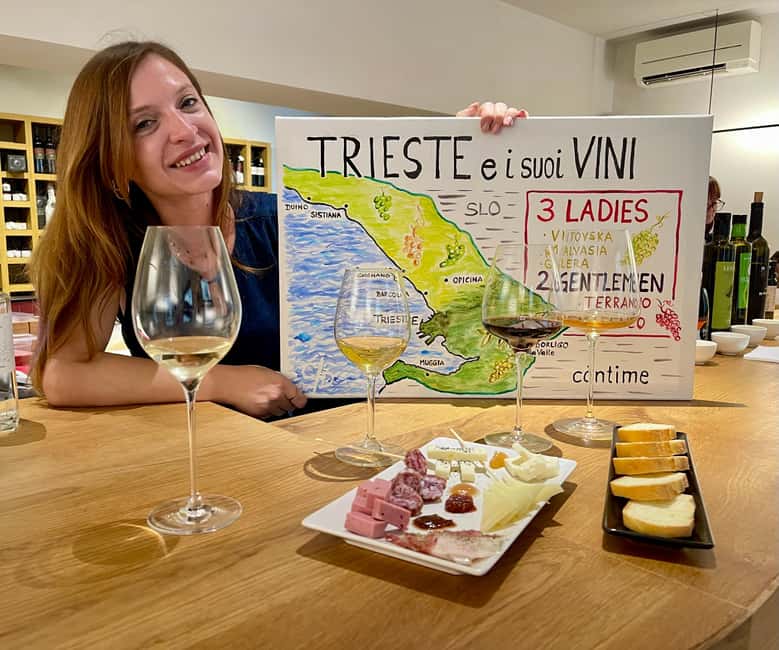
The olive oil tasting adds an important second layer. Trieste is not presented only as a wine destination. You also taste extra virgin olive oils from the area, with attention to the small microclimates of the Karst.
Microclimate can sound like a technical subject, but here it has a practical meaning. Small shifts in wind, exposure, and growing conditions can affect the character of an olive oil. The point of the tasting is to help you notice those differences in the glass or on the palate rather than treating all olive oil as the same.
This is one of the more useful parts for anyone who cooks at home. Wine often gets the attention, but olive oil is a daily ingredient, and tasting several examples can change how you think about freshness, strength, and balance.
The local experts connect each oil to its producers and to the land where the olives grow. That gives the tasting a human scale. You are not sampling an anonymous supermarket product. You are learning how a small agricultural area creates food with a recognizable local character.
You may find the olive oil segment more subtle than the wine tasting. Wine offers obvious differences in color, aroma, and body. Olive oil can require more concentration, especially if you are not used to tasting it on its own. Give it time, and pay attention to the aftertaste. The guide’s explanation is important here because the context helps you understand what you are sampling.
More Olive Oil and Wine Tours in Italy:
- Sorrento Farm and Food Experience including Olive Oil, Limoncello, Wine tasting
★ 5.0 · 2,524 reviews - Sorrento: Lemon, Olive Oil and Wine Tasting Tour with Lunch
★ 5.0 · 300 reviews - Balestrate: Olive Grove Tour with Wines & Olive Oil Tasting
★ 5.0 · 241 reviews - Bardolino: Vineyard Tour with Wine, Olive Oil & Food Tasting
★ 4.6 · 221 reviews
Adding Karst cheeses and cured meats
The wines and oils come with artisan cured meats and cheeses from local Karst producers. This is not merely a snack to keep you from drinking on an empty stomach. The food shows how these products work together in the Triestine style of eating.
Cured meat can bring salt and savory depth to a bold red such as Terrano or Refosco. Cheese can soften the effect of a strong wine or give a white such as Vitovska more weight. Olive oil adds another point of comparison, especially when tasted with food rather than by itself.
The exact types of meat and cheese are not specified, so you should not book expecting a particular salami, ham, or cheese. The useful promise is that the products come from local Karst makers and are chosen to support the tasting.
I appreciate this kind of pairing because it keeps the experience grounded. You are not only hearing about regional traditions. You are eating the foods that make those traditions easier to understand. The portions are meant to accompany the tasting, not replace lunch or dinner, so plan another meal if you are hungry.
Why the small group of 10 matters
A group limit of 10 participants is a real advantage for this format. Wine tasting depends on hearing the guide, seeing the products, and having enough space to ask a question without interrupting a large crowd.
The relaxed atmosphere also works better with a small group. You can compare impressions with the people around you, but the experience should remain personal rather than turning into a loud bar event.
Italian and English are available. That gives English-speaking visitors a clear way to follow the explanations, while Italian speakers can take part in the local conversation. No individual guide names are provided, so you should not book expecting a particular host.
The one-hour length keeps the experience easy to schedule. You can place it before dinner, after a morning walk through Trieste, or between other city activities. The tradeoff is that the guide has limited time to explain each wine and oil. Expect a focused overview, not a long seminar.
Is $37 a fair price?
At $37 per person, the value depends on what you want from a tasting. You are paying for several regional wines, extra virgin olive oils, cured meats, cheeses, and live guidance in a small group. For a visitor who wants a quick introduction without arranging transport outside the city, that is a reasonable package.
The price is less attractive if you are looking for a full meal. This is a tasting, and the cured meats and cheeses are there to accompany the drinks. You should not treat the experience as a substitute for dinner.
It is also worth remembering what is not included. Transportation to the wine bar is not provided, and the activity does not include a vineyard or olive-grove visit. The price buys access to regional products and an explanation of their background, not a wider countryside tour.
I would consider it good value for a first visit to Trieste, especially if you are interested in food but do not have time for a longer excursion. It is also a practical way to decide which local wines or oils you might want to seek out later during your trip.
Who will enjoy this most?
This experience suits you if you like regional food in a social setting, want help choosing local wines, or prefer a short activity with a clear start and finish.
It works particularly well for:
- Couples looking for a low-key food experience before dinner
- Solo visitors who enjoy meeting a small group around a shared table
- Wine drinkers interested in lesser-known grapes
- Visitors curious about the Karst but unable to spend half a day outside Trieste
- Adults who want to connect local products with the area’s traditions
It is less suitable if you need step-free accessibility, are traveling with children under 18, or want transportation from your hotel. It may also disappoint you if you expect a large meal, a winery tour, or a long visit with producers.
The activity is limited to adults, and wheelchair users are specifically excluded. That is an important planning point, not a detail to discover at the door.
How to make the most of the tasting
Arrive with an open mind rather than a fixed list of wines you expect to taste. The white selection may include Vitovska, Istrian Malvasia, or Glera, while the reds may include Terrano or Refosco. The exact combination can vary.
Listen for the links between flavor and location. Ask about the small family wineries, the Karst microclimates, and how the local producers work. Those details are what turn a few sips into a better understanding of Trieste.
Take note of the wines or oils you prefer. Since the tasting is short, you may not remember every label afterward. If something catches your attention, ask for its name and make a quick note on your phone.
Also, leave room in your schedule for another meal. The cured meats and cheeses add welcome substance, but the experience is not described as a full lunch or dinner.
Should you book Trieste’s Essence?
Book this tasting if you want a compact, adult-only introduction to Trieste’s wines and olive oils, with local food and a guide who can explain the connection to the Karst. The friendly setting, small group, and strong focus on regional products make it a useful first step into Friuli-Venezia Giulia’s food culture.
Skip it if you need wheelchair access, are traveling with anyone under 18, or want a countryside tour with transport. Also skip it if you are looking for a full meal rather than a guided tasting.
For most food-curious visitors with one free hour, $37 is a sensible way to sample the area before deciding which wines, oils, cheeses, or cured meats deserve more attention during the rest of your stay.
FAQ
Where does the tasting take place?
The tasting takes place at a wine bar at Via Roma 24B in Trieste. The entrance has a glass door, two windows, and wine bottles displayed on the glass.
How long does the experience last?
The tasting lasts one hour. Starting times vary, so check availability when booking.
How much does the tasting cost?
The price is $37 per person.
Which wines might be included?
The white wines may include Vitovska, Istrian Malvasia, or Glera. The red wines may include Terrano or Refosco.
Is olive oil included?
Yes. The experience includes extra virgin olive oils from Trieste, with explanations of the Karst microclimates that influence them.
Is food included?
Yes. The tasting includes artisan cured meats and cheeses from local Karst producers.
Is transportation included?
No. You are responsible for getting to the wine bar at Via Roma 24B.
Is the tasting suitable for children or wheelchair users?
No. The activity is not suitable for children under 18 or wheelchair users.
Just added around Italy
- Vernazza (5 Terre): olive grove tour and oil and wine tasting★ 5.0 · 9 reviews
- Trevi: Guided tour and tasting at Frantoio Gaudenzi★ 5.0 · 3 reviews
- Umbria: E-Bike Rental and Fresh EV Olive Oil Tasting★ 5.0 · 4 reviews
- Valpolicella Wine and Olive Oil Tasting with Lunch from Verona★ 5.0 · 2 reviews
- Half-Day Chianti Wine and Olive Oil Tour from Viareggio★ 4.0 · 5 reviews
- Umbria: Guided tour to Traditional Olive Oil Mill and Tasting★ 5.0 · 2 reviews
- From Venice: Olive Oil & Wine Tour in the Venetian Hills★ 5.0 · 9 reviews
- Private Tuk Tuk Tour of the Millenary Olive Groves in Ostuni★ 5.0 · 4 reviews
Olive Oil Tastings, compared.
The Governor’s Olive Mill Tour with Olive Oil Tasting
Read our review →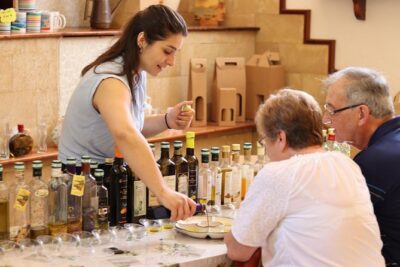
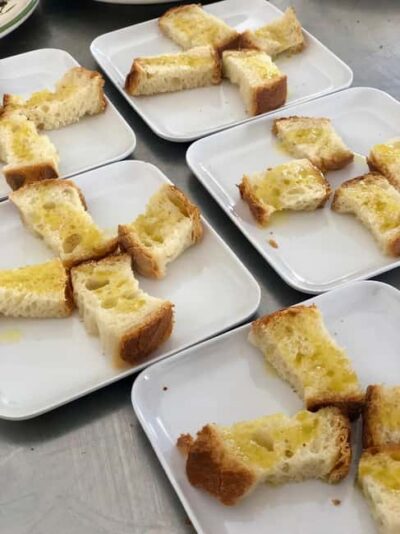
Masseria tour among thousand-year-old olive trees with oil tasting
Read our review →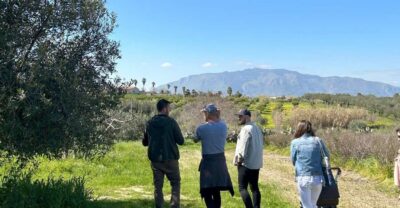
Olive Grove Tour with Wines & Olive Oil Tasting
Read our review →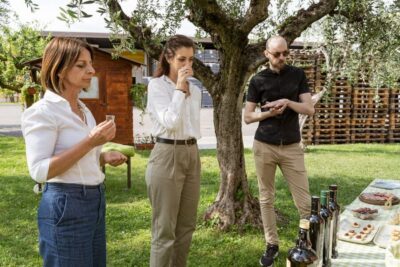
Bardolino: Lake Garda Oil Mill Tour with Olive Oil Tasting
Read our review →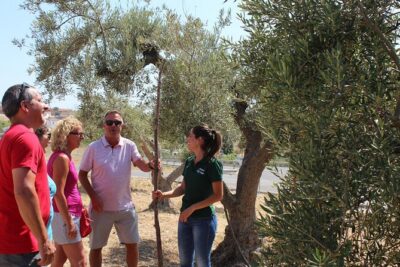
Guided tour and olive oil tasting in Alhaurin el Grande (Málaga)
Read our review →Browse the lists this tour appears in