
REVIEW · ITALY
Olive Mill Visit & Guided Tasting in Taggia
Taggia’s olive oil story begins with the small, flavorful Taggiasca olive, and this one-hour visit gives you a clear look at why the local variety matters. Alessandro, the owner, explains old and modern production methods, then helps you taste the difference between DOP and non-DOP extra virgin olive oils.
I like the personal, family-run feel and the practical tasting lesson, which shows you how to judge aroma and flavor instead of simply buying the prettiest bottle. I also like the chance to try Taggiasca olives and olive pâté before shopping. One thing to know: the actual production does not take place in the building you visit, so this is more of a historic mill visit and tasting than a working-factory tour.
Key points to know before you go
- Alessandro leads the visit: The owner personally explains the mill, its traditions, and the oil-making process.
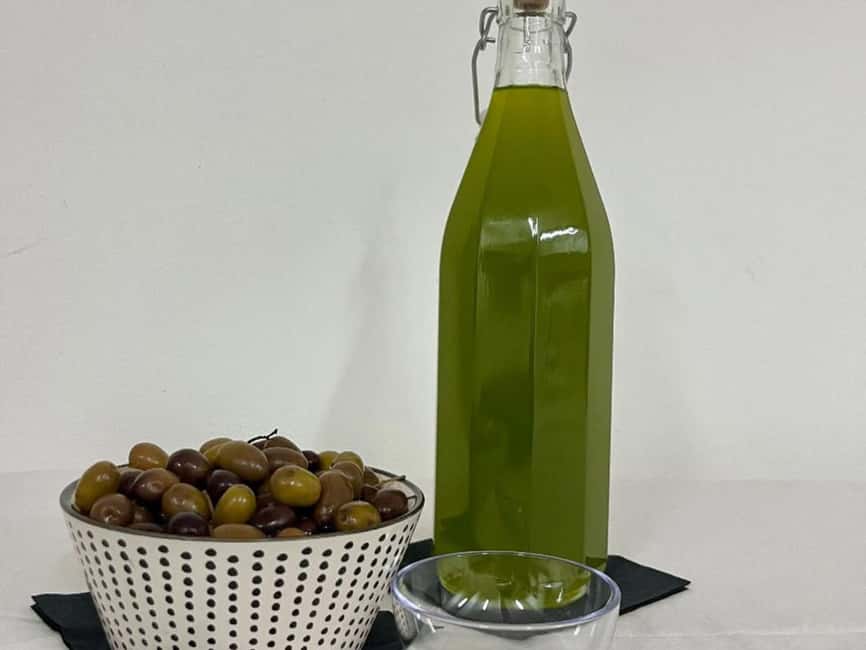
- Taggiasca is the star: You taste the local olive in oil, whole-olive form, and pâté.
- The tasting is practical: You compare DOP and non-DOP extra virgin oils and learn how to assess their notes.
- The old mill is from the late 1800s: You see how earlier methods compare with current techniques.
- The visit lasts one hour: About 20 minutes are set aside for the mill, 25 minutes for tasting, and 15 minutes for shopping.
- The production site is elsewhere: Expect history, explanation, tasting, and retail rather than a view of active processing.
Why Taggia is a good place to learn about olive oil
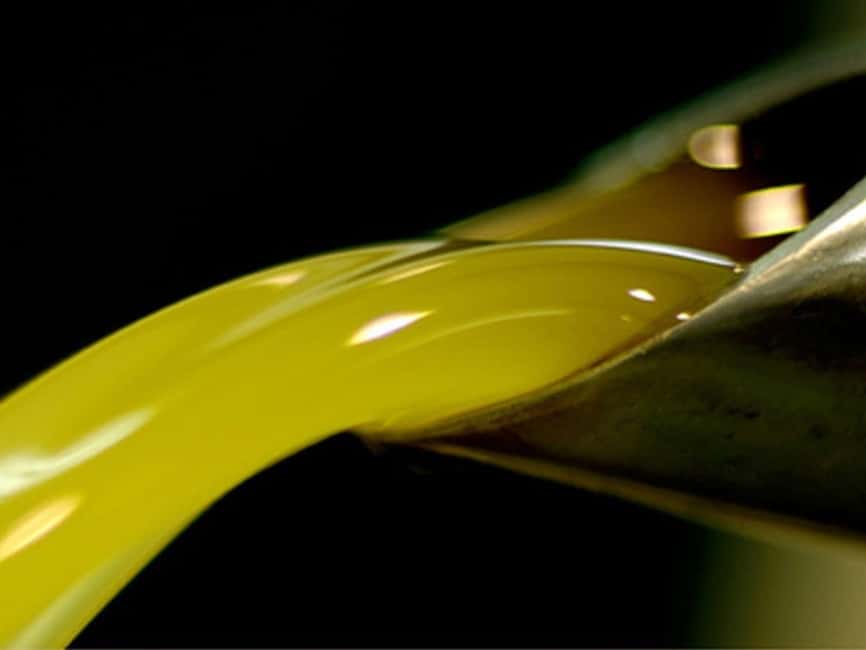
Taggia sits near Imperia in Liguria, about a 15-minute drive from Imperia. The town is closely linked with the Taggiasca olive, a local variety known for its delicate but layered taste.
That makes this experience more useful than a generic oil tasting. You are not simply sampling an Italian pantry staple. You are learning how one particular olive shapes the food of this part of Liguria.
Taggiasca olives are used in several forms during the visit. You taste the oil, sample the olives themselves, and try an olive pâté. That comparison helps you understand how the same ingredient changes with preparation.
I like this approach because it gives you something to remember beyond a technical lesson. Afterward, you can connect the taste of the oil with the whole olive and the spread, rather than treating the bottle as an isolated product.
More Olive Mill Visits in Italy:
- Bardolino: Lake Garda Oil Mill Tour with Olive Oil Tasting
★ 4.9 · 205 reviews - Olive Oil Tours and Tasting at Frantoio di Montalcino
★ 5.0 · 85 reviews - Lecce to Galatina E-Bike: Olive Mill & Wine Tasting + Taxi back
★ 5.0 · 54 reviews
Entering the late-1800s olive mill
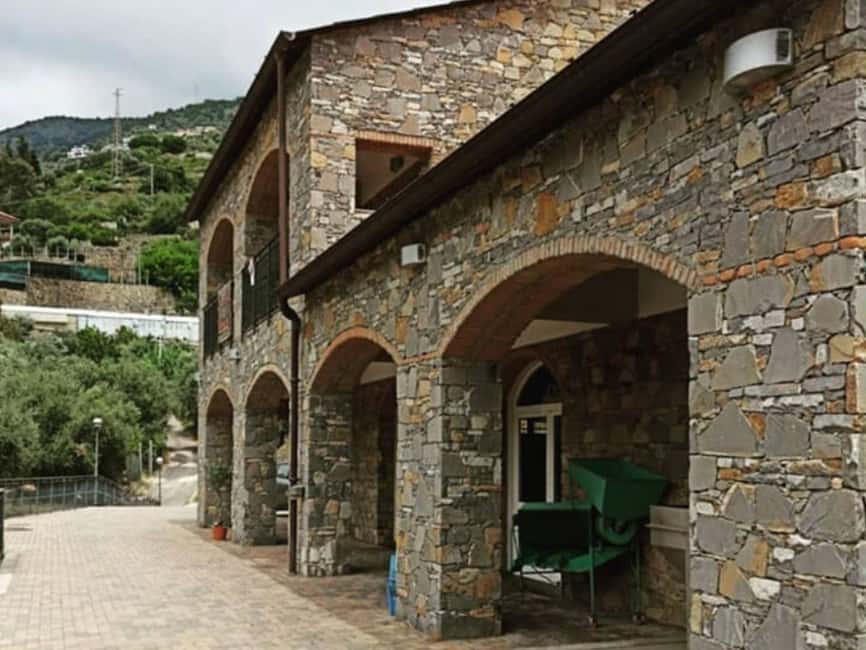
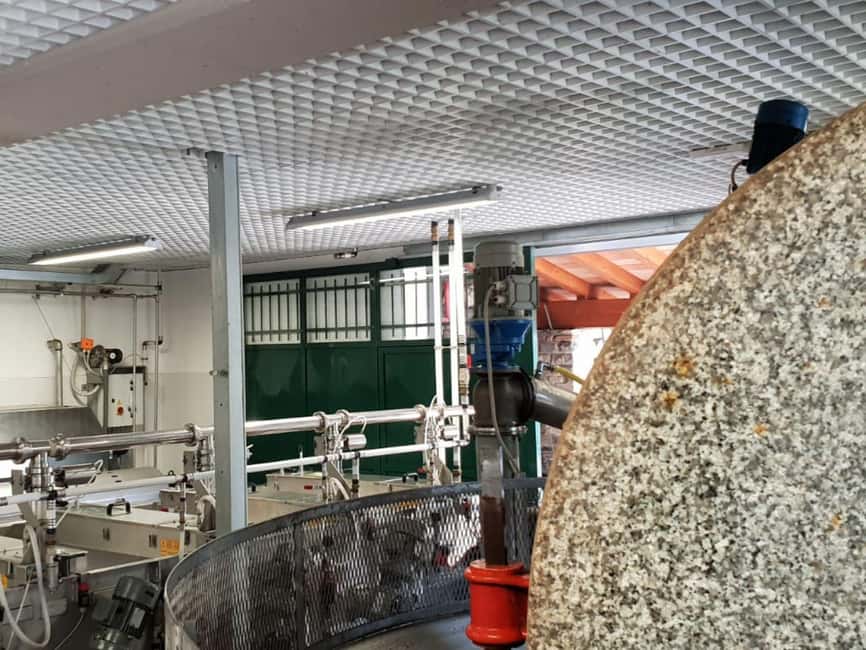
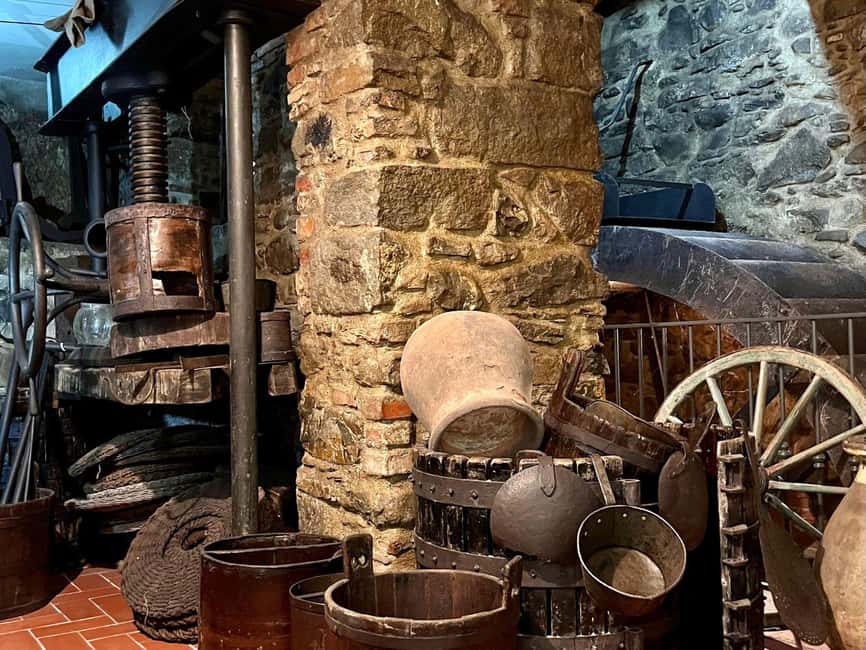
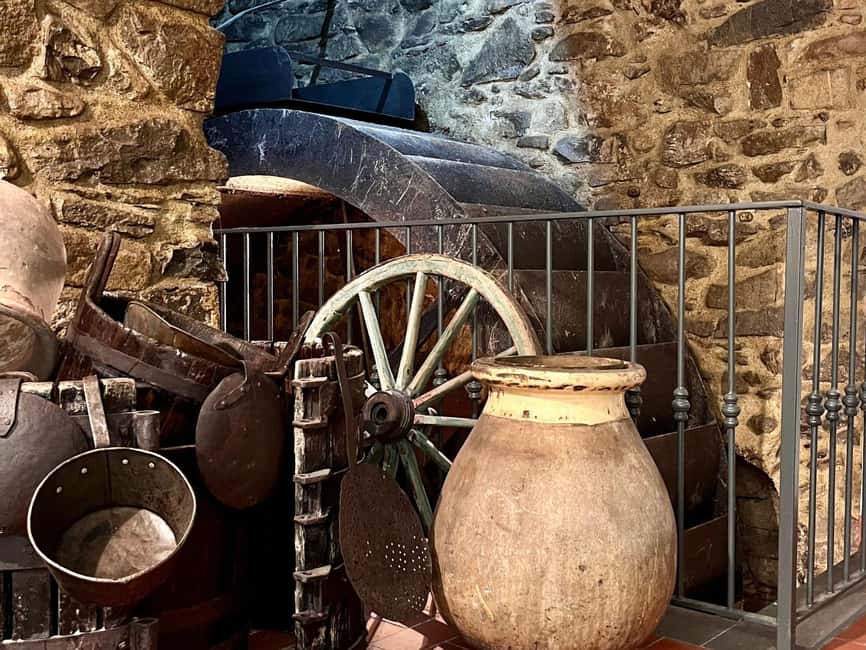
The starting point is the Olio Boeri Giuseppe shop in Taggia. From there, you visit an ancient mill dating from the late 1800s. The setting gives the presentation a sense of place, and the building provides a way to discuss how local oil production developed over time.
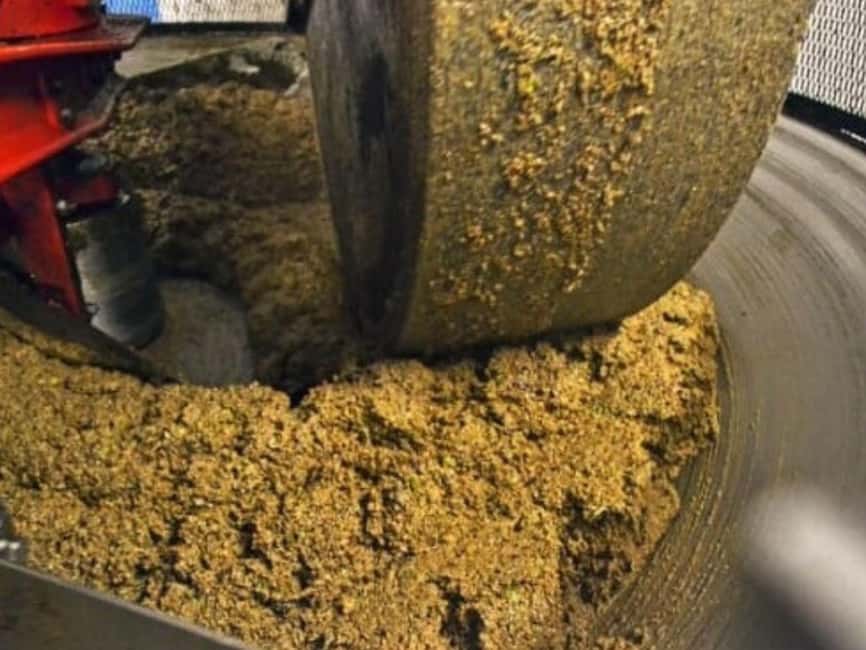
The first part lasts about 20 minutes. Alessandro explains how oil was made in the past and how the process works today. You hear about the stages from harvesting through bottling, along with the changes brought by modern processing methods.
This is not a long museum tour, so expect a focused introduction rather than a detailed architectural visit. The value comes from the connection between the building and the explanation. You can picture the older work while learning why current equipment can help protect the quality of the oil.
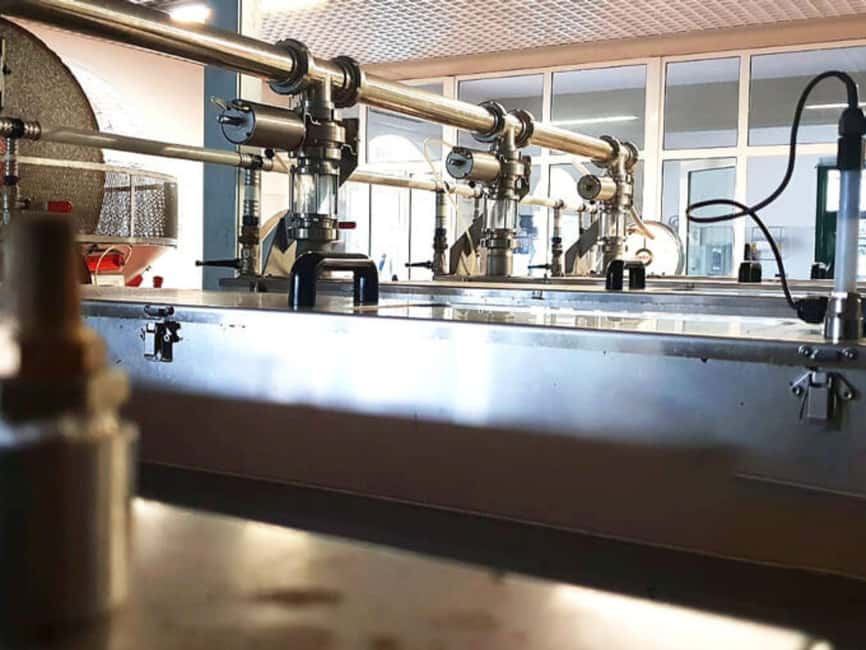
There is an important limit here. The oil is not produced inside this building today. If you want to watch olives being crushed or see a working production line, this visit will not provide that. You will instead learn how production works through Alessandro’s explanation.
That distinction matters when you plan your day. The experience suits you if you want local food knowledge in a compact format. It may disappoint you if your main goal is an operating mill with active machinery.
Learning how olives become extra virgin oil
The presentation follows the oil from harvest to bottle. You learn that production is not a single act, but a series of choices that affect the final taste.
The discussion covers older methods as well as current techniques. That comparison gives the tour more substance than a sales talk. You gain a basic sense of how traditional practice shaped the local product and how newer processing methods are used to preserve quality.
You do not need a background in agriculture or food science. The explanation is aimed at curious visitors, and Alessandro takes questions. One recent experience described him as generous with his time and clear in his answers, which is useful in a short tour where a rushed guide could easily turn the subject into a string of technical terms.
I especially like the historical angle because it explains why the mill matters even though production now happens elsewhere. The building is not just a shop with old equipment. It becomes a starting point for understanding the work that once took place there and the methods used by oil makers now.
Still, keep your expectations in check. The supplied details do not indicate that you will see every stage in person, examine machinery in operation, or watch harvesting. The strength here is the explanation, followed by tasting.
The 25-minute tasting, DOP and non-DOP oils
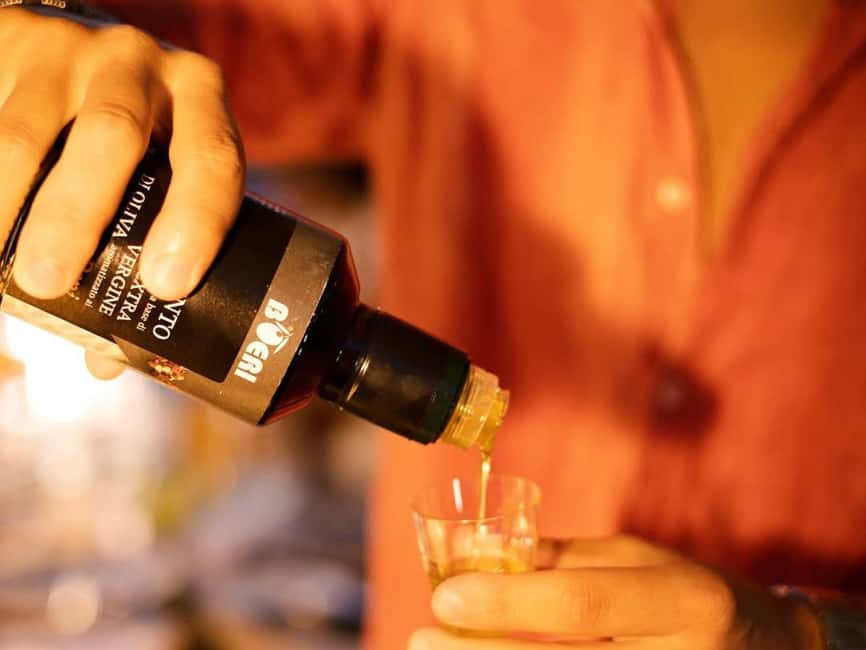
The tasting lasts about 25 minutes and is the heart of the visit. You sample both DOP and non-DOP extra virgin olive oils, then learn how to assess their aromas and flavors.
DOP means Protected Designation of Origin. In practical terms, the designation connects a product with a defined place and production standard. Comparing a DOP oil with a non-DOP oil lets you consider the difference between a protected regional product and another oil made outside that designation.
The point is not simply to decide which sample you prefer. Alessandro helps you notice tasting notes and judge whether an oil has the qualities expected of extra virgin olive oil. You learn to pay attention to smell, flavor, and the overall impression in the mouth.
That lesson can save you from making a common shopping mistake: assuming a high price or an attractive label guarantees a good oil. The tasting gives you a few simple tools for making your own choice.
You also sample Taggiasca olives and an olive pâté. These additions make the tasting more generous and help you compare the fruit in different forms. The pâté gives the session a savory finish, while the whole olives show what the raw ingredient contributes before it becomes oil.
The tasting is best approached with curiosity rather than the expectation of a formal professional exam. You will gain a useful vocabulary and a better sense of what you like, but the experience lasts only one hour in total.
More Guided Tours in Italy:
- Guided Wine and Olive oil tasting
★ 5.0 · 158 reviews - Guided tours of the olive grove with oil tasting.
★ 5.0 · 67 reviews - Seggiano: Guided Tour of the Olive Grove and Food Tasting
★ 4.8 · 30 reviews - Oristano: Olive Tree Grove Guided Visit with Tasting
★ 5.0 · 28 reviews
Shopping with a reason behind your choice
The final 15 minutes are set aside for guided shopping back at the sales point. This is a practical finish, not a forced sales pitch. You have just tasted several oils, so you can select a bottle based on flavor rather than guesswork.
I like the timing. If you shop before tasting, you may choose a product because of its label, size, or packaging. After the tasting, you can ask more specific questions and pick the oil that fits your cooking habits.
You can purchase favorite olive oils and related products. The information provided does not specify exact bottle sizes, shipping options, or prices for individual products, so you should ask at the shop if those details matter to you.
Think about how you plan to use the oil. A bottle chosen for dipping bread may not be the same one you want for everyday cooking. The tasting gives you a chance to notice the differences before spending more money.
The shopping period is short, only about 15 minutes. That is enough for a focused purchase, but not a leisurely browse through a large market. If you want to inspect every product, ask detailed questions, or compare many bottles, you may need to move at a steady pace.
How much value do you get for $27?
At $27 per person, this is a reasonable price for a one-hour food experience in Liguria. You are paying for a personal explanation, a historic setting, several tastings, and help choosing products to take home.
The value depends on what you want from an olive mill visit. If you mainly want to taste local oil and understand what separates a good bottle from a poor one, the price is easy to justify. The tasting itself has a clear purpose, and the guided shopping can help you avoid buying blindly.
If you expect a long agricultural tour, a full meal, or a working mill with active production, the value is less certain. Transportation and meals are not included, and the visit does not provide a meal. You need to make your own way to Taggia, which is about 15 minutes by car from Imperia.
The compact length can be a benefit. You can fit the visit into a day based in Imperia without giving up half a day. It also works well as a short stop between other plans in the area.
The main tradeoff is depth. One hour is enough for a useful introduction, but not enough for a lengthy technical class or an extensive tour of the production chain.
Who will enjoy this Taggia experience
I would recommend this for anyone interested in Italian food, especially if you want to bring home olive oil with a better understanding of what you are buying. It also suits couples, small groups, and anyone who prefers a personal explanation from a producer instead of a large commercial presentation.
Food-focused visitors will get the most from the tasting. You can connect the oil with olives and pâté, then use the lesson at restaurants, markets, or your own kitchen.
It is also a good choice if you are staying in Imperia and want a short local excursion. The drive is brief, and the total duration leaves room for other sightseeing in Taggia or nearby towns.
The experience is less suitable for someone seeking a full factory visit. Remember that the actual production takes place away from the historic building. You will hear how it is done, but you will not watch the complete process in operation.
It is also not suitable for wheelchair users according to the supplied activity information. Wear comfortable shoes, since they are specifically recommended for the visit.
What the personal guide adds
The strongest feature is the direct connection with Alessandro, the owner. He explains the mill himself, discusses the history of oil production, answers questions, and guides the tasting.
That personal role changes the tone. You are not simply being moved from one display to another. You can ask why old and modern methods differ, what makes Taggiasca distinctive, or how to assess the oil in your glass.
The guide speaks Italian and English. The activity information does not give a fixed group size, so you should not assume a private tour. Still, an owner-led explanation usually gives the visit a more direct connection to the product.
Several details point to a warm, family-run setting. The company is described as a family business with strong affection for its work and products. That matters because the subject is not treated as an abstract food lesson. The mill, olive, and bottle are linked to one local producer.
The tone also seems relaxed rather than stiff. That helps when you are learning a subject with unfamiliar terms. You can ask basic questions without needing to pretend you already know how olive oil is made.
Timing, transport, and small practical details
The activity lasts one hour, with the schedule divided into three parts:
- About 20 minutes for the mill visit
- About 25 minutes for the food and oil tasting
- About 15 minutes for guided shopping
You start and finish at Olio Boeri Giuseppe, the sales point in Taggia. Transportation to the mill is not included, so plan your own route. From Imperia, the drive takes about 15 minutes.
Comfortable shoes are recommended. That is simple advice, but worth following because this is a mill visit rather than a seated tasting alone.
Italian and English are available. If you need another language, the supplied information does not confirm one.
You can cancel up to 24 hours before the activity for a full refund, and you can reserve now while paying later. Those policies make the experience easier to fit into a changing Ligurian itinerary.
Should you book the Taggia olive mill visit?
Book it if you want a short, personal introduction to Taggiasca olives and Ligurian extra virgin olive oil. The best reasons are Alessandro’s owner-led explanation, the comparison of DOP and non-DOP oils, and the chance to taste olives and pâté before choosing products to take home.
Skip it if you want to watch a working mill in operation, eat a full meal, or spend several hours on a farm. The actual production is not in the historic building, and the whole activity lasts only one hour.
For $27, I see this as a focused food stop rather than a major day trip. It gives you local context, a useful tasting lesson, and a sensible way to shop for oil. If that is what you want from Taggia, it is a worthwhile addition to a Ligurian itinerary.
FAQ
Where does the olive mill visit take place?
The experience starts and finishes at Olio Boeri Giuseppe, a sales point in Taggia, Liguria. Taggia is about a 15-minute drive from Imperia.
How long does the activity last?
The activity lasts one hour. About 20 minutes are for the mill visit, 25 minutes for tasting, and 15 minutes for guided shopping.
Who leads the tour?
Alessandro, the owner, leads the explanation and tasting. He discusses the mill, olive oil production, and the differences between older and current methods.
Which languages are available?
The tour is available in Italian and English.
What will I taste?
You taste DOP and non-DOP extra virgin olive oils, Taggiasca olives, and olive pâté.
Will I see olive oil being produced?
No. The actual production does not take place in the building visited. You learn about the process from harvesting through bottling and compare older and modern methods.
Is transportation included?
No. Transportation to the mill is not included. You need to arrange your own way to the meeting point in Taggia.
Are meals included?
No. The activity includes tastings of olive oils, Taggiasca olives, and olive pâté, but it does not include a meal.
Is the visit suitable for wheelchair users?
No. The activity is listed as not suitable for wheelchair users. Comfortable shoes are recommended.
Just added around Italy
- Vernazza (5 Terre): olive grove tour and oil and wine tasting★ 5.0 · 9 reviews
- Trevi: Guided tour and tasting at Frantoio Gaudenzi★ 5.0 · 3 reviews
- Trieste’s Essence: Wine and Olive Oil Tasting★ 5.0 · 3 reviews
- Umbria: E-Bike Rental and Fresh EV Olive Oil Tasting★ 5.0 · 4 reviews
- Valpolicella Wine and Olive Oil Tasting with Lunch from Verona★ 5.0 · 2 reviews
- Half-Day Chianti Wine and Olive Oil Tour from Viareggio★ 4.0 · 5 reviews
- Umbria: Guided tour to Traditional Olive Oil Mill and Tasting★ 5.0 · 2 reviews
- From Venice: Olive Oil & Wine Tour in the Venetian Hills★ 5.0 · 9 reviews
Olive Mill Visits, compared.
Knossos-Zeus Cave -Old Traditional Villages-Olive Oil Factory
Read our review →
The Governor’s Olive Mill Tour with Olive Oil Tasting
Read our review →
Road-trip to Lasithi, Zeus Cave & Olive Mill Farm
Read our review →
LA Almazara LA Organic, Olive Oil Museum and Tasting
Read our review →
Lassithi, Zeus Cave, Olive Mill Farm & Knossos Combo Tour
Read our review →
Zeus Cave, Lassithi Plateau, and Olive Factory Tour
Read our review →
Browse the lists this tour appears in