
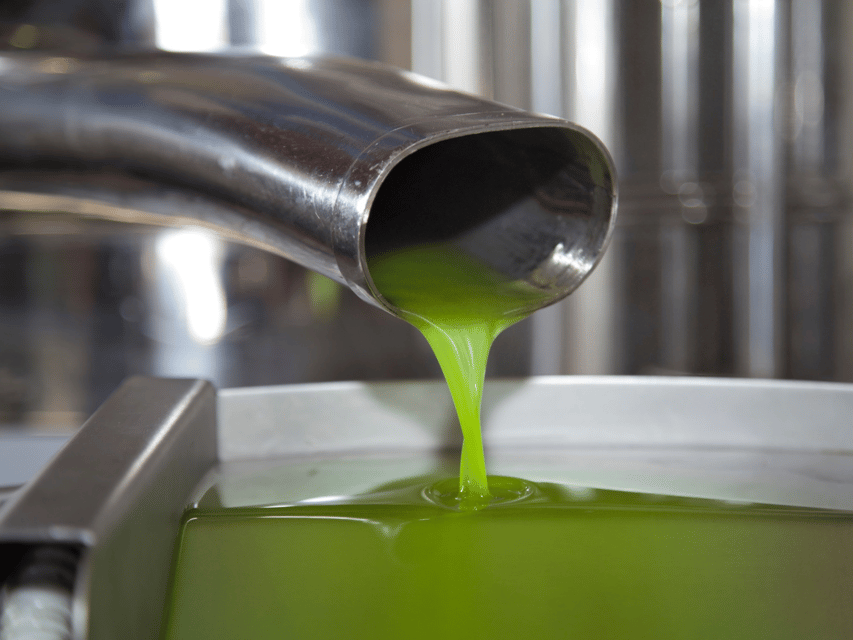
REVIEW · VERONA
Olive Mill Tour and Tasting in the Verona Countryside
Verona’s olive oil story comes alive at Frantoio Bonamini, where a working Frantoio 4.0 mill sits beside a small experimental grove and an old family oil museum. In 90 minutes, you see the full arc of production, from tree to bottle, then learn how to taste three oils properly with local snacks.
I like the mix of old tools and modern machinery, and I like that sustainability is explained in practical terms, including how olive-processing by-products become heating fuel and biomass. The main drawback is that the grove walk may be cut in rainy weather, so the tour can become more mill and museum focused.
Key Points
- A 15-minute walk begins beside the Campo di Casa experimental grove, where you see how local olive growing combines tradition with testing and new methods.
- The Frantoio 4.0 mill shows modern production clearly, including pressing, extraction, quality control, and the reuse of production by-products.
- Three extra virgin olive oils are tasted with guidance, including the delicate, fruity local Grignano variety.
- The Bonamini family oil museum gives the visit a useful time-travel element, showing how oil was made before today’s equipment.
- The price is $34 per person, a fair rate if you value a guided tasting and a working production site rather than just a shop sample.
- Plan on driving from Verona, since the mill is in Illasi, about 30 minutes from the city center.
A working olive mill, not just a tasting counter
Many food stops in Italy end with a few samples and a chance to buy something. This one gives you the machinery, the grove, the family story, and the tasting lesson in one compact visit.
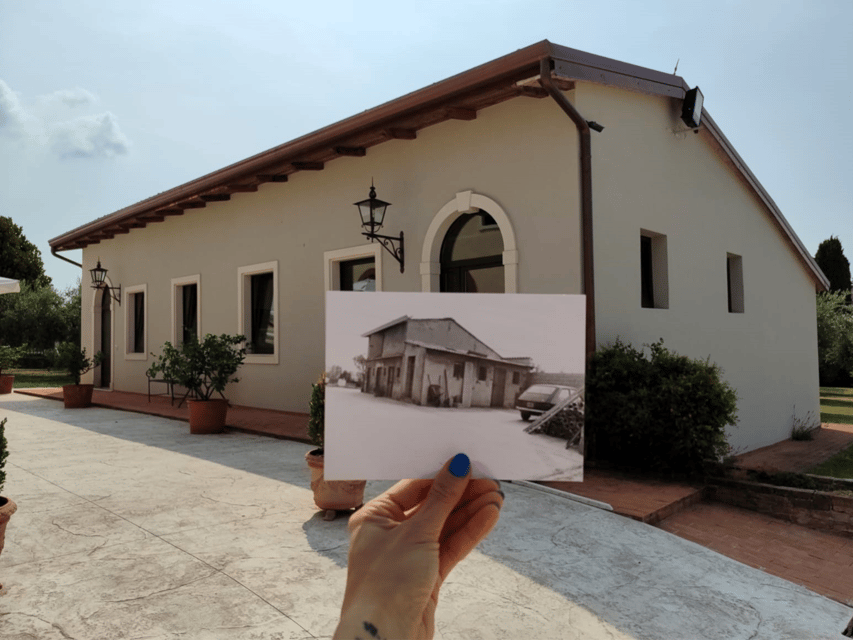
Frantoio Bonamini is in Illasi, a village near Verona. The family has cultivated and processed olives for nearly 60 years, and the operation now combines certified P.D.O. and organic oils with modern production methods. That balance gives the tour its purpose. You are not simply told that olive oil matters here. You see the place where it is made.
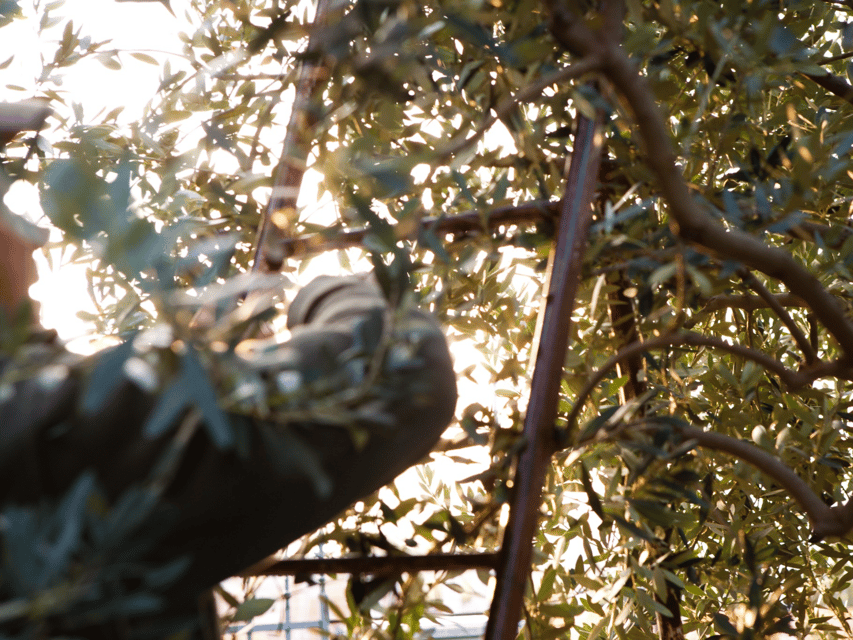
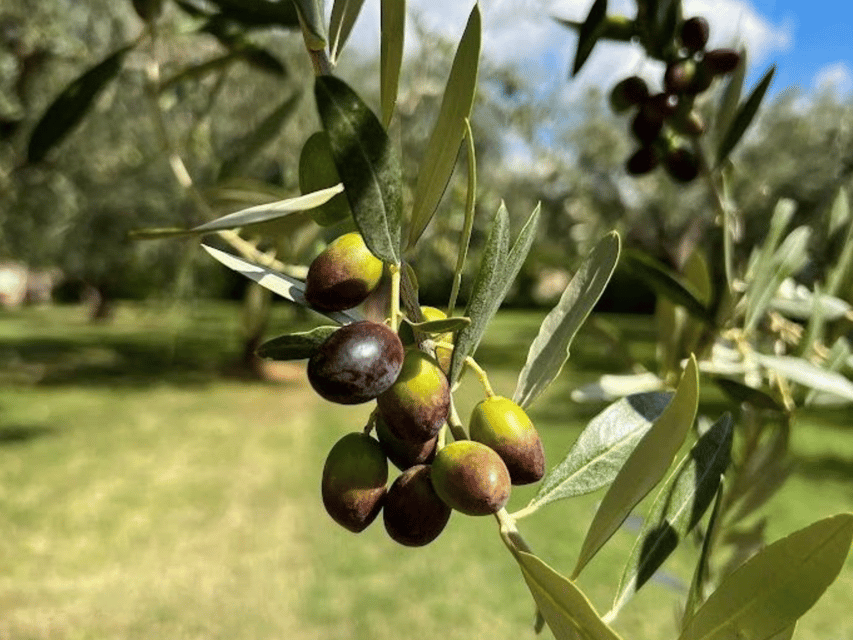
The setting beside the mill is part of the appeal. The Campo di Casa is a small experimental olive grove, described as both symbolic and practical. It reflects the way olive growing depends on inherited methods but also on testing and adaptation. You will not spend hours walking through endless rows of trees. Instead, expect a short introduction to the grove as a working part of the mill’s story.
That compact scale suits the 90-minute schedule. You get enough context to understand what follows without turning the visit into a full agricultural field trip.
More Olive Mill Visits in Italy:
- Bardolino: Lake Garda Oil Mill Tour with Olive Oil Tasting
★ 4.9 · 205 reviews - Olive Oil Tours and Tasting at Frantoio di Montalcino
★ 5.0 · 85 reviews - Lecce to Galatina E-Bike: Olive Mill & Wine Tasting + Taxi back
★ 5.0 · 54 reviews
Finding Frantoio Bonamini in Illasi
The mill is about 30 minutes by car from Verona’s city center. Transportation is not included, so you need to arrange your own way there and back. This is an important detail when you compare the $34 activity price with the total cost of your day.
At the entrance, look for the round stones marked FRANTOIO BONAMINI. Drive through the gate and go to the shop to ask for the guide. That simple landmark is useful because the mill is outside central Verona, where your usual city navigation habits may not help much.
English and Italian tours are available. Some sessions have been led by Rebecca, who is described as friendly and informative. Her approach, based on the feedback provided, includes both the production process and the practical skill of identifying good oil.
The tour has received a perfect 5 rating from nine published bookings, with particular praise for the guide, the clear explanation of oil making, and the tasting lesson. That is a small sample, so I would not treat it as proof that every visit will be identical. Still, the pattern is clear: the human guidance is a major part of the experience.
The Campo di Casa grove and its 15-minute walk
The first part of the visit is a walk of about 15 minutes. You go to the experimental grove next to the mill, where the guide explains the olive trees, local growing traditions, and the methods used to support the regional oil industry.
This stop gives the tasting some needed context. Olive oil is not an anonymous kitchen product here. Its aroma, flavor, and quality begin with a particular place, variety, harvest, and production method. The grove helps you connect the bottle on the table with the trees outside.
The local Grignano olive is especially useful to keep in mind during the tasting. It produces a delicate, fruity style that gives you a gentler point of comparison against the stronger oils you sample later.
The grove walk is also the least certain part of the plan. If rain or unsafe conditions make access difficult, it may be omitted. That is not a small distinction if outdoor time is your main reason for booking. You will still have the mill, museum, and tasting, but the visit will lose its short countryside walk.
The published information also contains conflicting notes about wheelchair access. One section describes the experience as wheelchair accessible, while another says it is not suitable for wheelchair users. Since the route includes a grove walk and the accessibility details do not agree, contact the provider before booking if this matters to you.
Seeing the Frantoio 4.0 production line
After the grove, the guided visit moves into the modern mill. The term Frantoio 4.0 refers to the use of current technology alongside traditional olive oil craft. This is the strongest educational part of the visit if you want to understand what happens between harvest and bottle.
The guide takes you through the basic stages, including olive pressing and oil extraction. You also learn how the mill protects quality standards. The tour is not simply about machinery for its own sake. It explains why timing, handling, and controlled production matter to the final flavor.
The modern equipment also gives you a practical way to understand the difference between a small family producer and an old-fashioned farm press. Bonamini keeps the family identity and local focus, but the mill uses updated systems to make consistent oils and manage production responsibly.
Sustainability gets a useful, concrete explanation here. Olive oil production creates by-products that were once treated as waste. At this mill, those materials are recycled into resources such as heating fuel and biomass. That is more helpful than a vague statement about being green because you can see how the principle works in practice.
You should not expect a long technical seminar. The mill tour lasts about 30 minutes within the 90-minute visit. It gives you a clear overview rather than a specialist course in engineering or agricultural science.
A few more olive oil tours around Italy worth a look
- Sorrento Farm and Food Experience including Olive Oil, Limoncello, Wine tasting
★ 5.0 · 2,524 reviews - Olive oil tasting in Sorrento
★ 5.0 · 434 reviews - Sorrento: Lemon, Olive Oil and Wine Tasting Tour with Lunch
★ 5.0 · 300 reviews - Alghero: Wine and Olive Oil Tasting at a Local Farm
★ 4.8 · 294 reviews
The Bonamini oil museum and the contrast with today
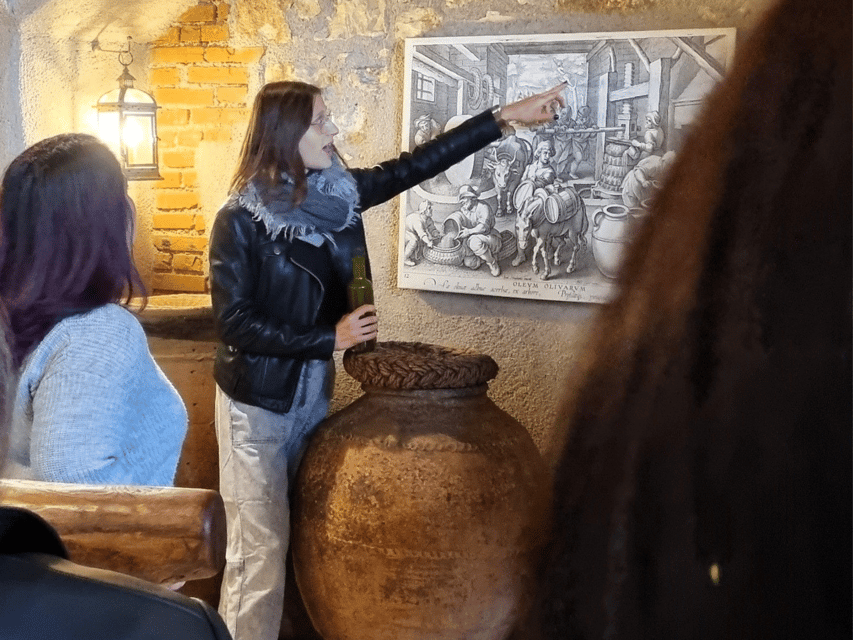
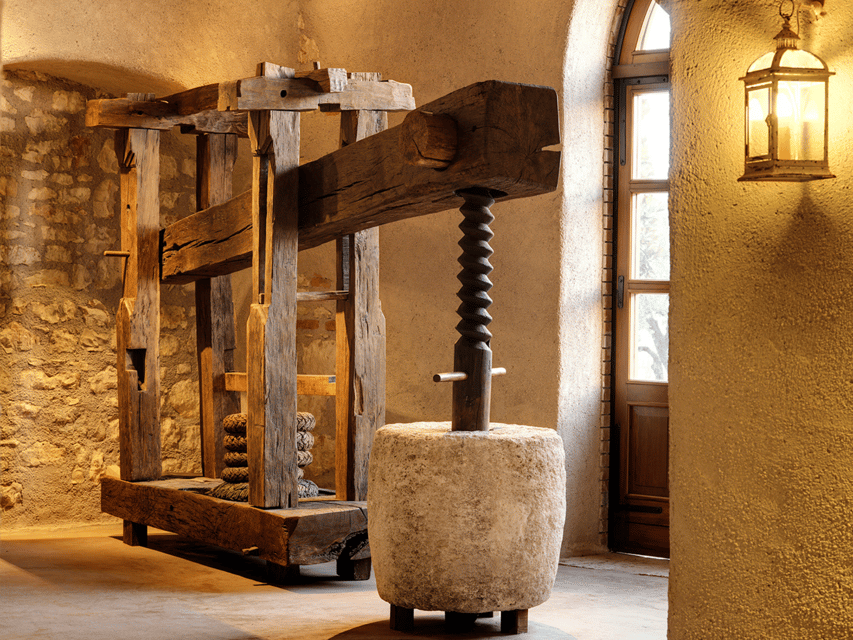
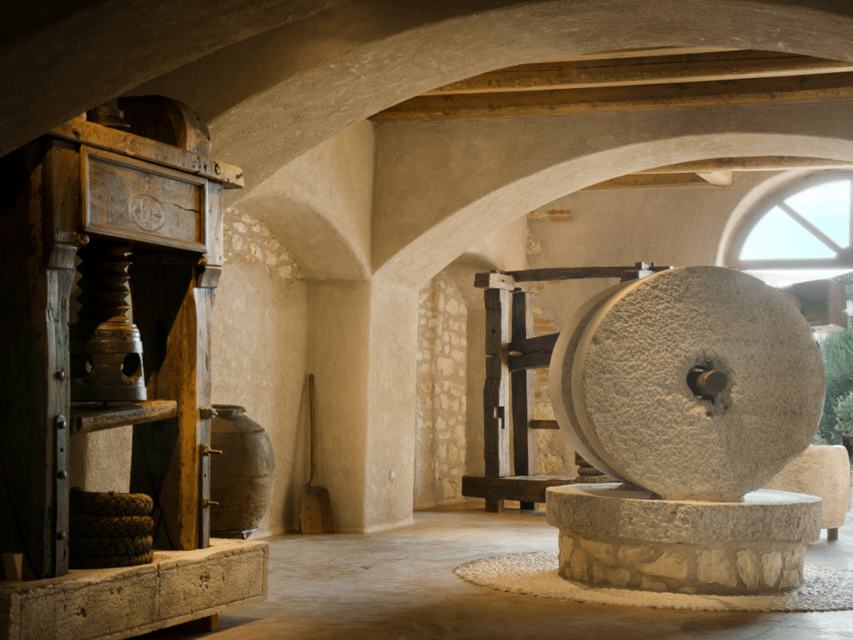
Next to the modern facilities is the historic Bonamini family Oil Museum. The museum shows the older tools and methods used to make olive oil before today’s equipment changed the process.
This is a smart addition because it makes the modern mill easier to understand. Seeing old production methods first, or alongside the new machinery, shows how much labor and time the process once demanded. It also explains why the family’s current approach is not a break from tradition. It is an attempt to keep the purpose of the old craft while using safer, cleaner, and more controlled methods.
The museum is likely to appeal most to you if you enjoy small family collections rather than polished national museums. Its value comes from its connection to the working mill and the Bonamini family. You are looking at objects tied to the same local trade that continues outside the door.
The old and new sections together give the tour a sensible rhythm. First, you learn where the olives grow. Then you see how the oil is made today. Finally, you compare that with the tools and methods of the past before sitting down to taste the results.
How the three-oil tasting works
The tasting takes about 45 minutes, making it the longest part of the experience. This is where the visit shifts from watching to doing.
You taste three different extra virgin olive oils with expert guidance. The point is not simply to decide which one you like best. You learn to notice aromas, texture, fruitiness, and the stronger flavors that can appear in a quality oil.
That guidance matters because most people use olive oil without tasting it on its own. Bread or a cooked dish can hide the differences. At the mill, you can compare the oils directly and begin to understand why one tastes delicate and fruity while another seems more robust and bold.
The Grignano oil provides a local reference point. Its lighter, fruitier character gives you a useful contrast with the other regional oils. The exact selection may vary, but the stated format is three premium extra virgin oils, not a single house sample.
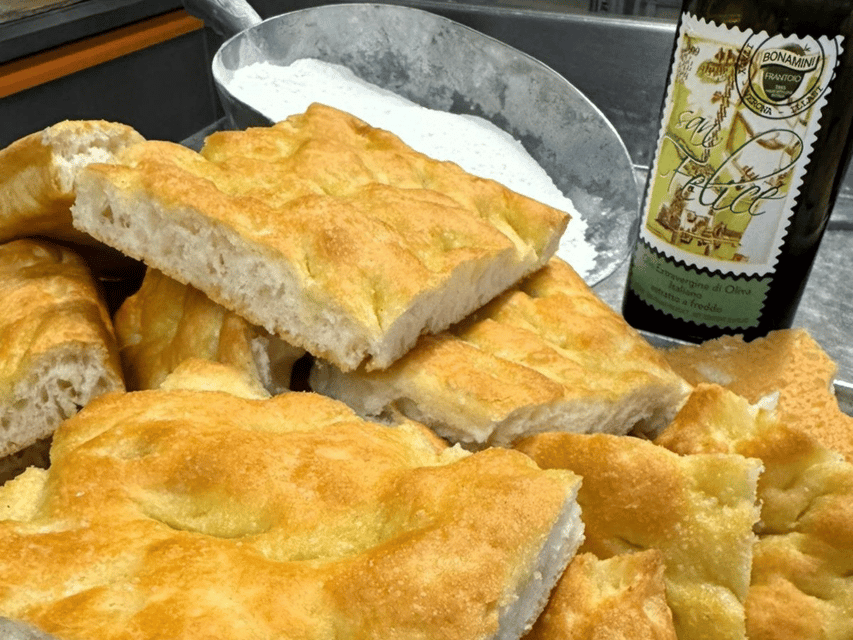
Traditional local snacks accompany the tasting, along with water. The snacks help you see how the oils work with food rather than treating them as laboratory samples. They also make the final portion feel like a small countryside food experience instead of a formal lecture.
One of the most useful lessons is how to identify quality oil. You leave with a better sense of why fresh aroma, balanced flavor, and clean taste matter. That knowledge can change how you shop for olive oil at home, which adds value beyond the visit itself.
Is $34 a fair price?
At $34 per person, the price is reasonable if you want more than a quick tasting. Your ticket includes the grove tour, the guided mill and museum visit, three oil samples, local snacks, water, and a live guide in English or Italian.
The activity lasts 1.5 hours, so the price is not aimed at filling an entire day. It is better understood as a focused stop you can pair with other time in the Verona area. You are paying for access to a working family mill, an explanation of the process, and a structured tasting rather than simply purchasing a bottle in the shop.
The value is strongest for food-focused visitors, couples, families, and anyone curious about how a familiar ingredient is made. The tasting alone would be less informative without the grove and machinery. The machinery would feel dry without the food at the end. The parts support one another.
The value is less clear if you do not have transport from Verona or if you mainly want a broad countryside excursion. Since you must get to Illasi yourself, add the cost and time of transportation when planning.
The schedule is also tight. A 15-minute walk, 30-minute guided visit, and 45-minute tasting leave little room for wandering at your own pace. That is fine for a compact experience, but you should not expect a relaxed half-day visit.
Who will enjoy this most?
I would recommend this tour to you if you like food with a clear sense of place. You will learn why olive oil tastes different from one variety or region to another, then connect those differences with a real grove and production site.
It also suits families. The machinery, old tools, and tasting create several types of interest, and one booking specifically described the tasting as enjoyable for the whole family. The session is short enough that younger visitors are not asked to sit through a long talk.
It is a good choice for anyone staying in Verona with a car who wants to leave the city for a local food tradition. Illasi gives you a look at the area beyond Verona’s famous historic center without requiring a full-day commitment.
You may want to skip it if you dislike guided tastings, have no practical way to reach the mill, or want a long walk among olive trees. The grove section is brief, and bad weather can remove it altogether.
Also check the access details before booking if you use a wheelchair. The information provided is inconsistent, so the safest approach is to ask the provider directly about the specific route, entrance, and mill facilities.
Booking details worth knowing
You can cancel up to 24 hours before the activity for a full refund, and a reserve-now, pay-later option is available. Starting times vary, so check availability for your date.
The meeting point is Frantoio Bonamini in Illasi. Go through the gate marked by the round stones and ask at the shop for the guide. Transportation, extra food, and additional drinks are not included.
The tour is offered with a live guide in English or Italian. The experience is normally structured around the grove, mill, museum, and tasting, but the grove may be left out in bad weather.
Should you book the olive mill tour?
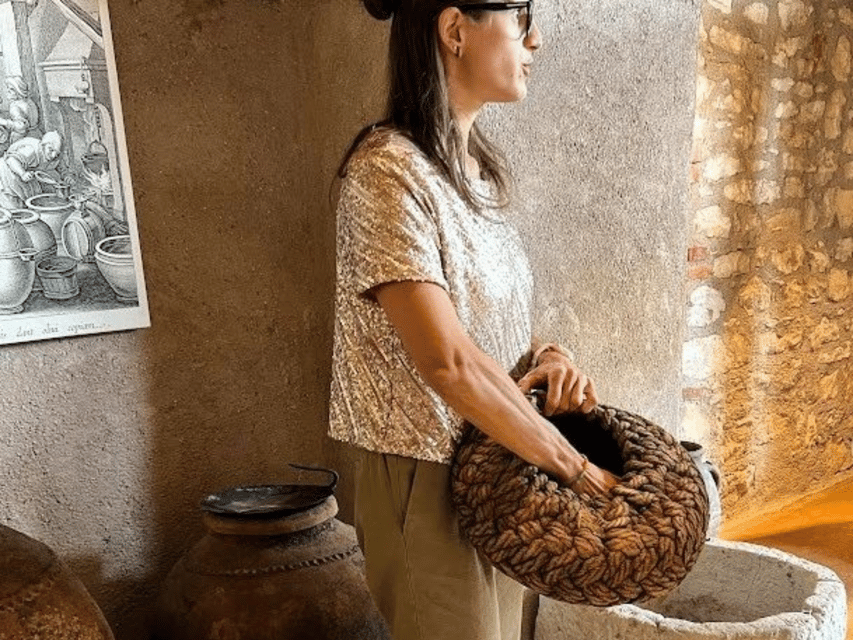
Book it if you want a short, well-organized food experience that explains both old and modern olive oil making. The combination of the Campo di Casa grove, Frantoio 4.0 machinery, family museum, and three-oil tasting gives the $34 price real substance.
I would make it a priority for food lovers and anyone with a car who wants to see a working family business near Verona. I would be more cautious if you are counting on a long outdoor walk, since rain can change the plan, or if accessibility is essential and you have not confirmed the route.
The main reason to go is the tasting lesson. You do not just sample oil. You learn what to look for, compare a local Grignano oil with stronger styles, and understand how the mill’s work reaches your table.
FAQ
Where is the olive mill tour located?
The experience takes place at Frantoio Bonamini in Illasi, a village near Verona. The mill is about 30 minutes by car from Verona city center.
How long does the experience last?
The tour lasts 1.5 hours. The schedule includes a 15-minute walk, a 30-minute guided visit, and a 45-minute food tasting.
What does the $34 ticket include?
The ticket includes the guided olive grove visit, the guided mill and museum visit, three different olive oil tastings for paid adults, local snacks, water, and a live guide.
Are transportation costs included?
No. You are responsible for transportation to and from Frantoio Bonamini.
Which languages are available?
The tour has live guides in English and Italian.
How many olive oils will I taste?
Paid adult tickets include a tasting of three different extra virgin olive oils.
Can the grove walk be canceled?
Yes. If rain or other weather conditions make the grove unsafe, the walk may not be included.
Is the tour wheelchair accessible?
The provided information gives conflicting details. One section describes the activity as wheelchair accessible, while another says it is not suitable for wheelchair users. Contact the provider before booking to confirm the current access arrangements.
Just added around Italy
- Vernazza (5 Terre): olive grove tour and oil and wine tasting★ 5.0 · 9 reviews
- Trevi: Guided tour and tasting at Frantoio Gaudenzi★ 5.0 · 3 reviews
- Trieste’s Essence: Wine and Olive Oil Tasting★ 5.0 · 3 reviews
- Umbria: E-Bike Rental and Fresh EV Olive Oil Tasting★ 5.0 · 4 reviews
- Valpolicella Wine and Olive Oil Tasting with Lunch from Verona★ 5.0 · 2 reviews
- Half-Day Chianti Wine and Olive Oil Tour from Viareggio★ 4.0 · 5 reviews
- Umbria: Guided tour to Traditional Olive Oil Mill and Tasting★ 5.0 · 2 reviews
- From Venice: Olive Oil & Wine Tour in the Venetian Hills★ 5.0 · 9 reviews
Olive Mill Visits, compared.
Knossos-Zeus Cave -Old Traditional Villages-Olive Oil Factory
Read our review →
The Governor’s Olive Mill Tour with Olive Oil Tasting
Read our review →
Road-trip to Lasithi, Zeus Cave & Olive Mill Farm
Read our review →
LA Almazara LA Organic, Olive Oil Museum and Tasting
Read our review →
Lassithi, Zeus Cave, Olive Mill Farm & Knossos Combo Tour
Read our review →
Zeus Cave, Lassithi Plateau, and Olive Factory Tour
Read our review →
Browse the lists this tour appears in