
REVIEW · SICILY
Olive harvest, visit to the oil mill and typical lunch
The best part of this Sicilian olive oil experience is that it connects the whole process. You walk among old trees, learn how olives are grown and picked, see the machinery that turns fruit into oil, then sit down to eat the food that oil was made for. It feels more useful than a quick tasting at a shop.
I like the chance to take part in the harvest with traditional tools, and I like that the meal is generous enough to count as a proper taste of rural Sicily. Guide Federica explains the work clearly, while Elio, the third-generation owner, may join the lunch. The main consideration is timing: harvesting is seasonal, and the outdoor portion depends on good weather.
Key points to know before booking
- Old olive trees and hands-on harvesting: Walk through the grove and help pick olives when conditions allow, or watch the work up close.
- A real mill visit: See the processing machinery and follow the route from harvested fruit to extra virgin olive oil.
- Federica leads the explanation: Expect clear guidance on olive varieties, cultivation, classifications, and production.
- A full Sicilian lunch follows: Bruschetta, pestos, olives, cheese, salami, seasonal pizzolo, dessert, wine, and water are included.
- A practical day trip from Syracuse or Catania: The meeting point is Terra Surti in Sortino, with AST bus schedules the main public transport reference.
- Three and a half hours at $120.41: The price is easier to justify if you value the meal, tasting, mill visit, and hands-on farm time together.
Walking among Sortino’s old olive trees
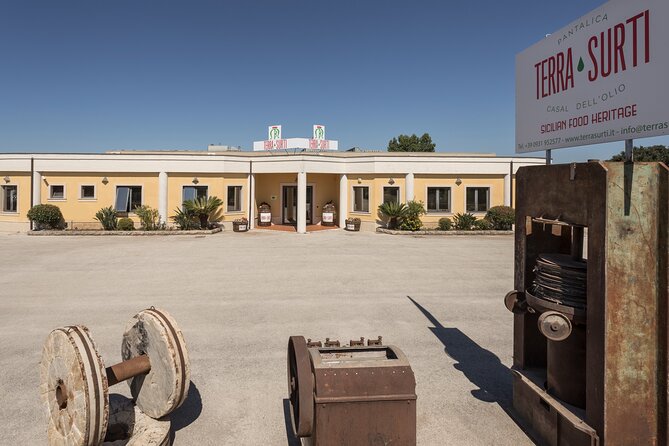
The experience begins at Terra Surti in Sortino at 10:00 am. Sortino is in Syracuse province, making this a possible outing from Syracuse, Catania, or the Ortigia area, though you need to plan your own route to the farm. The meeting point is at Contrada Luigi Albinelli, with no pickup service listed, so check AST bus schedules carefully if you are not driving.
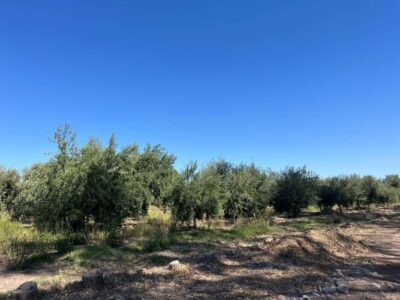
The opening walk takes you into an olive grove filled with centuries-old trees. This is not just a pleasant stroll before the main event. It gives you the setting for everything that follows. You learn about olive cultivation, the differences between varieties, and the decisions that affect the final oil.
I like this beginning because it slows the process down. Olive oil can seem like a simple product on a restaurant table, but the grove shows how much work comes first. You see the trees as living crops rather than decorative plants, and the seasonal timing becomes easier to understand.
The exact appearance of the grove and the level of activity will depend on the time of year. October is described as a good month for the harvest, so that is the period to choose if you want the strongest chance of seeing the work at its most active. At another time, you may spend more of the visit watching and learning than picking.
More Olive Mill Visits in Italy:
- Bardolino: Lake Garda Oil Mill Tour with Olive Oil Tasting
★ 4.9 · 205 reviews - Olive Oil Tours and Tasting at Frantoio di Montalcino
★ 5.0 · 85 reviews - Lecce to Galatina E-Bike: Olive Mill & Wine Tasting + Taxi back
★ 5.0 · 54 reviews
Picking olives with traditional tools
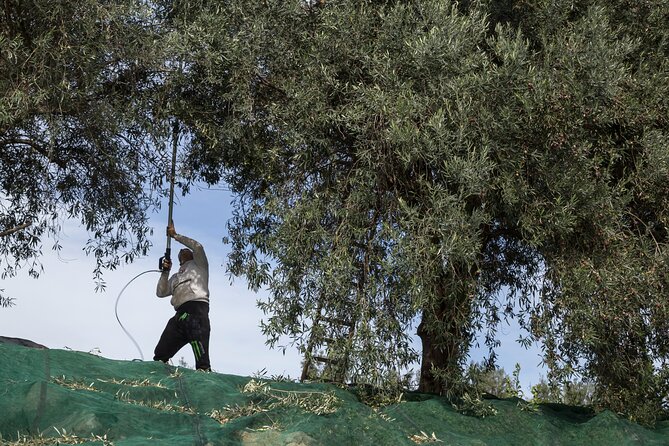
After the introduction, you can take part in the olive harvest using traditional tools, or watch the process close up. That choice matters. Some people want to get their hands involved, while others prefer to concentrate on the explanation and photography.
The harvest is a useful part of the visit because it shows how the fruit is gathered before it reaches the mill. You are not simply told that the oil is handmade or produced with care. You get a direct look at the physical work behind those claims.
This also makes the activity a good fit for families. The experience is described as suitable for children, and the practical nature of collecting olives gives younger visitors something concrete to do. Still, it is an outdoor farm activity, not a polished indoor demonstration. Wear clothes and shoes you do not mind using around an olive grove.
The experience accommodates up to 30 people. That is a moderate group size, though it is large enough that you may not receive one-on-one attention at every point. The benefit is a social, relaxed setting. The tradeoff is that the harvest and machinery explanation may feel less personal during a full departure.
Following the fruit into the oil mill
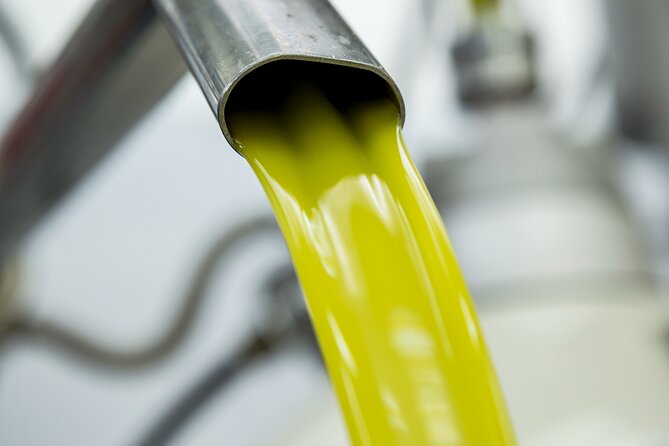
The mill visit is the most educational part for anyone curious about production. You see the machinery and learn how the olives are processed into extra virgin olive oil. The visit connects the grove to the bottle in a way that a standard tasting often does not.
I especially like this part because it gives meaning to the tasting later. Once you have seen the processing equipment, you can pay closer attention to the oil’s aroma, texture, and taste. You also gain a better sense of why freshness, handling, and production methods matter.
The tour focuses on the process rather than promising a technical course, so you should expect a clear working explanation, not a laboratory session. Guide Federica is described as covering growing practices, classifications, and the history of olive oil. The exact machinery in operation may vary with the harvest schedule, but the mill remains central to the visit.
One memorable detail is the family connection. Elio, the third-generation owner, has joined lunch to speak with the group. That adds a personal side to the production story. You are not only looking at equipment. You are learning about a family business tied to the land and to generations of olive work.
Tasting extra virgin olive oil at the table
The tasting comes after the grove and mill, which is the right order. Your palate has some context by then. You can compare the oil with the foods on the table and understand how it functions in everyday Sicilian cooking.
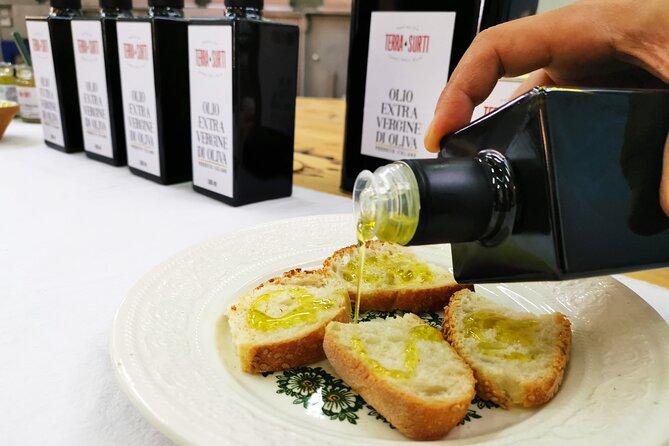
The tasting is not described as a formal flight with a set number of oils, so do not book this expecting a lengthy professional tasting course. Instead, think of it as a guided introduction tied to the farm’s own production. The oil is presented with the meal, making the experience more relaxed and useful for most people.
You may also want to buy oil before leaving. The visit provides a natural chance to take home something connected to the day, and the bottles can be a practical souvenir. If you are continuing by road, remember that oil adds weight and needs careful packing. The experience does not specify shopping limits, packaging, or shipping, so ask the farm directly if those details matter to you.
More Olive Oil Tours with Lunch in Italy:
- Sorrento: Lemon, Olive Oil and Wine Tasting Tour with Lunch
★ 5.0 · 300 reviews - Florence: Great Chianti Wine and Olive Oil Trail with Lunch
★ 4.8 · 160 reviews - Farm-to-Table Experience: Olive Oil, Garden Tour & Nonna’s Lunch
★ 5.0 · 35 reviews - Visit to the olive grove, oil tasting and lunch at the farm
★ 5.0 · 31 reviews
A generous lunch of Sicilian staples
Lunch is a major reason the $120.41 price can make sense. The menu is not just a small plate after a farm visit. It includes bruschetta with several pestos, olives, cheese, salami, seasonal pizzolo stuffed according to the season, a ricotta or honey dessert, water, and wine.
Pizzolo is a specialty associated with Sortino, usually made from bread-like pizza dough and filled with savory ingredients. Because the filling changes with the season, you should expect variation rather than one fixed recipe. That is a plus if you want food connected to the local calendar, though it means you cannot choose a specific filling in advance.
The table also gives the olive oil a proper role. Bruschetta, pestos, cheese, and bread-based dishes are simple foods, but they show how Sicilian cooking depends on good ingredients. The meal is likely to feel more satisfying than a token tasting, particularly after time outdoors.
Wine and water are included. The menu does not provide alternatives for allergies, vegetarian diets, or other restrictions, so contact Terra Surti before booking if you need adjustments. Do not assume that every seasonal filling or cured meat can be replaced.
The dessert is based on ricotta or honey. That keeps the ending firmly in the local food tradition without making the meal overly elaborate. I like this kind of lunch because it gives you a sense of how the oil fits into a wider meal, not just how it tastes from a spoon.
Why the $120.41 price may be worthwhile
At $120.41 per person, this is not a cheap farm stop. You are paying for about three and a half hours, a guided grove walk, a harvest activity or demonstration, a mill visit, an oil tasting, and a full lunch with wine and water.
The value depends on what you want from a day in Sicily. If you only want to taste olive oil, the price will feel high. If you want a complete food-and-farm outing with a meal, the calculation looks better. Transport is not listed as included, so add the cost and time of reaching Sortino.
I would compare this with the cost of arranging separate transport, a rural meal, and a mill visit. The experience puts those pieces together and removes the need to work out several bookings. Group discounts are available, which could help families or larger parties.
The maximum group size is 30. A smaller group may feel more intimate, but the listed capacity is not unusually large for a hands-on food activity. The quality of your experience will also depend on the harvest date, weather, and how busy the departure is.
The activity is offered in English. Confirmation arrives within 48 hours of booking, subject to availability, so do not leave it until the last minute if your Sicily schedule is tight. The fact that it is often booked about 40 days ahead suggests planning early, especially for October dates.
Getting to Terra Surti in Sortino
The start and end point are the same: Terra Surti, Contrada Luigi Albinelli, Sortino, in Syracuse province. The activity begins at 10:00 am and finishes back at the farm after roughly three hours and 30 minutes.
For public transport, you are directed to check AST BUS schedules from Syracuse or Catania. That is useful, but you should treat the bus connection as a planning task rather than a built-in part of the tour. Check the return schedule as well as the outbound route, since the tour ends after lunch and you do not want to rely on a connection that leaves too soon.
A car may make the visit simpler, but no transportation arrangement is specified, so confirm your route before paying. The rural address means you should allow extra time to find the entrance. The meeting point is not in central Ortigia or central Catania.
The tour ends where it starts, which is convenient if you arrive independently. You do not have to arrange a second pickup location after lunch.
Weather, season, and what to wear
This experience requires good weather. If poor conditions force a cancellation, you are offered another date or a full refund. That policy protects you from spending part of your holiday in a muddy grove or missing the outdoor portion altogether.
October is the best month identified for the harvest. If picking olives is the main reason you are booking, aim for that period. Outside harvest season, the educational and tasting parts may still be the focus, but the exact hands-on work can vary.
Wear practical clothing for walking among trees and taking part in farm work. The information does not specify a dress code, so use sensible outdoor shoes and bring protection from the sun if needed. You may be moving between the grove, mill, and lunch area, so comfort matters more than dressing for a formal restaurant.
Service animals are allowed. Other accessibility details are not provided, so contact Terra Surti directly if you need information about paths, seating, transport, or mobility support.
Who will enjoy this olive oil tour most
I would choose this experience if you like food with a sense of place. It works especially well for people who want to understand how a local product is made, rather than simply buy a bottle in a shop.
Families may enjoy the harvest element, since the activity gives children a direct role and keeps the day varied. Couples and small groups can also make good use of it, particularly if a long Sicilian lunch appeals to you.
It is a strong choice for a day trip from Syracuse or Catania if you can manage the transport. The morning start and fixed meeting point require more planning than a city-center food walk, but the reward is a rural setting and a family-run production story.
You may want to skip it if you dislike outdoor activities, have limited time between city sights, or only want a short tasting. The three-and-a-half-hour duration does not include your journey to Sortino, so count the full day carefully.
Should you book Terra Surti?
Book it if you want the full chain: olive grove, harvest, mill, tasting, and lunch. The most praised elements are the clear guidance from Federica, the hands-on look at harvesting and processing, the quality of the oil, and the generous Sicilian meal.
I would aim for October if harvesting is important, and I would arrange transport before confirming the booking. At $120.41, the experience is best value for people who will enjoy both the educational side and the long lunch, not just the oil sample.
Skip it if you want a quick, inexpensive tasting or need a highly flexible schedule. For everyone else, Terra Surti offers a grounded way to spend a morning in rural Sicily, with enough food and practical detail to make the outing feel like more than a photo stop.
FAQ
Where does the olive harvest experience take place?
It takes place at Terra Surti, Contrada Luigi Albinelli, snc, 96010 Sortino SR, Italy.
What time does the tour start?
The tour starts at 10:00 am.
How long does the experience last?
The activity lasts approximately three hours and 30 minutes.
Where does the activity end?
It ends back at the Terra Surti meeting point.
Is the tour offered in English?
Yes. The experience is offered in English.
Can I reach Terra Surti by public transport?
You can check AST BUS schedules for departures from Syracuse or Catania. The activity information does not provide a specific bus route or timetable.
What food is included?
Lunch includes bruschetta with various pestos, olives, cheese, salami, seasonal stuffed pizzolo, a dessert based on ricotta or honey, water, and wine.
Can I take part in harvesting the olives?
Yes. You can participate with traditional tools or watch the harvesting process up close.
Is the activity suitable for children?
The experience information and available feedback describe it as suitable for kids.
What happens if the weather is poor?
The experience requires good weather. If it is canceled because of poor conditions, you will be offered a different date or a full refund.
More Lunch Experiences in Italy
- Private Pompeii Tour with lunch and Olive Oil Factory Experience
★ 5.0 · 16 reviews - Erice & Marsala: Salt, Olive Oil & Wine with lunch included
★ 4.5 · 12 reviews - Florence: Great Chianti Wine and Olive Oil Trail with Lunch
★ 5.0 · 8 reviews - Olive Oil Tasting & Private Chef with Lunch
★ 5.0 · 3 reviews
Just added around Italy
- Vernazza (5 Terre): olive grove tour and oil and wine tasting★ 5.0 · 9 reviews
- Trevi: Guided tour and tasting at Frantoio Gaudenzi★ 5.0 · 3 reviews
- Trieste’s Essence: Wine and Olive Oil Tasting★ 5.0 · 3 reviews
- Umbria: E-Bike Rental and Fresh EV Olive Oil Tasting★ 5.0 · 4 reviews
- Valpolicella Wine and Olive Oil Tasting with Lunch from Verona★ 5.0 · 2 reviews
- Half-Day Chianti Wine and Olive Oil Tour from Viareggio★ 4.0 · 5 reviews
- From Venice: Olive Oil & Wine Tour in the Venetian Hills★ 5.0 · 9 reviews
- Umbria: Guided tour to Traditional Olive Oil Mill and Tasting★ 5.0 · 2 reviews
Olive Mill Visits, compared.
Knossos-Zeus Cave -Old Traditional Villages-Olive Oil Factory
Read our review →
The Governor’s Olive Mill Tour with Olive Oil Tasting
Read our review →
Road-trip to Lasithi, Zeus Cave & Olive Mill Farm
Read our review →
LA Almazara LA Organic, Olive Oil Museum and Tasting
Read our review →
Lassithi, Zeus Cave, Olive Mill Farm & Knossos Combo Tour
Read our review →
Zeus Cave, Lassithi Plateau, and Olive Factory Tour
Read our review →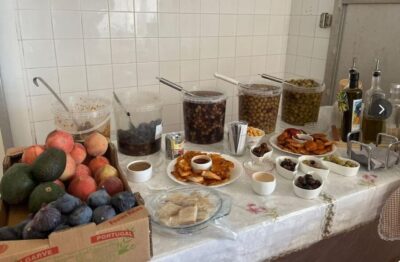
Browse the lists this tour appears in