
REVIEW · GREECE
Heraklion :Olive & Dragon Farm Tour & Cretan Farmers Brunch
The most memorable part of this Heraklion outing is not a polished tasting room. It is a family olive grove where Alexis and his wife explain farming, demonstrate how olives are collected, and serve a full Cretan brunch under the trees. You also get a look at the less familiar side of the farm: dragon fruit cultivation.
I like the four-generation family connection, which gives the olive tour a real sense of place. I also like the generous food: sfouggato, ntolmadakia, greens-filled pies, salad with dakos, olives, and water are included for $35 per person.
The main consideration is the short two-hour format. You get an informative introduction and a very substantial meal, but this is not a long agricultural workshop or a full-day food tour. Bring a hat, especially in Crete’s warm months.
Key points at a glance
- A working family farm: Learn about an olive grove cared for by the same family for more than four generations.
- Two crops in one visit: The tour combines traditional olive cultivation with dragon fruit farming.
- A hands-on harvest simulation: Since olive collection normally takes place in winter, the farm recreates the process for visitors.
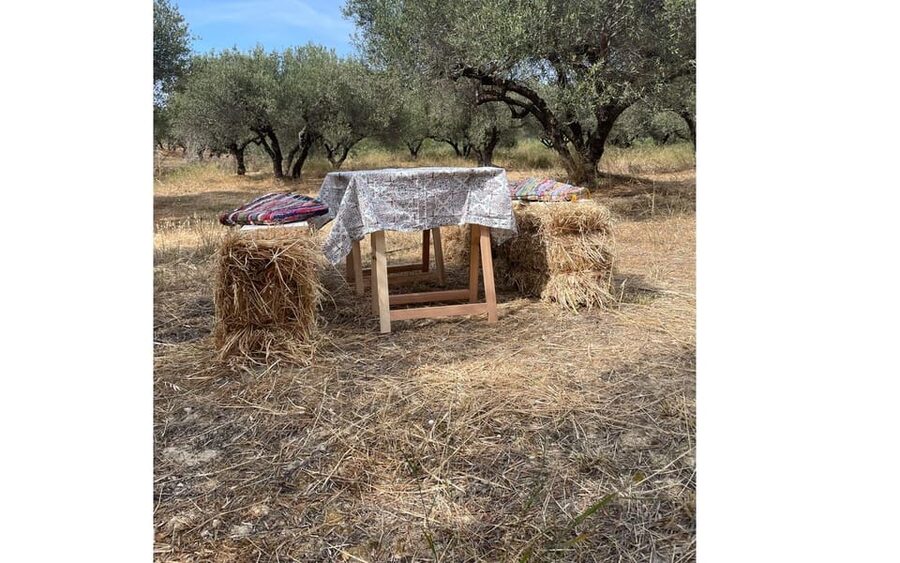
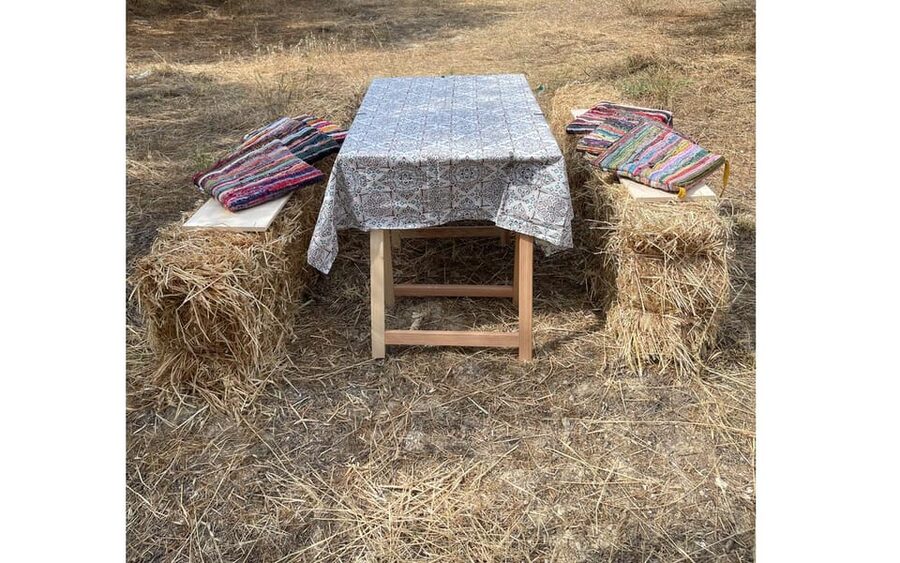
- Brunch beneath the trees: Sit in a setup modeled on the way Cretan farmers rested and ate during a hard day’s work.
- A proper meal, not a token snack: Expect sfouggato, about 10 ntolmadakia, greens pies, salad, dakos, olives, and still water.
- Private and bilingual: The two-hour tour is for a private group and is offered in English or Greek.
Entering a four-generation olive grove near Heraklion
The meeting point is at Evangelismou 135, marked by the farm sign on the right as you drive uphill toward Cretan Dragon Farm. You return to the same place after the tour, so the outing has a simple start and finish.
I like that the setting is a family-owned olive grove rather than a generic demonstration site. The farm has remained in the same family’s hands for more than four generations, and that matters. Olive growing in Crete is not just a tourist theme. It is part of daily work, family income, cooking, and local identity.
Alexis leads the visit with help from his wife. The tone is personal and direct. You can ask questions about the trees, the crops, and the way the farm has adapted to market needs. That last point is especially useful if you want more than a basic explanation of how olives grow. Farming is not frozen in the past, and the dragon fruit crop shows that the family is willing to try something less traditional.
The grove also gives you a break from Heraklion’s streets. You are still close enough to make this a practical short outing, but the mood changes quickly among the olive trees. From the patio, you can rest and look toward Dia Island.
More Olive Farm Tours in Greece:
- Heraklion: Olive Farm Tour with Tasting of Local Delicacies
★ 4.9 · 411 reviews - Traditional Olive Grove and Dragon Fruit Farm Tour
★ 4.8 · 118 reviews - Kleanthi Olive Farm: Guided Tour with Local Delicacies Tasting
★ 5.0 · 51 reviews
Learning how olives are grown and collected
The olive portion begins with an explanation of cultivation. You learn about the trees, how they are cared for, and what happens during the harvest. The exact farming details will depend on the questions you ask and the season, but the focus is on the practical work behind Crete’s famous olive oil.
Olive collection usually takes place during the winter months. If you visit outside that period, the farm provides a simulation of the process. This is a good solution. You still see how the work is carried out instead of simply hearing that harvesting happens later in the year.
Do not expect to spend hours picking olives or operating farm machinery. The activity is a demonstration, not a full work shift. I see that as a reasonable trade for a two-hour tour, especially when the meal takes up a meaningful part of the visit.
The harvest display also helps explain why olive oil costs what it does. A bottle of oil can look simple on a shop shelf, but the path from tree to table involves seasonal labor and careful handling. The farm setting makes that connection easier to understand than a supermarket tasting ever could.
A closer look at Crete’s dragon fruit crop
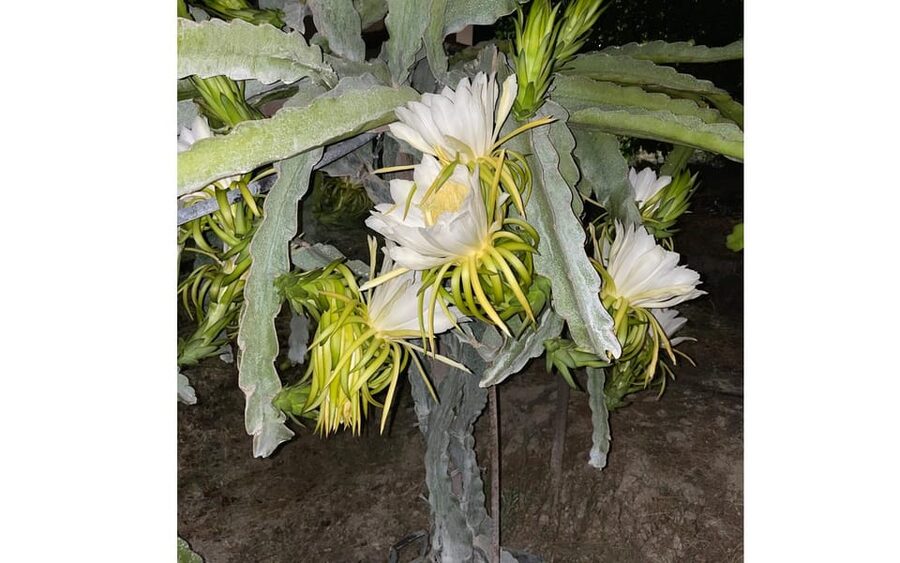
The second farming theme is dragon fruit. For many people visiting Crete, this will be the unexpected part of the morning. Olive trees are central to the island’s food culture, while dragon fruit introduces a newer and less familiar crop.
The visit combines the two rather than treating dragon fruit as an unrelated add-on. You see how a family farm can respond to changing market needs while continuing its long connection with olive growing. That gives the tour a useful present-day angle.
The available information does not promise a dragon fruit tasting, so you should not book this expecting a large fruit sampler. The value is learning about the crop and seeing how it fits into the farm’s work. If dragon fruit production is your main interest, ask Alexis questions during the visit.
This part will suit curious eaters and anyone interested in small-scale farming. It may be less satisfying if you want a highly technical agricultural lesson, since the outing is designed as a relaxed farm visit with brunch rather than a specialist course.
Resting under the olive trees with a Cretan farmer’s meal
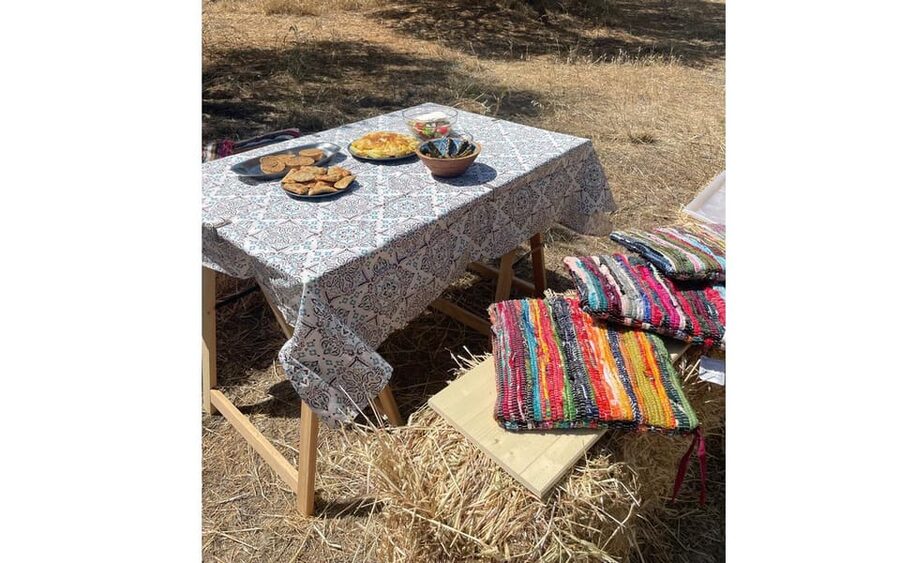
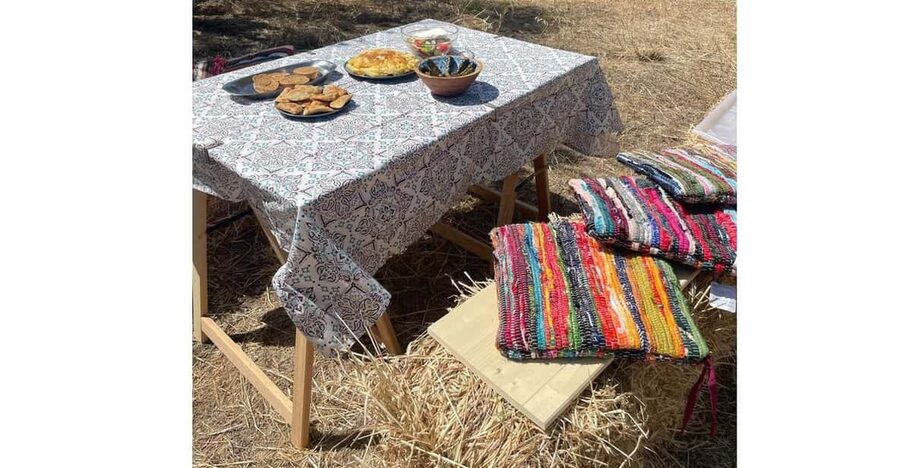
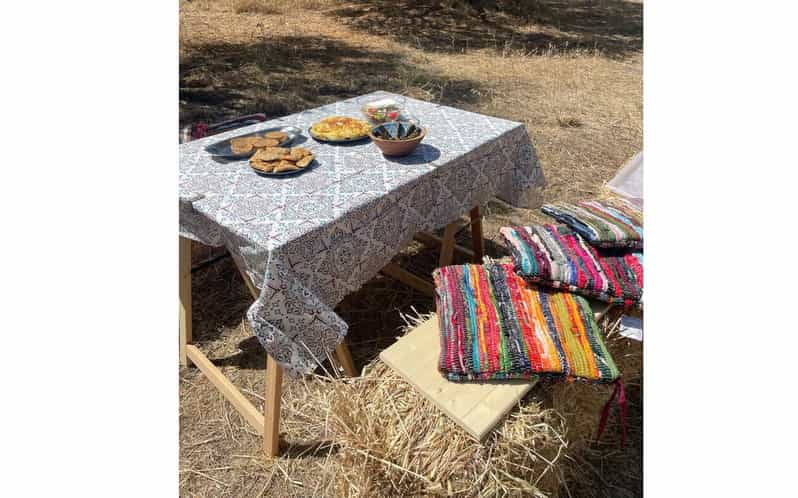
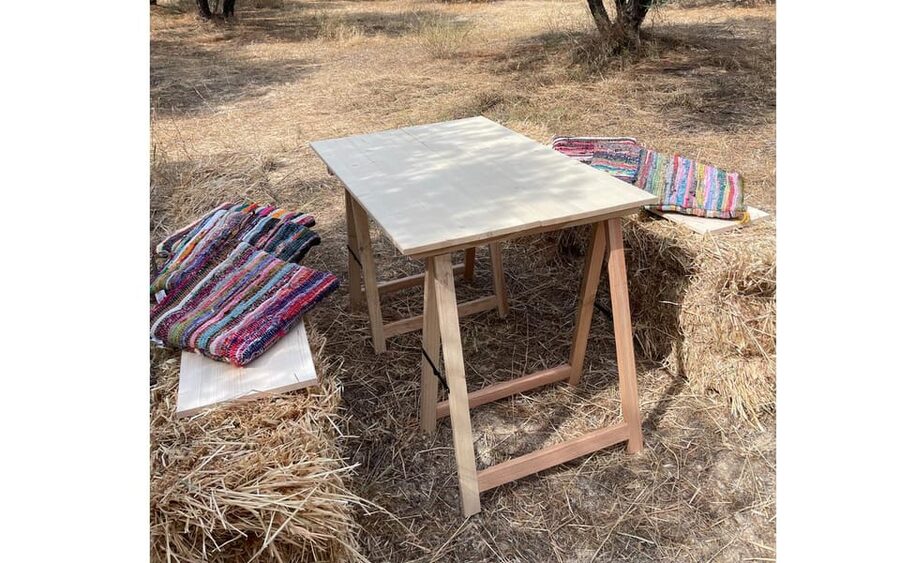
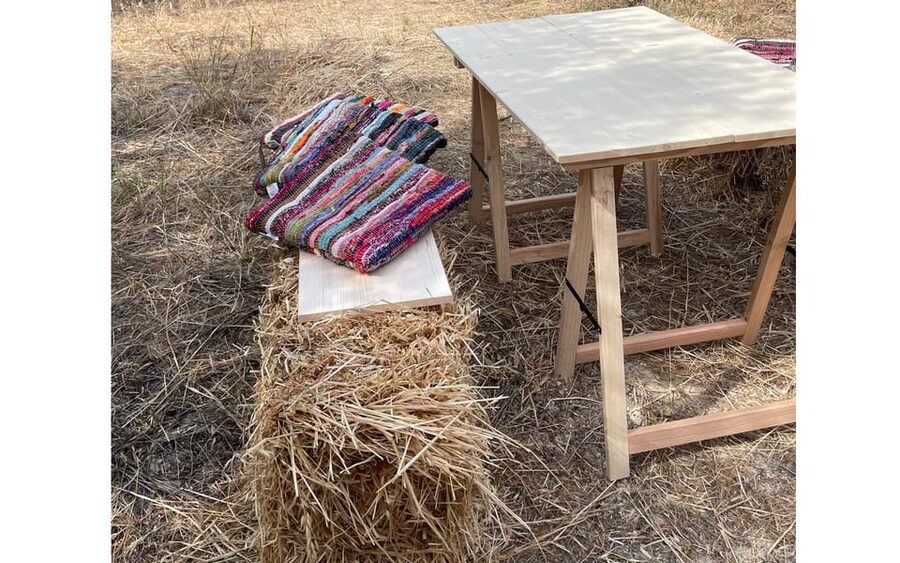
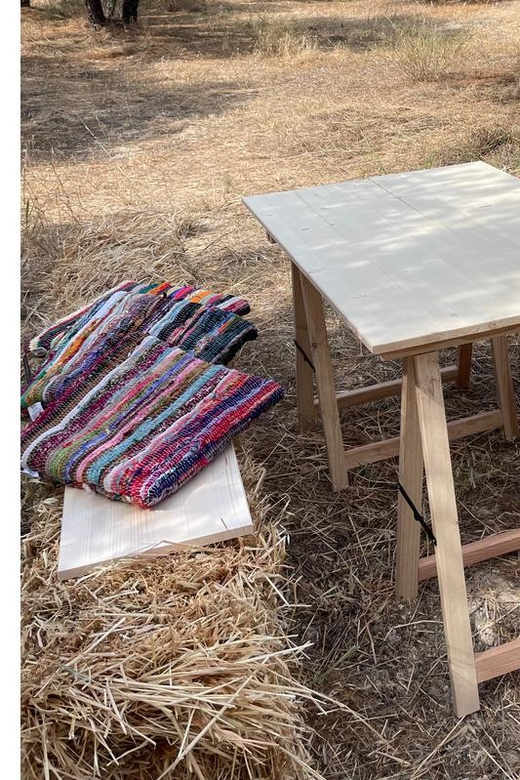
The meal is served inside the olive grove, under the trees, in a setup inspired by the way Cretan farmers rested during demanding farm work. This is more than a quick tasting. The food is presented as a proper brunch, and the portions are large enough that you may have food to take away.
The centerpiece is sfouggato, a local omelette made with potatoes and local organic eggs. It is prepared for two people, so the meal works especially well for couples or friends sharing a table. You also receive about 10 small ntolmadakia, rice rolls wrapped in vine leaves and cooked slowly.
The fried pies are filled with a variety of greens. A salad for two brings together fresh tomato, cucumber, dakos rusk, olives, and local olive oil. Small olives from the surrounding trees complete the spread, and still water is included.
I like the way this menu shows several sides of Cretan home cooking. You get eggs and potatoes, rice and vine leaves, greens, crisp rusk, raw vegetables, and olives. It is filling food, not tiny portions arranged for a photograph.
You should also plan for a slower meal than the word brunch may suggest. The setting invites you to sit, ask questions, and enjoy the grove. One practical point is that alcoholic drinks, sodas, and other purchases are not included. If you want anything beyond the listed food and water, you pay separately.
More Olive Oil Tours with Lunch in Greece:
- Wine & Olive Oil Tour with Lunch at Milia Mountain Retreat
★ 5.0 · 194 reviews - Wine & Olive Oil Tour with Lunch – Semi Private Safari Tour
★ 5.0 · 156 reviews - Kalamata- Olive oil & Wine Tour with traditional lunch
★ 5.0 · 117 reviews - Chania: Milia Mountain Tour w/Lunch Olive Oil/Wine Tastings
★ 4.9 · 97 reviews
Why the generous portions matter at $35
At $35 per person, this tour offers solid value if you want food and a private farm visit in one short outing. The price covers the guide, the olive and dragon fruit visit, the harvest demonstration, and a meal that includes several traditional dishes.
The food is the strongest part of the value. A simple olive oil tasting might cost less, but it would not give you the same meal or family-farm setting. A private food experience in Crete can also cost more once a full spread and a guide are involved.
The format is particularly useful for a morning when you want one focused activity rather than a long day away from Heraklion. Two hours leaves room for other plans. At the same time, the meal is substantial enough to function as lunch for many people, especially if you accept the offer to take leftovers.
The price is less compelling if you are only looking for a quick olive oil purchase or a formal historical tour. You are paying for personal contact, a farm setting, food, and the chance to understand how the products connect. That is the right way to judge it.
What the private format changes
This is a private group experience, with a live guide in English or Greek. That gives you more freedom than a large scheduled group. You can ask about olive trees, harvesting, dragon fruit, recipes, or the family’s approach to farming without trying to speak over a crowd.
The private format also suits couples and families who want a calm meal. One family used the visit as part of a wedding anniversary, and the setting under the trees fits that kind of occasion. It can also work for solo visitors who prefer a personal conversation to a larger food tour.
Do keep the scale in mind. Private does not mean luxurious or formal. The appeal is the direct farm setting and the hospitality of Alexis and his wife. You should expect an informal visit, not a hotel-style culinary production.
The tour is available in English and Greek. If your group has detailed farming questions, English allows a direct exchange with the guide. If you speak Greek, the experience can also offer an easy local conversation.
Timing, comfort, and useful preparation
The tour lasts two hours, with starting times depending on availability. A hat is the one item specifically recommended, and it is sensible advice for an outdoor visit in Crete. You will spend time among the trees and eat outside, so sun protection is worth considering even though only a hat is listed as required.
The meeting point is uphill, at the farm sign on the right. Pay attention as you approach, since finding the correct entrance is more important here than arriving at a large public attraction with a clear ticket office.
You return to Evangelismou 135 after the visit. No transport service is included in the information provided, so you should plan how you will reach the meeting point yourself. The listing does not give parking details, so ask the provider if that point matters for your plans.
The farm is not suitable for people over 95 according to the stated restrictions. No other accessibility details are provided, so ask ahead about walking surfaces or seating if anyone in your group has mobility concerns.
Alcohol and drugs are not allowed. Purchases, alcoholic drinks, and sodas are also outside the included price. Free cancellation is available up to 24 hours before the start, and you can reserve now and pay later if that option appears for your selected time.
What the strongest praise tells you
The consistent praise centers on the welcome, the homemade food, the personal guide, and the generous portions. That gives you a clear picture of the experience’s character.
The farm owners, Alexis and his wife, are a major part of the visit. The best reason to book is not simply to see an olive tree. You are meeting the people who work with the trees and crops, then eating food prepared in a family style.
The meal receives special attention for good reason. It is described as a feast rather than a sample plate, and the offer to pack leftovers without an extra charge makes the portions practical rather than wasteful. If you have a small appetite, sharing is sensible.
The scenery also matters. You eat among olive trees, with cats around the grove according to one account, and can rest on the patio with a view toward Dia Island. These details give the brunch a relaxed, outdoor character that a restaurant meal cannot copy.
The visit is not perfect for every type of food enthusiast. It does not promise wine, spirits, a long cooking lesson, or an extensive olive oil tasting. You get a farm explanation and a generous local meal, with the emphasis on warmth and setting.
Who should book the Cretan Dragon Farm visit?
I would choose this for you if you want a compact, personal introduction to Cretan food and farming. It is especially good for couples, families, and small private groups who enjoy asking questions and eating a substantial meal.
It also suits anyone curious about how traditional agriculture meets newer crops. The combination of a four-generation olive grove and dragon fruit makes the visit more interesting than an olive-only stop.
You may want another activity if you need a highly structured museum-style tour, a serious olive oil certification class, or a full day of hands-on farm labor. The two-hour program gives you an overview, a demonstration, and brunch. It does not try to be all three of those longer experiences.
For most visitors, the food tips the balance. At $35, you receive a private tour and enough dishes to make this feel like a real meal. If you value local cooking, family contact, and an outdoor setting more than polished facilities, this is a sensible Heraklion choice.
Should you book it?
Book the Olive and Dragon Farm Tour if you want to understand Crete through the people who grow and cook its food. The four-generation olive grove, dragon fruit crop, winter harvest simulation, view toward Dia Island, and generous brunch give the two hours a clear purpose.
I would skip it only if you want a formal tasting room, alcoholic drinks, or a longer technical farming course. For a modest price and a private setting, the combination of farm story and full Cretan meal is hard to beat.
FAQ
Where does the tour begin?
It begins at Evangelismou 135 in the Heraklion area. Look for the farm sign on the right as you drive uphill toward Cretan Dragon Farm.
How long does the experience last?
The guided private visit lasts two hours. Starting times depend on availability.
What does the tour cover?
It covers olive tree cultivation, olive harvesting, dragon fruit farming, and a simulation of olive collection outside the normal winter harvest season.
Is brunch included in the price?
Yes. The $35 per person price includes the tour and a Cretan brunch served beneath the olive trees.
What food is served?
The meal includes sfouggato for two people, about 10 ntolmadakia, fried pies filled with greens, a salad for two with tomato, cucumber, dakos, olives, and olive oil, plus still water.
Are drinks included?
Still water is included. Alcoholic drinks, sodas, and other purchases are not included.
Is this a private tour?
Yes. The activity is offered for a private group with a live guide.
Which languages are available?
The tour is offered in English and Greek.
Can I cancel or pay later?
You can cancel up to 24 hours in advance for a full refund. Reserve now and pay later is also available, depending on the booking option shown for your selected time.
More Farm Visits in Greece
- Crete: Road-trip to Lasithi, Zeus Cave & Olive Mill Farm
★ 4.4 · 451 reviews - Lassithi, Zeus Cave, Olive Mill Farm & Knossos Combo Tour
★ 4.6 · 404 reviews - Moires: Cooking Class and Olive Oil Tasting at a Family Farm
★ 5.0 · 93 reviews - Road-trip to Lasithi, Zeus Cave, Vidiani, Krasi & Olive Mill Farm
★ 4.0 · 79 reviews
Just added around Greece
- Athens: Greek Wine & Olive Oil Tasting at Brettos Plaka★ 4.5 · 3 reviews
- Breakfast in the markets with olive oil and honey tasting★ 4.8 · 8 reviews
- PRIVATE RHODES TOUR + Lunch Stop & WINE/OLIVE OIL Tasting★ 5.0 · 2 reviews
- Olive Tour & Tasting★ 5.0 · 4 reviews
- SYSTASIS Olive Oil Tasting Experience in Ermioni Greece★ 5.0 · 4 reviews
- Olive Facility Visit with Olive Oil Tasting Session★ 5.0 · 2 reviews
- Olive Oil Tasting at the Mykonian Farm★ 4.5 · 3 reviews
- Olive Oil Tour close to Nafplio★ 4.5 · 3 reviews
Olive Farm Tours, compared.

Olive Farm Tour with Tasting of Local Delicacies
Read our review →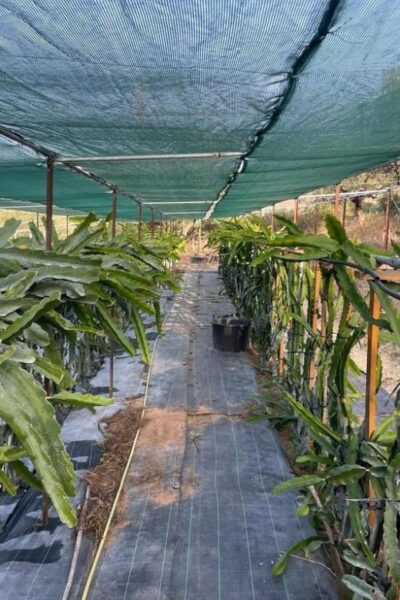
Traditional Olive Grove and Dragon Fruit Farm Tour
Read our review →

Kleanthi Olive Farm: Guided Tour with Local Delicacies Tasting
Read our review →
Private Traditional Olive Grove and Dragon Fruit Farm Tour
Read our review →Browse the lists this tour appears in