
REVIEW · FLORENCE
From Florence: Olive Oil Mill Tour and Tasting in Fiesole
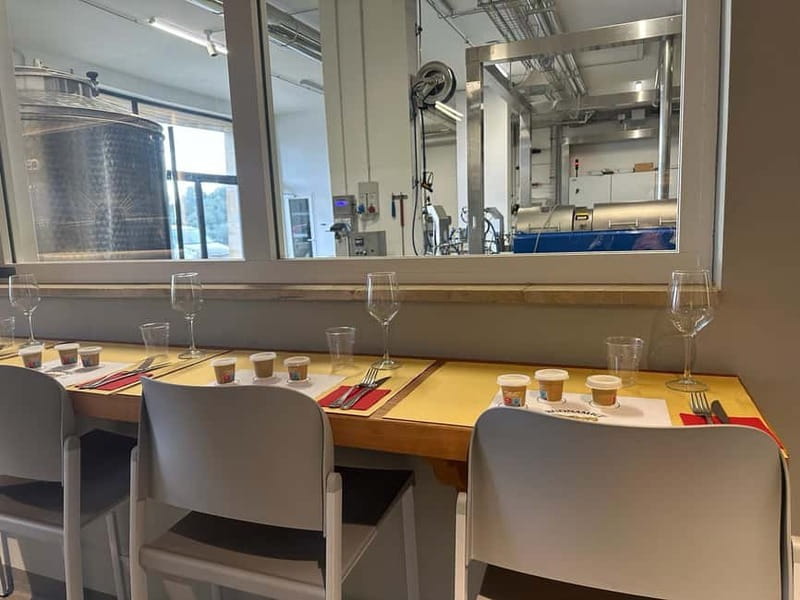
At the Cesare Buonamici mill in Fiesole, olive oil is not treated as a souvenir bottle on a shop shelf. You see the machinery that turns olives from the local organic district into oil, then taste several oils with guidance on what makes one fresh, balanced, or flawed. The zero-emission mill and its self-produced biomass heating system give the visit an unusual environmental angle.
I like the chance to compare monocultivar oils rather than tasting one generic blend, and I like the terrace view that adds a pleasant pause after the technical tour. The main caution is transport: the pickup arrangement has caused trouble for at least one booking, so confirm the meeting point and vehicle details before setting out.
Key points at a glance
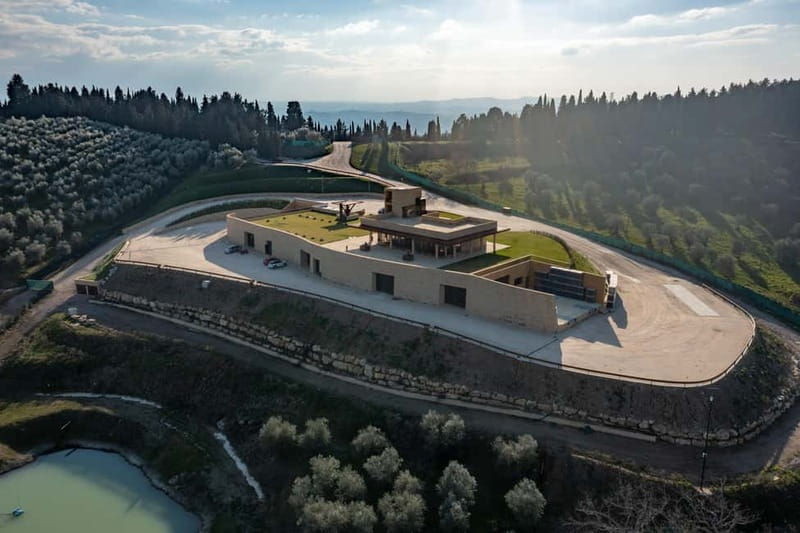
- Modern mill opened in May 2023: See updated extraction technology at a working facility rather than only hearing about olive oil in a classroom.
- Organic Fiesole olives: The mill processes olives from an organic district covering about 1,200 hectares of groves.
- Guided tasting with a comparison oil: You may taste several good oils alongside one intentionally lower-quality sample, a useful lesson in identifying faults.
- Zero-emission operation: The mill avoids fossil fuels and uses heat from biomass produced by its own operation.
- Private English or Italian visit: The small-group format allows more room for questions than a large coach tour.
- Transport needs attention: Pickup is offered from Piazza Beccaria or Porta Romana in a white private transfer, but confirm the arrangements carefully.
From Florence to the hills of Fiesole
The experience begins at one of two Florence meeting points: Piazza Beccaria, in front of Pasticceria Serafini, or Porta Romana, in front of Banca Monte dei Paschi di Siena. A white private transfer takes you to the mill, so you do not need to arrange a separate taxi to Fiesole.
That sounds simple, but transport is the one part I would handle with care. One booking had a serious pickup problem, resulting in a late arrival and an unexpected taxi ride back to the meeting point. Before the day of the tour, confirm which meeting point you selected, the pickup time, and how you will identify the vehicle. If your plans are tight, allow some flexibility.
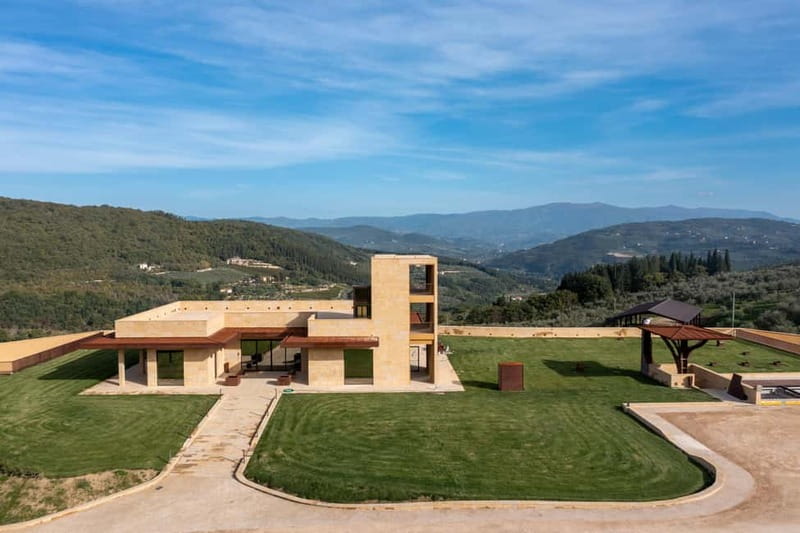
The ride takes you out of central Florence toward Fiesole, where olive groves and hillside views replace the city’s stone streets. The supplied details do not promise a sightseeing stop in Fiesole itself, so think of this as an olive mill visit with a scenic setting, not a general Fiesole tour.
More Olive Mill Visits in Florence:
- Crete: Quad Safari, Olive Mill with Tasting & Ghost Village
★ 4.9 · 1,004 reviews - From Mendoza: 3 Wineries, Olive Oil Factory Tour & Tasting
★ 4.6 · 901 reviews - Knossos-Zeus Cave -Old Traditional Villages-Olive Oil Factory
★ 5.0 · 694 reviews
Entering the Cesare Buonamici olive mill
The Cesare Buonamici mill has older family roots, but the current facility was inaugurated in May 2023. That contrast is part of its appeal. You get the story of a family oil business along with a look at a new plant designed around modern production methods.
Your guide explains how olives move through the mill and how the extraction process protects the quality of the finished oil. The visit focuses on the machinery and the decisions behind it, not simply on a short talk followed by shopping. If you have ever wondered why one extra virgin olive oil tastes grassy and peppery while another tastes flat, this is the point where the bottle begins to make sense.
The exact route through the facility can vary with production conditions. The key attraction is the chance to see the high-technology extraction equipment and understand its role. This is not an olive-picking activity, and picking is specifically not included. You are touring the mill and tasting the result.
How Fiesole olives become extra virgin oil
The mill serves the organic district of Fiesole, which covers about 1,200 hectares of olive groves. That gives the visit a strong local connection. The oil is not presented as an abstract Tuscan product with no clear source. You are learning about olives tied to a particular area and a particular mill.
The guide covers the production of extra virgin olive oil, including the importance of extraction technology. The provided information does not give a step-by-step technical schedule or promise that every stage will be operating during your visit, so you should not expect a full industrial demonstration on demand. Still, the modern facility gives you a clear setting for understanding the process.
The tasting makes the technical explanation useful. You first assess the oils for yourself, then receive guidance on the flavors and qualities to notice. One especially helpful feature is the comparison with an oil that is intentionally not the best quality. It is much easier to understand freshness and faults when you can compare samples side by side.
The tasting: more useful than a quick sample at a shop
This is the strongest part of the experience for anyone who enjoys food or wants to buy better olive oil. You taste a selection of organic extra virgin oils produced at the mill, including high-quality monocultivar oils. A monocultivar oil comes from one olive variety, so the tasting can show how the character changes from one variety to another.
You are encouraged to work out what you smell and taste before the guide explains what to look for. That makes the tasting active rather than passive. You might notice green or fruity notes, a bitter edge, or a peppery finish, though the precise oils and tasting order are not specified.
The lower-quality comparison oil is a particularly good teaching tool. Many people judge olive oil only by color or by the words on a label. A guided comparison helps you pay attention to aroma, mouthfeel, bitterness, and the slight throat-catching quality that can signal fresh oil. It also gives you a better chance of avoiding a stale or poorly made bottle later.
The information says the visit includes food tasting and some wine from a local farm. The main inclusion list specifically names olive oil tasting, so the amount and type of food or wine may vary. Do not book this expecting a full meal. Think of it as a tasting accompaniment to the oils.
A few more olive oil tours around Florence worth a look
- Florence Food Tour: Home-Made Pasta, Truffle, Cantucci, Olive Oil, Gelato
★ 4.5 · 187 reviews - Florence: Tuscany Bike Tour with Wine & Olive Oil
★ 4.9 · 174 reviews - Florence: Great Chianti Wine and Olive Oil Trail with Lunch
★ 4.8 · 160 reviews - Florence: E-Bike Tour with Olive Oil in the Tuscan Hills
★ 4.8 · 134 reviews
Why the zero-emission mill matters
The mill’s environmental system is more than a slogan. It does not use fossil fuels and instead uses heat sources from self-produced biomass. The facility has also received an eco-efficiency recognition from the Tuscan region.
For you, this means the visit connects traditional agriculture with a modern attempt to reduce fuel use. Olive oil production can create waste material, and the mill’s system puts some of that material to practical use as a heat source. The supplied information does not provide energy figures or a full account of the mill’s carbon balance, so I would not treat the operation as a complete environmental case study. It is still a worthwhile feature, especially if responsible food production matters to you.
The environmental story also gives the technology tour a clear purpose. You are not looking at shiny equipment simply because it is new. You are seeing how a working mill uses updated systems to process organic olives and manage its energy needs.
The terrace view and the pace of the visit
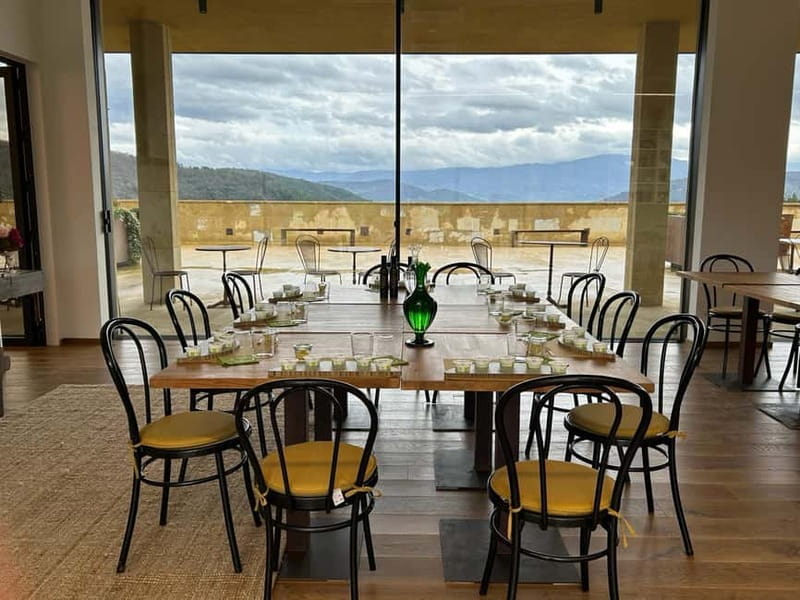
After the mill tour and tasting, you have a beautiful view from the terrace. This is a small but important part of the outing. Olive oil production involves machinery, technical terms, and close attention to taste. A pause outdoors gives the visit a more relaxed rhythm.
The scheduled duration is listed as 1.5 hours, while the practical information describes a two-hour visit including the mill tour, olive oil tasting, food tasting, and some local wine. Plan for roughly two hours rather than trying to fit the outing into a strict 90-minute gap. The difference may reflect transfer or tasting time, but the information is not fully consistent.
You should wear comfortable shoes and outdoor clothing. A sun hat and camera are useful for the terrace, and long pants or shorts are both listed as suitable clothing choices. Bring a credit card and some cash if you want payment flexibility, although no separate purchase requirement is stated.
What the private format changes
This is a private-group experience, with live guidance in English or Italian. That format should suit you if you want to ask questions about extraction, olive varieties, organic farming, or the tasting without trying to catch a guide’s attention in a crowd.
A private visit can also work well for a family group or friends with mixed interests. Someone who knows little about olive oil can follow the basic explanation, while a food-focused visitor can ask more detailed questions. The guide has been praised for explaining the equipment clearly and for leading the tasting in a way that lets you form your own impressions first.
No guide’s personal name is provided, so you should not book this expecting a particular host. The quality of the visit will depend partly on the guide assigned that day. English and Italian are available.
The mill is listed as wheelchair accessible. That is helpful, though the information does not describe every surface, restroom, or transfer detail. If you need specific accessibility support, ask the operator before booking.
Is $59 a fair price?
At $59 per person, the value depends on what you want from a short outing near Florence. You are paying for transportation from a Florence meeting point, a private guided visit, access to a modern olive mill, and a tasting of organic oils. The terrace view and the environmental systems add interest that you would not get from a basic shop tasting.
For a simple snack and a few pours of oil, $59 would be hard to justify. For someone interested in how extra virgin olive oil is produced, the price is more reasonable because the visit combines education, a working facility, and transport. The private-group arrangement also gives it more value than a crowded tasting counter.
I would compare this with the cost of arranging a taxi to Fiesole, finding the mill independently, and paying for a separate tasting. The tour removes that planning work, although the pickup problem means you should still confirm the transport rather than assuming every detail will take care of itself.
The activity allows free cancellation up to 24 hours ahead for a full refund, and you can reserve now and pay later. Those terms help if your Florence schedule is still shifting.
Who will enjoy this most
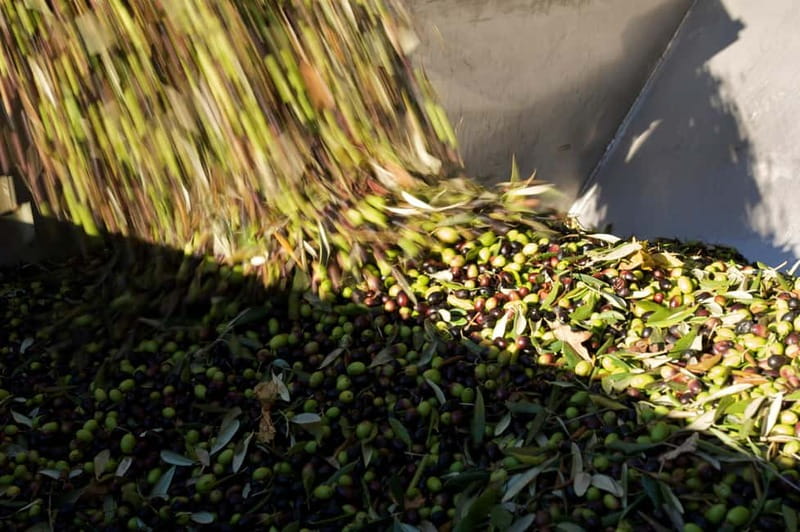
I would choose this experience if you enjoy food production, Italian agriculture, or practical tastings that teach you something you can use at home. It is also a good fit if you want a short trip out of Florence without committing to a full-day wine or countryside tour.
You will get the most from it if you are willing to taste carefully and ask questions. The comparison between several oils and one lower-quality sample is more useful than simply being told that one bottle is superior.
This may not be the best choice if you want olive picking, a long walk through groves, a full meal, or a broad tour of Fiesole. Picking is not included, and the visit centers on the mill, the production process, and the tasting. The food and wine component is present but does not appear to be the main event.
The short duration suits a busy Florence itinerary, but the timing can feel less tidy because the information gives both 1.5 hours and two hours. If you have a museum reservation or train to catch, leave a generous buffer.
Practical details before you go
Meet at Piazza Beccaria in front of Pasticceria Serafini, or at Porta Romana in front of Banca Monte dei Paschi di Siena. Look for the white private transfer and confirm your selected meeting point in advance.
Bring identification, as a passport or ID card is listed among the recommended items. Comfortable shoes are sensible for a mill visit, and outdoor clothing, a sun hat, and a camera will serve you well on the terrace.
The mill provides free parking and Wi-Fi. Alcohol and drugs are not allowed. Some local wine may be part of the food tasting, but you should follow the guide’s instructions and not assume that additional drinks are included.
The overall rating is 3.3 from 10 reviews, which signals a mixed record rather than a clear verdict. The strongest praise centers on the guide’s explanations, the modern facility, the oil comparison, and the beautiful setting. The main concern is the transfer. That gives you a useful booking rule: confirm transportation early, then judge the experience mainly on your interest in olive oil.
Should you book the Fiesole olive mill tour?
Book it if you want a focused, food-centered outing with a real production facility, a private guide, organic Tuscan oils, and a terrace view. The new mill, monocultivar tasting, lower-quality comparison sample, and zero-emission system give the visit more substance than a quick tasting in a Florence shop.
Skip it if you are looking for olive picking, a full countryside day, or a substantial meal. Also think twice if your schedule cannot absorb a possible delay in the transfer.
For most food-minded visitors, I would consider it a good short excursion at $59, provided you confirm the pickup details and allow about two hours. You will leave with a clearer sense of how extra virgin olive oil should taste, which is the sort of small lesson that can improve many meals after you return home.
FAQ
Where does the tour meet in Florence?
You can meet at Piazza Beccaria, in front of Pasticceria Serafini, or at Porta Romana, in front of Banca Monte dei Paschi di Siena.
How will I get to the olive mill?
A white private transfer takes you from the Florence meeting point to the Cesare Buonamici olive oil mill in Fiesole.
How long does the experience last?
The duration is listed as 1.5 hours, but the practical information describes a two-hour visit including the mill tour, tastings, and some local wine. Allow about two hours.
What languages are available?
Live guidance is available in English and Italian.
Is the tour private?
Yes. The activity is offered as a private-group experience.
Is olive oil tasting included?
Yes. You taste organic extra virgin olive oils produced at the mill, including high-quality monocultivar oils.
Is olive picking included?
No. Picking is not included. The experience focuses on touring the mill and tasting the oil.
Is the mill wheelchair accessible?
Yes, the experience is listed as wheelchair accessible.
Can I cancel the booking?
You can cancel up to 24 hours in advance for a full refund. You can also reserve now and pay later.
Just added around Florence
- From Florence: Horseback Ride and Olive Oil and food tasting★ 4.3 · 8 reviews
- Florence: Olive Oil Tasting Experience★ 5.0 · 2 reviews
- Florence: The secret of wine, cheese and olive oil at a farm★ 5.0 · 3 reviews
- Leonardo Da Vinci’s wind mill visit and Organic olive oil tasting★ 4.5 · 12 reviews
- Florence: Vintage Fiat 500 Tour with Wine Tasting at Winery★ 4.9 · 17 reviews
- Horse ride, Olive Oil and local foods tasting in a Tuscan farm★ 5.0 · 19 reviews
- 4 Wines & 2 Olive Oils Tasting in Chianti Winery with Tour★ 5.0 · 20 reviews
- Florence: Private Vintage FIAT 500 with Wine & Olive Oil★ 4.5 · 21 reviews
Olive Mill Visits, compared.
Knossos-Zeus Cave -Old Traditional Villages-Olive Oil Factory
Read our review →
The Governor’s Olive Mill Tour with Olive Oil Tasting
Read our review →
Road-trip to Lasithi, Zeus Cave & Olive Mill Farm
Read our review →
LA Almazara LA Organic, Olive Oil Museum and Tasting
Read our review →
Lassithi, Zeus Cave, Olive Mill Farm & Knossos Combo Tour
Read our review →
Zeus Cave, Lassithi Plateau, and Olive Factory Tour
Read our review →
Browse the lists this tour appears in