
REVIEW · ITALY
Buti: Olive Oil Ancient Mill Tour and Tasting Experience
Buti’s olive oil story comes alive in an old working mill, not in a polished museum display. You walk from the Oleoteca di Buti to Via Paola da Buti, 30, see traditional equipment, and then return for a guided tasting of extra virgin oils from across Italy.
I like two things right away: the small-village setting feels personal, and the tasting gives you a useful skill you can take to any Italian market or restaurant. Dimitri, the English-speaking guide, also brings a friendly, hands-on touch to the visit. The main drawback is the short one-hour schedule. You get a clear introduction, but not a long technical tour or a full day in Buti.
Key points to know before booking
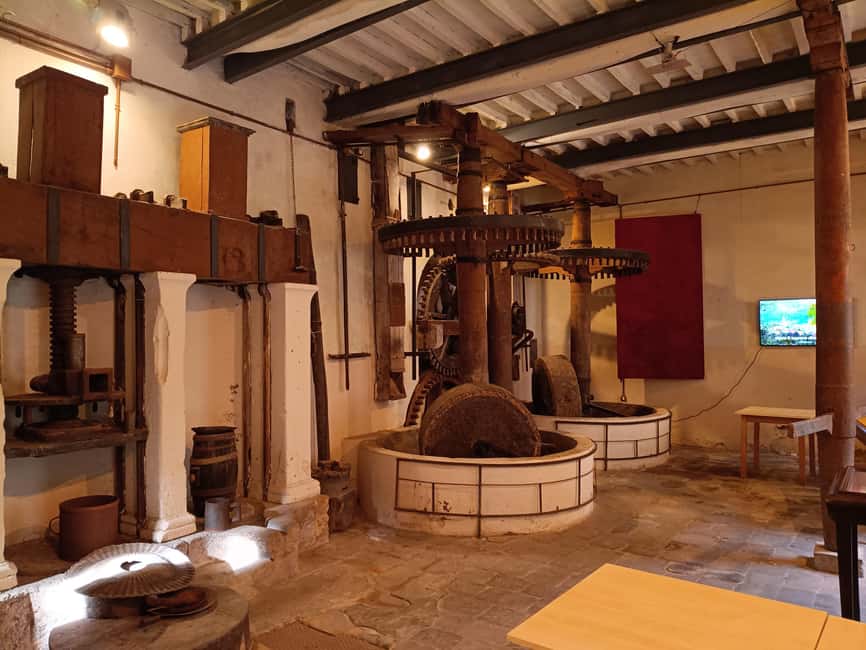
- An ancient mill is the center of the visit: You’ll see traditional machinery and learn how olives become oil.
- The tasting takes place at the Oleoteca di Buti: This is the sensory part of the experience, with extra virgin oils made using modern equipment.
- Dimitri leads the English tour: The atmosphere is personal and informal rather than large and formal.
- You’ll learn a practical tasting method: The focus is not only on drinking oil, but on recognizing quality.
- The whole activity lasts one hour: It works well as a compact stop during a day in Tuscany.
- The price is $17 per person: That is good value if you want both local context and a structured tasting.
Why Buti makes a good olive oil stop
Buti is a Tuscan village known for olive oil production. That matters because the visit is tied to a real local tradition, rather than being a general food demonstration placed anywhere in Italy.
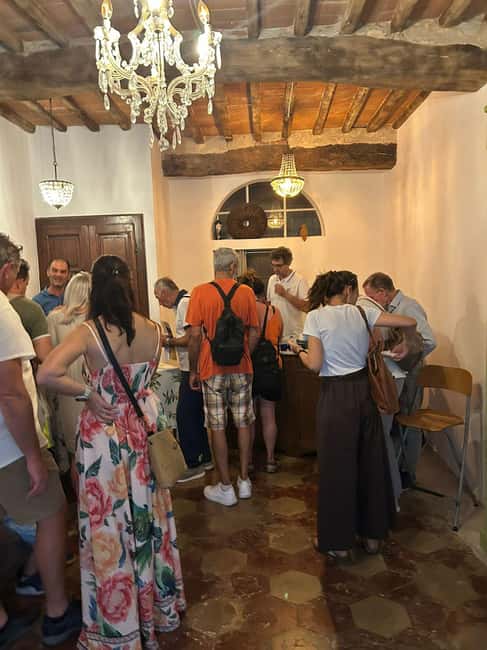
The tour begins at the Oleoteca di Buti, at Via Roma 10. An oleoteca is a place focused on olive oil, much like a wine shop or tasting room is focused on wine. Here, the setting gives you a starting point for understanding what you are about to taste.
I like this arrangement. You first get a sense of the finished product, then walk to the old mill to see the production side, and return for a fuller sensory session. The five-minute walk each way is short, so you do not lose much of your hour to transport. It also lets you move through the village on foot instead of simply arriving at a building by car.
The available details do not specify the group size, so you should not assume a private tour. Still, the personal feel described by the experience and the direct guidance from Dimitri suggest a more intimate visit than a large coach excursion.
More Olive Mill Visits in Italy:
- Bardolino: Lake Garda Oil Mill Tour with Olive Oil Tasting
★ 4.9 · 205 reviews - Olive Oil Tours and Tasting at Frantoio di Montalcino
★ 5.0 · 85 reviews - Lecce to Galatina E-Bike: Olive Mill & Wine Tasting + Taxi back
★ 5.0 · 54 reviews
Starting at the Oleoteca di Buti
Look for the Oleoteca di Buti sign at Via Roma 10. This is the meeting point and the place where the tasting takes place later in the visit.
The opening portion sets the stage for the oil-making process. You can expect an explanation of Tuscan and Italian extra virgin olive oil, including its centuries-old role in local food culture. The emphasis is on how oil is produced and how to tell a good bottle from a poor one.
That last point is the most useful part for many people. Olive oil labels can be confusing, and a high price does not automatically mean high quality. A guided tasting gives you a way to pay attention to aroma and flavor instead of choosing only by region, packaging, or price.
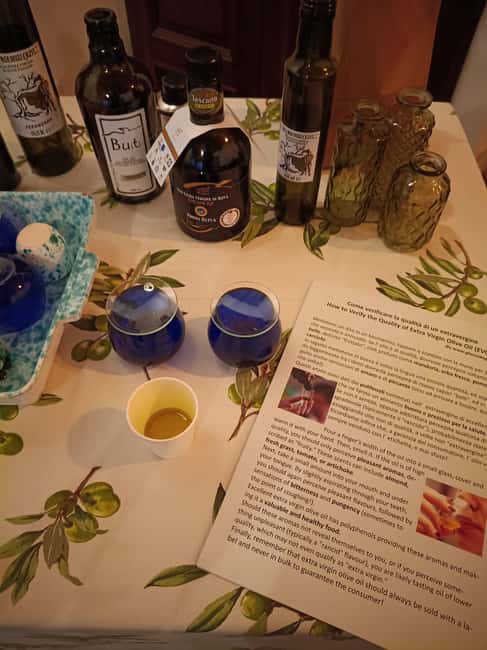
The Oleoteca also presents oils from different parts of Italy. That comparison matters. You can taste how extra virgin oils vary while still learning the basic signs of freshness and quality. The supplied information does not name each producer or list the exact oils served, so you should expect a selection rather than a fixed menu.
The tasting is described as sensory, which means you will use more than your sense of taste. You may be guided to notice smell, flavor, balance, and other qualities that help separate fresh oil from dull or flawed oil. The exact tasting sequence is not provided, but the stated goal is simple: you leave with a few easy steps for judging extra virgin olive oil.
A five-minute walk to Via Paola da Buti, 30
From the Oleoteca, you walk for about five minutes to the ancient mill. This is an easy transfer, but wear ordinary comfortable shoes. The tour is short, and the walk helps connect the shop-like tasting room with the village’s older production story.
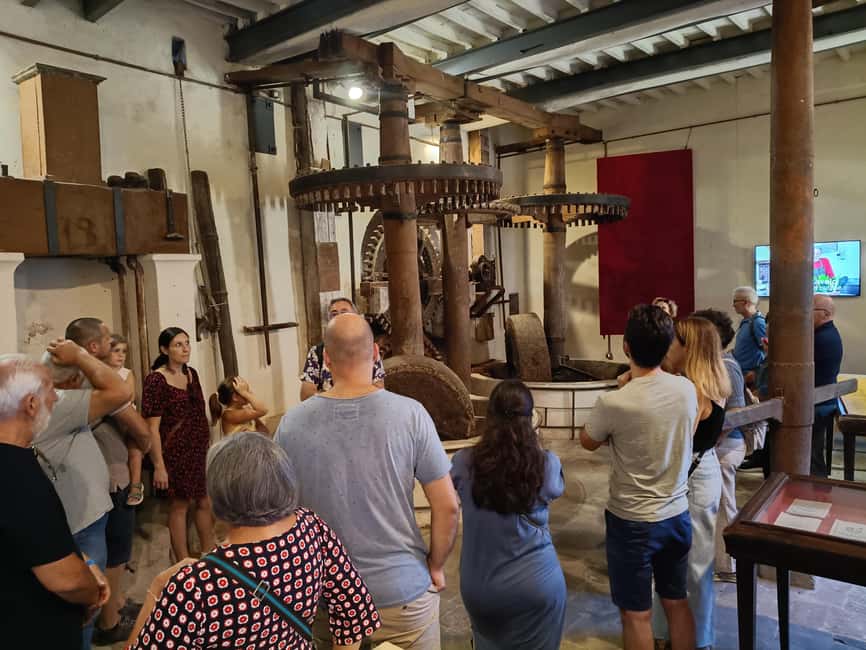
The mill visit lasts about 15 minutes. You will see traditional machinery and learn how olives were processed into oil. The machinery is important because it shows the physical work behind a product that often appears in a neat bottle on a supermarket shelf.
The tour covers the extraction process and the history of olive oil production. You should think of this stop as an introduction rather than a long engineering lesson. In 15 minutes, the guide can explain the basic stages and point out the role of the equipment, but there is not time for a detailed study of every machine.
That short format has an advantage. You get the key idea without spending half a day on a specialist visit. If your interest is mainly food, culture, and practical tasting advice, the mill should give you enough context to make the later tasting more meaningful.
The information does not say that the machinery will be operating during your visit. Do not book this expecting a full production demonstration with olives moving through the mill. The confirmed experience is a guided visit, an explanation of extraction, and a look at traditional equipment.
Returning through the village for the class
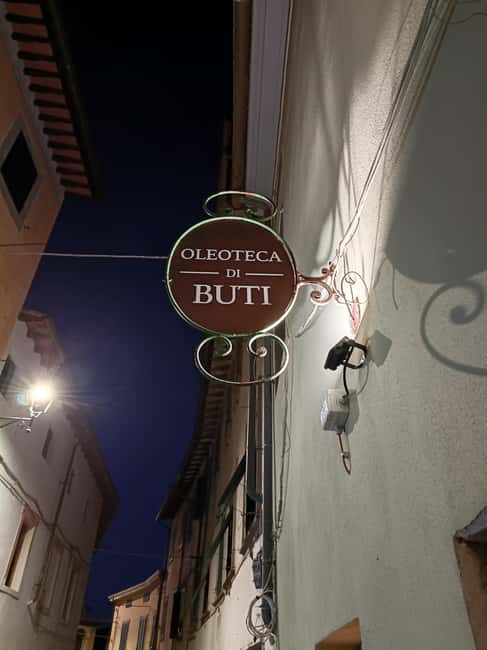
After the mill, you walk back for about five minutes. The itinerary describes the next part as a class in the traditional village, lasting about 15 minutes. This adds a local setting to the lesson rather than keeping every part indoors at the Oleoteca.
The village itself is part of the appeal. The setting gives you a closer sense of Buti as an olive-producing community, and the tour does not treat the oil as an isolated product. It connects the bottle, the old mill, the village, and the modern tasting room.
The class focuses on the centuries-old story of Tuscan and Italian extra virgin olive oil and on the basic ways to recognize quality. This is where you can ask questions and test what you have learned against the oils you taste.
The supplied details do not name a separate teacher for this section, so Dimitri may guide the full experience, or another representative may lead part of it. The confirmed language is English, and Dimitri is specifically identified as the guide associated with the tour.
A few more olive oil tours around Italy worth a look
- Sorrento Farm and Food Experience including Olive Oil, Limoncello, Wine tasting
★ 5.0 · 2,524 reviews - Olive oil tasting in Sorrento
★ 5.0 · 434 reviews - Sorrento: Lemon, Olive Oil and Wine Tasting Tour with Lunch
★ 5.0 · 300 reviews - Alghero: Wine and Olive Oil Tasting at a Local Farm
★ 4.8 · 294 reviews
What you learn during the oil tasting
The tasting is more useful when you treat it as a lesson, not simply a snack. You are there to compare oils and understand what makes extra virgin olive oil different from an ordinary cooking oil or a bottle that has lost its freshness.
The experience includes high-quality extra virgin oils from all over Italy. This national comparison is a strong feature. Tuscan oil is the local focus, but tasting oils from other Italian areas gives you a wider frame of reference.
You can expect the guide to help you notice differences among the oils. The supplied information does not list exact varieties, tasting notes, or serving foods, so I would not expect a fixed pairing menu. The core activity is the oil itself and the sensory method used to assess it.
The most valuable lesson is likely the practical one. You learn a few simple steps to recognize quality, including how to pay attention to the oil’s sensory character. That skill helps you make better choices after the trip, especially when you shop for Italian food at home.
I also like that the tasting uses oils made with advanced equipment while the mill visit shows older machinery. That contrast gives you two sides of the same food tradition: the old methods and the modern tools used to produce high-quality oil today.
The guide and the feel of the visit
Dimitri is the named guide for this experience, and the English tour is live rather than self-guided. That makes a difference at a tasting. A guide can explain unfamiliar terms, answer questions, and help you put words to flavors that may be hard to identify on your own.
The tone appears warm and personal. Dimitri is described as lovely, and the experience has been praised for its authentic atmosphere and the passion attached to the local tradition. I would expect a direct conversation rather than a large presentation delivered from a script.
You should still keep your expectations realistic. The tour has only one hour, and the details do not confirm a private booking, a maximum group size, or extended time for questions. If you want a long agricultural visit or a serious professional course in oil evaluation, this is probably too brief. If you want an approachable introduction with a real local connection, the format makes sense.
Is $17 a fair price?
At $17 per person, this is a strong value for a one-hour activity in Tuscany. The price includes three connected elements: the guided visit to the ancient mill, the oil tasting, and the Oleoteca experience.
Many short food activities offer only a sample and a quick explanation. Here, you get a village walk, a historic production site, and instruction on how to recognize quality. That gives the price more substance than a simple retail tasting.
The value depends on what you want from the visit. If you are already taking a full olive oil course, the one-hour introduction may feel basic. If you have never learned how extra virgin oil is made or judged, the chance to compare Italian oils with an English-speaking guide is worthwhile.
The activity also fits neatly into a busy day. The listed schedule is one hour, including the short walks and visits. You do not need to give up a full afternoon, yet you still get a cultural stop away from Tuscany’s biggest sights.
Who should book this Buti experience?
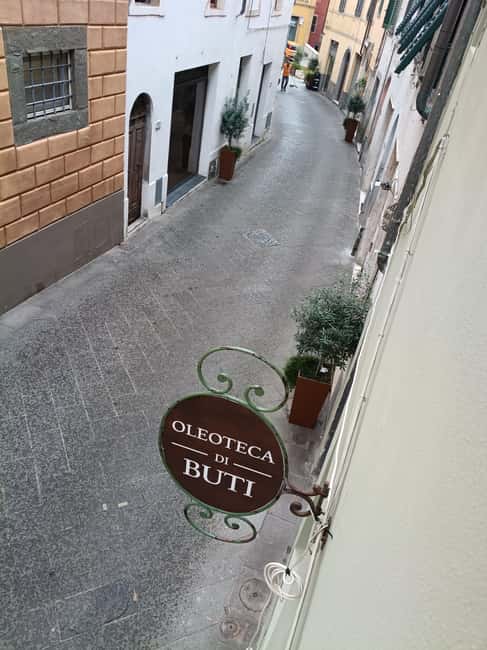
I would recommend it to food-minded visitors, couples, solo visitors, and anyone curious about everyday Italian products. It is especially useful if you plan to buy olive oil in Italy and want more confidence than a label alone can provide.
Families may also find the short length manageable, though the attraction is educational rather than entertainment-focused. Children who enjoy machines, village walks, or tasting new foods may like it. The supplied information does not state a minimum age or special children’s program, so check those details before booking for very young children.
This is also a good choice for visitors staying near Tuscany who want a small-town experience. Buti gives the activity a local setting, and the five-minute walks keep the route simple.
You may want something else if you need a long tour, a full meal, a farm visit, or a hands-on harvest activity. None of those are included in the confirmed experience. The focus is the old mill, the explanation of extraction, and the tasting lesson.
The tour is wheelchair accessible, which makes it more practical for many visitors. Since the route includes a five-minute walk between locations, confirm that the full path works for your needs when booking.
Booking details worth knowing
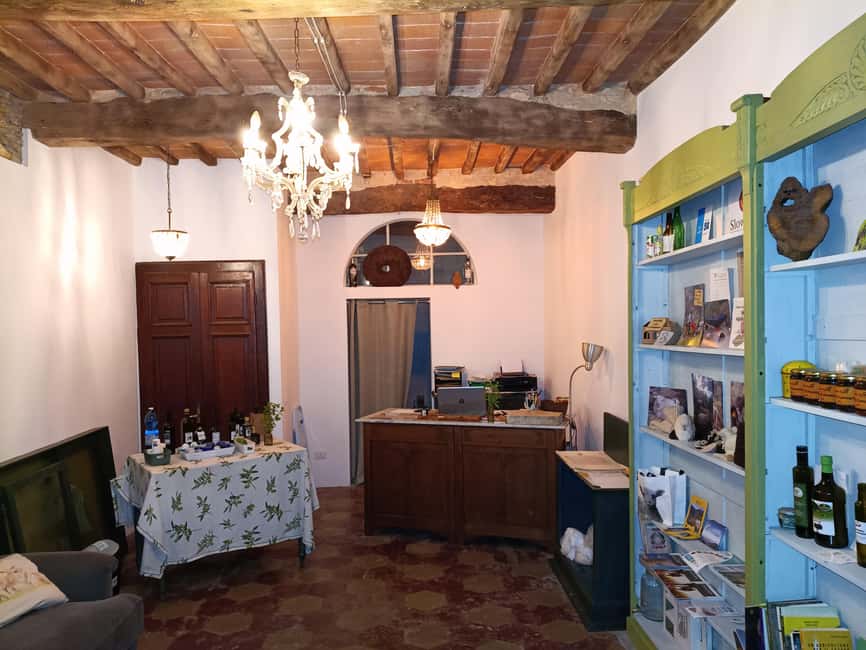
The meeting point is the Oleoteca di Buti sign at Via Roma 10. The activity ends back at the Oleoteca after the village class and tasting.
The duration is one hour, but starting times vary, so check availability for the date you want. The live guide language is English.
You can cancel up to 24 hours in advance for a full refund. You can also reserve now and pay later, which helps if your Tuscany plans are still changing. These policies are useful, but the main booking question is still timing: make sure you can reach Buti for the selected start time.
The experience has a five-star rating from the two verified bookings provided, including praise for Dimitri, the old mill tour, the excellent tasting, and the scenic village setting. Those comments point to the strongest parts of the activity: the guide’s personal manner, the authenticity of the place, and the practical lesson on oil quality.
Should you book the ancient mill tour?
Book it if you want a compact, affordable introduction to Tuscan olive oil with a real village setting. The combination of an old mill, modern tasting equipment, Italian oils, and simple quality tips gives you more than a quick sample.
I would make this a priority for anyone who enjoys food culture but does not want a long formal lecture. Dimitri’s English guidance and the personal atmosphere add warmth, while the $17 price keeps the risk low.
Skip it if you are looking for a full production day, an extensive meal, or a detailed professional course. For most visitors, though, this is a smart one-hour addition to a Tuscany itinerary. You leave with a better sense of how oil is made, how it has shaped Buti, and how to make a more informed choice at the table.
FAQ
Where does the Buti olive oil tour begin?
The tour begins at the Oleoteca di Buti, at Via Roma 10. Look for the Oleoteca di Buti sign.
How long does the experience last?
The experience lasts one hour, including the mill visit, walking between locations, village class, and tasting.
What language is the tour conducted in?
The live guided tour is conducted in English.
Who guides the experience?
Dimitri is identified as the guide for the experience.
What will I see at the ancient mill?
You will visit a historic olive oil mill, see traditional machinery, and learn about the extraction process and the history of olive oil.
Is olive oil tasting included?
Yes. The experience includes a tasting of high-quality extra virgin olive oils from Italy at the Oleoteca di Buti.
Will I learn how to identify good olive oil?
Yes. The class and tasting explain a few simple steps for recognizing quality extra virgin olive oil.
Is the tour wheelchair accessible?
Yes, the activity is listed as wheelchair accessible.
Can I cancel and receive a refund?
Yes. You can cancel up to 24 hours in advance for a full refund. You can also reserve now and pay later.
Just added around Italy
- Florence: Olive Oil Tasting Experience★ 5.0 · 2 reviews
- Locorotondo: Guided E-bike Tour & Olive Oil Tasting★ 4.5 · 2 reviews
- Florence: The secret of wine, cheese and olive oil at a farm★ 5.0 · 3 reviews
- Cured Meat & Olive Oil Tasting & Visit near Pisa & Livorno★ 5.0 · 4 reviews
- Cagliari: Wine and Olive oil Experience + Oil Mill Museum★ 5.0 · 2 reviews
- Bari: narrated extra virgin olive oil tasting with aperitif★ 4.5 · 3 reviews
- Bevagna: Olive Oil Mill Tour with Guided Tasting★ 5.0 · 6 reviews
- Olive Mill Tour and Tasting in the Verona Countryside★ 5.0 · 9 reviews
Olive Mill Visits, compared.
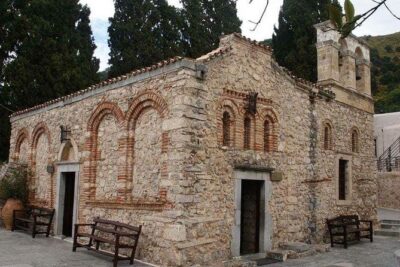
Knossos-Zeus Cave -Old Traditional Villages-Olive Oil Factory
Read our review →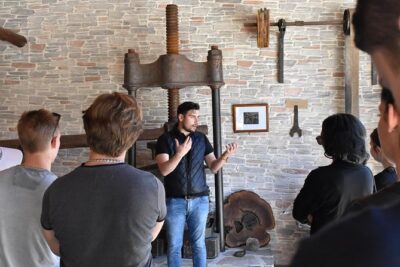
The Governor’s Olive Mill Tour with Olive Oil Tasting
Read our review →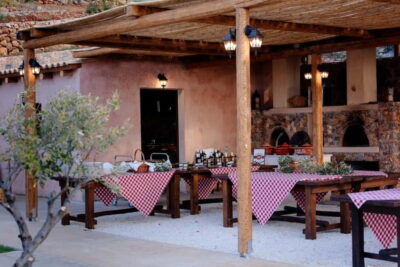
Road-trip to Lasithi, Zeus Cave & Olive Mill Farm
Read our review →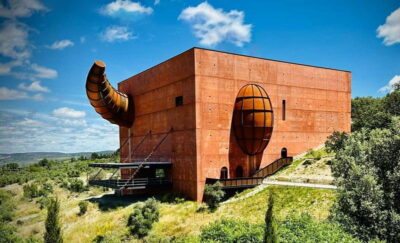
LA Almazara LA Organic, Olive Oil Museum and Tasting
Read our review →
Lassithi, Zeus Cave, Olive Mill Farm & Knossos Combo Tour
Read our review →
Zeus Cave, Lassithi Plateau, and Olive Factory Tour
Read our review →
Browse the lists this tour appears in