
REVIEW · ITALY
THE TRADITIONS OF VALPOLICELLA: WINE, EXTRA VIRGIN OLIVE OIL, AND HONEY TASTING
Valpolicella is best understood with a glass in hand, and this two-hour visit brings you from vineyard to barrel cellar before settling you at the tasting table. You’ll hear how the grapes are grown, harvested, and turned into wine, with organic farming given proper attention rather than treated as a footnote.
I like the useful mix of wine and local foods, including cold cuts, cheeses, extra virgin olive oil, and honey. I also like the personal scale suggested by the experience, with guests praising the hosts’ warmth and the chance to receive a private tour. The main consideration is simple: transport is not included, so you’ll need to reach the winery yourself.
Key points
- Five organic red wines: You taste a broad selection of traditional Valpolicella reds rather than stopping after one sample.
- A vineyard-to-cellar route: The visit explains grape growing, harvest, winemaking, and barrel aging in one connected story.
- Local pairings: Cold cuts, cheeses, and other typical products make this more than a wine-only tasting.
- Organic farming focus: You learn how the winery approaches grape production and why those methods matter.
- Warm, personal hosting: The strongest praise centers on the kindness of the hosts and their clear enjoyment of the work.
- Good flexibility: You can cancel up to 24 hours ahead, reserve without paying immediately, and request alternatives for dietary needs.
Start Among the Valpolicella Vines
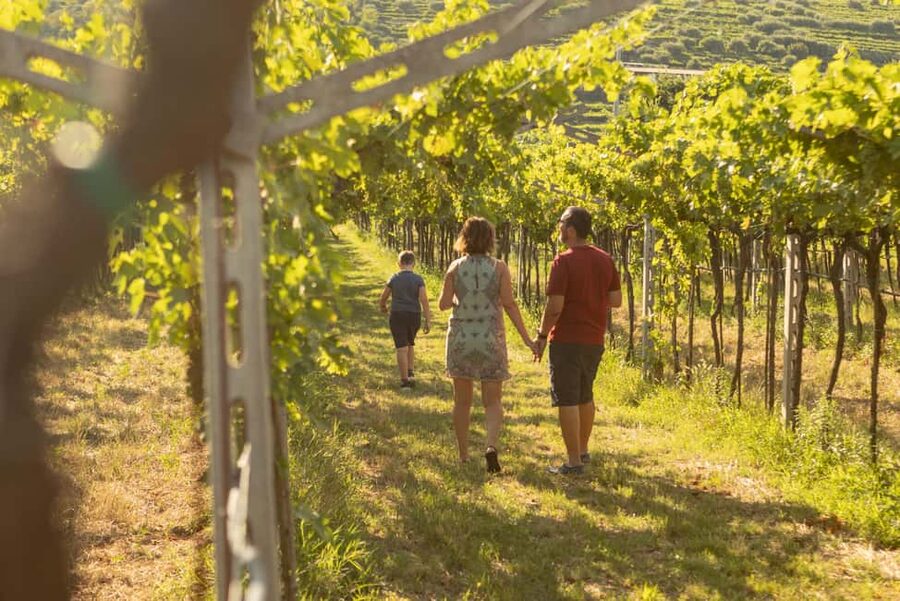
The experience begins with a walk through the vineyards. That is the right opening. Before you taste the finished wine, you get a sense of where the grapes begin and how local traditions shape the work.
Your guide explains the main stages of grape production, including the role of organic farming. You’ll hear about the harvest and the decisions made before the grapes reach the winery. This part is especially useful if you know wine mainly from a restaurant menu. It gives you a working framework for what comes later.
The visit is not described as a long countryside hike. Think of it as a short vineyard introduction tied directly to the winemaking process. Wear comfortable shoes, but you do not need to plan for a strenuous outdoor activity.
The vineyards also help keep the tasting from feeling like a sales stop. You are not simply shown bottles and asked to choose a favorite. You first get the setting, the farming methods, and the seasonal work behind the wine.
More Olive Oil and Honey Tastings in Italy:
- From Chania: Olive Oil, Wine, Cheese & Honey Tasting Tour
★ 4.6 · 490 reviews - Butterfly Valley & Wine, Olive Oil, Honey Tasting Tour (Small Group)
★ 4.5 · 114 reviews - Extra virgin olive oil And Honey Tasting
★ 5.0 · 88 reviews
From Harvest to the Winemaking Rooms
After the vineyard walk, you move into the winemaking rooms. Here, the explanation shifts from farming to production. You’ll learn how the grapes are handled and how the wine develops after harvest.
This is where the tour earns its two-hour length. A quick tasting can tell you what a wine tastes like, but it cannot explain why different wines have different styles. By following the process from grape to cellar, you can pay more attention during the tasting and connect the glass to the work that produced it.
The tour focuses on traditional wines of Valpolicella, with organic production included in the discussion. The supplied information does not give a detailed list of grape varieties, individual wine labels, or technical cellar methods, so you should not expect a formal lesson in every production detail. Instead, expect an accessible introduction to the winery’s approach and to local traditions.
The guide leads in English or Italian. Some material may be presented in its original language, so the amount of translated explanation can vary. If you need a fully English experience, confirm the language arrangement when booking.
Inside the Barrel Cellar
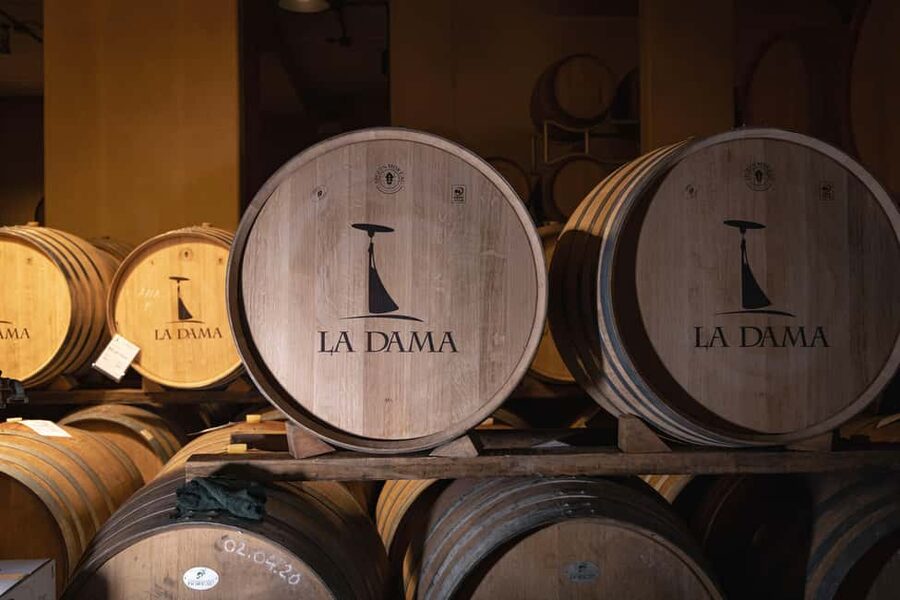
The final part of the winery visit takes you into the barrel cellar, where the wines are aged. This is a fitting stop before the tasting because it shows the stage between production and the bottle.
A barrel cellar gives you a better sense of time in winemaking. The wine you taste is not just the result of grapes being pressed and fermented. Aging is part of the process, too, and the cellar helps make that idea concrete.
The information provided does not specify the size of the cellar, the type of barrels, or the length of aging. I would treat this as a guided introduction rather than a technical cellar tour. You’ll see where the wines mature and hear how that stage fits into the winery’s traditions.
For many people, this may be the most memorable setting of the visit. It is also a good point to ask questions. If you want to know why one wine spends more time aging than another, or how the winery decides when a wine is ready, this is the natural moment.
Five Organic Reds at the Tasting Table
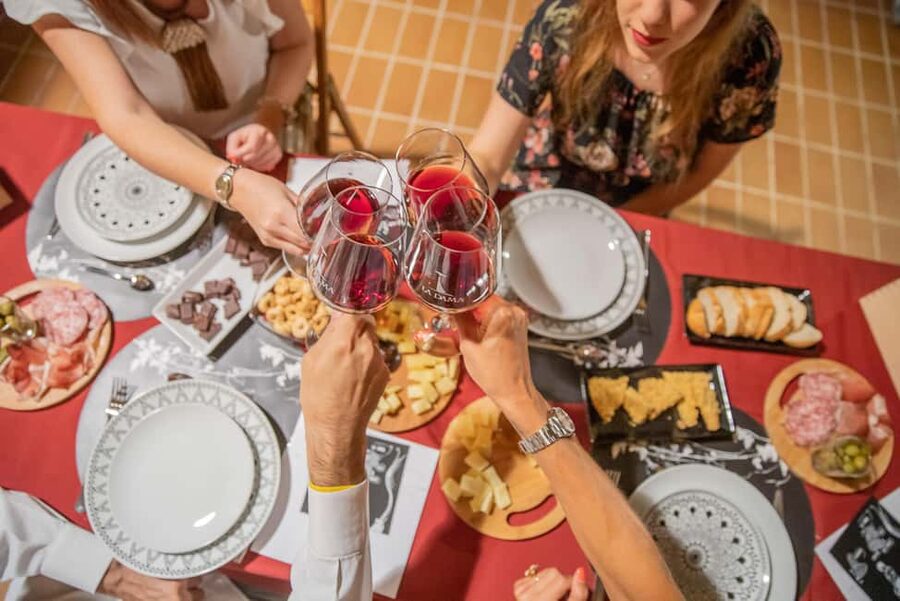
After the walk and cellar visit, you sit down for five traditional red wines. Five pours make this more useful than a single house-wine sample. You can compare styles, notice changes from one wine to the next, and decide what suits your taste.
The wines are described as organic, and the tasting centers on Valpolicella’s traditional reds. The exact order and labels are not provided, so you should not book expecting a fixed named lineup. The selection may depend on what the winery is pouring at the time.
I like this format because you can taste with a little context. You have already heard about the grapes, harvest, production rooms, and aging cellar. Now you can test those ideas in the glass instead of trying to remember a lecture while the wine is poured.
The experience also has a relaxed side. One visit ended with an order of sparkling rosé, which suggests that the tasting can help you find a bottle or style you want to explore further. That rosé is not listed among the five red wines, so consider it an optional extra rather than part of the promised tasting.
More Olive Oil and Wine Tours in Italy:
- Sorrento Farm and Food Experience including Olive Oil, Limoncello, Wine tasting
★ 5.0 · 2,524 reviews - Sorrento: Lemon, Olive Oil and Wine Tasting Tour with Lunch
★ 5.0 · 300 reviews - Alghero: Wine and Olive Oil Tasting at a Local Farm
★ 4.8 · 294 reviews - Balestrate: Olive Grove Tour with Wines & Olive Oil Tasting
★ 5.0 · 241 reviews
Cold Cuts, Cheeses, Olive Oil, and Honey
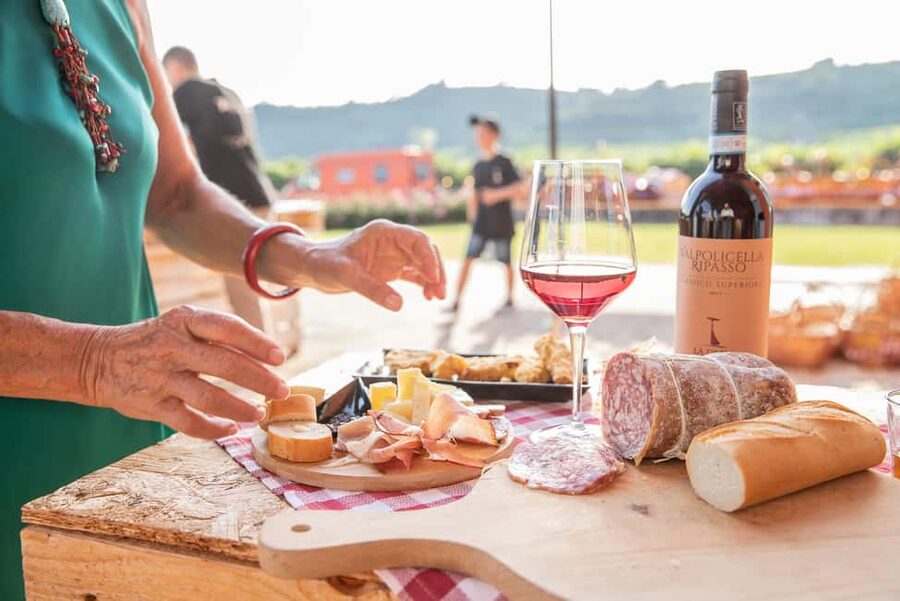
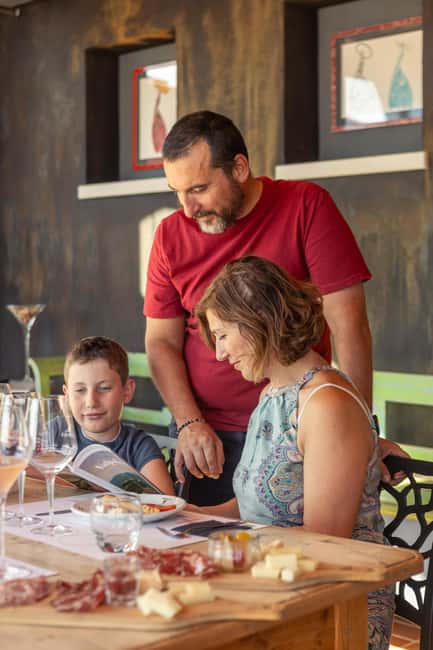
The food pairing is a major reason to choose this tour over a basic winery visit. The tasting comes with cold cuts, cheeses, and other typical local products, along with the experience’s focus on extra virgin olive oil and honey.
These foods make the wine easier to understand. A red wine can taste one way on its own and another beside cheese or cured meat. Olive oil and honey add a different angle, showing that the area’s food traditions go beyond grapes.
The available details do not identify the individual cheeses, meats, olive oil producer, or honey varieties. You should expect a selection of regional products, not a formal cooking class or a full meal. Still, the food should be substantial enough to make the tasting feel like a proper break rather than five small sips.
Tell the winery about allergies or intolerances when you book. Gluten, lactose, vegetarian, vegan, pregnancy-related needs, and other special requests are specifically welcomed, with alternatives offered where possible. Do not wait until you sit down at the table. Early notice gives the hosts a better chance to prepare suitable pairings.
The Human Side of the Visit
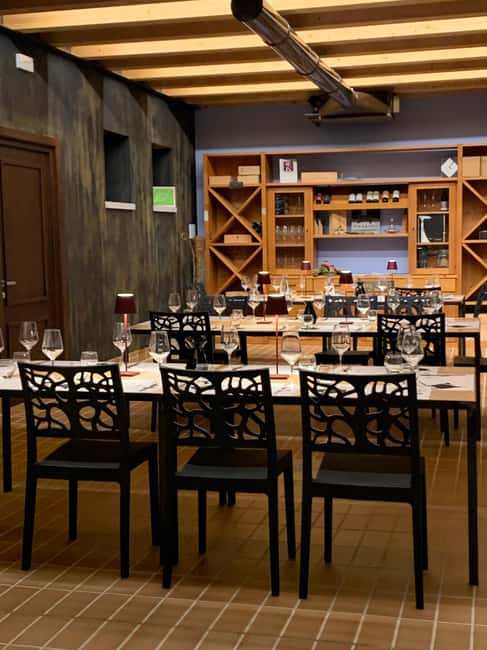
The strongest feature here is the hosting. The experience has been praised for the kindness of the people welcoming guests and for the sense that they genuinely enjoy their work. That matters in a winery visit. A perfect cellar cannot rescue a cold or rushed presentation.
You may receive a private tour, depending on the date and group arrangements. One reported visit was private, with the guide explaining the wine process and offering several different wines to taste. Since a private format is not guaranteed, treat it as a possibility, not a promise.
The tone appears friendly and direct. The tour is built around explaining local traditions and techniques, not showing off technical vocabulary. If you enjoy asking questions, this should be a good setting for them. If you prefer a highly formal tasting led by a certified wine expert, the details do not promise that type of presentation.
The warmth also helps if you are new to wine. You do not need to arrive with a working knowledge of Valpolicella. The sequence is clear: vineyard, production rooms, barrel cellar, tasting table.
Is Two Hours Enough?
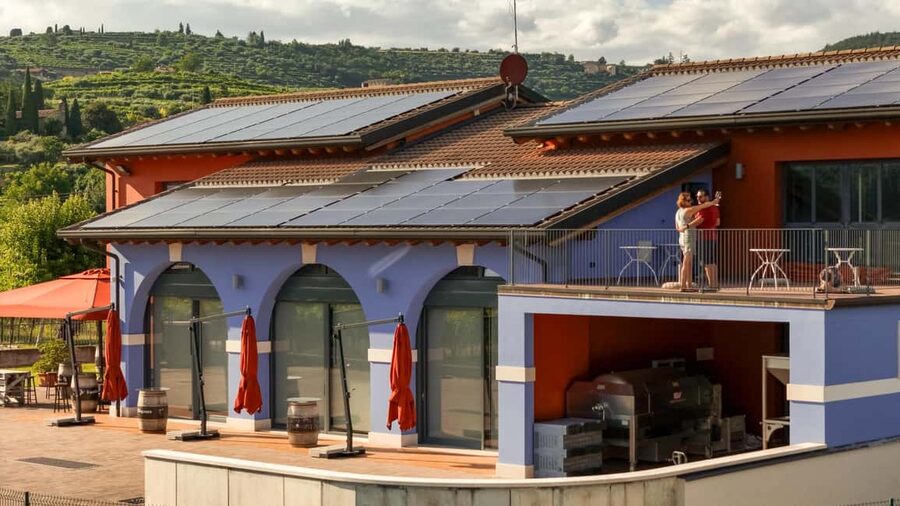
Two hours is a practical length. You have time to see the main parts of the winery and taste five wines, but the visit should not take over your whole day in Veneto.
I would plan it as a half-day addition to a visit near Verona or elsewhere in the region. The activity does not include transfers, so allow extra time to get to the winery and return to your next stop. The booking information provided here does not give a meeting point or transport route, so confirm those details before you commit to a tight schedule.
The timing also works well for people who want a focused wine experience rather than a full-day food tour. You get the essential story and a proper tasting without spending many hours on a single property.
One caution: wine tasting and driving require planning. Since transfers are not included, decide in advance how you will reach the winery and how you will continue afterward. A designated driver or paid transport can make the outing much more comfortable.
Who Will Enjoy This Valpolicella Tour?
I would recommend this experience to you if you want a balanced introduction to local wine and food. It suits couples, small groups, and anyone who prefers a friendly winery visit over a large commercial tasting room.
It is also a good fit for mixed-interest groups. One person can focus on wine production, another on regional food, and another on the social side of tasting. The inclusion of cheeses, cold cuts, olive oil, and honey gives non-wine enthusiasts something to look forward to.
You will probably enjoy it most if you like learning how a product is made. The vineyard and production explanations are not filler. They are the part that gives the five wines meaning.
The tour may be less suitable if you want a long, technical wine seminar, a large meal, or included transportation. It is also not designed around a broad range of white or sparkling wines. The promised tasting is five traditional organic red wines, with the sparkling rosé mentioned only as an additional choice.
Wheelchair access is available, which makes this a useful option for people who need an accessible activity. You should still confirm any specific mobility requirements before booking, since the experience includes outdoor vineyard areas and winery spaces.
Is the $47 Price Good Value?
At $47 per person, the value is solid if you intend to make full use of the visit. You are paying for a two-hour guided experience, a vineyard walk, a winery visit, the barrel cellar, five wine tastings, and regional food pairings.
The price is especially reasonable compared with a tasting that offers only a few pours at a counter. Here, the explanation of organic farming and the winemaking process gives you more than the drinks alone. The food also helps turn the final tasting into a substantial snack.
The value depends partly on how you reach the winery. Transfers are not included, so your transport costs are separate. If you need a taxi or private transfer, add that expense before comparing this with a tour that includes pickup.
I would not choose this experience only because it is inexpensive. I would choose it because the format gives you a clear introduction to Valpolicella in a manageable two-hour visit. The price makes sense for someone who wants both instruction and tasting, not just a glass of wine with a view.
Booking Tips for a Smoother Visit
Book with your preferred language in mind. English and Italian are available, while tours in German and Spanish require a check by phone or email at [email protected]. Availability for those languages is not automatic.
Share food restrictions at the time of booking. The hosts can offer alternatives for gluten, lactose, vegetarian, vegan, pregnancy-related, and other needs, but they need the information in advance.
The experience allows cancellation up to 24 hours before the start time for a full refund. You can also reserve and pay later, which helps if your Veneto plans are still shifting.
Finally, leave room around the appointment. The activity lasts two hours, but the journey to and from the winery is your responsibility. Do not place it between two fixed reservations with no margin.
Should You Book the La Dama Winery Visit?
Book it if you want a friendly, compact introduction to Valpolicella wine, with real attention to farming, cellar work, and local foods. The five organic reds, generous pairing format, and vineyard-to-cellar route give the visit more substance than a quick tasting.
I would be especially happy to recommend it to first-time wine visitors, couples, and food-focused travelers who want to spend part of a day outside the city. The warm hosting is a major part of the appeal.
Skip it if you need included transport, a guaranteed private tour, a highly technical wine course, or a tasting centered on many wine styles beyond red Valpolicella wines. For everyone else, $47 is a fair price for two hours of wine, food, and practical local context.
FAQ
How long does the Valpolicella wine experience last?
The experience lasts two hours.
How many wines are included?
The tasting includes five traditional organic red wines.
What food is served with the wine?
The tasting is paired with cold cuts, cheeses, and other typical local products. The experience also focuses on extra virgin olive oil and honey.
Does the tour include a vineyard visit?
Yes. The experience begins with a walk through the vineyards and an explanation of grape production and organic farming.
Does the tour include a winery visit?
Yes. You visit the winemaking rooms and the barrel cellar where the wines are aged.
Is transportation included?
No. Transfers are not included, so you must arrange your own transportation to and from the winery.
What languages are available?
The live tour is available in English and Italian. German and Spanish tours may be available, but you must check the date by phone or email at [email protected].
Is the experience wheelchair accessible?
Yes, the activity is listed as wheelchair accessible.
Can dietary needs be accommodated?
You should report allergies, intolerances, vegetarian or vegan needs, pregnancy, and other special requirements when booking. Alternatives can be arranged where possible.
Can I cancel the booking?
Yes. You can cancel up to 24 hours in advance for a full refund. You can also reserve now and pay later.
Just added around Italy
- Pasta lesson with extra virgin olive oil tasting★ 5.0 · 3 reviews
- Tasting of sicilian olive oils and specialties★ 4.7 · 5 reviews
- Seggiano: Typical Tuscan Farm Tour with Olive Oil Tasting★ 5.0 · 4 reviews
- Salento: Olive Oil Mill Walking Tour with Tastings★ 4.8 · 10 reviews
- Sardinian Olive Oil tasting & Picnic among the olive trees★ 3.0 · 5 reviews
- Rome: Masterclass Extra Virgin Olive Oil & Table Olives★ 5.0 · 2 reviews
- Partinico: Olive Harvest with Wine Tasting and Brunch★ 5.0 · 5 reviews
- Olive oil tasting in Syracuse, Sicily – Evoo Tour★ 5.0 · 4 reviews
Olive Oil & Honey Tastings, compared.
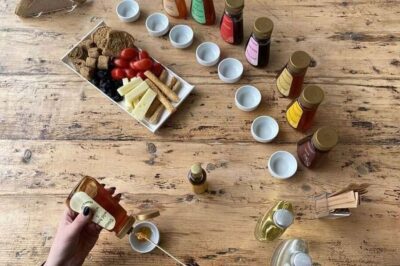
Butterfly Valley & Wine, Olive Oil, Honey Tasting Tour (Small Group)
Read our review →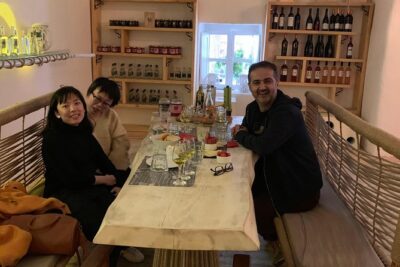
Small-Group Honey & Extra Virgin Olive Oil Tasting Tour in Crete
Read our review →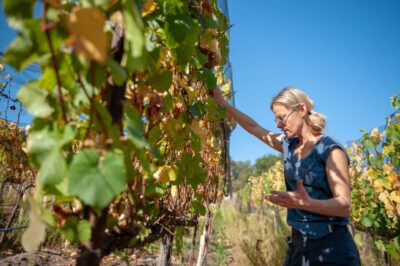
Katakolon Small Group Tour: Olympic site, Honey/Olive Oil Tasting
Read our review →
Olympia Shore Ex: Olympic site, Honey Farm & Olive Oil Tasting
Read our review →
Browse the lists this tour appears in