
REVIEW · ITALY
Rome: Masterclass Extra Virgin Olive Oil & Table Olives
Rome’s most useful food lesson may be the one that teaches you to tell good olive oil from a bottle with a fancy label. This two-hour EVOO masterclass covers production, classifications, tasting technique, and common flaws, then puts the theory to work with five oils and two types of table olives.
I like the focused format and the fact that the session is led in English or Italian by a professional taster certified by the Italian Olive Oil Consortium. I also like the small bottle of 100% Italian oil included at the end. The main consideration is the price: at $94 per person, this is a serious food lesson, not a casual tasting stop.
Key points
- Five extra virgin olive oils: Compare different oils through guided sensory tests rather than simply sampling one.
- Two types of table olives: Learn how the fruit changes when it is prepared as food rather than pressed for oil.
- Professional instruction: A certified oil taster explains how to identify quality, faults, aromas, and flavors.
- Italy’s olive diversity: The class introduces the country’s more than 500 cultivated olive varieties.
- Useful take-home skills: You learn a method you can use when shopping, cooking, or ordering olive oil.
- Small Italian oil gift: A bottle of 100% Italian EVOO gives you a practical reminder of the lesson.
Why This Two-Hour Rome Food Class Is Worth Your Time
Rome offers endless food tours, market walks, and cooking lessons. This experience takes a narrower path. It focuses on one ingredient that appears on nearly every Italian table but is often misunderstood: extra virgin olive oil, or EVOO.
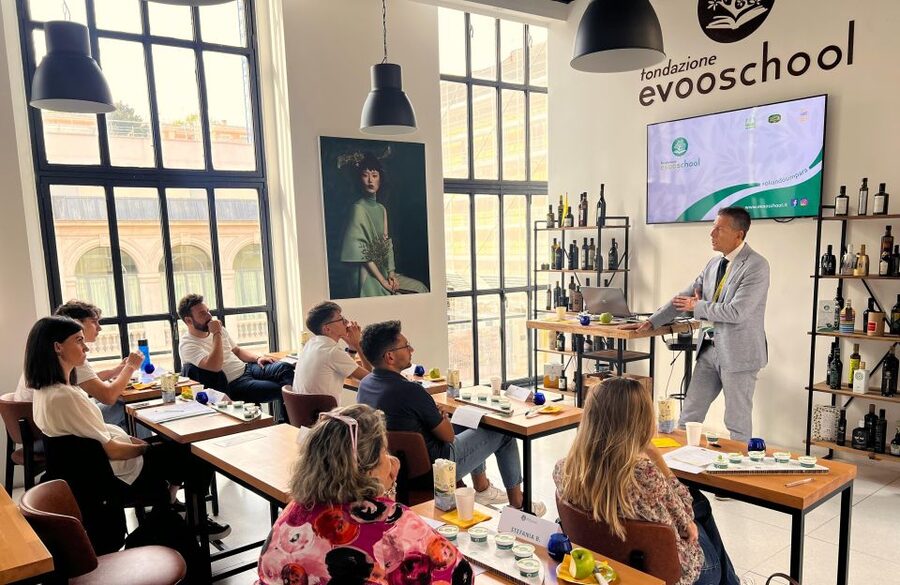
The class is held at Italy’s first school dedicated to extra virgin olive oil, in the heart of Rome. That setting gives the experience a clear purpose. You are not just tasting oil as an appetizer before lunch. You are learning how professionals assess it and why some bottles cost more than others.
I find this especially useful for anyone who has bought olive oil based only on a dark bottle, a pretty label, or the phrase Italian on the front. The session explains origin, classifications, production, and health considerations before moving into sensory analysis. That order matters. It gives you a framework for understanding what you taste.
The pace is also manageable. Two hours is long enough to learn a real method without taking over your entire day. You can fit it between sightseeing stops, though you should remember that the school is reached independently and transportation is not included.
A few more olive oil tours around Italy worth a look
- Sorrento Farm and Food Experience including Olive Oil, Limoncello, Wine tasting
★ 5.0 · 2,524 reviews - Olive oil tasting in Sorrento
★ 5.0 · 434 reviews - Sorrento: Lemon, Olive Oil and Wine Tasting Tour with Lunch
★ 5.0 · 300 reviews
Starting With the Olive, the Oil, and Italian Variety
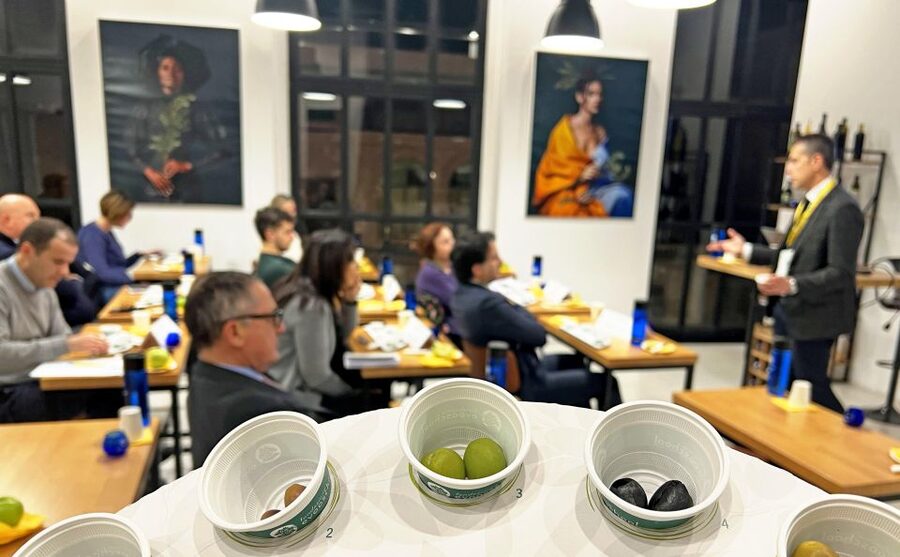
The first part is theory. You learn where olive oil comes from, how it is produced, and how the different classifications relate to quality.
This introduction helps explain why extra virgin olive oil is not simply a general term for any oil made from olives. Production methods affect flavor, freshness, and defects. The course also explains why quality matters for health and why EVOO is treated as an important food in the Mediterranean diet.
One especially interesting point is Italy’s range of olive varieties. The country has more than 500 cultivated olive cultivars. That means Italian oil is not one single taste. Depending on the variety and its growing area, an oil can show different aromas, levels of bitterness, and degrees of peppery heat.
You should not expect a full regional survey of all those cultivars in two hours. Instead, this section gives you a helpful introduction to the scale of Italian olive growing. It makes the tasting more meaningful because you begin to understand that variation is part of the product, not necessarily a sign of inconsistency.
The theory also gives you vocabulary. You will hear about organoleptic analysis, which means judging food through the senses. In plain terms, you learn to use your nose, mouth, and memory rather than relying only on the label.
Learning How a Professional Tastes EVOO
The practical section is the heart of the experience. A professional taster guides you through a tasting method designed to identify both the strengths and flaws of extra virgin olive oil.
This is more structured than dipping bread into oil and saying you like it. You will be asked to notice aroma, flavor, balance, and the sensations that remain after tasting. The course trains you to pay attention to what happens at different stages.
The five EVOOs give you enough comparison to notice contrasts. Tasting one oil alone can be pleasant, but it is hard to know what makes it different. With several oils in front of you, you can compare intensity, fruitiness, bitterness, and peppery notes in a direct way.
The course also covers how to recognize quality. That does not mean you will leave able to identify every olive variety or judge a bottle like a competition professional. It does mean you should have a stronger sense of what fresh, well-made EVOO tastes like and what unpleasant flaws may suggest poor production or handling.
I like this practical focus because it gives the class value beyond Rome. You can use the same basic habits at home. Smell the oil before tasting it. Notice its flavor rather than swallowing it quickly. Compare products instead of assuming a higher price guarantees better quality.
The instructor is described as highly informed and clear in presentation, and the session is available in English or Italian. One useful improvement would be written material to take home. You should be prepared to make your own notes if you want a record of the classifications, tasting terms, or key points. A previous participant specifically wished for a booklet or copy of the presenter’s slides.
Five Oils, Two Olives, and a Better Sense of Quality

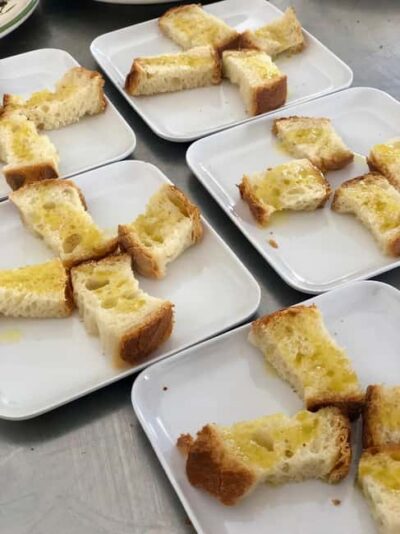
The tasting includes five different extra virgin olive oils and two types of table olives. That is a strong lineup for a two-hour class because it lets you compare both liquid oil and the whole fruit it comes from.
The table olives are not just an extra snack. They help connect the product to its source. An olive intended for eating is prepared differently from one pressed for oil, and the experience shows you how the fruit can express itself in another form.
You will learn to distinguish quality in table olives as well as EVOO. The course description does not specify the exact varieties or preparation methods, so you should not expect a named list in advance. What you can count on is a guided comparison of two different types.
The olive oil tasting is also educational rather than a meal replacement. The included samples help you understand the lesson, but you should not book this as lunch. If you are planning to eat afterward, allow time for a separate meal.
For anyone who cooks, this part may be the most useful. Olive oil is often treated as a background ingredient, yet its taste can change a salad, soup, vegetable dish, or piece of bread. Once you recognize differences in fruitiness and bitterness, you may start choosing oil for a specific use rather than reaching for the same bottle every time.
Same groves, a different morning out:
- Alghero: Wine and Olive Oil Tasting at a Local Farm
★ 4.8 · 294 reviews - Ostuni: Masseria tour among thousand-year-old olive trees with oil tasting
★ 4.8 · 261 reviews - Balestrate: Olive Grove Tour with Wines & Olive Oil Tasting
★ 5.0 · 241 reviews - Bardolino: Vineyard Tour with Wine, Olive Oil & Food Tasting
★ 4.6 · 221 reviews
What the Tasting Can Teach You at Home
A good food class should leave you with something more lasting than a pleasant hour. This one aims to give you a shopping and cooking skill.
You can use the tasting method when comparing oils at home, though your kitchen will not have the same controlled setting. The class teaches you to look past marketing and think about sensory quality. That is valuable when you are faced with many bottles claiming to be premium.
You also learn why storage and production matter. The supplied information does not list a full home-storage lesson, so I would not expect detailed advice on every container or kitchen condition. Still, the discussion of production and quality gives you the right questions to ask when buying.
The small gift bottle of 100% Italian EVOO adds practical value. It is not a large souvenir, but it lets you continue thinking about the class after you leave. You can use it at home, compare it with another oil, or bring it back as a compact food gift.
The bigger benefit is confidence. You may not become an expert taster in one afternoon, but you should become less dependent on packaging and price. That is a useful result from a short Rome activity.
How the $94 Price Measures Up

At $94 per person, this is not a bargain tasting. The price makes more sense if you view it as a private-style food education session with professional instruction, seven tasting samples, and a take-home bottle.
You are paying for the specialist setting and the teaching method, not just the amount of food. Five oils and two table olives would be easy to sample quickly, but the value lies in learning how to compare them and recognize faults.
I would recommend the class more readily to someone who already cares about food, cooking, Italian products, or wine-style tasting methods. If you simply want a quick snack and a souvenir, the price may feel high.
The two-hour length helps the value. A short tasting with no explanation would be hard to justify at this cost. Here, the session combines theory, sensory practice, production, classifications, and guided comparison.
The free bottle also helps, though you should treat it as a bonus rather than the reason to book. You are buying a lesson first and a bottle second.
Timing, Location, and Who Should Attend
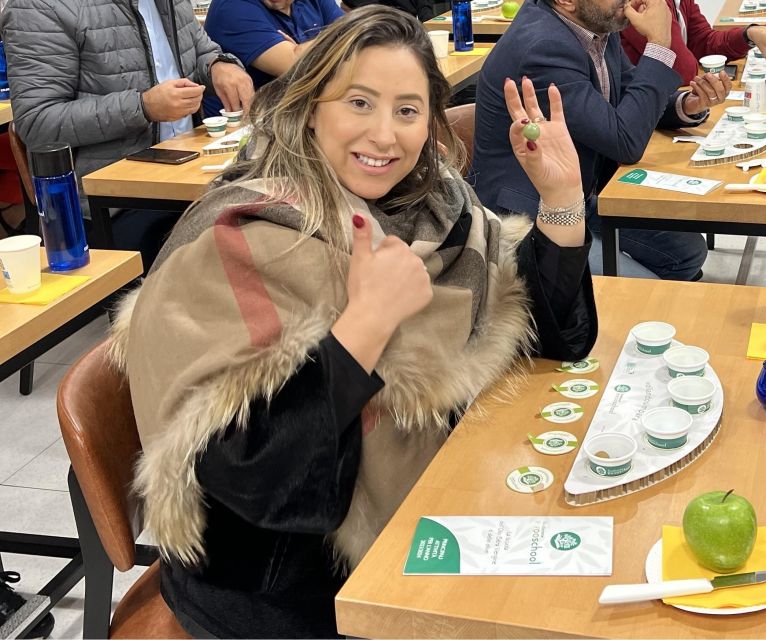
The experience lasts about two hours, with starting times available according to the date you select. You enter the building and go up to the first floor. Transfers to and from the meeting point are not included, so plan your route through Rome separately.
The class is offered in Italian and English. If you need a gluten-free option, let the provider know in advance. That request is worth making before the session rather than assuming it can be handled on the day.
Children under 16 are not permitted. The experience is also not suitable for wheelchair users, so check the physical access details carefully if that affects your plans.
I see this fitting several kinds of Rome itineraries:
- Food-focused visitors who want to understand an everyday Italian ingredient.
- Home cooks who want better instincts when buying olive oil.
- Couples and small groups looking for a quieter activity between major sights.
- Business or culinary students who want an introduction to sensory analysis.
- Repeat visitors to Rome who have already covered the major monuments and want a more specialized lesson.
It may be less suitable for young families, people seeking a full meal, or anyone who dislikes structured instruction. This is a class with tasting, not a relaxed aperitivo.
What I Like, and What I Would Improve
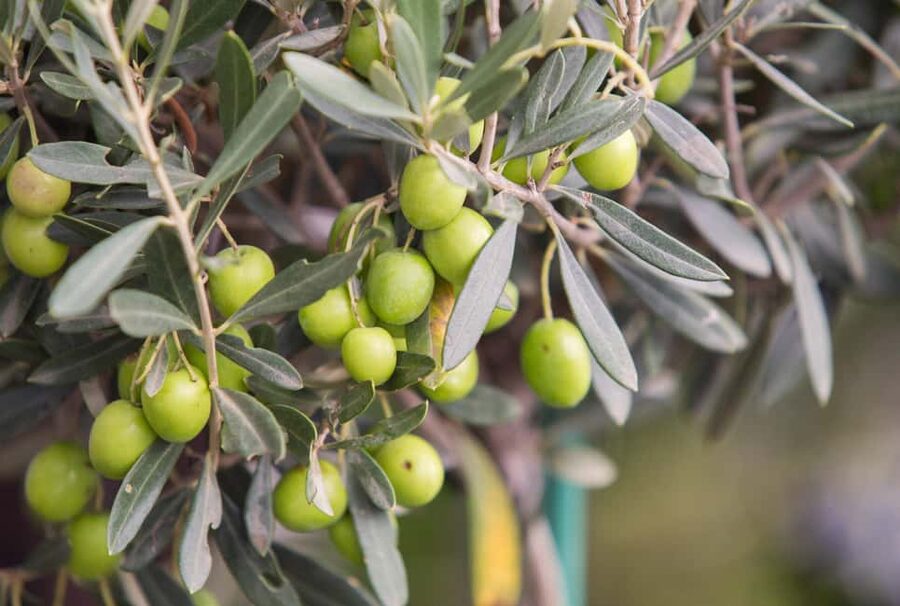
The strongest part is the instructor-led tasting. The professional certification gives the course a sound basis, and the structure should help you understand what you are smelling and tasting instead of leaving you with vague impressions.
I also like that the lesson includes flaws. Many food tastings focus only on pleasant flavors. Learning what poor-quality EVOO can taste or smell like is far more useful when you shop later.
The main weakness is the limited take-home material. A written guide, tasting sheet, or copy of the presentation would make it easier to remember the distinctions after several days of sightseeing. Bring a small notebook if you care about keeping the terminology.
The price is another point to weigh. At $94, you should book because you want the subject, not because you need to fill a spare hour. For the right audience, the specialist instruction makes the cost reasonable. For a casual sampler, it may not.
Free cancellation up to 24 hours before the start gives you some useful flexibility, and you can reserve while paying later. Those terms help if your Rome schedule is still changing, but they do not alter the central question: do you want a serious olive oil lesson?
Should You Book the EVOO Masterclass?
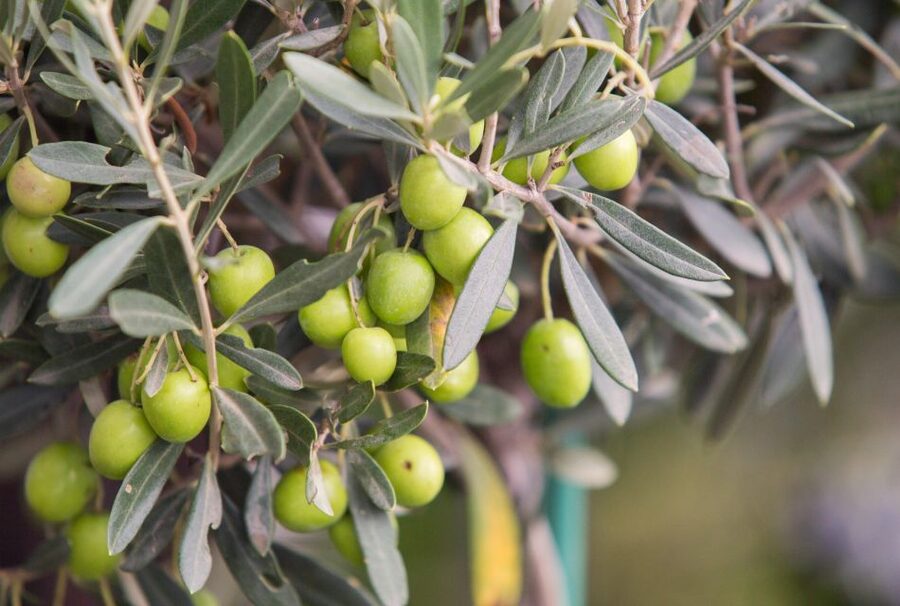
Book this experience if you want to understand Italian olive oil beyond the label. The five oils, two table olives, certified instructor, and practical tasting method give you a solid introduction in a compact two-hour format.
I would especially choose it for a food-minded adult who enjoys learning how everyday ingredients are made and judged. The Italian and English instruction, central Rome setting, and small bottle of Italian EVOO make it easy to fit into a city visit.
Skip it if you want a full meal, a market tour, or a low-cost tasting. At $94, it asks you to care about the subject. If you do, you should leave with sharper senses, better questions for the shop shelf, and a much clearer idea of what quality olive oil can taste like.
FAQ
How long does the olive oil masterclass last?
The class lasts about two hours and includes both theory and practical sensory analysis.
Where does the experience take place?
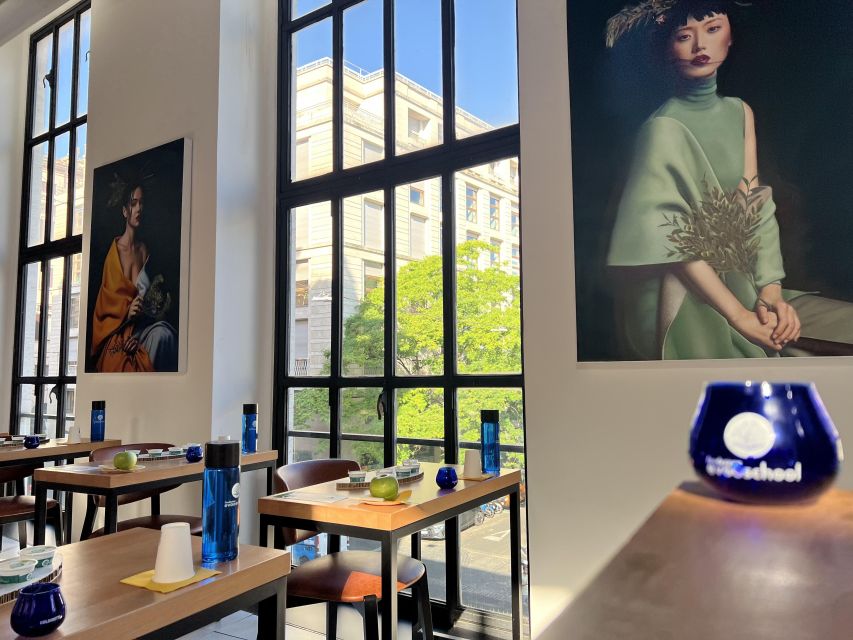
It takes place at Italy’s first school of Extra Virgin Olive Oil in the heart of Rome. You should enter the building and go up to the first floor.
What languages are available?
The instructor offers the experience in Italian and English.
How many olive oils will I taste?
The guided tasting includes five different extra virgin olive oils.
Are table olives included?
Yes. You will taste two different types of table olives and learn how to recognize quality.
What will I learn during the class?
The course covers the origin of olive oil, classifications, production, health importance, sensory analysis, tasting methods, and ways to identify merits and flaws in EVOO and table olives.
Is a gift included?
Yes. You receive a small bottle of 100% Italian extra virgin olive oil.
Are transfers included?
No. Transportation to and from the meeting point is not included.
Can children attend?
No. The activity is not suitable for children under 16.
Is the experience accessible to wheelchair users?
No. The activity is listed as not suitable for wheelchair users.
Just added around Italy
- Seggiano: Typical Tuscan Farm Tour with Olive Oil Tasting★ 5.0 · 4 reviews
- Salento: Olive Oil Mill Walking Tour with Tastings★ 4.8 · 10 reviews
- Sardinian Olive Oil tasting & Picnic among the olive trees★ 3.0 · 5 reviews
- Partinico: Olive Harvest with Wine Tasting and Brunch★ 5.0 · 5 reviews
- Olive oil tasting in Syracuse, Sicily – Evoo Tour★ 5.0 · 4 reviews
- Olive Mill Tour with Oil and Food Tastings near Pisa★ 5.0 · 9 reviews
- Olive Mill Tour with Olive Oil Tasting in Sassari★ 4.5 · 4 reviews
- Olive Mill Tour with Oil and Food Tasting in Chianciano★ 4.6 · 10 reviews
Italy Olive Oil Tours, compared.
Sorrento Farm and Food Experience including Olive Oil, Limoncello, Wine tasting
Read our review →
Lemon, Olive Oil and Wine Tasting Tour with Lunch
Read our review →
Masseria tour among thousand-year-old olive trees with oil tasting
Read our review →
Olive Grove Tour with Wines & Olive Oil Tasting
Read our review →
Bardolino: Vineyard Tour with Wine, Olive Oil & Food Tasting
Read our review →
Tuscany Bike Tour with Wine, Oil and Food in the Florentine Hills
Read our review →Browse the lists this tour appears in