
REVIEW · ITALY
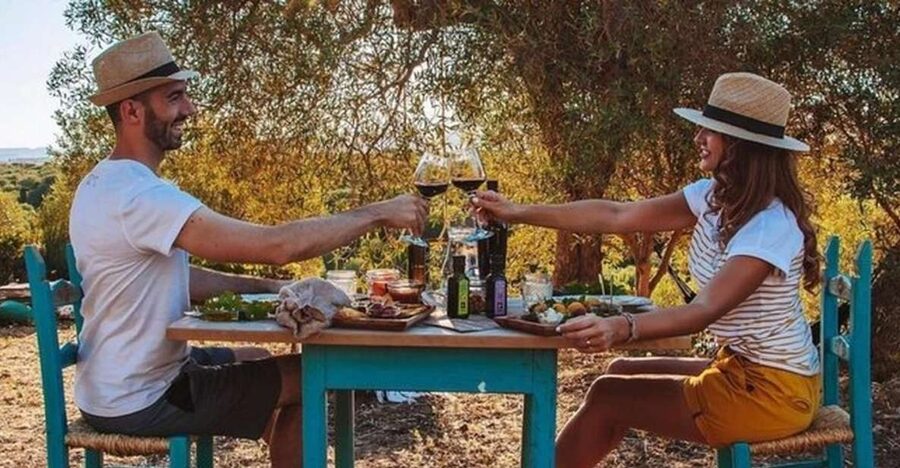
Sardinian Olive Oil tasting & Picnic among the olive trees
Sardinia’s olive-oil tradition comes alive here through old trees, local bread, cheese, sausage, wine, and a family story stretching across four generations. I like the small group of no more than eight, and I like the chance to taste several oils with food instead of treating olive oil as a quick splash on bread. The $81 price is fair only if the full visit and picnic are delivered.
The main caution is that the experience may not always match its countryside description. One visit became a tasting at a closed factory, with no look at the machinery, and another had a serious date mix-up. Confirm the meeting details and the seasonal setup before you set out.
Key points to know before booking
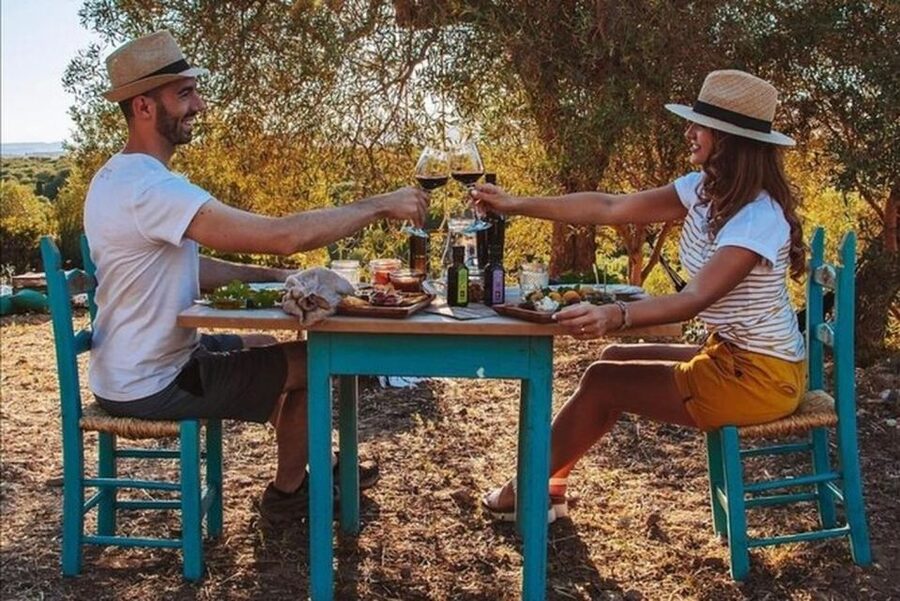
- Seven local tastings: Expect flavored olive oils paired with bread, cheese, sausage, other seasonal foods, wine, and water.
- A four-generation family story: The visit explains how oil production changed from older methods to the present plant.
- Old olive trees provide the setting: The picnic is planned among centenary trees, though the exact setup may vary.
- Giuseppe has earned strong praise: He has been described as friendly, entertaining, and ready to answer questions about olive production.
- The factory may be closed in May: If seeing machinery matters to you, ask what will be open on your date.
- Dietary choices are available: Vegan, gluten-free, and lactose-free food can be requested in your booking notes.
Sa Mola and the road into Sardinian olive country
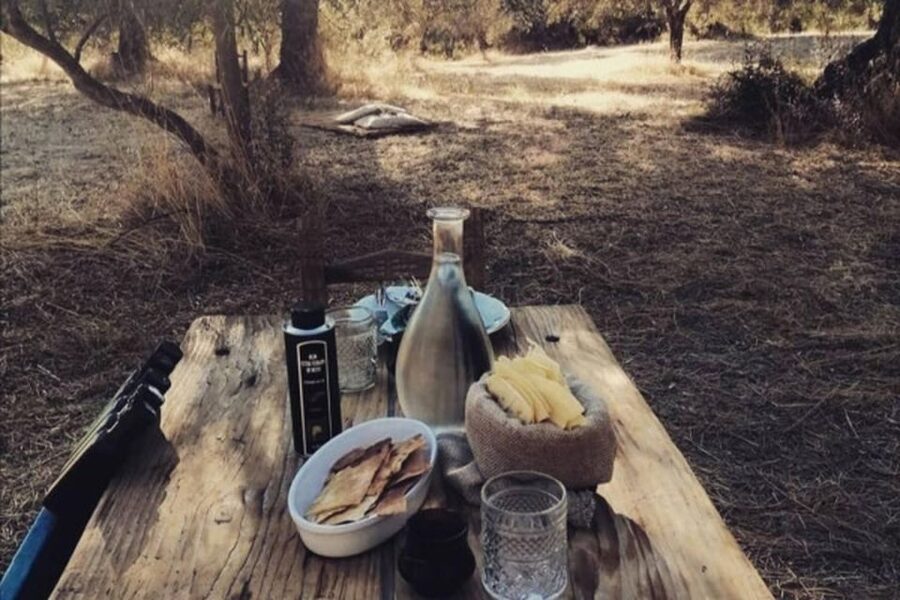
The meeting point is Sa Mola oleificio, at Località Figarba near Escolca in Sardinia’s Province of Cagliari. This is a countryside outing, not a central-town food walk, so you will need to plan your own way to the mill. The experience itself lasts one hour, making it easy to fit into a day of exploring the interior.
The setting is part of the appeal. Instead of tasting oil in a hotel dining room, you are meant to sit among old olive trees and see the rural side of Sardinia. The family atmosphere and vintage-style arrangements aim to connect the food on your plate with the land around you.
Still, keep your expectations practical. The place has also been described as a quiet or partly abandoned factory outside the harvest period. In May, the production area was closed, and the visit amounted mainly to a tasting near the sales room. That does not make the oil poor, but it changes the experience from a working-mill visit into a food presentation.
More Olive Oil Tastings in Italy:
- Olive oil tasting in Sorrento
★ 5.0 · 434 reviews - Alghero: Wine and Olive Oil Tasting at a Local Farm
★ 4.8 · 294 reviews - Ostuni: Masseria tour among thousand-year-old olive trees with oil tasting
★ 4.8 · 261 reviews
A family story told through four generations
The first part of the visit focuses on the family’s olive-oil work. You hear about four generations of producers and the systems used to extract oil in different periods. The aim is to show the entire chain, from harvesting olives to extraction and bottling.
That background gives the tasting some useful context. You learn why extra virgin olive oil is treated as a finished food rather than just a cooking ingredient. The guide introduces the basic ideas behind tasting, including how to pay attention to smell, flavor, and the way the oil works with food.
Giuseppe has been singled out for making this section lively and easy to follow. He has answered questions about the olive trade and processing business, and his friendly manner helped turn a technical subject into something approachable. The language is listed as Italian and English, but the English presentation may be uneven at times. One visit relied heavily on a translation app, so you should not expect a polished English lecture.
The advertised program includes a visit to an ethnographic museum. That could be especially worthwhile if you want more than a meal, since it places local oil making within everyday Sardinian life. But the museum and production area should be confirmed in advance. The experience has not been identical at every time of year.
Walking among centenary olive trees
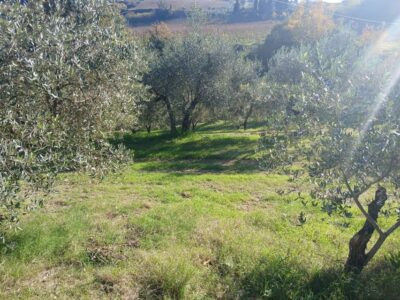
The walk through the olive grove is meant to be the heart of the experience. You move among trees described as centenary, with the guide explaining the work behind the bottle on the table. This makes a simple tasting more memorable, since you can connect the oil with the trees and the farming tradition.
I like this part because it slows the experience down. Sardinian food is often at its best when it is treated plainly: good bread, strong cheese, cured meat, wine, and olive oil. Sitting under old trees gives you a sense of place that a shop counter cannot provide.
The drawback is the uncertainty around how much walking and production viewing will actually take place. The published duration is only one hour, so there is limited time for a full museum visit, a detailed factory tour, a grove walk, and seven tastings. If the mill is closed or the group runs late, the food portion may take priority.
Ask a direct question before booking: will you walk through the olive grove and see the machinery on your chosen date? That single answer will tell you if the experience fits your interests.
Learning to taste extra virgin olive oil
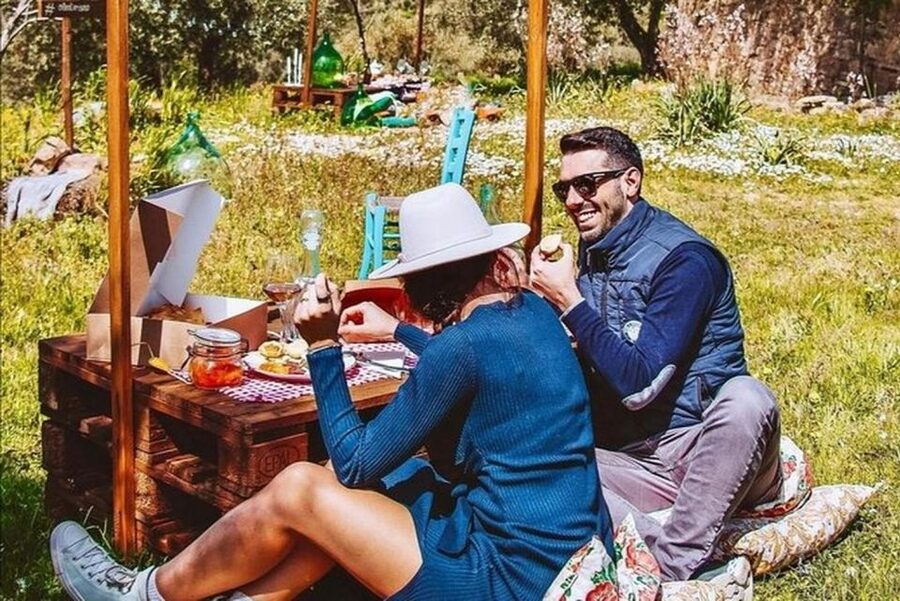
The oil tasting is not just a series of samples. You receive an introduction to extra virgin olive oil tasting, then try oils made by the producer. The guide explains the differences between them and shows how each one can be paired with food.
Flavored oils are also part of the program. These are served with seasonal local products, giving you a chance to compare how the oils affect familiar ingredients. Bread is a natural partner, and the food selection has included pane carasau, Sardinia’s thin crisp bread, along with pecorino and salsiccia.
A past tasting included three different olive varieties, and the portions were described as generous. That is useful to know if you prefer a food-focused experience rather than a formal tasting with tiny samples. The local products are a major strength, and the oil itself has been considered good enough to buy afterward.
You can also purchase bottles at the mill. A 500-milliliter bottle cost €8 during one visit, though prices can change. If you enjoy the oil, buying directly from the producer gives you a practical souvenir and supports the family business.
More Olive Grove Walks in Italy:
- Balestrate: Olive Grove Tour with Wines & Olive Oil Tasting
★ 5.0 · 241 reviews - Bologna: Olive Grove and Vineyard Tour with Product Tastings
★ 4.8 · 109 reviews - Balestrate Olive Grove Tour: Wine and Olive Oil Tasting
★ 5.0 · 105 reviews - Guided tours of the olive grove with oil tasting.
★ 5.0 · 67 reviews
The seven-tasting picnic
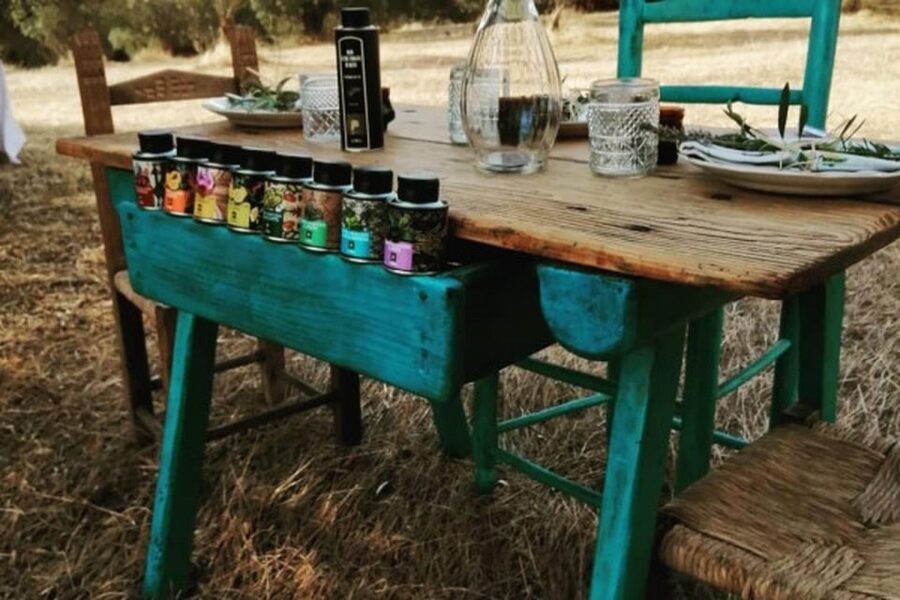
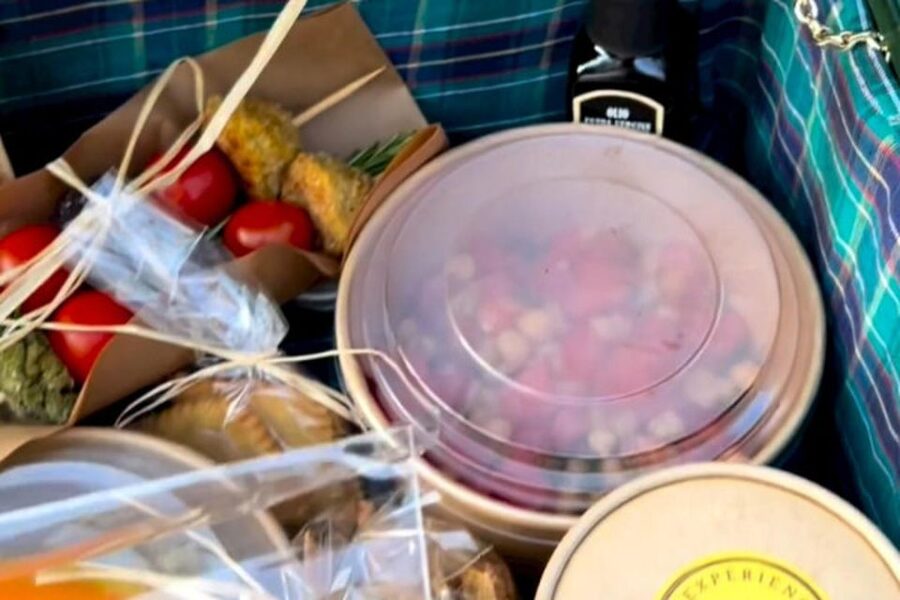
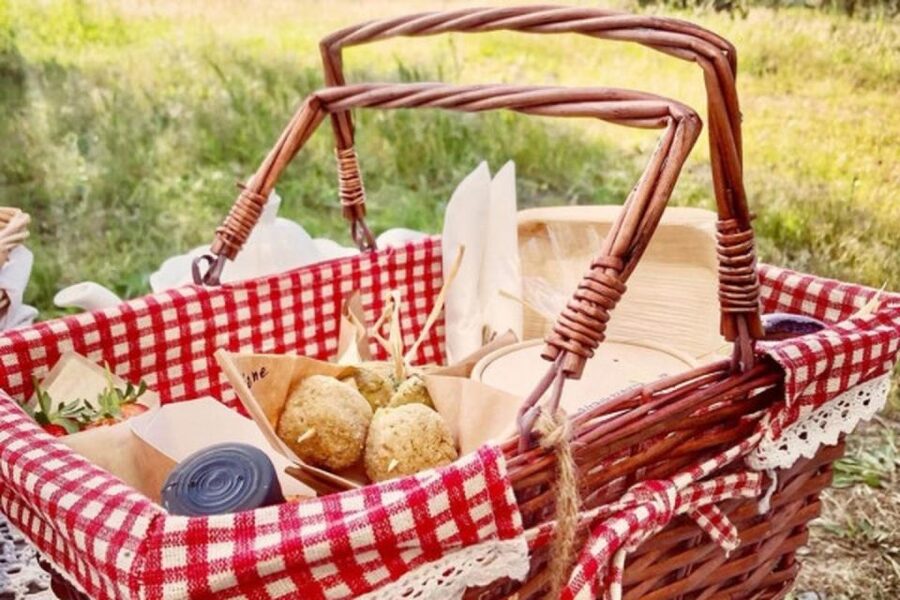
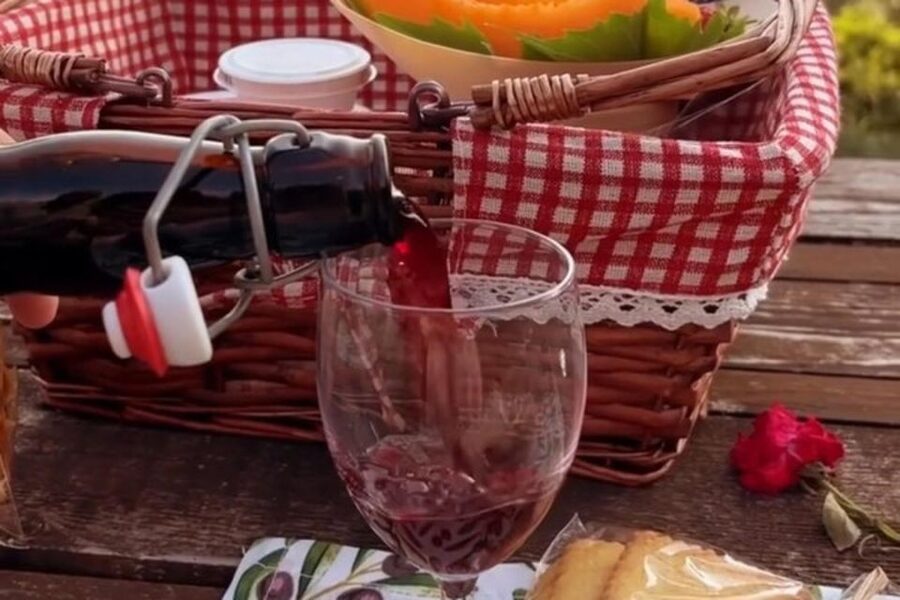
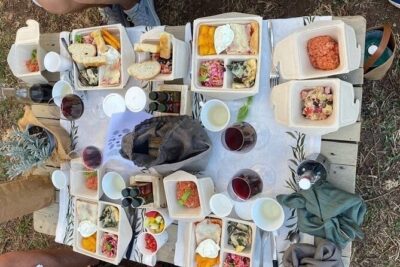
The picnic basket is provided on arrival and includes local food, wine, and water. The seven-tasting format gives the meal some structure, with flavored oils matched to seasonal delicacies. It is less about a large lunch and more about sampling several combinations in a rural setting.
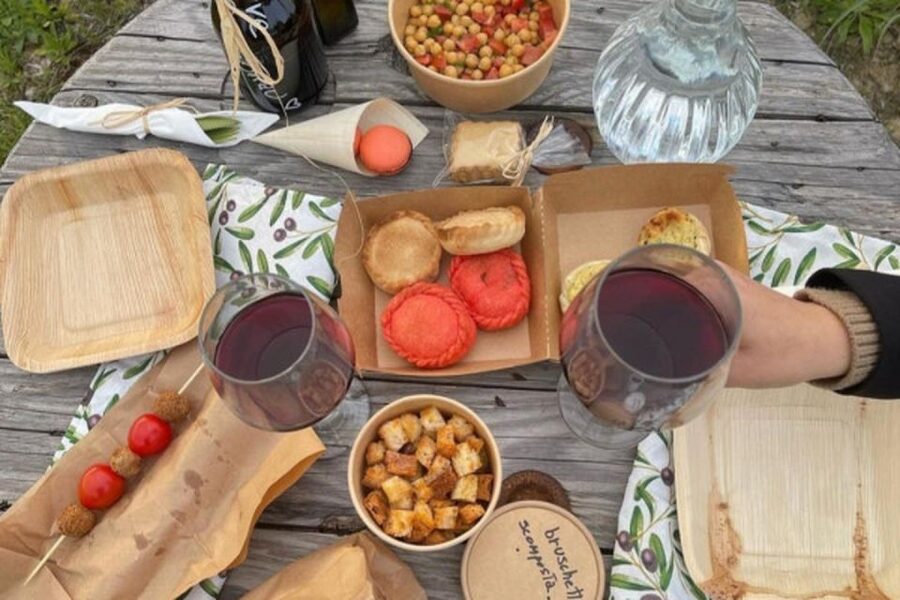
Expect the food to include items such as local bread, pecorino, sausage, olives, and other seasonal products. Not every item is specified in advance, so the exact basket can change. That is normal for a small producer working with local supplies, but you should not book expecting a fixed restaurant menu.
The food appears to be one of the safest reasons to book. Even the less positive account described the bread, oil, cheese, sausage, olives, and wine as very tasty and generous. That matters because the food helps carry the experience if the factory visit is limited.
Dietary needs should be written in the booking notes. Vegan, gluten-free, and lactose-free options are offered, but the producer needs to know ahead of time. Do not wait until you arrive, especially with a small family-run operation.
The wine and water are included. This keeps the hour simple and means you do not need to arrange extra drinks. If you are looking for a full meal, however, treat the picnic as a substantial tasting rather than a long lunch.
Small groups and the role of the guide
The group is limited to eight people, which is a real advantage. A small group lets you ask questions, hear the explanation, and taste at an unhurried pace. It also suits the family-style character of the visit better than a coach group would.
The guide is listed as Italian and English speaking. Giuseppe has received particularly strong praise for his explanations, humor, and willingness to answer questions. His contribution seems important because this is not a highly scripted museum tour. Much depends on the person leading the hour and on what is open that day.
The family hospitality is part of the intended character. The vintage-style setting is designed to feel like a step back in time, with the meal and tasting arranged in the grove or near the mill. That can be charming, but it may also mean plastic plates and a basic table rather than a polished farm-to-table restaurant.
I would choose this experience for people who enjoy informal food visits, local products, and conversation. If you want detailed industrial information, English fluency, or a guaranteed working factory tour, ask more questions first.
Is $81 a fair price?
At $81 per person, this is not a bargain tasting. The price needs to cover more than olive oil: you are paying for a guide, the small group, the picnic basket, food, wine, water, and access to a family operation in the countryside.
The value is strongest when all the advertised elements come together. A grove walk, museum visit, explanation of four generations of production, several oils, seven food pairings, and a personal guide can make the hour feel special. The small group also gives you more attention than a large commercial tasting.
The value drops sharply if the factory is closed and the visit becomes a quick table tasting in the sales room. One visitor felt the price was too high for that version, despite liking the oil and food. That is a fair concern, especially when the whole program lasts only one hour.
I would think of the price as paying for a personal food experience, not simply for a bottle of oil and a snack. If the producer confirms the grove and museum visit, the cost is easier to justify. If only the tasting is available, you may prefer to buy the oil and seek a less expensive food stop elsewhere.
Timing, dates, and one important booking check
The experience offers free cancellation up to 24 hours before the start time, and you can reserve now and pay later. Those terms are useful, but they do not solve the key practical issue: your exact meeting date and time need to be correct.
One booking resulted in an arrival after the producer expected the group, with the date apparently shown incorrectly during selection. The local business was accommodating and offered a tasting, but the problem caused understandable frustration. I would save the confirmation, check the date carefully, and contact the provider if anything looks unclear.
Season matters too. Olive processing is tied to the harvest, while the grove and tasting can operate outside harvest time. In May, the factory was closed, so the machinery and production rooms could not be seen. If the working mill is your main reason for going, ask about the harvest calendar and what the visit includes outside that period.
The meeting point is in the countryside near Escolca, and no transport is included in the information provided. Plan to arrive at Sa Mola oleificio itself rather than assuming a pickup from Cagliari or another resort area.
Who will enjoy this olive-oil experience?
I would recommend it most strongly to you if you enjoy:
- Sardinian food and regional products
- Informal family-run experiences
- Olive oil, farming, and traditional production
- Small groups rather than large organized tours
- A short countryside stop with wine and a light meal
- Buying food directly from a local producer
It is also a good fit for couples and small groups who want something different from beaches and archaeological sites. The hour is short, so it can fit between other activities.
I would be more cautious if you need a fully guaranteed museum and factory tour, polished English instruction, or a substantial sit-down lunch. The experience depends on the season, the open areas, and the person leading the visit. You may receive a warm and informative introduction, or mainly a generous tasting in a simple setting.
Should you book Sa Mola?
Book it if you see the grove, family story, and local food as the main attractions. Giuseppe’s presentation, the good oil, the generous pairings, and the group size can make this a memorable Sardinian stop. The old trees and flavored oils give it a sense of place that a supermarket tasting cannot match.
Before paying $81, contact the provider and confirm three things: the exact meeting date, access to the museum or production area, and whether the picnic will be served among the olive trees. If those details are confirmed, I think the experience is worth considering.
If the mill will be closed and you are promised only a basic tasting, I would pass unless you are especially keen to buy the oil. The food may still be excellent, but the price makes the complete countryside program important.
FAQ
Where does the olive-oil tasting take place?
It takes place at Sa Mola oleificio, Località Figarba, 08030 Escolca, in Sardinia’s Province of Cagliari.
How long does the experience last?
The stated duration is one hour.
What is included in the picnic?
The picnic includes a basket with local food, extra virgin olive oil tastings, wine, and water. The food is paired with flavored oils and can include seasonal products.
How many olive oils will I taste?
The program includes a tasting of different oils and seven food pairings. One described tasting included three different olive varieties, but the exact selection may vary.
Are dietary options available?
Yes. Vegan, gluten-free, and lactose-free options are available. You need to specify your requirement in the booking notes.
Is the experience offered in English?
Yes. The listed languages are Italian and English. English communication may be basic at times, and a translation app may be used.
Can I cancel or pay later?
You can cancel up to 24 hours before the experience for a full refund. Reserve now and pay later is also available.
More Olive Oil Picnics in Italy
- 2-Hour Picnic among the Olive Trees with Typical Abruzzese Products
★ 5.0 · 12 reviews - Abruzzo: Country Picnic in an Olive Grove at a Winery
★ 4.8 · 12 reviews - Ostuni: San Vito dei Normani: Organic Picnic in Olive Grove
★ 3.1 · 6 reviews - San Gimignano: Winery Visit with Picnic in Olive Grove
★ 5.0 · 3 reviews
Just added around Italy
- Seggiano: Typical Tuscan Farm Tour with Olive Oil Tasting★ 5.0 · 4 reviews
- Salento: Olive Oil Mill Walking Tour with Tastings★ 4.8 · 10 reviews
- Rome: Masterclass Extra Virgin Olive Oil & Table Olives★ 5.0 · 2 reviews
- Partinico: Olive Harvest with Wine Tasting and Brunch★ 5.0 · 5 reviews
- Olive oil tasting in Syracuse, Sicily – Evoo Tour★ 5.0 · 4 reviews
- Olive Mill Tour with Oil and Food Tasting in Chianciano★ 4.6 · 10 reviews
- Olive Mill Tour with Oil and Food Tastings near Pisa★ 5.0 · 9 reviews
- Olive Mill Tour with Olive Oil Tasting in Sassari★ 4.5 · 4 reviews
Olive Oil Picnics, compared.
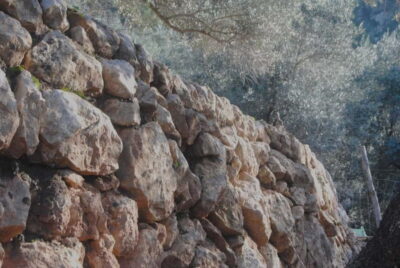
Olive Grove Experience, Oil Tasting & Picnic in the Tramuntana
Read our review →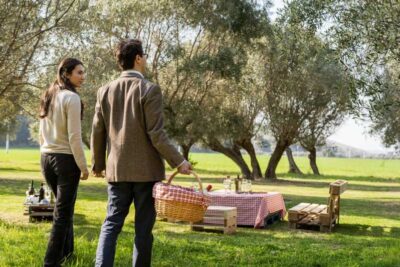
Abruzzo: Country Picnic in an Olive Grove at a Winery
Read our review →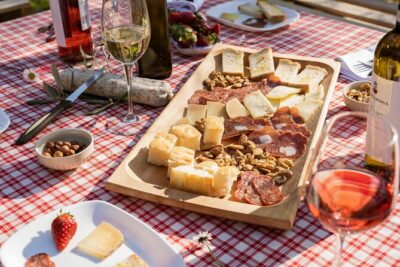
2-Hour Picnic among the Olive Trees with Typical Abruzzese Products
Read our review →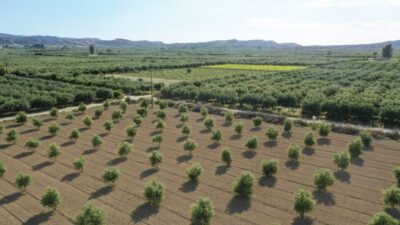
Farm Tour with Cheese-Making, Olive Oil Tasting & Picnic
Read our review →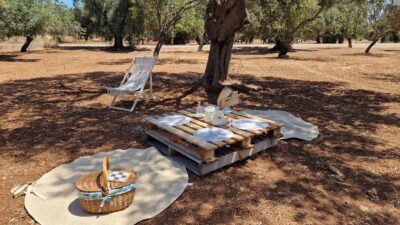
San Vito dei Normani: Organic Picnic in Olive Grove
Read our review →
Picnic among the Olive Trees and Tasting of Oil and Local Flavors
Read our review →Browse the lists this tour appears in