
REVIEW · PULA
Pula: House of Istrian Olive Oil Museum and Guided Tasting
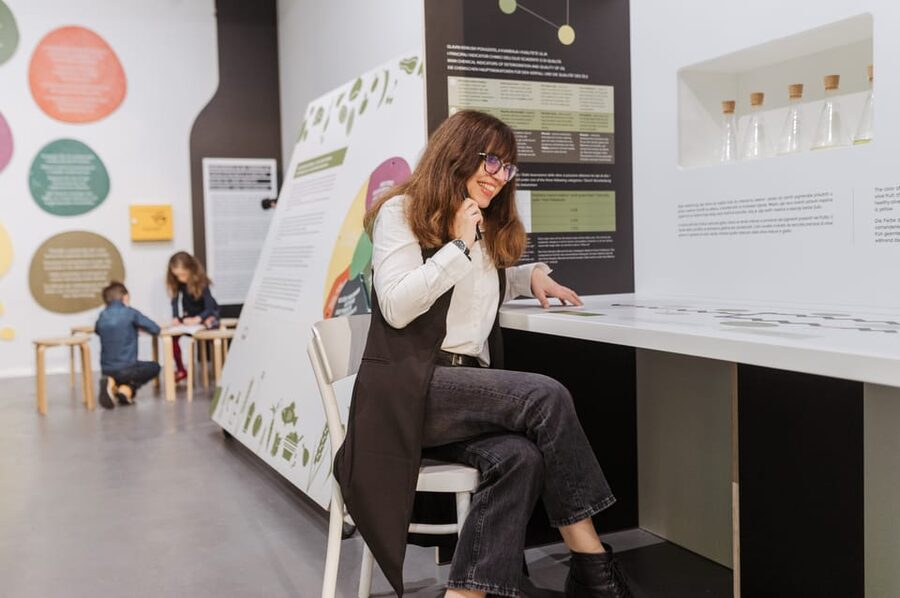
Pula’s House of Istrian Olive Oil turns a kitchen staple into a small, engaging lesson in culture, farming, and good taste. You’ll see how Romans made and exported oil, then compare five Istrian extra virgin oils with a typical supermarket bottle. That side-by-side tasting is the most useful part.
I like the clear tasting lesson, which covers aroma, flavor, texture, appearance, and both good and bad qualities. I also like the central Pula location and shop, where you can browse local oils, brandies, truffles, lavender cosmetics, and souvenirs. The main drawback is that this is a compact museum visit, not a trip to an olive grove or working mill.
Key points to know before you go
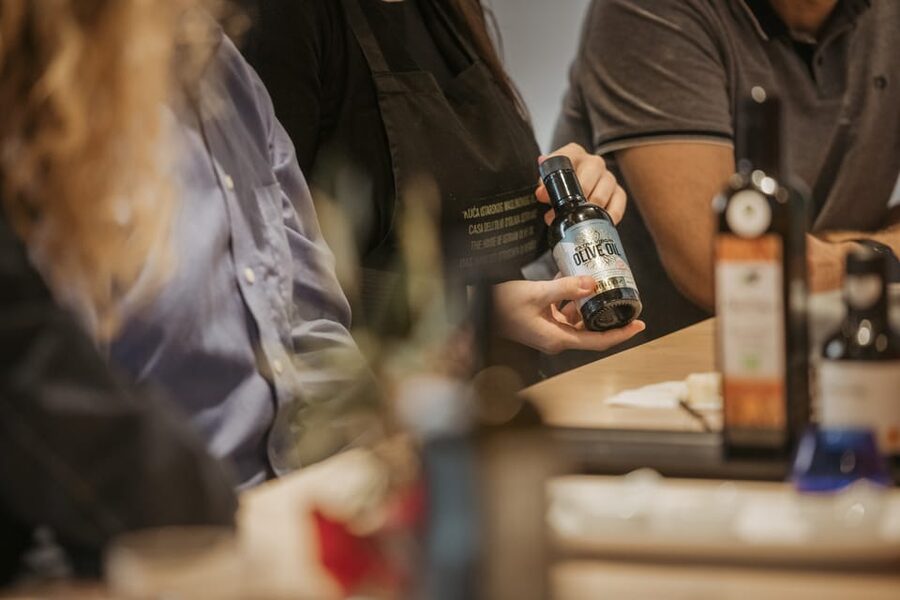
- Five oils in one guided tasting: You compare different Istrian extra virgin oils, plus a typical supermarket oil.
- Roman and modern production: Two short films explain old methods and how oil is made today.
- A practical tasting lesson: You learn how aroma, flavor, texture, and appearance reveal quality.
- A sweet pairing at the end: Dessert is served with a selected olive oil, an unusual but worthwhile finish.
- Easy rainy-day activity: The museum sits in central Pula and works well when outdoor plans fall apart.
- A useful local shop: Buy Istrian oils, brandies, truffles, lavender products, and small souvenirs in one stop.
Why olive oil makes sense in Pula
Istria is closely tied to olive growing, and this museum gives you a way to understand that connection without leaving central Pula. Instead of simply looking at bottles on a shelf, you learn why one oil can taste fresh and lively while another tastes flat, stale, or unpleasant.
The visit also connects local food with Pula’s Roman past. You’ll learn how the Romans produced olive oil and how it was exported. That detail gives the product a wider setting: olive oil was not just something poured over food, but an important trade good moving through the ancient world.
I like this approach because it gives the tasting some meaning. You are not only sampling five oils. You are also learning why olive cultivation mattered in Istria and how production has changed over time.
A few more olive oil tours around Croatia worth a look
- Split: Klis Fortress GOT and Olive Museum Entry Tickets
★ 4.6 · 283 reviews - Split: Blue Line Sightseeing to Trogir, Klis & Olive Museum
★ 4.3 · 197 reviews - Visit Klis fortress GOT & Olive museum Klis
★ 4.5 · 77 reviews
Entering the House of Istrian Olive Oil
The museum is in the center of Pula, so you can fit it into a sightseeing day without arranging transport outside town. That makes it especially handy if you are already visiting Pula’s Roman sights, shopping streets, or restaurants.
The first part focuses on the story of olive oil. You’ll learn about Roman production and export, then see two short films. One covers traditional oil-making methods, while the other shows how olive oil is produced today.
The films matter because they bridge the gap between past and present. Traditional production can sound romantic, but modern methods help protect freshness and control quality. Seeing both gives you a more balanced picture than a simple old-is-good, new-is-bad story.
An audio guide is available in 12 languages. The guided tasting is offered in English and German. Since the available information does not give a visit length, I would avoid squeezing this between two tightly timed activities. Give yourself enough breathing room to watch the films and take part in the tasting without rushing.
Watching traditional and modern oil production
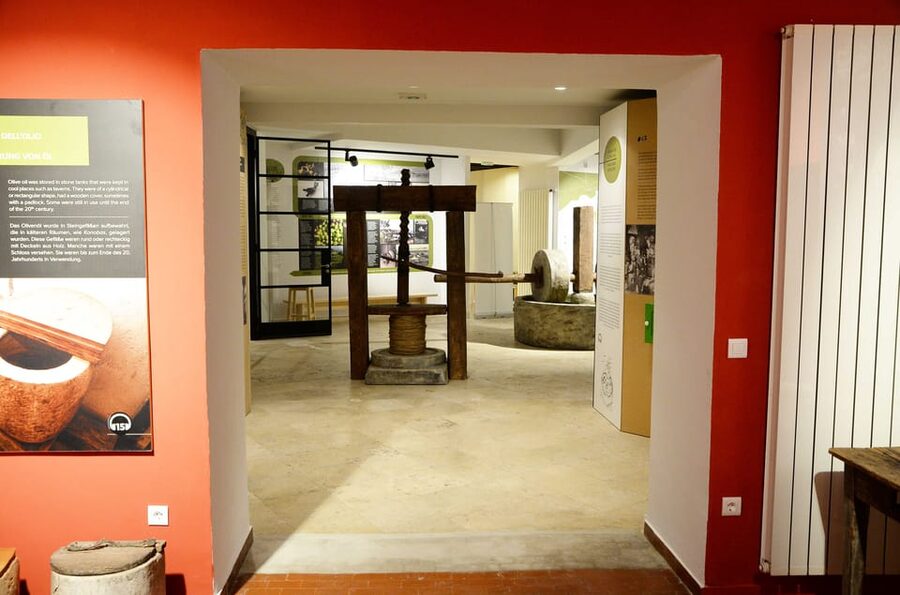
The museum’s two short films are a practical part of the visit. The traditional film shows how olive oil was made in earlier times, while the modern film explains current production.
You should pay attention to the change in process. The point is not that every older method produced poor oil or that every modern bottle is excellent. The useful lesson is that production affects the final product, and careful handling matters.
This section also helps if you are buying oil later in your trip. You may not remember every technical detail, but you’ll have a better sense of what happens before oil reaches the bottle. That can make labels and tasting notes less mysterious.
The films are short, so they do not take over the visit. That is good news if you prefer hands-on activities to long museum displays. The focus stays on understanding the oil before you taste it.
The tasting room is the heart of the visit
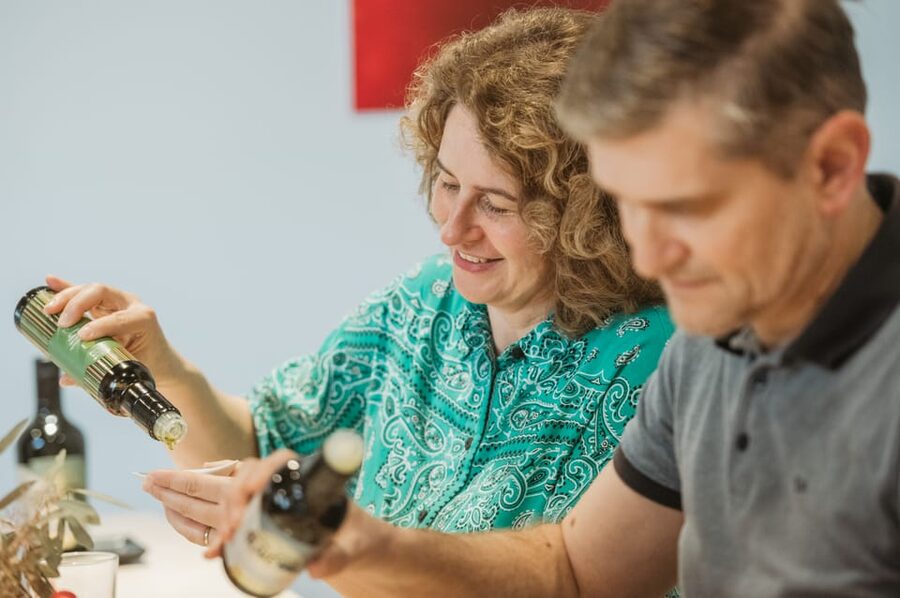
The tasting takes place after the museum section. You’ll sit down and examine five extra virgin olive oils from Istria. You will also compare them with an oil typically found in a supermarket.
That comparison is especially valuable. A supermarket oil gives you a familiar reference point, while the Istrian oils let you notice differences in aroma, flavor, texture, and appearance. Without a comparison, it is easy to say that one oil tastes good simply because it tastes different. Here, you get a clearer sense of what quality can mean.
You’ll be shown how to recognize premium extra virgin olive oil and how to spot negative qualities. The lesson covers more than taste alone. You’ll consider the smell, the feel in your mouth, and the way the oil looks.
Do not expect all five Istrian oils to taste alike. The point of the tasting is to notice their differences and understand which qualities you prefer. One may seem more forceful, another softer, and another better suited to a particular dish. The information provided does not list the individual producers or varieties, so you should ask the guide if you want those details.
The guide also answers questions during the tasting. A friendly, enthusiastic explanation can make a big difference here, since olive oil has its own vocabulary and habits. You do not need to arrive with any special knowledge. The session is designed to teach you what to look for.
More Guided Tours in Croatia:
- Buje: Authentic Istrian family farm, guided walk, foods & wine
★ 5.0 · 37 reviews - Olive Oil Guided Tasting and History in Pula
★ 4.5 · 34 reviews - Guided tour and olive oil tasting in Alhaurin el Grande (Málaga)
★ 5.0 · 200 reviews - Guided Tasting Tour in 16th century House and Olive Oil Factory
★ 5.0 · 169 reviews
How to recognize good and bad oil
One useful part of the tasting is learning that appearance alone does not tell the whole story. Color can be interesting, but aroma and flavor are more important when judging quality. The museum encourages you to look closely at several features instead of trusting the bottle design or a familiar brand.
You’ll learn about positive qualities in olive oil, as well as faults. That gives you a practical skill you can use at home. After the visit, you may notice when an oil smells fresh and pleasant, or when it has an unpleasant character that you had previously ignored.
The supermarket comparison makes this lesson direct. Mainstream oil is not automatically bad, but it may taste less lively or show fewer of the qualities found in better extra virgin oil. The value of the exercise is that you can make your own judgment rather than taking a sales pitch at face value.
I would treat the tasting as a beginner-friendly lesson, not a professional certification course. It should help you buy and use oil with more confidence, but it will not turn you into an expert in one sitting.
The dessert and olive oil pairing
The final tasting includes a sweet dessert paired with a selected olive oil. This is a small detail, but it gives the visit a playful ending.
Many people think of olive oil only with bread, vegetables, fish, or savory dishes. A dessert pairing shows that good oil can work in a different setting. The contrast also helps you notice the oil’s texture and flavor in a new way.
The exact dessert is not specified, so do not arrive expecting a particular recipe. The important point is the pairing itself. It is included in the experience and gives you one more idea to take home.
This may be the most surprising part for visitors who already cook with olive oil. It shows that the ingredient is not limited to one narrow role in the kitchen.
Shopping for Istrian food and gifts
The on-site shop extends the visit beyond the tasting. You’ll find a broad selection of Istrian extra virgin olive oils, along with brandies, truffles, lavender-based cosmetics, and souvenirs.
This is useful if you want to take home a food gift but do not want to spend your final day searching several shops. Olive oil is also easier to choose after the tasting because you have a better sense of what you like.
If you buy a bottle, think about how you will carry it during the rest of your trip. The experience does not provide details about packaging or luggage handling, so ask the shop staff about the best way to transport your purchase.
The shop also gives non-cooks a reason to stop by. Brandy, truffles, lavender products, and souvenirs offer a wider choice than oil alone. You can browse even if you decide not to buy anything.
Is the $35 price good value?
At $35 per person, this is not the cheapest museum stop in Pula. You are paying for more than entry, though. The price includes the museum visit, an audio guide option, a guided tasting of five extra virgin olive oils, and a dessert paired with a selected oil.
The tasting is what makes the price easier to justify. Five oils plus a supermarket comparison would cost money to sample on your own, and you would not have the same explanation of what to notice. The museum section adds cultural context, while the tasting gives you a practical skill.
I see this as good value for people who enjoy food, local products, or small museums with a clear theme. It is less appealing if you want a long guided tour, a large historic site, or a visit to an olive farm. No farm visit, grove walk, or mill tour is included in the information provided.
The 4.9 rating from 35 ratings suggests strong satisfaction, and the reasons are easy to understand: the displays are designed to be interesting, the staff is friendly, and the tasting has real substance. Still, the experience is compact, so your personal value depends on how much you care about olive oil.
Who will enjoy this most
I would recommend the museum to food-minded visitors, couples, solo sightseers, and anyone looking for a calm indoor activity in Pula. It is also a good choice for a rainy day, since the entire experience centers on exhibits, films, and a seated tasting.
It suits beginners particularly well. You do not need to know how to judge olive oil before arriving. The structure takes you from history, to production, to tasting, then to shopping.
It can also work for people who already buy extra virgin olive oil and want to sharpen their palate. The supermarket comparison gives you a useful reference, while the five Istrian oils show a wider range of local styles.
I would think twice if you dislike tasting strong or unfamiliar foods, or if your schedule allows only a very short stop. The exact duration is not provided, and you should leave enough time for the films and guided tasting.
Language, payment, and cancellation details
An audio guide is available in 12 languages. The guided tasting is listed in English and German, so choose the language that will make the tasting instructions easiest for you to follow.
The price is $35 per person. You can reserve your place and pay later, which helps if your Pula plans are still shifting. You can also cancel up to 24 hours in advance for a full refund.
Those flexible terms are useful for a short city stay. You can place the museum into your schedule without paying immediately, then keep an eye on the weather and your sightseeing plans.
My verdict on the House of Istrian Olive Oil
Book this experience if you want to understand Istrian olive oil rather than simply buy a bottle. The best parts are the five-oil tasting, the direct supermarket comparison, and the practical explanation of good and bad qualities.
I also like the mix of Roman history, traditional methods, modern production, and a sweet pairing. It gives the visit more range than a simple shop tasting.
Skip it if you are hoping for an olive grove, a working mill, or a full-day food tour. But for a central Pula activity priced at $35, with five oils, dessert, films, and a useful lesson in quality, it is an easy choice for curious eaters and a smart rainy-day plan.
FAQ
Where is the House of Istrian Olive Oil?
It is located in the center of Pula, in Istria County, Croatia.
How much does the experience cost?
The price is $35 per person.
How many olive oils are included in the tasting?
The guided tasting includes five extra virgin olive oils from Istria.
Is a supermarket olive oil included for comparison?
Yes. You will compare the Istrian oils with an olive oil typically found in a supermarket.
What does the tasting teach?
You will learn how to judge aroma, flavor, texture, and appearance, along with positive and negative qualities in olive oil.
Is dessert included?
Yes. A sweet dessert paired with a selected olive oil is included.
What languages are available?
The audio guide is available in 12 languages. The guided tasting is offered in English and German.
Can I cancel or pay later?
Yes. You can reserve your place and pay later. Cancellation up to 24 hours before the experience is available for a full refund.
Just added around Croatia
- Zadar, Šibenik: olive oil, wine & food tasting, Self Drive★ 4.7 · 9 reviews
- Olive Oil Tour of Solta Island with Lunch★ 5.0 · 4 reviews
- Private tour of Brač island with olive oil tasting★ 5.0 · 2 reviews
- Wine, Honey & Olive Oil of Solta Island – Tasting Tour★ 5.0 · 4 reviews
- Makarska Tuk Tuk Tour Olive Grove, Scenic Views and Tastings★ 5.0 · 3 reviews
- Small-Group Olive Oil Tour in Cres with Tasting★ 5.0 · 2 reviews
- Private Hvar Island Tour and Olive Oil Tasting★ 4.5 · 10 reviews
- Poreč: Olive Grove Walk and Tasting with Local Products★ 5.0 · 5 reviews
Museums, compared.
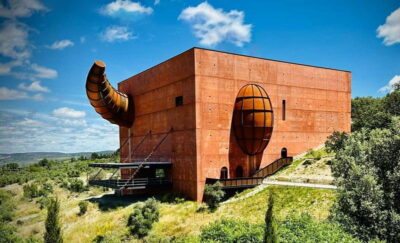
LA Almazara LA Organic, Olive Oil Museum and Tasting
Read our review →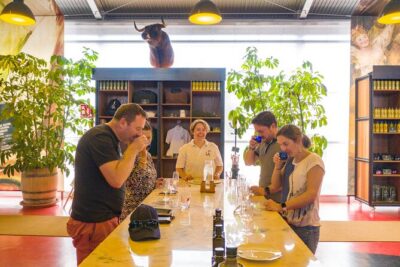
Visit Oil Mill Museum and Olive Oil Tasting in Ronda
Read our review →
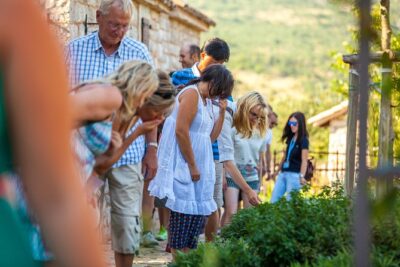
Olive museum Klis with educational olive oil tasting
Read our review →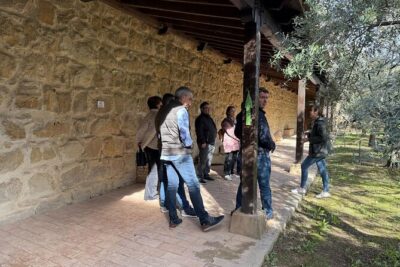
Guided tour of the Museum of Olive Culture Oil Tasting
Read our review →
Lefkada: Olive Museum Fabbrica Ticket and Guided Tour
Read our review →
Private Split & Klis Fortress Tour, Olive Museum & Port Pickup
Read our review →
Chania Olive Tour: 3,000-Year-Old Tree, Museum &Organic Mill
Read our review →Browse the lists this tour appears in