
REVIEW · BAEZA
Guided tour of the Museum of Olive Culture Oil Tasting
The most interesting part of this two-hour experience is the mix of working agricultural tradition and hands-on tasting. At the Museum of Olive Culture, you move from a garden with more than 30 olive varieties to original late-19th-century milling and pressing equipment, then finish with an introduction to judging oil by its smell and taste.
I like the clear focus on Jaén’s olive culture, and I like that the tasting is not just a quick sip at the end. You receive the basic tools used for the activity, including tasting glasses, an apple, water, a pencil, and tasting sheets. The main consideration is location: you must reach the museum at Hacienda La Laguna in Puente del Obispo for the 11:00 a.m. start.
Key points at a glance
- The Oil Cathedral: Visit the former mill winery, declared a site of Cultural Interest in 1992.
- More than 30 olive varieties: See how different olive trees are represented in the museum garden.
- Original 19th-century machinery: Learn how older milling and pressing systems worked.
- A real tasting lesson: Use tasting glasses, sheets, a pencil, apple, and water to assess olive oil.
- Small maximum group: The activity accepts no more than 20 participants.
- Useful flexibility: English is offered, and radio guides in other languages may be hired for €1.50 on arrival.
Why this olive oil tour belongs on a Jaén itinerary
Jaén is one of Spain’s key olive-growing areas, so an olive oil visit here makes sense in a way that a generic food tasting may not. This tour gives you a place, a crop, old machinery, and a method for tasting the finished product.
That combination matters. You are not only hearing that olive oil is important to the region. You are seeing the trees, learning how earlier producers processed the fruit, and then using your own senses to think about quality.
The experience costs $17.94 per person and lasts about two hours. For that price, I see good value if you want a focused cultural stop rather than a full-day food excursion. It includes museum admission and the tasting workshop, so you are paying for both interpretation and participation.
The published score is 4.8 from 17 ratings, with 94 percent recommending the activity. That points to a consistently positive experience, though the number of ratings is still modest. I would use the score as a helpful sign, not as the only reason to book.
More Olive Oil Tastings in Spain:
- Guided tour and olive oil tasting in Alhaurin el Grande (Málaga)
★ 5.0 · 200 reviews - Visit of the olive grove, olive oil tasting and snack
★ 4.9 · 111 reviews - Visit Oil Mill Museum and Olive Oil Tasting in Ronda
★ 4.5 · 105 reviews
Arriving at Hacienda La Laguna at 11:00 a.m.
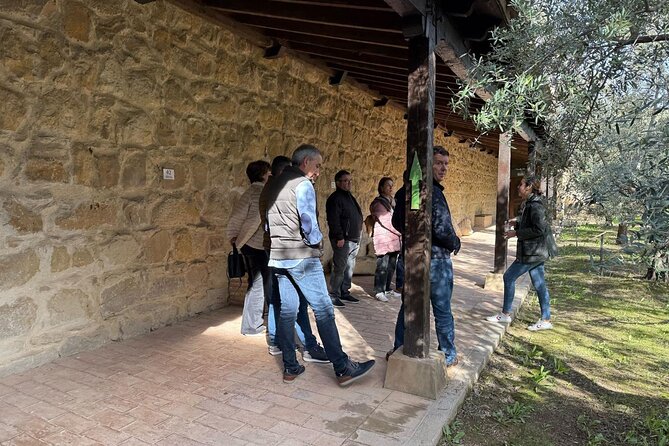
Your meeting point is the Museo de la Cultura del Olivo, also identified as Oleoturismo and Cata de Aceites, at Finca Hacienda La Laguna, 23529 Puente del Obispo, in Jaén province. The activity begins at 11:00 a.m. and ends at the same place.
That return to the meeting point makes the timing easy to understand. You are booking a self-contained morning stop, not a tour that drops you in another town. Still, you should plan your route to the finca carefully because the supplied details do not include transportation to or from the museum.
The activity is offered in English. If you prefer another language, radio guides may be available for €1.50, paid on arrival. Since this option is an extra charge and not part of the listed price, ask about availability when you arrive.
Groups are capped at 20 people. That is not a private visit, but it is small enough to keep the guide’s explanation tied to the objects in front of you. A group of that size can also make the tasting feel more orderly than a large coach-group stop.
The olive garden and 30 varieties
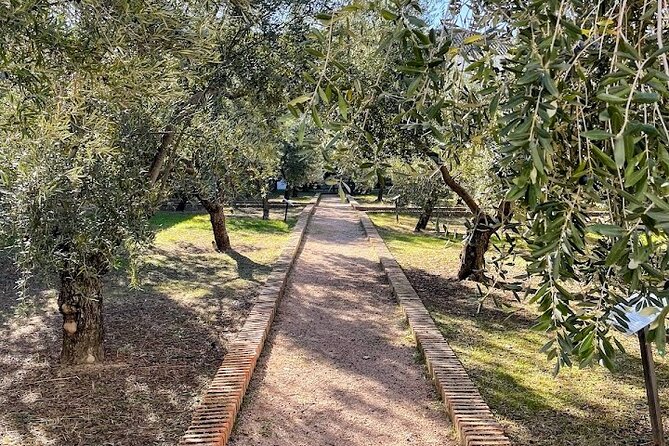
The museum visit begins with the olive tree itself. Its garden contains more than 30 different varieties, giving you a useful reminder that an olive grove is not simply a field of identical trees.
For someone new to olive oil, this is valuable context. The fruit, tree, and growing tradition come before the bottle on your kitchen shelf. A guided look at different varieties can help you understand why oils can differ in aroma, flavor, and character.
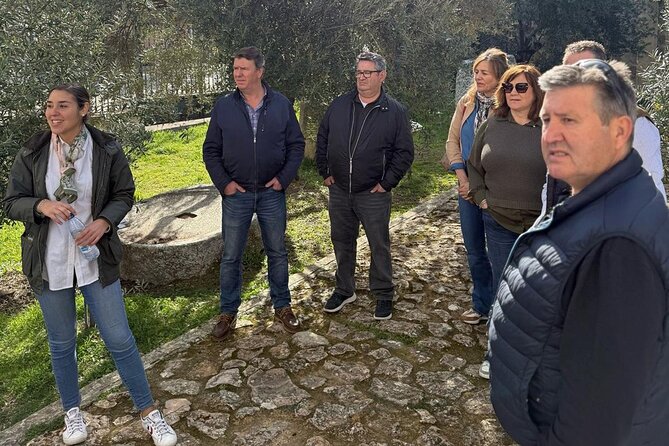
The guide’s role is important here. Rather than wandering through a garden without a clear purpose, you have a specialist explaining the museum’s different areas and the place of olive cultivation in local tradition.
Do not expect a large botanical lesson based on the information provided. The main point is to connect the varieties to the wider story of olive culture in Jaén. If you already know a great deal about olive farming, this first portion may feel introductory. For most visitors, it sets up the tasting well.
Seeing the original milling and pressing systems
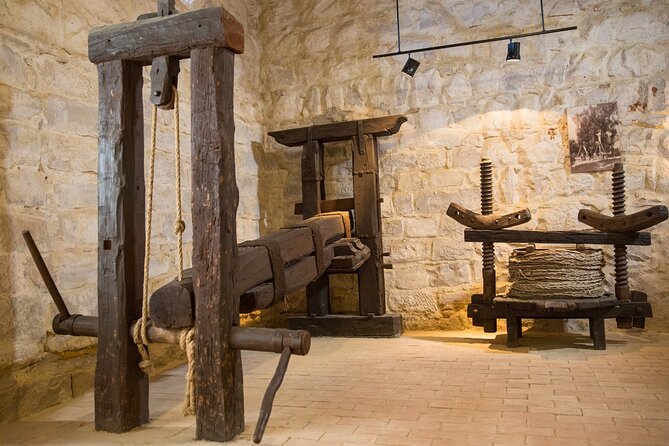
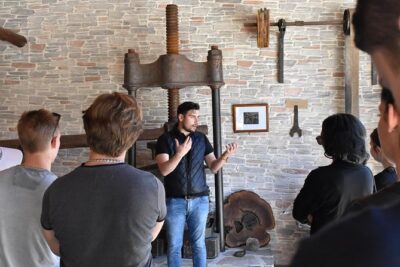
Inside the museum, you see original milling and pressing systems dating from the late 19th century, along with other tools used in the field. This is the most tangible part of the visit because the equipment gives you something concrete to study.
Old machinery can make a food tradition easier to understand. Instead of hearing only about production methods, you can see the scale and mechanics of earlier work. The tools also show how much labor once went into producing oil before modern systems changed the process.
The tour description does not promise a live demonstration, so you should expect an explanation of the equipment rather than a working production session. That distinction is useful. This is a museum and cultural visit with a tasting class, not a modern factory tour.
I especially like the way this section links ordinary farm tools with the finished product. Olive oil can seem simple when it sits on a table. The milling and pressing displays show the chain of work behind it.
A few more olive oil tours around Spain worth a look
- Ronda: LA Almazara LA Organic, Olive Oil Museum and Tasting
★ 4.6 · 435 reviews - Split: Klis Fortress GOT and Olive Museum Entry Tickets
★ 4.6 · 283 reviews - Split: Blue Line Sightseeing to Trogir, Klis & Olive Museum
★ 4.3 · 197 reviews - Visit Klis fortress GOT & Olive museum Klis
★ 4.5 · 77 reviews
Entering the Oil Cathedral
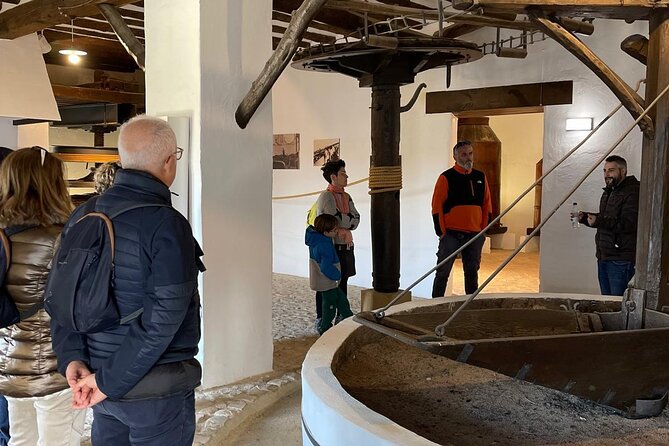
The visit’s grandest stop is the mill’s winery, known as the Cathedral of Oil. It was declared a Cultural Interest site in 1992, giving the space importance beyond its role as storage or production infrastructure.
The name suggests a place with a strong sense of scale and atmosphere, but the supplied details do not specify its architecture, size, or exact features. You should therefore come for the historic winery setting rather than expecting a particular visual style that has not been described.
This part also gives the tour a clear sense of place. You are not tasting oil in an anonymous shop. You are tasting it within a site connected to the region’s production traditions.
For many visitors, this will be the most memorable museum stop. The garden introduces the trees, the equipment explains older production, and the winery brings the story together in one historic space.
Learning to taste olive oil properly
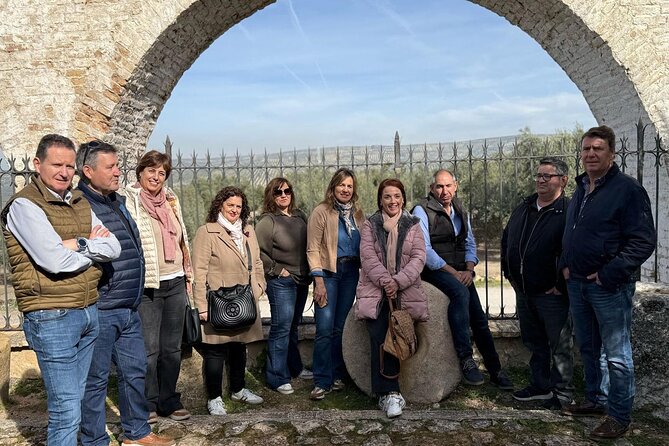
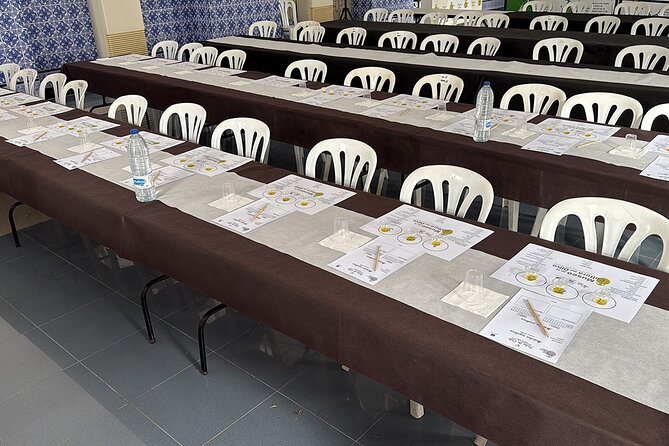
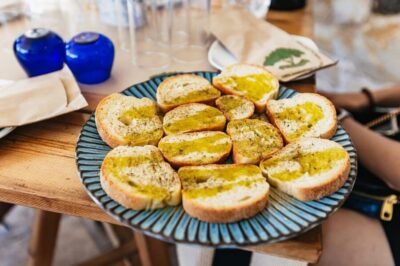
After the museum visit, the group moves into an introductory oil-tasting workshop. The aim is to help you recognize the main organoleptic characteristics of different oils, using the senses professionals rely on when tasting.
The phrase organoleptic may sound technical, but the activity is practical. You are learning to notice qualities through smell and taste, rather than simply deciding that one oil seems stronger or milder.
The necessary materials are supplied:
- Tasting sheets
- Pencil
- Tasting glasses
- Apple
- Water
The tasting sheets and pencil give the session a clear structure. You can record what you notice instead of trying to remember every impression. The apple and water help refresh your palate between samples, while the tasting glasses are designed for the task rather than casual table service.
You should think of this as an introduction, not professional certification. The tour teaches the basic approach and vocabulary needed to begin comparing oils. If you already work with oil or have taken formal tasting courses, the session may be too elementary. If you usually buy olive oil without thinking about aroma or finish, it can change how you shop and eat.
The tasting is also the part that turns the museum from a passive visit into an active one. You are asked to pay attention and make judgments for yourself. That personal test is more useful than simply listening to a guide describe quality.
What the two-hour schedule means for you
Two hours is a sensible length for this experience. It gives enough time to cover the museum, garden, historic equipment, winery, and tasting without turning the visit into a half-day commitment.
The fixed 11:00 a.m. start can work well as a morning activity. You finish around early afternoon, depending on the exact pace of the group. Since the tour ends at its starting point, you can plan whatever comes next without dealing with a different drop-off location.
The schedule does require punctuality. Arriving late could mean missing the introduction or joining the group after the museum explanation has begun. Your confirmation is sent at the time of booking, so keep the meeting details available on the day.
The activity is usually booked about 20 days ahead. That does not guarantee that every date sells out, but it suggests that planning in advance is sensible, especially if your time in Jaén is limited.
Is $17.94 a fair price?
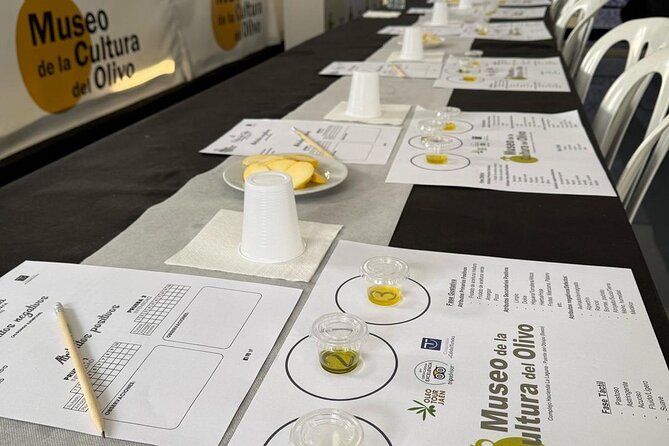
At $17.94 per person, the value is strongest for visitors who want both interpretation and a guided tasting. You receive entry to the Museum of Olive Culture, a specialist-led tour, access to the garden and historic areas, and the tasting materials.
The price is less compelling if you are looking only for a quick sample of olive oil. A shop tasting could be shorter and more casual, though it would not give you the museum setting, historic machinery, or the Cathedral of Oil.
I would compare this cost with the price of other structured cultural stops in Jaén, not only with the price of a bottle of oil. You are buying two hours of organized content and a basic skill you can use later.
The extra radio guide fee is small at €1.50, but remember that it is paid on arrival. English is already offered, so this add-on matters mainly if you need another language or want an alternate way to follow the explanations.
Who will enjoy this experience most
I recommend the tour to anyone curious about olive oil, food traditions, or rural culture in Andalusia. It is especially suitable if you want a short activity with a clear beginning and end rather than a long excursion.
Families and mixed-age groups may also find it manageable because most participants can take part, and the experience combines outdoor garden space, historic displays, and a seated tasting activity. Service animals are allowed.
The tasting workshop should appeal to food-focused visitors who like learning through comparison. You do not need to arrive as an oil expert. The supplied tools and guided format are designed to introduce the basics.
I would be more cautious if your main goal is a full production tour, a meal, or a visit to a contemporary oil factory. None of those are promised here. The focus is the museum, local tradition, historic systems, and beginner-level tasting.
Practical details before you reserve
Confirmation is provided at the time of booking. The activity uses a mobile ticket, so you can keep the booking information on your phone.
Free cancellation is available if you cancel at least 24 hours before the 11:00 a.m. start time. Cancellations or changes made less than 24 hours before the activity are not accepted for a refund, and the cutoff follows local time.
The group maximum is 20 people. That makes this a shared visit, but not a huge operation. If you value a private guide or a highly specialized tasting, this format may not meet that preference.
The activity ends back at the museum. No transportation details are included, so treat the finca as your responsibility for arrival planning. The supplied information does not confirm parking, hotel pickup, or a restaurant stop, so do not count on those services unless you receive separate confirmation.
Should you book the Museum of Olive Culture tour?
Book it if you are spending time in Jaén and want a well-priced introduction to the area’s olive tradition. The best reasons are the 30-plus olive varieties, original 19th-century equipment, the historic Oil Cathedral, and a tasting session with the needed materials already provided.
Think twice if you want a modern mill visit, a full meal, or a long technical course. This is a compact cultural tour with an introductory tasting, not a complete olive oil education.
For most visitors, I would make the booking if the 11:00 a.m. meeting time and Hacienda La Laguna location fit your plans. At $17.94, it offers more substance than a simple tasting and gives you a better understanding of why olive oil matters so much in Jaén.
FAQ
Where does the olive oil tour begin?
It begins at Museo de la Cultura del Olivo, Oleoturismo and Cata de Aceites, Finca Hacienda La Laguna, 23529 Puente del Obispo, Jaén, Spain.
What time does the activity start?
The start time is 11:00 a.m.
How long does the experience last?
The experience lasts approximately two hours.
Where does the activity end?
It ends back at the meeting point, the Museum of Olive Culture.
Is the tour offered in English?
Yes. English is an offered language.
Can I use a radio guide in another language?
Radio guides in different languages may be hired for €1.50, paid on arrival.
What is included in the oil-tasting workshop?
The workshop provides tasting sheets, pencils, apples, water, and tasting glasses.
How many people can join the tour?
The activity has a maximum group size of 20 participants.
Can I cancel for a full refund?
Yes. You can cancel for a full refund if you do so at least 24 hours before the experience start time.
Just added around Spain
- XXI Century Olive Oil Mill Tour★ 5.0 · 3 reviews
- Visit to an olive oil mill and oil tasting with aperitif and food and wine pairing.★ 5.0 · 2 reviews
- Ulldecona: Guided Tour of the Millenary Olive Trees of Arión★ 5.0 · 2 reviews
- Treurer: Tapas Gourmet and Extra Virgin Olive Oil★ 4.7 · 3 reviews
- Olive Oil and Winery Tour from Zaragoza City★ 5.0 · 4 reviews
- Olive Oil Private Full-Day Tour with Tasting in Valencia★ 5.0 · 2 reviews
- Olive Oil Factory from Seville Private Tour★ 5.0 · 2 reviews
- Olive Oil Tasting Experience in Sevilla★ 5.0 · 2 reviews
Olive Oil Tastings, compared.
The Governor’s Olive Mill Tour with Olive Oil Tasting
Read our review →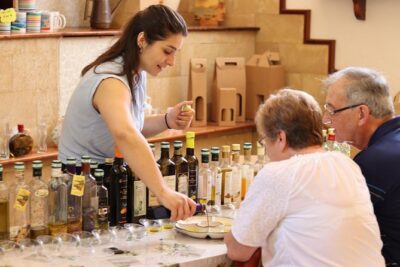
Masseria tour among thousand-year-old olive trees with oil tasting
Read our review →
Olive Grove Tour with Wines & Olive Oil Tasting
Read our review →
Bardolino: Lake Garda Oil Mill Tour with Olive Oil Tasting
Read our review →
Guided tour and olive oil tasting in Alhaurin el Grande (Málaga)
Read our review →Browse the lists this tour appears in