
REVIEW · PULA
Olive Oil Guided Tasting and History in Pula
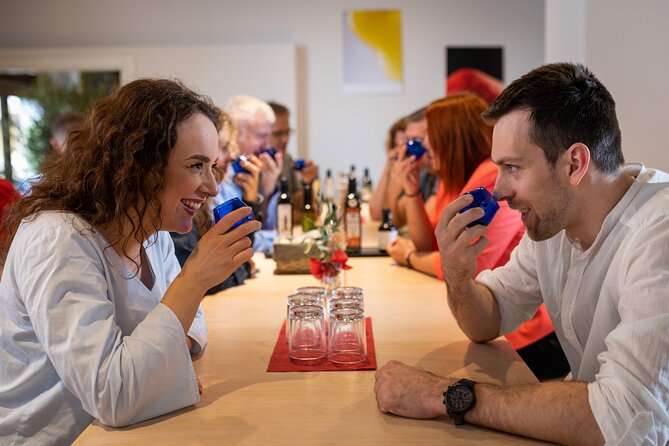
The most useful part of this Pula experience comes in the tasting room, where you compare high-quality Istrian olive oils with the sort of bottle commonly found in a supermarket. You learn to notice good and bad qualities, rather than simply being told that one oil is better. The lesson turns a familiar kitchen ingredient into something you can judge for yourself.
I like the Roman production exhibit, which gives the tasting a clear local setting, and I like the direct comparison between oils. The guide also explains polyphenols and why they matter, then finishes with a sweet dessert paired with extra virgin olive oil. The main drawback is that the museum is small, and its layout may feel less polished or interactive than you expect.
Key points
- Roman oil-making comes first: See how olives were processed and exported in Istria during Roman times.
- Three kinds of learning meet in one visit: Short films, displays, and a guided sensory tasting cover old and modern production.
- The supermarket comparison is practical: You can identify differences between premium Istrian oil and an everyday bottle.
- Dessert closes the session: A surprise sweet pairing shows how extra virgin olive oil works beyond savory food.
- The format stays manageable: The group can include up to 20 people, and the full visit lasts about 90 minutes.
- The guide is the star: The tasting includes clear explanations, question time, and help identifying positive and negative traits.
Why this Pula olive oil tour is worth your time
Pula is best known for Roman ruins, especially the grand amphitheater, but Istria’s food culture gives the city another strong reason to linger. Olive oil is not just a topping here. It is tied to farming, trade, preservation, health, and daily cooking.
This tour gives you a short, focused way to understand that tradition. At about $36.04 per person, it costs more than simply buying a bottle in a shop, but you are paying for interpretation as well as samples. You get a small museum visit, films, a guided tasting, and a dessert pairing in roughly an hour to an hour and a half.
I think the experience works best for curious eaters who want more than a quick sample at a market stall. You do not need prior knowledge of olive oil. In fact, the session is most useful if you arrive with an ordinary supermarket bottle as your point of reference, since the tasting explains what changes between basic commercial oil and carefully produced extra virgin oil.
The experience is offered in English and uses a mobile ticket. It runs Monday through Saturday from 10 a.m. to 6 p.m. during the listed operating period. Since it is often booked around 23 days ahead, I would reserve early if your time in Pula is limited.
More History Tours in Croatia:
- Zadar Olive Oil & Wine with Dalmatian Views & History
★ 5.0 · 34 reviews - Šibenik: Croatia in a Day, Vistas, History, Olive Oil, Wine
★ 5.0 · 30 reviews - Heraklion: Zeus Cave & Knossos History, Villages & Olive Oil
★ 4.9 · 89 reviews
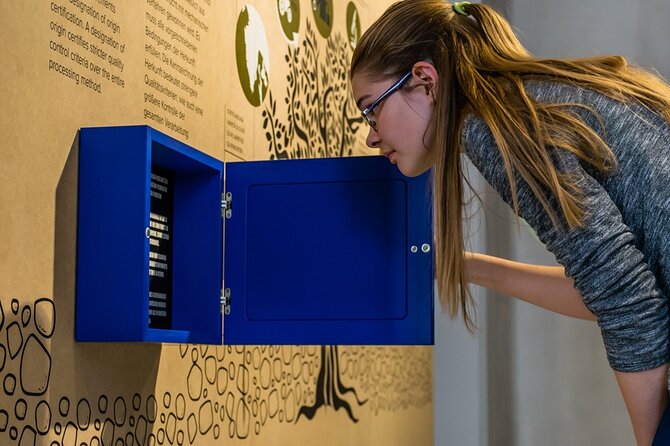
Roman olive production inside the House of Istrian Olive Oil
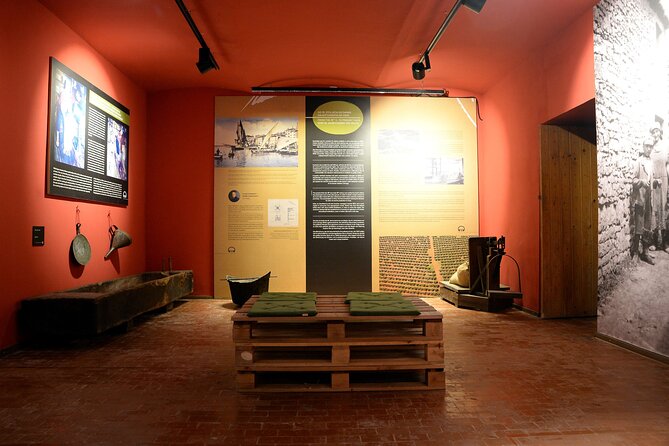
The visit begins at the House of Istrian Olive Oil on Istarska ul. 30, near public transportation. You start with the exhibition rather than eating immediately, which is a smart choice. Once you understand how oil was made and moved through the region, the later tasting has more meaning.
The Roman section shows how people in Istria processed olives in the ancient period. You also learn where the oil was exported and how it fit into wider trade. That detail matters because it places local olive growing in a larger Mediterranean story without turning the opening into a long lecture.
The exhibit is smaller than some visitors expect. Its layout has also been described as a little unusual, so do not arrive expecting a large modern museum with many hands-on displays. The strength is the subject matter and the explanation, not the scale.
Two short films add context. One covers traditional processing, while the other shows how olive oil is made today. The pairing lets you compare old methods with modern production without needing a full farm visit.
I find this opening especially useful for first-time visitors to Istria. It explains why olive oil is such a serious local product, then prepares you to recognize quality in a way that a standard food tour may not.
From traditional methods to modern bottles
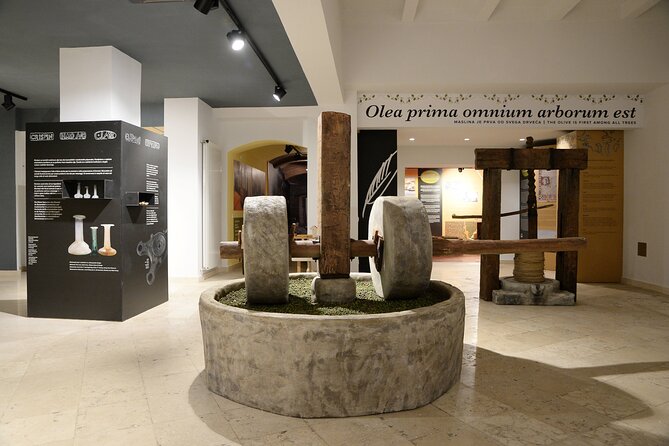
The films and displays create a useful bridge between history and the bottle on your table. You see that olive oil production has changed, but the basic task remains the same: extract oil from olives while protecting its flavor and freshness.
The experience does not appear to focus on a working olive grove or a full production facility. Instead, it gives you a compact museum setting and then moves quickly to the part most people remember, the tasting. That is good news if your schedule is tight, though you should choose a farm visit instead if you want to see harvesting or milling in person.
The guide helps explain how processing affects the final oil. This is where the visit becomes more than a history stop. You begin to connect production choices with aroma, taste, and defects.
The museum section is informative, but the presentation may feel more traditional than interactive. I would treat it as a short introduction rather than the main event. The tasting carries most of the practical value.
Learning to judge extra virgin olive oil
In the tasting room, the guide leads you through sensory analysis of several Istrian olive oils. You examine their positive and negative attributes and learn how to recognize a good oil from a poor one.
That distinction is important. Many people use extra virgin as if it simply means expensive or premium. Here, you get an explanation of what quality should taste and smell like, and why some oils fail to live up to the label.
The comparison with a supermarket oil is one of the strongest parts of the session. It gives you a familiar reference instead of asking you to judge several expensive oils in isolation. You can notice how aroma, balance, freshness, and unpleasant notes differ across the samples.
I like this approach because it respects your future shopping decisions. You leave with a better chance of reading a label, choosing a bottle, and spotting an oil that does not taste as it should. The guide answers questions during the tasting, so you can ask about anything that confuses you.
The session is not just about saying that one oil is better. You learn the language of tasting and the reasons behind the differences. That makes the information easier to use after you return home.
More Guided Tours in Croatia:
- Buje: Authentic Istrian family farm, guided walk, foods & wine
★ 5.0 · 37 reviews - Pula: House of Istrian Olive Oil Museum and Guided Tasting
★ 4.9 · 35 reviews - Guided tour and olive oil tasting in Alhaurin el Grande (Málaga)
★ 5.0 · 200 reviews - Guided Tasting Tour in 16th century House and Olive Oil Factory
★ 5.0 · 169 reviews
Polyphenols and the health side of the tasting
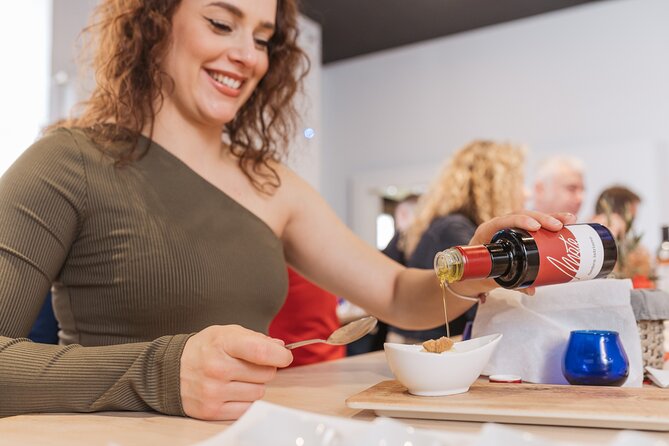
The guide also explains polyphenols and their importance to health. This adds a useful scientific note, but the experience remains centered on tasting rather than medical advice.
You should see this section as an introduction to one reason people value high-quality extra virgin olive oil. The tour connects the subject to food and daily use, instead of presenting a list of health claims without context.
The explanation can help you understand why production and storage matter. Oil is not a product that improves simply because it has a high price. How it is made and preserved affects what reaches your plate.
Still, the tasting is not a health seminar. If you are mainly interested in nutrition, this will be only one part of the visit. If you want to understand the connection between taste, quality, and polyphenols, it adds useful depth to the hour.
The surprise dessert with extra virgin olive oil
The final tasting is a sweet pairing. A surprise dessert is served with high-quality extra virgin olive oil, showing you a use that many people do not expect.
This is a small but memorable finish. Most people think of olive oil with bread, vegetables, fish, or pasta. Putting it with something sweet makes you pay closer attention to texture and flavor.
The dessert also gives the guide a chance to show that extra virgin olive oil does not need to stay in the background. A good oil can be part of the flavor itself. The pairing may not change how you cook every meal, but it gives you a fresh way to think about the ingredient.
Because the dessert is a surprise, you should not book this expecting a specific sweet dish. The listed menu includes one surprise dessert, not a full meal. Consider it a final sample, not lunch or dinner.
Group size, timing, and the feel of the visit
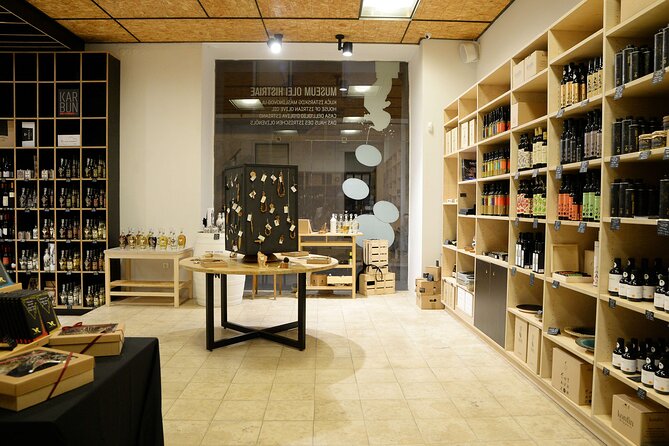
The maximum group size is 20 people. That is not a private tasting, but it is small enough for a guide to explain the oils and respond to questions more easily than on a large bus tour.
The full activity takes about 90 minutes, although the stated duration can vary with your interests and the pace of discussion. Plan for at least an hour and a half if you have another appointment afterward.
I would schedule it as a midmorning or afternoon stop. The opening hours run from 10 a.m. to 6 p.m., Monday through Saturday. Since the activity ends where it begins, it is easy to fit into a walking day around central Pula, provided you allow time to reach Istarska ul. 30.
The location is near public transportation, and most people can take part. Service animals are allowed. No special physical ability is listed as a requirement, but the exhibition layout may not suit anyone looking for a highly interactive museum format.
What the strongest praise tells you
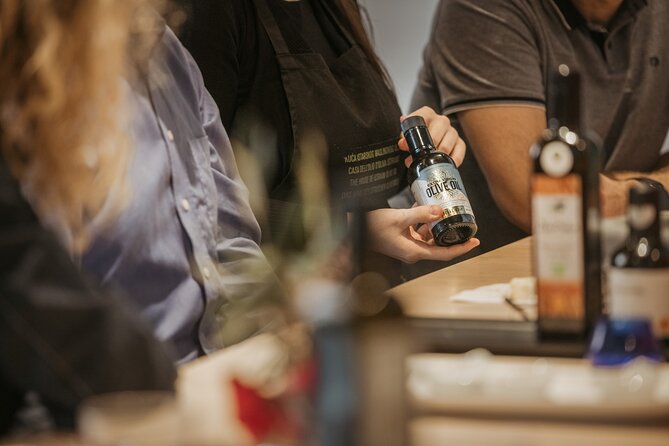
The most consistent strength is the guide’s role in the tasting. A clean, friendly setting helps, but the experience depends on someone who can explain unfamiliar flavors in plain language and respond to questions.
The guide is especially effective when comparing oils and explaining what extra virgin really means. That practical lesson is the reason I would choose this activity over an unstructured tasting at a shop.
The museum also earns credit for giving the tasting a local and historical frame. It is small, but it covers Roman production, export, traditional processing, and modern methods before you sit down with the samples.
Access is another plus. The meeting point is easy to identify, public transportation is nearby, and the session finishes at the starting point. You do not need to arrange a separate ride to an olive farm outside Pula.
The one repeated caution is the size and layout of the museum. If you want a large exhibition filled with interactive displays, you may find the first section limited. Go for the guided tasting and local food lesson, and you will have the right expectations.
Is $36.04 a fair price?

At $36.04, the price is reasonable if you value explanation as much as food. You receive a museum visit, two short films, a guided sensory session, multiple olive oil samples, a supermarket comparison, a health-focused explanation, and a dessert pairing.
It is less attractive if you only want a quick taste. You could buy olive oil in a shop for much less, but that would not teach you how to identify defects or understand the difference between everyday oil and high-quality extra virgin oil.
The value also depends on how much you participate. The guide can adjust the time to your questions and interests, so a curious eater may get more from the session than someone who simply wants to sample and leave.
I see it as good value for food-focused visitors, couples, and small groups who want a compact cultural activity. It is also a useful rainy-day option because the core program takes place indoors.
Who should book this experience?
I would recommend it to you if you fit one or more of these descriptions:
- You enjoy local food but want context, not just samples.
- You are unsure what extra virgin olive oil should taste like.
- You want an indoor activity that lasts about 90 minutes.
- You are interested in Roman Istria and local production methods.
- You like asking questions during a tasting.
- You want a souvenir bottle but would prefer to understand quality first.
Families may enjoy the short films and dessert, though the sensory analysis is aimed more at adults and older children who can focus on flavor. People with limited time in Pula will appreciate the compact schedule.
I would skip it if your main goal is a full meal, a visit to an active olive farm, or a large museum with extensive interactive exhibits. The House of Istrian Olive Oil is a focused stop, not an all-day attraction.
Free cancellation is available if you cancel at least 24 hours before the start time. Changes or cancellations made later are not accepted for a refund, so keep that deadline in mind when planning your Pula schedule.
Should you book the Pula olive oil tasting?
Book it if you want to understand what you are tasting. The Roman exhibit and short films provide a useful beginning, but the real payoff comes when the guide places premium Istrian oil beside supermarket oil and teaches you how to notice the difference.
The small museum and somewhat unusual layout are fair reasons to lower your expectations for the exhibition itself. They are not strong reasons to reject the activity if food culture, practical knowledge, and a friendly guided tasting appeal to you.
At about $36.04, this is a worthwhile Pula stop for anyone who plans to eat well in Istria and wants to make better choices at the market afterward. Reserve ahead if possible, especially during a short visit, and arrive ready to taste carefully rather than rush through the samples.
FAQ
Where does the olive oil tasting begin?
The experience begins at the House of Istrian Olive Oil, Istarska ul. 30, 52100 Pula, Croatia.
Where does the activity end?
The activity ends back at the meeting point at the House of Istrian Olive Oil.
How long does the experience last?
It lasts about one to one and a half hours. The exact length can depend on your interests and the amount of discussion during the tasting.
What language is the tour offered in?
The experience is offered in English.
How many people can join the tour?
The maximum group size is 20 participants.
What food is included?
Olive oil tasting and snacks are included, along with a surprise dessert paired with high-quality extra virgin olive oil.
When is the House of Istrian Olive Oil open for this experience?
The listed opening hours are Monday through Saturday from 10 a.m. to 6 p.m., during the operating period from March 30, 2022, through January 21, 2027.
Just added around Croatia
- Zadar, Šibenik: olive oil, wine & food tasting, Self Drive★ 4.7 · 9 reviews
- Olive Oil Tour of Solta Island with Lunch★ 5.0 · 4 reviews
- Private tour of Brač island with olive oil tasting★ 5.0 · 2 reviews
- Wine, Honey & Olive Oil of Solta Island – Tasting Tour★ 5.0 · 4 reviews
- Makarska Tuk Tuk Tour Olive Grove, Scenic Views and Tastings★ 5.0 · 3 reviews
- Small-Group Olive Oil Tour in Cres with Tasting★ 5.0 · 2 reviews
- Private Hvar Island Tour and Olive Oil Tasting★ 4.5 · 10 reviews
- Poreč: Olive Grove Walk and Tasting with Local Products★ 5.0 · 5 reviews
Historical Tours, compared.

Zeus Cave & Knossos History, Villages & Olive Oil
Read our review →
Zadar Olive Oil & Wine with Dalmatian Views & History
Read our review →
Šibenik: Croatia in a Day, Vistas, History, Olive Oil, Wine
Read our review →
Classical guitar concert in a historic olive press
Read our review →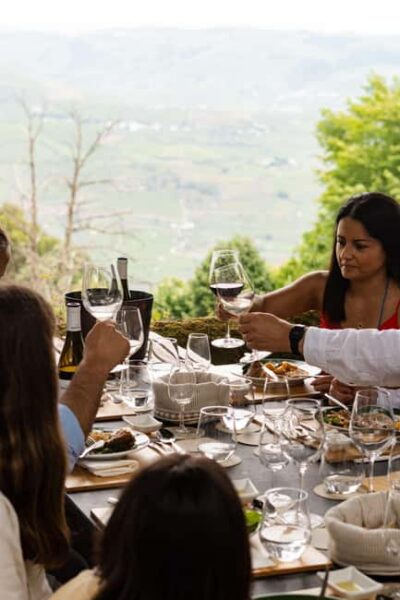
Douro Valley: A Sensory Experience in the Douro: Wines, Olive Oil, and History
Read our review →
Olive Oil Tasting & Historic Olive Mill Tour in Ragusa area
Read our review →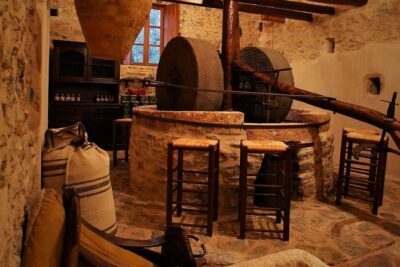
Private Tour in Historic Estate in Monemvasia with wine-olive oil tasting & meal
Read our review →
Historical Évora – PRIVATE Full Day Tour – Cork, Wine and Olive Oil Haven
Read our review →Browse the lists this tour appears in