
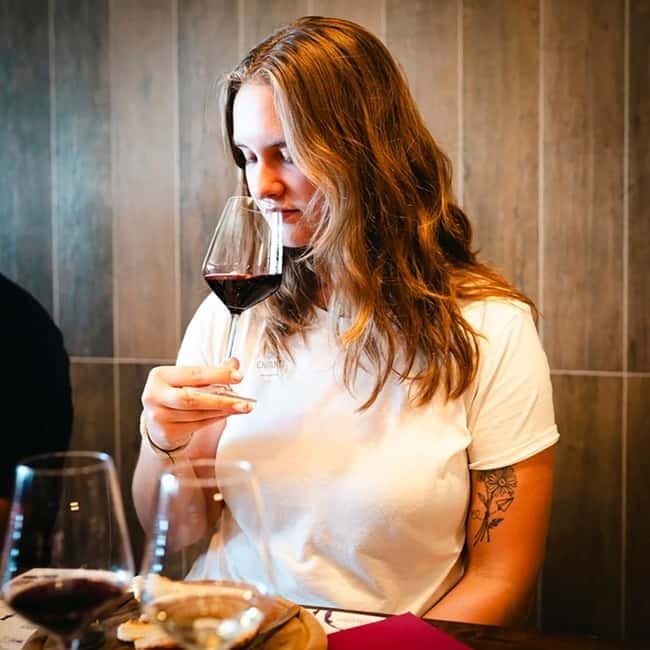
REVIEW · CHIANTI & TUSCAN
Chianti: Premium Wine, Olive Oil and Vinegar Tasting
The most appealing part of this Chianti tasting is its broad taste of Tuscany in a short sitting. You sample six wines, three olive oils, two vinegars, and a generous plate of local food, all at the Poggio ai Laghi estate. The red lineup includes Chianti Riserva, Chianti Classico, a Supertuscan, and a Toscana Rosso, so you get a useful sense of how Tuscan wines can differ.
I like the private setting and the way the tasting connects wine with food, oil, and vinegar rather than treating each bottle as a separate product. I also like the wine expert’s focus on both the craft and the history of winemaking. The main consideration is simple: this is a tasting, not a tour of the estate, vineyard, or winery.
Key points to know
- Six wines in 90 minutes: Taste two sparkling wines and four reds, including Chianti Riserva DOCG and Chianti Classico.
- Food is part of the experience: Salami, finocchiona, Tuscan prosciutto, pecorino, bruschetta, and toasted bread with olive oil accompany the pours.
- The oils deserve attention: Sample plain extra virgin olive oil, white truffle oil, and chili pepper oil.
- Vinegar adds a useful comparison: Taste aged Modena balsamic and Tuscan onion balsamic vinegar.
- This is not a vineyard visit: The wine expert explains production from grape to bottle, but an estate, vineyard, and winery tour is not included.
- Useful practical setup: The experience lasts 1.5 hours, costs $36 per person, is wheelchair accessible, and offers hosts or greeters in English, French, Spanish, and German.
Six wines that show the range of Chianti
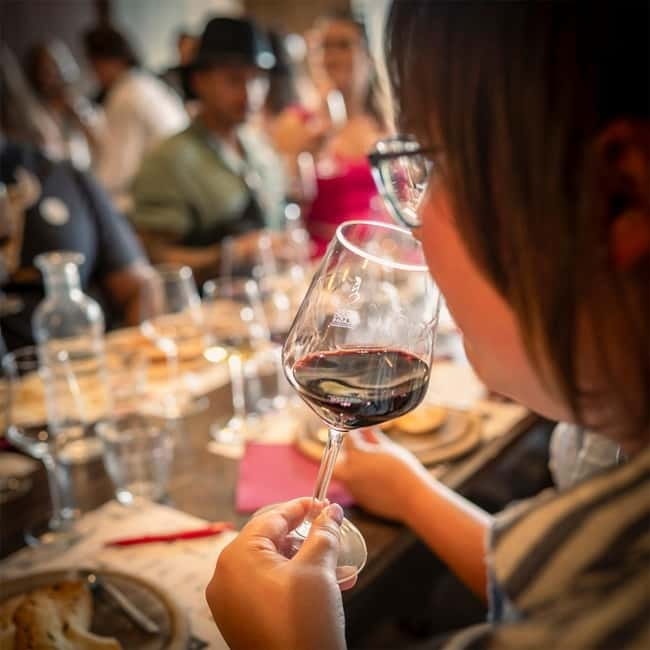
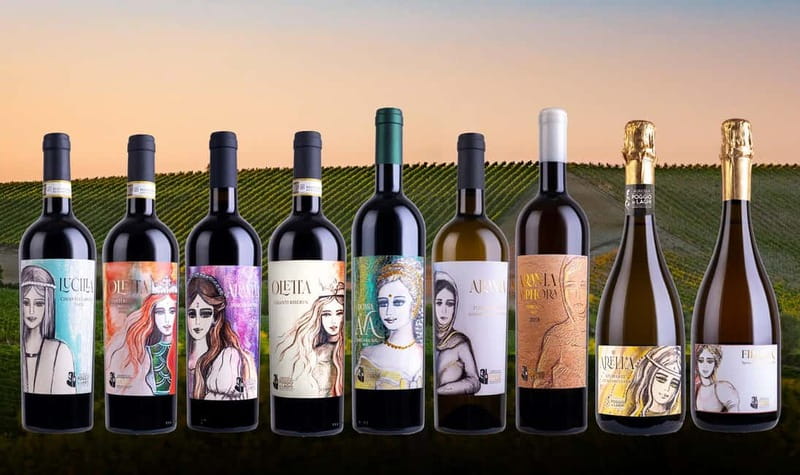
This tasting opens with two sparkling wines: Arella, a Spumante Cuvèe Extra Dry, and Firmina, a Spumante Rosé Extra Dry. They give you a light start before the tasting moves into the fuller red wines.
The red lineup is where the experience becomes most useful for someone trying to understand Tuscan wine. Oletta is a Chianti Riserva DOCG, a designation tied to the Chianti appellation and an extended aging standard. Lucilla is a Chianti Classico, another important name for wine from the historic central Chianti zone.
You also taste Aranda, a Supertuscan IGT, and Donna Ava, a Toscana Rosso. These labels give the wine expert room to explain how Tuscan producers work beyond the best-known Chianti categories. You do not need to know the regulations before arriving. The point is to taste the wines side by side and hear how grape choices, aging, and production methods affect the final bottle.
I appreciate this lineup because it avoids making the tasting only about one style of red wine. You get sparkling wine, rosé sparkling wine, structured reds, and broader Toscana classifications. That range gives beginners an easier way to find a favorite, while experienced wine drinkers can compare the estate’s different approaches.
The experience does not list exact pour sizes, so you should expect a guided tasting rather than full glasses of every bottle. In 90 minutes, six wines plus oils, vinegars, and food make for a busy session. Take your time with the explanations and avoid treating it as a race through the list.
More Chianti and Tuscan Olive Oil Tours in Italy:
- Tuscany Bike Tour with Wine, Oil and Food in the Florentine Hills
★ 5.0 · 209 reviews - Florence: Tuscany Bike Tour with Wine & Olive Oil
★ 4.9 · 174 reviews - Florence: Great Chianti Wine and Olive Oil Trail with Lunch
★ 4.8 · 160 reviews
Tuscan food makes the wine easier to understand
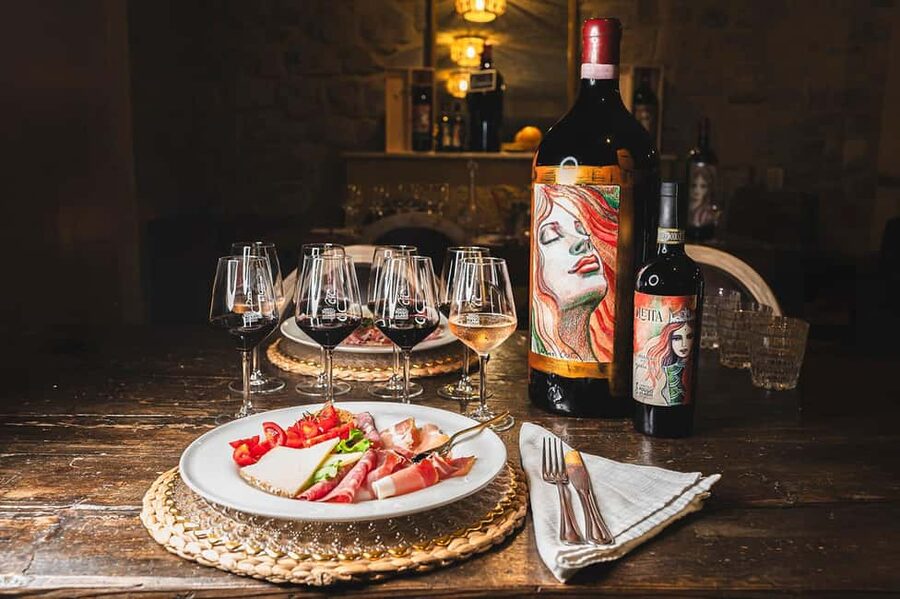
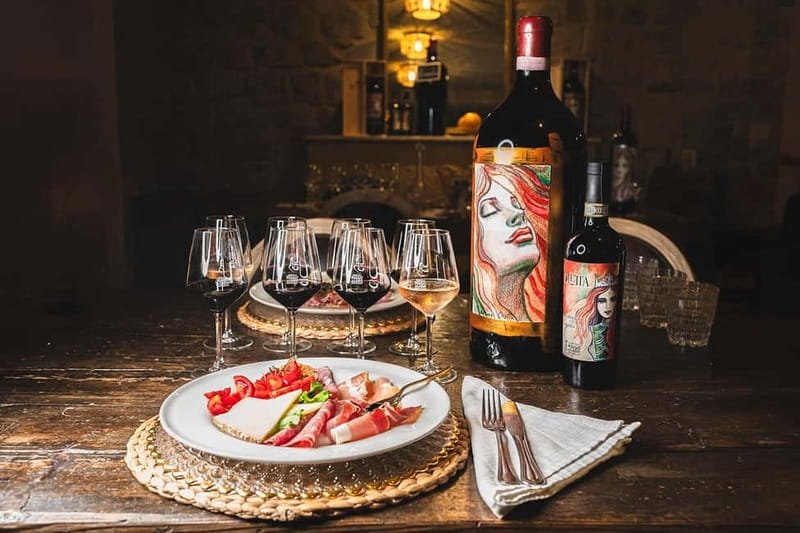
The food is not a token snack. You are served salame toscano, finocchiona, Tuscan prosciutto crudo, pecorino, bruschetta with fresh tomato and basil, and toasted bread with extra virgin olive oil.
That matters because wine can taste different alongside salty cured meat, firm sheep’s cheese, tomato, and oil. The food also keeps the tasting from feeling like a string of empty pours. I would pay attention to how the same wine changes with salami or pecorino, then try it again with bruschetta.
Finocchiona is especially useful for a Tuscan food comparison. It is a fennel-seasoned salami, so it brings a distinct herbal note to the plate. The pecorino adds a firmer, savory bite, while the tomato and basil bruschetta keeps the selection fresh and simple.
The toasted bread with olive oil provides the natural bridge to the next part of the tasting. Use it to compare the plain extra virgin olive oil with the flavored versions. The plate is also practical for anyone who prefers food with wine. This is not a tasting built around wine alone.
Three olive oils, from classic to flavored
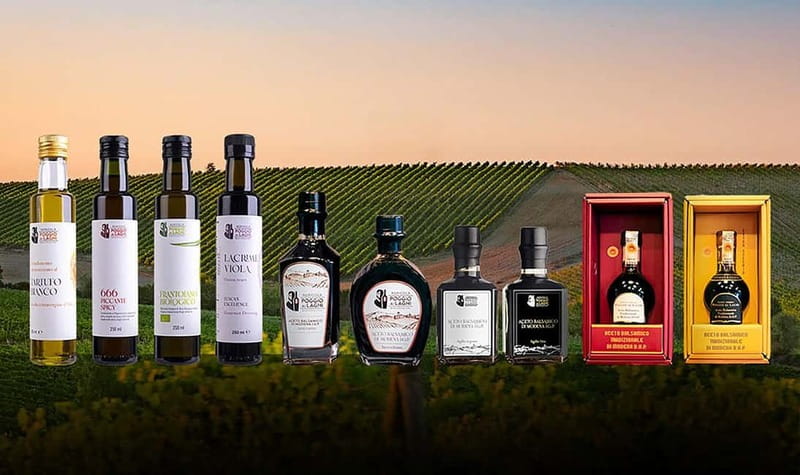
The olive oil portion includes extra virgin olive oil, white truffle extra virgin olive oil, and chili pepper extra virgin olive oil.
Start with the plain oil if you can. It gives you a reference point for the aroma, texture, and finish of the flavored oils. Then compare the white truffle version, which brings a more pronounced savory character, with the chili pepper oil, which adds heat.
The value here is not just sampling three bottles. It is learning how flavoring changes an ingredient you may already use at home. The plain oil belongs naturally with toasted bread and bruschetta. The truffle oil is likely to appeal to you if you enjoy earthy, savory flavors, while the chili oil offers a sharper finish.
You should also remember that the oils are part of a commercial tasting experience. The activity gives you a chance to sample them and understand their style, but it does not promise an olive grove visit or a detailed agricultural lesson. If your main goal is to walk among olive trees or learn about pressing, this is not the right format.
A useful side-by-side look at Tuscan and Modena vinegar
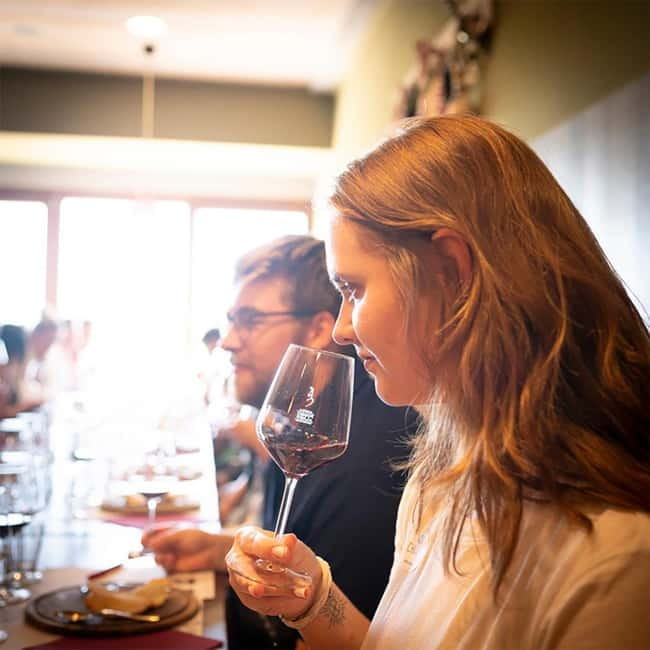
The vinegar tasting includes Aceto Balsamico di Modena IGP Gold and Lacrime Viola Balsamic Onion Vinegar, described as a Tuscan excellence.
The Modena balsamic offers a familiar point of reference. The onion vinegar gives you something less expected, with the sweetness and acidity of balsamic paired with onion flavor. Try both with the food rather than tasting them only from a spoon. A small amount can change the character of cheese, cured meat, or bruschetta.
This part makes the experience more than a standard wine flight. Many visitors know balsamic vinegar as a dark dressing, but a tasting shows how differences in aging, ingredients, and flavoring affect its use at the table.
The word aged appears in the experience description, and the Modena product is identified as IGP Gold. Still, the supplied details do not specify exact aging times or production methods for each vinegar. If those points matter to you, ask the wine expert during the session rather than assuming the labels tell the whole story.
More Balsamic Vinegar Tastings in Italy:
- Balsamic Vinegar, Olive oil and Organic Winery Tour in Assisi with tasting
★ 5.0 · 66 reviews - Assisi: Organic Balsamic Vinegar, Olive Oil & Wine Tour
★ 4.9 · 45 reviews - Amazing Lunch in organic Farm with Balsamic Vinegar Olive Oil truffle and Wine tasting Experience in Tuscany
★ 3.0 · 3 reviews - Texas Hill Country Olive Oil and Balsamic Vinegar Tasting
★ 5.0 · 21 reviews
The wine expert adds art and history
A wine expert guides the tasting from grape to bottle. The aim is to explain both the science and the art behind the wines, with context about Tuscan winemaking history.
That guidance is important at a tasting with this many products. Without an explanation, six wines and five oils or vinegars can blur together. The expert gives you a way to organize what you are tasting and helps connect each item to the food on the table.
The experience promises attention and explanation, and the available feedback gives that aspect strong emphasis. The facilities are also described as very good. That combination matters if you are looking for a polished indoor tasting rather than a quick stop at a crowded counter.
Language support is listed in English, French, Spanish, and German. One French-speaking visitor found that no French-speaking person was available at the time, but the team made a strong effort to explain the products and help with the tasting. I would treat that as a practical reminder: language support is advertised, but the exact host available can vary.
No individual guide names are provided, so you should not book expecting a particular person. The quality of the session depends on the wine expert assigned to your time slot.
What the 90-minute schedule feels like
The duration is 1.5 hours. That is long enough for a guided tasting with food, but not long enough for a slow restaurant-style meal or a broad estate visit.
A likely rhythm is sparkling wine first, followed by the four red wines, with the oils and vinegars introduced alongside the Tuscan appetizers. The stated details do not provide a precise minute-by-minute schedule, so the exact order may vary.
The pace should suit you if you want a focused introduction before another Chianti activity. It may feel quick if you want lengthy discussion of every bottle or detailed production notes for every oil and vinegar. Six wines alone would require attention. Adding food and the other products means you should expect concise explanations rather than a long lecture on each item.
The separate entrance for the tasting helps keep the arrival simple. Pick-up and drop-off are not included, so you need to arrange your own way to the estate. The activity is wheelchair accessible, which is useful when planning with a mixed-mobility group.
What the $36 price includes
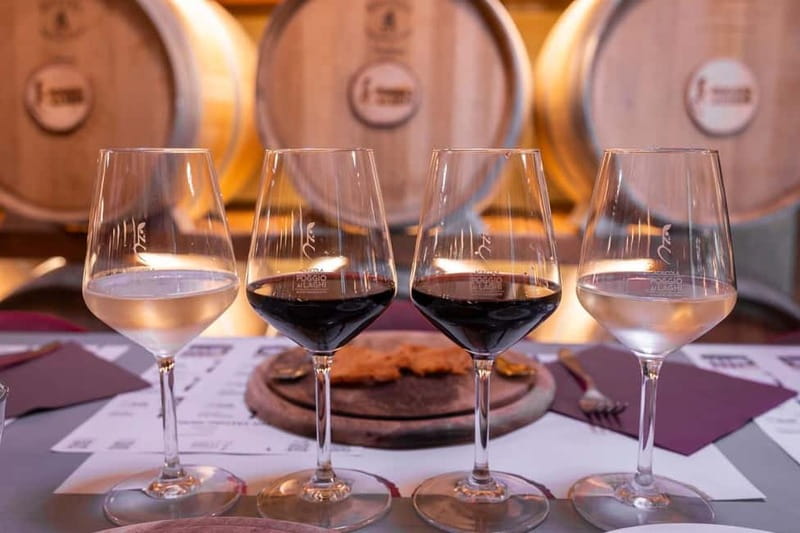
At $36 per person, the price covers a substantial tasting set: six wines, three olive oils, two vinegars, Tuscan appetizers, and guidance from a wine expert.
I see good value here for someone who wants more than a single glass of Chianti. The food alone makes the session more satisfying, and the oils and vinegars give you several products to compare beyond the wine. The private setting also adds a more personal feel than a basic counter tasting.
The value is less clear if you mainly want a vineyard walk, winery machinery, or transportation from your hotel. None of those are included. You are paying for the tasting and the interpretation, not for a full-day Chianti excursion.
You should also think about what you want to take away. If you are hoping to identify one wine you enjoy, this selection gives you several chances. If you want scenic views, vineyard photographs, and a long country drive, spend your money on a larger Chianti tour instead.
Who will get the most from this tasting
This experience suits first-time wine tasters because the food, oils, and vinegars give you familiar flavors to compare. You do not need specialist knowledge to participate. The expert is there to explain how the wines are made and how the products fit into Tuscan food culture.
It also works well for couples and small groups who want a contained activity lasting less than two hours. You can taste a wide range of products without committing to a full day of winery visits.
Wine enthusiasts may appreciate the comparison between Chianti Riserva, Chianti Classico, Supertuscan, and Toscana Rosso. The tasting will be most useful if you ask questions about the differences rather than simply waiting for the next pour.
Families with children may find the food selection helpful, but the listed activity is built around alcoholic wine tasting. The supplied details do not state whether non-alcoholic alternatives are available, so ask before booking if that is important.
A few things to know before you book
The biggest limitation is the missing estate tour. You will be at a Chianti vineyard estate, but the included experience centers on tasting and discussion. Do not assume you will walk through the vineyard, enter production areas, or see the cellar.
Transportation is another key point. Pick-up and drop-off are not included. You need to plan your arrival independently and check the available starting times before committing to the rest of your day.
The tasting offers free cancellation up to 24 hours in advance for a full refund, and you can reserve now while paying later. That flexibility helps if your Chianti plans are still moving around.
The activity has a 4.8 rating from 19 reviews, with especially strong praise for the guide’s attention and explanations, along with the quality of the facilities. One language-related issue appeared when a French-speaking host was not available, though the staff still worked to explain the products. Those details point to a polished experience, with the usual need to confirm language arrangements if that affects your booking.
Should you book the Poggio ai Laghi tasting?
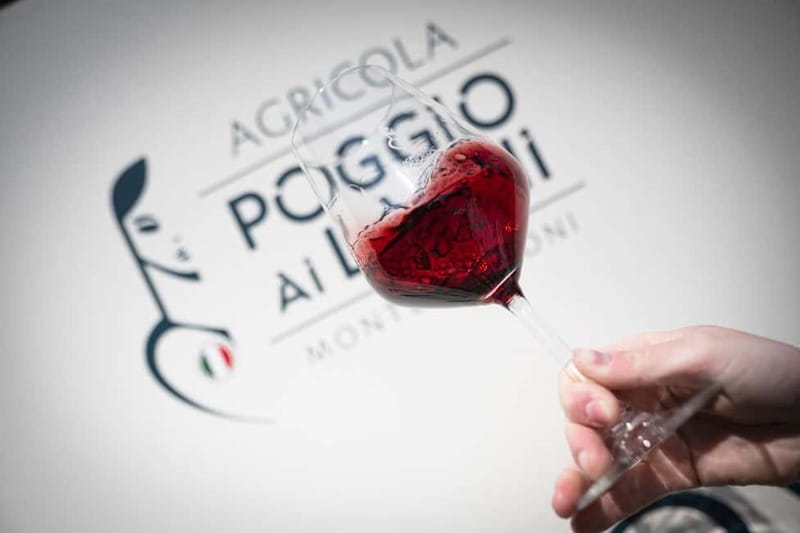
Book it if you want a compact, food-friendly introduction to Tuscan wine, olive oil, and vinegar. The combination of six wines, cured meats, pecorino, bruschetta, flavored oils, and balsamic products gives you plenty to taste for $36.
Skip it if your priority is a vineyard walk, a winery production visit, hotel transportation, or a long countryside excursion. For everyone else, this is a practical way to sample a broad range of Chianti products without giving up an entire day. Bring an appetite, ask questions, and treat the 90 minutes as a guided tasting rather than a full estate tour.
FAQ
Where does the tasting take place?
It takes place at the Poggio ai Laghi winery estate in the Chianti region of Tuscany.
How long does the experience last?
The tasting lasts 1.5 hours. Starting times vary, so check availability when booking.
How much does it cost?
The listed price is $36 per person.
Which wines are included?
You taste two sparkling wines, Arella Spumante Cuvèe Extra Dry and Firmina Spumante Rosé Extra Dry, plus four red wines: Oletta Chianti Riserva DOCG, Aranda Supertuscan IGT, Donna Ava Toscana Rosso, and Lucilla Chianti Classico.
Which olive oils are included?
The tasting includes extra virgin olive oil, white truffle extra virgin olive oil, and chili pepper extra virgin olive oil.
Which vinegars are included?
You taste Aceto Balsamico di Modena IGP Gold and Lacrime Viola Balsamic Onion Vinegar.
What food is served?
The appetizers include Tuscan salami, finocchiona, Tuscan prosciutto crudo, pecorino, bruschetta with fresh tomato and basil, and toasted bread with extra virgin olive oil.
Is a vineyard or winery tour included?
No. The estate, vineyard, and winery tour are not included. The wine expert explains winemaking from grape to bottle during the tasting.
Is the activity wheelchair accessible?
Yes, the activity is listed as wheelchair accessible. Hosts or greeters are available in English, French, Spanish, and German.
More Olive Oil and Wine Tours in Italy
- Sorrento Farm and Food Experience including Olive Oil, Limoncello, Wine tasting
★ 5.0 · 2,524 reviews - Sorrento: Lemon, Olive Oil and Wine Tasting Tour with Lunch
★ 5.0 · 300 reviews - Alghero: Wine and Olive Oil Tasting at a Local Farm
★ 4.8 · 294 reviews - Balestrate: Olive Grove Tour with Wines & Olive Oil Tasting
★ 5.0 · 241 reviews
Just added around Italy
- Vernazza (5 Terre): olive grove tour and oil and wine tasting★ 5.0 · 9 reviews
- Trevi: Guided tour and tasting at Frantoio Gaudenzi★ 5.0 · 3 reviews
- Trieste’s Essence: Wine and Olive Oil Tasting★ 5.0 · 3 reviews
- Umbria: E-Bike Rental and Fresh EV Olive Oil Tasting★ 5.0 · 4 reviews
- Valpolicella Wine and Olive Oil Tasting with Lunch from Verona★ 5.0 · 2 reviews
- Half-Day Chianti Wine and Olive Oil Tour from Viareggio★ 4.0 · 5 reviews
- Umbria: Guided tour to Traditional Olive Oil Mill and Tasting★ 5.0 · 2 reviews
- From Venice: Olive Oil & Wine Tour in the Venetian Hills★ 5.0 · 9 reviews
Chianti & Tuscan Olive Oil Tours, compared.
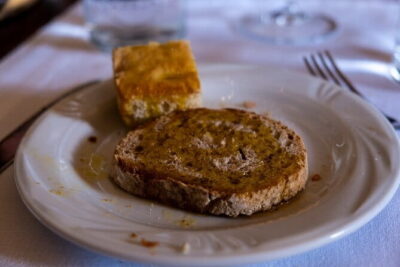
Tuscany Bike Tour with Wine, Oil and Food in the Florentine Hills
Read our review →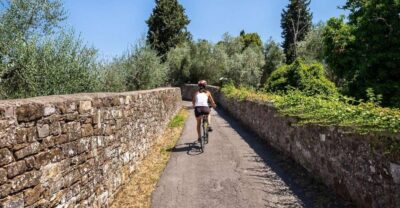
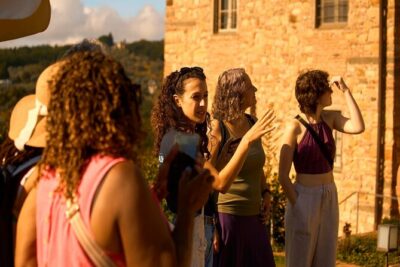
Great Chianti Wine and Olive Oil Trail with Lunch
Read our review →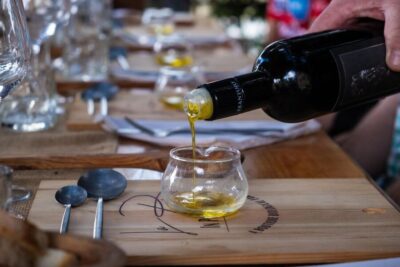
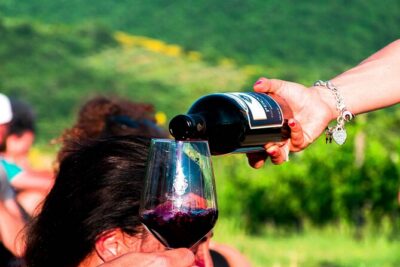
Tour through the vineyards and wine and olive oil tasting in Tuscany
Read our review →
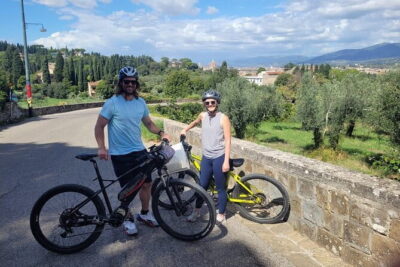
E-bike 2.5 hour Florence & Tuscany With Fresh Olive Oil and Bread
Read our review →
Chianti: Wine and Olive Oil Tasting with Cellar Tour
Read our review →Browse the lists this tour appears in