
REVIEW · CHIANTI & TUSCAN
Chianti: Wine and Olive Oil Tasting with Cellar Tour
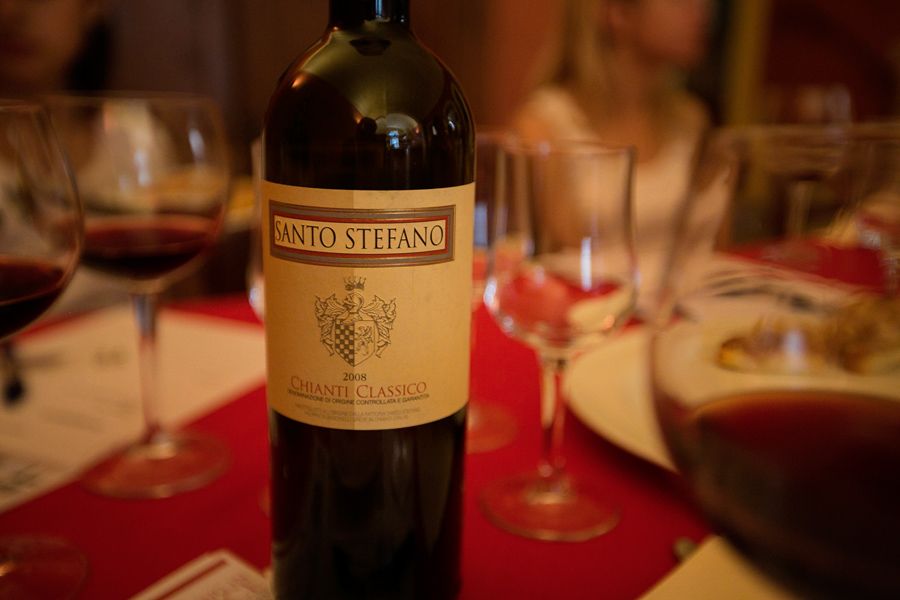
Chianti wine is not made only in polished tasting rooms. At Fattoria Santo Stefano, you see the practical side of Tuscan production, from stainless steel and cement fermentation tanks to old oak barrels and the farmhouse’s olive oil storehouse. The tour is short, focused, and rooted in the place itself.
I like the 18th-century cellar, where Chianti rests in French oak for six months, and the generous tasting of wine, olive oil, and local food. The main limitation is the one-hour length. You get a clear introduction, not a long estate visit or a full lesson in Tuscan winemaking.
Key points to know before you go
- The tour begins at Fattoria Santo Stefano, at Via Collegalle 3 near Greve in Chianti, and ends there.
- The old cellar dates from the 18th century, with French oak barrels for Chianti and smaller casks for Vinsanto.
- You see both wine and olive oil production, including fermentation tanks and the estate’s Orciaia.
- The tasting includes local wines, extra-virgin olive oil, and food, not wine alone.
- The experience lasts one hour, making it easy to fit into a day of driving around Chianti.
- Transportation is not included, but it can be booked as an add-on.
A one-hour introduction to working Chianti
This experience suits you if you want a compact look at Tuscan food and wine without committing to a half-day winery program. The farmhouse sits in the countryside around Greve in Chianti, one of the best-known wine areas in Tuscany, and the visit keeps its attention on the estate’s own cellars and products.
The setting matters. You are not simply handed a glass and told a few tasting notes. You begin with the farmhouse grounds and its story, then move through the rooms where wine and olive oil are produced and stored. That gives the tasting some useful context.
The tour is listed at $39.86 per person. I consider that a fair price if you value a short guided visit plus wine, olive oil, and food. A simple tasting may cost less, while a longer winery tour may provide more technical detail. Here, you are paying for the combination of a historic building, production areas, and a seated tasting in one compact visit.
The one-hour format is both a strength and a constraint. You can add it to a day in Greve or a drive through the Chianti countryside without giving up half your schedule. On the other hand, you should not expect a slow, extensive tasting or a long walk around the estate.
More Chianti and Tuscan Olive Oil Tours in Italy:
- Tuscany Bike Tour with Wine, Oil and Food in the Florentine Hills
★ 5.0 · 209 reviews - Florence: Tuscany Bike Tour with Wine & Olive Oil
★ 4.9 · 174 reviews - Florence: Great Chianti Wine and Olive Oil Trail with Lunch
★ 4.8 · 160 reviews
Starting at Fattoria Santo Stefano near Greve
Your meeting point is Fattoria Santo Stefano, Via Collegalle 3, 50022 Greve in Chianti. You need to arrange your own way there unless you book the optional transportation add-on. That makes this activity easiest for visitors with a rental car or a broader Tuscany itinerary.
The visit starts with an introduction to the farmhouse grounds and the building’s past. You learn how the property was built and how local food and wine production fit into life on the estate.
I like this opening because it gives the place a human scale. You begin with a farmhouse, not an anonymous commercial cellar. The experience is family-run in feel, and the setting has the rustic character many people hope to find in Chianti.
Wear comfortable shoes. The tour includes movement around the property and the cellars, and the surfaces may not feel like a modern museum floor. Practical shoes will help you enjoy the visit instead of thinking about your feet.
Seeing the large cellar and fermentation tanks
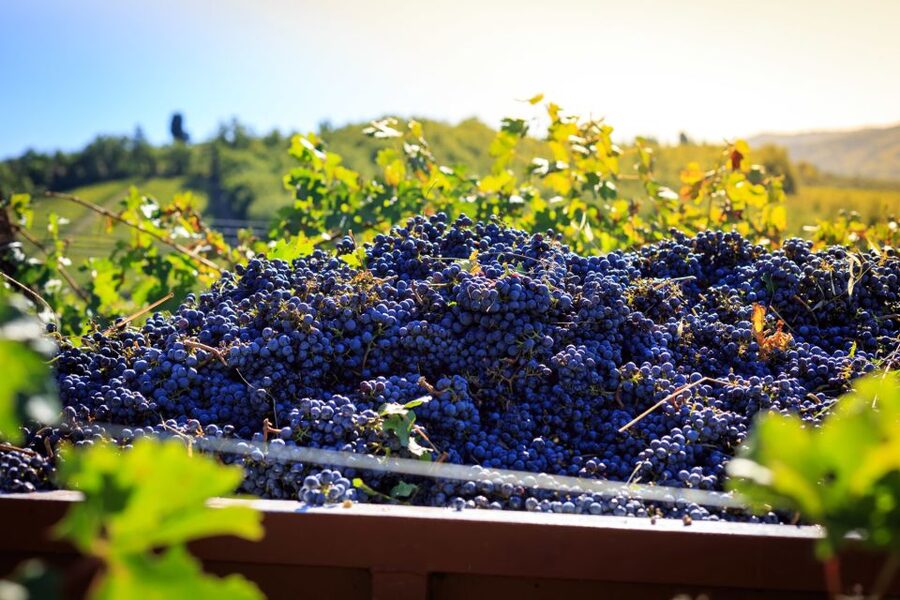
The first major production area is the large wine cellar. Here, stainless steel and cement tanks are used for fermentation. This is the part of the visit that explains how freshly harvested grapes become young wine before aging begins.
The stainless steel tanks give producers control and a clean environment for fermentation. The cement tanks add another traditional material to the picture. Even if you know little about winemaking, the sequence is easy to follow: grapes ferment first, then the wine moves to barrels for further development.
This stop is useful because it shows the working side of the estate. You can see that Chianti production involves more than old barrels and stone walls. Modern tanks and older methods share the same farmhouse.
The tour does not appear designed as a technical class, so you should expect a clear explanation rather than detailed chemistry or an extended discussion of grape varieties. If you are new to wine, that is probably a benefit. You get enough information to understand the process without being buried in specialist terms.
Entering the 18th-century cellar
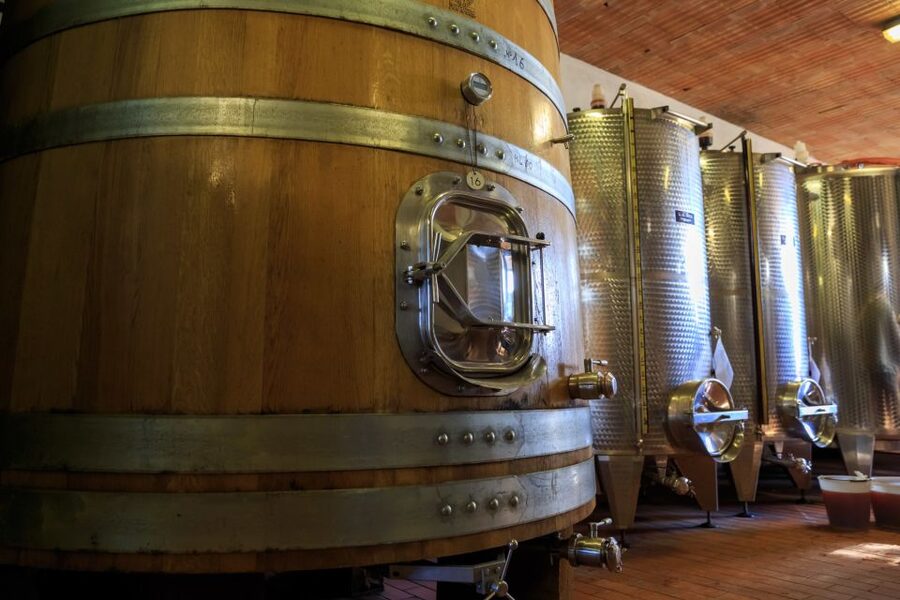
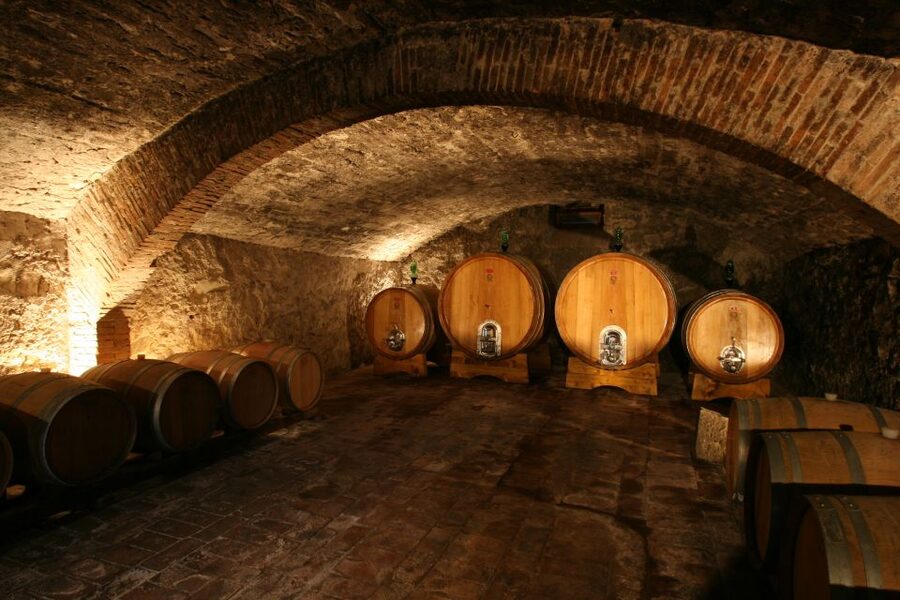
The most atmospheric part of the visit is the small cellar dating from the 18th century. Large French oak barrels hold the wine after fermentation, and the Chianti remains there for six months as it develops its flavor and character.
This is where the visit gains a sense of time. The large modern tanks explain production, while the old cellar shows the patient stage that follows. You can see the contrast between a practical farmhouse room and the careful aging process that helps shape the finished wine.
The barrel detail is worth noting. The wine is not moved into oak for a quick photo opportunity. It remains there for a set period of six months. That makes the cellar part of the wine’s life, not just a decorative stop.
The room is small and rustic, which is part of its appeal. It may not offer the grand scale of a major estate, but that is also the point. You are looking at a modest working cellar with an old foundation and a direct connection to the farmhouse.
More Olive Oil Tastings in Italy:
- Olive oil tasting in Sorrento
★ 5.0 · 434 reviews - Alghero: Wine and Olive Oil Tasting at a Local Farm
★ 4.8 · 294 reviews - Ostuni: Masseria tour among thousand-year-old olive trees with oil tasting
★ 4.8 · 261 reviews - Balestrate: Olive Grove Tour with Wines & Olive Oil Tasting
★ 5.0 · 241 reviews
Learning about Vinsanto in small casks
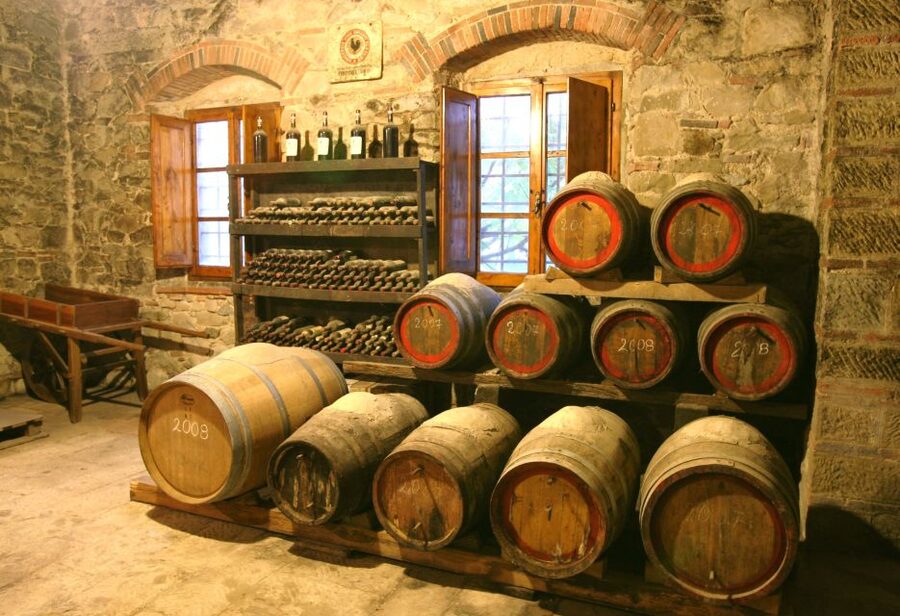
Inside the same old cellar, you also see the smaller barrels used to make Vinsanto. This is a Tuscan dessert wine with an amber color, and it gives the tour another local specialty beyond Chianti.
Vinsanto helps show the range of the estate’s production. You are not tasting only the region’s best-known red wine. You also get a glimpse of a traditional dessert wine made in a different style and stored in smaller casks.
The description of this part is brief, so the exact tasting selection can vary. Still, seeing the Vinsanto barrels adds depth to the cellar visit. It reminds you that Tuscan farmhouse production often includes several wines suited to different moments at the table.
If you enjoy sweet wines, this is a detail to pay attention to during the tasting. If you prefer dry reds, it is still worth seeing because it explains another piece of local wine culture.
Visiting the Orciaia olive oil room
After the wine cellars, the tour turns to olive oil. You visit the farmhouse’s Orciaia, where extra-virgin olive oil is stored directly after the olives are harvested and pressed.
This stop keeps the experience from becoming a wine-only outing. Olive oil is central to Tuscan cooking, and tasting it alongside local food gives you a better feel for how these products work at the table.
The Orciaia also shows a different kind of storage. Wine changes as it ages in barrels, while olive oil is stocked after pressing and handled as a finished product. Seeing the storage room helps connect the bottle in the tasting shop with the work that came before it.
You should not expect a full olive harvest demonstration. The tour focuses on the storage area and the tasting rather than a long account of olive cultivation. Still, this is a valuable addition, especially if you are choosing between a wine-only visit and a broader Tuscan food experience.
The tasting: Chianti, olive oil, and local food
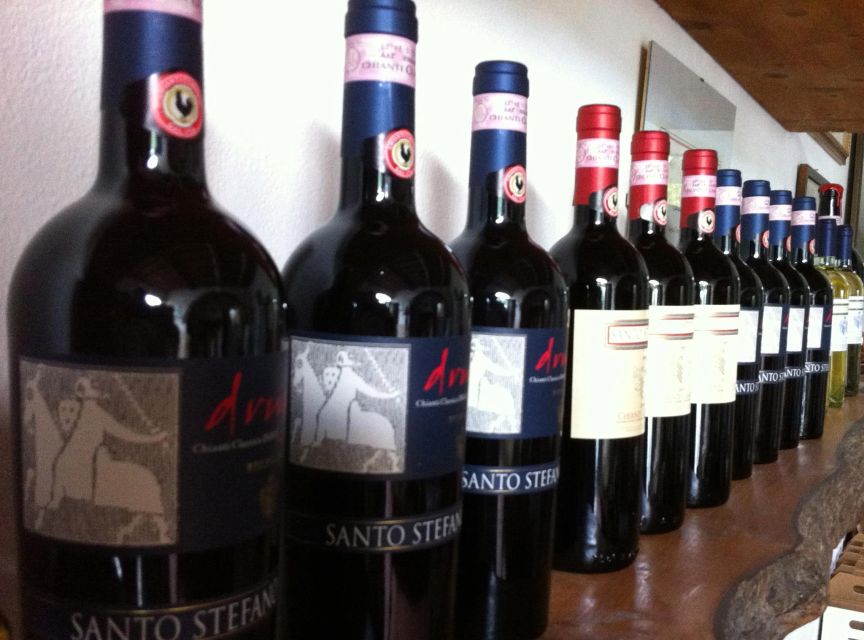
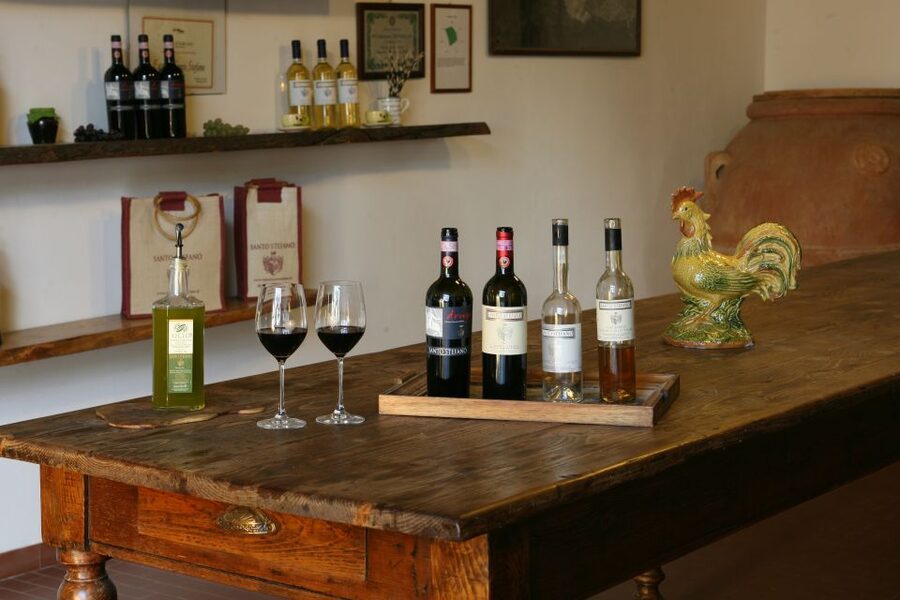
The final part takes place back in the small wine shop. You taste several local wines and extra-virgin olive oil, along with local food.
This is the part that makes the price easier to justify. You are not paying only to look at tanks and barrels. The tasting lets you connect the production rooms with the finished products, and the food gives you something to eat with the wine and oil.
The food appears to be an important part of the welcome. Expect simple local offerings rather than a full meal. The supplied details do not give a fixed menu, so you should not book this as lunch. Think of it as a substantial snack paired with the tasting.
The wine selection can include excellent local varieties, but no exact number or list is provided. That is worth keeping in mind if you are hoping to taste a particular Chianti classification or vintage. The experience promises local wines and olive oil, not a guaranteed bottle-by-bottle lineup.
The tasting is also where the private-group format can help. A private group usually allows the pace and questions to feel more personal than a large bus tour. The group size is not specified, so you should not assume complete exclusivity for a booking of any size. Still, the format is suited to couples, families, or small groups who want a quieter visit.
How the price compares with the time
At $39.86 per person, this is priced as an accessible introduction rather than a luxury wine day. You get a cellar tour, a guide in English or Italian, and a tasting of wine, olive oil, and food.
I would call it good value for three kinds of visitors:
- You have only an hour to spare in Chianti.
- You want a farmhouse setting instead of a large commercial winery.
- You want olive oil and food included alongside wine.
The value is weaker if you want a full estate walk, a long technical tasting, or transportation included in the base price. Since transport costs extra, your real budget may be higher if you are not already driving through the area.
The short duration can also help families or mixed-interest groups. Someone who is curious about wine but not ready for a three-hour program can get a taste of the subject without losing a whole afternoon.
Who will enjoy this most
I would recommend this for first-time visitors to Chianti, couples looking for a relaxed stop, and anyone who wants to connect Tuscan wine with everyday farmhouse production. The mix of wine, olive oil, historic rooms, and local food gives you more variety than a standard tasting at a counter.
It is also a good choice if you are staying at or near the farmhouse area. One person who enjoyed the visit even considered renting a room at the agriturismo for a future stay, which says something about the appeal of the property itself.
Wine enthusiasts may find the tour too brief if they want extensive detail about vintages, soil, grape varieties, or aging methods. The information provided does not promise those subjects in depth. For that kind of visit, look for a longer winery program.
You should also allow time to reach the meeting point. The tour itself takes one hour, but the total outing depends on your transport plan. There is no stated hotel pickup included, so check the transportation add-on if you need help getting there.
Practical details for a smooth visit
Book a starting time that leaves room for your drive. The activity has several possible start times, but you need to check availability for the exact schedule on your date.
Wear comfortable shoes, as requested for the tour. The historic cellar and farmhouse setting are more enjoyable when you are dressed for walking around a working property rather than a formal tasting room.
The guide can conduct the tour in English or Italian. That makes the experience suitable for international visitors, though the individual guide’s name is not provided in the available details.
The tour starts and finishes at Fattoria Santo Stefano. Since you return to the meeting point, you can plan the rest of your day from the same location rather than arranging a separate pickup.
You can cancel up to 24 hours before the scheduled visit for a full refund, and the reserve-now, pay-later option keeps you from paying at the time of booking. Those policies are useful when your Tuscany plans depend on weather, driving time, or a changing schedule.
Should you book this Chianti cellar tour?
Book it if you want a short, personal introduction to Tuscan wine and olive oil in a real farmhouse setting. The 18th-century cellar, French oak barrels, Vinsanto casks, Orciaia, and food tasting give the hour plenty of substance.
Skip it if you want a full-day winery circuit, detailed wine education, or included transportation. The visit is compact, and the tasting lineup is not specified in detail.
For most visitors already exploring Greve in Chianti, I think the balance works well. You get history, production, and something good to eat and drink without giving up an entire day. Just plan your route carefully, wear sensible shoes, and treat it as a focused farmhouse visit rather than a major wine seminar.
FAQ
Where does the Chianti wine and olive oil tour begin?
The tour begins at Fattoria Santo Stefano, Via Collegalle 3, 50022 Greve in Chianti, Tuscany.
Where does the activity end?
The activity ends back at the Fattoria Santo Stefano meeting point.
How long does the tour last?
The tour lasts one hour. Starting times depend on availability for your chosen date.
What languages are available?
The live guide can conduct the tour in English or Italian.
Is transportation included?
Transportation is not included in the listed price. It can be booked as an add-on.
What will I see during the cellar tour?
You will see the large wine cellar with stainless steel and cement fermentation tanks, the 18th-century cellar with French oak barrels, smaller Vinsanto barrels, and the Orciaia used to store extra-virgin olive oil.
What is included in the tasting?
The tasting includes local wines and extra-virgin olive oil, along with local food.
Can I cancel the booking for a refund?
You can cancel up to 24 hours in advance for a full refund. The reserve-now, pay-later option is also available.
More Olive Oil and Wine Tours in Italy
- Sorrento Farm and Food Experience including Olive Oil, Limoncello, Wine tasting
★ 5.0 · 2,524 reviews - Sorrento: Lemon, Olive Oil and Wine Tasting Tour with Lunch
★ 5.0 · 300 reviews - Bardolino: Vineyard Tour with Wine, Olive Oil & Food Tasting
★ 4.6 · 221 reviews - Guided Wine and Olive oil tasting
★ 5.0 · 158 reviews
Just added around Italy
- Vernazza (5 Terre): olive grove tour and oil and wine tasting★ 5.0 · 9 reviews
- Trevi: Guided tour and tasting at Frantoio Gaudenzi★ 5.0 · 3 reviews
- Trieste’s Essence: Wine and Olive Oil Tasting★ 5.0 · 3 reviews
- Umbria: E-Bike Rental and Fresh EV Olive Oil Tasting★ 5.0 · 4 reviews
- Valpolicella Wine and Olive Oil Tasting with Lunch from Verona★ 5.0 · 2 reviews
- Half-Day Chianti Wine and Olive Oil Tour from Viareggio★ 4.0 · 5 reviews
- Umbria: Guided tour to Traditional Olive Oil Mill and Tasting★ 5.0 · 2 reviews
- From Venice: Olive Oil & Wine Tour in the Venetian Hills★ 5.0 · 9 reviews
Chianti & Tuscan Olive Oil Tours, compared.
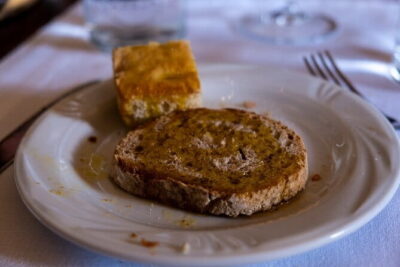
Tuscany Bike Tour with Wine, Oil and Food in the Florentine Hills
Read our review →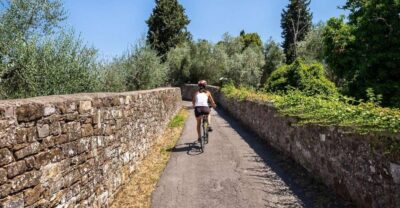
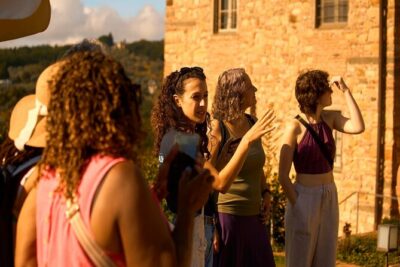
Great Chianti Wine and Olive Oil Trail with Lunch
Read our review →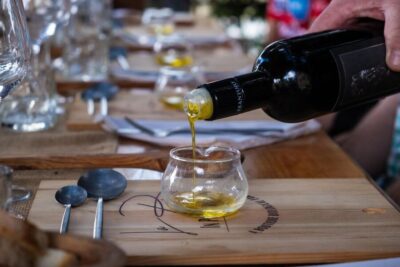
Tour through the vineyards and wine and olive oil tasting in Tuscany
Read our review →
E-bike 2.5 hour Florence & Tuscany With Fresh Olive Oil and Bread
Read our review →
Frantoio di San Gimignano: tour of the oil mill and tasting
Read our review →Browse the lists this tour appears in