
REVIEW · ITALY
Oristano: Olive Tree Grove Guided Visit with Tasting
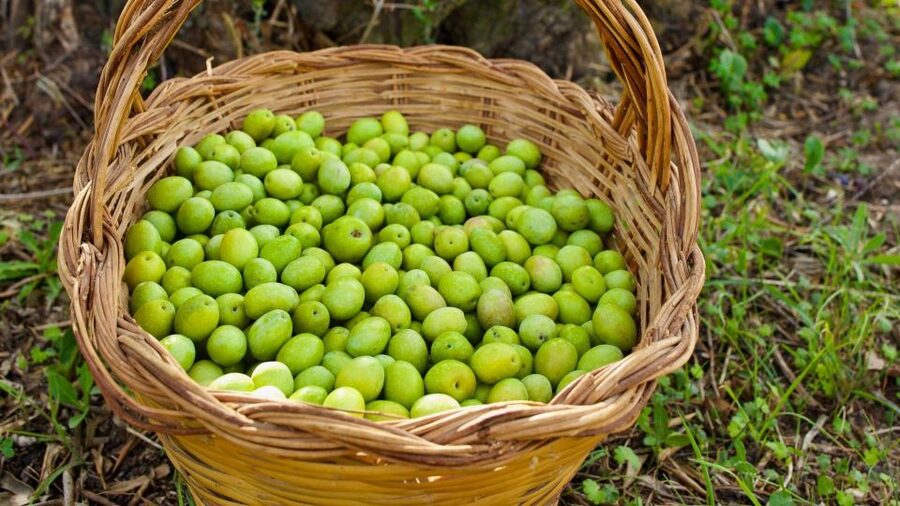
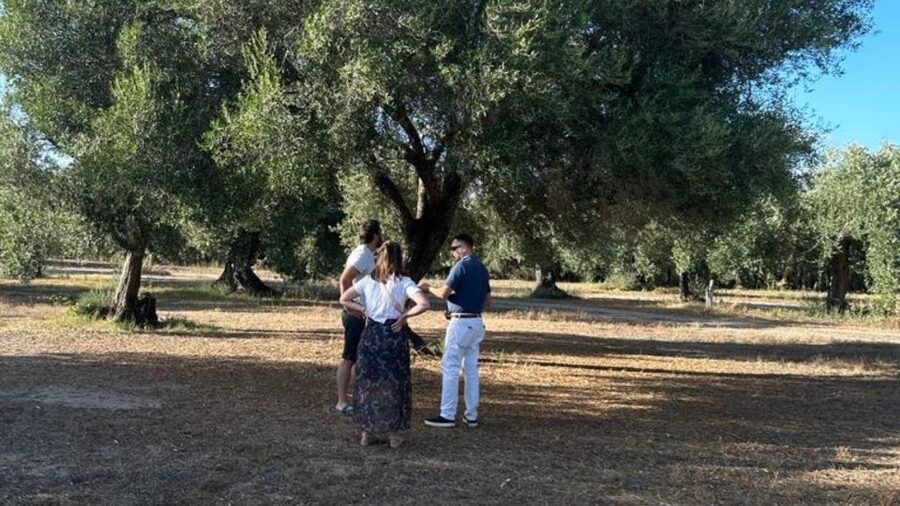
The most memorable part of this Oristano outing is the setting: centenary olive trees, an 18th-century portal, an old farmhouse, a well, and a stone mill create a strong sense of place before the tasting even begins. Antonio and Paola guide you through the grove and explain how local olives become extra virgin oil.
I like the small-group format, limited to 10 people, and the chance to taste oils made from different indigenous olive varieties. I also like that the tasting takes place among the trees, sometimes with bread and fresh fruit from the family garden. The main drawback is the rural meeting point, which requires careful driving directions and a short turn onto a dirt road.
Key points to know
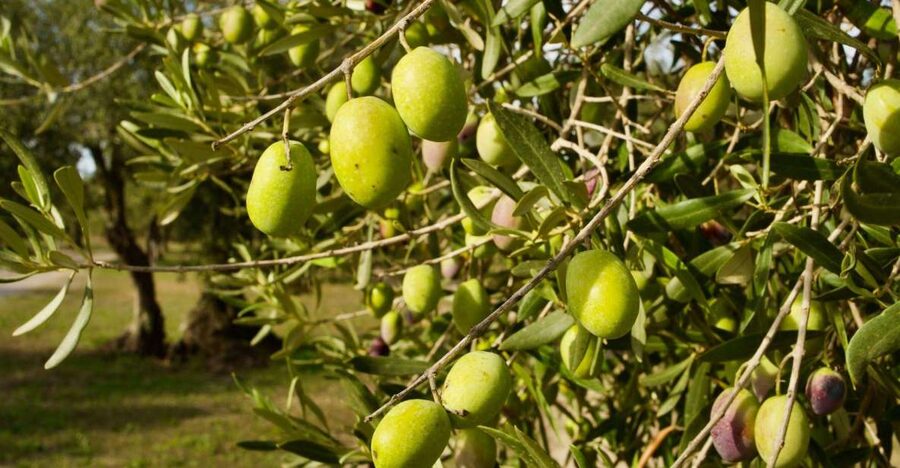
- A working Sardinian olive grove: You visit a family-run project founded in 2016, with old trees and traditional farm structures.
- Antonio and Paola lead the visit: Both guides explain the grove and oil-making process in Italian and English.
- The tasting is the heart of the tour: Compare several extra virgin oils and learn how to spot differences in aroma and flavor.
- A calm two-hour outing: This suits a relaxed day in the Oristano countryside rather than a rushed stop between major sights.
- Small groups matter: With no more than 10 participants, you have a better chance to ask questions and follow the explanations.
- Plan your arrival carefully: The meeting point is off SS 292 on a dirt road, and the tour needs at least two participants to run.
Why this olive grove visit feels different
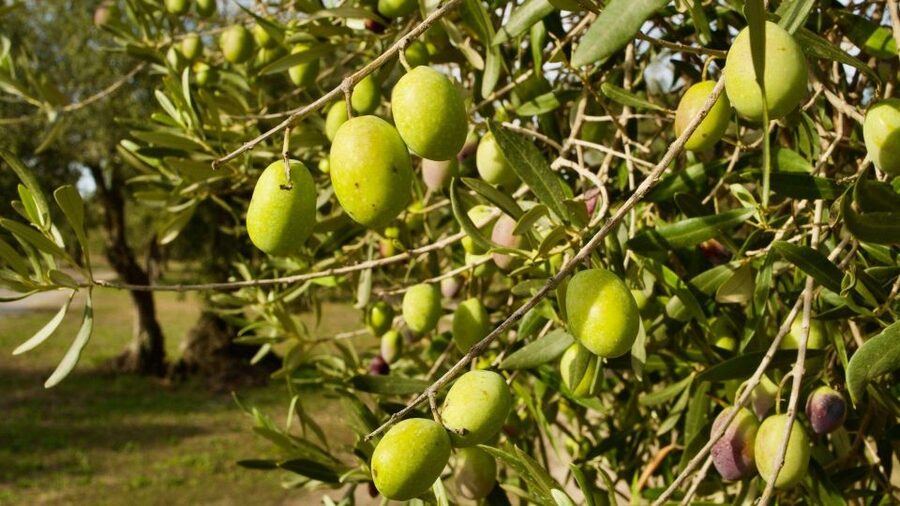
Many food tours happen indoors, where the product is separated from its source. Here, you begin among the trees that produce the olives. That simple change gives the oil a clearer connection to Sardinia, its farming traditions, and the people who care for the land.
The grove is not presented as a polished museum display. You see a rural property with an old farmhouse, an ancient well, and a stone mill. The 1700s portal adds an especially unusual touch. These features help you picture how farm work and olive oil production fit into the island’s past.
The company began its current project in 2016, combining local crops with a strong focus on extra virgin olive oil. The setting lets Antonio and Paola explain not only the finished bottle, but also the trees, fruit, production methods, and care behind it.
I would choose this outing if you want a quieter side of Sardinia. It offers a break from beaches, archaeological sites, and town centers without feeling like a generic countryside stop.
More Olive Grove Walks in Italy:
- Ostuni: Masseria tour among thousand-year-old olive trees with oil tasting
★ 4.8 · 261 reviews - Balestrate: Olive Grove Tour with Wines & Olive Oil Tasting
★ 5.0 · 241 reviews - Bologna: Olive Grove and Vineyard Tour with Product Tastings
★ 4.8 · 109 reviews
Walking beneath centenary trees
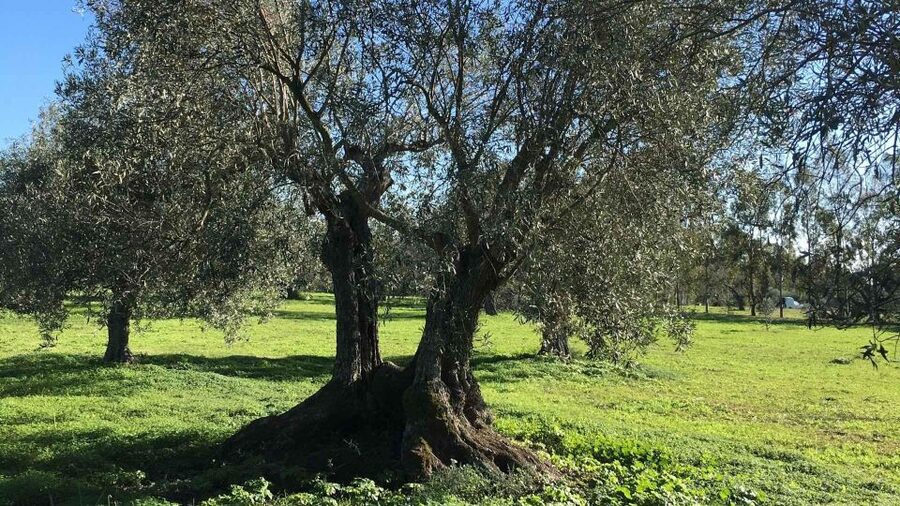
The first part is a guided walk through the olive grove. You can expect the focus to be on the old trees, the indigenous varieties grown on the property, and the role each crop plays in the finished oil.
The trees are more than a pretty background. Their age gives the visit a link to Sardinian farming traditions, while the use of local varieties shows why oils from the same region do not all taste alike. Antonio and Paola explain these distinctions in a way that prepares you for the tasting later.
This is also the most peaceful part of the two hours. The grove offers quiet and open air, with the old structures adding visual interest. You are not simply seated at a table and handed a succession of samples. You first see where the raw material comes from.
The tour is a good fit for anyone curious about how food is produced. It also works well for couples, small groups, and people who enjoy a slower outing with plenty of conversation.
The ground is described as a dirt-road rural property, so practical footwear makes sense. The supplied information does not promise a formal paved path or a fully accessible route. If walking conditions are important to you, ask the provider before booking.
The old farmhouse, well, portal, and stone mill
The farm buildings give the visit much of its character. An 18th-century portal, a dilapidated farmhouse, an ancient well, and a stone mill form a natural backdrop for the walk and tasting.
These details matter because they place olive oil in a real working context. The old well points to the basic needs of a rural farm. The stone mill connects you with earlier methods of processing olives. The farmhouse and portal help you picture the property as part of a longer agricultural tradition.
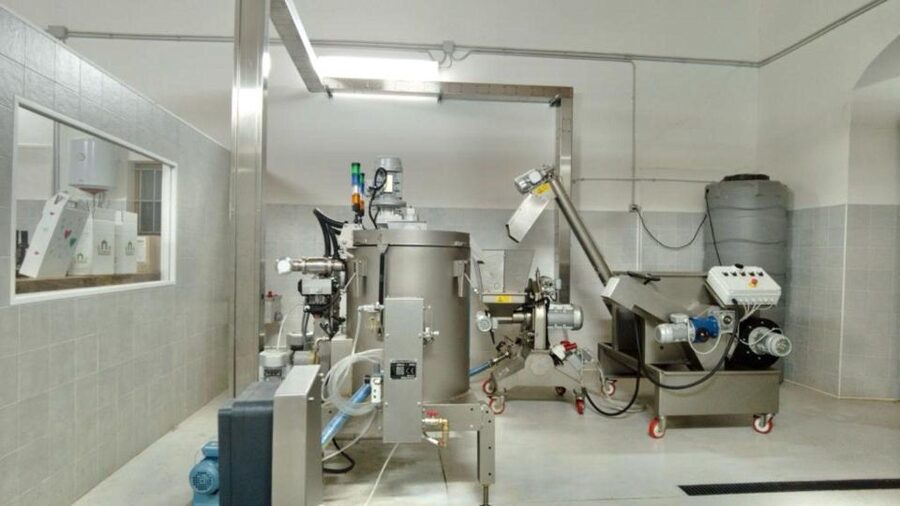
You should not expect a large industrial olive mill or a full factory tour. The information describes a grove-based visit centered on the property, the production story, and the sensory tasting. If you want to watch modern machinery operating during harvest, this may not be the right format.
Instead, the appeal is personal and close to the source. Antonio and Paola share the process with you directly, and the small group allows the visit to feel more like a conversation than a formal presentation.
Learning how olives become extra virgin oil
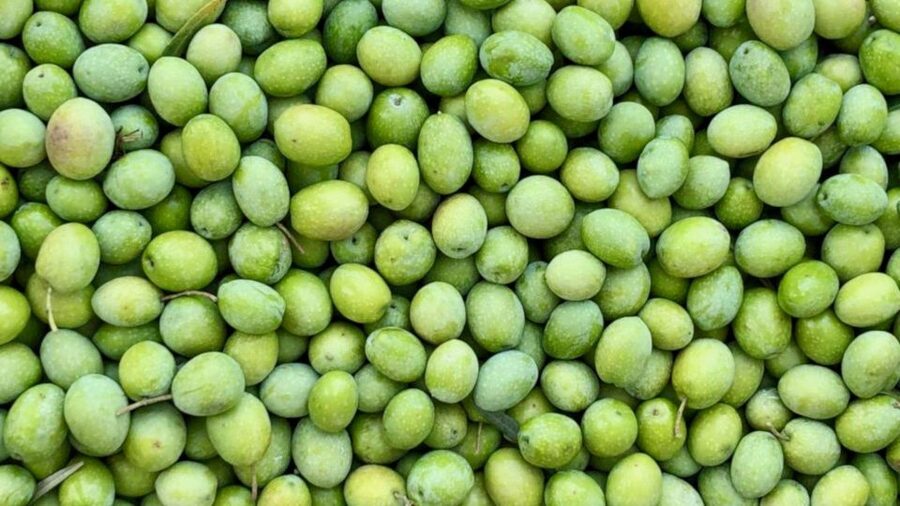
The production explanation is one of the strongest reasons to book. Antonio and Paola walk you through how their olives become extra virgin olive oil and explain why the oils taste different.
The useful lesson is not only how oil is made, but how to assess it. The tasting includes instruction on recognizing good and bad oil, along with comparisons between oils made from different types of olives grown on the property.
That comparison gives the tasting a clear purpose. Instead of sampling one oil and being told that it is special, you can notice how aromas and flavors change from one variety to another. The sensory part helps turn a familiar kitchen ingredient into something you can examine with more care.
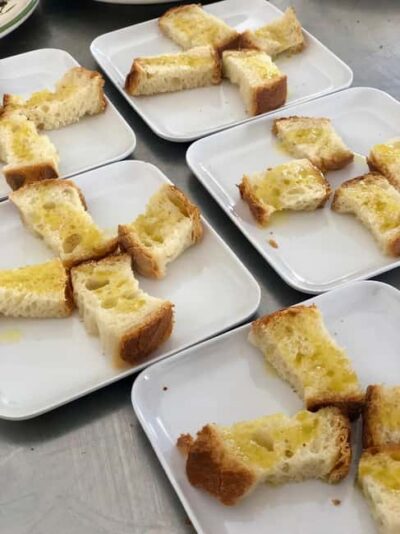
Several tasting sessions have included bread and fresh fruit from the garden. Those additions make the samples easier to enjoy and show how the oil works with simple food. They are not listed as guaranteed inclusions for every departure, so treat them as a pleasant possibility rather than a promise.
The guides are a major part of the lesson. Antonio is a co-owner and speaks very good English, while Antonio and Paola together bring a clear personal connection to the farm. Their enthusiasm is useful here because olive oil can seem technical if the explanation is too dry.
More Guided Tours in Italy:
- Guided Wine and Olive oil tasting
★ 5.0 · 158 reviews - Guided tours of the olive grove with oil tasting.
★ 5.0 · 67 reviews - Seggiano: Guided Tour of the Olive Grove and Food Tasting
★ 4.8 · 30 reviews - Olive Mill Visit & Guided Tasting in Taggia
★ 4.7 · 18 reviews
A tasting under the olive trees
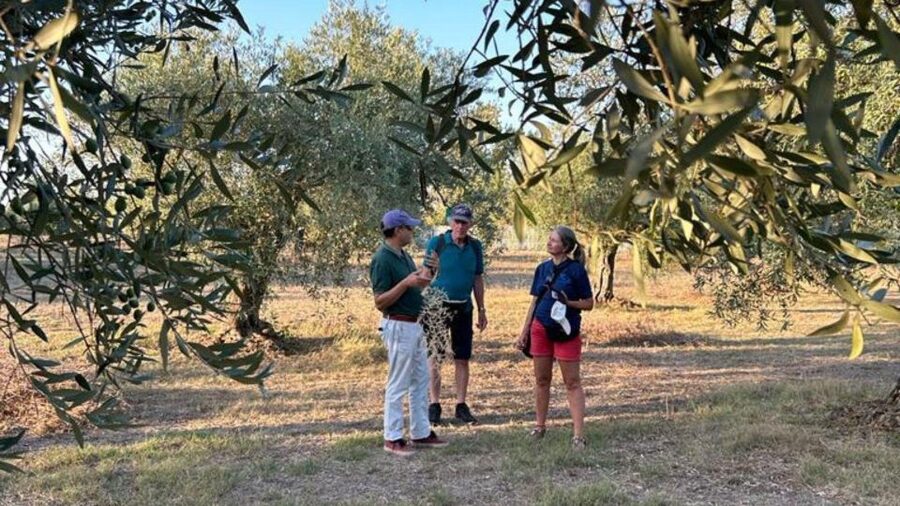
The tasting takes place in the grove, often under an olive tree. That is a small but meaningful detail. You are comparing oils while surrounded by the trees and farm setting that produced them, rather than tasting in a detached shop.
Expect several extra virgin oils and a guided look at their aromas and flavors. The oils come from indigenous crops, so the tasting is tied to Sardinia rather than being a broad survey of international olive oils.
I like this format because it gives you a practical skill to take home. You can learn what makes one oil fruity, mild, or more forceful, and you can begin to notice defects in lower-quality oil. The goal is not to turn you into a professional taster. It is to help you buy and use olive oil with more confidence.
The tasting also gives you time to ask questions. A group of no more than 10 people is small enough for a relaxed exchange, especially compared with a large food tour where samples and explanations can feel rushed.
Drinks are not included, so do not expect a wider beverage service. The included element is the olive oil tasting itself. If you want a more substantial meal, plan that separately.
What the two-hour schedule means for your day
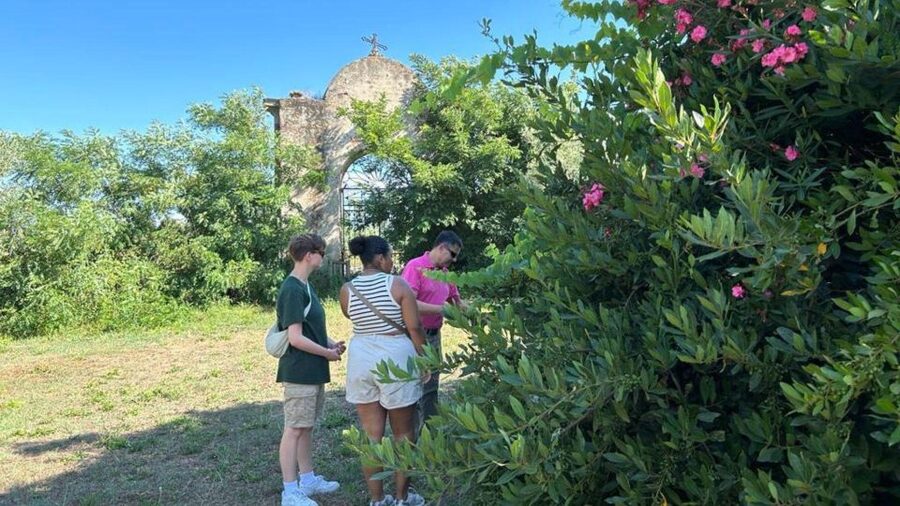
Two hours is a sensible length for this visit. It gives you enough time for the grove walk, the production explanation, and the tasting without turning the outing into a half-day commitment.
I would schedule it on a day when you want room for a second activity in Oristano or nearby. The tour is focused and calm, not a full farm lunch or a long agricultural workshop.
Starting times vary, so you need to check availability when booking. The tour is confirmed with at least two participants. That condition is worth noting if you are traveling alone or booking close to your chosen date.
The small group limit of 10 is another practical advantage. You can hear the guides more easily, and the tasting should feel less crowded. It also means the outing may not operate like a drop-in attraction with constant departures.
Finding the rural meeting point
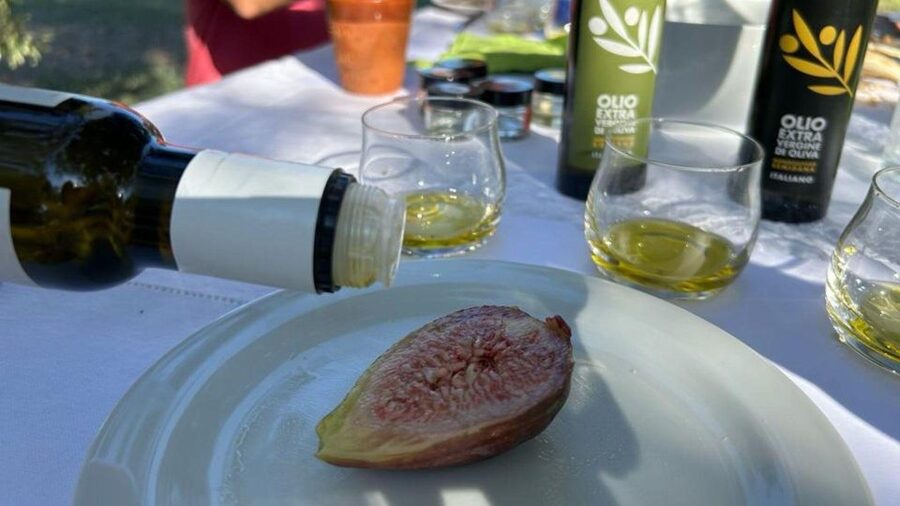
The meeting point is on the SS 292, the northwestern Sardinian state road, in the direction of Oristano. You turn right onto a dirt road, where the guide waits to lead you onward.
This is the one part I would take seriously before setting out. Rural directions can be easy to miss, especially if you are following a navigation app that does not clearly mark the entrance. Allow a little extra time, read the meeting instructions closely, and avoid arriving at the last second.
The guide waiting at the turn is helpful, since the dirt road may not look like the entrance to a visitor site. The setting is intentionally outside town, which creates the quiet atmosphere but also means you should not expect city-style transport links or a storefront that is easy to spot.
Pets are not allowed. The information does not state that transportation from Oristano is provided, so plan to reach the meeting point independently unless the provider tells you otherwise.
Is $56 a fair price?
At $56 per person, the value depends on what you want from a food outing. You are paying for a two-hour guided visit, a look at a family-run olive property, explanations in English or Italian, and a tasting of several extra virgin oils.
That is fair value if you care about the source of your food and prefer a personal visit to a retail tasting counter. The old farm structures, centenary trees, and direct access to the owners give the outing more substance than a simple sampling session.
The price is less compelling if you are looking only for a meal. Drinks are not included, and the information does not promise a full lunch. You should book this for the farm setting and the learning, with the oil tasting as the main edible treat.
I also think the value improves for anyone who will use the lesson afterward. If the tasting teaches you to distinguish varieties and identify quality, the benefit continues when you shop for olive oil at home.
The overall rating is 5 from 28 reviews, and the repeated praise centers on the same features: Antonio and Paola, the beautiful grove, the clear production explanation, and the tasting under the trees. Those are the parts I would give the most weight when deciding.
Who should book this outing
I would recommend it to food-minded visitors, couples, small groups, and anyone who wants a quiet rural activity near Oristano. It is also a good choice for people who have already seen the main sights and want a closer look at everyday Sardinian traditions.
You do not need to be an olive oil expert. The guides explain the subject in an approachable way, and the tasting gives you a direct way to understand the differences.
Families should check the group setup and the no-pets rule before booking. The information does not describe a special children’s program, so the outing will appeal most to children who can enjoy a slow walk and a food-focused explanation.
I would be more cautious if you dislike rural roads, want a full meal, or prefer a large attraction with fixed facilities and a tightly posted schedule. This is a small, personal farm visit, and that is both its strength and its limit.
Free cancellation is available up to 24 hours before the start time, and you can reserve now while paying later. Those terms help if your Sardinia plans are still shifting, though the minimum of two participants still applies.
The final call
Book this olive grove visit if you want to connect Sardinian food with its source. The old portal, farmhouse, well, stone mill, centenary trees, and indigenous olive varieties give the two hours a real sense of place.
The strongest reason to go is the combination of setting and instruction. Antonio and Paola do not simply pour oil into small cups. They guide you through the grove, explain the production process, and show you how different oils can taste.
Skip it if you are searching for a full lunch, a modern mill tour, or an activity with no driving involved. For a peaceful, small-group look at Sardinian olive oil, though, $56 is a reasonable price, and the visit offers a useful taste of the island’s farming culture.
FAQ
How long does the olive grove visit last?
The activity lasts two hours. That includes the guided walk through the grove, information about olive oil production, and the olive oil tasting.
Where does the tour meet?
The meeting point is on the SS 292 toward Oristano. Turn right onto the dirt road, where the guide waits to lead you to the property.
Who leads the visit?
Antonio and Paola lead the visit. The tour is offered in Italian and English, and Antonio speaks very good English.
How many people can join the tour?
The group is limited to 10 participants. The tour is confirmed with at least two participants.
What is included in the price?
The price includes the guided tour and olive oil tasting. Drinks are not included.
Can I cancel the booking?
You can cancel up to 24 hours in advance for a full refund. The reserve-now, pay-later option is also available.
Just added around Italy
- Vernazza (5 Terre): olive grove tour and oil and wine tasting★ 5.0 · 9 reviews
- Trevi: Guided tour and tasting at Frantoio Gaudenzi★ 5.0 · 3 reviews
- Trieste’s Essence: Wine and Olive Oil Tasting★ 5.0 · 3 reviews
- Umbria: E-Bike Rental and Fresh EV Olive Oil Tasting★ 5.0 · 4 reviews
- Valpolicella Wine and Olive Oil Tasting with Lunch from Verona★ 5.0 · 2 reviews
- Half-Day Chianti Wine and Olive Oil Tour from Viareggio★ 4.0 · 5 reviews
- Umbria: Guided tour to Traditional Olive Oil Mill and Tasting★ 5.0 · 2 reviews
- From Venice: Olive Oil & Wine Tour in the Venetian Hills★ 5.0 · 9 reviews
Olive Grove Walks, compared.
Masseria tour among thousand-year-old olive trees with oil tasting
Read our review →
Olive Grove Tour with Wines & Olive Oil Tasting
Read our review →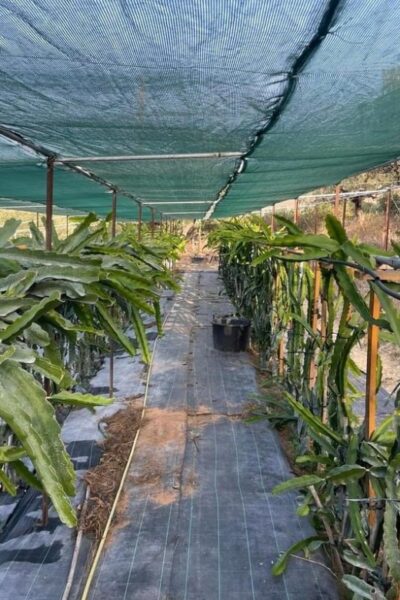
Traditional Olive Grove and Dragon Fruit Farm Tour
Read our review →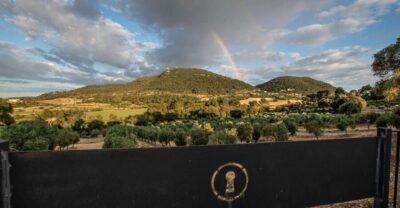
Visit of the olive grove, olive oil tasting and snack
Read our review →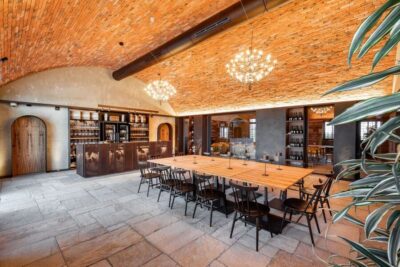
Olive Grove and Vineyard Tour with Product Tastings
Read our review →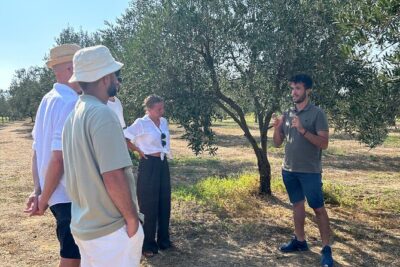
Balestrate Olive Grove Tour: Wine and Olive Oil Tasting
Read our review →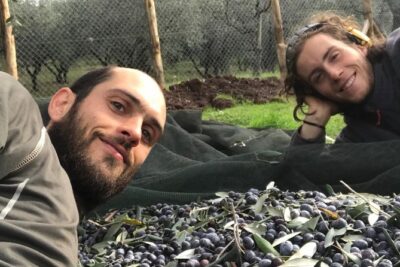
Guided tours of the olive grove with oil tasting.
Read our review →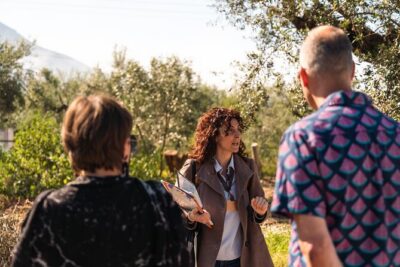
Organic Olive Grove tour & Olive oil tasting & lunch in Kalamata!
Read our review →Browse the lists this tour appears in