
REVIEW · CHIANTI & TUSCAN
Olive Oil Mill Tour & EVO Oils Tasting – Sarteano, Tuscany
The most interesting part of this Sarteano experience is that it connects a family business, old milling equipment, and a practical tasting lesson in one short visit. At Frantoio Tistarelli, the Tistarelli family has made extra virgin olive oil since the 1960s, and the tour explains how traditional methods fit with newer production ideas. I like the small-scale family setting and the chance to compare three different oils instead of simply sampling one. The main drawback is that the 45-minute visit can feel rushed, especially if your English guide speaks quickly or the machinery is not running during your visit.
I also like that the tasting includes water and Montepulciano red wine, giving the experience a pleasant Tuscan feel without pushing the price beyond reason. During harvest, from mid-October to mid-December, the mill has more activity and the scent of new oil in the air. If you want to see equipment in use, aim for that season, but confirm the timing because the machinery may not be operating on every date.
Key points to know before booking
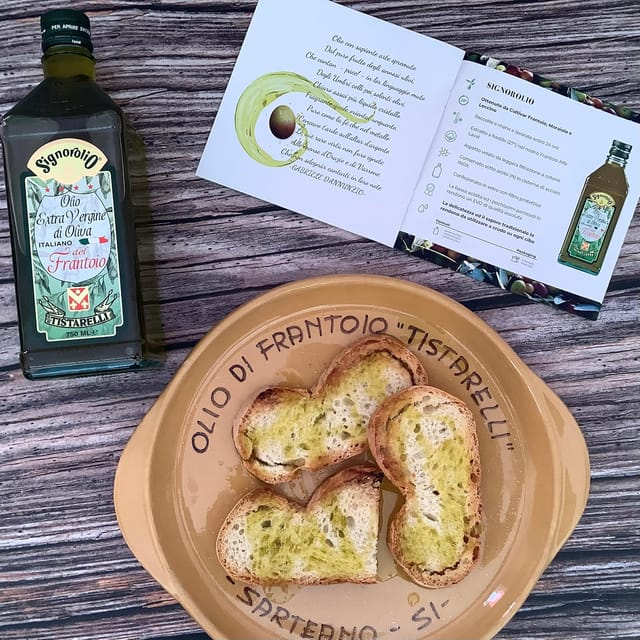
- Family mill since the 1960s: Fausta Tistarelli and her family continue a long-running local oil-making tradition.
- Three oils to compare: The tasting helps you notice differences in fragrance, flavor, and character.
- Harvest-season atmosphere: From mid-October to mid-December, fresh oil and milling activity can make the visit more vivid.
- Short, focused visit: The tour lasts 45 minutes, a useful stop between other sights in southern Tuscany.
- Italian and English guides: The tour is offered in both languages, though English explanations may vary by guide.
- Accessible and flexible booking: The mill is wheelchair accessible, and cancellation is free up to 24 hours before the visit.
Why this little mill makes a worthwhile Tuscany stop
Sarteano sits in southern Tuscany, an area better known for small towns, farms, and food traditions than for large sightseeing attractions. That makes a family olive mill a good fit for a day when you want to understand what people in the region actually produce and eat.
I like this tour because it does not treat olive oil as a decorative souvenir. You learn how the oil is made, then taste it with a guide who points out what to look for. The lesson gives you a better chance of recognizing fresh, high-quality extra virgin olive oil when you see it in a shop or on a restaurant table.
At $14 per person, the visit is inexpensive by Tuscan sightseeing standards. You get a guided tour, a guided tasting, water, and Montepulciano red wine. The price is especially fair if you are already visiting Sarteano and can reach the mill without paying for a separate transfer.
The visit is short, though, so you should think of it as a focused food stop rather than a half-day activity. You will not spend hours walking through olive groves or taking part in the harvest. The value comes from the family story, the machinery, and the tasting lesson packed into 45 minutes.
More Chianti and Tuscan Olive Oil Tours in Italy:
- Tuscany Bike Tour with Wine, Oil and Food in the Florentine Hills
★ 5.0 · 209 reviews - Florence: Tuscany Bike Tour with Wine & Olive Oil
★ 4.9 · 174 reviews - Florence: Great Chianti Wine and Olive Oil Trail with Lunch
★ 4.8 · 160 reviews
Arriving at the Tistarelli mill shop
Your meeting point is the olive mill shop. That is useful because you do not need to search for a separate office or meeting place inside Sarteano. The shop also gives you an immediate sense of the mill as a working family business, not simply a museum set up for tours.
The exact route from your accommodation is not provided, so you should allow enough time to reach the mill and arrive at the shop before the scheduled start. The activity listing identifies the location as Sarteano, Tuscany, but it does not give a detailed transport plan or pickup service. Plan to make your own way there.
The small scale of the operation can shape the visit. Some bookings have been private, while other groups have been very small, including four people. That usually allows more room for questions and a calmer tasting, though the quality of the English explanation can depend on the person guiding your group.
The family connection matters here. Fausta Tistarelli and her relatives carry on the business, and one tour was led by the owner’s husband. His name is not provided, but the family-led format means you may hear the story from someone closely connected to the mill rather than from a general-purpose guide.
Seeing traditional machines and the milling process
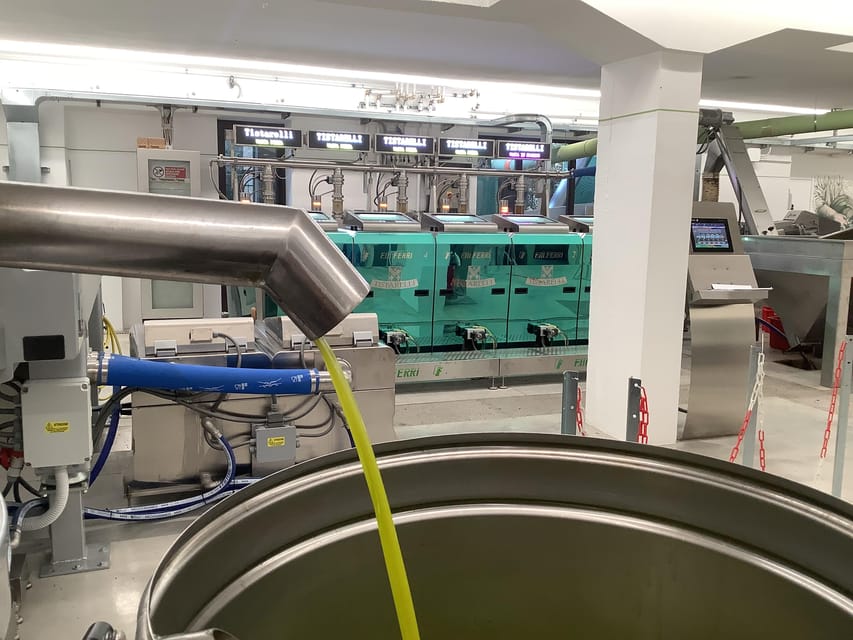
The first part of the visit focuses on the mill itself. You learn about the history of the Tistarelli oil mill and see its traditional machines. The guide then explains the stages involved in turning harvested olives into oil.
That machinery gives the tour its physical center. Olive oil can seem simple when it arrives in a bottle, but the mill shows you that the final taste depends on a chain of decisions and processes. The tour is not just a talk about Tuscan food. It gives you something concrete to look at while you learn.
You should expect an explanation rather than a hands-on workshop. The supplied details do not promise that you will operate equipment, pick olives, or help with production. Your role is to listen, observe, and ask questions as the guide walks you through the mill.
Timing makes a real difference. The harvest season runs from mid-October to mid-December, and the visit can feel more atmospheric then, with the smell of new oil and the energy of olive growers working nearby. If you visit outside harvest, the machines may be quiet, and the experience will depend more on the guide’s explanations and the displays.
One visitor who went just before the harvest began would have preferred to see the machinery in use. That is a useful warning, not a criticism of the mill. If active production is important to you, try to schedule your visit during the main harvest period and ask ahead about the operating dates.
The tasting: three oils, one useful lesson
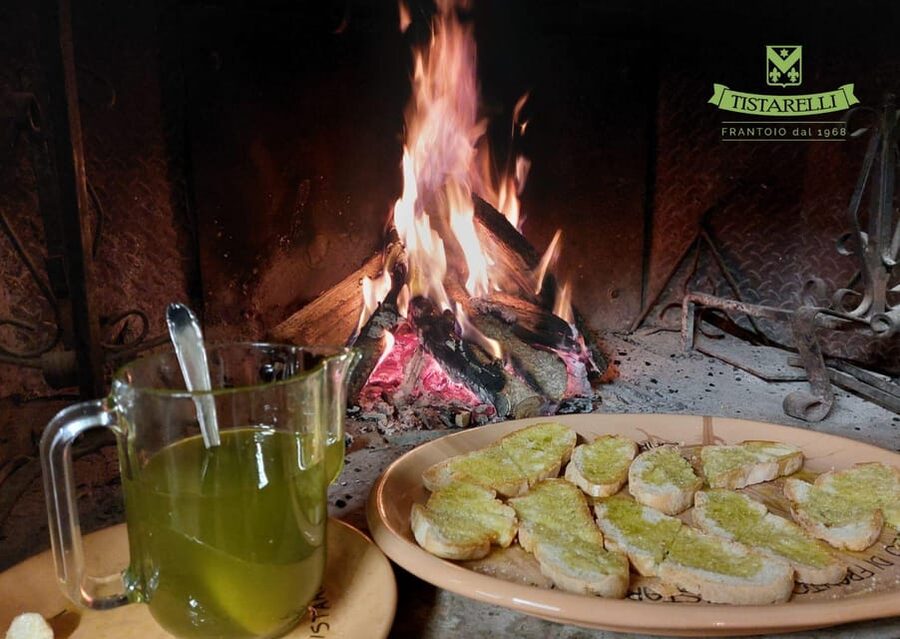
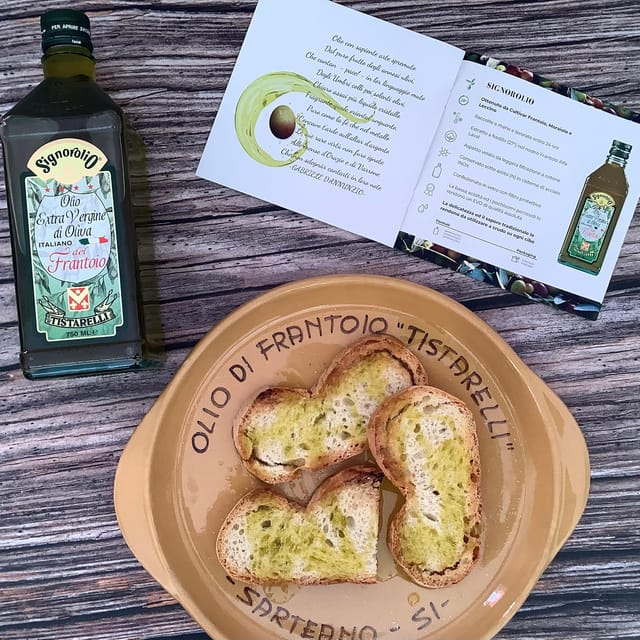
The tasting is the part most likely to stay with you. You sample the mill’s extra virgin oils and compare their fragrances and flavors under guidance. The purpose is not just to decide which one tastes best. You learn to notice the traits that separate one oil from another.
The comparison of three oils is particularly helpful for first-time tasters. A single sample gives you an impression. Three samples let you compare them side by side and notice how aroma, bitterness, and other flavor qualities can vary.
The guide explains how to identify fragrances and flavors and how to appreciate the value of a high-quality oil. You should pay attention to how the oils smell before tasting them, then notice how the flavor changes in your mouth. The tour gives you a basic vocabulary for buying and using oil later.
Water is included, which helps clear your palate between samples. Montepulciano red wine is also served, adding a local food-and-drink touch to the tasting. The supplied details do not describe a full meal or a larger spread of food, so you should not book this expecting lunch.
The tasting takes place before the shop portion of the visit, or at least makes the shop more useful afterward. Once you have compared the oils, you can make a more informed choice if you decide to buy a bottle or another product. The oils and products tasted are available in the shop, but purchases are not included in the $14 price.
More Olive Mill Visits in Italy:
- Bardolino: Lake Garda Oil Mill Tour with Olive Oil Tasting
★ 4.9 · 205 reviews - Olive Oil Tours and Tasting at Frantoio di Montalcino
★ 5.0 · 85 reviews - Lecce to Galatina E-Bike: Olive Mill & Wine Tasting + Taxi back
★ 5.0 · 54 reviews - Olive Oil Tour Visit to the oil mill and olive oil tasting
★ 5.0 · 53 reviews
What changes during the October to December harvest
The calendar matters more here than it does for many short food tours. From mid-October to mid-December, the mill enters its harvest period, and the smell of newly made oil adds something you cannot fully reproduce with a display or video.
You may also find a more festive mood among the olive growers during this time. The experience becomes tied to the season’s work, rather than simply explaining a process after the fact. For anyone interested in how Tuscan food reaches the table, this is the strongest window to visit.
Still, harvest timing is not a guarantee that the machinery will be running during your exact tour. Production schedules can vary, and the information provided does not promise a live milling demonstration. I would contact the mill before booking if active equipment is your main reason for going.
Outside harvest, the tour remains useful because the mill’s history, traditional machines, and tasting are available all year. The quieter setting may also suit you better if you prefer a simple explanation and an unhurried look at the equipment. Just set your expectations correctly: in the off-season, the tasting carries more of the experience.
How clear is the English explanation?
Tours are available in Italian and English. That makes the activity workable for international visitors, but the spoken English may vary from one guide to another.
One English-language visit had a friendly guide who tried hard to answer questions, yet the explanation was difficult to follow and felt rushed. Plaques around the mill and a video slideshow at the end helped fill in missing context. I would treat those materials as useful support, especially if technical terms or a fast speaking pace make the live explanation hard to catch.
Other visits were described as clear and personal, with friendly explanations of the history and production process. A private tour can give you more space to ask for a point to be repeated. If your English is limited, you may get more from the tour by asking short, direct questions and reading the plaques carefully.
The guide’s personal connection to the mill is a plus. The owner’s husband has led tours, and the family members present the business as something they know from daily experience. The tradeoff is that a family-run operation may not use the polished, scripted delivery of a large commercial attraction.
Buying oil after the tasting
The shop is not just a sales stop added at the end. It is where the tasting becomes practical. You can buy the oils and other products you sampled, using the lesson to choose what suits your taste.
Several people bought oil after their visit, which makes sense if you have room in your luggage and want a direct reminder of the area. You should remember that the tour price covers the visit and tasting, not the products themselves.
I like this arrangement because you taste before you buy. You are not asked to choose a bottle based only on a label or a sales pitch. After trying three oils, you can ask about the differences and select with more confidence.
The information provided does not give bottle sizes, shipping options, or product prices. If you are flying with only carry-on luggage, ask the shop about transport rules and available formats before purchasing. Do not assume that every product can be carried home in every bag.
Who will get the most from this 45-minute visit?
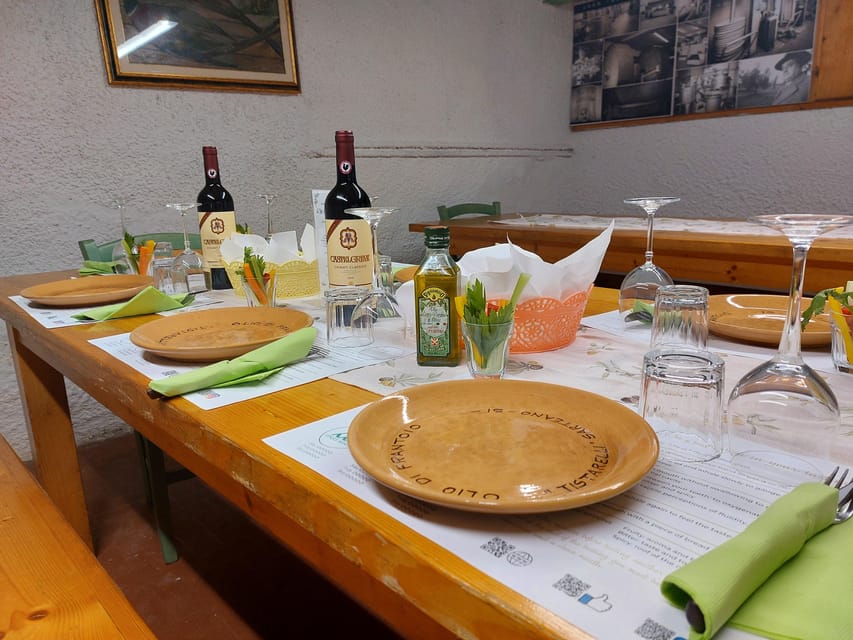
This tour suits you if you enjoy food traditions, small family businesses, and short activities that add local context to a larger Tuscany itinerary. It is also a good choice if you want to learn how to taste olive oil rather than simply sample it.
Families may appreciate the compact length, though the experience is mainly an explanation and tasting rather than a children’s activity. Food-focused visitors will get the most from the three-oil comparison and the chance to buy directly from the producer.
It also works well for couples or small groups looking for a low-cost stop. Private or very small groups can make it easier to ask questions, and the mill’s family setting gives the visit a personal tone.
You may want to skip it if you need a long, highly visual attraction or expect to watch a full production cycle. Outside harvest, you may see quiet machinery instead of active milling. If your schedule is already packed with food tours, the 45-minute format may feel familiar, although the family mill setting keeps it distinct.
The mill is wheelchair accessible, which removes one common barrier for visitors. The available information does not describe every surface, restroom, or transport detail, so you should contact the provider if you need specific accessibility arrangements.
Practical timing, price, and cancellation advice
The tour lasts 45 minutes, so it is easy to place between other activities in southern Tuscany. I would avoid booking it so tightly against another appointment that a delayed arrival creates stress. The visit begins at the mill shop, and no pickup service is listed.
At $14 per person, the cost is strong for a guided local-food experience. You are paying less for spectacle and more for direct access to a family producer, an explanation of milling, and a structured tasting with wine and water.
You can cancel up to 24 hours before the start for a full refund. The reserve-now, pay-later option also helps if your Tuscany route is still changing. Availability and starting times vary, so check the schedule before building the rest of your day around it.
Should you book Frantoio Tistarelli?
I would book this tour if you are near Sarteano, enjoy learning through food, and want a short visit with a real family connection. The three-oil tasting is the strongest reason to go, while the harvest-season timing offers the best chance of seeing the mill at its most active.
Book with modest expectations about the length and presentation. You may get a private or very small tour, but the English explanation can feel rushed, and equipment may not be operating outside the harvest period. If you want a friendly introduction to Tuscan olive oil for $14, this is a sensible choice. If you want a full working-mill demonstration, contact Frantoio Tistarelli first and target a date between mid-October and mid-December.
FAQ
Where does the olive oil mill tour meet?
The meeting point is at the olive oil mill shop of Frantoio Tistarelli in Sarteano, Tuscany.
How long does the visit last?
The guided visit lasts 45 minutes.
How much does the tour cost?
The listed price is $14 per person.
What is included in the price?
The price includes a guided tour of the olive oil mill, a guided tasting of the EVO oils, water, and Montepulciano red wine.
How many olive oils will I taste?
The tasting includes three different oils produced by the mill.
Which languages are available?
The tour is available in Italian and English.
Can I buy the oils after the tasting?
Yes. The oils and other products tasted during the visit are available for purchase in the mill shop.
Is the mill wheelchair accessible?
Yes. The activity is listed as wheelchair accessible.
Can I cancel and receive a refund?
Yes. You can cancel up to 24 hours in advance for a full refund.
Just added around Italy
- Vernazza (5 Terre): olive grove tour and oil and wine tasting★ 5.0 · 9 reviews
- Trevi: Guided tour and tasting at Frantoio Gaudenzi★ 5.0 · 3 reviews
- Trieste’s Essence: Wine and Olive Oil Tasting★ 5.0 · 3 reviews
- Umbria: E-Bike Rental and Fresh EV Olive Oil Tasting★ 5.0 · 4 reviews
- Valpolicella Wine and Olive Oil Tasting with Lunch from Verona★ 5.0 · 2 reviews
- Half-Day Chianti Wine and Olive Oil Tour from Viareggio★ 4.0 · 5 reviews
- Umbria: Guided tour to Traditional Olive Oil Mill and Tasting★ 5.0 · 2 reviews
- From Venice: Olive Oil & Wine Tour in the Venetian Hills★ 5.0 · 9 reviews
Chianti & Tuscan Olive Oil Tours, compared.
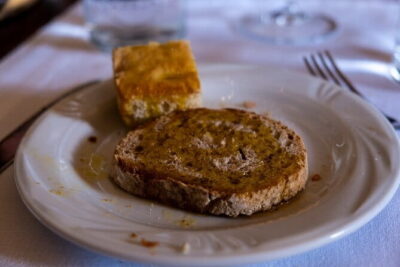
Tuscany Bike Tour with Wine, Oil and Food in the Florentine Hills
Read our review →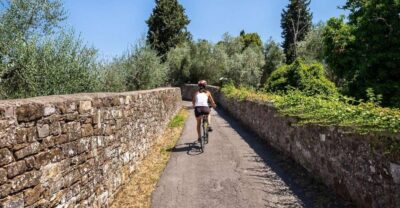
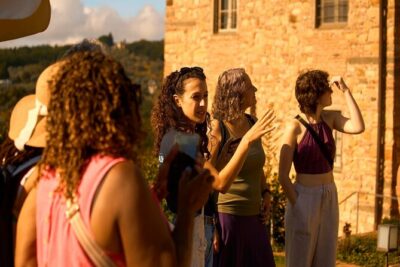
Great Chianti Wine and Olive Oil Trail with Lunch
Read our review →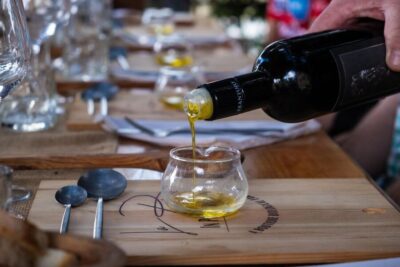

Tour through the vineyards and wine and olive oil tasting in Tuscany
Read our review →
E-bike 2.5 hour Florence & Tuscany With Fresh Olive Oil and Bread
Read our review →
Chianti: Wine and Olive Oil Tasting with Cellar Tour
Read our review →Browse the lists this tour appears in