
REVIEW · BARI
Olive Oil Mill Tour with Tasting near Molfetta & Bari
The best part of this tour is the close look at olive oil as a working food, not just a bottle on a shop shelf. You’ll follow the process from harvested olives to storage and bottling, then taste the finished oil with guidance from the mill team. I like the clean, carefully controlled storage area and the chance to meet Carla, who takes time to explain each stage.
I also like the family story behind the business, along with the professional tasting that lets you compare olive varieties by aroma and flavor. The main drawback is timing: outside the active harvest and production period, the mill can feel quiet, and one September visit found empty equipment and no olive trees on view.
Key points to know before you book

- A 75-minute family-run visit: The tour combines production, storage, family history, tasting, and espresso in a compact visit.
- Meet Carla and the mill master: The English and Italian tour includes personal explanations rather than a purely self-guided walk.
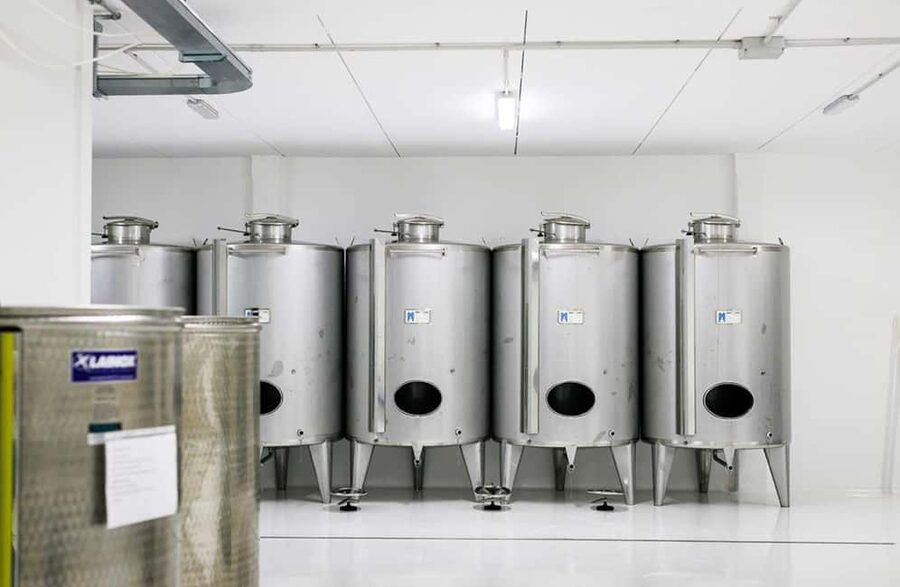
- A serious look at storage: You’ll see the controlled-atmosphere cellar where extra virgin olive oil is kept before bottling.
- Tasting is the main payoff: You learn how to assess quality and notice differences between olive varieties.
- Timing can change the experience: In late September, production may not yet be running, so ask about current activity if seeing machinery in use matters to you.
- Good access, simple logistics: The mill is wheelchair accessible, but you must arrange your own transportation to Ciccolella.
What this olive mill visit is really about
Apulia is closely tied to olive oil. Groves cover much of the region, and extra virgin olive oil is part of everyday cooking, local identity, and family business. This tour gives you a practical way to understand that connection without spending half a day at a large museum or food festival.
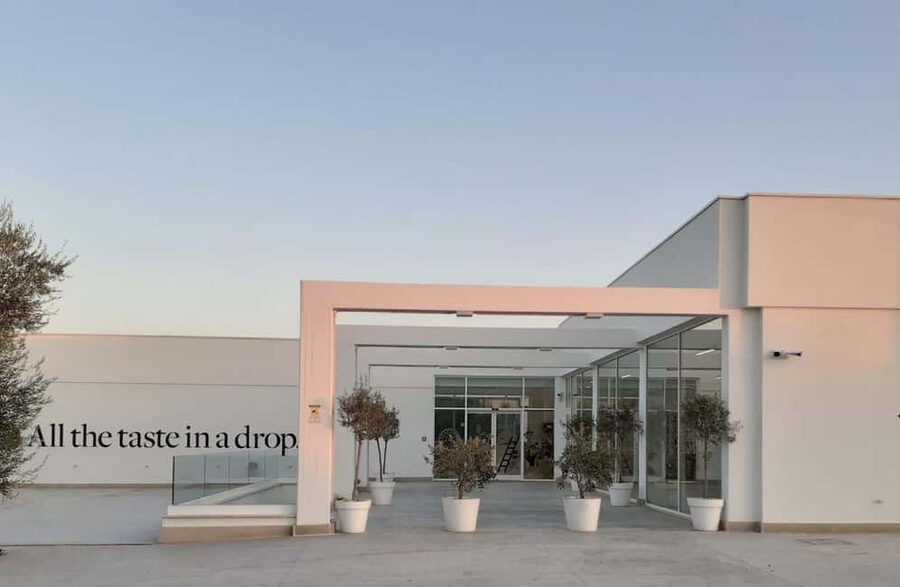
The visit takes place at Ciccolella, near Molfetta and Bari. It lasts 75 minutes, making it easy to fit into a day based in Bari, Molfetta, or nearby parts of Apulia. You will need to reach the venue independently, since transportation is not included.
I would think of this as a production and tasting visit, not a countryside walk. The focus is the mill itself, its storage areas, its methods, and the people who make the oil. That distinction matters because promotional images can suggest a broader olive grove experience, while the actual visit may remain inside the facility.
More Olive Mill Visits in Italy:
- Bardolino: Lake Garda Oil Mill Tour with Olive Oil Tasting
★ 4.9 · 205 reviews - Olive Oil Tours and Tasting at Frantoio di Montalcino
★ 5.0 · 85 reviews - Lecce to Galatina E-Bike: Olive Mill & Wine Tasting + Taxi back
★ 5.0 · 54 reviews
Starting with coffee and a family welcome
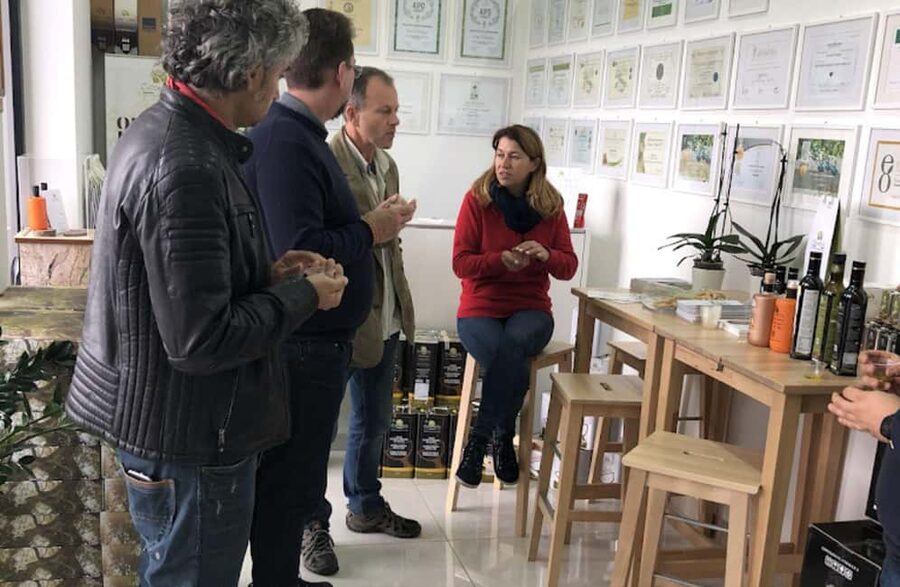
The experience begins at the visitor center with a warm welcome and espresso. That small detail helps set the tone. You are not rushed straight into a technical explanation, and the opening gives you a moment to settle in before the machinery, tanks, and tasting vocabulary begin.
The setting is described as cozy, with the feel of an Italian coffee stop. The family-run character is important here. You hear about the family’s origins, its working values, and its approach to sustainability and quality. This gives the equipment a human context. You are not only seeing how oil is handled; you are learning why this particular producer works in this way.
The English and Italian tour is led by the mill team, with Carla specifically praised for taking time to explain the steps clearly. If you do not speak Italian, English is available. The tone appears friendly and personal, though the exact style can depend on who leads your visit.
Following the olives from harvest to bottle
The first guided portion lasts about 35 minutes and covers the production process. You learn what happens after olives arrive at the mill, how the oil is handled, and how it reaches its final bottle. The goal is to show the care required at each stage, rather than treating extra virgin olive oil as a simple pressed product.
This is where the visit earns its price. A supermarket label can tell you that an oil is extra virgin, but it cannot show you the decisions behind that claim. At the mill, you can ask about the path from fresh fruit to finished oil and see the setting where that work takes place.
The production area is reported to be exceptionally clean, with a level of order compared to a pharmaceutical or aerospace facility. That may sound less romantic than rows of old stone presses, but it is useful. Cleanliness and careful handling matter greatly when producing a fresh food whose flavor can suffer from heat, air, light, or poor storage.
You may see production equipment, tanks, and other working areas, but do not assume every machine will be running. One important practical point is the calendar. A September visit took place before that mill’s production had started, so the equipment was empty and no olives were visible. The guide still explained the process, but the visual experience was much less lively.
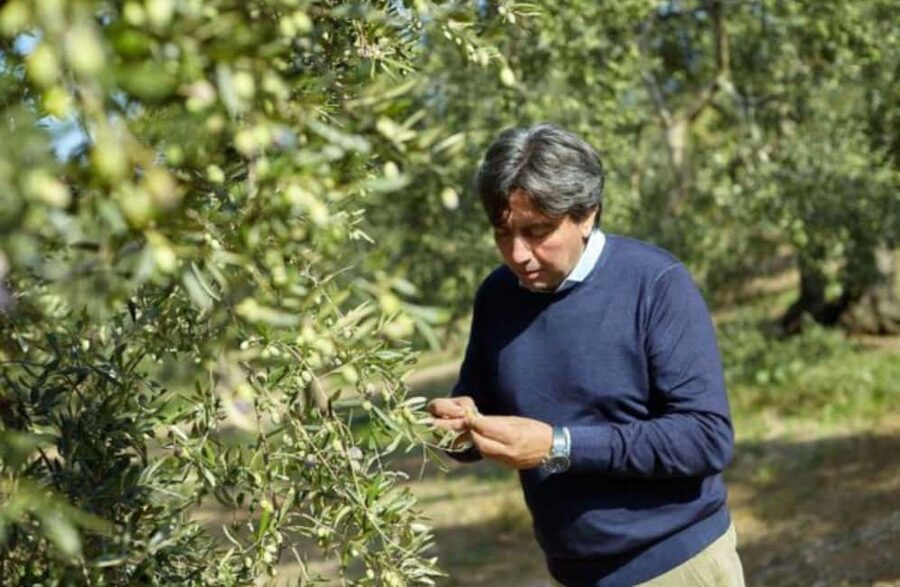
If active production is a priority, contact the provider before booking and ask what will be operating on your date. The supplied information does not promise a visit to the groves or a live harvest demonstration.
The storage cellar explains why freshness matters
The second part of the visit turns to storage. You explore the areas where the oil is kept, including a controlled-atmosphere cellar for the prized extra virgin oil. This is one of the more useful parts of the tour because storage is easy to overlook when you think about olive oil.
Oil is not improved simply by sitting around. The producer’s job is to protect the qualities created during processing. A controlled environment helps preserve the oil before it is bottled and sold. The guide connects this technical work with the family’s wider commitment to quality and environmental responsibility.
The storage areas may not be the most photogenic part of an Apulian food experience, but they help explain why a good bottle can taste fresh, grassy, fruity, or peppery while a poor one tastes flat or stale. You get a better sense of the work between pressing and the moment the bottle reaches your kitchen.
This portion also gives you time to hear the family story. That matters because sustainability here is presented as a working value, not a decorative label. You learn how tradition and modern control methods fit together in the mill’s approach.
A few more olive oil tours around Italy worth a look
- Sorrento Farm and Food Experience including Olive Oil, Limoncello, Wine tasting
★ 5.0 · 2,524 reviews - Olive oil tasting in Sorrento
★ 5.0 · 434 reviews - Sorrento: Lemon, Olive Oil and Wine Tasting Tour with Lunch
★ 5.0 · 300 reviews - Alghero: Wine and Olive Oil Tasting at a Local Farm
★ 4.8 · 294 reviews
Learning to taste extra virgin olive oil
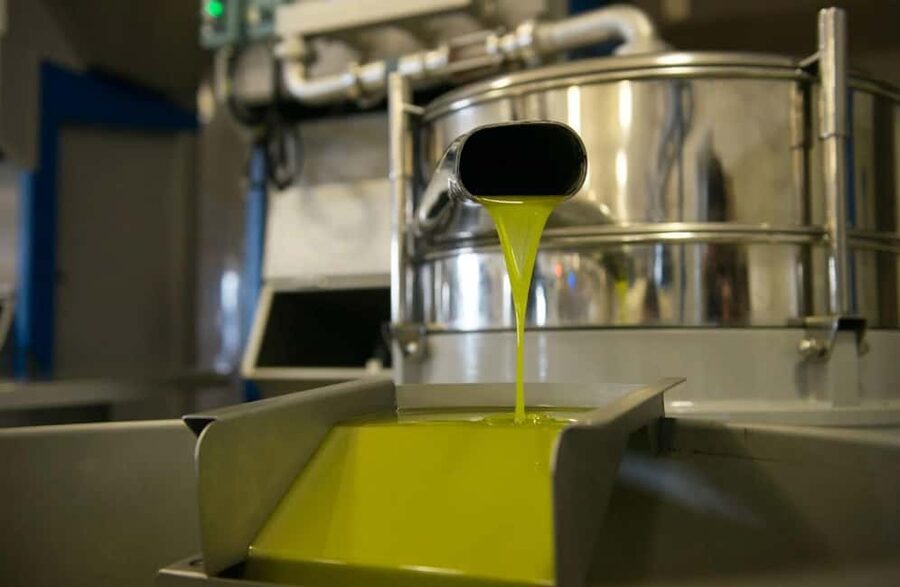
The tasting is the heart of the visit. Instead of simply dipping bread into oil and calling it a day, you learn a more formal way to notice aroma, flavor, and finish. The guide helps you distinguish a quality oil from lesser varieties and points out differences between olive types.
Expect the tasting to be sensory rather than heavy on food. The included experience lists olive oil and espresso, but it does not promise a meal or a spread of local products. One tasting was considered too limited, with a request for more oil varieties and bread. If you are looking for a full lunch or a broad food pairing session, this is not that kind of activity.
Still, tasting several oils can change how you shop. You begin to notice fruitiness, bitterness, and the peppery sensation that can signal a fresh, lively oil. You also learn that one variety is not automatically better than another. Different oils can have different strengths, and the point is to recognize quality and preference rather than hunt for one universal flavor.
The experience provides freshly produced extra virgin olive oil, and the tasting can include a real comparison between olive varieties. That is more useful than a generic sample at a market because the guide explains what you are noticing. Take the lesson home and use it the next time you buy a bottle in Apulia or elsewhere.
How much value do you get for $42?
At $42 per person, this is not the cheapest way to taste olive oil. The price makes more sense if you value the guided explanation, the production access, the controlled storage area, and the chance to ask questions directly at a family mill.
The 75-minute length keeps the commitment reasonable. You receive roughly 35 minutes of guided touring followed by about 50 minutes listed for the continued visit, tasting, and return to the starting point. The exact flow may feel compact, especially if the group has many questions.
The value drops if you expect a grove walk, a running harvest operation, a large tasting flight, or a generous bread-and-food service. The experience does not include transportation, and the supplied details do not promise olive trees, a meal, or a broad selection of products to taste.
You can also buy the mill’s products on site. That adds practical value if you want to take home oil from a producer you have just visited, though the cost of purchases is separate from the tour price.
Choosing the right season and setting expectations
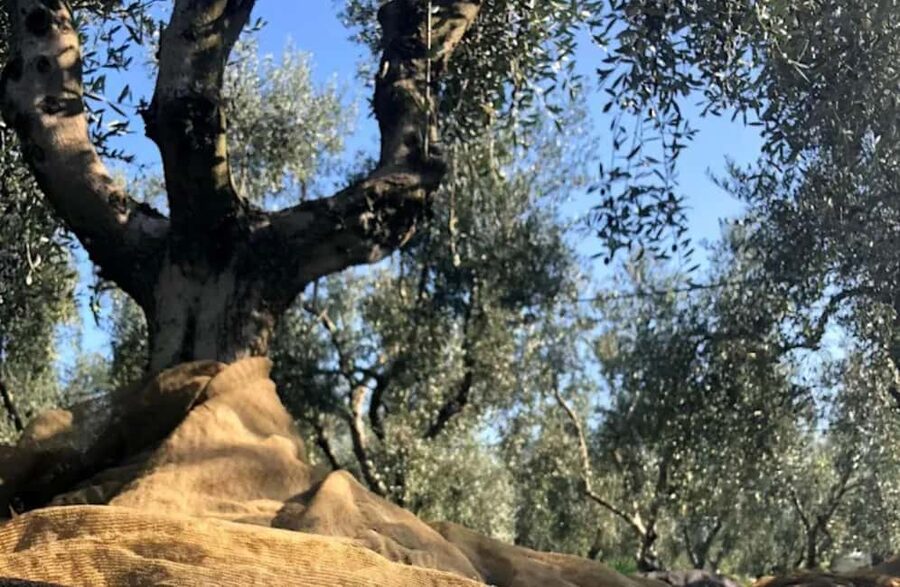
Timing is the biggest issue to consider. Olive oil production is tied to the harvest, so the mill may be active at one time of year and quiet at another. A September visit found no running production and no olives in sight, which made the tour feel too focused on empty tanks and barrels.
That does not mean every September visit will be identical. Harvest schedules can vary, and the supplied experience does not give a fixed operating calendar. The safest approach is to ask whether olives are being processed on your date and whether the tour includes any outdoor olive trees or groves.
Weather can also affect the visit. Rain prevented one participant from seeing the trees. If you want outdoor time, poor weather and the harvest schedule both matter. Comfortable shoes and comfortable clothes are recommended, but there is no need to dress formally.
The facility itself sounds better suited to a clean, organized production visit than to a rustic farm fantasy. If you enjoy seeing how food is made, that is a strength. If you mainly want old trees, rural views, and a picnic, you may want a different olive oil experience.
Who will enjoy this tour most?
I would recommend it to anyone staying near Bari or Molfetta who wants a short, focused food experience. It suits curious cooks, people interested in sustainable production, and visitors who want to understand an important part of Apulian culture beyond the usual pasta and seafood.
It is also a good choice if you like meeting the people behind a local product. Carla’s patient explanations and the family story give the visit a personal side. The clean facility and clear production stages will appeal to anyone who likes practical detail.
Families may appreciate the short duration, especially if children can engage with the machinery and tasting. The tour is wheelchair accessible, which makes it a useful option for visitors who need step-free access. The provided information does not give details about the layout of every area, so confirm any specific access needs in advance.
I would be more cautious if you are booking mainly for outdoor scenery or a live harvest. The description emphasizes the mill, storage, and tasting. Those are worthwhile, but they are different from walking through a grove or watching olives being collected.
How this compares with a simple oil tasting
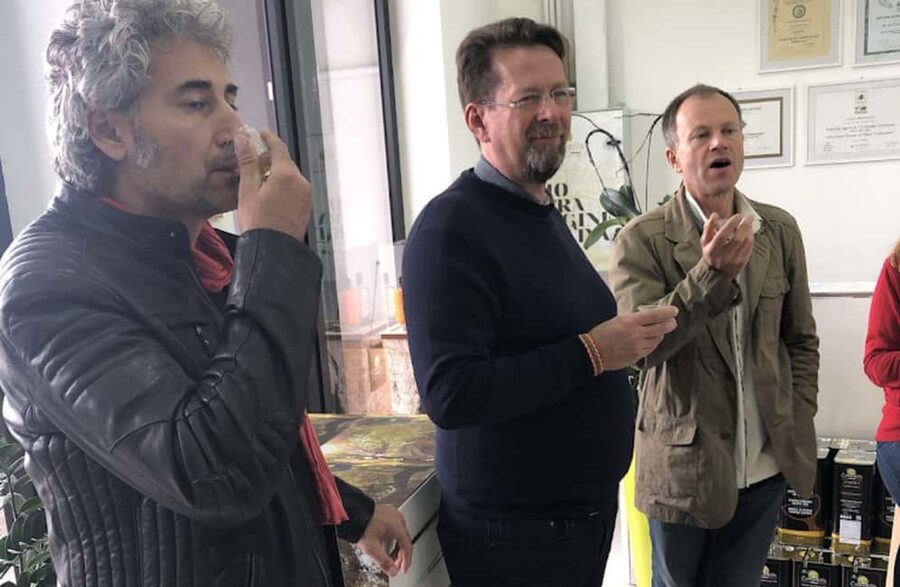
A shop tasting may give you more bottles to sample, while this visit gives you more context. You see where the oil is made, hear about the family’s methods, and learn how storage protects the finished product.
A countryside olive grove visit may offer better scenery, but it may not show you the controlled storage cellar or the full path from arrival to bottling. This experience is strongest when you want the behind-the-scenes explanation.
The tasting itself may be less generous than you hope. One report specifically wanted more varieties and bread. For me, that is a fair limitation to keep in mind. The educational value is stronger than the amount of food on the table.
Practical details before you go
Book a 75-minute time that fits your plans and allow extra time to reach Ciccolella, since transportation is not included. English and Italian are available, and you can cancel up to 24 hours before the visit for a full refund. A reserve-now, pay-later option is also offered.
Wear comfortable shoes and clothes. Bring questions about harvest timing, storage, olive varieties, and bottling. If the mill is not operating when you visit, those questions will help turn a quiet facility into a more useful lesson.
The tour costs $42 per person. That price is reasonable for a short, personal production visit with tasting, but only if you understand what is included. You are paying for access and explanation, not a full meal, transport, or guaranteed outdoor time.
Should you book the Ciccolella olive mill tour?
Book it if you want a compact, educational look at Apulian olive oil and you enjoy tasting with guidance. The family setting, very clean production area, storage cellar, and comparison of olive varieties give you more substance than a quick sample at a market.
Before paying, confirm whether production is running on your date. That one question can make the difference between seeing a working mill and hearing about a working mill. If outdoor trees, active machinery, or several tasting plates are essential, ask about those points directly.
For a food-minded visit near Bari or Molfetta, I think this is a worthwhile choice when your expectations are realistic. You will leave with a clearer idea of how extra virgin oil is made and how to taste it. Just do not confuse a focused mill visit with a full farm day.
FAQ
Where does the olive mill tour begin?
The tour begins and ends at Ciccolella near Molfetta and Bari in Apulia, Italy.
How long does the experience last?
The experience lasts 75 minutes.
What is included in the price?
The price includes the olive mill tour, a meeting with the mill master, access to the storage areas, a professional olive oil tasting, and espresso coffee.
Is transportation included?
No. You must arrange your own transportation to the venue.
What languages are available?
The live tour guide is available in English and Italian.
Is the tour wheelchair accessible?
Yes, the experience is listed as wheelchair accessible.
Will I see olive trees during the tour?
The experience focuses on the mill and its storage areas. Seeing olive trees is not guaranteed. Rain prevented one visit from including the trees, and the supplied details do not promise a grove visit.
Will the olive oil production be operating?
Active production is not guaranteed. A September visit took place before production had started, so the equipment was not running and no olives were visible. Ask about the operating schedule if this matters to you.
Can I cancel or pay later?
You can cancel up to 24 hours in advance for a full refund. A reserve-now, pay-later option is also available.
Just added around Italy
- Vernazza (5 Terre): olive grove tour and oil and wine tasting★ 5.0 · 9 reviews
- Trevi: Guided tour and tasting at Frantoio Gaudenzi★ 5.0 · 3 reviews
- Trieste’s Essence: Wine and Olive Oil Tasting★ 5.0 · 3 reviews
- Umbria: E-Bike Rental and Fresh EV Olive Oil Tasting★ 5.0 · 4 reviews
- Valpolicella Wine and Olive Oil Tasting with Lunch from Verona★ 5.0 · 2 reviews
- Half-Day Chianti Wine and Olive Oil Tour from Viareggio★ 4.0 · 5 reviews
- Umbria: Guided tour to Traditional Olive Oil Mill and Tasting★ 5.0 · 2 reviews
- From Venice: Olive Oil & Wine Tour in the Venetian Hills★ 5.0 · 9 reviews
Olive Mill Visits, compared.
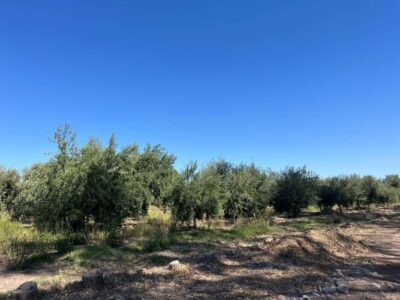
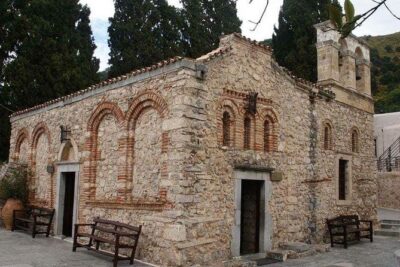
Knossos-Zeus Cave -Old Traditional Villages-Olive Oil Factory
Read our review →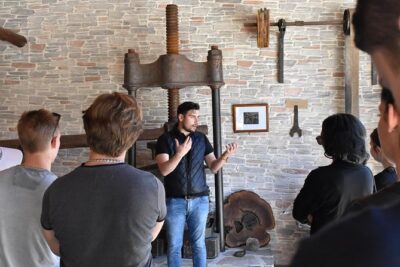
The Governor’s Olive Mill Tour with Olive Oil Tasting
Read our review →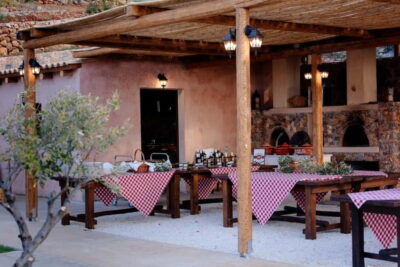
Road-trip to Lasithi, Zeus Cave & Olive Mill Farm
Read our review →
LA Almazara LA Organic, Olive Oil Museum and Tasting
Read our review →
Lassithi, Zeus Cave, Olive Mill Farm & Knossos Combo Tour
Read our review →
Zeus Cave, Lassithi Plateau, and Olive Factory Tour
Read our review →
Browse the lists this tour appears in