
REVIEW · LECCE
Lecce: Olive Oil, Cheese, and Wine Tasting Experience
The most useful lesson here is that good olive oil is not supposed to taste bland. In a small Lecce wine bar, you learn to notice bitterness, peppery pungency, and a warm feeling in the throat, then pair three Puglia extra virgin oils with local cheese and wine.
I like the compact format, which fits neatly into a day of sightseeing, and the small group size, limited to four people. I also like that the staff explain production methods instead of simply handing you a plate and a glass. The main drawback is the short one-hour format: this is a focused tasting, not a full meal or a long farm visit.
Key points at a glance
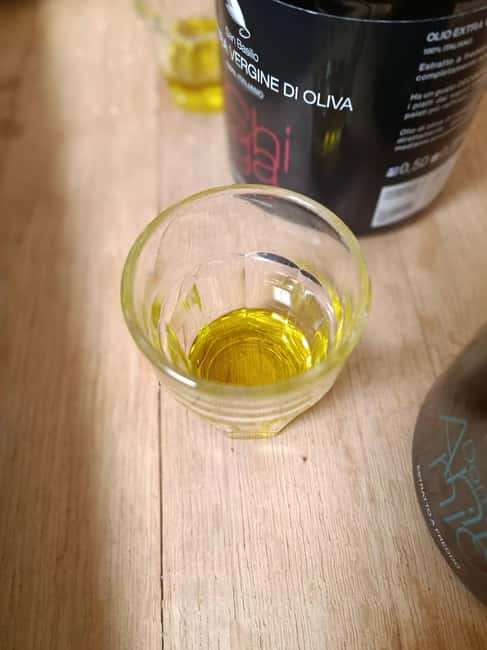
- Three Puglia extra virgin oils: Compare different oils side by side and learn how olive varieties and production affect flavor.
- A proper sensory tasting: Use sight, smell, and taste to judge oil, much as you would assess wine.
- Local cheese pairings: Regional cheeses soften, sharpen, or balance the oils and make the tasting more satisfying.
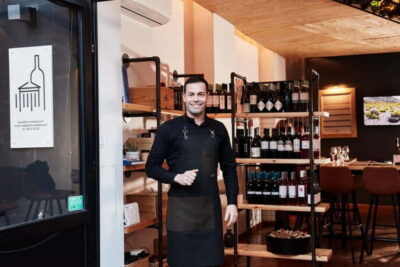
- A small old-town setting: The experience takes place in a selected bistrot or wine bar in central Lecce, with groups limited to four.
- English or Italian guidance: Staff explain the products and answer questions throughout the tasting.
- One glass of wine included: Extra wine and additional local food cost more, so consider this a light tasting rather than lunch.
Three Puglian oils, one useful lesson
Puglia is one of Italy’s best-known olive-growing regions, and olive oil is part of everyday food culture here. This experience gives you a short, clear introduction to that culture without asking you to commit half a day to a countryside excursion.
You begin with three types of Puglia extra virgin olive oil. The point is not simply to decide which one you like best. You learn how to compare them, identify aromas, and notice how the oil behaves in your mouth and throat.
A high-quality oil can have bitterness and a peppery bite. Those traits may surprise you if you are used to mild supermarket oil, but they can signal freshness and the presence of healthy olive compounds. Rancid oil, by contrast, is not defined by a pleasant bitter finish.
The guide or staff lead you through sight, smell, and taste. You may first look at the oil, then smell it for aromas, and finally taste it slowly. The tasting helps you understand why oil is treated as a serious food rather than just a cooking ingredient.
I find this especially useful for anyone who buys olive oil at home. After the tasting, you will have a better idea of what you are paying for when a bottle says extra virgin, and you will be less likely to judge oil only by its smoothness.
More Olive Oil and Wine Tours in Italy:
- Sorrento Farm and Food Experience including Olive Oil, Limoncello, Wine tasting
★ 5.0 · 2,524 reviews - Sorrento: Lemon, Olive Oil and Wine Tasting Tour with Lunch
★ 5.0 · 300 reviews - Alghero: Wine and Olive Oil Tasting at a Local Farm
★ 4.8 · 294 reviews
What happens at Balu’ Cookinpuglia
The meeting point is Balu’ Cookinpuglia in central Lecce. From there, the tasting takes place in a selected local bistrot in the old town. The setting is meant for conversation and sampling, not for a formal restaurant meal or a large public demonstration.
Because the group is limited to four participants, you should have room to ask questions. That matters here. Olive oil tastings can become confusing when a guide rushes through terms such as acidity, pungency, variety, and production method. A tiny group gives you a better chance to pause and ask what you are tasting.
The activity lasts about one hour, so expect a tidy sequence rather than a leisurely afternoon. You will learn about olive oil production, taste the three oils with cheese, and finish with a glass of wine. The route returns to Balu’ Cookinpuglia afterward.
The information lists English and Italian as the available languages. Michael is named in the booking feedback as the person who handled the tasting, though you should confirm the guide for your own date if having a particular host matters to you.
Learning to taste olive oil properly
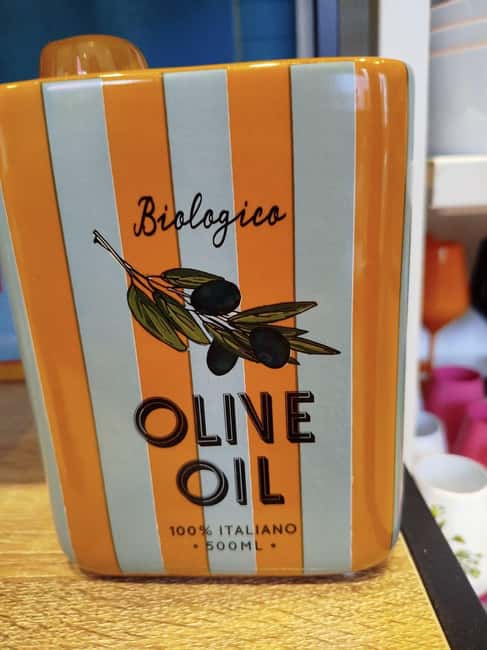
Olive oil tasting is more than dipping bread into a dish. The staff explain how to assess quality through sight, smell, and taste, much as you would approach a wine tasting.
Smell is important. You might notice fresh, grassy, fruity, or herbal notes, depending on the oil. The exact aromas will vary with the samples chosen, so I would not expect a fixed list of flavors on every date.
Taste gives you the biggest lesson. One oil may feel gentle and rounded, while another may bring clear bitterness or a peppery sensation at the back of your throat. That warm feeling can be part of a fresh, well-made oil, not a flaw.
This is where the guide’s explanation earns its keep. Without context, many people assume the mildest oil is the best. Here, you learn that intensity can be a virtue. The goal is not to prefer the strongest oil, but to understand what makes each one different and how you might use it with food.
You can also ask about olive varieties and production methods. The supplied details do not name the specific varieties or mills used in the tasting, so do not expect a set technical lecture on one particular estate. Instead, think of this as a practical introduction to the main ideas behind Puglian oil.
Cheese turns the lesson into lunch
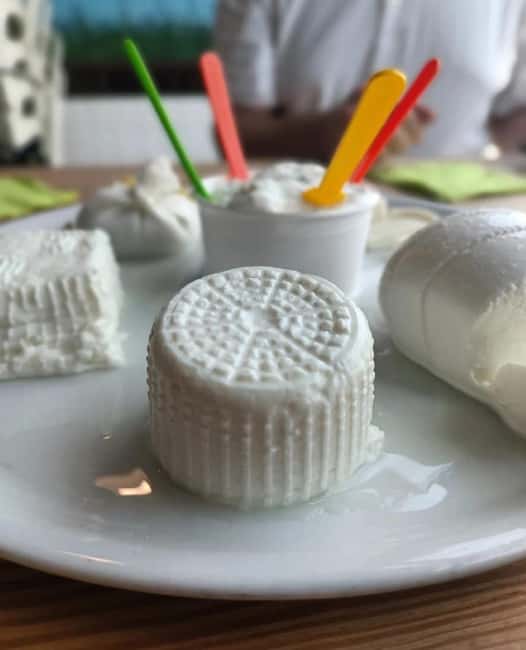
Each oil is paired with locally made cheese. This is not just a generous extra. Cheese gives your palate something solid to compare with, and it shows how oil changes when eaten with food.
A sharper cheese may make a peppery oil seem more forceful. A softer cheese may bring out fruitier or gentler notes. You can ask the staff why a particular cheese is served with a particular oil, and that question is likely to make the tasting more useful.
The included food is described as assorted cheeses and regional cheese pairings. The exact cheeses are not specified, so I would not book this expecting one named Puglian specialty. You can expect a selection of local cheese chosen to accompany the oils.
Keep the portion in mind. This is a tasting, not a complete lunch. The experience includes cheese and a glass of wine, but additional local foods are not included. If you arrive hungry, plan another meal before or after the tasting.
More Cheese Tastings in Italy:
- DISCOVER SORRENTO, food &Walking tour . Lemons-cheese&olive oil
★ 4.5 · 34 reviews - Private wine, Extra Virgin Olive Oils & Cheese Tasting
★ 4.0 · 12 reviews - Florence: The secret of wine, cheese and olive oil at a farm
★ 5.0 · 3 reviews - From Chania: Olive Oil, Wine, Cheese & Honey Tasting Tour
★ 4.6 · 490 reviews
One glass of wine in a Lecce wine bar
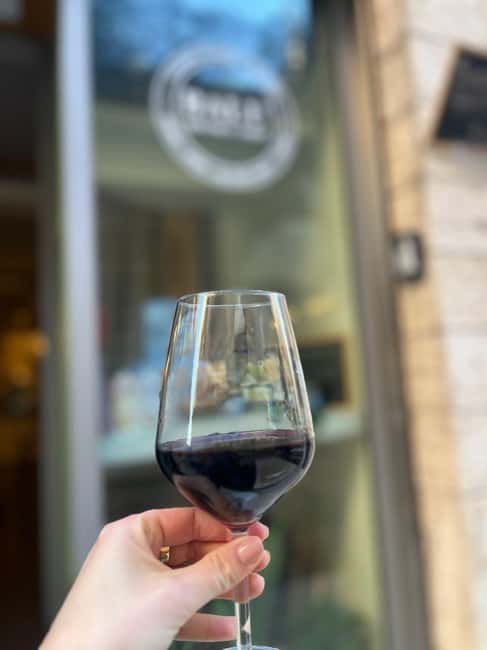
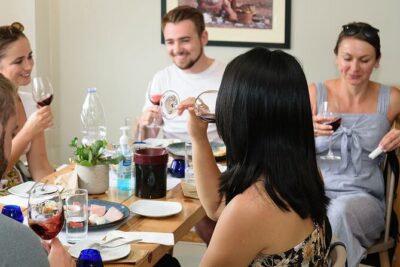
The final element is a glass of wine. It gives the session a relaxed local-bar feel and lets you compare the oils and cheese with a regional drink.
Only one glass is included. Extra glasses of wine cost more, as do additional local foods. That is easy to manage if you treat the booking as a short aperitivo. It matters more if you expect a wine flight, several dishes, or a full meal for the $65 price.
The setting in Lecce’s old town is part of the appeal. You are not being taken to a distant factory or an isolated estate. You meet centrally and taste in a selected bistrot, making it simple to fit the activity around churches, shops, and other old-town stops.
The location is also a practical limitation. Since the exact bistrot can vary, the atmosphere and seating may not be identical for every booking. The information promises a charming old-town wine-bar setting, but it does not specify a particular restaurant interior or terrace.
Is $65 good value for one hour?
At $65 per person, this is not the cheapest way to have a glass of wine and a few bites in Lecce. It makes better financial sense if you want instruction, a guided comparison of three oils, regional cheese, and the chance to ask questions in a small group.
A group of four is a strong part of the value. In a larger tasting, you may hear the same basic explanation but have little time to ask about the oil you prefer. Here, the format should feel more like a personal introduction than a quick retail sample.
The price also includes three Puglia extra virgin oils, assorted cheese, and one glass of wine. Extra drinks and food are outside the price, so calculate the total based on what you want from the visit.
I would book this for a food-focused hour, not as a substitute for a full culinary tour. If you are comparing it with a longer farm visit, cooking class, or winery tour, this experience offers less time and less food. Its strength is the sharp focus on oil and its use with cheese.
Timing, age limits, and planning your day
The experience is available Tuesday through Saturday. The listed starting times are 12:00 AM and 5:00 PM. Because midnight is an unusual start time for this kind of tasting, check the exact time carefully before booking and confirm the availability shown for your date.
The noon or midday option can work as a light start to lunch plans, while the 5:00 PM option fits nicely before dinner. Since the activity takes about an hour and returns to Balu’ Cookinpuglia, you do not need to set aside a large part of your day.
The experience is not suitable for young children. The supplied age restrictions list children under 10, under 11, and under 12, along with babies under one year, so the safest reading is that participants should be at least 12. Confirm the exact age rule at booking if you are traveling with a child aged 10 or 11.
The group limit of four makes this a good choice for a couple, solo visitor, or small family that meets the age requirement. It is less suited to a large party that wants to sit together.
Questions worth asking during the tasting
You do not need to know olive-oil vocabulary before arriving. Still, a few simple questions can help you get more from the hour.
Ask which olive varieties created the different flavors. Ask how production methods affect the final oil. Ask why one oil feels more bitter or peppery than another, and which cheese best matches each sample.
You can also ask how to recognize a good extra virgin olive oil at home. The point is not to leave with a professional certification. It is to understand freshness, aroma, bitterness, pungency, and the warm finish well enough to shop and taste with more confidence.
The staff are specifically there to answer questions, and the small group means you should not feel rushed into silence. If you are interested in food, use that opportunity. A basic tasting becomes much more useful when you connect each sample to a real cooking or dining choice.
What the experience does especially well
The strongest feature is the teaching. The oil is not presented as a vague symbol of Puglia. You get a method for tasting it and a reason to pay attention to its less obvious flavors.
The next strength is the combination of oil, cheese, and wine. Each item helps explain the others, and the cheese keeps the session from feeling like a purely technical exercise.
The personal attention also matters. The two available languages, English and Italian, make the tasting accessible to a wider range of participants, while the four-person limit leaves space for questions.
The most important limitation remains the duration. One hour is enough for a clear introduction, but not enough for a large selection of foods, a long production tour, or a detailed study of Puglia’s olive-growing areas. You get a concentrated lesson in a central Lecce setting, and that is exactly how you should judge it.
Should you book this Lecce tasting?
I would book it if you want a compact, food-centered activity that teaches you something you can use beyond Italy. The three oils, regional cheeses, wine, and small group make the hour more substantial than a casual snack stop.
I would skip it if you want a full meal, a countryside olive farm, or a long wine tasting. For $65, the value depends on your interest in guided tasting and product knowledge.
For most food lovers with a free hour in Lecce, this is a sensible choice. You leave with a clearer palate, a better understanding of Puglia’s olive oil, and a practical way to judge bitterness and freshness instead of assuming mild always means best.
FAQ
Where does the Lecce olive oil tasting begin?
The experience begins at Balu’ Cookinpuglia in central Lecce. The tasting takes place in a selected bistrot in the old town and returns to Balu’ Cookinpuglia afterward.
How long does the tasting last?
The tasting lasts around one hour.
What is included in the price?
The price includes three types of Puglia extra virgin olive oil, assorted cheeses, and one glass of wine.
Are extra drinks and food included?
No. Additional glasses of wine and extra local foods are not included.
What languages are available?
The live guide and tasting assistance are available in English and Italian.
How many people are in the group?
The experience is a small-group activity limited to four participants.
On which days is the tasting available?
The tasting is available from Tuesday to Saturday.
Can I cancel the booking?
You can cancel up to 24 hours in advance for a full refund. A reserve-now-and-pay-later option is also available.
Just added around Italy
- Sortino: Olive Oil tasting with Sicilian Products and Wine★ 5.0 · 5 reviews
- Montecatini Alto: Gourmet picnic among the olive trees with EVO oil pairing★ 5.0 · 2 reviews
- Marano di Valpolicella: DOP Olive Oil Tasting Experience★ 4.9 · 10 reviews
- Monopoli: Ancient Olive Groves & Coastal E-Bike Ride★ 4.5 · 5 reviews
- Lecce: E-Bike Tour to Galatina Olive Mill & Wine taste +Taxi★ 5.0 · 10 reviews
- Guided Olive Oil & Wine Tour From Padua★ 4.8 · 5 reviews
- From Florence: Horseback Ride and Olive Oil and food tasting★ 4.3 · 8 reviews
- From Florence: Olive Oil Mill Tour and Tasting in Fiesole★ 3.3 · 10 reviews
Olive Oil & Wine Tours, compared.
Sorrento Farm and Food Experience including Olive Oil, Limoncello, Wine tasting
Read our review →
Lemon, Olive Oil and Wine Tasting Tour with Lunch
Read our review →
Browse the lists this tour appears in