
REVIEW · ITALY
Marano di Valpolicella: DOP Olive Oil Tasting Experience
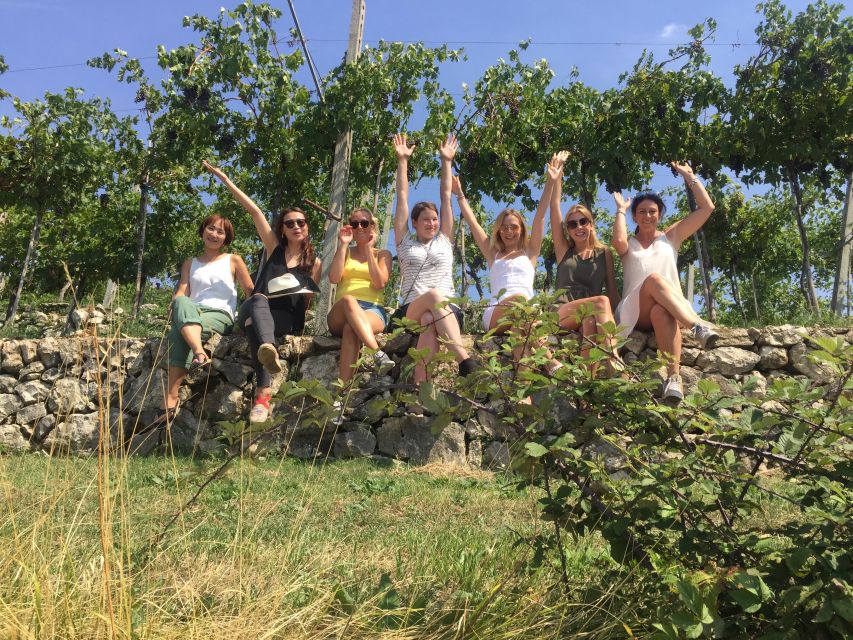
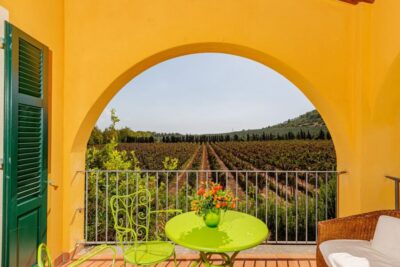
The best part of this two-hour experience is the tasting lesson: you compare four DOP olive oils by sight, smell, and taste instead of simply drizzling oil over bread and calling it a day. The setting helps too, with an olive garden, a 17th-century rural house, and a terrace looking across the Valpolicella hills.
I like the personal feel of this family-run winery, especially the visit to the small room where the oil is collected. I also like the food pairing: fresh bread, local cheese, salami, chutney, and regional wine make this feel like a generous snack as well as a lesson.
The main consideration is transport. The winery is in Marano di Valpolicella rather than central Verona, though the local partner can help arrange public transport from Verona. English is offered, but one past visit found the replacement guide’s English less polished than expected, even though the tour remained understandable.
Key Points to Know Before You Go
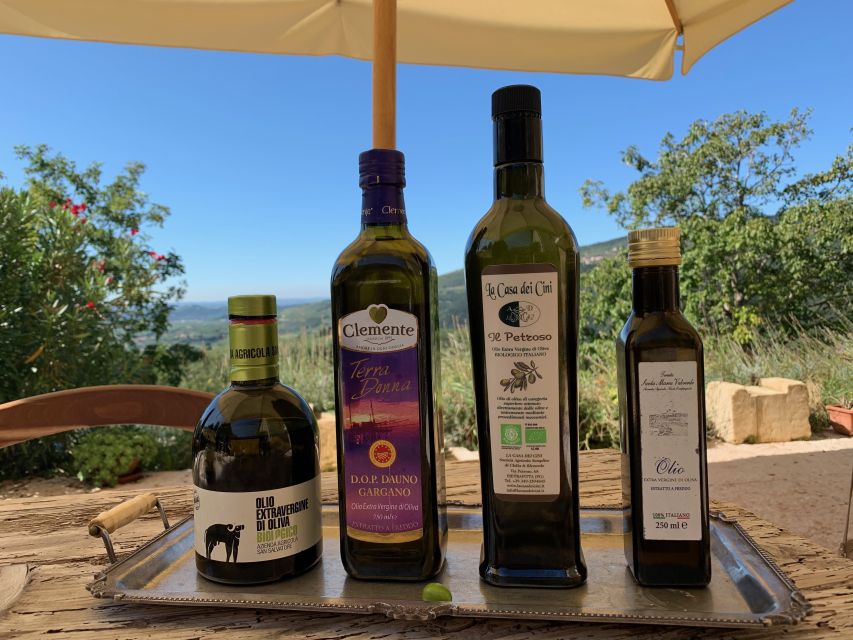
- Four oils, four ways to taste: Learn to compare DOP olive oils through appearance, aroma, and flavor.
- A real working farm setting: Walk through olive trees and visit an authentic cellar in a 17th-century rural house.
- A proper regional spread: Expect fresh bread, local cheeses, salami, chutney, and wine from the area.
- The terrace is part of the experience: Food and wine are served with wide views over the Valpolicella hills.
- A small-scale, personal visit: Ilaria and Nicola have hosted the experience, with an emphasis on explanation rather than hard selling.
- Allow time to reach the winery: Public transport help from Verona is available, but this is not a city-center activity.
Why the Olive Oil Tasting Is More Than a Snack
Italian olive oil is easy to buy and surprisingly hard to judge. A dark bottle, a handsome label, or the words extra virgin do not tell you everything. This visit gives you a simple method for making comparisons yourself.
You taste four DOP oils from different Italian regions. DOP means the product is tied to a protected area and production standard, so the tasting gives you a useful sense of how place and production affect flavor. The point is not to memorize fancy terms. It is to notice the differences between oils that may look similar on a plate.
You first look at the oil, then smell it, then taste it. That order matters. Smell can reveal fresh, grassy, fruity, or peppery notes before the oil reaches your palate, while the finish can tell you whether it has a gentle or more forceful character.
The lesson is especially useful if you cook with olive oil at home. You will leave with a better idea of what freshness and balance should feel like, and you can read an Italian oil label with more confidence. It is a small skill, but one that keeps paying off long after the wine bottles are empty.
More Olive Oil Tastings in Italy:
- Olive oil tasting in Sorrento
★ 5.0 · 434 reviews - Alghero: Wine and Olive Oil Tasting at a Local Farm
★ 4.8 · 294 reviews - Ostuni: Masseria tour among thousand-year-old olive trees with oil tasting
★ 4.8 · 261 reviews
Walking Through the Olive Garden at Tenuta Santa Maria Valverde
The visit begins at Tenuta Santa Maria Valverde in località Gazzo, Marano di Valpolicella. Before sitting down to eat, you take a walk through the olive tree garden and hear about the family-run winery and farm.
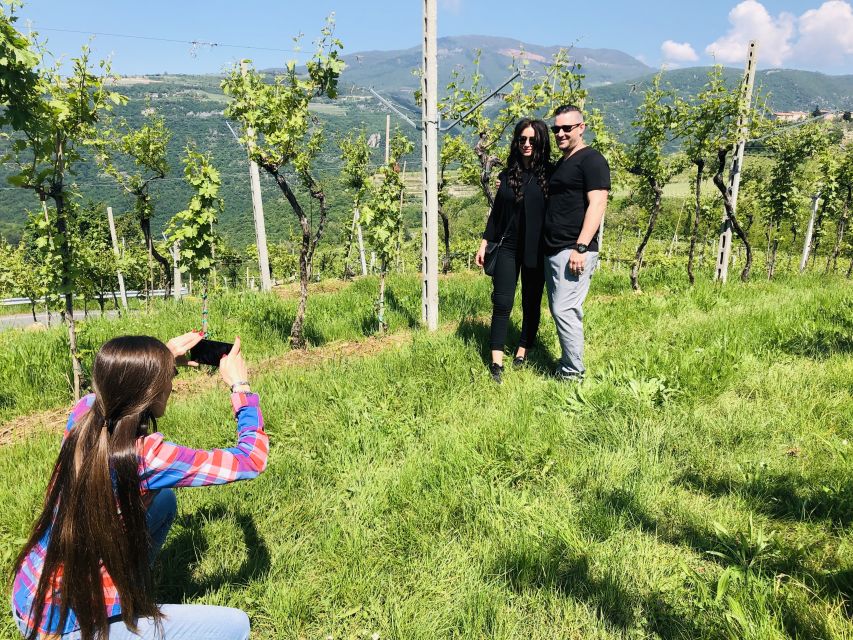
This opening gives the tasting some context. You are not sampling anonymous bottles in a shop. You are seeing the trees and the rural property connected to the food on your table. The surrounding vines and olive trees also help explain why Valpolicella is such a strong setting for a combined wine and oil experience.
The garden includes both old and young olive trees, according to the details of the visit. That contrast makes the farm feel like a living operation rather than a museum display. You may also hear about the local grape varieties and how the area uses its land, as one visit included an explanation of the vineyards and grapes.
Do not expect a long hike. The entire experience lasts two hours, and the garden walk is part of a compact visit that also includes the cellar, oil-making explanation, and tasting. Wear shoes that you can walk in comfortably, but this is not a strenuous outdoor excursion.
The Collection Room and the 17th-Century Rural House
One of the more unusual stops is a small room where the oil is collected. It is described as a secret room, but the value is not mystery for its own sake. The stop shows you a behind-the-scenes part of the farm that most casual wine tastings skip.
You then visit an authentic cellar in a 17th-century rural house. Here, the tour follows the oil-making process from start to finish. The experience does not simply present olive oil as a finished luxury product. It explains the chain of work that brings it from the trees to the bottle.
You will also learn how to read and recognize an authentic Italian olive oil label. That is practical information, especially if you plan to buy oil during your time in Italy. Labels can be crowded with terms, regional references, and quality claims. A guide who explains what to look for can save you from choosing a bottle based only on packaging.
I like this part because it gives the tasting a reason. Without it, four oils might blur together. With it, you can connect flavor to origin, production, and labeling.
The Tasting Table: Oil, Wine, and Local Food
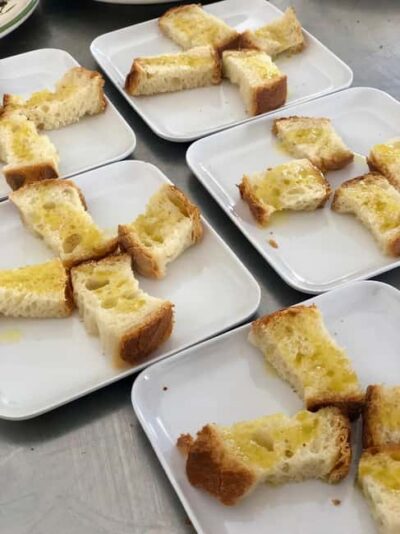
The final tasting takes place on the winery terrace. Four DOP olive oils are presented for comparison, with time to assess each one by sight, smell, and taste. The food is not an afterthought: fresh bread, local cheese, salami, and chutney are served alongside the oils.
That pairing makes the session feel like a regional meal in miniature. Bread gives you a plain base for tasting. Cheese and salami show how the oils work with stronger flavors, while chutney adds sweetness and contrast. The combination is filling enough to matter, though it should not be treated as a full lunch or dinner unless your appetite is very small.
Regional wine is included as well. The setting connects the wine and olive oil traditions of the Valpolicella hills, and the tasting can include wine from the estate’s grapevines. Water is also available, with one visit noting water from a natural spring or fountain on the property.
I would pace yourself here. Taste the oils on their own first, then try them with the bread and food. If you immediately pile everything onto one slice, you will miss the differences the guide is trying to show you.
A few more olive oil tours around Italy worth a look
- Sorrento Farm and Food Experience including Olive Oil, Limoncello, Wine tasting
★ 5.0 · 2,524 reviews - Sorrento: Lemon, Olive Oil and Wine Tasting Tour with Lunch
★ 5.0 · 300 reviews - Balestrate: Olive Grove Tour with Wines & Olive Oil Tasting
★ 5.0 · 241 reviews - Bardolino: Vineyard Tour with Wine, Olive Oil & Food Tasting
★ 4.6 · 221 reviews
The Terrace Views Make the Timing Worthwhile
The terrace is a major part of the appeal. You eat and drink while looking across the Valpolicella hills, rather than sitting in a dark tasting room with no sense of place.
The views are especially valuable because the tour is short. You get a concentrated taste of the region without spending half a day on a large estate visit. The terrace also slows the pace. This is a laid-back activity, not a rushed sequence of facts followed by a quick pour.
The setting has a rural, personal feel, with old and young olive trees, grapevines, and the restored rural house. If you want a polished, formal wine-school lesson, the relaxed style may feel too informal. If you prefer an easy afternoon with food, scenery, and useful information, it works well.
Bring your camera, but do not let the photo stop take over the visit. The view is best enjoyed with the bread, cheese, and wine in front of you.
Guides, Language, and the Feel of the Visit
Ilaria and Nicola are the names associated with the warm welcome and explanations at the property. Ilaria has led tours through the vineyard and olive garden, while both have been described as welcoming hosts during the tasting.
The official languages are Italian and English. You should be able to follow the main explanation in English, but the quality can depend on who is leading the session. One past visit involved a replacement guide whose English was less strong, although the visitor still understood the material because the guide had plenty of subject knowledge.
That is worth keeping in mind if precise language instruction matters to you. The core experience is visual and practical, so you can follow much of it by watching the process and tasting the oils. Still, travelers who want detailed technical discussion should be ready for some variation in presentation.
The tone is not that of a sales presentation. A past visit specifically found that the tour did not feel like a sales event. You can buy wine or olive oil afterward if you wish, but the visit is built around the farm, the tasting, and the meal.
Getting There From Verona
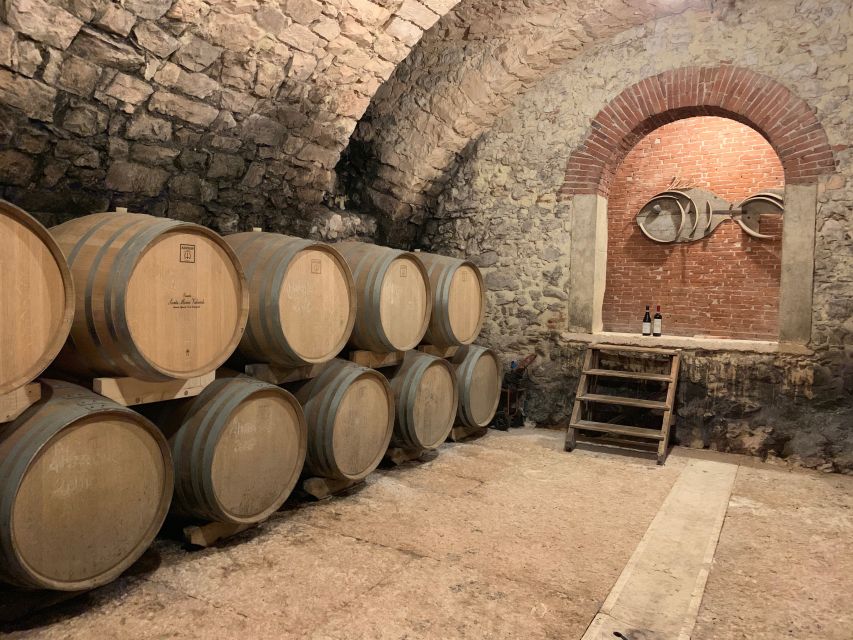
The meeting point is Tenuta Santa Maria Valverde, località Gazzo 4, 37020 Marano di Valpolicella VR. Marano di Valpolicella is outside Verona, so you need to plan the journey rather than assume you can walk over from the historic center.
The local partner can provide help arranging public transport from Verona center to the winery. Ask for that assistance before the day of the visit so you understand the route and timing. The supplied details do not promise a private transfer, and no specific bus or train schedule is provided.
This location is a strength if you want countryside views and a real rural setting. It is a drawback if you have only a short stop in Verona or want an activity directly beside the Arena. Leave enough time for the trip in both directions, since the tasting itself lasts two hours and does not include extra city sightseeing.
The route information also refers to Verona, Valpolicella, and Marano di Valpolicella, but the main activity takes place at the winery. Think of it as a short countryside outing from Verona, not a Verona walking tour.
Is $71 a Fair Price?
At $71 per person, this is not the cheapest way to taste olive oil. You are paying for more than four small samples, though. The price includes the guided visit, olive oil production explanation, olive garden and rural house access, four DOP oils, regional wine, bread, cheese, salami, and chutney.
The setting adds real value. A basic shop tasting may teach you little beyond which bottle you happen to prefer. Here, you get a method for tasting, a look at the farm, and a terrace meal with views over the hills.
I consider the price fair for people who value food culture and a smaller family-run setting. It is less compelling if you only want to buy olive oil or if you are mainly interested in wine. The experience includes wine, but olive oil is the main subject.
The tasting can also help offset the cost if you plan to purchase a bottle afterward. One past visitor bought wine and olive oil to support the local business. That purchase is optional, and the visit is not presented as a sales event.
Who Will Enjoy This Experience Most?
I would recommend this activity to food-focused visitors, couples, small groups, and anyone who wants a calm break from Verona’s busy center. It suits people who enjoy learning how everyday ingredients are produced, especially if you like both olive oil and wine.
It is also a good choice for visitors who want local food without committing to a long cooking class. You get a compact lesson, a generous tasting table, and time outside in the countryside.
Families may enjoy the food and views, though the supplied information does not specify a child age policy or special children’s program. If you are booking with children, confirm the details first.
I would be more cautious about booking it for a strict wine enthusiast who wants a large comparative wine tasting. Wine is part of the food pairing, but the strongest focus is the four DOP olive oils and the farm’s production story.
The experience also suits people who dislike crowded, highly commercial attractions. The visit has a personal tone, and the small property setting feels more connected to local production than to mass tourism.
Practical Details That Matter
The tour lasts two hours, with starting times dependent on availability. That is long enough for the garden, cellar, production explanation, and tasting without taking over your day.
Free cancellation is available up to 24 hours before the activity for a full refund. You can also reserve now and pay later, which helps if your Verona plans are still shifting.
The tour is offered in Italian and English. Since the experience includes walking through the garden and rural house, comfortable footwear makes sense. No special equipment is listed.
The food pairing includes local cheeses, salami, fresh bread, chutney, and wine. If you have dietary restrictions, ask the provider before booking because the available information does not give substitutions or allergy details.
Should You Book the Marano di Valpolicella Olive Oil Experience?
Book it if you want a relaxed countryside outing from Verona with useful food instruction, regional wine, and a proper snack served in a beautiful setting. The strongest reasons are the four-oil comparison, the visit to the olive garden and rural house, and the chance to understand Italian labels before you shop.
Think twice if you want a central Verona activity, a long winery tour, or a wine-only tasting. Transport takes planning, and the English presentation may vary by guide.
For most food lovers, the $71 price is justified by the mix of education, hospitality, food, and views. You leave with more than a full stomach: you know what to look for in olive oil and have seen the rural setting that gives the tasting its meaning.
FAQ
Where does the olive oil tasting take place?
It takes place at Tenuta Santa Maria Valverde, località Gazzo 4, 37020 Marano di Valpolicella VR, in the Veneto region of Italy.
How long does the experience last?
The experience lasts two hours.
How much does the activity cost?
The listed price is $71 per person.
How many olive oils will I taste?
You will taste four different DOP Italian olive oils.
What will I learn during the tasting?
You will learn how to compare olive oils by sight, smell, and taste, and how to recognize information on an authentic Italian olive oil label.
Is wine included?
Yes. The olive oil tasting is paired with regional wine and appetizers.
What food is served?
The tasting includes fresh bread, local cheeses, salami, and chutney.
What parts of the property will I visit?
You will visit the olive tree garden and an authentic cellar in a 17th-century rural house. You will also see the room where the oil is collected.
Is the tour available in English?
Yes. The live tour is offered in Italian and English.
Can I get help traveling from Verona?
Yes. The local partner can assist with arranging public transport from Verona center to the winery.
Just added around Italy
- Sortino: Olive Oil tasting with Sicilian Products and Wine★ 5.0 · 5 reviews
- Montecatini Alto: Gourmet picnic among the olive trees with EVO oil pairing★ 5.0 · 2 reviews
- Monopoli: Ancient Olive Groves & Coastal E-Bike Ride★ 4.5 · 5 reviews
- Lecce: E-Bike Tour to Galatina Olive Mill & Wine taste +Taxi★ 5.0 · 10 reviews
- Lecce: Olive Oil, Cheese, and Wine Tasting Experience★ 5.0 · 2 reviews
- Guided Olive Oil & Wine Tour From Padua★ 4.8 · 5 reviews
- From Florence: Olive Oil Mill Tour and Tasting in Fiesole★ 3.3 · 10 reviews
- From Florence: Horseback Ride and Olive Oil and food tasting★ 4.3 · 8 reviews
Olive Oil Tastings, compared.
The Governor’s Olive Mill Tour with Olive Oil Tasting
Read our review →
Masseria tour among thousand-year-old olive trees with oil tasting
Read our review →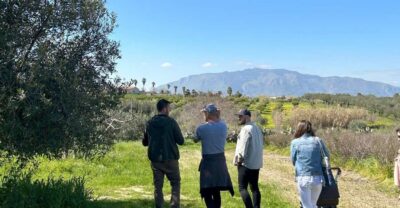
Olive Grove Tour with Wines & Olive Oil Tasting
Read our review →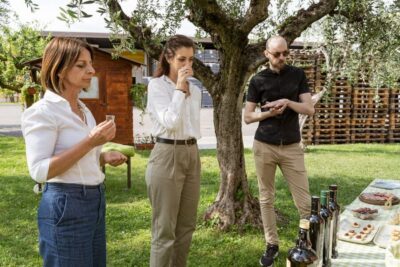
Bardolino: Lake Garda Oil Mill Tour with Olive Oil Tasting
Read our review →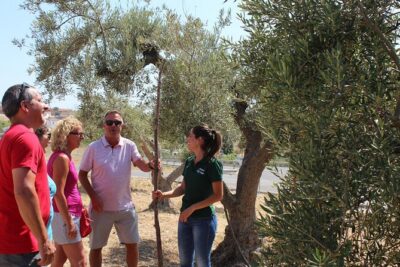
Guided tour and olive oil tasting in Alhaurin el Grande (Málaga)
Read our review →Browse the lists this tour appears in