
REVIEW · GRANADA
Granada in EVOO: Olive grove guided tour and sensory tasting
The best part of this Granada-area outing is that it connects the olive grove to the bottle. You walk among the trees below the Sierra Nevada, then follow the fruit through cleaning, milling, beating, extraction, storage, and packaging at the O-MED mill. It is a useful way to understand why olive oil is central to Andalusian food, not simply a stop at a shop with samples.
I like the clear, hands-on flow and the guided tasting, where you learn to notice smell, taste, and the sensations that linger after swallowing. I also like the setting: the grove and mountain views give the lesson a strong sense of place. The main consideration is timing. If you visit outside the October harvest, the machinery may not be running, so you might see the production area without seeing olives being processed.
Key points at a glance

- A 25-minute escape from Granada: Reach the O-MED olive mill and grove without giving up most of your day.
- From tree to bottle: Follow the olive oil process from fruit reception through extraction, storage, and packaging.
- A real sensory lesson: Learn how to assess oils through smell, taste, and retronasal sensations.
- Sierra Nevada views: The grove provides a striking mountain backdrop for the visit.
- Spanish or English guiding: Ana and Paula have led particularly well-received visits, with clear answers to detailed questions.
- Oil and vinegar tasting: Sample several oils and vinegars, with the option to purchase O-MED products afterward.
Why olive oil makes a good Granada excursion
Granada is best known for the Alhambra, tapas, and the Sierra Nevada. Olive oil brings those parts of Andalusia together. It is a farming product, a cooking staple, and a source of regional identity, yet many visitors use it every day without knowing what separates ordinary olive oil from Extra Virgin Olive Oil, usually shortened to EVOO.
This visit gives you that missing context. Instead of treating oil as a small tasting course, it explains the work behind it. You see where olives grow, learn how they are collected, and follow the production stages that affect the final flavor.
At $47 per person, the experience costs more than a casual tasting in central Granada. The value comes from the full format: a guide, a grove visit, a mill visit, several oil samples, and vinegar tasting. You are paying for interpretation as much as for food.
I would not choose this simply because you want a quick snack. I would choose it if you are curious about Andalusian agriculture, enjoy tasting local products, or want a slower half-day idea close to the city.
More Olive Grove Walks in Spain:
- Visit of the olive grove, olive oil tasting and snack
★ 4.9 · 111 reviews - Córdoba: Visit a family organic olive grove with tasting
★ 5.0 · 30 reviews - Visit to olive grove and olive mill with oil tasting and tasting
★ 5.0 · 25 reviews
Reaching O-MED from central Granada
The mill is about 25 minutes from the centre of Granada. That short distance matters. You get a change of scenery without committing to a full-day trip, and the visit can fit around other major plans if the starting time works for you.
The supplied details do not specify transport arrangements, so check how you will reach the site before booking. The tour itself is offered in Spanish and English, and it is wheelchair accessible. If you need particular access arrangements, it is sensible to confirm them in advance.
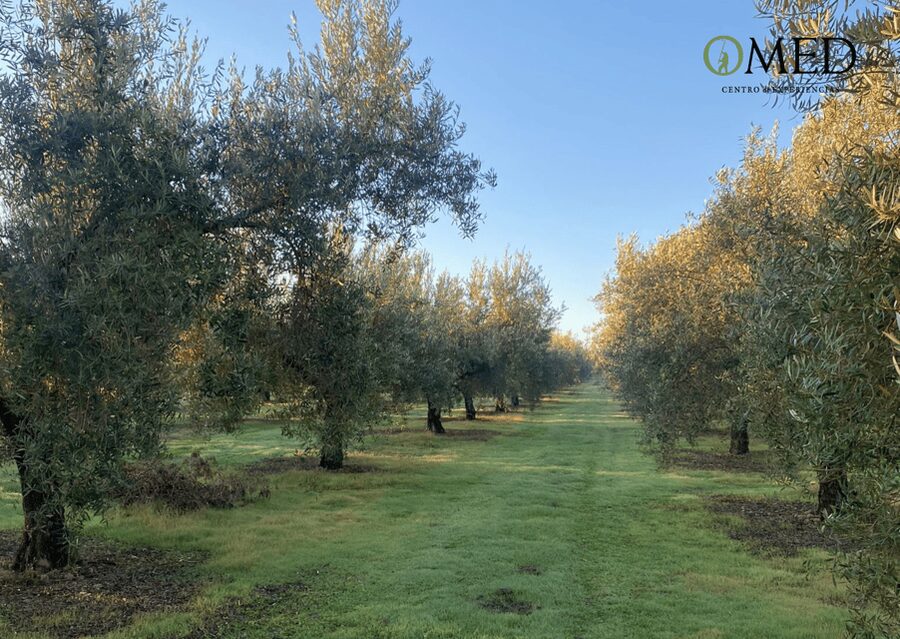
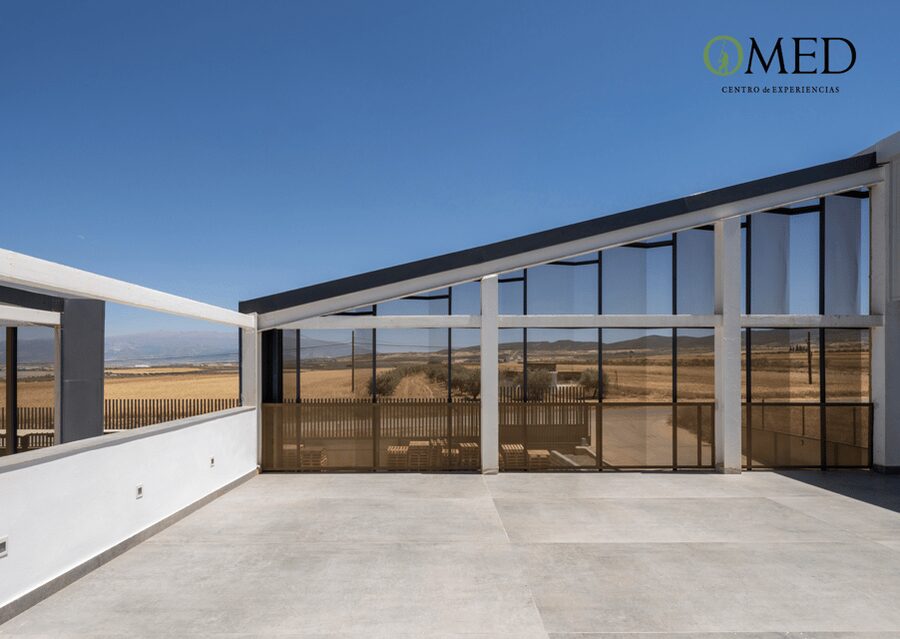
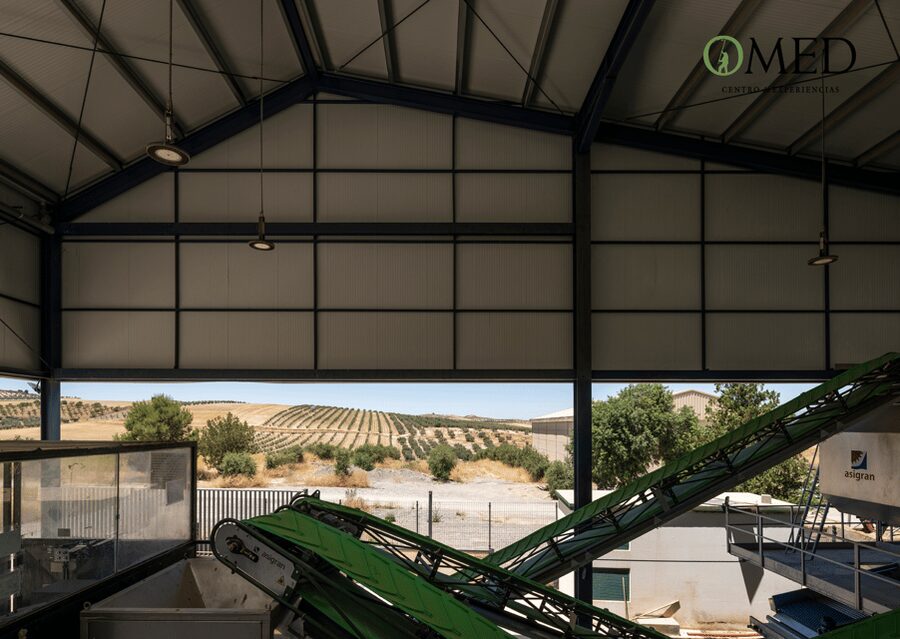
The setting is part of the attraction. You are not learning about olives in a city tasting room. You are near the trees, with the Sierra Nevada visible beyond the grove. The mountain view adds a strong visual reminder that Andalusia is not one flat agricultural zone, but a region where high peaks and olive-growing country sit close together.
Walking among the olive trees
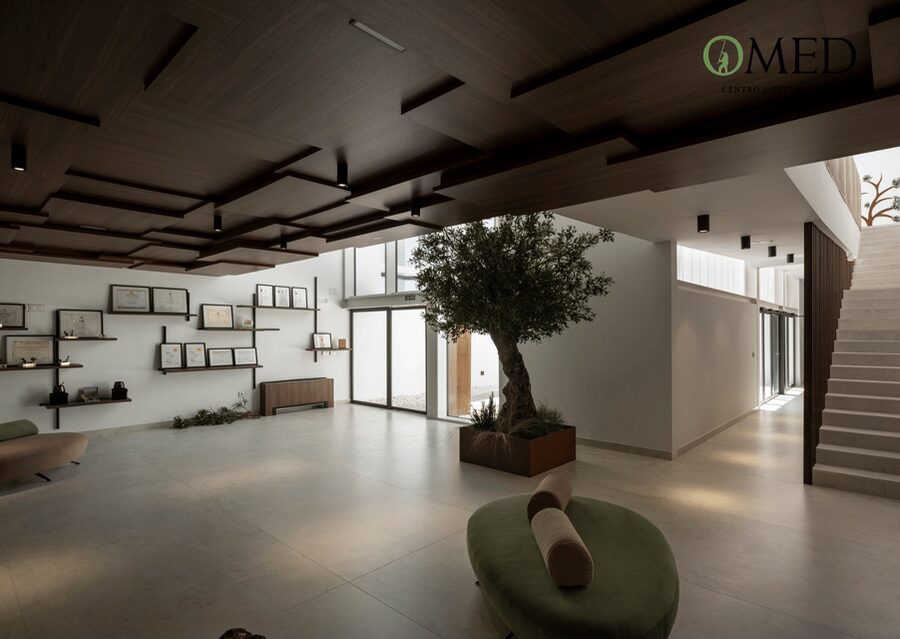
The grove visit lasts about half an hour. That is enough time to focus on the tree itself without turning the outing into a long country walk.
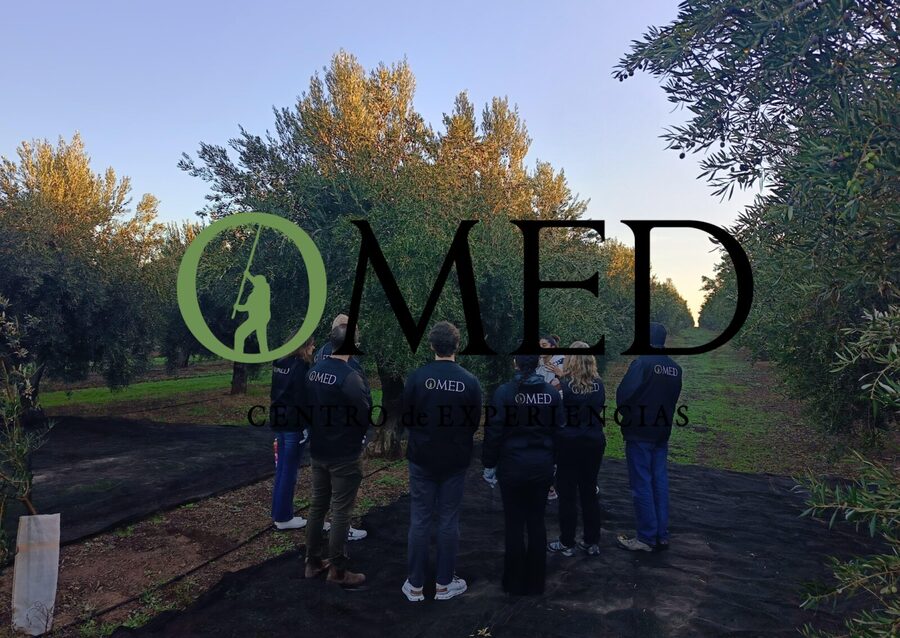
Your guide explains the olive tree, its fruit, care, and harvesting. This is where the tour earns its place before the mill visit. Once you understand that oil begins as a seasonal fruit needing careful attention, the machinery and production steps make more sense.
The olive tree is also a useful subject for visitors who know little about farming. You learn to look at the tree as a living crop rather than treating the bottle on the breakfast table as the beginning of the story. The mention of millenary trees adds another layer, connecting present-day production with the long presence of olives in the region.
The season can change what you see. Harvesting begins in October, and one recent visit took place just after the chance to watch it in action had passed. If seeing the harvest is important to you, ask about the current stage of work before you reserve.
That point is worth stressing because a tour of a working mill is not the same as a guaranteed production demonstration. Outside the active harvest, you may learn the process from the guide and facilities but not see every machine operating.
Inside the O-MED olive mill
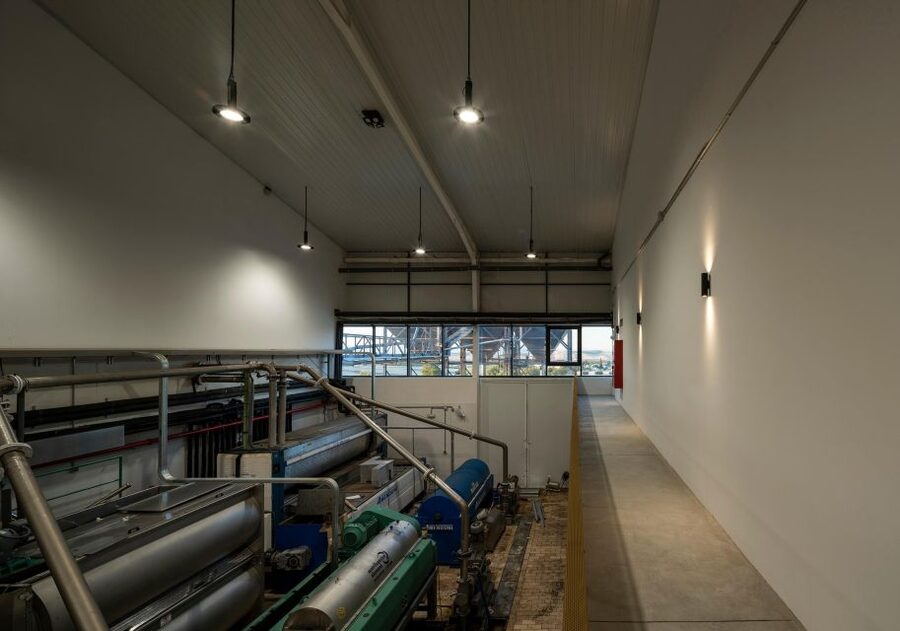
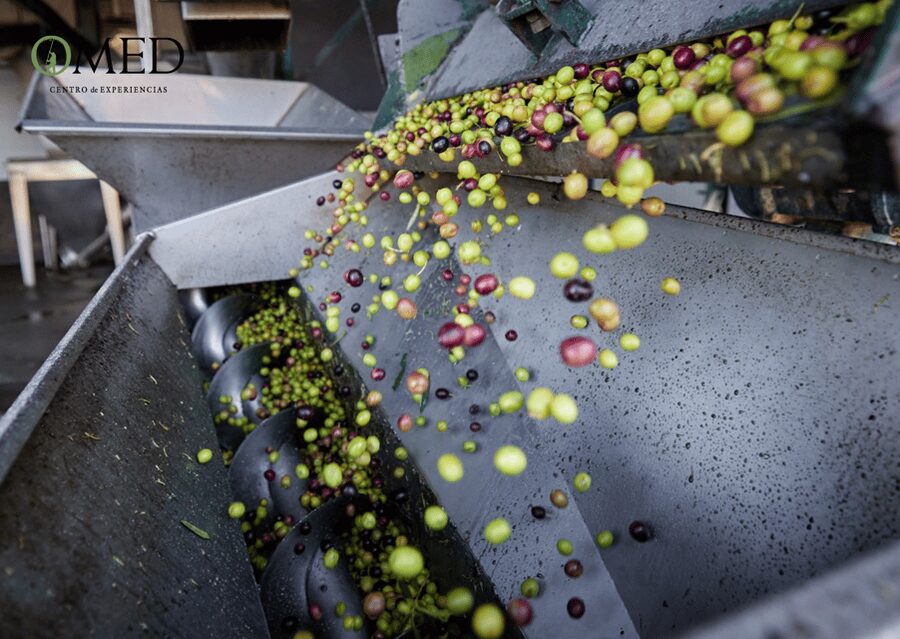
The mill section covers the route from the arrival of the olives to the finished product. Your guide explains reception of the fruit, cleaning, milling, beating, extraction, storage, and packaging.
Each step has a practical purpose. Cleaning prepares the fruit for processing. Milling breaks it down, while beating helps separate the oil from the olive paste. Extraction produces the oil, and careful storage and packaging protect what has already been made.
You do not need a technical background to follow the explanation. The tour is designed as an introduction, and the strongest part is the clear sequence. You can ask how the stages connect, rather than trying to remember disconnected facts.
The mill is also described as a sustainable space. The provided details do not spell out specific sustainability systems, so I would not promise particular equipment or practices. Still, the focus on the full production chain helps you understand that quality depends on more than the tree or the final label.
One limitation is that the machinery may not be in operation during your visit. That does not remove the educational value, but it can make the mill feel more like a guided production facility than a live factory floor. If moving machinery is a priority, contact O-MED before booking.
More Guided Tours in Spain:
- Guided tour and olive oil tasting in Alhaurin el Grande (Málaga)
★ 5.0 · 200 reviews - Guided Tasting Tour in 16th century House and Olive Oil Factory
★ 5.0 · 169 reviews - Sóller: Olive Oil Guided Tour and Tasting at Can Det Estate
★ 4.8 · 82 reviews - Jaén: Guided Olive Mill Tour with Olive Oil Tasting
★ 4.9 · 74 reviews
Learning what makes EVOO different
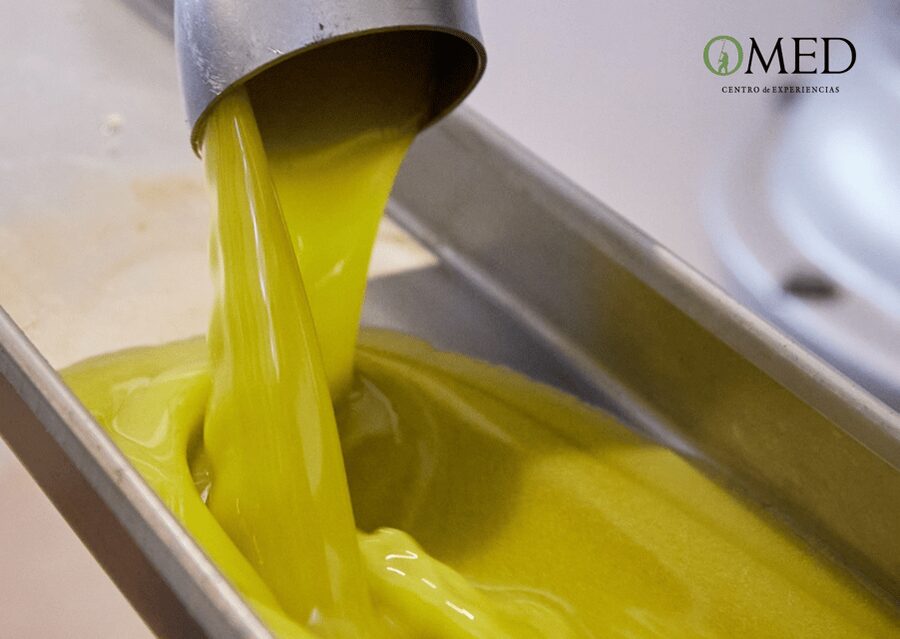
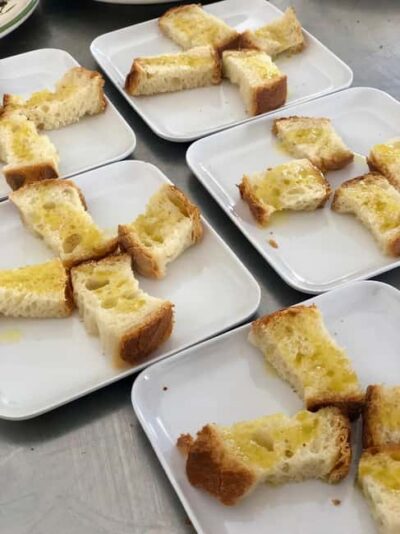
The tasting is not just a chance to pour oil onto bread. It introduces the basic principles of sensory analysis, including olfactory sensations, gustative sensations, and retronasal sensations.
In plain terms, you are asked to pay attention to what you smell, what you taste, and what returns through the nose after the oil is in your mouth. That framework gives you a better way to compare samples and notice differences that might otherwise seem minor.
Several oil varieties are tasted, along with different vinegars. This broadens the experience beyond one signature bottle. You can compare products and decide which flavors suit your own cooking, rather than accepting a single sample as the whole story.
I like this part because the lesson travels home with you. Afterward, you are better placed to read an olive oil label, judge aroma and flavor, and think about how oil works with food. The tasting also gives the visit a satisfying finish after the more technical mill explanation.
The experience includes the chance to buy O-MED olive oils and vinegars. Treat that as an option, not an obligation. You can taste first, ask questions, and decide if the product is worth carrying home.
The guides make a real difference
Guide quality matters on a small food and farm visit. A dull explanation can make even an interesting production process feel dry. Ana and Paula are the named guides associated with this experience, and both are described as friendly, clear, and able to handle questions.
Paula has been especially effective with groups wanting detail. She explains the olive plant, extraction, production, company background, and the tasting without losing the human side of the visit. Her enthusiasm and patience are useful if you arrive with many questions.
Ana has also led a personalized visit for a couple, which suggests that the experience can work well when the group is small. The minimum operating number is two people, so contact the provider if you cannot reach that number.
The guide-led format is important because the buildings and equipment alone will not explain themselves. Ask about harvesting, why the fruit is cleaned, how the extraction works, and how storage affects the finished oil. The more curious you are, the more useful the two hours become.
How the price compares with the experience
The listed price is $47 per person. For two hours, that is not the cheapest way to taste local food in Granada, but it is reasonable if you value access to the grove and mill as well as the samples.
You receive:
- A guided grove visit of about 30 minutes
- A guided visit to the oil mill
- Tasting of different olive oils
- Tasting of different vinegars
- Guiding in Spanish or English
The supplied information describes the overall activity as two hours, while also listing a half-hour grove visit and a two-hour mill visit among the inclusions. Because those timings do not line up perfectly, confirm the exact schedule when booking.
The best value comes for people who want explanation, not just consumption. If you only want to buy a bottle, you may find a shop visit simpler. If you want to understand how the bottle came to be, the extra cost is easier to justify.
The products can also make practical souvenirs. Oil and vinegar are useful gifts, though you should consider how much you want to carry and any rules that apply to your onward journey.
Who should book this olive oil visit

I would recommend it for food-focused visitors, couples, and anyone spending several days in Granada who wants to see more of Andalusia beyond the city centre. It also suits people who appreciate a calm, guided activity with a clear beginning and end.
Families may find the grove and machinery interesting, though the educational focus is more suited to children who can follow a guided explanation. The tasting is the main reward for adults, while the countryside setting gives the visit variety.
This is a good choice for repeat visitors to Granada, too. If you have already seen the Alhambra and explored the historic centre, a local agricultural experience shows another side of the region.
It may be less suitable if your schedule is very tight or if you want an active outdoor excursion. The grove walk is brief, and the visit is centered on explanation, production, and tasting rather than hiking.
Practical details before you reserve
The experience lasts two hours according to the activity details, with starting times shown during the booking process. Since the mill is about 25 minutes from central Granada, allow time for getting there and returning, even though the visit itself is short.
Guiding is available in Spanish and English. The activity is wheelchair accessible, but confirm any personal access needs ahead of time because the information provided does not describe every surface or facility.
You can cancel up to 24 hours before the activity for a full refund. A reserve-now, pay-later option is also available, which helps if your Granada plans are not yet fixed.
The tour needs at least two participants to operate. If you are booking alone or your party is small, contact O-MED if you are unsure that the minimum has been met.
The October harvest is the key seasonal detail. Go during that period if watching active harvesting is important to you, but ask first because the exact timing can vary. Outside harvest, the tour still covers the full production method, but the machinery may not be running.
Should you book Granada in EVOO?
Book it if you want a well-explained look at Andalusian olive oil, a short trip into the countryside, and a tasting that teaches you how to use your senses. The Sierra Nevada views, the walk among the trees, and the chance to compare oils and vinegars give the visit more substance than a simple product sampling.
Keep your expectations realistic. You may not see live machinery, especially outside the October harvest, and the grove walk is short. But with guides such as Ana and Paula, a clear production story, and a price that includes both oils and vinegars, this is a strong choice for curious food lovers near Granada.
FAQ
How far is the olive mill from Granada?
The O-MED olive mill is about 25 minutes from the centre of Granada.
How long does the experience last?
The activity duration is listed as two hours. The inclusions also describe a half-hour olive grove visit and a two-hour oil mill visit, so confirm the exact timing when booking.
What languages are available?
The tour is available in Spanish and English.
Is the activity wheelchair accessible?
Yes, the activity is listed as wheelchair accessible.
What will I see in the olive grove?
You will learn about the olive tree, its fruit, care, and harvesting while walking among the trees below the Sierra Nevada.
What does the olive mill visit explain?
The visit covers the process from receiving and cleaning the olives through milling, beating, extraction, storage, and packaging.
What is included in the tasting?
You will taste different olive oils and different vinegars. The guide also explains basic sensory analysis, including smell, taste, and retronasal sensations.
Can I buy olive oil after the tasting?
Yes. O-MED olive oil and vinegar are available to taste and buy after or during the visit.
Is the tour guaranteed to operate with one person?
The activity requires a minimum of two people. Contact the provider if you cannot reach that minimum.
Can I cancel for a full refund?
You can cancel up to 24 hours in advance for a full refund. A reserve-now, pay-later option is also available.
Just added around Spain
- XXI Century Olive Oil Mill Tour★ 5.0 · 3 reviews
- Visit to an olive oil mill and oil tasting with aperitif and food and wine pairing.★ 5.0 · 2 reviews
- Ulldecona: Guided Tour of the Millenary Olive Trees of Arión★ 5.0 · 2 reviews
- Treurer: Tapas Gourmet and Extra Virgin Olive Oil★ 4.7 · 3 reviews
- Olive Oil and Winery Tour from Zaragoza City★ 5.0 · 4 reviews
- Olive Oil Private Full-Day Tour with Tasting in Valencia★ 5.0 · 2 reviews
- Olive Oil Factory from Seville Private Tour★ 5.0 · 2 reviews
- Olive Oil Tasting Experience in Sevilla★ 5.0 · 2 reviews
Olive Grove Walks, compared.
Masseria tour among thousand-year-old olive trees with oil tasting
Read our review →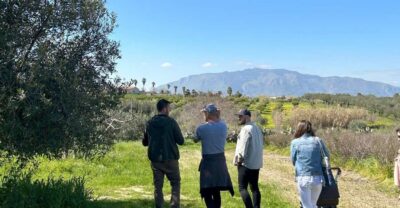
Olive Grove Tour with Wines & Olive Oil Tasting
Read our review →
Traditional Olive Grove and Dragon Fruit Farm Tour
Read our review →
Visit of the olive grove, olive oil tasting and snack
Read our review →
Olive Grove and Vineyard Tour with Product Tastings
Read our review →
Balestrate Olive Grove Tour: Wine and Olive Oil Tasting
Read our review →
Guided tours of the olive grove with oil tasting.
Read our review →
Organic Olive Grove tour & Olive oil tasting & lunch in Kalamata!
Read our review →Browse the lists this tour appears in