
REVIEW · SPAIN
Visit to olive grove and olive mill with oil tasting and tasting
The most meaningful part of this Oliete visit is not just the oil. It is the chance to see how abandoned, centuries-old olive trees are being brought back into production, one grove at a time. The visit links farming, food, and rural renewal in a clear, human way.
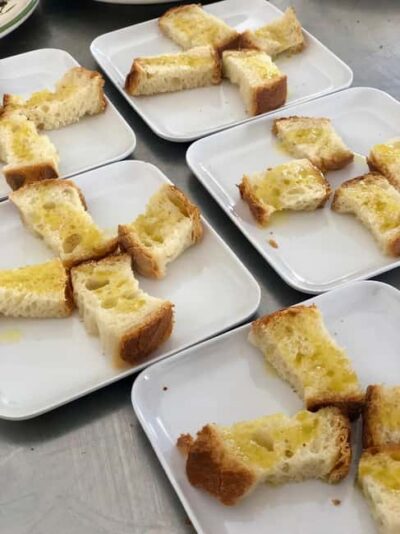
I like the small group limit of 10, which gives guides such as Jaime and Raúl room to answer questions. I also like that the tasting goes beyond a sip of oil, adding toast with vegetables roasted over olive-wood prunings and preserved in the project’s oil. The main consideration is location: you need to reach Oliete on your own, since private transport is not included.
Key points at a glance
- Restored centenary olive groves: See the work involved in rescuing neglected trees and keeping Oliete’s rural community active.
- A real mill visit: Follow the olive from arrival at the mill through processing and packaging.
- Two oils, not just one sample: Learn how aroma, flavor, quality, and oil categories differ during a guided tasting.
- Local food with a purpose: Finish with toast, preserves, and a drink made around the project’s own produce.
- Award-winning production: The oil received the best Bajo Aragón DOP award in 2020, 2022, and 2024.
- A compact, social experience: The visit lasts about two and a half hours and ends where it begins in Oliete.
Why Oliete makes this olive-oil visit different
Many olive-oil tours are built around a mill, a tasting room, and a few polished sales points. This one begins with a problem: abandoned olive trees and a rural area working to keep people, jobs, and basic services in place.
The project, Apadrinaunolivo.org, uses money from visits to recover barren olive trees in Oliete. That gives your admission a purpose beyond the outing itself. The project says this work helps create employment, support population in the countryside, and help keep local services such as schools open.
I find that context important. You are not simply learning how a bottle of oil is made. You are seeing how agriculture can help a small community remain viable. The visit also connects with the project’s olive-tree sponsorship program, and some people choose to sponsor trees after seeing the work firsthand.
That social purpose will matter most if you prefer food experiences with a local connection. If you only want a quick tasting and a shop stop, the visit may feel more involved than necessary. The grove and the project story are central to the experience.
More Olive Mill Visits in Spain:
- Ronda: LA Almazara LA Organic, Olive Oil Museum and Tasting
★ 4.6 · 435 reviews - Guided Tasting Tour in 16th century House and Olive Oil Factory
★ 5.0 · 169 reviews - Visit Oil Mill Museum and Olive Oil Tasting in Ronda
★ 4.5 · 105 reviews
Walking among Oliete’s recovered olive trees
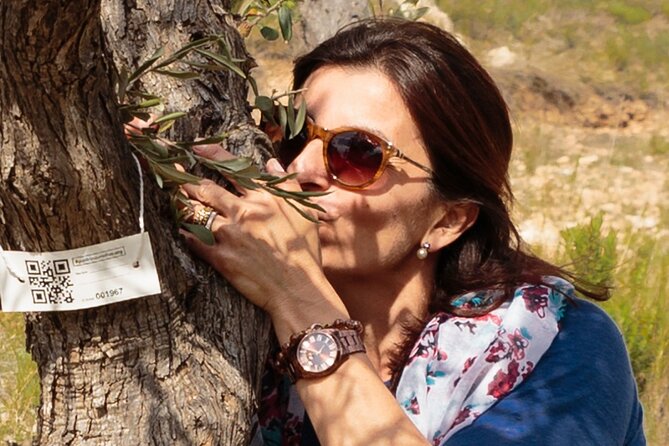
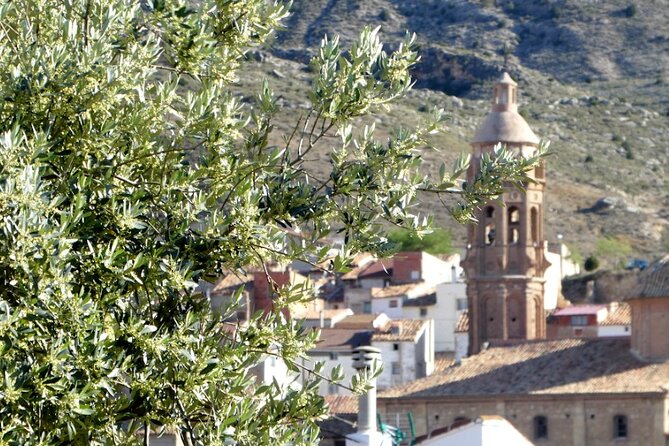
The first major part of the visit takes you into the olive grove. Here, you learn what it takes to recover an abandoned tree, including its condition, characteristics, and the work connected with harvesting.
This is the part that gives the oil a sense of place. A bottle on a tasting table can seem abstract. Seeing the old trees and the effort required to restore them makes the finished product easier to understand.
The experience is also seasonal. A visit in spring can be especially attractive, when the recovered groves are described as particularly appealing for walking. But the exact appearance of the trees and the activity in the fields will depend on the time of year.
Do not treat this as a strenuous countryside hike. The published information describes a visit to the grove, not a long-distance walk. Still, you should expect time outdoors and suitable footwear. The exact route and ground conditions are not specified, so practical shoes are the sensible choice.
The grove portion can also be useful for families and children because it gives a physical setting to the explanations. You are not just hearing about cultivation in a room. You are looking at trees that have survived for generations and learning how they are cared for today.
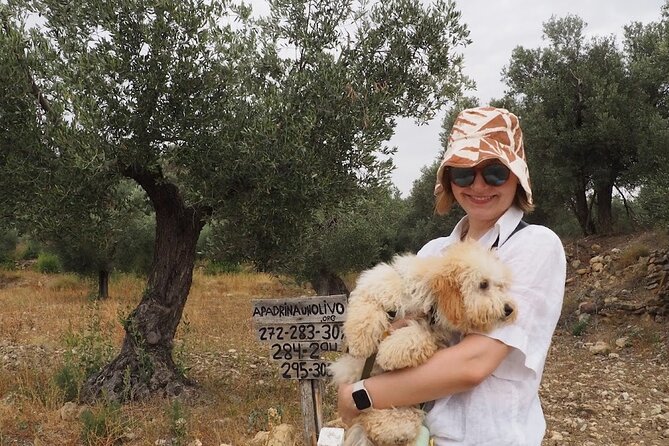
Pets are welcome during the olive-grove visit. They are not allowed in the tasting area for health reasons, so anyone arriving with a dog needs to plan for that change between outdoor and food-related sections.
From harvested olive to extra virgin olive oil
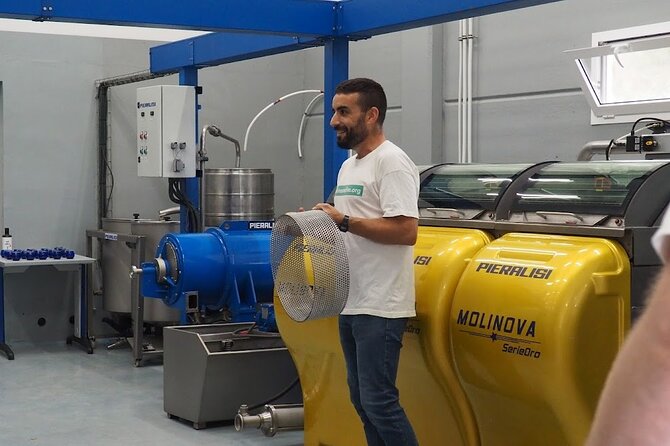
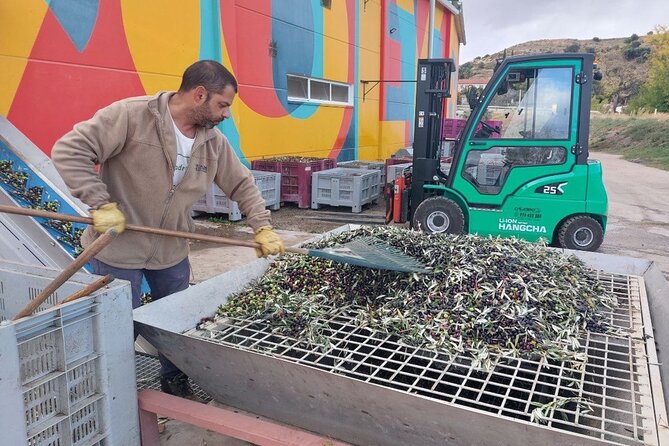
The mill visit explains what happens after the olives leave the trees. The guide covers the process of grinding the olives and the equipment involved in producing a high-quality extra virgin olive oil.
This is a useful stop even if you already cook with olive oil. The terms extra virgin, quality, and oil category can sound vague until someone connects them to the production process. The visit helps you see that good oil depends on more than the name printed on the label.
The explanation follows the olives through the mill and, according to the experience details, covers the process from the olives arriving through to the oil being packaged. That makes the mill portion practical rather than purely historical.
Guides Jaime and Raúl are particularly associated with the experience. Their role is not limited to delivering a fixed speech. The format allows questions, and several comments about the visit point to the value of being able to stop and ask about the project, local customs, legislation, olive trees, and the oil itself.
That conversational approach matters in a small group. With no more than 10 people, you have a better chance of asking about the points that interest you, such as harvesting, production, or how an oil earns its category. It also makes the visit a good fit for agricultural students, food lovers, and anyone who likes to understand how a product is made.
Tasting two oils with a trained palate
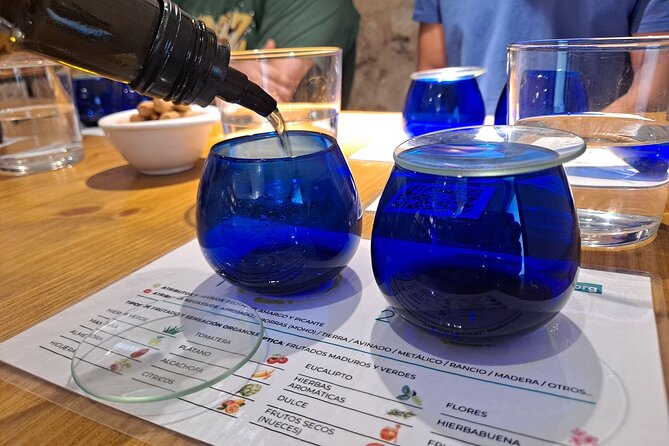
The oil tasting is the educational core of the experience. You taste two oils while learning about their characteristics and qualities.
If you normally pour oil over bread without thinking about it, this can change how you shop and cook. You begin to notice that oils can differ in aroma, taste, and finish. The aim is not to turn you into a professional taster in one sitting. It is to give you a useful starting point.
The project’s oil has received the best Bajo Aragón DOP oil award in 2020, 2022, and 2024. It also received recognition connected with Aragón’s best PDO oil in those years. Those awards provide useful context, but the tasting still lets you decide what you prefer.
I like that the tasting includes two oils. One sample can leave you with a general impression, while two give you a point of comparison. You can pay attention to the differences instead of simply deciding that the oil tastes good or bad.
The setting is also more personal than a large commercial tasting. The small group and question-friendly format make it easier to ask why one oil seems stronger, smoother, fruitier, or more suited to a particular dish. The exact tasting vocabulary and technical depth can depend on the guide and the group.
More Olive Oil Tastings in Spain:
- Guided tour and olive oil tasting in Alhaurin el Grande (Málaga)
★ 5.0 · 200 reviews - Visit of the olive grove, olive oil tasting and snack
★ 4.9 · 111 reviews - Olive Oil tasting breakfast & Tour in Cordoba
★ 4.5 · 84 reviews - Extra Virgin Olive oil tasting
★ 4.9 · 79 reviews
Toast, preserves, and a proper finish
After the oil tasting, you get a product tasting built around the project’s food. This includes one toast with preserves and one drink per paying participant. The vegetables are roasted using olive-wood prunings and preserved in the project’s olive oil.
That detail gives the final tasting more character than a standard cracker-and-oil setup. You get to see how the oil works with food, and you taste products connected to the surrounding agricultural work.
The toast also gives the visit a social finish. Several aspects of the experience point to a welcoming, informal atmosphere, with time for conversation and a chance to buy products afterward. If you like taking home food from a place you have just visited, the project’s oils and preserves offer a practical souvenir.
Children under five who enter free do not receive the included drink and food tasting. That is worth noting when comparing the total cost of a family visit.
The tasting is held in a food service area where pets are not allowed. Service animals are permitted, but ordinary pets must remain out of that section.
How much value do you get for $22.53?
At $22.53 per person, this is reasonably priced for a two-and-a-half-hour guided experience that combines a grove visit, a mill explanation, two oil samples, food tasting, and a drink.
The strongest value comes from the range of activities. You are not paying for only a short sampling session. You get the agricultural setting, the community project, the production explanation, and a sit-down food component.
The price is especially fair if you are curious about olive oil and want more than a shop tasting. It also supports the olive-tree recovery work, so part of the fee contributes to the project in Oliete.
Still, value depends on your interests. Someone passing through Aragón who wants a quick snack may find two and a half hours too long. Someone interested in farming, local food, sustainability, or rural communities is likely to find the time well used.
The experience is often booked about 18 days in advance on average. That suggests you should not leave it until the last moment if your dates in Aragón are fixed, particularly if you want a specific day.
Planning your arrival in Oliete
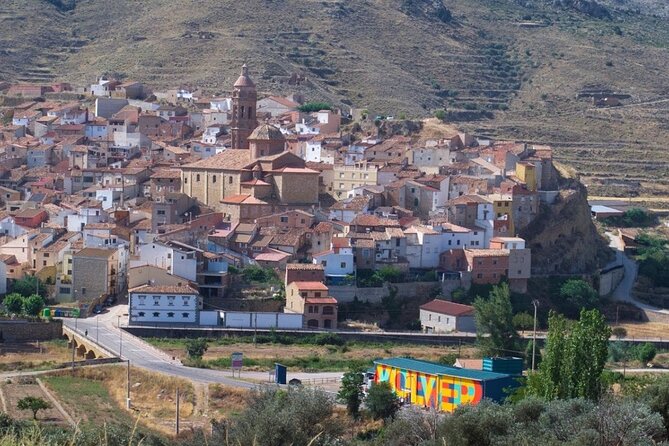
The meeting point is Apadrinaunolivo.org, Camino de la Algecira, S/N, 44548 Oliete, Teruel, Spain. The activity returns to this same meeting point at the end.
Private transportation is not included. You therefore need to arrange your own way to Oliete and allow enough time to arrive before the start. The supplied details do not provide a transfer service, parking information, or public-transport instructions, so those points should be checked before you commit to a date.
The mobile ticket makes entry simple once you arrive. Confirmation is provided at booking, and the group is capped at 10 people. That limit is one of the experience’s practical strengths, since it keeps the grove and tasting portions from becoming a large coach outing.
The visit lasts approximately two hours and 30 minutes. Plan for a mix of outdoor time, mill explanations, and tasting rather than a fast, tightly timed attraction. Comfortable shoes and weather-appropriate clothing make sense because part of the activity takes place among the trees.
Free cancellation is available up to 24 hours before the start time for a full refund. Changes or cancellations inside that 24-hour window are not accepted for a refund. The activity also requires a minimum number of participants, and if the provider cancels because that minimum is not reached, you are offered another date or experience, or a full refund.
Who will enjoy this most
I would choose this for you if you enjoy learning the story behind a regional food. It suits couples, families with older children, small groups, agricultural students, and people who prefer community-based experiences to large commercial attractions.
It is also a strong choice if you are already interested in the olive-tree sponsorship project. Seeing the trees in person gives more meaning to the idea of supporting one. You may even find yourself wanting to return or sponsor a tree after the visit.
Food-focused visitors should appreciate the progression from grove to mill to tasting. The activity explains where the oil comes from, how it is produced, and how it tastes with local preserves.
You should think twice if you are not interested in olive oil, if you dislike guided explanations, or if reaching a rural meeting point without included transport will be difficult. The experience is built around the project and its production methods, not around a major monument or a broad sightseeing tour of Aragón.
Should you book the Oliete olive-oil visit?
Book it if you want a personal, useful introduction to olive oil with a clear social purpose. The combination of restored olive trees, a working mill explanation, two-oil tasting, and local preserves gives you more substance than a basic food sample.
I especially like the small group size and the chance to ask Jaime or Raúl questions. The award-winning oil is an appealing bonus, but the strongest reason to go is the connection between the food on your plate and the effort to keep Oliete’s olive groves and rural community alive.
Skip it if you are only looking for an easy stop in town or cannot arrange your own transport. For the right visitor, though, $22.53 buys a thoughtful half-day experience, a taste of Aragón, and a direct way to support a working rural project.
FAQ
Where does the olive grove and mill visit take place?
It takes place at Apadrinaunolivo.org, Camino de la Algecira, S/N, 44548 Oliete, Teruel, Spain.
How long does the experience last?
The visit lasts approximately two hours and 30 minutes.
What happens during the visit?
You visit recovered olive groves, learn about olive-tree restoration and harvesting, tour the mill, learn how olives are processed, taste two oils, and finish with toast, preserves, and a drink.
How many people can join the activity?
The group has a maximum of 10 participants.
Is transportation included?
No. Private transportation is not included, so you must arrange your own transport to the meeting point in Oliete.
What food and drink are included?
Each paying participant receives one toast with the project’s preserves and one drink. The vegetables are roasted using olive-wood pruning and preserved in the project’s olive oil.
Are pets allowed?
Pets are welcome in the olive grove but are not allowed in the tasting area for health reasons. Service animals are allowed.
Can I cancel for a full refund?
Yes. You can cancel at least 24 hours before the experience begins for a full refund. Cancellations or changes made less than 24 hours before the start time are not accepted for a refund.
More Olive Grove Walks in Spain
- Córdoba: Visit a family organic olive grove with tasting
★ 5.0 · 30 reviews - Granada in EVOO: Olive grove guided tour and sensory tasting
★ 4.8 · 26 reviews - Tour to olive grove and olive mill, oil tasting and snack
★ 5.0 · 25 reviews - SOLLER: Olive Grove Experience, Oil Tasting & Picnic in the Tramuntana
★ 4.7 · 22 reviews
Just added around Spain
- XXI Century Olive Oil Mill Tour★ 5.0 · 3 reviews
- Visit to an olive oil mill and oil tasting with aperitif and food and wine pairing.★ 5.0 · 2 reviews
- Ulldecona: Guided Tour of the Millenary Olive Trees of Arión★ 5.0 · 2 reviews
- Treurer: Tapas Gourmet and Extra Virgin Olive Oil★ 4.7 · 3 reviews
- Olive Oil and Winery Tour from Zaragoza City★ 5.0 · 4 reviews
- Olive Oil Private Full-Day Tour with Tasting in Valencia★ 5.0 · 2 reviews
- Olive Oil Factory from Seville Private Tour★ 5.0 · 2 reviews
- Olive Oil Tasting Experience in Sevilla★ 5.0 · 2 reviews
Olive Grove Walks, compared.
Masseria tour among thousand-year-old olive trees with oil tasting
Read our review →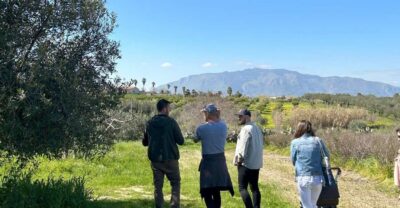
Olive Grove Tour with Wines & Olive Oil Tasting
Read our review →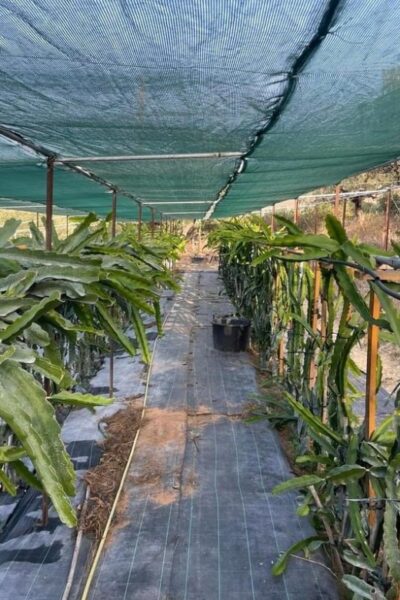
Traditional Olive Grove and Dragon Fruit Farm Tour
Read our review →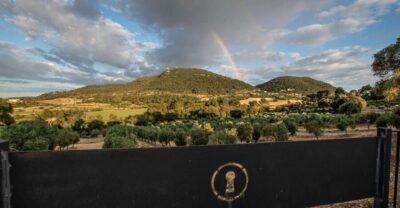
Visit of the olive grove, olive oil tasting and snack
Read our review →
Olive Grove and Vineyard Tour with Product Tastings
Read our review →
Balestrate Olive Grove Tour: Wine and Olive Oil Tasting
Read our review →
Guided tours of the olive grove with oil tasting.
Read our review →
Organic Olive Grove tour & Olive oil tasting & lunch in Kalamata!
Read our review →Browse the lists this tour appears in