
REVIEW · CRETE
Crete: Full-Day Cretan Wines, Olive Oil, Raki and Food Tour
Crete’s best souvenirs are edible, and this eight-hour small-group tour lets you taste them at the source. You move from olive groves to a family winery, then on to a raki distillery, a village taverna, and a pottery studio. It is a full day, but the stops give you a useful picture of rural Cretan life.
I like the focus on small family-run producers, especially the organic winery and the old raki operation with its ancient wine press. I also like the pottery session, which turns a sightseeing stop into something you actually do. The main drawback is the pace: there is a lot of driving, eating, drinking, and listening in one day, and the tour may feel long if you prefer slow, unplanned exploring.
The day at a glance
- Olive oil at the source: Walk through an olive grove, visit a working mill, and taste fresh Cretan oil with local snacks.
- Five wines at a family winery: Tour an organic vineyard and winery while taking in views across the countryside.
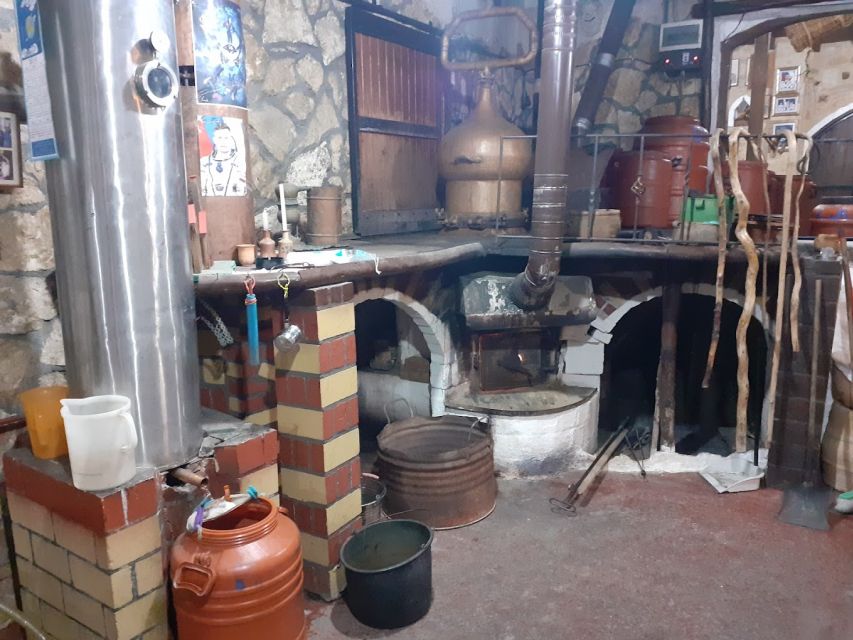
- Raki with local character: Visit a distillery built around traditional wine production and taste Cretan spirits.
- A proper village lunch: Sit down at a local taverna for generous portions of Cretan specialties.
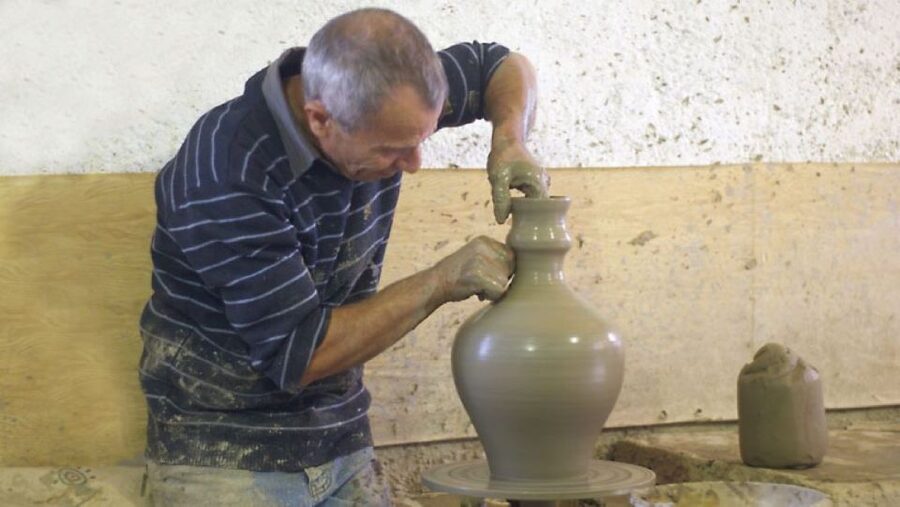
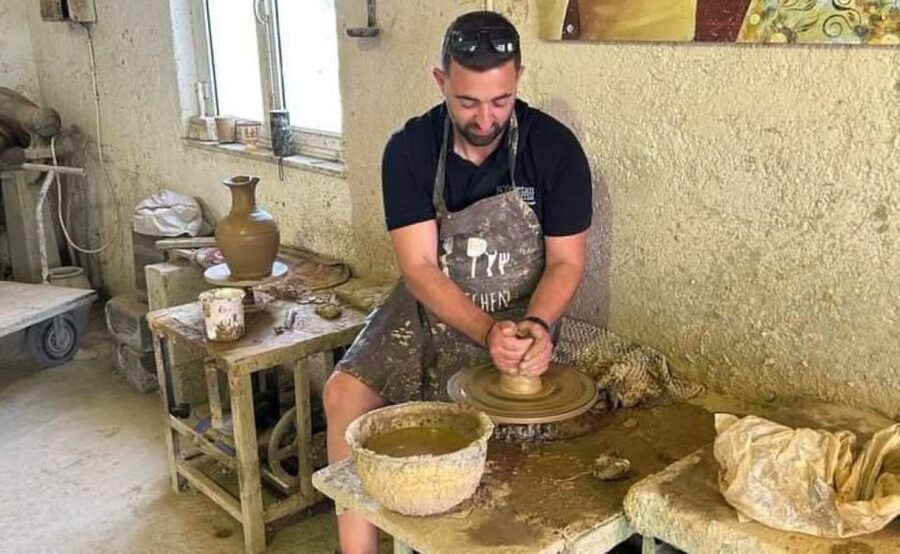
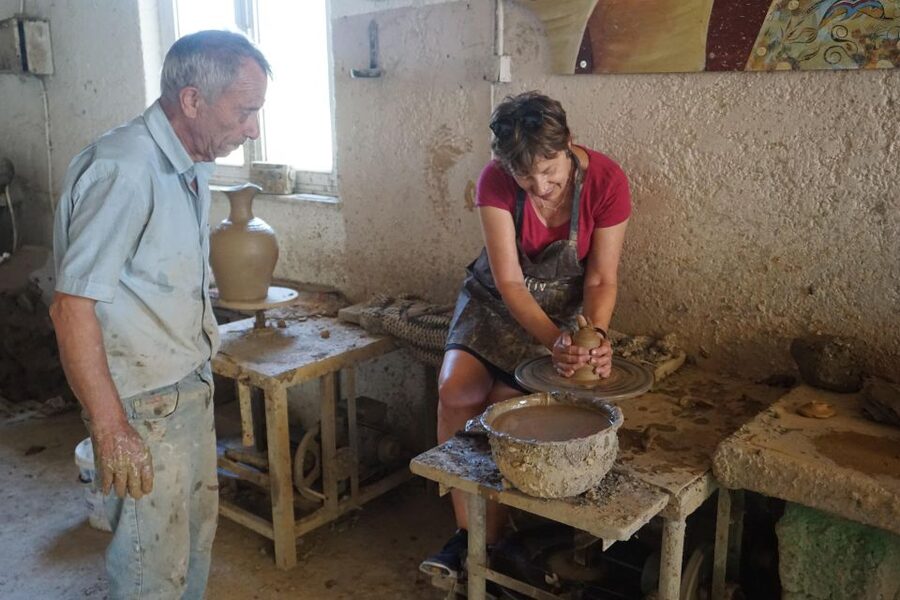
- Hands-on pottery in Thrapsano: Watch a professional potter, then try shaping clay yourself when the studio is open.
- A genuinely small group: With no more than eight participants, the day feels more personal than a large coach excursion.
Why this tour works so well in Crete
This is not simply a wine tasting with a few snacks added. It connects several products that have shaped daily life in Crete for centuries: olives, grapes, wine, raki, food, and pottery.
The villages and countryside east of Heraklion are known for vineyards and olive groves. These areas have produced wine since the Minoan era, and olive oil remains central to both cooking and local business. The tour gives you a chance to see the work behind products that otherwise arrive on your table in a bottle or jar.
I especially like the balance between tasting and explanation. You are not only handed a glass of wine. You walk through a vineyard, see how a family producer works, and hear about the methods behind the bottles. At the olive mill, the same idea applies. The tasting means more after you have seen the trees and the production site.
The social side matters, too. The group is limited to eight people, so it is easier to ask questions and get to know the others over lunch. Guides George, Yorgos, Antonis, Anthony, and other members of the team have been praised for their humor, warmth, and strong local knowledge. Guide assignments can vary, but the tone is clearly informal and personal rather than stiff or scripted.
More Raki and Ouzo Tastings in Crete:
- Private Winery Tour with Olive Oil, Honey & Raki Distillery Visit
★ 5.0 · 2 reviews - Crete: Olive Oil, Soap, Wine, Raki – Flavorful Culinary Journey
★ 5.0 · 119 reviews - Crete: Olive, Wine, & Raki on a Flavorful Culinary Journey
★ 4.7 · 56 reviews
Starting with olive groves near Skalani
After pickup from your accommodation, the van ride to the first stop takes about 30 minutes. The day begins around Skalani with a visit that combines an olive grove, an olive mill, brunch, and local snacks.
This is a smart first stop. Olive oil is not treated as a quick sample at the end of a factory tour. You get context first, then taste the result. A walk among the trees helps explain why olive cultivation is so important in Crete, while the mill shows how the fruit becomes oil.
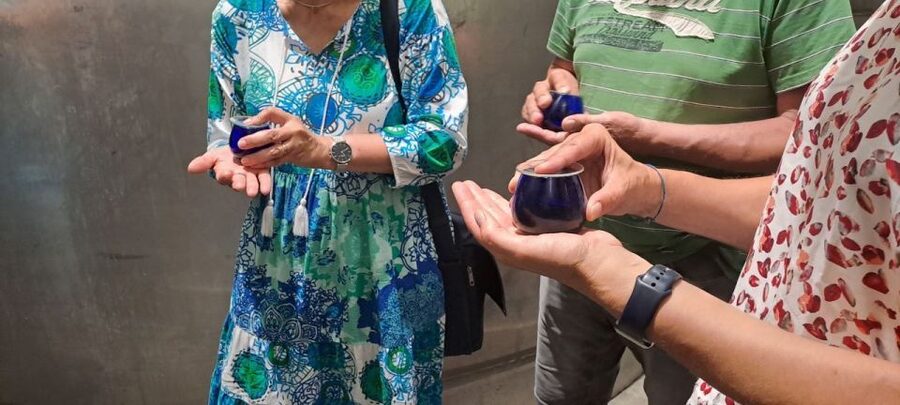
The tasting is accompanied by food rather than served as a bare spoonful. Expect bread, cheese, fruit, tomatoes, and other local items based on the generous tastings described by the operator. Raki may appear early in the day as well, so pace yourself from the start.
I would pay attention to how different the oil feels from ordinary supermarket oil. Fresh olive oil can have a peppery finish and a stronger green taste. If you find a bottle you like, this is one of the most useful places to buy a Cretan food souvenir.
The first stop lasts about an hour, including the visit and brunch. It is not a long agricultural walk, so do not expect a full farm day. Instead, think of it as a clear introduction to the role of olives in Cretan food and work.
Five wines at a family-run winery
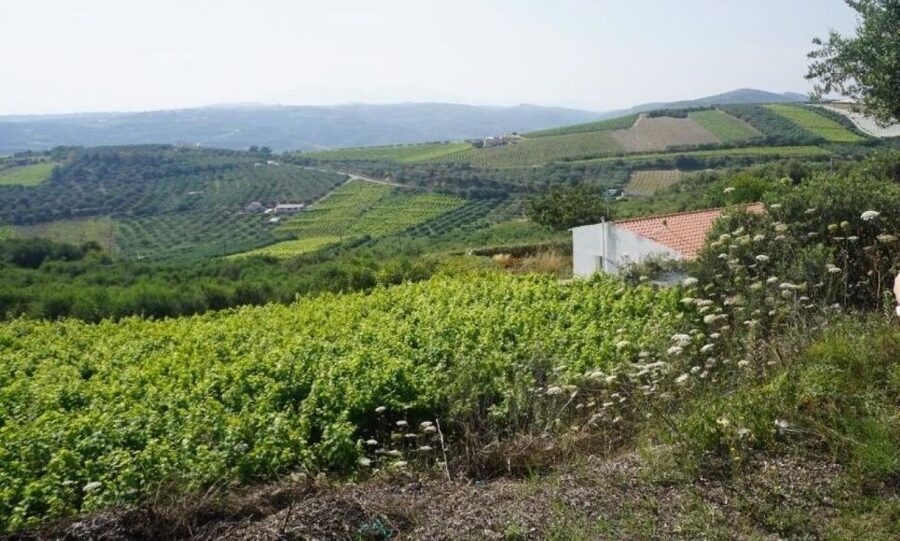
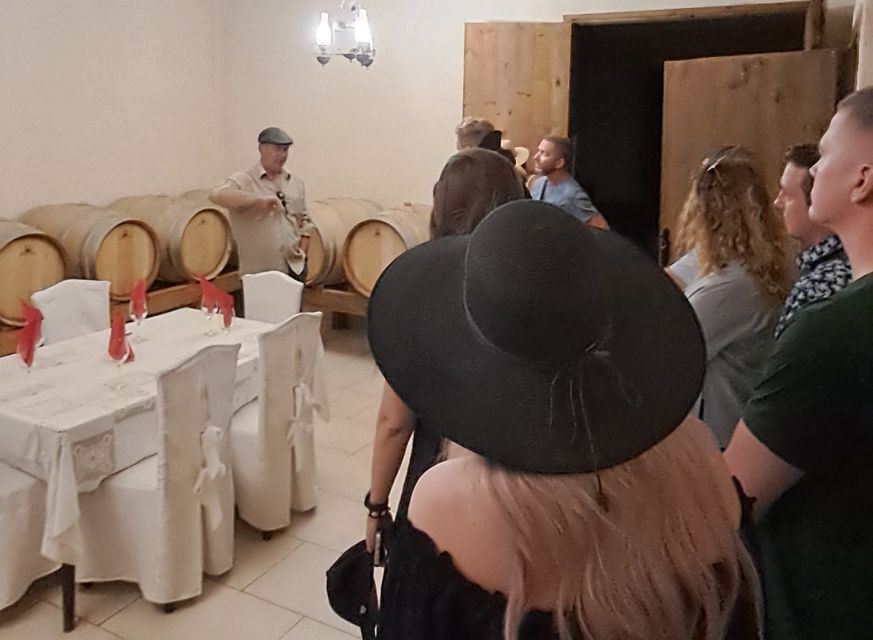
A short 10-minute drive brings you to the winery. This visit lasts about an hour and a half, giving you time for a vineyard walk, a tour of the winery, scenic views, and a tasting of five wines.
The winery uses organic growing methods and is family owned. That gives the visit a more direct connection to the people making the wine. You are likely to hear about the vineyard, the production process, and the local setting rather than only receiving a polished sales presentation.
Five wines is a generous lineup for a day tour. It lets you compare styles instead of judging the entire winery by one glass. Take notes if you are serious about buying later, since wine names can blur after several tastings and a serving of raki.
One of the wineries visited is woman owned, an aspect that adds useful context to the modern side of Cretan agriculture. The tour also gives you time to enjoy the views on the way and from the property itself. This is countryside sightseeing as much as it is wine tasting.
A small point to keep in mind: food pairings at the winery are not clearly built into the schedule. The day includes plenty of snacks and lunch elsewhere, but you should not expect a formal wine-and-food pairing menu at this stop.
The raki distillery and the ancient wine press
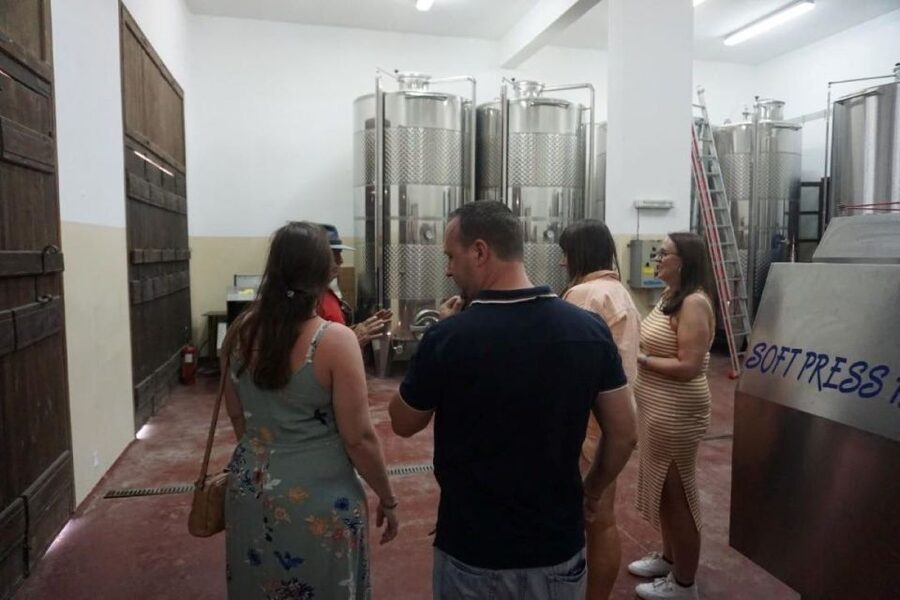
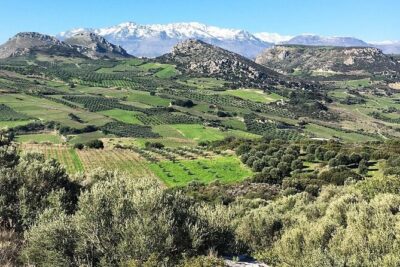
Another 10-minute drive takes you to the raki stop, one of the most distinctive parts of the day. Raki, also called tsikoudia in Greece, is made from grape leftovers after winemaking and is closely tied to Cretan hospitality.
Here you tour a distillery with an ancient wine press, then taste raki and wine in the traditional rakokazano. The word refers to the distilling setup and the social gathering around it. This is not just a spirits sample. It connects the drink to grape growing, harvest traditions, and the practical use of nearly every part of the crop.
The tasting may include flavored versions as well as the traditional spirit. Lemon raki and a spiced style with a Christmas-like taste have been singled out as memorable options. You might also be served local bread, tomatoes, cheese, or other small bites while the hosts explain the process.
This is the point where you need to be sensible. Raki is often smooth enough to seem harmless, especially when flavored, but it can be strong. Wine is served at several stops, and lunch comes later, so you do not need to accept every pour. A good guide will keep the mood fun, but you are responsible for your own pace.
For many people, this is the most personal stop of the day. The distillery offers a look at a tradition that is harder to find on a standard sightseeing route. It also tends to be a place where the connection between the guide and local producers is clear.
More Olive Oil and Wine Tours in Crete:
- From Chania: Olive Oil, Wine, Cheese & Honey Tasting Tour
★ 4.6 · 490 reviews - From Chania: Wine and Olive Oil Tasting Tour with Snacks
★ 4.8 · 354 reviews - Cretan Wines & Olive oil tour – The treasures of Crete
★ 5.0 · 147 reviews - Rethymno: Private Winery & Olive Oil Tasting Tour with Lunch
★ 5.0 · 56 reviews
Lunch in a traditional village

After the distillery, the van continues for about 15 minutes to a traditional village taverna. Lunch lasts roughly an hour and is presented as a proper local meal, not a rushed sandwich stop.
Expect generous portions and Cretan specialties served in a relaxed setting. The exact menu can change, but the tour information describes lunch as included, and the experience is built around shared food and conversation. Several meals described from the tour included multiple courses and more local drinks.
This is a good time to slow down. The day has already included olive oil, wine, and raki, so lunch gives you a chance to sit, talk, and enjoy the food without standing in a tasting room. It is also where the small group format pays off. You can chat with people from different countries without trying to shout across a large coach.
Tell the operator about food allergies, vegetarian needs, or other dietary requests at least 48 hours ahead. That matters here because lunch is a central part of the experience, not an optional extra.
The tradeoff is that a village taverna meal is not a controlled restaurant tasting. Menus and portions may vary. That is part of the local character, but anyone seeking a precise culinary itinerary should know that the meal is likely to be generous and traditional rather than carefully measured.
Pottery in Thrapsano
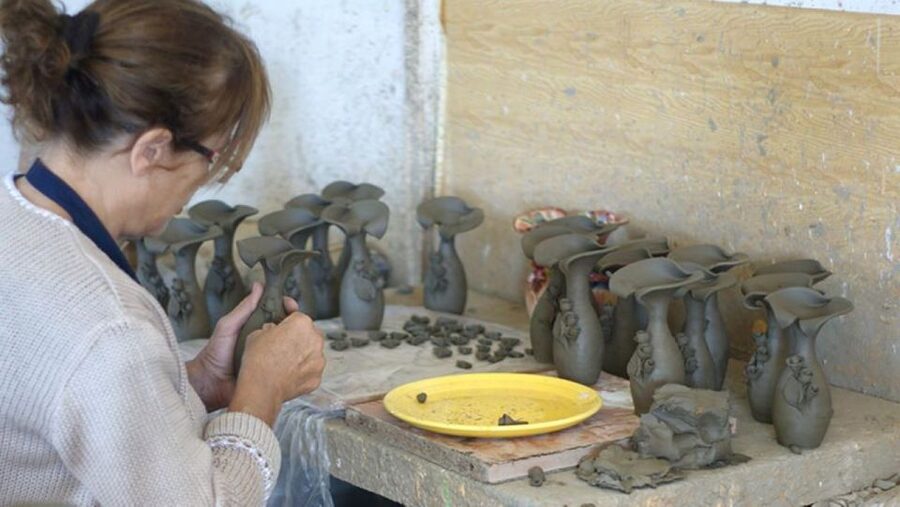
The final stop is Thrapsano, a traditional village known for pottery. After about 15 minutes in the van, you spend roughly an hour at a pottery studio and arts workshop.
You first see a professional potter at work, then may get the chance to try the wheel yourself with help. This is a hands-on activity, and the results may be more amusing than elegant. That is exactly why it works after a day of tastings. You finish by making something rather than simply collecting information.
The pottery visit also adds a useful contrast to the food stops. Olive oil, wine, and raki are agricultural products, while pottery shows another practical craft linked to village life. The day becomes a broader look at how Cretan food is grown, made, served, and stored.
The pottery studio is not available on Sundays. If this activity matters to you, check the operating day before booking. The tour can still include the other visits, but you should not assume the wheel session will be offered every day.
Transport, group size, and the eight-hour pace
The tour lasts eight hours and includes several short van rides: about 30 minutes to the first stop, then 10 minutes between the olive mill and winery, another 10 minutes to the distillery, and about 15 minutes to lunch and pottery. Pickup and return to your accommodation are included.
The vehicle is shared, with a maximum of eight participants. That makes the day more flexible and sociable than a large bus tour. It also means pickup times and the route can take a little while, depending on where people are staying.
The schedule is full, but the stops are long enough to enjoy. You receive about an hour at the olive site, 90 minutes at each of the two wine and spirit visits, an hour for lunch, and an hour for pottery. Still, this is not the tour for someone who wants to spend half a day at one vineyard.
Comfortable shoes are sensible for walking through a grove and vineyard. Bring water, leave room for food, and consider carrying cash for purchases. Card payments may be available, but one reported issue involved internet service being down at several small businesses after a storm. Personal purchases are not included.
Is $141 a fair price?
At $141 per person, this is not the cheapest way to taste wine in Crete. It is a stronger value if you would otherwise pay separately for transport, tastings, lunch, and several rural visits.
The price includes hotel pickup and return, a vehicle, a guide, the olive grove and mill visit, the winery tour and tasting, the raki distillery, wine and raki tastings, lunch, and the pottery studio visit. That is a lot for one day, particularly when the group is capped at eight.
The best value comes from the range of the experience. You are not spending $141 for five wine samples alone. You are paying for a connected day of food, drink, craft, local transport, and access to small producers that could be difficult to arrange independently.
I would choose this tour if you want a broad introduction to Cretan food culture and prefer someone else to handle the driving. It is less suitable if you dislike alcohol, want a quiet day, or prefer to choose one winery and study it at length.
Free cancellation is available up to 24 hours before departure, and you can reserve now and pay later. Starting times depend on availability, so check the schedule when you choose your date.
Who should book this experience?
You should consider booking if you:
- Want to taste olive oil, wine, raki, and local food in one day.
- Prefer small family businesses to large commercial attractions.
- Enjoy meeting local producers and hearing how traditional products are made.
- Like a guide who adds history, humor, and personal connections.
- Want a hands-on activity such as pottery alongside tastings.
- Are comfortable with a full schedule and repeated food and drink stops.
Families with children may need to think about the alcohol-heavy focus. The tour can still be culturally interesting, but wine and raki are central rather than incidental.
It is also a strong choice for couples, solo visitors, and small groups who want an easy day outside the main resort areas. The small van, included meals, and door-to-door transport remove much of the planning work.
Should you book it?
I would book this tour if your ideal Cretan day includes local food, generous hospitality, countryside views, and a little controlled chaos around the raki table. The family producers, organic winery, ancient wine press, village lunch, and pottery workshop give the day real variety.
Go in ready to eat, drink, ask questions, and share a table with strangers. Pace yourself with the raki, alert the operator to dietary needs, and avoid Sunday if pottery is a priority. For $141, you get a full and personal introduction to the products and people that make rural Crete so memorable.
FAQ
How long is the Crete wine, olive oil, raki, and food tour?
The tour lasts eight hours, including transportation between the stops and return to your accommodation.
What is included in the price?
The price includes transport, pickup and return to your accommodation, tour guides, the olive grove and olive mill visit, winery tour and tasting, raki distillery tour, wine and raki tasting, lunch, and the pottery studio visit.
How many people are in the group?
The tour is limited to eight participants.
Which languages are offered?
The live tour guide service is available in English and Greek.
How many wines will I taste?
The winery visit includes a tasting of five wines.
Is lunch included?
Yes. Lunch at a traditional village taverna is included.
Is pottery available every day?
No. The pottery lab is not available on Sundays.
Can I request a special meal?
Yes. Contact the local operator at least 48 hours before the tour with dietary requests, food allergies, or vegetarian needs.
Can I cancel the booking?
You can cancel up to 24 hours in advance for a full refund. A reserve-now, pay-later option is also available.
More Full-Day Tours in Crete
- Crete: Richtis Waterfall Full-Day Tour with Olive Tasting
★ 4.8 · 188 reviews - Knossos Cave of Zeus and Olive Oil Factory Full Day Private Tour
★ 5.0 · 19 reviews - Full Day Spinalonga Elouda Agios Nikolaos Olive factory Tour
★ 4.5 · 5 reviews - Full-Day Chocolate, Cheese, Olive and Wine Tour from Stellenbosch
★ 5.0 · 13 reviews
More Food in Crete
- Rethymno: Olive Oil Tasting with Cretan Food Pairing
★ 4.8 · 52 reviews - Wine olive and Food of Crete, Heraklion
★ 5.0 · 11 reviews - Olive Oil Food Pairing in Crete
★ 5.0 · 4 reviews - Olive Oil Food Pairing in Crete
★ 5.0 · 2 reviews
Just added around Crete
- 1 hour and 30 minutes wines and olive oil tasting in Greece★ 5.0 · 2 reviews
- Crete in a Day: Knossos, Soap Workshops, Olive Oil & Wine Tasting★ 5.0 · 5 reviews
- Traditional Olive Oil Making at Spiridi Olive Oil Farm – Crete★ 5.0 · 3 reviews
- Full Day Spinalonga Elouda Agios Nikolaos Olive factory Tour★ 4.5 · 5 reviews
- PRIVATE Workshop ESSENTIAL OILS & OLIVE OIL Factory with TASTING★ 5.0 · 5 reviews
- Guided Tasting of 3 Extra Virgin Olive Oils at Douloufakis Winery★ 5.0 · 2 reviews
- Shore Escape: Chania, Monastery & Olive Oil Tasting★ 5.0 · 6 reviews
- Private Guided Tour to Lasithi Plateau Villages & Olive Oil Mill★ 5.0 · 5 reviews
Raki & Ouzo Tastings, compared.
Olive Oil, Soap, Wine, Raki – Flavorful Culinary Journey
Read our review →
Olive, Wine, & Raki on a Flavorful Culinary Journey
Read our review →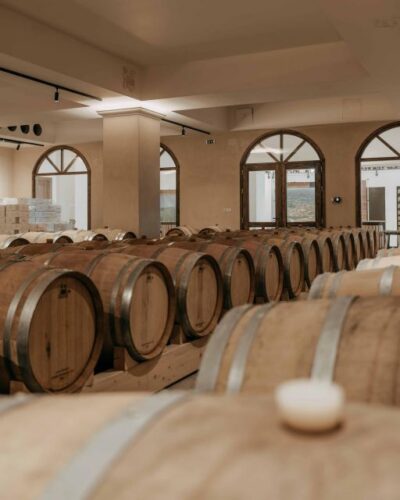
Premium Crete Olive oil tasting, Wine, Raki and Cretan food!
Read our review →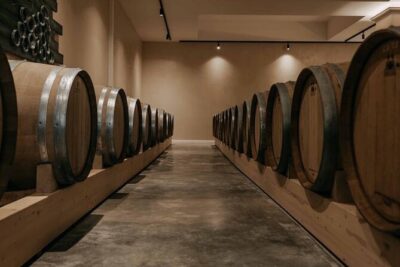
Premium Cretan Olive Oil Tasting, Wine, Raki and Local Food Tour
Read our review →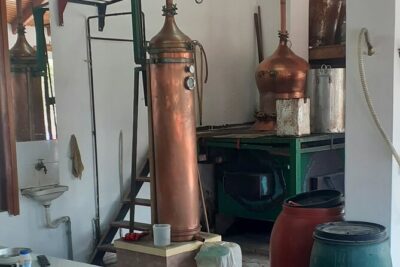
Small Group: Knossos, Olive Oil, Winery & Raki with Lunch
Read our review →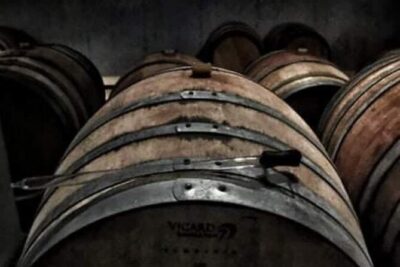

Tirana Walking Tour, Extra Virgin Olive Oil and Raki Tasting
Read our review →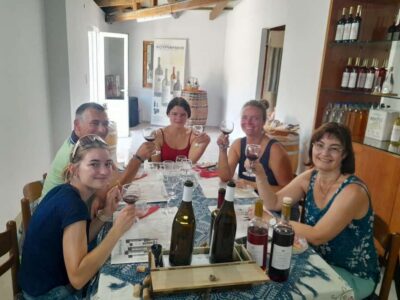
Soap, Wine, Raki, Olive Oil, Meet the local Producers Tour
Read our review →Browse the lists this tour appears in