

REVIEW · CROATIA
Zadar Olive Oil & Wine with Dalmatian Views & History
The best part of this Zadar day trip is that it connects food, history, and big Dalmatian views without feeling like a standard sightseeing circuit. You move from a wartime tank memorial and the old frontier town of Benkovac to a family olive mill, then finish high above Lake Vrana with the Kornati Islands in sight.
I like the small group, limited to eight people, and the chance to taste five olive oils properly rather than simply dip bread into one bottle. I also like Neil’s storytelling, which gives the drive a purpose and helps connect Dalmatia’s turbulent past with the villages and fields outside Zadar.
The main thing to consider is the timing and lunch cost. The practical schedule is about 5.5 to 6 hours, beginning around 11:30, while the headline duration says 10 hours. The tasting snacks are included, but the fuller cold buffet lunch costs an additional €20.
Key things to know before booking
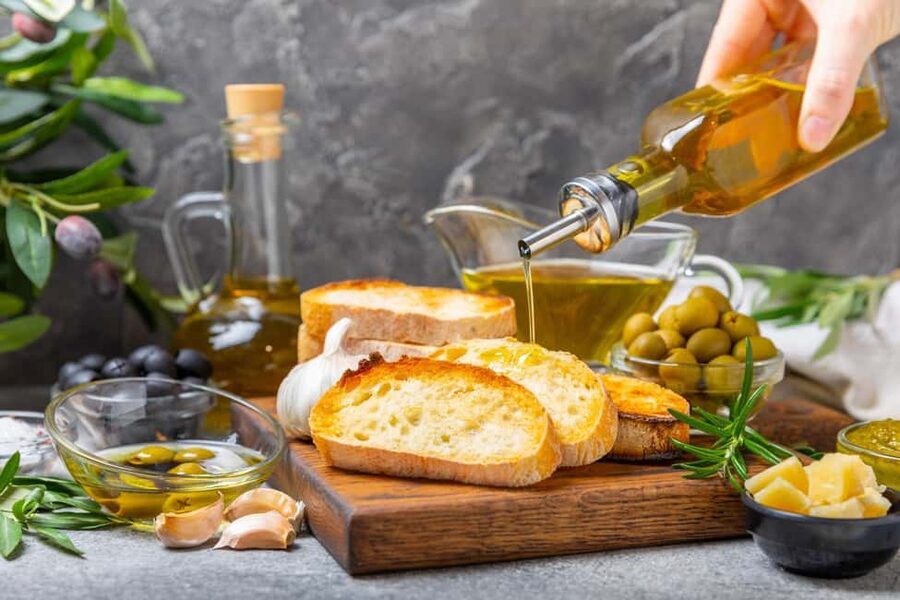
- Five olive oils are tasted side by side, with guidance on aroma, balance, use, and health qualities.
- Neil leads the trip in English, combining regional history with stories about olive growing and local life.
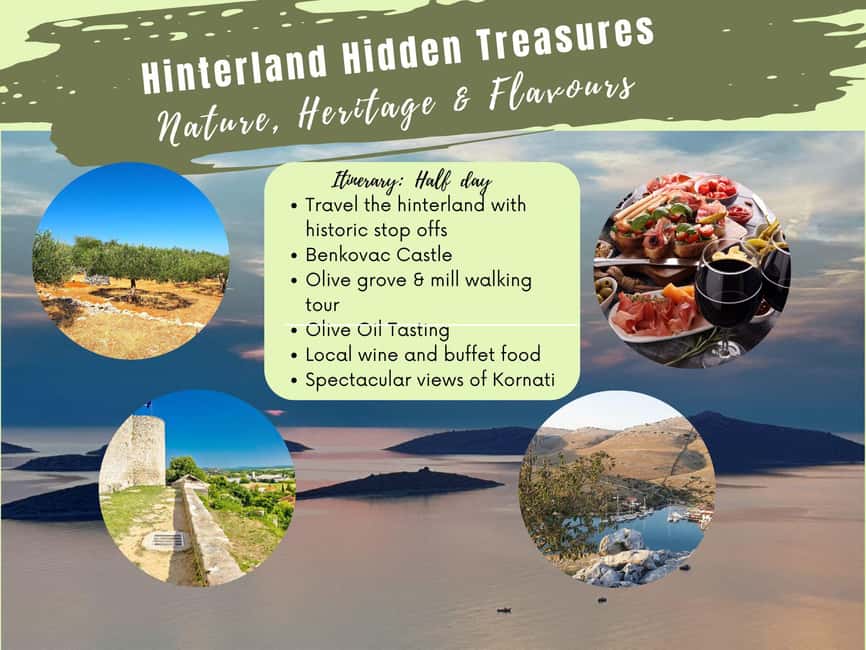
- The family-owned Uljara Lepur mill is the heart of the day, with a grove walk, production explanation, wine, food, and oil tasting.
- Kamenjak gives you the grand finale, with views over Lake Vrana, vineyards, olive groves, and toward the Kornati Islands.
- The group stays small, with a maximum of eight people in an air-conditioned minibus.
- The extra €20 lunch is worth planning for if you want the full food experience rather than only the included tasting bites.
Leaving Zadar for the Dalmatian hinterland
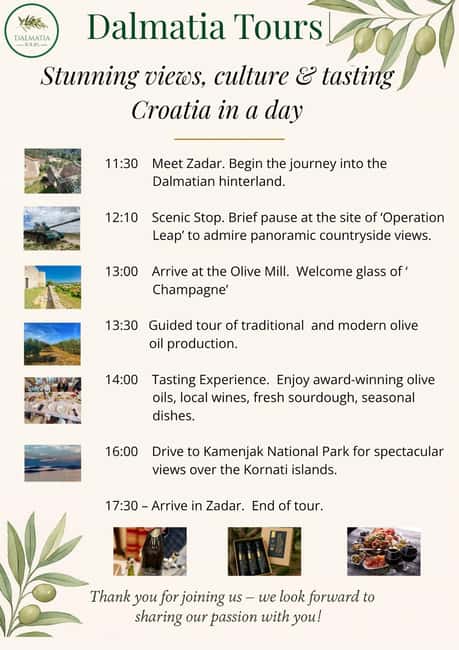
Meet at the main bus station in Zadar, in the parking area near McDonald’s. Look for the minibus with the olive oil advertising board on its side, and arrive ready for an 11:30 departure. The operator uses WhatsApp or phone messages to confirm the timing or announce changes, so keep an eye on your messages.
The drive inland takes you away from Zadar’s Roman streets and waterfront crowds. In roughly 20 minutes, the coastal city gives way to a quieter countryside of villages, fields, olive trees, and low hills. Neil uses this early part of the ride to set the scene, explaining how Dalmatia has long been shaped by its position between the Adriatic coast and the interior.
This is a good tour for you if you enjoy learning while moving between places. It is not designed as a long walking day, and much of the distance is covered by minibus. That makes it comfortable in hot weather, though you should not expect hours of independent exploration at each stop.
More Olive Oil and Wine Tours in Croatia:
- Split: Krka Waterfalls With Boat Cruise, Wine and Olive Oil
★ 4.3 · 1,507 reviews - Wine, food and olive oil by PhD student
★ 5.0 · 111 reviews - Hvar: Island tour with Wine and Olive Oil Tasting
★ 4.9 · 77 reviews
The tank memorial and Croatia’s difficult recent past
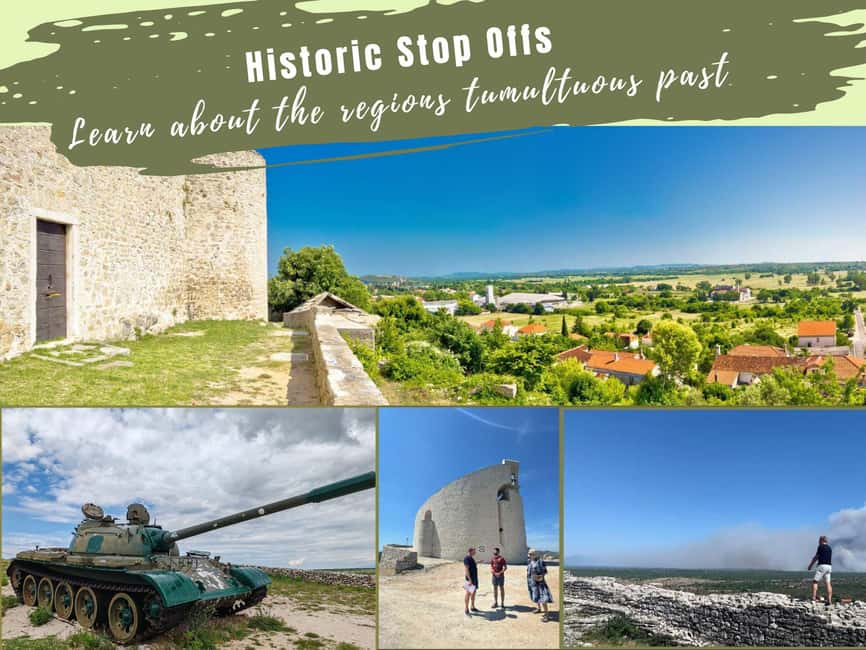
The first photo stop is connected with Operation Leap, a Croatian military operation from the country’s struggle for independence. The tank memorial is a stark reminder that this peaceful countryside was once a strategic and dangerous frontier.
The stop is short, about ten minutes, but it carries more weight than a typical roadside photo break. From here, you get commanding views over the surrounding area while hearing about the centuries of conflict and shifting rule that affected this part of Croatia. The setting helps explain why the inland route mattered so much to armies and empires.
I appreciate that the tour does not treat history as decoration. The memorial gives you a direct link to Croatia’s recent past, while the broader stories cover the rise and fall of powers that shaped the boundary between the coast and the hinterland.
The limitation is simple: ten minutes is enough for a look and a short explanation, not a full museum visit. If you want detailed military history, this will feel like an introduction. For most people, though, it adds useful context before the food-focused part of the day.
Benkovac, a frontier town with a local feel

The next stop is Benkovac, reached after a short drive. You have around 30 minutes for a guided and self-guided visit, depending on how the group uses the time.
Benkovac gives the day a stronger sense of place. Instead of staying around Zadar’s well-known sights, you see a town tied to the inland side of Dalmatia. Neil continues the historical story here, using local places and events to show how the region’s identity developed.
This is also where the tour’s pace becomes clear. You are not being rushed through a large attraction with a long list of dates. You get a compact visit, some explanation, and time to look around at your own speed. That works well for a half-day-style excursion, but you should not book this expecting a detailed archaeological tour.
For me, Benkovac is valuable because it keeps the olive oil tasting from feeling detached from its setting. The food that comes later comes from a real agricultural region, not from a generic tasting room built only for visitors.
Uljara Lepur, where olive oil becomes the main event
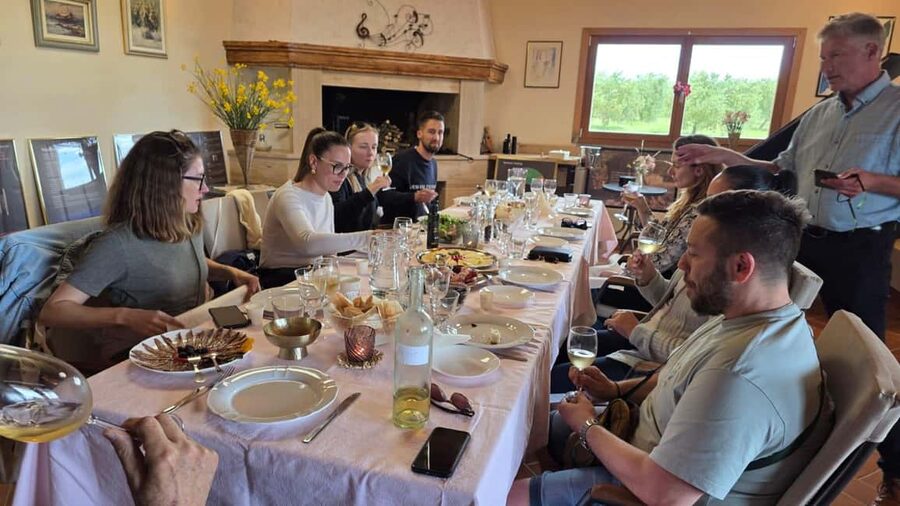
The family-owned Uljara Lepur mill is the centerpiece of the outing. You arrive after another short drive and are welcomed with a glass of local sparkling wine, presented as Dalmatia’s answer to champagne.
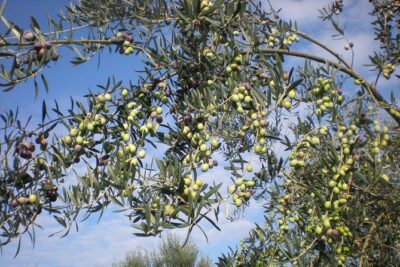
From there, you walk through the olive grove and hear how the local soil, climate, and farming traditions affect the oil. The family owner plays an important role in this part of the visit, explaining the work behind the bottles and sharing the pride that comes with producing award-winning oils.
This is the kind of stop where personal contact matters. You are not simply handed a tasting sheet. You hear directly from people connected to the grove and mill, and the explanations cover both production and the practical question of how olive oil works at the table.
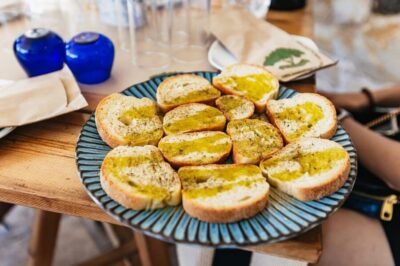
The tasting includes five extra virgin olive oils, including gold award winning examples. You learn to notice aromas, balance, and differences between oils. That tuition is useful because many people, including me, tend to treat olive oil as one uniform ingredient. Tasting several versions in sequence makes it easier to understand why some oils taste grassy, peppery, fruity, or more delicate.
You also hear about health qualities, but the main value is sensory. You learn what you are smelling and tasting, then gain a better idea of which oils might suit bread, seafood, vegetables, or a simple finishing drizzle. The supplied information does not give the individual oil names, so you should think of this as a guided comparison rather than a fixed technical tasting menu.
More History Tours in Croatia:
- Olive Oil Guided Tasting and History in Pula
★ 4.5 · 34 reviews - Šibenik: Croatia in a Day, Vistas, History, Olive Oil, Wine
★ 5.0 · 30 reviews - Heraklion: Zeus Cave & Knossos History, Villages & Olive Oil
★ 4.9 · 89 reviews - Classical guitar concert in a historic olive press
★ 5.0 · 23 reviews
Croatian sparkling wine and three native-style pours
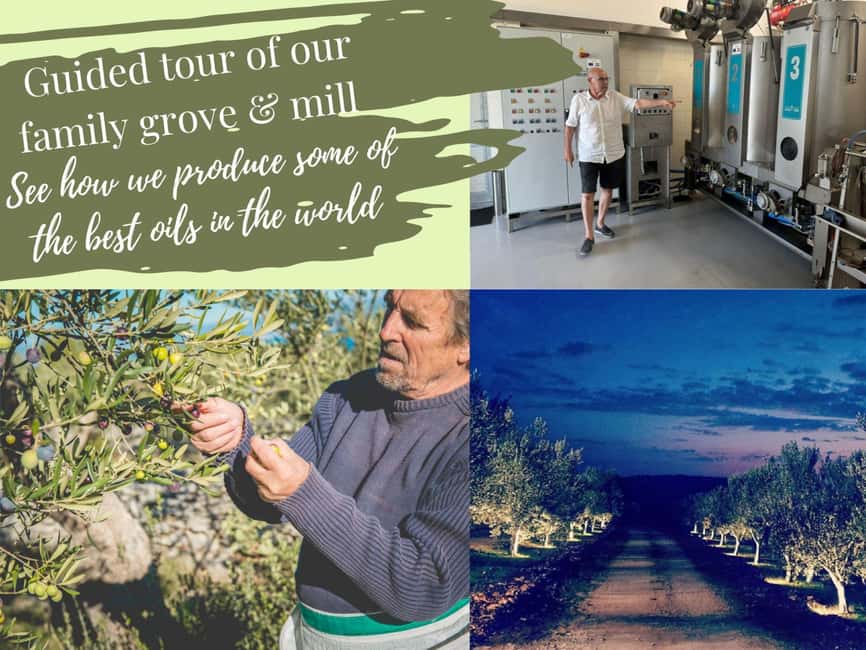
The wine portion follows the olive oil tasting. You sample the welcome sparkling wine, one red, and two white Croatian wines made from native grape varieties.
This is a pleasant contrast to the oils. The tasting links the wine to the same soil, climate, and local traditions discussed during the grove walk. You get a chance to compare styles, ask questions, and see how the wines work with the food.
The exact bottles can vary, so you should not expect a guaranteed list of labels or vintages. That flexibility is normal for a family-run regional tasting, and it lets the host serve wines that suit the day and the available selection.
Included food consists of tasty local bites to accompany the oil and wine. These snacks make the tasting more relaxed and social, especially in a group of only eight people. The experience has a convivial side, with time to share food and conversation rather than moving straight from one formal presentation to another.
The optional €20 Dalmatian buffet lunch
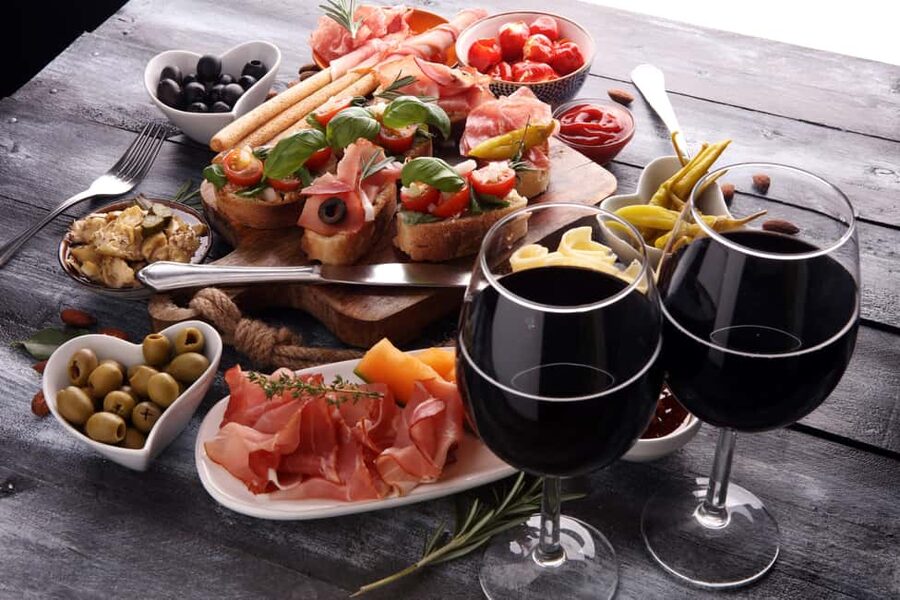
A fuller lunch is available for €20. It is served cold buffet-style and includes regional meats, seafood, cheeses, fruit, and vegetable dishes. The dishes change from day to day, and wine is served with the meal and matched to personal preferences.
This is an important value detail. At $64 per person, the basic price covers transport, the guide, the grove and mill visit, the sparkling wine, the oil and wine tastings, and small bites. The €20 lunch is not hidden in the price, but you need to budget for it if you want the complete food stop.
I would choose the lunch if you want this to feel like a full regional meal rather than an extended tasting. The buffet format also suits a small group because it keeps the meal informal and gives you choices. If you have a light appetite, the included snacks may be enough, but the tour description clearly treats lunch as a central part of the stop.
The meal is served with Croatian wine, so it adds another chance to see how local ingredients and drinks fit together. It is not presented as a cooking class, and the available details do not promise hot dishes or a specific menu.
Kamenjak above Lake Vrana
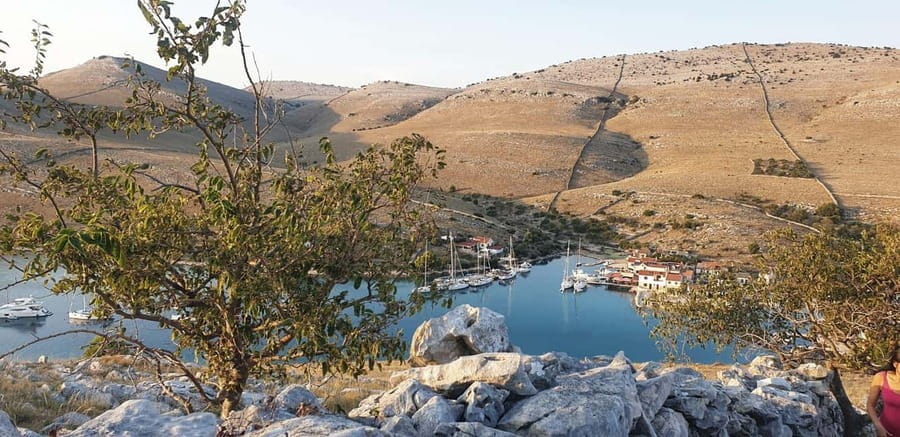
The last major stop is Kamenjak Nature Park, on a hill above Lake Vrana. The drive takes about 20 minutes from the lunch stop, and the visit includes a walk, sightseeing, and time for photographs.
This is the visual payoff. From the viewpoint, you can see across vineyards and olive groves toward the Kornati Islands. The combination of lake, farmland, hills, and distant islands gives you a broader picture of northern Dalmatia than you get from Zadar’s seafront.
The stop is planned for around 20 minutes, so bring your camera and be ready to make the most of the time. It is described as a sunset stop, but the exact light will depend on the season and the day’s timing. The schedule also includes a 50-minute ride back to Zadar, so the return journey is part of the overall plan.
Kamenjak works especially well at the end because it gives you a quiet moment after the history and tasting. You have seen how the region’s past shaped its towns, how the climate supports olives and grapes, and how the countryside reaches toward the sea.
Transport, timing, and group size
The minibus is air-conditioned and carries no more than eight people. That is a major advantage in Dalmatia, especially during the warmer months. A small vehicle can also make conversation easier, and Neil has more room to answer questions than he would with a large coach group.
The route includes several short drives of around 10 to 20 minutes, followed by a longer 50-minute return to Zadar. The schedule is active but not strenuous. You will walk at the memorial, Benkovac, the olive grove, and Kamenjak, yet none of the supplied information suggests a demanding hike.
Pay attention to the duration listed when booking. The headline says 10 hours, but the detailed schedule runs from about 11:30 to 17:30, and the practical information describes the experience as 5.5 to 6 hours. I would plan around six hours and confirm the exact departure and return time with the operator.
The central bus station is convenient for pickup and drop-off, but it is not hotel pickup. If you are staying elsewhere in Zadar, allow time to reach the station before 11:30.
The guide and the tone of the day
Neil is the named guide associated with the experience. His approach combines humor, historical explanation, and room for questions. That matters because the drive between stops is long enough to become dull if nobody connects the road with the places you are seeing.
The best version of this tour is social. You share a minibus, tasting table, and meal with a small group, so it suits you if you enjoy meeting people and talking over food. It may be less appealing if you prefer total independence or quiet sightseeing without a fixed schedule.
The family mill owner adds another human element. The experience becomes more personal when the person connected to the grove explains the work directly. That interaction is one of the day’s strongest features, along with Neil’s ability to make regional history accessible.
Is $64 a fair price?
At $64, the tour offers solid value for a small-group day from Zadar. Your price includes the return minibus, an English-speaking guide, the historic stops, access to the grove and mill, five olive oil tastings, three wine pours, a welcome sparkling wine, and local tasting bites.
The price becomes particularly fair if you are interested in buying olive oil or wine afterward. You get a chance to taste before spending money, and the hosts can explain what you are taking home. Purchases are optional and not included.
The extra €20 lunch means the real cost is higher if you want the full buffet. Even so, you are paying for several different elements in one compact outing: transport into the countryside, local food and drink, a family-run agricultural visit, history, and a scenic viewpoint.
I would compare this with the cost and effort of arranging separate transport to Benkovac, an olive mill, and Kamenjak. The small group and included tastings make the package practical, especially if you have only a few days in Zadar.
Who should book this experience?
I would recommend it to adults who want more than Zadar’s old town and waterfront. It suits food lovers, wine drinkers, photographers, and anyone curious about Croatia’s recent history and inland communities.
The minimum age is 12, and the experience is not suitable for people over 95. Children who enjoy tasting and history may manage well, but the day is built around adult-style food and drink rather than family entertainment.
Book it if you like a guided day with several distinct stops and plenty of explanation. Skip it if you want a long hike, a beach day, a detailed archaeological tour, or an all-inclusive lunch price with no extra payment.
Should you book Zadar Olive Oil and Wine?
I would book this trip if you want to understand Dalmatia through its food producers, countryside, and difficult past. The strongest reasons are the small group, Neil’s storytelling, the direct connection with the family olive mill, and the chance to taste five oils in a useful guided format.
Before booking, confirm the exact duration and decide if you want the €20 buffet lunch. If those details suit your plans, this is a thoughtful way to spend half a day beyond Zadar, with enough history to add meaning and enough food and scenery to keep the outing enjoyable.
FAQ
Where does the tour meet in Zadar?
Pickup is at the parking area of Zadar’s main central bus station, close to McDonald’s. The minibus has an olive oil advertising board on its side.
What time does the tour begin?
The stated departure time is around 11:30. You should arrive ready to leave promptly, and the operator may contact you by WhatsApp or phone to confirm the exact timing.
How long does the experience last?
The practical information describes the experience as approximately 5.5 to 6 hours, with a schedule running from about 11:30 to 17:30. The headline duration also says 10 hours, so confirm the timing before departure.
What olive oils and wines are included?
You taste five extra virgin olive oils, including award-winning oils. The wine tasting includes local sparkling wine, one red wine, and two white Croatian wines.
Is lunch included in the price?
Tasting snacks are included. A fuller cold buffet lunch costs an additional €20 and includes regional meats, seafood, cheeses, fruit, and vegetable dishes, with Croatian wine.
Is the tour suitable for children?
The experience is not suitable for children under 12 years old. It is also not suitable for people over 95 years old.
What language is the tour conducted in?
The live tour is conducted in English.
Just added around Croatia
- Zadar, Šibenik: olive oil, wine & food tasting, Self Drive★ 4.7 · 9 reviews
- Olive Oil Tour of Solta Island with Lunch★ 5.0 · 4 reviews
- Private tour of Brač island with olive oil tasting★ 5.0 · 2 reviews
- Wine, Honey & Olive Oil of Solta Island – Tasting Tour★ 5.0 · 4 reviews
- Makarska Tuk Tuk Tour Olive Grove, Scenic Views and Tastings★ 5.0 · 3 reviews
- Small-Group Olive Oil Tour in Cres with Tasting★ 5.0 · 2 reviews
- Private Hvar Island Tour and Olive Oil Tasting★ 4.5 · 10 reviews
- Poreč: Olive Grove Walk and Tasting with Local Products★ 5.0 · 5 reviews
Olive Oil & Wine Tours, compared.
Sorrento Farm and Food Experience including Olive Oil, Limoncello, Wine tasting
Read our review →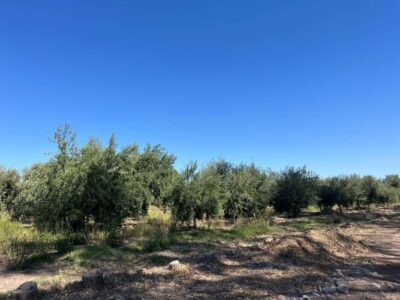

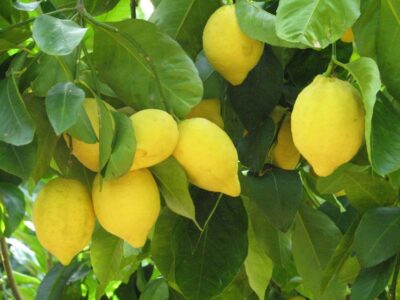
Lemon, Olive Oil and Wine Tasting Tour with Lunch
Read our review →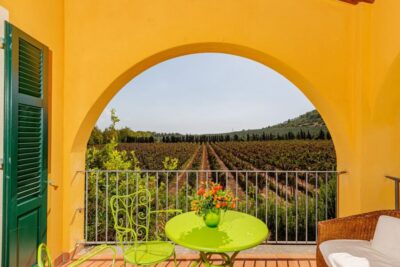
Browse the lists this tour appears in