
REVIEW · SPAIN
Visit olive grove centenary with oil tasting course
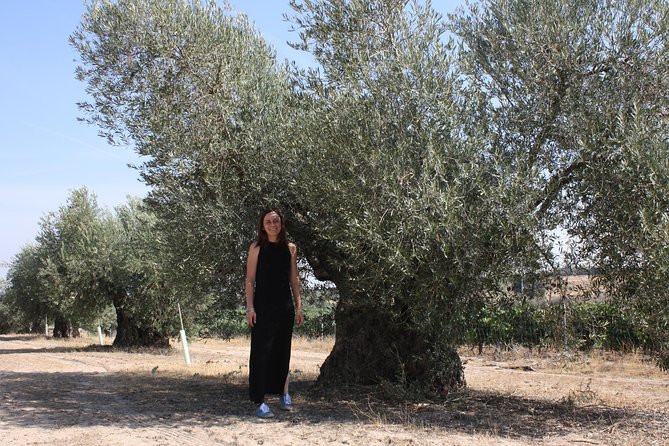
The most memorable part of this Arcicóllar experience is not the tasting table. It is walking beneath olive trees more than 300 years old and seeing the working farm behind the bottle. Laura and Guillermo explain organic growing, harvest work, and the special Cornicabra olive before showing you how to judge oil for yourself.
I like the honest, practical tasting lesson, especially the help with labels, acidity, bitterness, and color. I also like the simple local finish: Manchego sheep cheese, tomato bread, olive oil, and estate wine. The main consideration is getting to the rural meeting point. One visitor had trouble with the address and ended up on an off-road route before the hosts sent clearer directions.
Key details at a glance
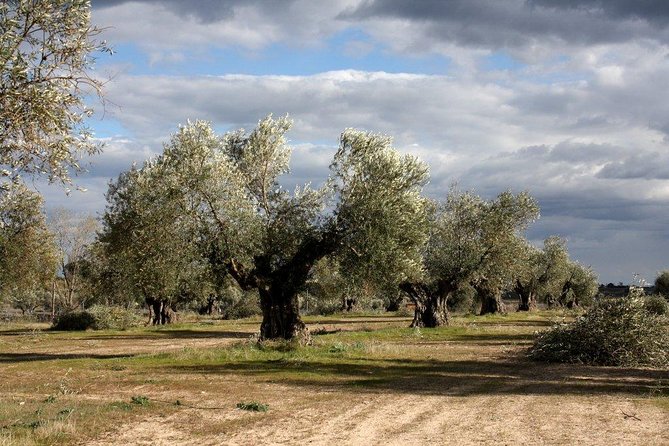
- 300-year-old olive grove: Walk among ancient trees and learn how olive cultivation reached the Iberian Peninsula.
- Organic farming focus: See how the owners care for the trees, soil, and surrounding biodiversity through the year.
- Cornicabra olive variety: Learn about a variety closely associated with Castilla-La Mancha and the oil produced from it.
- Hands-on oil tasting: Compare different oils and understand bitterness, peppery sensations, acidity, labels, and color.
- Local food and wine: Sample cured Manchego cheese from family livestock, bread with tomato and oil, and wine made from grapes grown on the property.
- Small rural outing: The experience lasts about two hours, begins at 10:00 a.m., and accepts a maximum of 30 people.
Walking through Arcicóllar’s 300-year-old olive trees
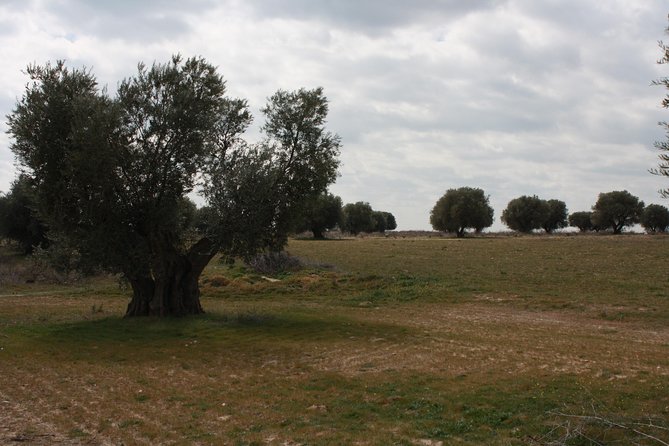
This is a countryside experience in Arcicóllar, a small town in Toledo province. You meet at C. Visitación, 12, at 10:00 a.m., then head to the olive grove with the hosts. The activity ends back at the meeting point.
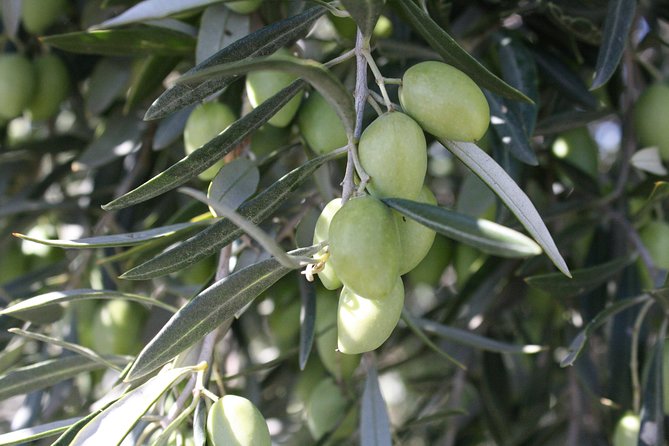
The age of the grove gives the visit its character. These are not newly planted rows designed only for quick production. The trees connect the present farm to generations of agriculture in central Spain. You get a chance to look at the shape of an old olive tree, notice how it grows, and understand why olive farming is such a lasting part of Spanish life.
The walk is not described as strenuous. One family with two teenagers found that there was not much walking, and most of the time in the orchard was spent in shade. That makes this a better choice than a long country hike, though you are still outside and should prepare for sun, heat, or wind.
The farm’s location also means the setting can change with the season. In one account, spring wildflowers were blooming after heavy rain. In another, the day was hot and dry. The experience depends partly on the weather, and poor conditions can lead to cancellation or a different date.
More Olive Oil Tastings in Spain:
- Guided tour and olive oil tasting in Alhaurin el Grande (Málaga)
★ 5.0 · 200 reviews - Visit of the olive grove, olive oil tasting and snack
★ 4.9 · 111 reviews - Visit Oil Mill Museum and Olive Oil Tasting in Ronda
★ 4.5 · 105 reviews
What organic olive farming looks like here
The grove visit is more than a quick photo stop. You learn what an olive tree is, how olives arrived in the Iberian Peninsula, and why the crop mattered through Spanish history. Laura, a biologist as well as a farmer, explains the work that takes place across the year to produce extra virgin olive oil.
That year-round view is useful because shoppers often see only the finished bottle. Here, you hear about the care needed before the olives reach the press. The farm uses organic methods and pays attention to biodiversity, so the lesson includes the relationship between the trees, the soil, and the plants growing around them.
The owners’ personal connection to the grove is part of the appeal. Laura and Guillermo run the farm themselves, and their approach feels tied to family work rather than a large commercial operation. You can ask questions about cultivation and harvesting instead of simply hearing a memorized speech.
The Cornicabra variety receives special attention. It is one of the key olive varieties of Castilla-La Mancha, and tasting it in the place where it is grown gives the lesson a useful sense of place. You are not just learning abstract terms such as fruity, bitter, or peppery. You are linking those qualities to a local crop and farming method.
The oil lesson that changes how you shop
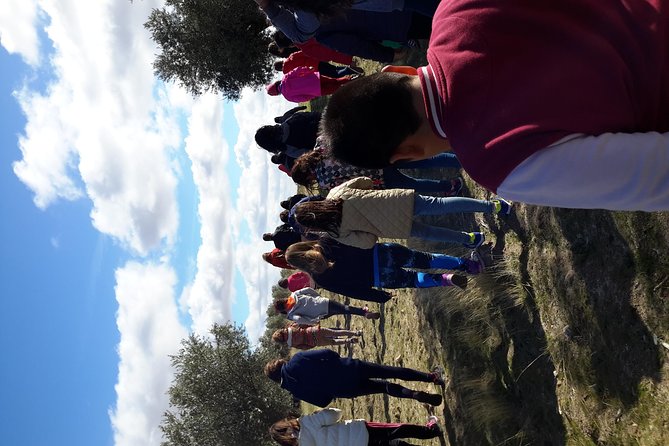
The tasting course is the strongest reason to book this activity. You sample several oils and learn how to compare their smell and taste. Laura explains why some oils feel bitter or produce a peppery tickle in the throat, and why those sensations are not automatically faults.
You also discuss acidity, a term that appears on oil labels and often confuses shoppers. The lesson helps put that number in context, along with the difference between grades of olive oil. The goal is not to turn you into a professional taster. It is to help you recognize quality and make better choices at a grocery store.
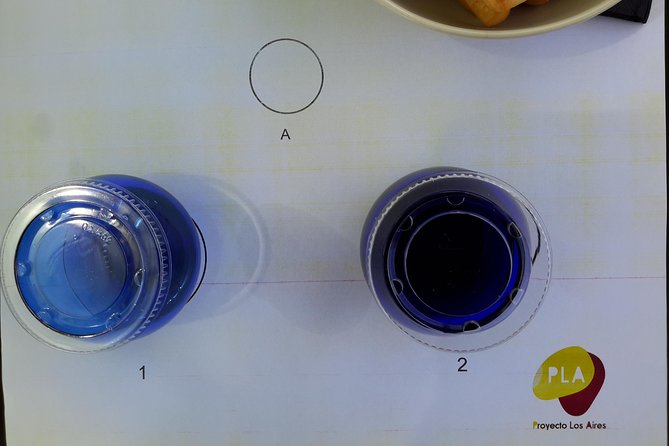
Color is covered too. This is a useful point because bright green oil can look impressive, but color alone does not tell you whether an oil is better. Professional tastings often use colored glasses for precisely this reason, since appearance can influence judgment. This course gives you a practical way to think beyond the bottle’s color.
The tasting also covers label information. You learn what to look for when buying olive oil, rather than relying only on attractive packaging or a Spanish-sounding name. One long-term benefit is that the lesson may stay with you after the trip. You can return home and read a supermarket label with a clearer idea of what it means.
If you already know a fair amount about olive oil, the session may feel introductory. For most people, though, the direct comparison between samples makes the information easy to grasp. The differences are more noticeable when you taste several oils in sequence than when you use one bottle at home.
Manchego, tomato bread, and wine from the property
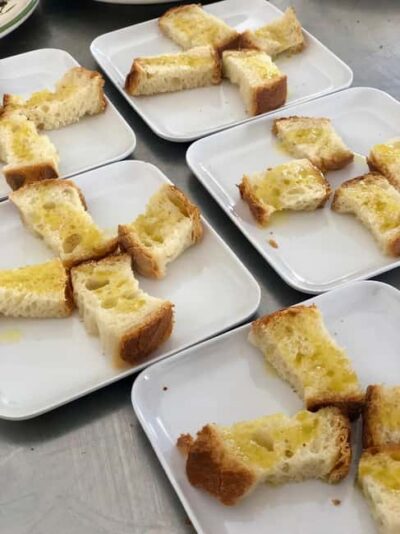
After the grove and tasting, you take a break with a small food serving, or tapa. It includes cured Manchego sheep cheese made by the family using milk from its own livestock, bread with tomato and olive oil, and a glass of wine made from grapes grown on the property.
This is not presented as a full restaurant lunch, so you should arrive expecting a generous snack rather than a large meal. It is just enough to turn the lesson into a relaxed local-food experience. The cheese brings in another product associated with Castilla-La Mancha, while the tomato bread gives you a simple way to taste the oil with food.
The wine is a pleasant extra because it connects the farm to more than olives. You taste grapes grown on the property and see how a small agricultural operation can produce several foods and drinks. Some visitors have also tasted fresh almonds, although almonds are not listed as a guaranteed part of the scheduled activity, so I would not book expecting them.
Vegetarian food is available according to the tour information. If you have dietary concerns beyond that, the supplied details do not specify other options, so ask before booking.
The setting may vary. On a windy day, the tasting and food may take place away from the grove, in the owners’ town office or another sheltered space. That is a sensible adjustment. You lose some of the outdoor atmosphere, but the tasting is easier when your glasses and notes are not being blown around.
More Olive Grove Walks in Spain:
- Córdoba: Visit a family organic olive grove with tasting
★ 5.0 · 30 reviews - Granada in EVOO: Olive grove guided tour and sensory tasting
★ 4.8 · 26 reviews - Tour to olive grove and olive mill, oil tasting and snack
★ 5.0 · 25 reviews - Visit to olive grove and olive mill with oil tasting and tasting
★ 5.0 · 25 reviews
Timing, group size, and the rural meeting point
The activity lasts about two hours and begins at 10:00 a.m. That morning schedule works well in warmer months, when an outdoor visit later in the day could become uncomfortable. It also leaves time for another stop in the Toledo area.
The maximum group size is 30 people. That is not an intimate private visit, but it is still limited enough for a guided explanation and questions. The hosts have been praised for being welcoming and willing to explain details, which matters more than the advertised group size in a hands-on tasting.
The meeting address is C. Visitación, 12, 45182 Arcicóllar, Toledo, Spain. Pay close attention to the directions. The countryside roads can be confusing, and one person entered an address into a map app that led to an off-road route. The hosts helped by calling and sending the correct meeting point, but it is better to confirm the route before leaving.
Transportation to Arcicóllar is not included in the information provided. You should plan your own way there and allow time to find the meeting point. The location is near public transportation, though the details do not identify a specific bus or train service.
A mobile ticket is accepted, and the experience is offered in English. Service animals are allowed, and most people can participate. There is one practical caution: the site has not always had a bathroom. Another account describes clean bathrooms at a refurbished hen house, so facilities may depend on the exact location used that day. If this matters to you, ask the provider before setting out.
Is the $35.82 price good value?
At $35.82 per person, the experience is priced fairly for a two-hour visit that combines a farm walk, guided tasting, food, and wine. You are paying for more than a sample of oil. The price includes access to a working family farm, an explanation of organic production, several tasting samples, and a local snack.
The value is strongest if you are curious about food or expect to buy olive oil after your trip. A bottle of oil tells you very little about the work behind it. Here, you learn how the trees are maintained, how the olives fit the local area, and how to identify qualities you may want in a bottle.
It is also a good use of time if you want a break from major monuments. The experience gives you a rural view of Castilla-La Mancha without requiring a full day of sightseeing. You should still account for the drive and any transport costs, since the ticket price does not cover getting to Arcicóllar.
The value is weaker if you dislike outdoor visits, have no interest in food production, or expect a substantial meal. The walking is limited, but you will spend much of the morning in an olive grove. The tour is educational and personal, not a polished museum attraction.
Who will enjoy this olive farm visit?
I would recommend it to anyone interested in Spanish food, regional agriculture, or the Madrid and Toledo area beyond the usual sights. It works especially well for couples, families, and small groups who enjoy asking questions and trying local products.
Teenagers can enjoy it because the tasting is active rather than purely verbal. They compare samples, notice different smells and sensations, and finish with cheese, bread, and wine for adults. The experience is also suitable for people who want a gentler outdoor outing, since the walking is not extensive.
It may appeal to you even if you are not an olive oil enthusiast. One person who expected to dislike a farm visit ended up considering it one of the best memories of a family trip. The combination of an old grove, friendly hosts, and good food gives the morning more variety than a standard lecture.
I would be cautious if you need guaranteed indoor facilities, have limited mobility that makes uneven farm ground difficult, or want a fixed restaurant-style lunch. The available information says most people can participate, but it does not give detailed terrain or mobility specifications. Ask the provider directly if you need those details.
Weather and cancellation details to keep in mind
This is an outdoor activity, so weather matters. If poor conditions cause cancellation, you are offered another date or a full refund. The activity also requires a minimum number of participants, with the same choice of a new date, another experience, or a refund if that minimum is not reached.
You can cancel for a full refund up to 24 hours before the start time. Cancellations or changes made less than 24 hours before the 10:00 a.m. start are not refunded or accepted. The cut-off uses local Spanish time.
Bring sensible outdoor clothing for the season. A hot day in the grove calls for sun protection and water, while wind can affect where the tasting takes place. Straw hats and water have been provided on hot visits, but I would not rely on that instead of preparing yourself.
Should you book the Arcicóllar olive grove experience?
Book it if you want a personal look at Spanish olive farming, a useful oil lesson, and a small taste of local food in one compact outing. The best parts are specific: the 300-year-old trees, the focus on organic Cornicabra olives, Laura’s biological and farming background, and the chance to leave knowing how to judge an oil label.
The main work is getting to the correct rural meeting point and accepting that the weather may shape the day. If you can manage that, $35.82 buys an experience with real substance rather than a quick tasting counter. I would choose it for a food-focused day near Toledo, especially if you want to understand the bottle before you pour it over your next meal.
FAQ
Where does the olive grove experience begin?
It begins at C. Visitación, 12, 45182 Arcicóllar, Toledo, Spain. The activity ends back at the meeting point.
What time does the activity start?
The start time is 10:00 a.m.
How long does the experience last?
The activity lasts approximately two hours.
Is the tour offered in English?
Yes. The experience is offered in English.
What food and drink are included?
You receive a serving of cured Manchego sheep cheese, bread with tomato and olive oil, and a glass of wine made from grapes grown on the property.
How many people can join the activity?
The maximum group size is 30 people.
Can I cancel for a full refund?
Yes. You can cancel at least 24 hours before the start time for a full refund. Cancellations made less than 24 hours before the start time are not refunded.
Just added around Spain
- Authentic Olive Oil Tasting in Cordoba, Spain★ 4.0 · 2 reviews
- Full day in Cordoba between Vineyards and Olive Trees with a Convertible Car★ 5.0 · 2 reviews
- Cordoba Olive Oil mill, Wine, Passion★ 4.5 · 8 reviews
- Tarragona Culinary Experience: Olive Oil & Iberian Ham Delight★ 5.0 · 8 reviews
- Visit to Family Ecological Olive Tree and Olive Oil Tasting★ 5.0 · 3 reviews
- Alicante Olive Oil Tour★ 5.0 · 2 reviews
- Toledo: Wine, EVOO, and Tapas Tasting★ 5.0 · 2 reviews
- Small group- Exclusive Olive Oil & Wine Tour Mallorca★ 5.0 · 7 reviews
Olive Grove Walks, compared.
Masseria tour among thousand-year-old olive trees with oil tasting
Read our review →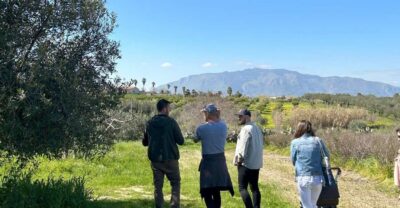
Olive Grove Tour with Wines & Olive Oil Tasting
Read our review →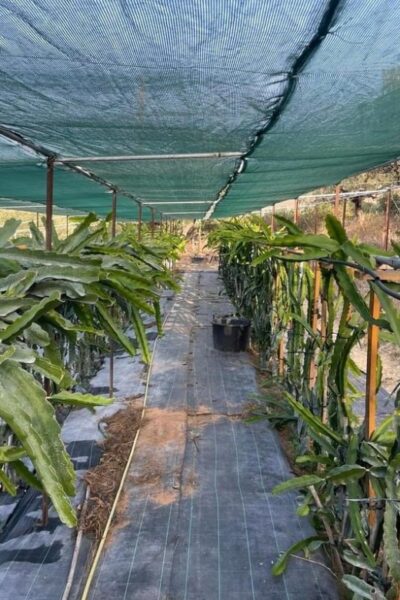
Traditional Olive Grove and Dragon Fruit Farm Tour
Read our review →
Visit of the olive grove, olive oil tasting and snack
Read our review →
Olive Grove and Vineyard Tour with Product Tastings
Read our review →
Balestrate Olive Grove Tour: Wine and Olive Oil Tasting
Read our review →
Guided tours of the olive grove with oil tasting.
Read our review →
Organic Olive Grove tour & Olive oil tasting & lunch in Kalamata!
Read our review →Browse the lists this tour appears in