
REVIEW · FRANCE
Provence Olive Harvest
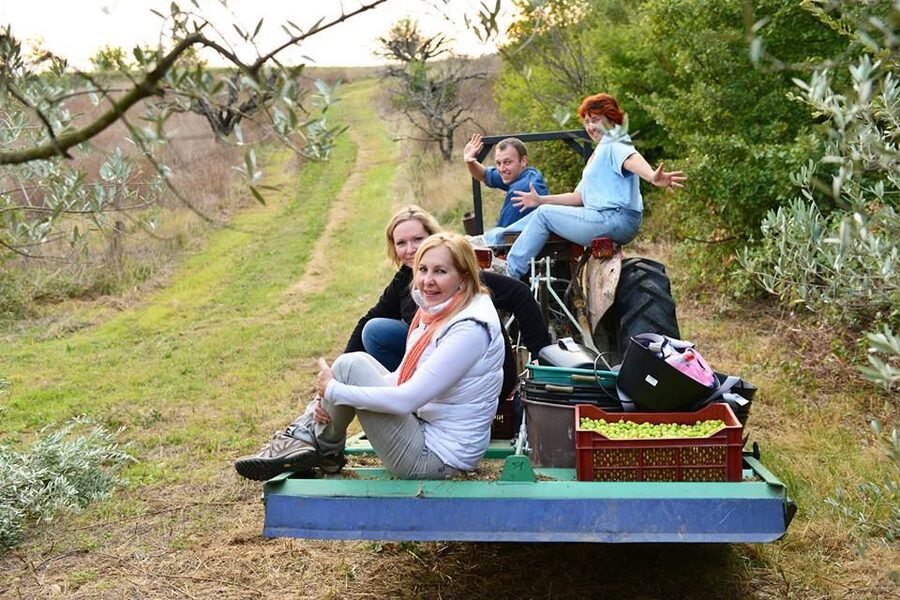
The best part of this Provence outing is that you do not just look at olive trees, you work among them. At Les Pastras, you walk through fruit trees, vineyards, beehives, Provençal herbs and truffle trees, then pick olives by hand in the autumn sun. It feels closer to a farm visit than a standard sightseeing stop.
I like the mix of useful know-how and simple pleasure. You learn about pruning, planting, harvesting and oil-making, then sit poolside with property red wine and a hearty apéritif. The main drawback is practical: transportation is not included, so you must reach the farm at 549 chemin Les Pastras in Cadenet on your own.
Key points to know before you book
- Hand-pick olives in the autumn sun: This is a hands-on farm experience, not just a guided walk past trees.
- Johann brings farming knowledge to life: When Johann leads, expect detailed explanations about olives, truffles and French farming.
- The tasting is a real part of the visit: Wine, bread, cheese, grapes, olives, olive oil, truffle oil and truffle salt follow the harvest.
- You can choose a morning or afternoon start: Begin at 10:30 or 14:00, subject to availability.
- The setting is easy to enjoy: You finish beside the pool with a view of the olive groves.
- Plan your own ride: Transportation is not included, but the activity is wheelchair accessible.
A working olive farm near Cadenet
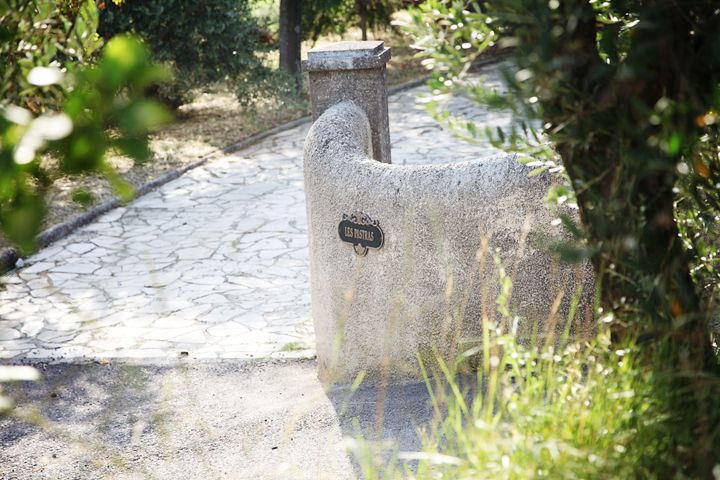
Les Pastras sits in the South of France near Cadenet, a useful base for exploring Provence by car. The meeting point is 549 chemin Les Pastras, 84160 Cadenet. You should enter the full address into your navigation app before setting out, since this is a rural property rather than a central town meeting place.
The setting gives this experience its character. You are not confined to an olive-oil shop or a tasting room. The route moves through fruit trees, vines, beehives, herbs and truffle trees, so you get a broader look at a working Provençal property.
That range matters. Olive farming does not exist in isolation here. The walk connects the trees with other crops and farm activities, giving you a better sense of how food is produced and enjoyed in this part of France.
The activity is conducted in English with a live guide. Johann is identified as the host and guide, and his explanations cover olives, truffles and French farming in general. If Johann is leading your session, expect the educational part to be detailed rather than rushed.
A few more olive oil tours around the world worth a look
- Sorrento Farm and Food Experience including Olive Oil, Limoncello, Wine tasting
★ 5.0 · 2,524 reviews - Split: Krka Waterfalls With Boat Cruise, Wine and Olive Oil
★ 4.3 · 1,507 reviews - Crete: Quad Safari, Olive Mill with Tasting & Ghost Village
★ 4.9 · 1,004 reviews
The 10:30 walk through trees, vines and herbs
The morning option begins at 10:30. The first portion takes you around the property and through its different growing areas. You see the fruit trees, vineyards, beehives, Provençal herbs and truffle trees before reaching the olive grove.
This opening walk is valuable because it places the olive harvest in context. You are not simply told that olives become oil. You hear about the work behind the crop, including pruning, planting, harvesting and making olive oil.
The farm tour also gives the guide room to answer the questions that often come up once you start looking closely at an olive tree. You can ask about how trees are shaped, how new trees are planted and what happens to the fruit after picking.
Expect a practical lesson rather than a formal lecture. The supplied details point to extensive discussion of olives, truffles and farming in France, so this suits you if you enjoy learning how food reaches the table.
The property includes beehives and truffle trees, but the main focus remains the olive harvest. You should not book this expecting a full beekeeping or truffle-hunting program. Those features are part of the walk, while olive picking is the activity you take part in directly.
Picking olives by hand in autumn
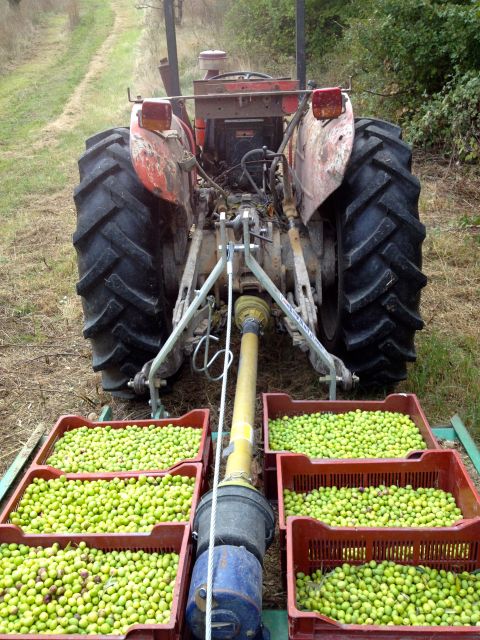
After the tour, you pick olives by hand. Equipment is included, so you do not need to bring special harvesting tools. The hands-on work changes the pace of the visit. Instead of only hearing about farming, you handle the crop and see how much effort goes into collecting it.
The season matters. Olive picking takes place in autumn, and the experience is scheduled around that harvest. Dress for the time of year, as requested by the operator, and choose practical clothing that you will not mind wearing outdoors on a farm.
You should also think about your comfort in the sun. The walk and picking take place outside, and the description specifically places the harvest in the autumn sun. Comfortable shoes and seasonal layers are sensible, though the only formal clothing instruction provided is to dress according to the season.
The work is part of the charm, but it may not suit everyone. If you want a quick tasting with no walking or physical participation, this outing could feel too active. If you like food with a story behind it, hand-picking the olives makes the later tasting more meaningful.
What you learn about olive oil
The guide explains how olives move from tree to oil. The topics include planting, pruning, harvesting and the making of olive oil. That sequence helps you understand why the final flavor is connected to farming choices long before the bottle reaches a table.
The tasting gives you a chance to apply that lesson. You sample homemade olive oil alongside truffle oil and truffle salt. The contrast lets you think about the plain olive flavor first, then compare it with the earthy truffle products.
Do not expect a technical certification course or a full professional oil-tasting workshop. The experience is built around a farm visit, a harvest and a meal. Still, the combination of explanation and tasting is more useful than either part alone.
I especially like that the food is made part of the lesson. You are not tasting an anonymous product in a shop. You have just walked among the trees and learned how olives are harvested, so the oil has a clear connection to the place.
Same groves, a different morning out:
- From Mendoza: 3 Wineries, Olive Oil Factory Tour & Tasting
★ 4.6 · 901 reviews - Knossos-Zeus Cave -Old Traditional Villages-Olive Oil Factory
★ 5.0 · 694 reviews - The Governor’s Olive Mill Tour with Olive Oil Tasting
★ 5.0 · 502 reviews - From Chania: Olive Oil, Wine, Cheese & Honey Tasting Tour
★ 4.6 · 490 reviews
The poolside Provençal apéritif
The final hour is the reward for the morning’s work. From 12:00 to 13:00, you enjoy a hearty Provençal apéritif poolside, with views across the olive groves. The food includes bread, cheese, grapes and olives, along with the property’s homemade olive oil.
The spread also includes truffles, truffle oil and truffle salt. The exact presentation may vary, but the supplied experience describes these products as part of the tasting. This is not a token sip and a single cracker. The meal is meant to be filling.
Property red wine is available with no stated limit during the apéritif. That makes the meal feel generous, but it also means you should plan your return journey carefully, particularly since you are responsible for transportation.
The poolside setting adds an easygoing finish. You have time to sit, eat and talk instead of being pushed straight back to a vehicle or the next scheduled stop. The view of the olive groves keeps the meal tied to the farm rather than turning it into a generic restaurant lunch.
The food and drink are included in the $37 price. That is important when judging value. A separate wine tasting, farm visit and lunch in Provence can add up quickly, while this experience combines all three in one three-hour booking.
Choosing between the 10:30 and 14:00 starts
You can begin at 10:30 or 14:00, depending on availability. The detailed morning schedule runs from 10:30 to 13:00, while the activity is sold as three hours. Allow the full three-hour window when planning the rest of your day.
The morning slot is the clearer choice if you want the apéritif to function as lunch. You walk and harvest first, then finish with wine and food around midday. It also leaves the rest of the afternoon open for another Provençal stop.
The 14:00 option may work better if your morning is occupied. You should confirm how the meal timing fits your plans, since the listed schedule spells out the morning sequence but does not give a separate timed breakdown for the afternoon start.
Do not schedule a tight connection immediately afterward. Rural driving times, the flexible nature of a farm visit and the included wine all argue for leaving some breathing room.
Is $37 a good value?
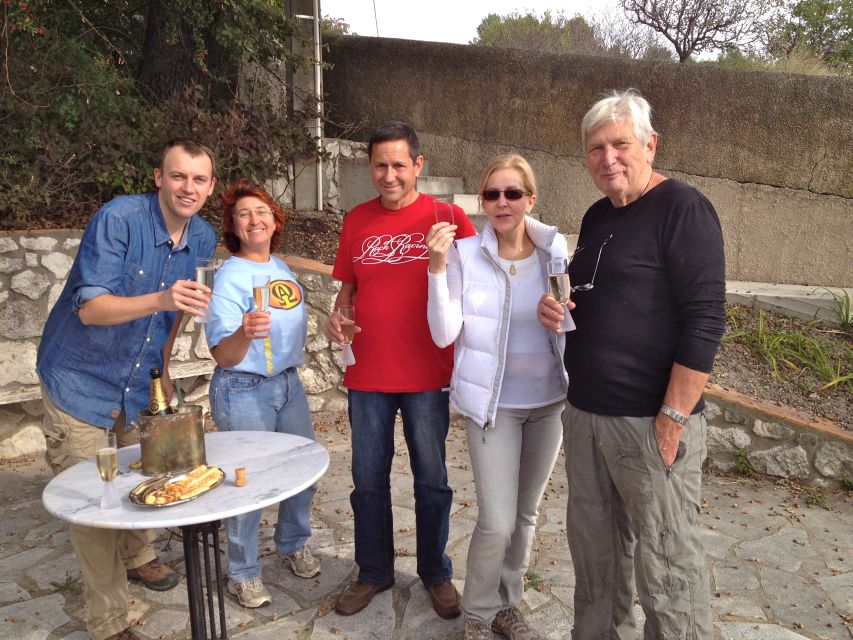
At $37 per person, this is a strong value if you want more than a photo stop. The price includes the guided property walk, olive-picking equipment, the harvest activity, drinks and lunch. You also sample homemade olive oil, truffle oil and truffle salt.
The value is strongest for people who would otherwise pay separately for a tasting and a meal. You get direct contact with the farm, an English-speaking guide and a substantial apéritif rather than only a small sample.
The price is less compelling if you are mainly interested in professional olive-oil analysis. The experience does not promise a formal tasting course, a mill visit or a technical session on production equipment. Its appeal is the combination of countryside, farm work, food and conversation.
Transportation is the main extra cost to consider. You must reach Cadenet independently, and the package does not cover the journey. If you already have a car or are arranging a ride, the price is easier to justify.
Who will enjoy this most
This is a good fit for you if food, farming and outdoor time are central to your Provence plans. Couples, families and small groups can share the picking and tasting without needing specialist knowledge.
It also suits curious eaters who want to understand olive oil before tasting it. The guide covers the full process from tree care to oil-making, and the tasting includes both olive and truffle products.
You should think twice if you dislike sun, walking or hands-on activities. The experience takes place outdoors and includes manual olive picking. It is not designed as a passive ride through the countryside.
The activity is listed as wheelchair accessible, which is useful for visitors who need that feature. Still, because part of the visit takes place around a farm property, you may want to confirm any specific mobility needs when booking.
Practical details that affect the day
The experience is offered in English and includes a live guide. You can reserve now and pay later, and cancellation is free up to 24 hours before the activity for a full refund. Those terms help if your Provence schedule is still changing.
The address is in Cadenet, in the South of France. Transportation is not included, so plan the route before booking. The property setting is part of the appeal, but it also means this is not a walk-up activity from a major city center.
Dress for the season. Autumn can bring warm sun, cooler air and changing conditions, so layers are sensible. Wear shoes suitable for walking around a farm and picking olives.
The published rating is 5 out of 5 from three reviews. The strongest praise centers on the host’s detailed explanations, the sunny harvest, the good food and the hands-on quality. One detailed account specifically highlights the combination of wine, cheese, truffles, bread, grapes, olives and oil, which tells you what kind of finish to expect.
Should you book the Provence Olive Harvest?
Book this experience if you want a relaxed, food-centered outing with real contact with Provence’s agriculture. The olive picking gives the visit a purpose, Johann’s teaching adds substance, and the poolside apéritif supplies a generous finish.
Skip it if you need included transportation, dislike outdoor farm work or want a formal olive-oil course. For everyone else, $37 is a fair price for three hours that combine a property tour, hands-on harvesting, several tastings and lunch with wine.
FAQ
Where does the olive harvest take place?
The meeting point is Les Pastras, at 549 chemin Les Pastras, 84160 Cadenet, in the South of France.
How long does the experience last?
The activity is listed as three hours. The detailed morning schedule runs from 10:30 through 13:00, and afternoon availability begins at 14:00.
What time can I start?
You can choose a 10:30 or 14:00 start, subject to availability.
Is transportation included?
No. Transportation to and from Les Pastras is not included.
What food and drinks are included?
The experience includes lunch and drinks, with a Provençal apéritif featuring property red wine, bread, cheese, grapes, olives, homemade olive oil, truffle oil and truffle salt.
Is the activity offered in English and accessible by wheelchair?
Yes. The activity has an English-speaking live guide and is listed as wheelchair accessible.
Just added around the world
- XXI Century Olive Oil Mill Tour★ 5.0 · 3 reviews
- Zadar, Šibenik: olive oil, wine & food tasting, Self Drive★ 4.7 · 9 reviews
- Vernazza (5 Terre): olive grove tour and oil and wine tasting★ 5.0 · 9 reviews
- Visit to an olive oil mill and oil tasting with aperitif and food and wine pairing.★ 5.0 · 2 reviews
- Athens: Greek Wine & Olive Oil Tasting at Brettos Plaka★ 4.5 · 3 reviews
- Trevi: Guided tour and tasting at Frantoio Gaudenzi★ 5.0 · 3 reviews
- Unveiled Secrets of Porto + Olive Oil Tasting★ 4.8 · 3 reviews
- Trieste’s Essence: Wine and Olive Oil Tasting★ 5.0 · 3 reviews
France Olive Oil Tours, compared.
Self tour of the olive oil mill & olive oil tasting
Read our review →
Small-Group Half-Day Languedoc Wine and Olive Tour from Montpellier
Read our review →
Journée Huile d’Olive, Vin, St Guilhem le Désert
Read our review →
Private Pic Saint Loup Wine and Olive Tour from Montpellier
Read our review →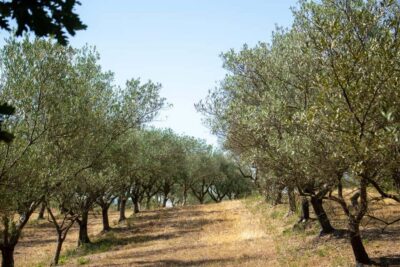
Browse the lists this tour appears in