
REVIEW · MALLORCA
Olive plant and mill visit and tasting
Mallorca’s olive oil story comes alive when you move from the trees to the mill, then sit down to taste the finished product with local food. You’ll walk among the olive trees, learn how the fruit becomes oil, and practice spotting the qualities of a good extra virgin oil. The tasting is the heart of the visit, but the farm setting gives it a useful sense of place.
I like the small group of up to eight, which leaves room for questions instead of turning the tour into a lecture. I also like the generous food pairing: Pa amp Oli, sobrasada, Menorca cheese, Iberian ham, fruit, wine, and water. The main consideration is mobility. The walk is moderate with a few gradients, and the experience is not suitable for people with mobility impairments.
Key points to know before you book
- From olive grove to modern mill: You see both the farming side and the production process.
- A real Mallorcan tasting: Pa amp Oli, sobrasada, Menorca cheese, Iberian ham, fruit, wine, and water accompany the oils.
- Small-group format: The group is limited to eight people, making questions and conversation easier.
- Easy hotel pickup: Transport is provided from Palma or Ca’n Pastilla, with about 30 minutes in the van each way.
- English-language guidance: The tour is offered with a live English-speaking guide, and one guide has also led tours in Spanish.
- Three hours well spent: About two and a half hours take place at the estate, leaving time for the grove, mill, and tasting.
Why an olive mill visit adds meaning to a Mallorca trip
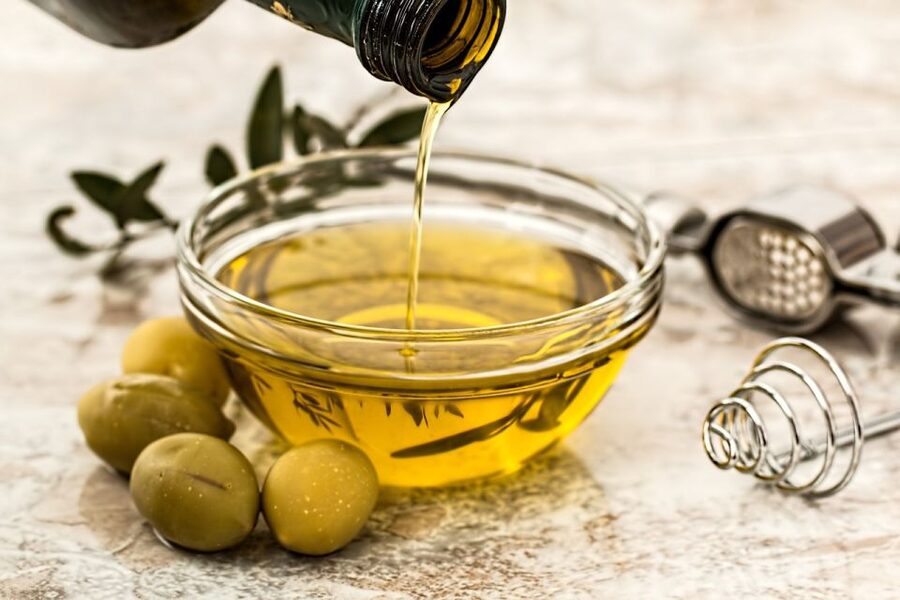
Olive oil is easy to take for granted. It arrives in a bottle, you pour it over bread or salad, and that seems to be the end of the story. At this estate near Llucmajor, you get to follow the product backward, from the table to the bottle and finally to the tree.
That change in viewpoint is the main reason to book this experience. You are not simply sampling several oils in a room. You first see the olive grove, then visit the mill, and then taste the result with foods that are part of Mallorca’s everyday cooking.
I find that order useful. The grove explains where the fruit begins. The mill shows how careful handling affects the finished oil. The tasting gives you a chance to connect those steps with smell and flavor. Afterward, you may pay more attention to the oil you use at home, especially the difference between a mild cooking oil and a lively extra virgin olive oil.
The experience also offers a break from Palma’s streets and resort areas. The estate near Llucmajor gives you a look at the agricultural side of the island without requiring a full-day outing. You get countryside, food, and a lesson in local production in one compact trip.
A few more olive oil tours around Spain worth a look
- Ronda: LA Almazara LA Organic, Olive Oil Museum and Tasting
★ 4.6 · 435 reviews - Guided tour and olive oil tasting in Alhaurin el Grande (Málaga)
★ 5.0 · 200 reviews - Guided Tasting Tour in 16th century House and Olive Oil Factory
★ 5.0 · 169 reviews
From Palma or Ca’n Pastilla to Llucmajor
Pickup is available in Palma and Ca’n Pastilla. The transfer takes about 30 minutes by van, so the transport portion is short enough to fit comfortably into a half-day plan.
This arrangement is especially useful if you are staying in Palma and do not want to arrange a rental car for a single rural visit. You can focus on the outing rather than driving, parking, or finding the estate yourself. Hotel pickup and drop-off also make the experience simpler for visitors who prefer guided transport.
The trip lasts three hours in total. That includes the van ride and roughly two and a half hours at the olive estate. I would set aside the full morning or afternoon rather than trying to squeeze another timed attraction immediately afterward.
The group size matters here. With no more than eight people, the van and the farm visit should feel more personal than a large coach excursion. You have a better chance to ask why one oil tastes peppery, how harvesting works, or what makes one bottle extra virgin.
Walking among Mallorca’s olive trees
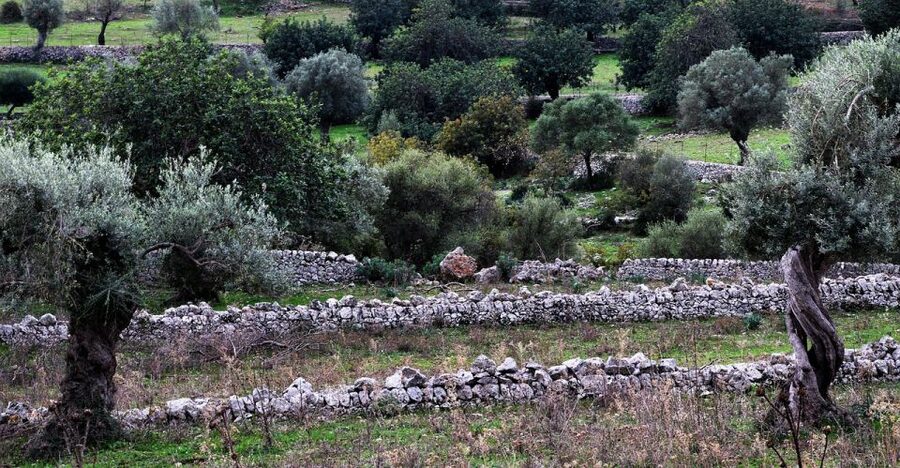
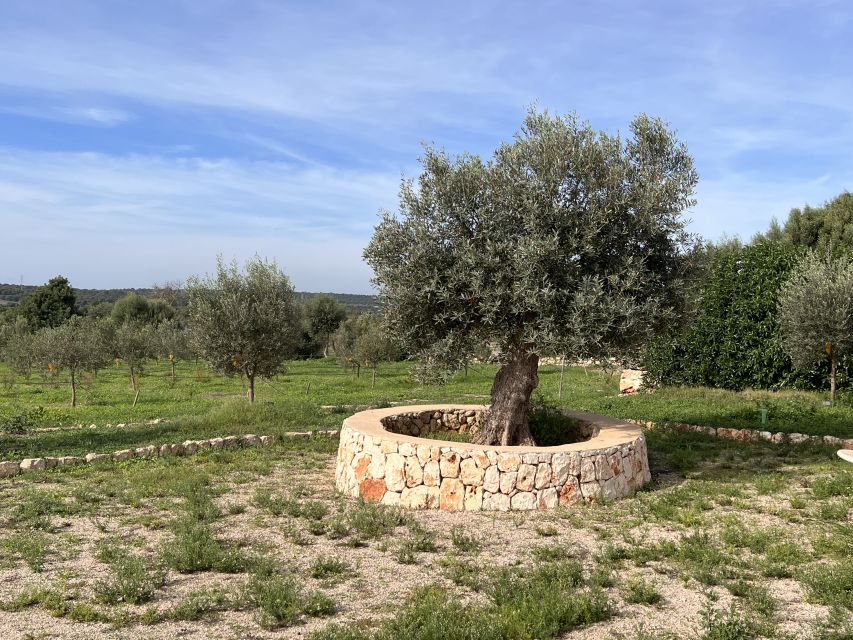
The visit begins with the olive grove, where you get a direct look at the trees, the farm setting, and the natural surroundings. The tour introduces the flora and fauna connected with the grove, so this is not just a quick photo stop beside a few trees.
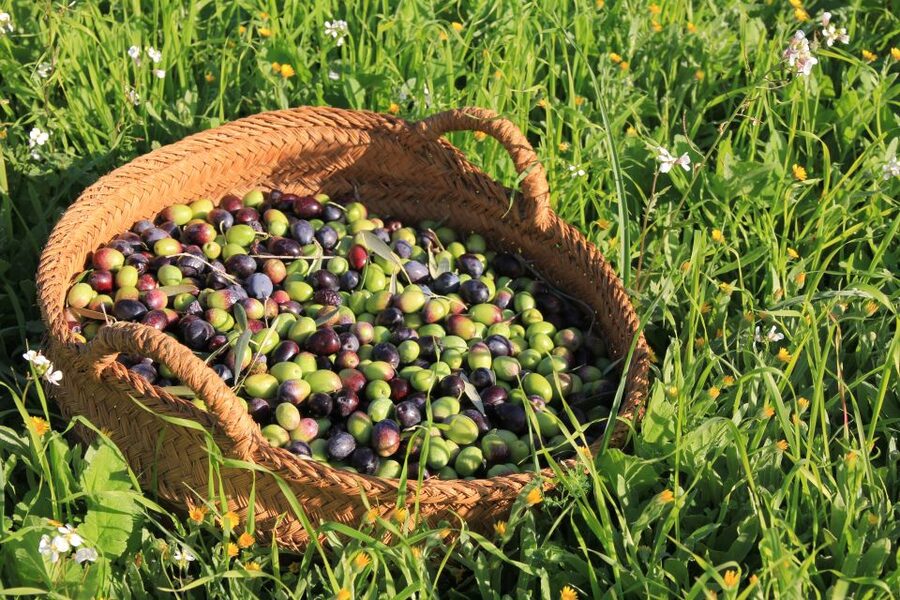
The grove gives useful context to the oil tasting later. Olive oil does not begin as an abstract food category. It begins as fruit grown on trees, then picked and handled before extraction. Seeing that first stage helps you understand why cultivation and harvesting affect quality.
Expect a moderate amount of walking, including a few gradients. Comfortable shoes are important, especially if the ground is uneven or the visit takes place during warm weather. The tour is not suitable for people with mobility impairments, so you should consider that limitation before booking.
The grove portion is also the quieter part of the experience. If you enjoy seeing how food is produced rather than rushing from one attraction to the next, you will likely appreciate this pause among the trees. If you want a tour built mostly around sitting and tasting, the walking may feel like more than you expected.
Inside the modern olive mill
After the grove, the tour moves into the olive plant and modern mill. Here you learn how the olives are processed and how the juice becomes oil. The guide explains the production stages and the methods used to protect quality.
This is where the visit moves beyond a scenic farm outing. You get a practical look at the work behind the bottle, including the connection between cultivation, extraction, and the final taste. The exact technical detail can depend on the guide and the day, but the stated focus is on the production process and the operation of the mill.
I like that the mill visit follows the grove. If you saw only the machinery, the process might feel detached from the land. If you saw only the trees, you would miss the careful work that follows harvesting. Together, the two parts give you a clearer picture of the oil’s journey.
The setting is also a good fit for curious eaters. You do not need to be an olive oil expert. The tour is designed to help you understand what you are tasting and how to recognize an extra virgin olive oil. Bring questions. A small group gives you a better chance to ask them without holding up a crowd.
Same groves, a different morning out:
- Oil tourism in Pulpí Discover the World of EVOO
★ 5.0 · 133 reviews - Visit of the olive grove, olive oil tasting and snack
★ 4.9 · 111 reviews - Visit Oil Mill Museum and Olive Oil Tasting in Ronda
★ 4.5 · 105 reviews - Private Tasting of Olive Oil in Córdoba
★ 5.0 · 93 reviews
Learning to recognize extra virgin olive oil
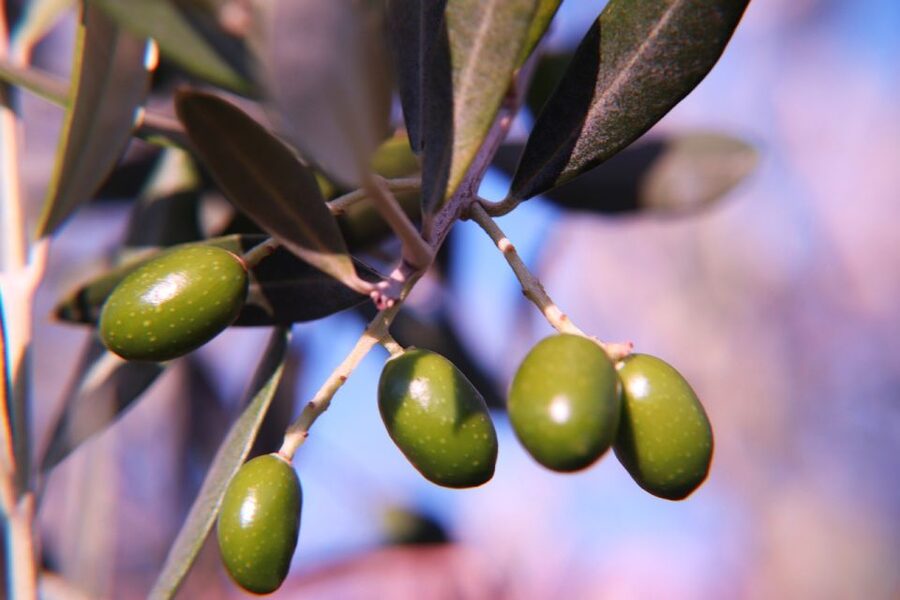
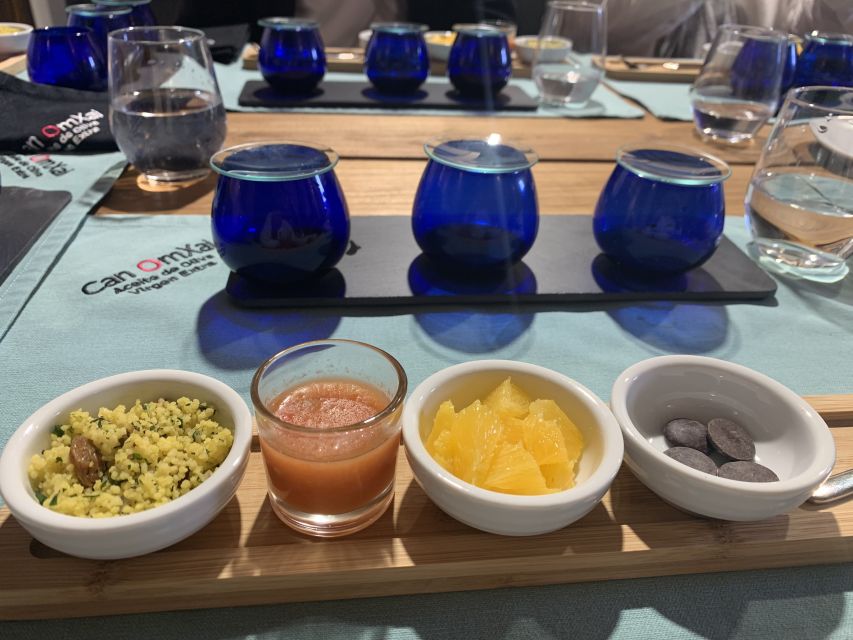
The tasting is not simply a chance to pour oil onto bread. You are guided through the qualities that help identify extra virgin olive oil, including the way it smells and tastes. The purpose is to train your attention, not just to offer a snack.
You may notice that oils have different levels of fruitiness, bitterness, and peppery character. Those sensations are useful clues. The tour helps you connect them with freshness and quality, giving you a basis for judging oil beyond an attractive label or a high price.
This is one of the most practical parts of the experience because you can use the lesson later. At home, you may start smelling the oil before cooking with it or comparing how different oils work with bread, vegetables, or meat. You may also become more alert to the difference between an oil made for finishing a dish and one used in everyday cooking.
The tasting works best if you approach it slowly. Let the guide explain what to look for, then give your own senses time to catch up. You do not need a trained palate. Curiosity is enough.
A Mallorcan meal beside the oil tasting
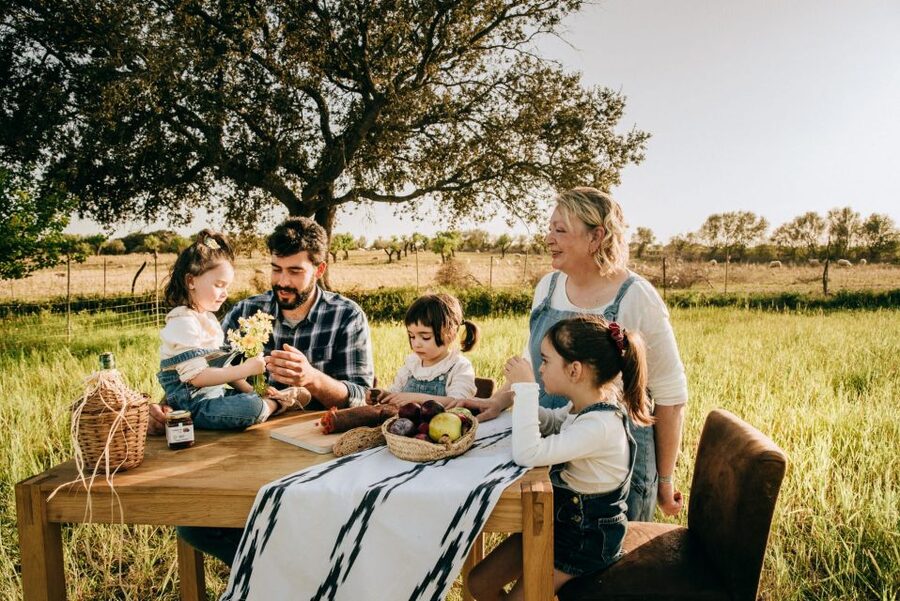
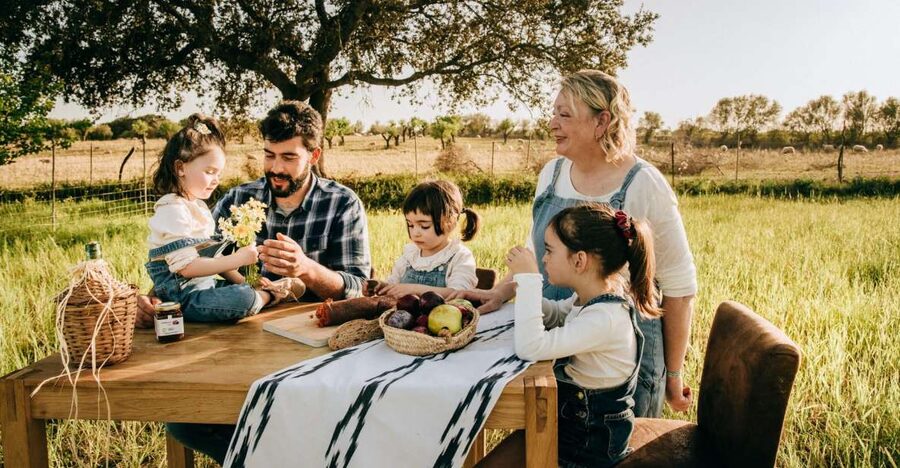
Food makes the tasting feel connected to Mallorca rather than like a formal product demonstration. The picnic includes Pa amp Oli, a simple bread-and-oil preparation, along with sobrasada, cheese from Menorca, Iberian ham, fruit, wine, and water.
Pa amp Oli is particularly fitting because it keeps the central ingredient in plain view. Bread and oil leave little for other flavors to hide, so the quality and character of the oil matter. The sobrasada, cheese, and ham add salt, fat, and stronger flavors, giving you different combinations to try.
The meal is substantial enough to feel like part of the outing, not an afterthought. You receive wine and water with the picnic, while other food and drinks are not included. That distinction is worth noting if you have dietary needs or expect a larger meal.
The menu also gives the experience a local angle. Menorca cheese brings in another Balearic island, while sobrasada and Pa amp Oli point toward familiar Mallorcan tastes. You are not just sampling oil on its own. You are seeing how it fits into the region’s food culture.
A verified booking described the food as tasty, and another visitor specifically praised the lunch with the explanations. That matches the structure of the outing: the meal is paired with the lesson, rather than added as a separate restaurant stop.
The guides and the feel of a small group
The tour is conducted in English by a live guide. The experience has also been offered in both English and Spanish, depending on the guide. Michael is one guide associated with the outing, and Julia received a specific mention for her work. Michael was also flexible enough to add a wine tasting for one group when the opportunity arose.
That last detail should not be treated as a guaranteed part of the tour. It does show the value of a small operation, where the guide may have some room to respond to the group and the conditions of the day. The scheduled experience itself includes wine with the picnic, but a separate wine tasting is not listed as standard.
The strongest pattern in the feedback is organization and personal attention. Pickup was reported as punctual, communication before the outing was clear, and the farm visit was described as well organized. Those practical details matter. A rural tour can become stressful if pickup instructions are vague or the transport runs late.
The group limit of eight also supports the teaching side of the experience. You can ask about production, flavor, and food pairings without shouting across a large room. I would choose this format over a big bus tour if you want conversation and a calm pace.
Is $112 a fair price?
At $112 per person, this is not a budget activity. The value depends on what you want from a half-day outing.
You are paying for hotel pickup and drop-off from Palma or Ca’n Pastilla, a guided estate visit, access to the olive plant and modern mill, oil tasting, a local food picnic, wine, water, and a small group capped at eight. Transport alone does not explain the price, but the combination of food, instruction, and access to the production site makes the cost easier to understand.
I see it as a good value for visitors who would otherwise pay for transport, a rural excursion, and a separate meal. It is less compelling if you only want to buy a bottle of oil or take a quick look at an olive tree. The experience is built around learning and tasting, so the price makes more sense when you plan to take part in both.
The three-hour length helps. You do not lose a whole day, yet you receive enough time for the grove, mill, and tasting. For a short Mallorca stay, that balance can be useful.
Who will enjoy this olive estate experience?
You should consider booking if you like food, farming, and local production. It suits couples, solo visitors, and small groups who prefer a guided outing with room for questions. The experience also works well for anyone who wants a countryside break without organizing a car.
It is a good match for first-time olive oil tasters because the guide explains how to recognize extra virgin oil. You do not need previous knowledge. The tasting and food make the subject approachable.
Families may appreciate the short duration, though the tour is more food-and-culture focused than built around children’s entertainment. Wine is included with the picnic, so adults are likely to get more from the meal than very young children.
You should think twice if walking on gradients is difficult. Mobility access is the clearest limitation. Comfortable shoes are required, and the tour is not designed for people with mobility impairments.
The experience also may not satisfy you if you want a long, technical course in olive oil production. It offers a guided introduction over about two and a half hours at the estate, not a full professional certification or a full-day agricultural workshop.
Practical details for a smoother visit
Wear comfortable shoes. That is the most important preparation because you will walk through the grove and around the plant, with a few gradients along the way.
Choose Palma or Ca’n Pastilla pickup based on where you are staying. The two locations make the excursion convenient for visitors in or near the capital, but you should check the available starting time before committing to other plans.
The tour is offered in English with a live guide. If you need another language, the stated language information does not promise one, although the tour has also been conducted in Spanish.
Pets are not allowed, except for assistance dogs. Other drinks and food beyond the listed picnic are not included, so you should not assume that extra refreshments or menu substitutions come with the price.
Cancellation is flexible up to 24 hours before the experience for a full refund, and you can reserve now and pay later. Those terms are useful if your Mallorca schedule is still changing.
Should you book this tour?
I would book it if you want to understand Mallorca through one of its most familiar foods. The sequence is strong: olive grove, production plant, modern mill, oil tasting, then a picnic with local ingredients. The small group and hotel transport remove much of the usual fuss.
The best reasons to choose it are the personal scale, the chance to learn how to recognize extra virgin olive oil, and the generous food pairing. The most important reason to skip it is limited mobility, since the visit includes moderate walking and gradients.
At $112, this is a worthwhile half-day outing for food-minded visitors who value guidance, transport, and a proper tasting. It is not the right choice for a quick, inexpensive stop. If that sounds like your kind of Mallorca afternoon, book it and bring comfortable shoes, an open appetite, and a few questions about the oil on your table.
FAQ
Where does the olive oil tour begin?
Pickup is available from two locations: Palma and Ca’n Pastilla.
How long does the experience last?
The experience lasts three hours in total. The van ride takes about 30 minutes, followed by approximately two and a half hours at the olive estate.
How far is the estate from the pickup area?
The itinerary lists a 30-minute van transfer to Llucmajor from the pickup area.
What does the guided visit include?
It includes a visit to an olive plant and mill, a guided tour through the plant and modern mill, a walk among the olive trees, and an explanation of the oil production process.
What food is included?
The picnic includes Pa amp Oli, sobrasada, Menorca cheese, Iberian ham, fruit, wine, and water.
Is wine included?
Yes. Wine is included with the picnic. Other beverages are not included.
Is the tour offered in English?
Yes. The experience includes a live English-speaking guide. The tour has also been conducted in Spanish.
How many people are in the group?
The group is limited to eight participants.
Is the tour suitable for people with mobility impairments?
No. The tour includes a moderate amount of walking and a few gradients, and it is not suitable for people with mobility impairments. Comfortable shoes are recommended.
Just added around Spain
- Small group- Exclusive Olive Oil & Wine Tour Mallorca★ 5.0 · 7 reviews
- OLIVE OIL & WINE TOUR Organic fields – 5 Wines + 3Olive Oils★ 5.0 · 7 reviews
- OleoAlmanzora: Guided tour + Masterclass of EVOO tasting Eng★ 5.0 · 2 reviews
- OleoAlmanzora: Guided tour + EVOO Breakfast/Afternoon tea★ 5.0 · 4 reviews
- OleoAlmanzora: Guided tour olive groves and EVOO facilities★ 5.0 · 11 reviews
- Mallorca: Bodega & Olives Minibustour with wine/oil tasting★ 5.0 · 6 reviews
- Jaén: Aires de Jaén Olive Oil Tasting Class★ 5.0 · 9 reviews
- Jaén: Guided Olive Grove Tour★ 5.0 · 3 reviews
Mallorca Olive Oil Tours, compared.
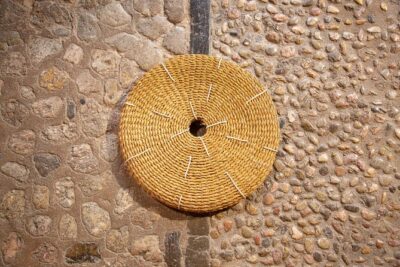
Guided Tasting Tour in 16th century House and Olive Oil Factory
Read our review →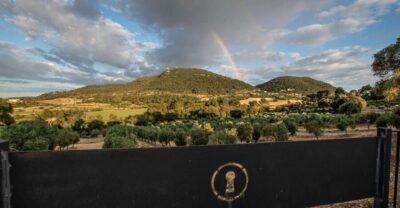
Visit of the olive grove, olive oil tasting and snack
Read our review →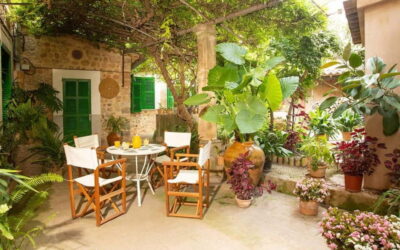
Sóller: Olive Oil Guided Tour and Tasting at Can Det Estate
Read our review →
Orange Farm, Olive Mill, & Winery Tour with Tastings
Read our review →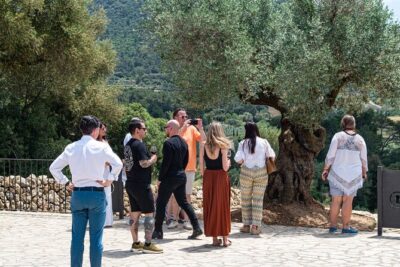
Tour to olive grove and olive mill, oil tasting and snack
Read our review →
Olive Grove Experience, Oil Tasting & Picnic in the Tramuntana
Read our review →
Mallorca Bodega & Olive Minibus Tour incl. Pick-up South Coast
Read our review →
Treurer: Olive Oil Night. Gastronomic experience
Read our review →Browse the lists this tour appears in