
REVIEW · SPAIN
Jaén: Guided Olive Grove Tour
Jaén’s olive oil story makes the most sense among the trees themselves. This three-hour tour takes you from the grove to the mill, then finishes with a tasting of three gourmet extra virgin olive oils. I like the direct family connection and the chance to see both old and modern milling equipment. I also like that the guides answer practical questions, with José and Anna singled out for clear, detailed explanations.
The main drawback is transport. The mill is in Begíjar, not in central Jaén, and it is reachable only by car or bike. The meeting point can also vary by booking option, so you need to check the exact arrangements before setting out.
Key points at a glance
- See olive harvesting up close: Learn how the trees are grown and how the fruit is collected.
- Tour Jaén’s first touristic olive mill: Follow the olives from reception through milling and oil extraction.
- Compare past and present: The machinery includes both traditional and current methods.
- Visit the storage cellar: See where the finished oil is kept before tasting it.
- Taste three extra virgin olive oils: Learn to notice differences in aroma and flavor.
- Plan for the countryside: Begíjar is 6 kilometers from Baeza, 18 kilometers from Úbeda, and 30 kilometers from Jaén.
Why an olive grove tour belongs in your Jaén plans
Jaén is one of Spain’s great olive oil regions, but the subject can seem abstract if you only see bottles in a shop. This tour gives the oil a clear beginning, middle, and end. You start under the trees, follow the fruit into the mill, and finish by tasting the result.
I like that the experience does not treat olive oil as just a souvenir. You learn about cultivation, harvest timing, milling, storage, and tasting. That sequence helps you understand why two oils made from the same basic crop can have different aromas and flavors.
The setting also gives you a useful break from the major monuments of Baeza, Úbeda, and Jaén. Those cities are known for churches, palaces, and old streets. Here, you get a look at the working countryside that helps define the province today.
The tour is especially worthwhile if you are staying in Baeza or Úbeda and have access to a car. From Baeza, the drive to Begíjar is only 6 kilometers. From Úbeda, it is 18 kilometers, and from Jaén, it is 30 kilometers. If you are relying on public transport, this is less convenient because transfers are not included and the mill is reachable only by car or bike.
More Olive Grove Walks in Spain:
- Visit of the olive grove, olive oil tasting and snack
★ 4.9 · 111 reviews - Córdoba: Visit a family organic olive grove with tasting
★ 5.0 · 30 reviews - Granada in EVOO: Olive grove guided tour and sensory tasting
★ 4.8 · 26 reviews
Starting among the olive trees
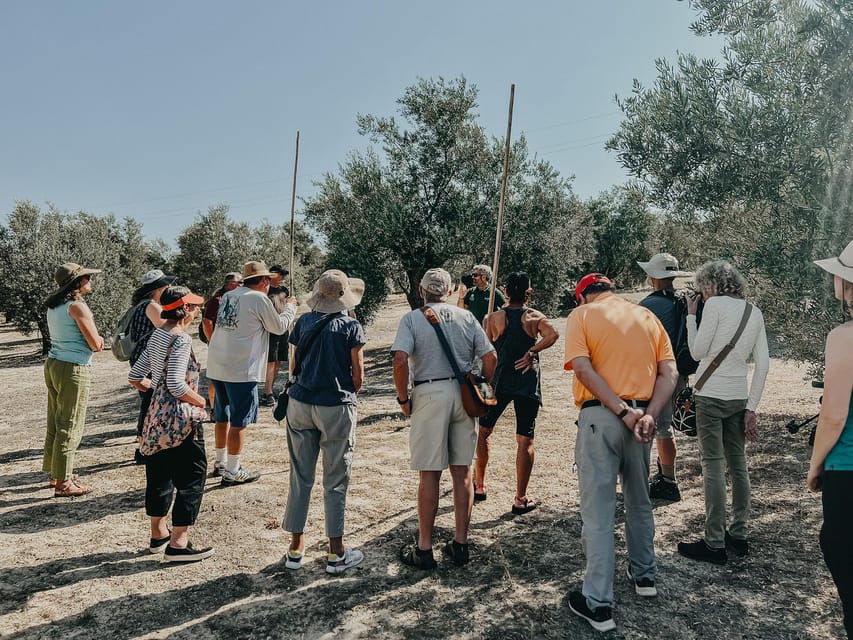
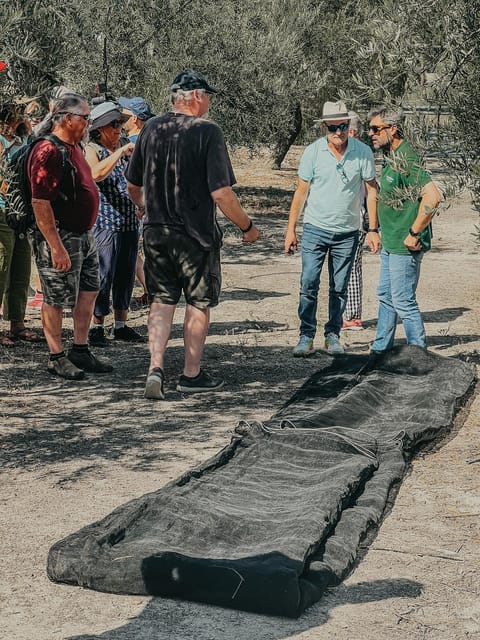
The visit begins in an olive grove, where you learn how the trees are grown and how the olives are harvested. This first stop matters because it puts the production process in physical terms. You can connect the final bottle with the trees, fruit, and seasonal work that come before it.
The guide explains the basic cycle of olive production and the way harvesting is handled. The supplied information does not specify a particular harvest method or promise that you will see active picking on the day of your visit, so think of this as an explanation of the work rather than a guaranteed live harvest.
This part should appeal to anyone who enjoys food with a sense of place. You are not only tasting a local product. You are learning how the crop fits into the culture and daily work of Andalusia.
The grove portion is outdoors, so sensible shoes and sun protection are useful choices. Exact conditions will vary by season, and the tour details do not give a weather policy, so check locally if conditions look poor.
Following the olives into the mill
After the grove, the tour moves through the outdoor and indoor installations of the olive mill. This is where the tour becomes more technical, but the subject remains easy to follow because the process is shown in order.
You learn about the reception of the olives when they arrive at the mill. From there, the guide explains the main steps used to extract the oil. You also see the equipment involved, including machinery representing both current and older methods of milling.
That contrast is one of the best reasons to book this experience. Modern equipment can make the process efficient, but older machinery shows how much physical work olive oil once required. Seeing both gives you a clearer sense of what has changed and what has remained the same.
The first touristic olive mill in Jaén is a useful stop for visitors who want more than a standard tasting. You get a working setting and an explanation of the production chain, rather than a brief sales presentation built around bottles.
The level of detail can also be adjusted through questions. Madeleine’s English-language visit focused on learning how the city, groves, and production connect, and she found that her questions were answered clearly. That is useful to know if you want to ask about cultivation, extraction, or the differences between oils.
Old machines, new methods, and the production story
The machinery display adds a practical layer to the tour. You see older and newer approaches to milling and learn the basic purpose of each stage. The tour does not require specialist knowledge, so you can enjoy it even if you know little about olive oil before arriving.
Anna led one especially informative visit through the grove and operating area, explaining both old and modern machines. That combination is worth noting because it gives the tour a human scale. You are not simply looking at equipment. You are hearing how olive oil production has developed over time.
The tour also comes from an olive oil producing family, and the explanations are connected to family workers and olive oil craftsmen. That family link gives the presentation a personal quality without taking away from the practical information.
You should not expect a full technical course in three hours. The focus is on the basic process, the main equipment, and the cultural importance of the product. If you want a detailed lesson in chemistry, farming economics, or professional tasting certification, this is probably not the right format.
For most people, though, the balance works well. You get enough information to understand the oil without spending the whole visit in a classroom.
More Guided Tours in Spain:
- Guided tour and olive oil tasting in Alhaurin el Grande (Málaga)
★ 5.0 · 200 reviews - Guided Tasting Tour in 16th century House and Olive Oil Factory
★ 5.0 · 169 reviews - Sóller: Olive Oil Guided Tour and Tasting at Can Det Estate
★ 4.8 · 82 reviews - Jaén: Guided Olive Mill Tour with Olive Oil Tasting
★ 4.9 · 74 reviews
Seeing where the oil is stored
The tour continues to the cellar, where the finished oil is stored. This is an easy part to overlook, but it helps complete the production story. After harvesting and extraction, the oil still needs proper storage before it reaches a bottle or table.
The cellar visit shows that olive oil is not finished the moment it leaves the mill. Storage is part of maintaining the product. The guide can place this stage in the wider process, connecting the equipment you have just seen with the oil you will taste later.
A video about the world of olive oil follows the mill visit. This gives you another way to absorb the information and provides a pause after walking through the installations. The video is available in Spanish, English, and French, as are the guided explanations.
The pace should suit a broad range of ages. Children under 6 enter free, and the facilities and access are adapted for groups and people with reduced mobility. Since the tour includes outdoor areas and a working facility, it is still sensible to confirm the exact route and meeting point when booking if anyone in your group has specific mobility needs.
The tasting of three gourmet oils
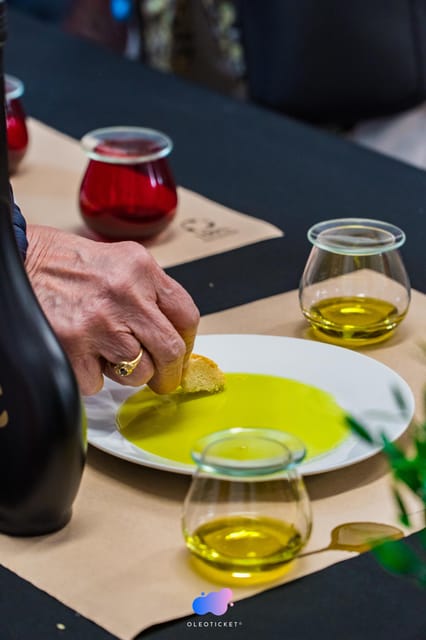
The tasting is the finish, and it gives the earlier explanations a purpose. You taste three extra virgin olive oils from the Essential Olive gourmet selection and learn to notice their aromas and flavors.
I like the tasting because it is not just a sample handed over at the end. The tour prepares you to pay attention. You can compare the oils and consider how they differ in smell, taste, and overall character.
Do not worry if you have never attended an olive oil tasting. The guide explains the basic aspects to look for, turning the final stop into an approachable sensory exercise. You do not need formal tasting experience to take part.
This is also the part most likely to shape what you buy later in Andalusia. Once you have compared several extra virgin oils side by side, labels and descriptions become easier to understand. You can make a more informed choice instead of selecting a bottle only because it has an attractive design.
The tasting includes three oils, but the supplied details do not promise food pairings or a full meal. Plan to treat it as a tasting session, not lunch.
Price, timing, and the question of value
At $35 per person, the tour offers three hours of guided content, a grove visit, a mill tour, and three oil samples. I consider that fair value if you are already visiting Baeza, Úbeda, or Jaén and can reach Begíjar without paying for a separate transfer.
The value is strongest for people who like to understand how regional food is made. You are paying for access to the grove and mill, the explanations from olive oil specialists, the machinery tour, the cellar visit, the video, and the tasting. A simple shop tasting would cost less, but it would not give you the full production story.
The price is less attractive if you must arrange an expensive private transfer solely for the tour. Transfers are not included, and the mill is outside the main city centers. If you are already hiring a car for the area, the added cost and time are easier to justify.
The standard visit lasts three hours. English and French tours start at 9:30 a.m., while other starting times should be checked for availability. Daily tours operate on Saturdays, Sundays, and holidays as well, which is helpful when planning around a short stay.
Private groups are available. That option may suit families, friends, or people who want more time for questions, but the price and exact conditions depend on the option you choose.
Languages, guides, and the feel of the visit
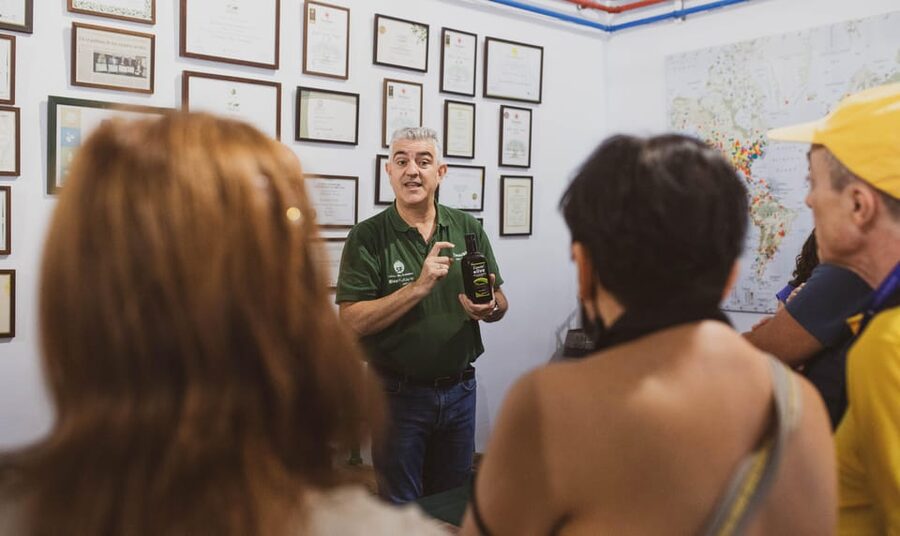
Tours and the film are offered in Spanish, English, and French. English-speaking visitors can book with confidence that the main process, from the grove to the tasting, is explained in their language.
José and Anna are two guides connected with particularly strong visits. José explained olive trees, olives, and processing in detail, while Anna covered both the grove and the old and new machinery. Their role matters because this tour depends on clear explanations. Without a good guide, a mill can become a room full of unfamiliar machines.
The experience also suits people who enjoy asking questions. Madeleine’s visit in English included many questions about the city, groves, and production, which is a good indication of the kind of conversation the tour supports. I would arrive with a few questions of your own, perhaps about harvest methods, storage, or how the three oils differ.
The tour is not designed as a fast photo stop. Give yourself the full three hours, especially if you want to listen closely and take part in the tasting.
Practical planning from Baeza, Úbeda, or Jaén
Begíjar is the key detail to keep in mind. The mill is 6 kilometers from Baeza, 18 kilometers from Úbeda, and 30 kilometers from Jaén, and it can be reached only by car or bike. Transfers are not included.
Your meeting point may depend on the option booked, so check the confirmation carefully rather than assuming you should go directly to the mill. That small step can prevent a wasted drive.
The tour is offered daily, including weekends and holidays. English and French departures start at 9:30 a.m., so this is best planned as a morning activity unless another time is shown for your selected language.
Booking terms should also be checked carefully. The activity information says you can cancel up to 24 hours in advance for a full refund, while another instruction says 48 hours notice is required. Because those details do not match, confirm the cancellation deadline attached to your specific booking.
Who will enjoy this Jaén experience most
I would recommend the tour to food-minded visitors, olive oil beginners, couples with a car, families interested in local work, and anyone spending time in Baeza or Úbeda. It offers a useful change from city sightseeing and explains one of the products most closely tied to Andalusia.
It is also a good choice for people who prefer small, focused cultural activities over a long museum visit. The grove, mill, cellar, video, and tasting each add something different, so the three hours have a clear rhythm.
You may want to skip it if you have no practical way to reach Begíjar, dislike outdoor visits, or only want a quick tasting. The tour takes time, and its value depends on your interest in the full process rather than just the final sample.
Should you book the Jaén olive grove tour?
Book it if you want to understand Andalusian olive oil from tree to bottle and can manage the transport to Begíjar. The strongest parts are the family connection, the explanations from guides such as José and Anna, the comparison of old and modern equipment, and the final tasting of three extra virgin oils.
If you are based in Baeza, the short distance makes the decision easy. From Úbeda or Jaén, plan the drive before booking. At $35, this is a solid value for a three-hour cultural and food experience, but only if the location fits your route.
FAQ
Where does the olive grove tour take place?
The tour takes place at an olive mill in Begíjar, in the Jaén area of Andalusia.
How far is the mill from Baeza?
The olive mill is 6 kilometers from Baeza.
How far is the mill from Úbeda?
The olive mill is 18 kilometers from Úbeda.
How far is the mill from Jaén?
The olive mill is 30 kilometers from Jaén.
How long does the activity last?
The guided experience lasts three hours.
What languages are available?
Guided tours and the film projection are available in Spanish, English, and French.
What time does the English tour start?
The English tour starts at 9:30 a.m. Availability should be checked for the date you want.
What is included in the tour?
The tour includes a visit to an olive grove, an olive mill tour, and a tasting of three extra virgin olive oils.
Is transportation included?
No. Transfers are not included, and the olive mill is reachable only by car or bike.
Can children join the tour?
Yes. Children under 6 enter free.
Is the tour accessible?
The facilities and access are adapted for groups and people with reduced mobility. Check the exact route and meeting point when booking if your group has specific access needs.
Is a private group available?
Yes. A private group option is available, depending on the booking choice.
Just added around Spain
- OleoAlmanzora: Guided tour + Masterclass of EVOO tasting Eng★ 5.0 · 2 reviews
- OleoAlmanzora: Guided tour + EVOO Breakfast/Afternoon tea★ 5.0 · 4 reviews
- OleoAlmanzora: Guided tour olive groves and EVOO facilities★ 5.0 · 11 reviews
- Mallorca: Bodega & Olives Minibustour with wine/oil tasting★ 5.0 · 6 reviews
- Jaén: Aires de Jaén Olive Oil Tasting Class★ 5.0 · 9 reviews
- Johnny Madge Olive Oil Tastings★ 4.9 · 10 reviews
- Córdoba: Olive Oil Tasting Experience★ 4.4 · 8 reviews
- Cazorla: Highligts Tour with Olive Oil Tasting★ 5.0 · 2 reviews
Olive Grove Walks, compared.
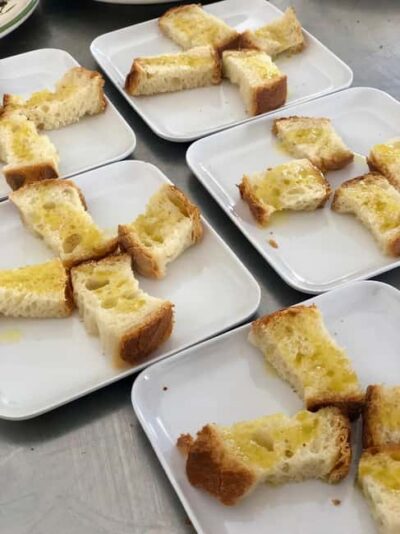
Masseria tour among thousand-year-old olive trees with oil tasting
Read our review →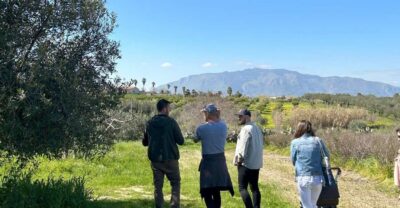
Olive Grove Tour with Wines & Olive Oil Tasting
Read our review →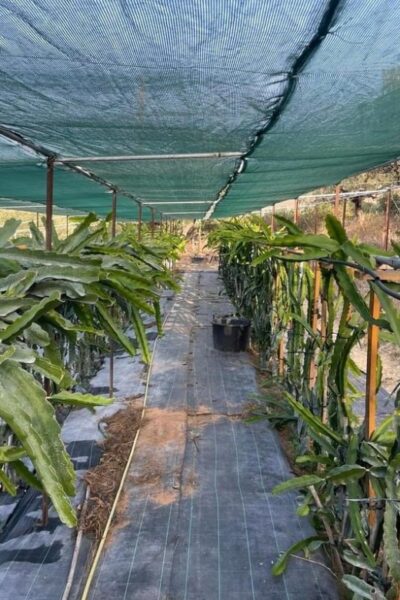
Traditional Olive Grove and Dragon Fruit Farm Tour
Read our review →
Visit of the olive grove, olive oil tasting and snack
Read our review →
Olive Grove and Vineyard Tour with Product Tastings
Read our review →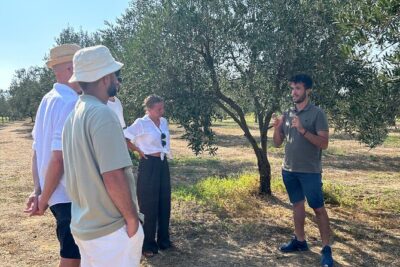
Balestrate Olive Grove Tour: Wine and Olive Oil Tasting
Read our review →
Guided tours of the olive grove with oil tasting.
Read our review →
Organic Olive Grove tour & Olive oil tasting & lunch in Kalamata!
Read our review →Browse the lists this tour appears in