
REVIEW · PERUGIA
Olive Oil Tasting & Mill Guided Visit in Perugia
A 14th-century olive mill is an unusual place for lunch, but that is exactly the charm of this Perugia experience. At Antico Frantoio Trampolini, you taste more than five olive oils beside old presses, terracotta jars, and machinery that shows how production changed over the centuries.
I like the small group size, limited to 10 people, and the fact that the tasting is not just a quick sip of oil with a piece of bread. You get crostini, olive pâtés, truffle sauces, local cheeses, and cured meats. I also like the clear link between the food on your plate and the artifacts around you.
The main drawback is parking. The mill is only about four minutes by car from central Perugia and within walking distance of the city center, but the yard can feel tight, especially during the autumn harvest. If you arrive in a campervan or large vehicle, use the larger parking area farther down the hill and allow extra time for the walk uphill.
Key points at a glance
- A working mill with 700 years of history: Explore a site producing olive oil since the 1300s, with the Trampolini family connected to it since 1785.
- A serious oil tasting: Compare Leccino, Frantoio, Dolce Agogia, Moraiolo, Peranzana, Nocellara, blends, organic oils, and spiced varieties.
- Food is part of the lesson: Match the oils with bruschetta, black and green olive spreads, truffle sauces, cheeses, and cured meats.
- A personal guide: Alessandro leads many visits and explains both the production process and the family business in clear, friendly terms.
- A short, manageable visit: The tour lasts about 90 minutes, with roughly 30 minutes for the mill and 45 minutes for tasting.
- Useful access details: English and Italian tours are available, the experience is wheelchair accessible, and cancellation is free up to 24 hours before the visit.
Why this Perugia tasting is more than a snack stop
Many olive oil tastings give you a plate, a few bottles, and a short explanation of how to swirl and taste. This one adds a real sense of place. You are not simply sampling an Umbrian product in a shop. You are standing inside an old mill, surrounded by the tools and containers used to make and store oil.
That setting matters because olive oil is tied closely to rural life in Umbria. The mill near the Templar Abbey of San Bevignate connects the food in front of you with local agriculture, family work, and older methods of pressing olives.
The visit is also compact. At 1.5 hours, it fits neatly into a morning or afternoon in Perugia. You will not lose half a day to transport or a long farm excursion. At the same time, the visit has enough food and explanation to feel like a proper activity rather than a simple shop tasting.
More Olive Oil Tastings in Italy:
- Olive oil tasting in Sorrento
★ 5.0 · 434 reviews - Alghero: Wine and Olive Oil Tasting at a Local Farm
★ 4.8 · 294 reviews - Ostuni: Masseria tour among thousand-year-old olive trees with oil tasting
★ 4.8 · 261 reviews
Entering Antico Frantoio Trampolini
The starting point is Antico Frantoio Trampolini, close to Perugia’s historic center. By car, the mill is about four minutes from the city center. On foot, it is described as walkable from central Perugia, though the route back may include an uphill section.
Look for the arch leading into the property. You enter through this arch to reach the shop and show your ticket for the guided visit and tasting. This is useful to know because the mill may not look like a large public attraction from the street.
The property has been producing high-quality olive oil since the 1300s. The Trampolini family has carried on the business since 1785, giving the visit a family-run feel rather than the atmosphere of a large commercial museum.
Alessandro is the guide named most often for this experience. He explains the oil-making process, answers questions, and brings a personal connection to the business. The tour is offered in English or Italian, so check the language available when you choose your time.
The 30-minute tour through old olive-making tools
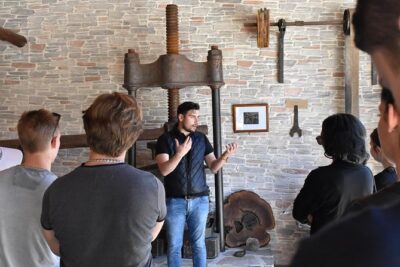
The guided section lasts about 30 minutes. It takes you through the mill and its olive oil museum, where the objects are as important as the narration.
One of the most striking pieces is a 13th-century Assisi stone mill. This gives you a physical sense of how olives were crushed before modern equipment. You can also see early 20th-century centrifugal separators, which show the move toward more mechanized production.
Terracotta jars from the 17th and 19th centuries help explain how oil was stored. These are not decorative props added for atmosphere. They show the practical side of olive oil production, from pressing to keeping the finished oil in suitable containers.
The tour covers the shift from traditional pressing to early machinery. That makes the visit useful even if you are not already interested in olive oil. You leave with a better idea of why harvest timing, pressing methods, storage, and blending all affect the final taste.
Videos about the full production process may also be shown during the visit. They can help fill in parts of the process that you cannot see during a short stop, particularly the work that happens during harvest and milling.
How the 45-minute tasting works
The tasting follows the tour and lasts about 45 minutes. This is the heart of the experience, and it is more extensive than the price might suggest.
You sample single-origin oils made from different olive cultivars. The selection can include:
- Leccino
- Frantoio
- Dolce Agogia
- Moraiolo
- Peranzana
- Nocellara
You also taste blends such as Generoso and Armonioso, along with the Family Reserve and organic selections. The point is not simply to identify your favorite bottle. Comparing them side by side helps you notice differences in fruitiness, bitterness, peppery notes, and overall strength.
A useful part of the tasting is the chance to try spiced and flavored oils. There are 10 varieties, each designed to work with particular foods. These can be a fun contrast to the single-cultivar oils because the added flavors make the pairing easier to understand.
The tasting may also include balsamic vinegar. If you enjoy strong, sweet-sour flavors, this adds another useful comparison to the oils.
More Guided Tours in Italy:
- Guided Wine and Olive oil tasting
★ 5.0 · 158 reviews - Guided tours of the olive grove with oil tasting.
★ 5.0 · 67 reviews - Seggiano: Guided Tour of the Olive Grove and Food Tasting
★ 4.8 · 30 reviews - Oristano: Olive Tree Grove Guided Visit with Tasting
★ 5.0 · 28 reviews
Bruschetta, truffle sauces, cheese, and local meats
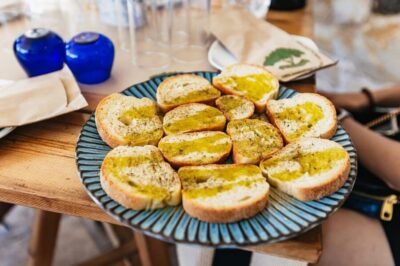
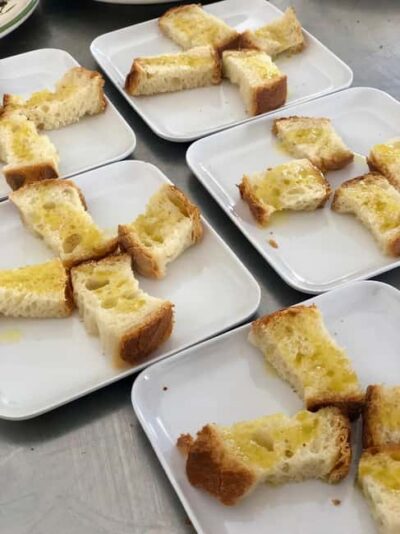
The food makes this experience feel generous rather than purely instructional. Bread is served as crostini or bruschetta, giving you a plain base for comparing oils and spreads.
You can expect black and green olive pâtés, olive preserves, and truffle-infused sauces. These spreads show how the same local ingredients can move from simple country food to something more elaborate. The truffle sauces are especially useful for pairing because their strong flavor makes you notice which oils can hold their own and which are better with lighter foods.
A charcuterie board adds cured meats and local cheeses. You are not left tasting oil from a spoon with no context. Instead, you can see how a peppery oil works with cheese, how a softer oil suits bread, or how a spiced oil changes a bite of cured meat.
If you have dietary needs, tell the host ahead of time. Vegetarian visitors have been accommodated, but the standard tasting includes charcuterie, so advance notice is sensible.
The portion is best viewed as a substantial tasting rather than a full meal. It should satisfy you for a while, but you may still want a proper lunch or dinner later.
What the family-run format adds
The small group limit is one of the better features here. With no more than 10 participants, you have a better chance to ask about individual cultivars, storage, production, or the family business.
Some visits may be even more personal if the group is small. Alessandro and the Trampolini family are closely tied to the mill, and that gives the explanations a practical quality. You are hearing about work done at a real olive mill rather than receiving a generic talk prepared for a large tour bus.
The tone is friendly and informal, but the content is still substantial. You learn about the production process, the older tools, and the reasons behind the different oils. That balance suits you if you want local contact without committing to a full agricultural day trip.
The short walk and views around the mill
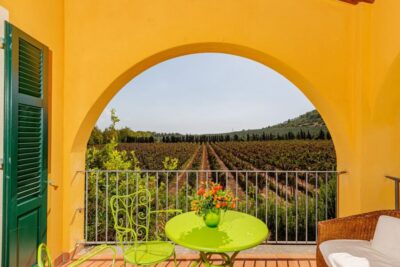
The scheduled experience includes about 15 minutes for walking and scenic views before you return to Antico Frantoio Trampolini. This is not a long countryside walk or a separate hike. Think of it as a brief chance to take in the setting and move between parts of the visit.
The walk also matters for logistics. If you park in the larger area farther down the hill, you may need to walk uphill to the mill. A campervan driver found the mill yard too crowded to enter during the period just before harvest, so larger vehicles should avoid assuming that the entrance will be easy.
For most people arriving on foot from Perugia, the short walk is manageable. Wear comfortable shoes, particularly if you plan to explore more of Perugia before or after the tasting.
Is $53 a good value?
At $53 per person, this is not the cheapest food tasting in Italy. It is also not just a food tasting. The price covers the guided mill visit, museum access, a substantial tasting, and a small-group format.
I consider it good value if you care about the story behind the ingredients. You are tasting many oils rather than one or two, and the food pairings give you a useful way to compare them. The historic equipment adds something you would not get from a shop counter.
The value is weaker if your only goal is to buy a bottle of olive oil quickly. You can visit the shop and purchase products, but the tour takes 90 minutes and is designed for people who want explanation, history, and food together.
Transportation is not included. Since the mill is close to central Perugia, this is less of a problem than it would be for a countryside farm visit. You can walk, drive, or arrange your own transport, but you should factor in parking if you are not arriving on foot.
Who should book this experience?
I would recommend this visit to anyone who enjoys Italian food and wants a better understanding of olive oil. It is especially good for people who like tastings with a clear local connection rather than a polished but generic presentation.
History fans will appreciate the old stone mill, centrifugal separators, and terracotta jars. Food-focused visitors will enjoy the variety of oils and the truffle, olive, cheese, and charcuterie pairings.
It also works well for a short Perugia stay. You do not need to surrender an entire day, and the location near San Bevignate gives you a chance to combine the visit with other sights in the city.
Families may find the short duration easier than a long winery or farm tour, though the tasting is aimed at adults and food enthusiasts. The wheelchair-accessible format is helpful, but you should still confirm any specific access needs when booking, especially because the property includes older structures.
Who may want a different activity?
You may want to skip this if you dislike olive oil, cured meats, or tasting-focused activities. The experience is built around comparing flavors, so it will not be as rewarding if you prefer a standard guided sightseeing tour.
It may also be less suitable if you need a full meal. The crostini, spreads, cheese, and meats make the tasting filling, but it is still presented as a tasting rather than lunch.
Finally, consider the timing of your visit. During harvest preparation, the mill yard can be crowded, and parking may require a walk. That is a small inconvenience for most visitors, but it matters if you are driving a large vehicle or have limited mobility.
Practical details before you go
The visit lasts 1.5 hours, with about 30 minutes for the guided tour, 45 minutes for food and oil tasting, and 15 minutes for walking and returning to the mill.
Tours are available in English and Italian. The group is limited to 10 participants, and the experience is wheelchair accessible.
You can cancel up to 24 hours in advance for a full refund. The reserve-now, pay-later option allows you to hold a place without paying immediately.
Bring your booking details and enter through the arch at the mill. If you are driving, do not force a large vehicle into the yard if it looks crowded. A larger parking area farther down the hill may be easier, followed by a walk back to the entrance.
Should you book the Perugia olive oil mill visit?
I would book it if you want a compact, food-focused activity that also teaches you something real about Umbria. The strongest reasons are the historic working mill, the range of oils, and Alessandro’s personal approach to explaining the business.
The $53 price makes sense when you count the museum visit, small group, multiple tastings, food pairings, and guided instruction. Just plan around the parking and remember that the food is a generous tasting, not a full restaurant meal.
If you are spending time in Perugia and want to taste the region through something more specific than pasta and wine, this is a smart choice. It gives you a product to enjoy now, a better understanding of how it is made, and the option to take some of Umbria home with you.
FAQ
Where does the olive oil tasting take place?
It takes place at Antico Frantoio Trampolini in Perugia, near the historic Templar Abbey of San Bevignate.
How long does the experience last?
The full experience lasts about 1.5 hours. The schedule includes a 30-minute guided tour, a 45-minute food tasting, and about 15 minutes for walking and scenic views before returning to the mill.
How much does the experience cost?
The listed price is $53 per person.
Which languages are available?
The live guide can lead the experience in English or Italian.
How many people are in the group?
The group is limited to 10 participants.
What olive oils will I taste?
The tasting can include single-cultivar oils such as Leccino, Frantoio, Dolce Agogia, Moraiolo, Peranzana, and Nocellara. It also includes blends, Family Reserve and organic selections, plus spiced and flavored oils.
What food is included?
The tasting includes crostini with black and green olive pâtés, olive preserves, and truffle sauces, along with a charcuterie board containing cured meats and cheeses.
Is transportation included?
No. You arrange your own transportation to and from the mill. The site is about four minutes by car from Perugia city center and is also within walking distance of the center.
Can I cancel the booking?
Yes. You can cancel up to 24 hours before the experience for a full refund.
Just added around Italy
- Vernazza (5 Terre): olive grove tour and oil and wine tasting★ 5.0 · 9 reviews
- Trevi: Guided tour and tasting at Frantoio Gaudenzi★ 5.0 · 3 reviews
- Trieste’s Essence: Wine and Olive Oil Tasting★ 5.0 · 3 reviews
- Umbria: E-Bike Rental and Fresh EV Olive Oil Tasting★ 5.0 · 4 reviews
- Valpolicella Wine and Olive Oil Tasting with Lunch from Verona★ 5.0 · 2 reviews
- Half-Day Chianti Wine and Olive Oil Tour from Viareggio★ 4.0 · 5 reviews
- Umbria: Guided tour to Traditional Olive Oil Mill and Tasting★ 5.0 · 2 reviews
- From Venice: Olive Oil & Wine Tour in the Venetian Hills★ 5.0 · 9 reviews
Olive Oil Tastings, compared.
The Governor’s Olive Mill Tour with Olive Oil Tasting
Read our review →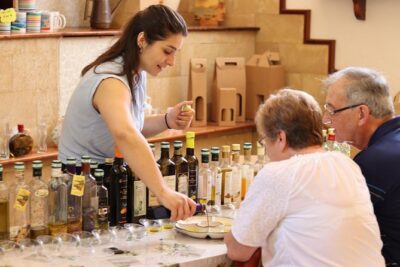
Masseria tour among thousand-year-old olive trees with oil tasting
Read our review →
Olive Grove Tour with Wines & Olive Oil Tasting
Read our review →
Bardolino: Lake Garda Oil Mill Tour with Olive Oil Tasting
Read our review →
Guided tour and olive oil tasting in Alhaurin el Grande (Málaga)
Read our review →Browse the lists this tour appears in