
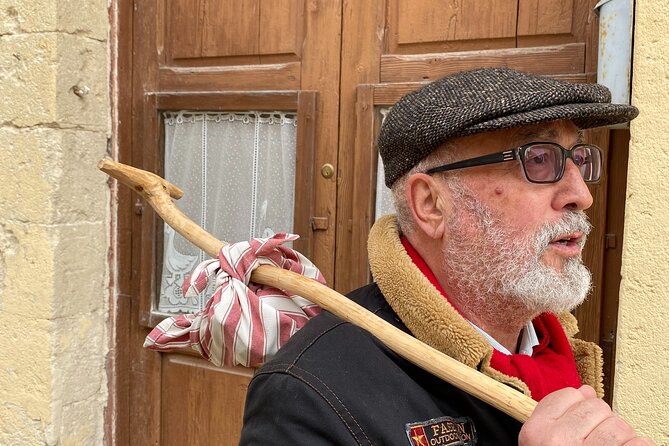
REVIEW · ITALY
Food and Wine Tour between the Patriarchs Olives and the Oil Temples
Matera’s most memorable flavor may be its simplest: stale local bread revived with vegetables, olive oil, and salt. This private outing takes you beyond the stone lanes to the Murgia countryside, where centuries-old olive trees, old farm buildings, and rural food traditions form the setting for a shared meal.
I like the hands-on cialledda workshop, and I like that you taste oil made from the same old olive trees growing around you. The Primitivo wine, Caciocavallo Podolico, Ferrandina baked olives, and Pezzente salami add a useful introduction to Lucanian food. The main caution is that the walking route and the condition of some rural buildings may not suit everyone.
Key points
- Prepare cialledda yourself: Make Matera’s traditional bread-and-vegetable dish in a rural cooking laboratory.
- Taste food beneath old olive trees: Bread from a wood-burning oven is served with extra virgin olive oil produced from nearby olives.
- Explore the Murgia countryside: The route includes caverns and an old farmhouse, with a brief look at local heritage along the way.
- Sample Slow Food specialties: Try Caciocavallo Podolico, baked olives from Ferrandina, and Pezzente salami from the Matera mountains.
- Expect a private, small-group outing: Only your own party participates, and the activity returns to Viale Aldo Moro.
- Check your comfort with rough ground: A detailed account describes steep or uneven sections and derelict structures, so sturdy shoes and sensible expectations matter.
From Viale Aldo Moro to the Murgia countryside
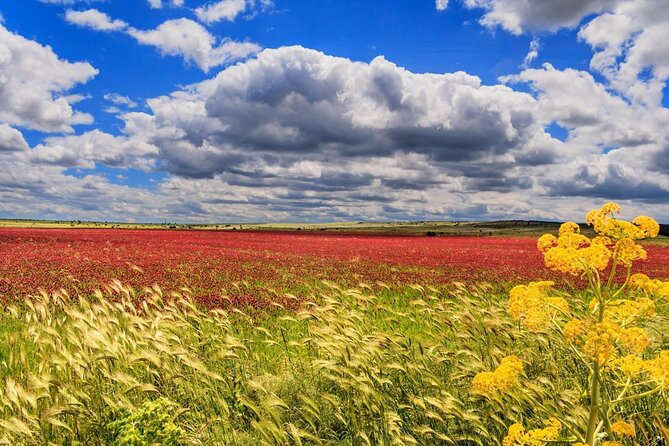
You meet at Viale Aldo Moro 6 in Matera at 10 a.m. The activity lasts about two to three hours and finishes at the same place, which keeps the morning fairly tidy for other plans.
The tour is private, so you are not folded into a large coach group. That matters here. The experience is built around preparing food and sharing it, and a small party makes that feel more like a family meal than a formal tasting. It also lets your group set the pace within the limits of the route.
The outing is offered in English and uses a mobile ticket. The meeting point is near public transportation, but the tour itself is not simply a city food walk. You are heading into the countryside around Matera, with some movement between points described in the detailed account of the experience. Be ready for a rural excursion rather than a polished restaurant visit.
The activity begins by passing some of Matera’s heritage on the way to the MOOM. The supplied details do not explain the MOOM in depth, so I would treat this part as an introduction to the area rather than a full museum visit. If your main goal is an in-depth look at Matera’s cave churches or historic center, plan a separate visit.
More Olive Oil and Wine Tours in Italy:
- Sorrento Farm and Food Experience including Olive Oil, Limoncello, Wine tasting
★ 5.0 · 2,524 reviews - Sorrento: Lemon, Olive Oil and Wine Tasting Tour with Lunch
★ 5.0 · 300 reviews - Alghero: Wine and Olive Oil Tasting at a Local Farm
★ 4.8 · 294 reviews
Following the patriarch olive tree
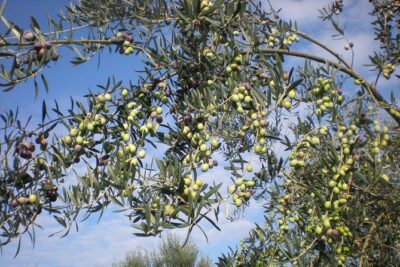
The central idea is the old olive tree. You walk through the Materan Murgia beneath trees described as centuries old, then connect the scenery to the food on your plate. That link is the strongest part of the experience: the oil is not an abstract tasting sample, but a product tied to the trees and farming traditions around you.
The route also leads through the caverns of an ancient farmhouse. This gives the outing a sense of rural life that you will not get from a standard city-center meal. The old farm setting helps explain how workers used the land, stored food, and spent time during olive harvests.
At the same time, you should not expect a restored attraction with signs, polished floors, and a carefully marked path. One detailed account describes abandoned farm buildings, visible scaffolding poles, and a boarded-up church viewed through wire. That description suggests a rough, atmospheric setting, but it also raises a real safety and comfort question.
I would wear closed shoes with good grip and avoid bringing anything you need to keep spotless. If uneven ground or old structures make you nervous, ask about the exact route before booking. The general participation note says most people can take part, but that is not the same as saying every part of the walk is easy.
Bread from the wood-burning oven
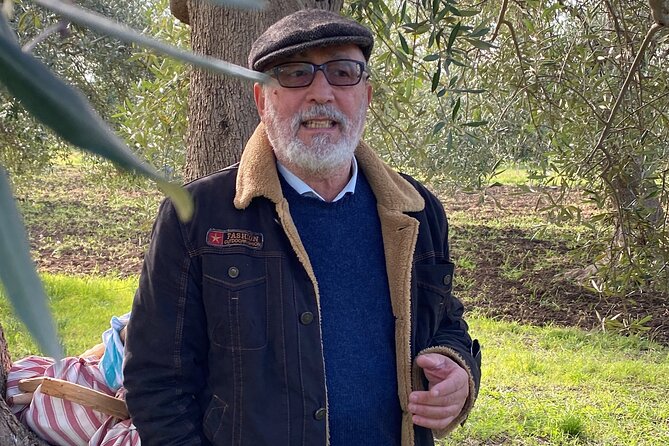
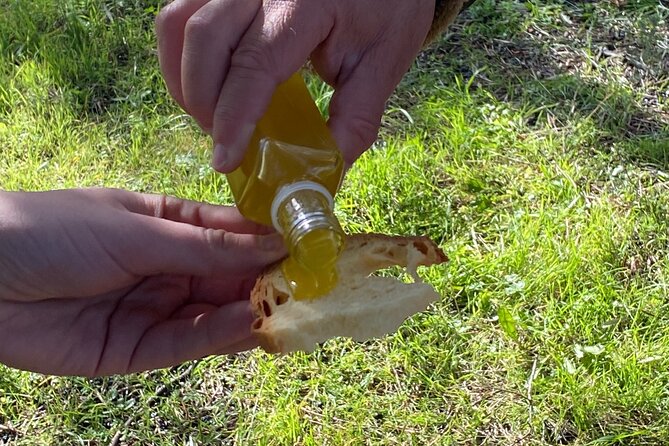
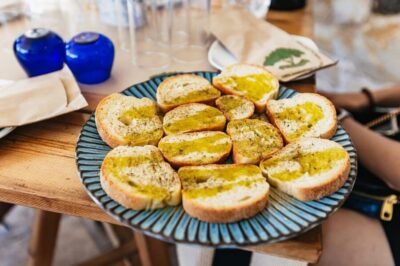
The food begins with Matera bread, a local staple with a firm crust and enough character to hold up in a simple preparation. You taste it after it has been cooked in an old wood-burning oven and seasoned with extra virgin olive oil.
This is where the tour has genuine value for food-minded visitors. You are not only handed a plate and told what it contains. The bread, oil, trees, oven, and countryside are presented as parts of one rural food system. Even a plain slice becomes more interesting when you understand how it fits into local work and daily meals.
The experience is also designed around sharing food as olive pickers traditionally did during breaks. That informal meal is part of the point. You sit down with the group and eat what you have helped prepare, rather than moving from one commercial tasting counter to the next.
Portion size is worth keeping in mind. One negative account describes the servings as modest, including a small amount of salami, olives, and cheese, followed by limited wine and simple produce. The planned meal may be more substantial than that account suggests, but I would book this as a cultural tasting and light lunch, not as a feast designed to replace a large evening meal.
Making cialledda with local vegetables
The hands-on dish is cialledda, a traditional Materan preparation made from stale bread, vegetables, and mixed salads from Lucania. It is a thrifty recipe, built around using bread that is no longer fresh instead of wasting it.
That makes cialledda a useful dish for understanding local cooking. It reflects a food culture shaped by farm work, seasonal ingredients, and practical home kitchens. You get to prepare the dish in a laboratory setting, then eat it as part of the shared meal.
I especially like this part for anyone who wants more than a list of ingredients. A cooking activity gives you something to remember and possibly repeat at home. It also gives children and curious adults a clear role, though the supplied information does not specify a minimum age or a separate children’s program.
The setting may be rustic rather than restaurant-like. The experience description places the workshop near the old farmhouse and olive trees, while the critical account found the buildings poorly maintained and the purpose of some stops unclear. That contrast is important. The food activity may appeal to you precisely because it feels tied to farm life, but you should not expect a refined cooking school.
A few more olive oil tours around Italy worth a look
- Bardolino: Vineyard Tour with Wine, Olive Oil & Food Tasting
★ 4.6 · 221 reviews - Tuscany Bike Tour with Wine, Oil and Food in the Florentine Hills
★ 5.0 · 209 reviews - Florence Food Tour: Home-Made Pasta, Truffle, Cantucci, Olive Oil, Gelato
★ 4.5 · 187 reviews - San Felice: Olive Oil Tasting with local food on Garda Hills
★ 4.9 · 186 reviews
Primitivo and Lucanian specialties
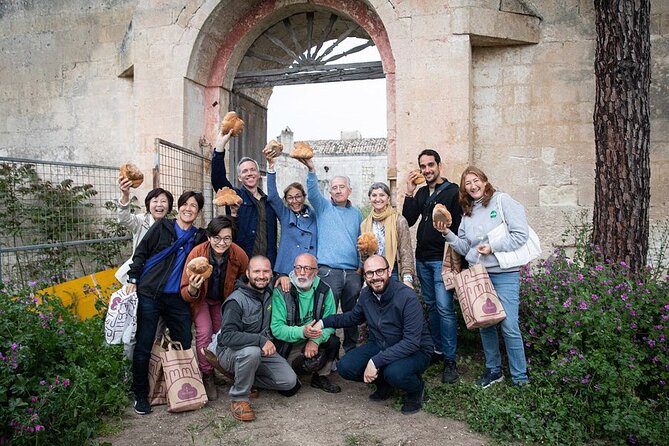
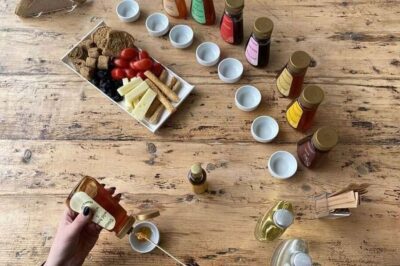
Cialledda is served with Primitivo wine and a bundle of Lucanian products connected with Slow Food traditions. The named foods are Caciocavallo Podolico, baked olives from Ferrandina, and Pezzente salami from the Matera mountains.
Each item adds a different taste and story. Caciocavallo Podolico is a notable regional cheese. Ferrandina baked olives bring another treatment of the local olive harvest. Pezzente salami represents the cured-meat side of mountain food traditions around Matera.
The pairing should help you see how basic ingredients carry a strong sense of place. Bread, oil, cheese, olives, salami, and wine are not presented as unrelated snacks. Together, they form the sort of meal that makes sense after a morning around olive trees and old farm buildings.
The alcohol portion may be limited. One account describes receiving only a small measure of wine, so you should not choose this activity as a wine-tasting event in the technical sense. It is better understood as a countryside meal with regional wine included.
The same account also describes bread with tomatoes and raw red onion, along with an apricot. Those details suggest that the exact food served may vary with the day, available produce, or the way the host runs the meal. If you have allergies or strict dietary needs, ask before reserving. The supplied information does not promise vegetarian, vegan, gluten-free, or alcohol-free alternatives.
Music, stories, and the shared table
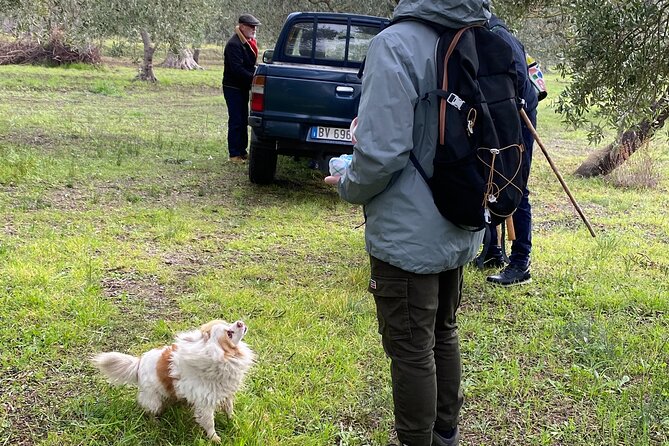
Traditional Materan songs and popular instruments accompany the meal. This is a small detail, but it changes the mood. Food in southern Italy is often tied to conversation, music, and group ritual, and the performance element helps the meal feel local rather than staged as a quick tasting.
I would keep your expectations measured. There is no detailed information about the musicians, the length of the performance, or whether the music is live throughout the meal. Think of it as an added part of the gathering, not a concert.
The tour’s strongest promise is its combination of movement, food, and sound. You walk through the countryside, see old rural structures, handle ingredients, then eat with music in the background. For someone who wants a morning connected to Matera’s agricultural side, that is more distinctive than another indoor tasting.
The weakness is that the route may not be explained clearly enough for every group. A detailed negative account describes several stops that felt disconnected, including an olive farm, an old church, a gorge, and a private house. The same account says the guide asked the group to follow into a steep area that three people considered unsafe.
That does not prove every departure follows the same route, but it gives you useful preparation. Ask what walking is involved, whether any gorge or steep section is optional, and how much time is spent at the food workshop itself. Clear answers will help you decide if the rustic format suits you.
What the $50.41 price really covers
At about $50.41 per person, the cost is reasonable if you value a private activity, local food, and a countryside setting. You are paying for more than the ingredients. The price also covers the guide’s time, transport or movement between rural points when needed, preparation of the meal, and the private format.
It becomes less convincing if you expect a large quantity of food, a formal wine tasting, or a polished archaeological tour. The critical account felt the meal was too small and the route too unfocused. That is the central value question: do you want a rustic cultural outing, or do you want a structured culinary class with generous portions?
A private tour can be particularly useful if your party has its own interests. You may prefer to spend more time on the bread and oil, skip a rough section, or ask practical questions about cialledda and local products. The information supplied does not promise that every request can be accommodated, so discuss those needs before the day.
The strong overall rating, 4.7 out of 5 from 23 ratings, and a 91 percent recommendation rate suggest that the format works well for many bookings. Still, the small number of ratings and the sharply negative account mean I would not book without understanding the rustic conditions. A high score cannot tell you whether the route will match your personal comfort level.
Who will enjoy this Matera food outing
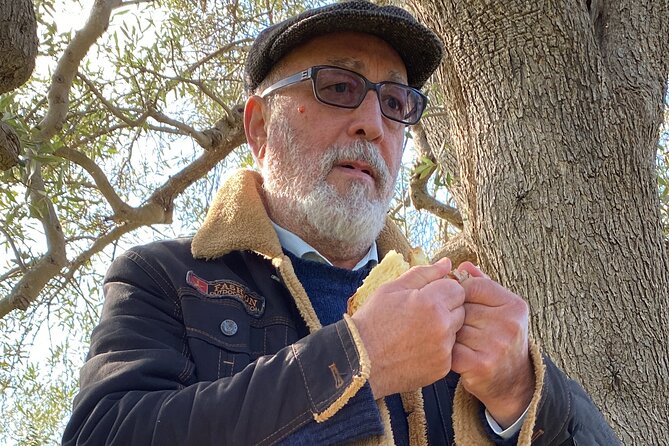
I would recommend it most to you if you like food with a sense of place, enjoy informal group meals, and are curious about the countryside outside Matera’s historic center. It also suits a private party that wants an English-language activity without sharing the morning with strangers.
You are likely to appreciate it if you enjoy:
- Simple regional food rather than elaborate restaurant cooking
- Olive oil, bread, cheese, cured meat, and local wine
- Hands-on preparation of a traditional dish
- Old farm buildings and rural settings
- Music and conversation around a shared table
- A short morning activity that returns to town
I would be more cautious if you need level paths, modern facilities, generous portions, or a tightly scripted route. The supplied information says most people can participate and service animals are allowed, but it does not give detailed accessibility measurements or promise that every surface is smooth.
The activity requires good weather. If poor weather cancels it, you are offered another date or a full refund. You can cancel for a full refund up to 24 hours before the start time, but changes or cancellations inside that window are not accepted.
Should you book the olive and oil tour?
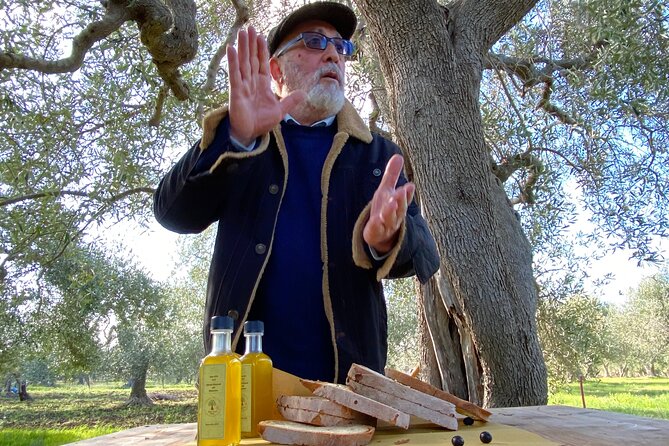
Book it if you want to connect Matera’s food to its olive-growing countryside and you are happy with a rustic, possibly uneven setting. The cialledda workshop, old-oven bread, olive oil, Lucanian specialties, Primitivo, and traditional music give the morning a clear local identity.
Think twice if your priority is a polished culinary lesson, a substantial meal, or a carefully marked walking route. Before paying, ask for a plain explanation of the current route, the walking surface, the amount of food and wine, and which stops are included. For the right group, this can be a warm and memorable taste of rural Matera. For someone seeking comfort and precision, it may feel too loose.
FAQ
Where does the tour begin?
The tour begins at Viale Aldo Moro 6, 75100 Matera MT, Italy.
What time does the activity start?
The scheduled start time is 10 a.m.
How long does the experience last?
The activity lasts approximately two to three hours. The food and countryside portion is listed as about two hours.
Where does the tour finish?
The activity ends back at the meeting point on Viale Aldo Moro.
Is the tour private?
Yes. Only your own group participates in this private activity.
Is the tour offered in English?
Yes. English is the listed language for the activity.
What food and drink are included?
You taste Matera bread cooked in a wood-burning oven with extra virgin olive oil, prepare cialledda, and share Primitivo wine with Caciocavallo Podolico, baked olives from Ferrandina, and Pezzente salami from the Matera mountains.
Can I cancel for a full refund?
Yes. You can cancel at least 24 hours before the local start time for a full refund. Cancellations or changes made less than 24 hours before the start are not refunded or accepted. The activity may also be canceled for poor weather or if the minimum number of participants is not met, in which case you are offered another date or a full refund.
Just added around Italy
- Vernazza (5 Terre): olive grove tour and oil and wine tasting★ 5.0 · 9 reviews
- Trevi: Guided tour and tasting at Frantoio Gaudenzi★ 5.0 · 3 reviews
- Trieste’s Essence: Wine and Olive Oil Tasting★ 5.0 · 3 reviews
- Umbria: E-Bike Rental and Fresh EV Olive Oil Tasting★ 5.0 · 4 reviews
- Valpolicella Wine and Olive Oil Tasting with Lunch from Verona★ 5.0 · 2 reviews
- Half-Day Chianti Wine and Olive Oil Tour from Viareggio★ 4.0 · 5 reviews
- Umbria: Guided tour to Traditional Olive Oil Mill and Tasting★ 5.0 · 2 reviews
- From Venice: Olive Oil & Wine Tour in the Venetian Hills★ 5.0 · 9 reviews
Olive Oil & Wine Tours, compared.
Sorrento Farm and Food Experience including Olive Oil, Limoncello, Wine tasting
Read our review →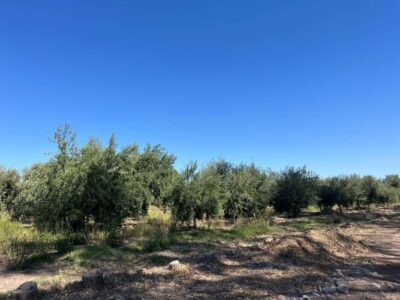
Lemon, Olive Oil and Wine Tasting Tour with Lunch
Read our review →
Browse the lists this tour appears in