
REVIEW · MONTECATINI
Extra Virgin Cooking Classes / Countryside Mill location
Chef Giuseppe’s cooking class begins with a market visit and ends at his family’s former olive mill in the Tuscan countryside. You’ll shop for ingredients, taste cheese, honey, and olive oil, then help prepare a four-course lunch with regional wine.
I especially like the link between Montecatini’s food shops and the old mill beside a brook and 12th-century bridge. I also like the generous extras: a recipe booklet, adult apron, certificate, and time to sit down over several local wines. The main thing to know is that this is a guided cooking experience, not necessarily a full pasta-making workshop. Some prep may be done before you arrive.
Key points at a glance
- Shop before you cook: Begin at Montecatini Terme’s weekly market and sample local products with Chef Giuseppe.
- Cook in a family olive mill: The class takes place at Giuseppe’s ancestral countryside home, about 10 minutes from central Montecatini.
- Eat a full Tuscan lunch: Prepare an appetiser, two main courses, and dessert, then pair the food with regional wines.
- Small-group format: The class requires at least six people and has a maximum of 12 participants, making personal attention more likely.
- Good for mixed skill levels: The class welcomes beginners and experienced cooks, but the hands-on work varies by menu and timing.
- Plan ahead: It costs $199.62 per person, is often reserved about 65 days ahead, and starts at 9:00 a.m.
From Montecatini’s market to a countryside olive mill
This is a food day with a clear sense of place. You do not simply arrive at a kitchen, follow a recipe, and leave with a certificate. The morning begins in Montecatini Terme, where Giuseppe takes you through the weekly market to select fresh ingredients and explain how local cooks use them.
The meeting point is Via Garibaldi 62 in Montecatini Terme. You should arrive ready to start at 9:00 a.m. The experience ends back at the same meeting point, which keeps the logistics fairly simple.
The market portion adds real value. It gives you a look at how ingredients are chosen before they reach the kitchen. You may handle the produce, ask about regional products, and taste items such as cheese, olive oil, honey, or bread. Giuseppe’s approach is less about memorizing a rigid recipe and more about understanding what makes Tuscan food work: good ingredients, sensible seasoning, and careful cooking.
After the market, you travel a short distance to the former olive press. The property sits beside a small stream and an old stone bridge dating to the 12th century. The setting is a major part of the appeal. You are cooking in a family place with agricultural roots, rather than in a polished demonstration kitchen built only for tourists.
The description also notes that the mill is about a 10-minute drive from central Montecatini. The train station is roughly 30 minutes from Florence or Lucca, making Montecatini a practical base for this activity. Still, confirm the exact meeting instructions after booking, since the class begins in town and the cooking takes place outside the center.
More Cooking Classes in Italy:
- Organic cooking class with a sommelier in an Olive and wine farm
★ 5.0 · 69 reviews - Brindisi: Cooking Class and Tasting in the Olive Grove
★ 4.9 · 18 reviews - Cretan Cooking Class and Olive Oil Tasting
★ 5.0 · 178 reviews
What the cooking class is really like
The cooking is designed for all skill levels. If you are comfortable only with basic kitchen tasks, you can still take part. If you cook often, you will likely get more from Giuseppe’s explanations of technique, seasoning, ingredient quality, and timing.
The class includes hands-on work, but you should set your expectations carefully. Some dishes require advance preparation, and several parts of the meal may be handled by Giuseppe to keep the schedule on track. Past participants describe helping with chopping, mixing, shaping, assembling, tasting, and other kitchen jobs, while Giuseppe handles the more complex stages.
That balance has two sides. Beginners will appreciate not being thrown into a stressful professional kitchen. You can watch a practiced cook, ask questions, and still contribute to lunch. On the other hand, if your main goal is to make every dish from start to finish, this may feel more like a cooking demonstration with participation than a formal culinary course.
This is also not presented as a dedicated pasta-making class. The menu can include gnudi, ravioli, risotto, roasted meats, salads, and desserts, but you should not assume that you will make pasta dough. If that is important to you, ask in advance whether pasta preparation can be added to your session.
The four-course Tuscan menu
The sample menu gives you a good idea of the style. The appetiser is Florentine gnudi, soft ricotta and Swiss chard dumplings served with Tuscan ragù or a seasonal tomato sauce. Gnudi means naked, since the filling resembles the inside of ravioli without its pasta covering. It is a useful dish to learn because it shows how ricotta, greens, flour, and sauce can become a delicate main element without heavy seasoning.
The two main courses include Tuscan pork roast with herbs and garlic, plus beef Florentine peposo. Peposo is a traditional Tuscan beef dish with strong Mediterranean character. The menu may change with the season and the market, so the exact dishes you prepare can differ.
Dessert is a Florentine trifle made with Alkermes, lemon custard, and sour cherries. The recipe has an old-fashioned character, using ladyfingers soaked in the spiced liqueur and layered with custard and fruit. It is a good example of the class’s wider appeal: you are not only making familiar tourist favorites, but also encountering dishes with local and family connections.
The meal is described as four courses, with an appetiser, two main courses, and dessert. Depending on the day, dishes mentioned by participants have included bruschetta, artichoke salad, mushroom risotto, panna cotta, tomato-sauced gnudi, and other seasonal preparations. This variation is normal for a market-based class.
Olive oil, cheese, wine, and the pleasure of tasting
The tasting portion is nearly as important as the cooking. The experience includes Prosecco, regional cheeses, olive oil, and honey. You also receive local wines with lunch, bottled water, and Nespresso coffee.
The olive oil tasting helps explain why Tuscan food can seem simple yet taste so full. You learn to compare oils rather than treating all extra virgin olive oil as the same. That lesson is easy to carry home. The same goes for the cheese and honey tasting, which gives you a better feel for local products before you start cooking.
Wine is served alongside the meal, not merely added as an afterthought. The pairings make lunch feel like the final part of the class rather than a separate restaurant stop. Espresso is included, and some sessions may also finish with limoncello.
Because wine is part of the experience, plan your return sensibly. The class is five hours long and begins in the morning, so lunch and tastings occupy a good portion of the day. If you are driving, take that into account. The train connection to Montecatini makes public transportation useful, but the provided information does not promise a transfer from the station, so follow the confirmed meeting instructions carefully.
More Workshops in Italy:
- All Inclusive Pompeii, Pizza Class & Olive Oil Experience
★ 5.0 · 11 reviews - Pasta lesson with extra virgin olive oil tasting
★ 5.0 · 3 reviews - Corfu: Greek Cooking Class & Olive Oil Tasting
★ 5.0 · 178 reviews - Moires: Cooking Class and Olive Oil Tasting at a Family Farm
★ 5.0 · 93 reviews
Giuseppe’s family setting gives the class its character
Chef Giuseppe Mazzocchi is the central figure here. His teaching style is lively and personal, with a clear affection for Tuscan food and the family property. The setting is his ancestral home, formerly an olive press, and the old buildings and countryside surroundings give the day a sense of continuity.
This matters because the class does more than teach isolated recipes. You see how cooking relates to a place, a market, a family home, and a regional pantry. Even small explanations about herbs, borage, local bread, or the proper use of olive oil can make the food feel more connected to Tuscany.
The property is described as charming and carefully maintained, with a hearth, pizza oven, country kitchen, and dining space. The surrounding wildlife and stream add to the rural feel. You are not visiting an olive mill as a museum exhibit. You are using a former working place as the setting for lunch and instruction.
The group size supports that personal tone. The maximum is listed as 12 people, although the booking information also mentions a maximum of 14 per booking. I would treat 12 as the expected class limit and confirm the final number if a quiet, intimate class is important to you. The minimum is six participants, so the experience depends on enough people booking for the date to run.
How much value do you get for $199.62?
At $199.62 per person, this is not a cheap meal or a quick market tour. The price makes more sense when you count the full package: about five hours, a guided market visit, tastings, cooking instruction, a four-course lunch, regional wines, coffee, a recipe booklet, an apron for adults, and a certificate.
You are also paying for access to a private family setting and for Giuseppe’s time. A normal restaurant meal would not give you the market context, cooking participation, or recipe guidance. A basic cooking class might cost less, but it may not include transport to a countryside property, multiple tastings, wine pairings, and a substantial lunch.
The value depends on what you want. I would consider it a good fit if you enjoy food, conversation, and cultural context as much as technical cooking. It is less compelling for someone who wants a tightly structured professional course focused on knife skills, pasta dough, or advanced culinary methods.
The strong overall score of 4.9 from 154 ratings, with 99 percent recommending the experience, suggests that the personal hosting and setting consistently work well for most people. Still, the lower ratings and mixed comments point to the same practical issue: the amount of active cooking can vary. Read the experience as a social food workshop with real participation, not as a full vocational lesson.
Who should book this Montecatini cooking experience?
I would recommend it to couples, families, and small groups who want a relaxed day around food. The minimum age is 16, so it suits older children and teenagers who can enjoy a long meal and follow kitchen instructions. A family group can also work well because the tasks can be shared.
It is suitable for beginners. You do not need advanced cooking skills to take part, and Giuseppe’s demonstrations help keep the process approachable. Experienced home cooks may enjoy the regional dishes, ingredient advice, and the chance to compare their own methods with Tuscan ones.
The activity can also accommodate different mobility needs, based on an example in which Giuseppe adjusted his help for a participant with mobility problems. Still, no full accessibility specification is provided, and the day includes a market visit, walking in town, transport to the mill, and movement around a kitchen. Contact the provider before booking if you need specific assistance. Service animals are allowed, and the meeting point is near public transportation.
This is not the best choice if you dislike group dining, do not drink alcohol, or want complete control over every stage of cooking. It may also disappoint you if you expect a dedicated pizza or pasta class. The hearthside cooking and pizza oven are part of the setting, but the supplied menu does not guarantee that you will make pizza.
Booking details worth getting right
The activity is offered in English and uses a mobile ticket. It is often booked around 65 days in advance, so I would reserve early if your dates in Tuscany are fixed. Confirmation is sent within 48 hours, subject to availability.
The meeting point is Via Garibaldi 62, 51016 Montecatini Terme PT, Italy. Start time is 9:00 a.m., and the activity returns to the meeting point at the end. The information describes the location as Montecatini Terme, although some older descriptions connected the cooking program with Lucca. For this countryside mill version, use the Montecatini meeting details shown at the time of booking.
Free cancellation is available up to 24 hours before the start time for a full refund. Cancellations or changes made inside 24 hours are not refunded or accepted. Since the class requires a minimum of six people, the provider may cancel if that number is not reached and should then offer another date, another experience, or a full refund.
Should you book it?
Book this class if you want Tuscan food tied to a real family setting, a market morning, and a long shared lunch. The former olive mill, stream, old bridge, olive oil tasting, and Chef Giuseppe’s personal hosting give the experience more character than a standard kitchen lesson.
Go in expecting participation rather than nonstop hands-on cooking. You may prepare important parts of the meal, but Giuseppe will also handle advance work and complex steps. If you accept that balance, the day offers strong value for food lovers who want recipes, conversation, wine, and a memorable countryside setting in one outing.
FAQ
Where does the cooking class meet?
The class begins at Via Garibaldi 62, 51016 Montecatini Terme PT, Italy, at 9:00 a.m. It ends back at the meeting point.
How long does the experience last?
The cooking experience lasts approximately five hours.
Is the class held in Montecatini Terme or Lucca?
The listed meeting point is in Montecatini Terme. The cooking takes place at a former family olive mill about 10 minutes from central Montecatini. Some older class descriptions refer to Lucca, so check your confirmed booking details.
What food is included?
The experience includes a four-course meal with an appetiser, two main courses, and dessert. A sample menu includes Florentine gnudi, Tuscan pork roast, beef peposo, and Florentine trifle.
Are drinks included?
Yes. The experience includes Prosecco, regional wines, bottled water, Nespresso, and tastings of local cheese, olive oil, and honey.
Is this a pasta-making class?
Not specifically. The menu may include pasta-related dishes, but the experience does not guarantee that you will make pasta dough. Ask the provider in advance if this is important to you.
What is the minimum age?
The minimum age is 16.
What is the cancellation policy?
You can cancel up to 24 hours before the start time for a full refund. Cancellations or changes made less than 24 hours before the start time are not accepted or refunded.
Just added around Italy
- Vernazza (5 Terre): olive grove tour and oil and wine tasting★ 5.0 · 9 reviews
- Trevi: Guided tour and tasting at Frantoio Gaudenzi★ 5.0 · 3 reviews
- Trieste’s Essence: Wine and Olive Oil Tasting★ 5.0 · 3 reviews
- Umbria: E-Bike Rental and Fresh EV Olive Oil Tasting★ 5.0 · 4 reviews
- Valpolicella Wine and Olive Oil Tasting with Lunch from Verona★ 5.0 · 2 reviews
- Half-Day Chianti Wine and Olive Oil Tour from Viareggio★ 4.0 · 5 reviews
- Umbria: Guided tour to Traditional Olive Oil Mill and Tasting★ 5.0 · 2 reviews
- From Venice: Olive Oil & Wine Tour in the Venetian Hills★ 5.0 · 9 reviews
Cooking Classes, compared.
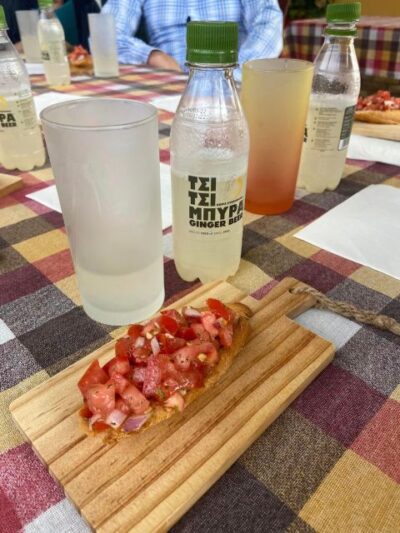
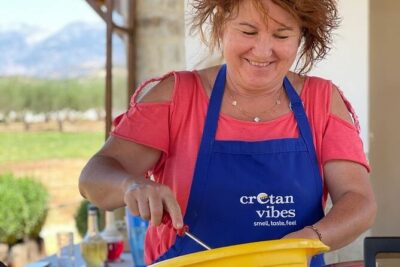
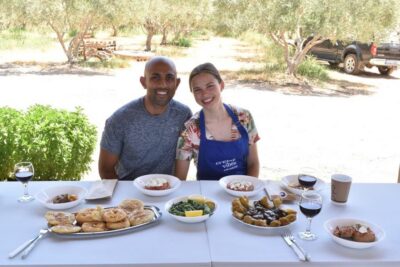
Cooking Class and Olive Oil Tasting at a Family Farm
Read our review →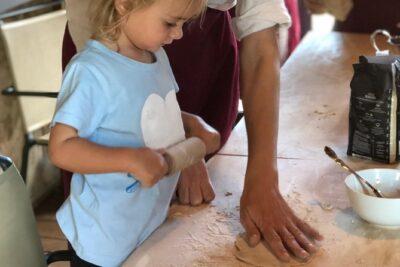
Organic cooking class with a sommelier in an Olive and wine farm
Read our review →
Cooking Classes and olive oil tasting.The real taste of Greece!
Read our review →
Cretan Delights – Wine, Olive Oil & Cooking Workshop from Chania
Read our review →

Cretan Flavors – Cooking Lessons and Wine Olive Oil Tasting
Read our review →Browse the lists this tour appears in