
REVIEW · CRETE
Crete’s Wine and Olives Safari Tour from Chania
Crete’s oldest olive tree is not the only reason to leave Chania for the mountains. This full-day Land Rover trip connects three pleasures that make Crete memorable: olive oil, local wine, and a home-style Cretan meal. You also get stories about island customs, farming, and ancient food traditions from guides such as Thanass, Athanasios, Antonio, and Petros.
I like the small-group setup, with a maximum of eight people, and the hotel pickup makes a long day easy to manage. I also like that the meal can feel genuinely local, served by a husband-and-wife team in a mountain setting rather than at a large city restaurant. The main caution is the drive: some of it is bumpy off-road, and the mountain roads may feel long if you prefer a relaxed food tour with little time in the vehicle.
Key points at a glance
- See a 3,000-year-old olive tree: A short but memorable stop with a fine photo opportunity.
- Learn how extra-virgin olive oil is made: The olive mill visit covers harvesting, production, and tasting.
- Taste six wines at a Cretan vineyard: The winery stop gives you a broad sample of local styles.
- Eat a mountain meal prepared by locals: Expect traditional Cretan food in a more personal setting than a standard restaurant.
- Ride through the White Mountains in a Land Rover: The scenery is excellent, though the off-road section is quite bumpy.
- Start and finish at your Chania hotel: Central hotel pickup begins around 7:00 a.m., with return after about eight hours.
A full day beyond Chania’s old harbor
This is a food tour with wheels. You leave your centrally located Chania hotel around 7:00 a.m. and head toward the White Mountains in a Land Rover, trading the harbor streets for olive groves, vineyards, gorges, and mountain roads.
The early start matters. Eight hours is enough time to reach several rural stops without rushing through each one, but this is not a lazy late-morning outing. Bring water, sunscreen, and comfortable shoes. You will be outside at the olive sites and moving through uneven rural areas.
The group size is one of the tour’s strongest practical features. With no more than eight people, you get a better chance to hear the guide and ask questions. It also makes the vehicle feel more like a shared road trip than a large coach excursion.
The guide is central to the experience. Thanass, also referred to as Thanassios or Athanasios in the tour details, has been praised for telling stories about Cretan customs and the island’s past. Other named guides include Antonio and Petros, and the exact guide can vary by departure. Expect the day to be shaped as much by the guide’s explanations as by the stops themselves.
More Olive Oil and Wine Tours in Crete:
- From Chania: Olive Oil, Wine, Cheese & Honey Tasting Tour
★ 4.6 · 490 reviews - From Chania: Wine and Olive Oil Tasting Tour with Snacks
★ 4.8 · 354 reviews - Crete: Full-Day Cretan Wines, Olive Oil, Raki and Food Tour
★ 5.0 · 264 reviews
The White Mountains and the rural road
The ride into the White Mountains gives you a useful sense of Crete beyond the main resort towns. Olive trees and vineyards cover much of the countryside, while the road climbs toward quieter villages and mountain sites.
You are not simply being driven from one tasting room to another. The guide explains how food production connects to Cretan life, and the drive provides the setting. You might hear about farming methods, local traditions, and the role of olive oil and wine in daily meals.
The Land Rover is a good match for the route. It can handle rougher roads and reaches places that a standard minibus may not. That same benefit brings a drawback: the ride can be rough, especially during the roughly 30-minute off-road section between the winery and the meal stop.
You may be encouraged to change seats between stops. If you know the bumpy portion bothers you, try to sit near the middle of the vehicle when that section begins. The road can be part of the fun, but it is worth treating the safari label literally enough to expect jolts.
An olive mill and the ancient tree
The olive mill is one of the most useful stops because it turns a familiar product into something you understand. You learn how olives are harvested and processed into extra-virgin olive oil, then taste the finished product.
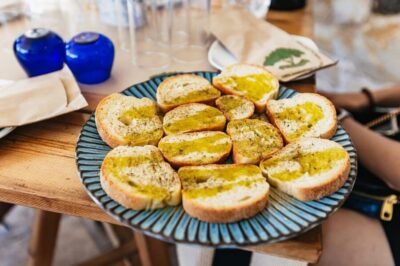
The presentation is not only about buying a bottle. You can ask how the oil is made, what makes it extra virgin, and how the product fits into Cretan cooking. The tasting is a strong part of the day, especially if you already like olive oil and want to compare the fresh, peppery flavor with what you use at home.
The mill sits high in the mountains, adding a scenic element to the visit. A staff member leads the explanation, while your tour guide fills in the wider cultural background. This division works well: you hear production details from someone connected to the mill and island context from the guide.
The 3,000-year-old olive tree is a separate highlight. It is an impressive sight and an easy place to take photographs, though you should not expect to buy oil made from that particular tree. Its oil is reserved for dignitaries and famous people, so think of this stop as a piece of living history rather than a tasting source.
The tree stop is fairly brief, but it gives the day a memorable marker. Wine and oil tastings are enjoyable, yet the ancient tree helps you picture how long olive growing has shaped Crete.
A Cretan vineyard with six wines
The vineyard visit shifts the focus from trees to grapes. You tour the winery, learn about local wine-making methods, and taste six of its offerings.
That range is useful if your group has mixed preferences. The tasting includes white wines, rosé, and reds, so you are not limited to one style. Even people who usually stick to a favorite category may find something unexpected in the lineup.
The tour also places wine in a Cretan setting. The guide explains ancient local approaches to wine-making, while the winery provides the practical side of production. You get both the broad story and the chance to taste what is being made today.
This is not presented as a formal sommelier course, and that is a benefit for many people. You can enjoy the wine without needing technical knowledge. The tone is social and accessible, with enough information to make each pour more interesting.
Remember that the tastings at the olive mill and winery are included, but other drinks are not. The tour price includes the wine experience, not every beverage you may want during the day.
A few more olive oil tours around Crete worth a look
- Crete: Quad Safari, Olive Mill with Tasting & Ghost Village
★ 4.9 · 1,004 reviews - Wine & Olive Oil Tour with Lunch – Semi Private Safari Tour
★ 5.0 · 156 reviews - Wildlife Safari, Olive, Beer/Wine Tasting Day Tour from Cape Town
★ 5.0 · 39 reviews - From Cape Town: Wildlife Safari, Olive, Beer & Wine Tasting
★ 4.7 · 18 reviews
The mountain meal is the heart of the day
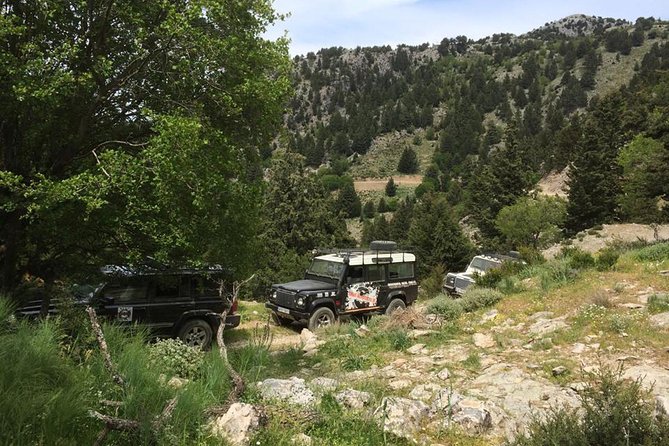
The lunch stop is where this excursion feels most personal. Rather than ending at a predictable restaurant near Chania, the group stops at a mountain taverna or local meal setting along the road back toward the city.
The food is traditional Cretan fare. You might find fresh herbs and greens, seafood, feta, savory pies, and other home-style dishes, depending on what is being prepared that day. The meal is described as generous and filling, and several parts of the tour point to a husband-and-wife team preparing the food rather than a large commercial kitchen.
That detail matters. You are not only eating a regional menu. You are seeing how Cretan hospitality works in a small rural setting, with food served in a place connected to local life.
The meal is also the part with the most variation. Some people may find it delicious and one of the day’s best moments. Others may find the food merely acceptable, especially if they prefer polished restaurant cooking. The setting and personal welcome are a major part of its value, so do not judge it only by restaurant-style presentation.
Lunch is included, which helps the $126.31 price feel more reasonable. You are paying for transport, a guide, two organized tastings, entrance fees, and a full meal, not just a seat in a vehicle. For a full eight-hour outing, the package offers solid value if you would otherwise need to arrange separate transport to the mountains and wineries.
Agia Paraskevi and the cave shrine
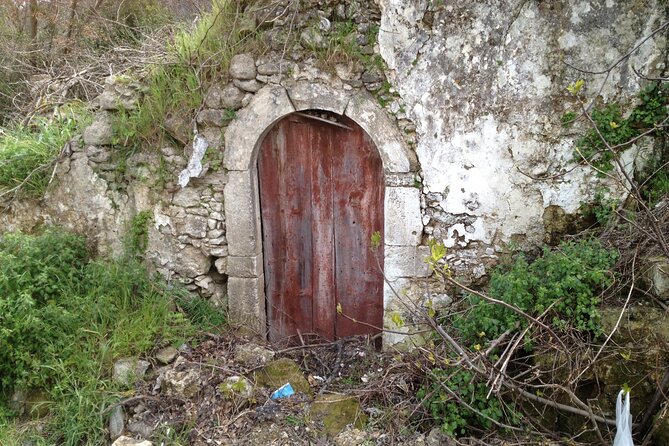
The route includes a stop at the chapel of Agia Paraskevi, set above a large cave. The cave is about 525 feet, or 160 meters, deep and 118 feet, or 36 meters, wide.
Long before the chapel was built, the cave served as a shrine to an ancient fertility goddess. This stop adds a religious and archaeological layer to what could otherwise be a straightforward food excursion.
Do not expect a long guided archaeological visit. The appeal is the location, the cave, and the contrast between the older sacred site and the later chapel. It is a good place to pause, take in the setting, and connect the rural scenery with Crete’s much older traditions.
The stop also breaks up the tasting schedule. An eight-hour food tour can become repetitive if every stop involves sitting and eating. Here, you get a change of pace and a reminder that the island’s story extends well beyond vineyards and olive oil.
What the price includes, and what it does not
At $126.31 per person, this is not the cheapest way to spend a day in Crete. It is a reasonable package if you value convenience and variety. Hotel pickup and drop-off from central Chania remove the need to rent a car, navigate mountain roads, or coordinate several rural destinations yourself.
The included items are:
- Local guide
- Land Rover transport and driver
- Traditional Cretan lunch
- Olive mill entrance and tasting
- Winery entrance and tasting
Drinks beyond the listed tasting experience are not included. Infants are not allowed, though child seats are available if requested at booking. Most people can take part, but the uneven roads and walking around rural stops mean you should wear sturdy, comfortable shoes.
The tour is generally booked well in advance, with an average booking time of about 101 days. That suggests you should not leave it until the last minute if your dates are fixed, especially during a busy Crete visit.
Who will enjoy this Crete food tour
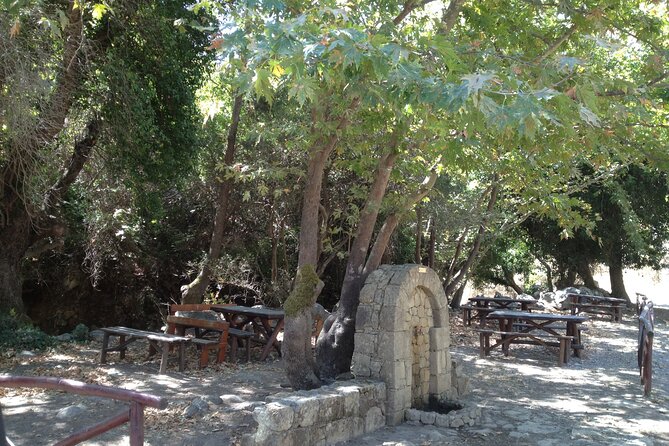
I would choose this for someone who wants to see rural Crete without renting a car. It suits people who care about food, wine, farming, local stories, and scenery, all in one day.
It is also a good pick if you have only a week on the island and want one day away from the beach. The combination gives you a broad introduction to Crete: olive growing, wine-making, mountain roads, village food, religious sites, and local hospitality.
You should think twice if you dislike long drives, motion, or rough roads. The route includes mountain travel and a bumpy off-road stretch. The tour is also not designed for someone who wants a slow, quiet tasting in one location.
Wine drinkers will appreciate the six-wine tasting, while olive oil fans may find the mill even more memorable. If you plan to buy olive oil, leave room in your luggage. The tasting can make that practical concern appear very quickly.
Useful details before you book
Pickup is offered from a centrally located hotel in Chania, with a listed start time of 7:00 a.m. Hotel drop-off follows the day’s approximately eight-hour route.
Wear comfortable shoes and bring sunscreen. A camera is worthwhile for the olive tree, mountain roads, vineyard, chapel, and cave.
The advertised maximum is eight people, making this a more personal option than a standard bus trip. The exact guide may change, but named guides connected with the experience include Thanass, Athanasios, Antonio, and Petros.
Free cancellation is available if you cancel at least 24 hours before the start time. Cancellations or changes made less than 24 hours before departure are not refunded or accepted.
Should you book the olive and wine safari?
Book it if you want a full day that combines food, drink, scenery, and local culture without having to drive. The olive mill and six-wine tasting give the tour clear value, while the local meal and mountain roads make it feel less packaged than a simple tasting-room excursion.
Skip it if you want to stay close to Chania, avoid bumpy roads, or spend the day at a leisurely table. For everyone else, this is a well-rounded introduction to Crete beyond the old harbor, with enough food and history to justify the time and cost.
FAQ
How long is the Crete wine and olive safari tour?
The tour lasts approximately eight hours, including transportation between Chania and the rural stops.
What time does the tour start?
Pickup begins at 7:00 a.m. from a centrally located hotel in Chania.
Is hotel pickup included?
Yes. Pickup and drop-off are included for centrally located hotels in Chania.
Is lunch included?
Yes. A traditional Cretan meal is included in the tour price. Drinks beyond the included tasting experiences are not included.
Are the olive oil and wine tastings included?
Yes. The olive mill tour and tasting, as well as the winery tour and tasting, are included.
Can infants join the tour?
No. Infants are not allowed. Child seats are available if requested when booking.
Just added around Crete
- 1 hour and 30 minutes wines and olive oil tasting in Greece★ 5.0 · 2 reviews
- Crete in a Day: Knossos, Soap Workshops, Olive Oil & Wine Tasting★ 5.0 · 5 reviews
- Traditional Olive Oil Making at Spiridi Olive Oil Farm – Crete★ 5.0 · 3 reviews
- Full Day Spinalonga Elouda Agios Nikolaos Olive factory Tour★ 4.5 · 5 reviews
- PRIVATE Workshop ESSENTIAL OILS & OLIVE OIL Factory with TASTING★ 5.0 · 5 reviews
- Guided Tasting of 3 Extra Virgin Olive Oils at Douloufakis Winery★ 5.0 · 2 reviews
- Shore Escape: Chania, Monastery & Olive Oil Tasting★ 5.0 · 6 reviews
- Private Guided Tour to Lasithi Plateau Villages & Olive Oil Mill★ 5.0 · 5 reviews
Olive Oil & Wine Tours, compared.
Sorrento Farm and Food Experience including Olive Oil, Limoncello, Wine tasting
Read our review →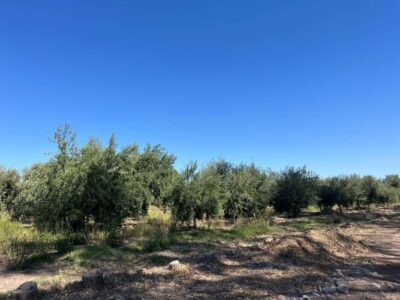

Lemon, Olive Oil and Wine Tasting Tour with Lunch
Read our review →

Browse the lists this tour appears in