
REVIEW · SPAIN
Cazorla: Oleotour – Olive Oil Culture Initiation
The most interesting part of Oleotour Cazorla is how much of the olive oil story fits into two hours. You move from an 18th-century oil mill museum to modern production, then use your senses to understand what makes extra virgin olive oil different from ordinary cooking oil. The experience gives this everyday pantry staple a proper place and time.
I like the blend of old and new, especially the chance to see both traditional equipment and a modern oil mill. I also like the sensory tasting, which gives you a practical way to recognize quality instead of simply being told that one bottle is better than another. The main consideration is language: the live tour is in Spanish, so you will get the most from it if you understand Spanish or are comfortable following a visual, hands-on presentation.
Key points
- Two hours of olive oil culture: The visit covers production, local tradition, tasting, and the role of the Sierra de Cazorla designation.
- Old mill and modern mill together: You can compare historic oil-making methods with present-day production.
- A real sensory lesson: Taste and smell are used to explain how to spot fine extra virgin olive oil.
- Laura leads the tour: Her clear explanations and strong command of the subject have been a major strength of the experience.
- More than a tasting room: The route includes olive trees, a botanical garden, a harvest recreation, audiovisual material, and the EVOO Can Guitar Monument.
- Good value at $23: The price is reasonable for a guided, two-hour introduction that combines a museum, production visit, and tasting.
Why Cazorla is a good place to learn about olive oil
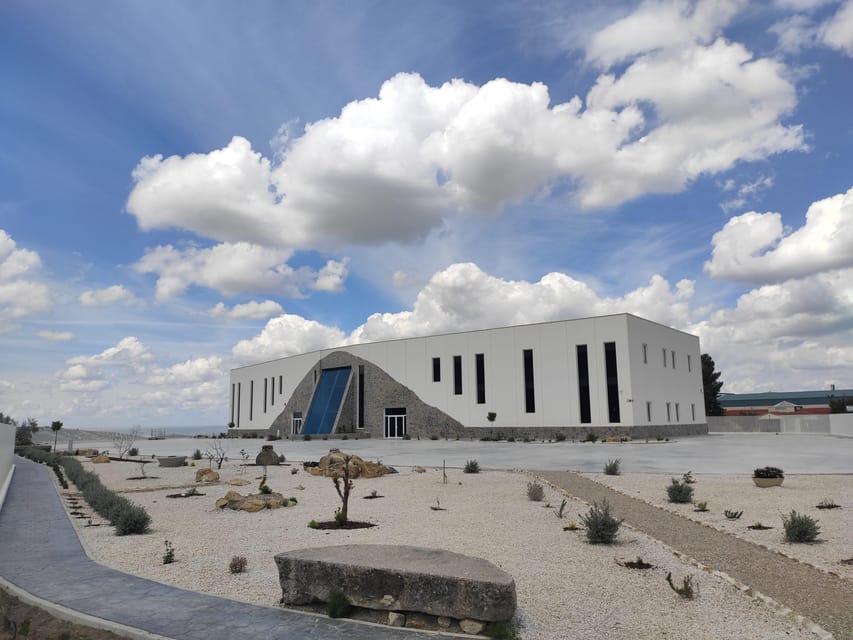
Olive oil is not just a product here. It is part of the identity of the Sierra de Cazorla area in Andalusia, and the tour places that local connection at the center of the visit.
The Sierra de Cazorla Designation of Origin identifies olive oils made under the standards of this particular area. Visiting the Regulatory Council helps explain how the designation works and why origin matters. You are not simply sampling an anonymous bottle from a supermarket shelf. You are learning how a region protects and presents its own oil.
I find this useful because olive oil labels can be confusing. Terms such as extra virgin, origin, and production method mean more when you understand the work behind them. The tour gives you that background before asking you to taste.
The setting also makes the experience more than a technical factory visit. The route includes a path between olive trees and a botanical garden with more than 60 native plant species. These elements connect the finished oil with the trees, soil, plants, and harvesting traditions that produce it.
A few more olive oil tours around Spain worth a look
- Ronda: LA Almazara LA Organic, Olive Oil Museum and Tasting
★ 4.6 · 435 reviews - Guided tour and olive oil tasting in Alhaurin el Grande (Málaga)
★ 5.0 · 200 reviews - Guided Tasting Tour in 16th century House and Olive Oil Factory
★ 5.0 · 169 reviews
The old mill explains where the process began
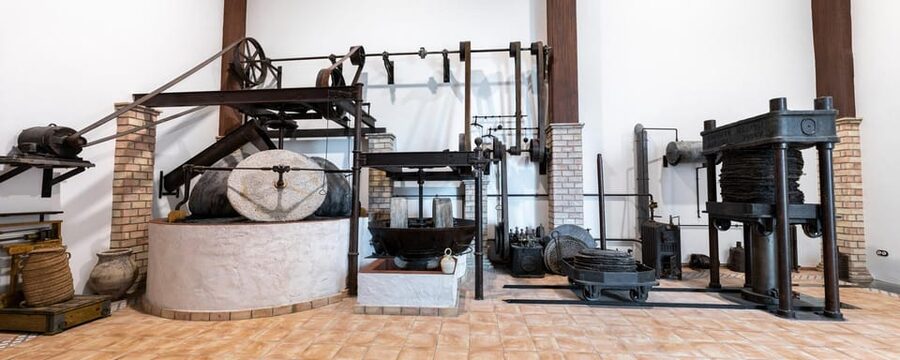
The 18th-century Oil Mill Museum is one of the strongest parts of the visit. Old mills can make olive oil production easier to understand because the machinery shows the amount of labor and equipment once required to turn olives into oil.
Here, you can see the traditional side of the trade before moving on to modern methods. That order matters. If you start with the latest machinery, you may understand the process but miss the sense of change over time. The museum gives you a reference point for everything that follows.
You will also hear about the history and customs connected with olive oil in the area. I would pay close attention at this stage, even if you have come mainly for the tasting. The traditional section helps you understand why olive oil production became such an important part of local life.
The museum is not likely to satisfy someone looking for a long, specialist lecture on mechanical engineering. It is better suited to curious visitors who want a clear introduction. You see how the past worked, then move forward.
The modern mill shows how olives become EVOO
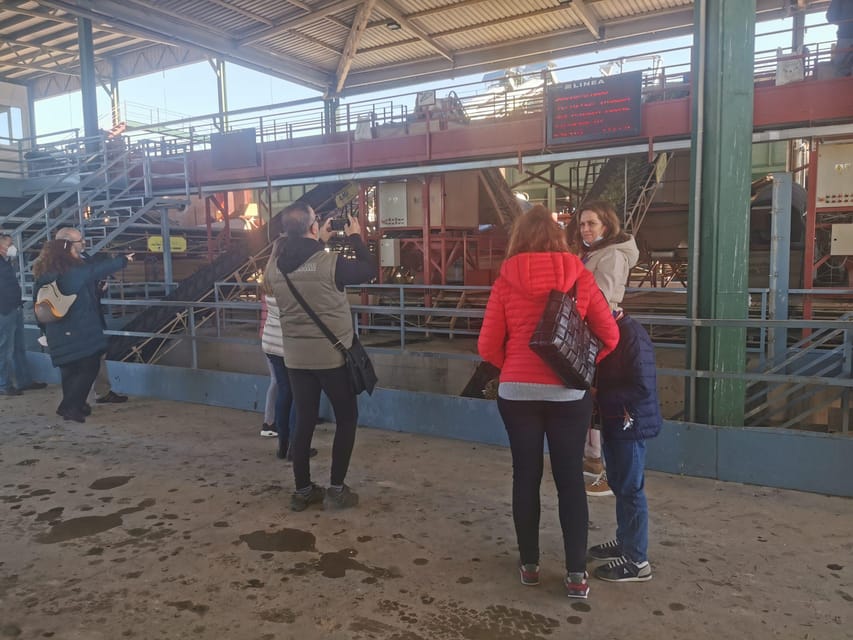
The modern oil mill provides the practical counterpoint to the museum. It shows how current production handles the fruit and produces extra virgin olive oil under present-day standards.
The tour describes the process of crafting EVOO, from the olive tree to the finished oil. Since the visit lasts two hours, expect an accessible overview rather than a technical course in every stage of milling. That is a good fit for first-time learners, especially if the idea of pressing olives is new to you.
One past participant arrived knowing almost nothing about olives or how they were pressed and left with a much clearer picture. That is exactly where this tour earns its price. You do not need previous knowledge, and you are not expected to arrive with a trained palate.
The contrast between the old mill and the modern mill also helps explain that good oil is not only about tradition. Modern handling, careful production, and quality control matter too. The tour presents olive oil as both an agricultural product and a carefully managed food.
The sensory tasting turns facts into something useful
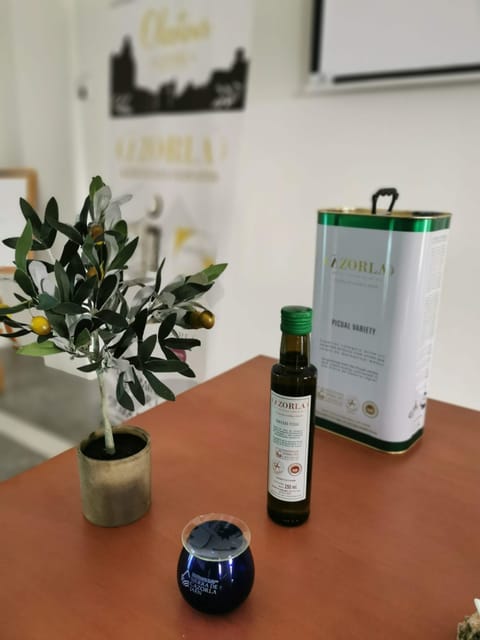
The tasting is where the tour becomes practical. You are encouraged to use your senses, not just listen to descriptions. The aim is to help you recognize the qualities of fine extra virgin olive oil.
Expect the tasting to focus on smell and flavor, along with the visual and physical impressions that make one oil different from another. The experience is described as engaging all five senses, so it is designed to be active rather than a simple sample-and-buy stop.
I like this approach because tasting is the part you can carry home. Once you have compared oils with guidance, you may find it easier to choose one for salads, bread, or cooking. You also gain a better idea of why extra virgin olive oil costs more than lower grades.
The tour is an introduction, not a professional certification. You will not leave as an expert taster after one session. You should leave with a useful vocabulary, sharper senses, and a better understanding of what you are looking for.
If you are sensitive to strong flavors, keep an open mind. Olive oil can have bitterness, peppery notes, or other sensations that are not familiar if you usually eat mild supermarket oils. The guide’s role is important here. Laura has been praised for explaining the subject clearly and helping people understand the culture of olive oil, not just handing them a glass.
Same groves, a different morning out:
- Oil tourism in Pulpí Discover the World of EVOO
★ 5.0 · 133 reviews - Visit of the olive grove, olive oil tasting and snack
★ 4.9 · 111 reviews - Visit Oil Mill Museum and Olive Oil Tasting in Ronda
★ 4.5 · 105 reviews - Private Tasting of Olive Oil in Córdoba
★ 5.0 · 93 reviews
The olive grove path adds a sense of place
The path between olive trees brings the subject back to the source. After seeing machinery and tasting the finished oil, you get a closer look at the tree itself.
This section helps answer a simple question: where does the oil begin? The olive grove is not just a scenic pause. It shows the agricultural setting behind every bottle and gives you a better feel for the scale of olive cultivation in the area.
A recreation of harvesting the olive grove adds another useful layer. Harvesting is one of the key moments in olive oil production, and a staged display can show the tools and methods without requiring you to visit during the actual harvest season.
The tour also includes an EVOO Can Guitar Monument, a distinctive feature that breaks up the more conventional museum and mill displays. It adds a bit of local character to the route and gives you another visual reminder that olive oil is tied to the culture of the area.
A botanical garden and audiovisual presentation keep the visit varied
The botanical garden includes more than 60 native plant species. This is a thoughtful addition because it places the olive tree within its wider setting rather than treating it as an isolated crop.
You may find this section especially useful if you are interested in plants, farming, or the natural side of Andalusia. It also gives the tour some breathing room between the more information-heavy stops.
An audiovisual projection adds another way to explain the production process and local traditions. That matters during a short tour because not everyone learns best from machinery or spoken explanation alone. The combination of displays, outdoor areas, images, and tasting keeps the experience moving.
The route includes a recreation in watercolor as well. Details about its exact format are limited, but it appears to be part of the visual presentation of olive culture. I would treat it as an artistic supporting element rather than a reason to book the tour by itself.
What the two-hour schedule means for you
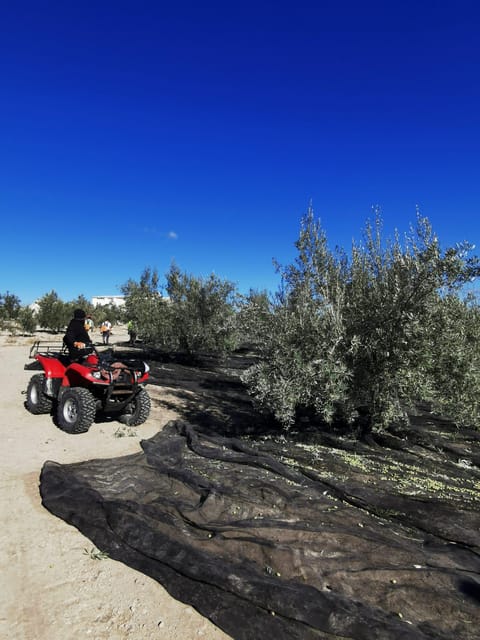
Two hours is long enough to cover the main stages without turning the visit into a full-day commitment. You can learn the background, see the old and modern mills, visit the outdoor displays, and taste the oil in one compact outing.
That length works well if you are building a day around Cazorla and want an activity that does not take over your schedule. It is also suitable for a first introduction before you visit other food producers or shops in Andalusia.
The tradeoff is depth. You will receive a broad tour rather than a highly specialized examination of olive farming, chemistry, or professional tasting. If you already work in the olive oil industry, you may find the material basic. For most people, that is the point: the tour starts at the beginning and explains the subject without assuming anything.
Starting times vary, so check availability when you book. The tour is guided in Spanish, and the provider offers free cancellation up to 24 hours before the experience. You can also reserve and pay later, which is useful if your Andalusia route is still changing.
Is $23 a fair price?
At $23 per person, I consider this good value for a focused two-hour visit. You are paying for more than a sample of oil. The experience includes the Regulatory Council, the 18th-century museum, a modern mill, a tasting, the botanical garden, olive grove features, audiovisual material, and a live guide.
The value is strongest if you are new to olive oil. You receive context, a production explanation, and a sensory lesson in one place. That is more useful than buying several bottles and trying to guess what makes one better.
The price may feel less attractive if you are only looking for a quick tasting or if you already know olive oil well. In that case, the museum and educational material may repeat information you have heard before. Still, the combination of old and modern production gives the visit more substance than a basic retail tasting.
The small number of published ratings is another reason to keep expectations measured. The available feedback is very positive, with particular praise for Laura’s communication and ability to explain a subject that was completely new to at least one participant. The short comment from France does not provide much detail, so I would place more weight on the specific praise for the guide and the learning experience.
Who should book Oleotour Cazorla
I would recommend this tour to you if you fit one or more of these descriptions:
- You know little about olives and want a friendly introduction.
- You enjoy food experiences with a clear local connection.
- You want to understand extra virgin olive oil before buying bottles to take home.
- You like seeing traditional equipment alongside modern production.
- You are visiting Cazorla and want a two-hour activity rather than a full-day excursion.
- You can follow a guided tour in Spanish.
Families and mixed-interest groups may also find the variety helpful. The garden, outdoor path, visual displays, machinery, and tasting provide different ways to stay engaged. The tour is not limited to a lecture at a table.
I would think twice if you need an English-language guide, want an advanced course in olive oil chemistry, or prefer a long, unstructured tasting. The experience is clearly built as an introduction, with Spanish instruction and a broad route through the culture of EVOO.
My booking advice
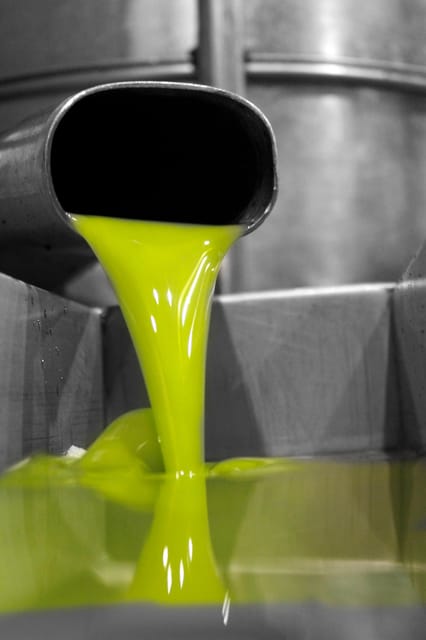
Book Oleotour Cazorla if you want to understand what you are tasting, not just taste it. The old mill, modern mill, grove path, and sensory session create a useful progression from history to production to the finished oil.
The strongest reason to go is the guide. Laura has been singled out for clear communication and strong command of the subject, which matters when the tour is in Spanish and the topic may be unfamiliar. Check your language comfort before reserving, then use the flexible cancellation policy if your schedule is uncertain.
At $23, this is a sensible choice for food lovers, curious first-timers, and anyone building an Andalusia itinerary around local traditions. Skip it only if you already have advanced olive oil experience or need the tour in another language.
FAQ
How long does Oleotour Cazorla last?
The experience lasts two hours. Starting times vary, so you should check availability for the date you want.
What language is the tour conducted in?
The live guided tour is in Spanish.
What is included in the experience?
The visit includes the history and tradition of olive oil, the Regulatory Council of the Sierra de Cazorla Designation of Origin, an 18th-century Oil Mill Museum, a modern oil mill, a tasting, a botanical garden, olive grove displays, the EVOO Can Guitar Monument, an audiovisual projection, and other visual recreations.
Does the tour include an olive oil tasting?
Yes. Sensory tasting is part of the experience, with an emphasis on recognizing fine extra virgin olive oils.
How much does the tour cost?
The listed price is $23 per person.
Can I cancel the booking?
You can cancel up to 24 hours in advance for a full refund. You can also reserve now and pay later.
Just added around Spain
- Córdoba: Olive Oil Tasting Experience★ 4.4 · 8 reviews
- Cazorla: Highligts Tour with Olive Oil Tasting★ 5.0 · 2 reviews
- Cazorla: Olive grove and mill tour★ 5.0 · 2 reviews
- Aires de Jaén: Olive Oil Plantation Tour and Local Meal★ 4.9 · 9 reviews
- Olive Oil Tasting and Culinary Day Trip in Carmona★ 5.0 · 2 reviews
- Oleotourism and olive oil tasting in Seville – Private tour★ 5.0 · 7 reviews
- Granada: Tasting of Extra Virgin Olive Oils★ 5.0 · 3 reviews
- Granada in EVOO: Guided tour and unique sensorial tasting★ 5.0 · 6 reviews
Spain Olive Oil Tours, compared.
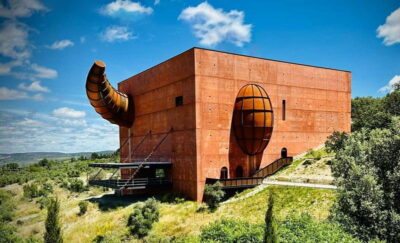
LA Almazara LA Organic, Olive Oil Museum and Tasting
Read our review →
Guided tour and olive oil tasting in Alhaurin el Grande (Málaga)
Read our review →
Guided Tasting Tour in 16th century House and Olive Oil Factory
Read our review →
Oil tourism in Pulpí Discover the World of EVOO
Read our review →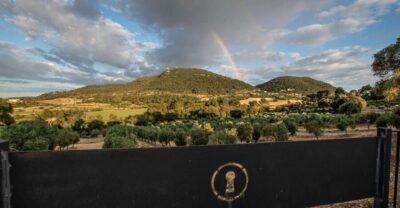
Visit of the olive grove, olive oil tasting and snack
Read our review →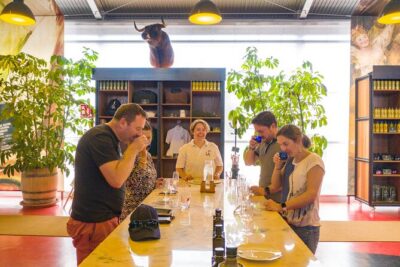
Visit Oil Mill Museum and Olive Oil Tasting in Ronda
Read our review →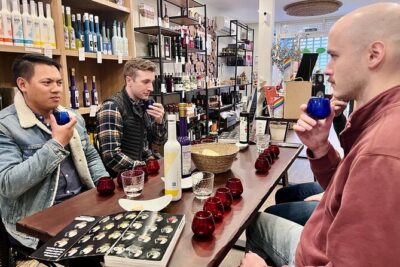
Browse the lists this tour appears in