
REVIEW · GRANADA
Granada: Tasting of Extra Virgin Olive Oils
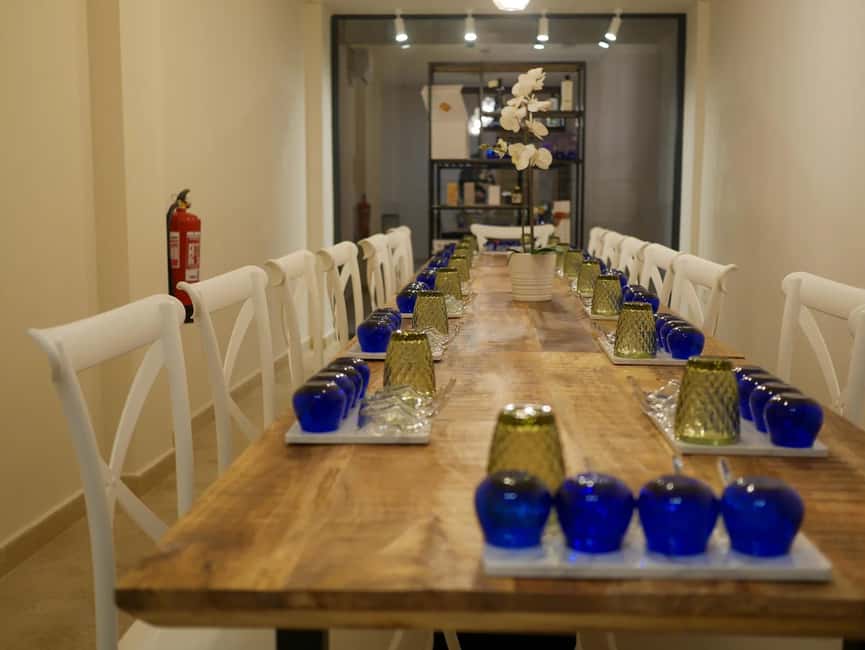
Granada’s olive oil deserves more than a quick taste from a bread dish. At Molino y Cata, Mercedes Uceda guides you through three outstanding extra virgin olive oils, showing you how to spot their aromas, flavors, and faults. You use the same dark tasting glasses found in major competitions, so this feels like a real sensory workshop rather than a shop sample.
I like the small, personal feel and the practical way the tasting teaches you to compare varieties. I also like that it ends with snacks and flavored condiments, since you can see how the oils work at the table, not just in a glass. One thing to consider: this is an indoor tasting in central Granada, not a visit to an olive grove or working mill.
Key points to know
- Three premium EVOOs: Compare three highly regarded extra virgin olive oils from Andalusia and beyond.
- Professional tasting glasses: Learn with the same type of glass used in international olive oil competitions.
- Mercedes Uceda leads the session: A professional taster explains the oils and shares personal connections to the olive oil trade.
- A guided sensory lesson: Learn to identify key attributes and understand how olive varieties differ.
- Condiments and snacks included: Finish by pairing the oils with food, a useful step for anyone who cooks.
- Central Granada setting: The activity takes place in a professional tasting room in the historic center and lasts 90 minutes.
Why olive oil makes sense in Granada
Granada sits in Andalusia, Spain’s great olive-growing region. Olive oil is not just a souvenir here. It is part of everyday cooking, family traditions, farming, and local identity. Yet many visitors taste it only as a mild drizzle on bread, without learning why one bottle smells grassy, another tastes fruity, and another leaves a peppery finish.
This activity gives you a simple way to pay attention. You are not expected to arrive with a trained palate. The point is to compare oils side by side and notice what changes from one sample to the next.
That comparison matters. A single olive oil can seem ordinary when tasted alone. Place it beside two others, and differences in fruitiness, bitterness, and peppery heat become easier to detect. I like this approach because it gives you a reference point you can use later in a market, restaurant, or grocery store.
The tasting also helps explain the term extra virgin olive oil, or EVOO. It is not just a fancy label. The oil has to meet standards for production and sensory quality. This session focuses on the sensory side, helping you understand what you are smelling and tasting instead of asking you to accept a technical definition.
A few more olive oil tours around Spain worth a look
- Ronda: LA Almazara LA Organic, Olive Oil Museum and Tasting
★ 4.6 · 435 reviews - Guided tour and olive oil tasting in Alhaurin el Grande (Málaga)
★ 5.0 · 200 reviews - Guided Tasting Tour in 16th century House and Olive Oil Factory
★ 5.0 · 169 reviews
Entering the professional tasting room
The activity takes place at Molino y Cata, in a professional tasting room in Granada’s historic center. That location works well if you are already visiting the city on foot. You do not need to set aside a full day or travel out to the countryside.
The meeting point can vary depending on the option you book, so check your confirmation carefully. The listed coordinates are approximately 37.17495, -3.60265. Since the activity lasts just 90 minutes, it can fit neatly between sightseeing stops, though I would avoid scheduling it too close to a timed Alhambra visit.
The room is set up for tasting rather than casual dining. The use of professional glasses is more important than it may sound. Olive oil is often tasted in small, colored glasses that conceal the oil’s appearance. That keeps color from influencing your judgment, since a greener oil is not automatically better.
You will handle the tasting in a way that resembles professional judging. The format gives the guide room to explain the process, and it lets you focus on scent and flavor without a crowded restaurant around you.
Learning to smell before you taste
The first stage is sensory education. You begin by paying attention to the oil’s aroma, then move on to flavor and finish. A professional taster such as Mercedes Uceda can give names to sensations that might otherwise seem vague.
You might notice fresh, green, fruity, bitter, or peppery qualities. Those words are not meant to make the experience sound complicated. They are useful labels that help you remember what you liked and why.
A good tasting also teaches you that bitterness and a tingling sensation in the throat are not necessarily flaws. They can signal the presence of healthy compounds and often appear in fresh oils made from particular olives. The session’s value is in learning to separate a desirable characteristic from a problem caused by poor storage or production.
I appreciate that this is not presented as a test you can fail. You are there to learn how your own palate reacts. If one oil seems too forceful and another feels smooth, that preference is useful information. It may guide what you buy for salads, cooking, dipping, or finishing a dish.
Comparing three extra virgin olive oils
The heart of the experience is the tasting of three extra virgin olive oils described as among the finest in the world. The important point is not simply the number three. It is the chance to compare several oils in one sitting, under the same conditions.
Each oil gives you another point of reference. One may seem more delicate, another more intensely fruity, and another more bitter or peppery. The activity introduces important olive varieties and explains how variety affects the final oil.
The supplied information does not name the three oils or list their harvest dates, so you should not expect a fixed bottle lineup to be guaranteed. The precise selection may change. That is normal for a serious tasting, where freshness and availability matter.
You will have the chance to choose the oil that impressed you most. I like this small decision at the end because it turns the lesson into something personal. You are not being told which oil is correct for everyone. You are deciding which profile suits your taste.
This is also where the tasting can help you shop more wisely. A bottle with a strong peppery finish may be exciting on its own but too intense for your usual meals. A softer oil may fit your kitchen better. The best oil is not always the one with the strongest flavor. It is the one you will enjoy using.
Same groves, a different morning out:
- Oil tourism in Pulpí Discover the World of EVOO
★ 5.0 · 133 reviews - Visit of the olive grove, olive oil tasting and snack
★ 4.9 · 111 reviews - Visit Oil Mill Museum and Olive Oil Tasting in Ronda
★ 4.5 · 105 reviews - Private Tasting of Olive Oil in Córdoba
★ 5.0 · 93 reviews
Understanding olive varieties
Olive variety is one of the central themes of the session. Different varieties can produce oils with different aromas, levels of bitterness, and amounts of peppery heat. The guide explains these differences as you taste rather than giving you a dry lecture first.
That order makes sense. You taste a sample, notice something distinctive, and then receive the vocabulary to describe it. I find that easier to remember than a list of varieties with no sensory connection.
This part should appeal to anyone who has wondered why two bottles from Spain can taste so different. Country of origin tells you something, but it does not tell the whole story. Variety, harvest conditions, production choices, and storage all affect the oil.
The session does not promise a full agricultural tour, and you will not be walking through groves. Instead, it gives you a compact introduction to the subject from the tasting-room side. For a first lesson, that is a sensible trade.
Mercedes Uceda and the personal side of the lesson
Mercedes Uceda is a professional extra virgin olive oil taster, and she leads the activity with her team. Her husband is also involved in the experience, and the personal connection to the olive oil industry adds warmth to the technical material.
That personal element matters. Olive oil can easily become a subject full of rules, medals, and specialist vocabulary. Stories about the people who work with the product bring it back to farms, families, and daily food.
The available feedback points to detailed explanations and generous time from Mercedes and her husband. One booking had only the small party taking part, which allowed the discussion to be directed closely to that group. Group size is not specified for every session, so you should not assume a private booking, but the format allows for personal questions.
The language options are Spanish and English. Some material may be presented in its original language, so ask for clarification if a term moves too quickly. The session is designed to teach, not to rush you through a fixed sales pitch.
Flavored condiments and the move to the table
After tasting the oils on their own, you try a flavored condiment based on extra virgin olive oil. This adds a different angle. Flavored products can show how herbs, spices, or other ingredients change the oil’s role in a meal.
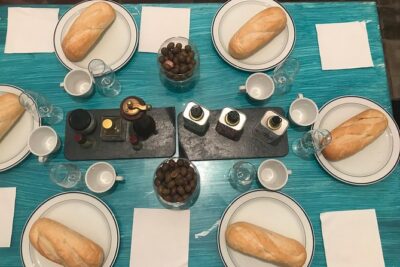
You also pair the oils with different snacks. This is one of the most useful parts for a visitor who wants to take the lesson home. Tasting oil alone tells you about its character. Pairing it with food tells you how that character behaves at the table.
A powerful oil might suit a dish that can handle its bitterness and heat. A gentler oil might be better when you want the food itself to remain in focus. The tasting does not turn you into a chef in 90 minutes, but it can improve the way you think about finishing dishes.
The snacks are also a practical reason to avoid arriving overly full. No full meal is promised, but the closing pairings are part of the activity and help complete the experience.
What the 90-minute format does well
Ninety minutes is a good length for this kind of lesson. A shorter session could feel like a quick sample, while a much longer class might become tiring if you are not already interested in olive oil.
The timing gives you space to taste three oils, discuss varieties, try a condiment, and finish with pairings. It also leaves most of your day free for Granada’s other sights.
I would plan this for a day when you can pay attention. Strong coffee, a heavy meal, or a rushed arrival may make it harder to notice subtle aromas. The activity is not physically demanding, but it does ask you to slow down and use your senses.
Because the session is indoors and centered on a table, it makes a reliable choice in poor weather. It also offers a quieter change of pace after busy sightseeing. You trade views and walking for conversation and concentration.
Is the experience good value?
No price is provided here, so I cannot give you a fair cost comparison. I would judge the value by what you want from an olive oil experience.
If you want a guided introduction, three oils to compare, professional equipment, expert instruction, and food pairings, the package offers more than a casual tasting at a store. You are paying for interpretation and access to a structured lesson, not just for small pours.
If your main aim is to visit an olive farm, see trees, or watch production, this may feel limited. There is no olive grove visit or mill tour described. You remain in Granada’s central tasting room for the session.
The activity becomes better value if you use the lesson afterward. Try the vocabulary when you buy oil, pay attention to storage, and notice which flavors suit your cooking. If you already have strong olive oil expertise, the session may offer less new information, though the professional samples could still be appealing.
Who should book this Granada tasting?
I would recommend it to food-focused visitors, curious cooks, and anyone who wants a more meaningful souvenir than another bottle chosen at random. It also suits couples, families with an interest in food, and small groups looking for a calm activity in the city center.
It is a particularly good choice if you are already planning to buy olive oil in Andalusia. You will leave with a better sense of what you like, and that can prevent an expensive bottle from sitting unused in your kitchen.
The experience is less suitable if you want outdoor scenery or a full agricultural visit. Choose one of Molino y Cata’s olive grove options instead if seeing the growing environment is your priority.
You should also consider the tasting format if anyone in your party dislikes strong flavors. Extra virgin olive oil can be bitter, grassy, or peppery, and the point is to notice those traits. That is part of the lesson, but it may not suit someone seeking a purely gentle food experience.
Practical details before you reserve
The activity lasts 1.5 hours and is available with a live guide in English or Spanish. The tasting room is wheelchair accessible, which makes the central indoor setting practical for many visitors.
You can cancel up to 24 hours in advance for a full refund, and the reserve-now, pay-later option keeps your plans flexible. Starting times depend on availability, so check the schedule before building the rest of your Granada day around it.
The meeting point may differ according to the option selected. Do not rely only on the general map pin. Use the exact meeting information attached to your booking.
Some content is shown in its original language. That should not prevent an English or Spanish speaker from following the tasting, but it is worth asking the guide to repeat any technical point you miss.
My verdict on Molino y Cata
I like this tasting because it treats olive oil as food, agriculture, and sensory craft all at once. The professional glasses, three-oil comparison, variety lesson, and final snacks give the 90 minutes a clear shape.
The strongest reason to book is the direct guidance from Mercedes Uceda and her team. You are not simply handed samples. You learn how to judge them and how to connect the taste to real meals.
The main limitation is just as clear: this is not a countryside excursion. If you need olive trees, farm views, or production equipment, choose an olive grove tour. If you want a focused indoor lesson in Granada, this is a smart and manageable choice.
FAQ
How long does the olive oil tasting last?
The activity lasts 1.5 hours, or 90 minutes.
Where does the tasting take place?
It takes place in a professional tasting room at Molino y Cata in Granada’s historic center. The exact meeting point can vary by booking option.
Which languages are available?
The live guide speaks Spanish and English. Some content may be shown in its original language.
How many olive oils will I taste?
You will taste three extra virgin olive oils, along with a flavored condiment based on extra virgin olive oil.
Will I use professional tasting glasses?
Yes. The activity uses the same type of professional tasting glasses used in important olive oil competitions.
Is the activity wheelchair accessible?
Yes, the activity is wheelchair accessible.
Just added around Spain
- XXI Century Olive Oil Mill Tour★ 5.0 · 3 reviews
- Visit to an olive oil mill and oil tasting with aperitif and food and wine pairing.★ 5.0 · 2 reviews
- Ulldecona: Guided Tour of the Millenary Olive Trees of Arión★ 5.0 · 2 reviews
- Treurer: Tapas Gourmet and Extra Virgin Olive Oil★ 4.7 · 3 reviews
- Olive Oil and Winery Tour from Zaragoza City★ 5.0 · 4 reviews
- Olive Oil Private Full-Day Tour with Tasting in Valencia★ 5.0 · 2 reviews
- Olive Oil Factory from Seville Private Tour★ 5.0 · 2 reviews
- Olive Oil Tasting Experience in Sevilla★ 5.0 · 2 reviews
Spain Olive Oil Tours, compared.

LA Almazara LA Organic, Olive Oil Museum and Tasting
Read our review →
Guided tour and olive oil tasting in Alhaurin el Grande (Málaga)
Read our review →
Guided Tasting Tour in 16th century House and Olive Oil Factory
Read our review →
Oil tourism in Pulpí Discover the World of EVOO
Read our review →
Visit of the olive grove, olive oil tasting and snack
Read our review →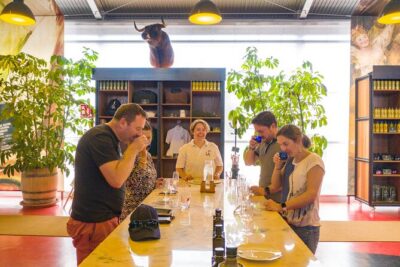
Visit Oil Mill Museum and Olive Oil Tasting in Ronda
Read our review →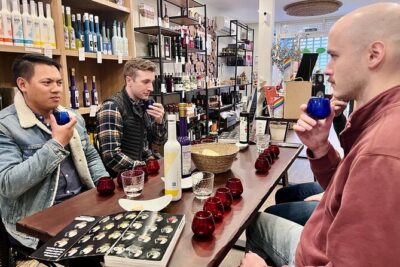
Browse the lists this tour appears in