
REVIEW · LECCE
SENSORY TASTING OF EXTRA VIRGIN OLIVE OIL IN LECCE
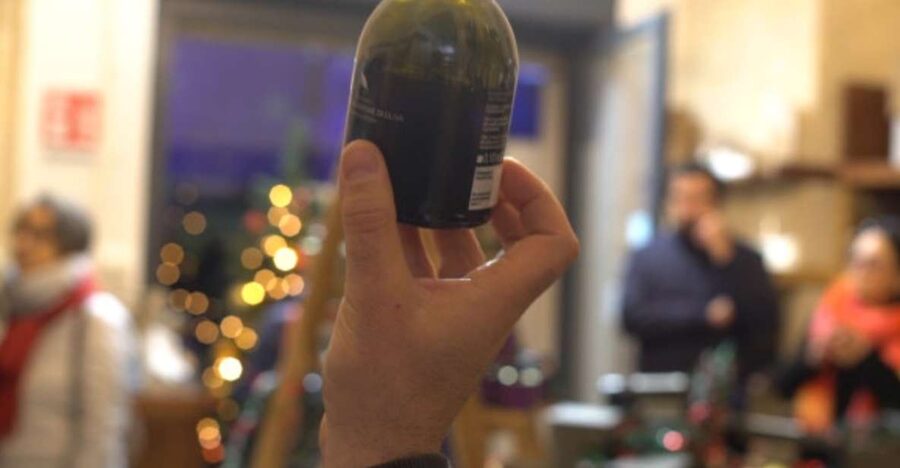
The most useful lesson here is simple: olive oil color does not prove quality. In 30 minutes at a shop in Piazza Duomo, you taste two or three oils, study their scents and flavors, and learn how the age of the olive affects the result. I like the clear sensory focus, and I like that the lesson comes with a small spread of Salento snacks and wine.
The price is $23 per person, which is fair if you want a quick local food stop rather than a full meal. The main drawback is the short length. You get a good introduction, but not a long farm visit or a detailed cooking class.
Key points at a glance
- Three oils, side by side: You may taste two or three extra virgin olive oils and compare their color, scent, intensity, and flavor.
- A useful lesson about color: The session explains why a darker or greener oil is not automatically the better one.
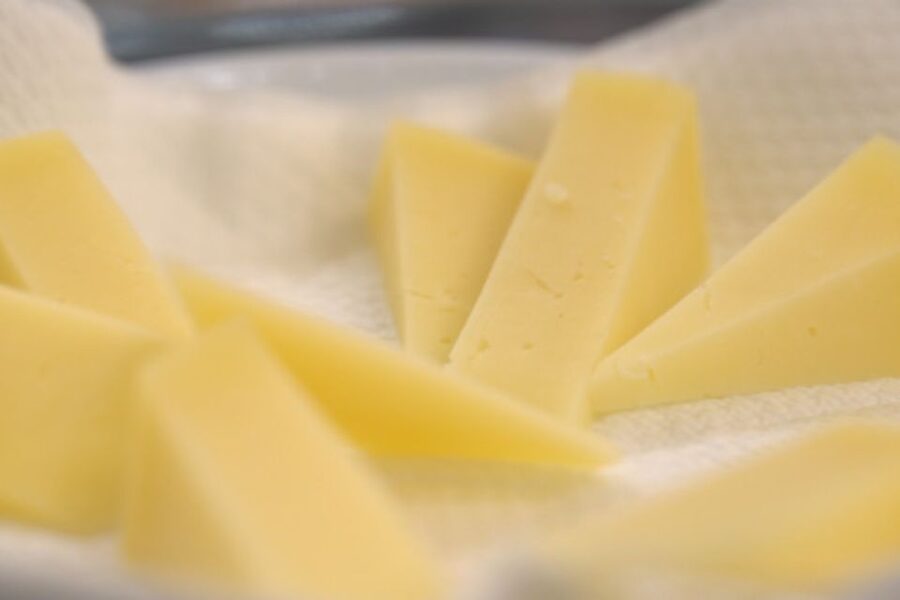
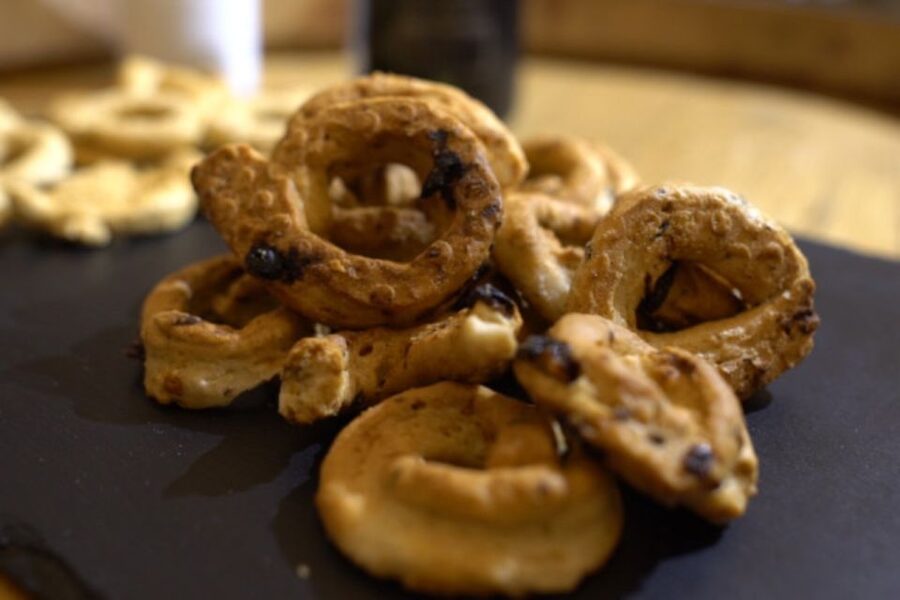
- Salento snacks included: Expect savory taralli, cheese, capocollo, and a local baked or stuffed snack.
- Wine and dessert finish: The aperitif includes wine in a plastic cup and a small sweet such as mustacciolo, a sweet tarallo, or almond paste.
- Easy Piazza Duomo location: The tasting takes place at a shop in central Lecce, making it simple to add before or after sightseeing.
- Short and flexible: The full activity lasts 30 minutes, runs daily, and allows cancellation up to 24 hours before the start.
What the 30-minute tasting is really about
This is not just a quick sample of oil with bread. The point is to teach you how to pay attention. You use your eyes to note the different colors, your nose to detect scent and strength, and your palate to compare the flavor of each oil.
That matters in Apulia, where extra virgin olive oil is part of daily food culture. You will not leave as a professional taster, but you should leave better prepared to choose an oil in a shop or understand why two bottles can taste so different.
The expert leading the session explains the main steps in production and the basic traits of the oil. The lesson includes the age of the olive as part of the discussion about flavor. You also hear why appearance can mislead you. Color may catch your attention, but it does not settle the question of quality.
I like this approach because it gives you a practical skill. A quick tasting can be more useful than a long talk if you pay attention to the differences between samples.
A few more olive oil tours around Italy worth a look
- Sorrento Farm and Food Experience including Olive Oil, Limoncello, Wine tasting
★ 5.0 · 2,524 reviews - Olive oil tasting in Sorrento
★ 5.0 · 434 reviews - Sorrento: Lemon, Olive Oil and Wine Tasting Tour with Lunch
★ 5.0 · 300 reviews
Comparing two or three oils in Piazza Duomo
The tasting presents two or three oils, depending on the session. You look at each one, smell it, and taste it. The side-by-side format is important. A single spoonful tells you very little, but several oils tasted close together make their differences easier to notice.
You may find changes in intensity, aroma, and flavor. The lesson also gives you a reason to slow down before reaching for the bread or snacks. First, look. Then smell. Then taste. The order helps you notice more than you might during an ordinary meal.
The color comparison is especially useful for first-time tasters. Many people assume that a greener oil must be fresher or better. This experience explains why that is not a reliable rule. The oil’s quality is not determined by color alone, so the taste and scent deserve more attention.
The supplied information does not identify the oils by producer, olive variety, or harvest date. If those details matter to you, ask the expert during the tasting. The format gives you a chance to ask questions, but the listed experience promises a general introduction rather than a technical study of every bottle.
Why the aperitif adds real value
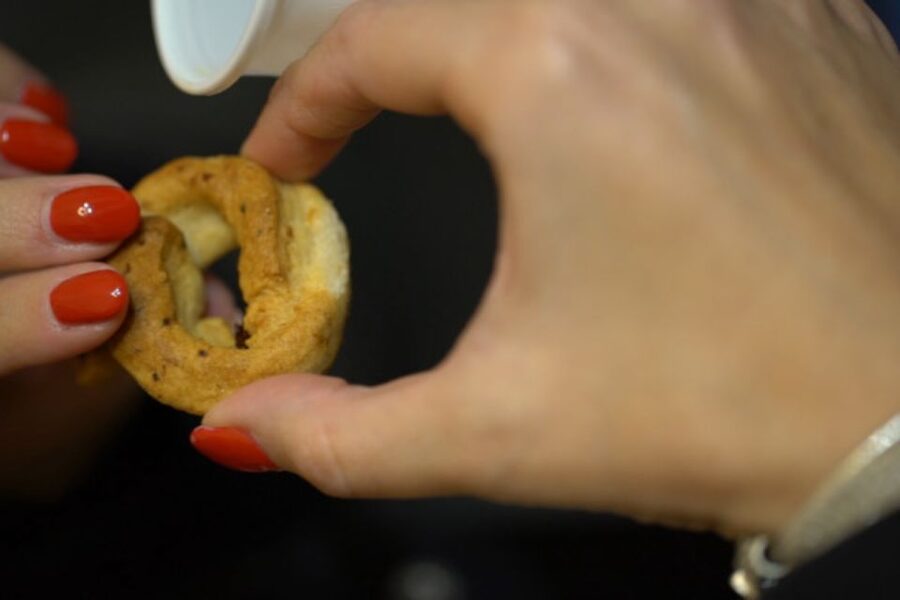
The food is not an afterthought. The tasting includes savory taralli, a classic Apulian snack, along with other local bites. You may receive pizzo salentino, a small sandwich filled with tomato, onion, olives, or turnip greens, or a small Leccese rustico.
That gives you a quick taste of the region beyond olive oil. The exact savory item can vary, so do not book this expecting one fixed menu. The common thread is a small selection of typical products rather than a full lunch.
The board also includes cheese, either caciocavallo or pecorino, and capocollo. One verified booking described a generous small board with cheese, prosciutto, and snacks, along with a small glass of wine. That combination makes the $23 price easier to justify, especially if you are looking for a light aperitif and an activity in one.
You also finish with a small dessert. It may be a mustacciolo, a sweet tarallo, or almond paste. The sweet ending keeps the session from feeling like a formal tasting lesson only. You learn something, eat something, and have a drink without giving up a large part of your afternoon.
Wine and beverages are included, though the wine is served in a plastic cup. That detail sets the right expectation. This is a casual shop-based tasting, not a polished vineyard meal with table service and several wine pairings.
The Piazza Duomo setting
The location is one of the strongest practical features. The tasting takes place at a shop in Piazza Duomo, one of Lecce’s central sightseeing areas. You can fit it into a day of exploring the city without arranging transportation to the countryside.
I like food activities that give you a reason to pause in the middle of sightseeing. After looking at churches, stone facades, and the old center, a short tasting offers a change of pace. It is also a useful choice on a busy schedule because the activity lasts only 30 minutes.
The setting may feel more like a shop stop than a quiet restaurant. That is worth knowing before you book. If you want a long meal, a farm setting, or a production tour among olive trees, this is not that experience. If you want an accessible introduction in central Lecce, the location works well.
The activity is wheelchair accessible, according to the provided details. Since the tasting is in a shop, you should still confirm any specific access needs when booking if you require more than general wheelchair access.
Same groves, a different morning out:
- Alghero: Wine and Olive Oil Tasting at a Local Farm
★ 4.8 · 294 reviews - Ostuni: Masseria tour among thousand-year-old olive trees with oil tasting
★ 4.8 · 261 reviews - Balestrate: Olive Grove Tour with Wines & Olive Oil Tasting
★ 5.0 · 241 reviews - Bardolino: Vineyard Tour with Wine, Olive Oil & Food Tasting
★ 4.6 · 221 reviews
What the expert explains about production
The explanation covers the main production phases and the principal characteristics of extra virgin olive oil. The material does not promise a visit to an olive mill or a full technical lecture, so think of this as a guided introduction.
The most useful part is the connection between production and taste. Once you learn that oil has distinct scents and levels of intensity, you can begin to understand why one bottle tastes mild while another has a stronger character. The expert also connects flavor to the age of the olive, a detail that helps explain why harvest and handling matter.
I would use the tasting as a starting point. Pay attention to the words the expert uses, then ask which oil works best with cheese, vegetables, bread, or cooking. The provided format does not list a take-home bottle or a shopping credit, so any purchase would be separate from the $23 activity.
The session is offered in Italian and English. That makes it suitable for English-speaking visitors, though the exact depth of the explanation may depend on your questions and the group at that time.
Is $23 a fair price?
At $23 per person, this is priced above a simple snack but below a full meal or extended food tour. The value comes from combining three elements: an instructional tasting, a local aperitif, and a central Lecce location.
The food list is substantial for a 30-minute activity. You receive olive oil, savory taralli, a possible pizzo salentino or Leccese rustico, cheese, capocollo, wine or another beverage, and a small dessert. The portions are not described as a full meal, and extra food or drinks are not included.
I would call it good value if you already plan to be near Piazza Duomo and want a compact cultural activity. It is less compelling if you are mainly looking for dinner. You may leave satisfied enough for a while, but the purpose is tasting and learning, not replacing an evening meal.
A useful way to judge the price is to ask what else you want from your Lecce day. For a short break between major sights, the cost is reasonable. For a serious olive oil enthusiast seeking farm access, named producers, or a long technical session, you may want a different type of experience.
Who will enjoy this most
I would recommend this to anyone curious about Apulian food who has only a limited amount of time. It also suits people who enjoy small tastings, aperitivo-style food, and learning through comparison rather than sitting through a long lecture.
Couples and solo visitors can fit it into a flexible schedule. Families may also like the short length, especially if younger members would lose patience during a longer food tour. The sweet snack and savory board give the activity broad appeal.
It is a particularly good choice for someone who wants to buy olive oil in Apulia but does not know how to judge it. The session cannot guarantee that you will become an expert, but it can help you ask better questions and pay closer attention to scent and flavor.
You may want to skip it if you need a full meal, a farm visit, a mill tour, or a long class with detailed information about olive varieties. None of those elements is promised here.
Timing, booking, and what to expect
The tasting is available every day, with starting times based on availability. The activity lasts 30 minutes, so check the time carefully and avoid placing it too close to another booking if you want a relaxed walk through central Lecce.
You can reserve now and pay later, which helps if your city schedule is still shifting. You can also cancel up to 24 hours in advance for a full refund. Extra food and drinks are not included, so plan on the listed aperitif being the complete offering unless you purchase something separately.
The experience is led in Italian or English. The provider is INFOLECCE, the local tourist information operation connected with the Piazza Duomo shop. The owner is described as warm and welcoming, which fits the informal nature of the tasting.
Because the activity is short, arrive ready to take part rather than expecting a slow restaurant service. The value comes from the comparison, so focus on the oils and listen to the explanation before concentrating on the snacks.
The best way to use the tasting
I would book this early or midway through a day in Lecce, when you want a break from sightseeing but do not want to spend two hours at lunch. The 30-minute format makes it easy to pair with nearby attractions.
Try each oil carefully before eating the cheese, capocollo, or taralli. Strong flavors from the aperitif can make subtle oil differences harder to notice. Once you have compared the oils, use the snacks to see how they work with food.
Ask about the differences between the samples, how olive age affects flavor, and why color is not a dependable quality test. The experience gives you enough time for practical questions, even though it is not designed as an extended seminar.
Should you book this Lecce olive oil tasting?
Book it if you want a short, central, food-focused activity with a useful lesson and enough snacks to make the price feel fair. The combination of two or three oils, a local aperitif, wine, and dessert is a sensible way to spend 30 minutes in Piazza Duomo.
Skip it if you want a countryside setting, a full meal, or a detailed producer-to-bottle tour. For most people with an open half-hour in Lecce, though, this is an easy and worthwhile introduction to one of Apulia’s most important foods.
FAQ
Where does the olive oil tasting take place?
The tasting takes place at a shop in Piazza Duomo in Lecce, Apulia.
How long does the experience last?
The tasting lasts 30 minutes.
How many olive oils will I taste?
You will taste two or three extra virgin olive oils during the session.
What food is included?
The aperitif includes typical local products such as savory taralli, pizzo salentino or a small Leccese rustico, cheese, capocollo, and a small dessert. The exact savory and sweet items can vary.
Is wine included?
Yes. Wine and beverage are included. The wine is served in a plastic cup.
What languages are available?
The experience is available in Italian and English.
Is the tasting wheelchair accessible?
Yes. The activity is listed as wheelchair accessible.
Can I cancel the booking?
Yes. You can cancel up to 24 hours in advance for a full refund. You can also reserve now and pay later.
Just added around Italy
- Vernazza (5 Terre): olive grove tour and oil and wine tasting★ 5.0 · 9 reviews
- Trevi: Guided tour and tasting at Frantoio Gaudenzi★ 5.0 · 3 reviews
- Trieste’s Essence: Wine and Olive Oil Tasting★ 5.0 · 3 reviews
- Umbria: E-Bike Rental and Fresh EV Olive Oil Tasting★ 5.0 · 4 reviews
- Valpolicella Wine and Olive Oil Tasting with Lunch from Verona★ 5.0 · 2 reviews
- Half-Day Chianti Wine and Olive Oil Tour from Viareggio★ 4.0 · 5 reviews
- Umbria: Guided tour to Traditional Olive Oil Mill and Tasting★ 5.0 · 2 reviews
- From Venice: Olive Oil & Wine Tour in the Venetian Hills★ 5.0 · 9 reviews
Lecce Olive Oil Tours, compared.
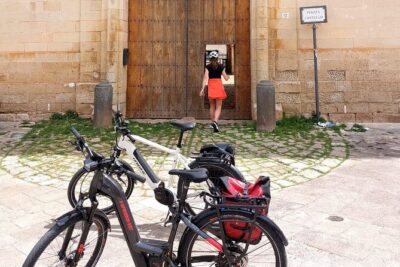
Lecce to Galatina E-Bike: Olive Mill & Wine Tasting + Taxi back
Read our review →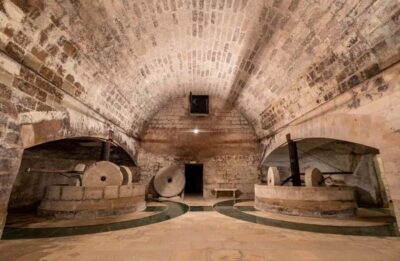
Organic Wine and Olive Oil Tasting Experience near Lecce
Read our review →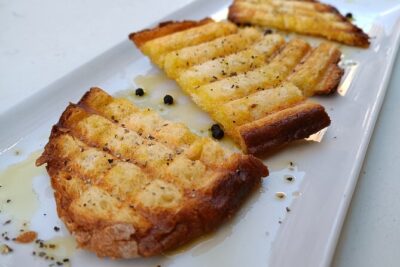

Half day E-Bike tour to Old Olive Mill & Olive Oil Taste
Read our review →
Browse the lists this tour appears in