
REVIEW · OSTUNI
Ostuni: Olive Oil Tasting Tour
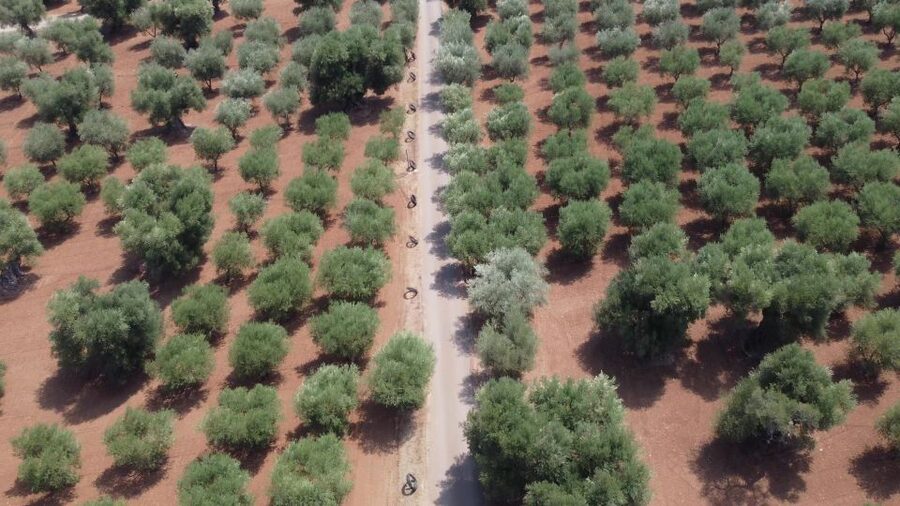
Some of Puglia’s oldest olive trees grow around Masseria Valente, including trees said to be more than 2,000 years old. This short Ostuni experience connects those remarkable trees with the farm’s 16th-century underground oil mill, where oil was once pressed below ground.
I like the mix of history and food here. You see how olive oil was made, then taste three organic oils with olives, tarallini, and fried broad beans. I also like that guides such as Angela, Carla, and Maria have brought warmth and humor to the visit.
The main drawback is the short running time. The activity is advertised as one hour, while the detailed schedule allows about 1.5 hours for the visit, so confirm the timing when you book. At $53 per person, the value depends on how much you enjoy the farm setting and historical explanation.
Key points at a glance
- Ancient olive trees: Walk among young, mature, millenary, and reportedly 2,000-year-old trees.
- Two oil mills: See a 16th-century hypogeum press and a 19th-century epigean mill.
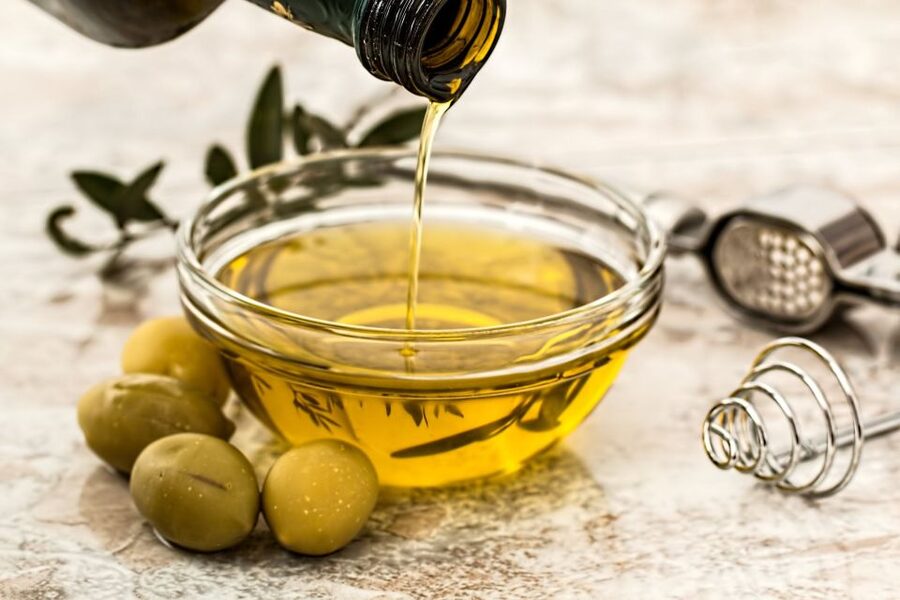
- Three organic oils: Compare different oils instead of simply sampling one house product.
- Local snacks: The tasting includes olives, tarallini, and fried broad beans.
- Farmhouse setting: Masseria Valente gives you a look at rural Puglia beyond Ostuni’s whitewashed center.
- Short but focused: The visit suits a spare morning or afternoon, though the pace may feel quick for the price.
Why Masseria Valente makes a good Ostuni side trip
Ostuni is famous for its bright hilltop old town, but the countryside around it tells a different story. Olive growing has shaped daily life, farming, cooking, and trade across Puglia for centuries. At Masseria Valente, you get to see that connection in one place rather than treating olive oil as just another souvenir.
The farm is a traditional masseria, the fortified farmhouse style found across southern Italy. You are not simply led into a shop for a quick tasting. The visit begins outdoors, among trees of different ages, then moves into the older working spaces and ends with food.
That order matters. Once you have seen the twisted trunks and wide branches, the old presses make more sense. You can picture how much labor it took to harvest olives and turn them into oil before modern equipment arrived.
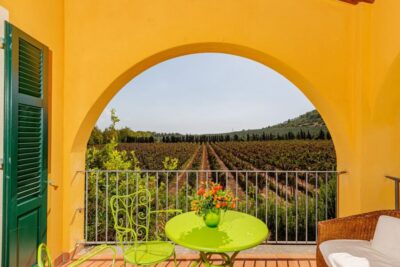
The setting also gives you a quieter contrast to Ostuni’s narrow streets. The farm, olive grove, cafe, and hotel occupy a larger rural property, and you can extend your time with a drink or food afterward. That extra option is useful if you do not want the experience to end as soon as the tasting does.
More Olive Oil Tastings in Italy:
- Olive oil tasting in Sorrento
★ 5.0 · 434 reviews - Alghero: Wine and Olive Oil Tasting at a Local Farm
★ 4.8 · 294 reviews - Ostuni: Masseria tour among thousand-year-old olive trees with oil tasting
★ 4.8 · 261 reviews
Walking beneath trees that may be 2,000 years old
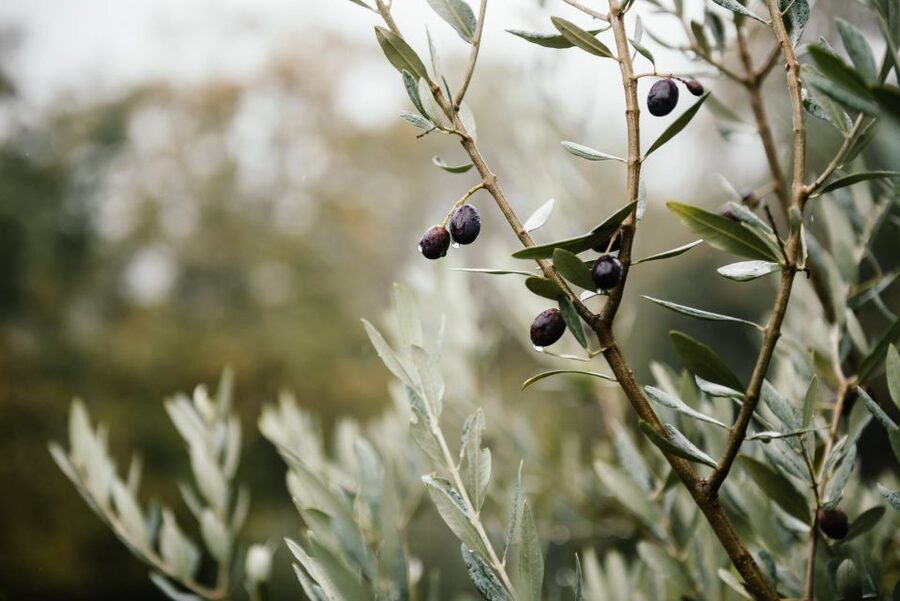
The outdoor walk is the most memorable part for many visitors, and I can see why. The grove contains young trees alongside ancient and millenary specimens, so you can compare a normal olive tree with the enormous, weathered forms that define old Puglian farms.
Some trees are said to have been planted more than 2,000 years ago by veterans of the Punic Wars. Treat that as the farm’s historical tradition rather than a fact you can independently verify during a short visit, but the age and shape of the trees are still striking. Their trunks can look split, hollow, and sculpted by time.
Bring your camera, especially if you enjoy details rather than only wide views. The old trunks, silvery leaves, and rows of trees provide the strongest photo opportunities on the property. The walk is also a chance to hear about the different olives grown at the farm and how age, variety, and harvest affect the finished oil.
Timing can change the feel of this part of the visit. In autumn, you might see the olive harvest underway. One October visit included a close look at harvesting, which added a practical sense of how the process works. At other times of year, the focus is more on the trees, the farm’s past, and the view across the grounds.
You should wear comfortable shoes. The experience involves walking outdoors before entering the historic mill spaces, though no demanding hike is described. In hot weather, a hat and water are sensible additions because the tour takes place partly in the open air.
Inside the 16th-century hypogeum oil mill

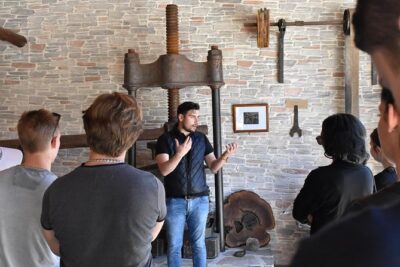
The underground mill is the historical heart of the experience. This hypogeum, dating to the 16th century, shows how olive oil was produced in a space cut below ground. Several visitors have found the old processing floor particularly impressive, and it is easy to understand the appeal.
The underground location was not decorative. It formed part of a practical production system, keeping the work area protected from the elements and close to the stored olives. Your guide explains how oil was pressed in earlier centuries and compares those methods with later and modern production.
This is where the tour becomes more than a scenic walk. You learn that olive oil has grades and production standards, not just different tastes. The explanation can help you understand the difference between virgin and extra virgin olive oil, a distinction that many people use without knowing what it means.
The room may also appeal to anyone interested in old farm technology. It is a physical workplace, not a museum display made only for tourists. You see the scale and character of the old processing floor, which makes the labor behind a bottle of oil easier to appreciate.
The underground section may be less comfortable for anyone who dislikes enclosed historic spaces. The information provided does not specify accessibility, stairs, or the exact route into the mill, so ask the provider if you have mobility concerns. That is especially important because the tour includes both outdoor walking and a below-ground site.
The 19th-century epigean mill and changing production methods
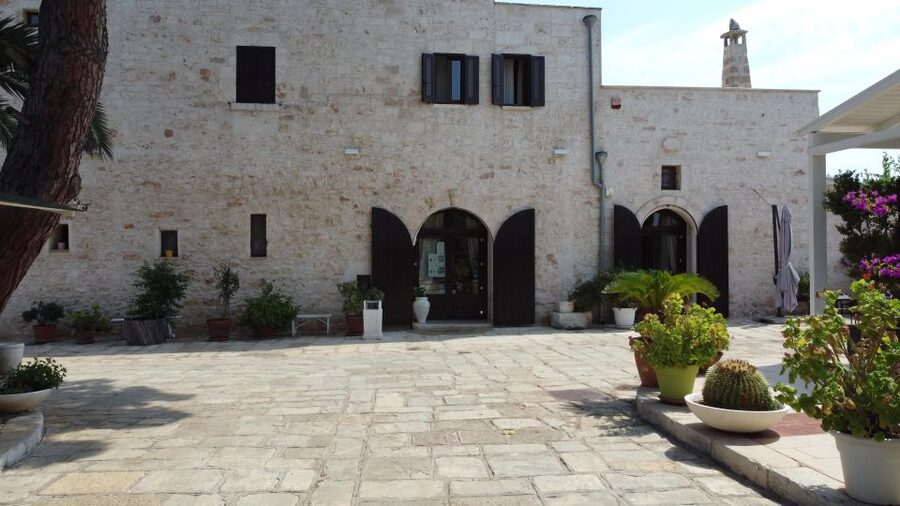
The visit also includes the 19th-century epigean mill. Unlike the hypogeum mill, this one is above ground. Seeing both spaces gives you a simple visual lesson in how farming technology and building design changed over time.
Your guide explains traditional production methods and places them beside more recent techniques. You do not need a technical background to follow the story. The useful point is that the oil you taste at the end comes from a long chain of choices, including olive variety, harvest timing, pressing, and storage.
The contrast between the two mills gives the visit some needed structure. Without it, a tasting could feel like a sales stop. With the old rooms and equipment included, you have a reason to ask why production moved above ground and how modern oil making differs from the work done here in the past.
The quality of the explanation depends partly on your guide and language. English and Italian are offered, and guides named Angela, Carla, and Maria have led past sessions. They have been praised for being friendly, funny, attentive, and clear. One English-language visit was less successful because the guide had difficulty understanding questions, so if detailed discussion matters to you, confirm the language of your departure.
A few more olive oil tours around Italy worth a look
- Sorrento Farm and Food Experience including Olive Oil, Limoncello, Wine tasting
★ 5.0 · 2,524 reviews - Sorrento: Lemon, Olive Oil and Wine Tasting Tour with Lunch
★ 5.0 · 300 reviews - Balestrate: Olive Grove Tour with Wines & Olive Oil Tasting
★ 5.0 · 241 reviews - Bardolino: Vineyard Tour with Wine, Olive Oil & Food Tasting
★ 4.6 · 221 reviews
Tasting three organic oils with Puglian snacks
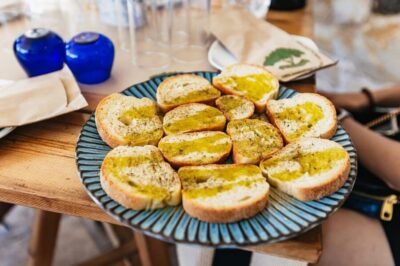
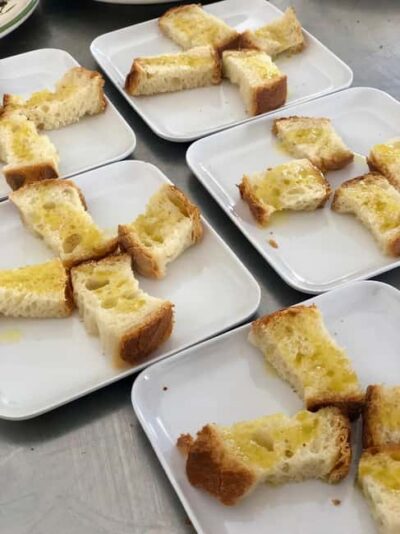
The tasting is not an afterthought. You sample three organic oils and compare their flavor with local foods: olives, tarallini, and fried broad beans. These pairings give you something plain and familiar to eat while you focus on the differences between the oils.
Try the oils slowly rather than treating the tasting as a shot of dressing. Notice which one seems mild, peppery, grassy, or more intense. The exact varieties and tasting notes are not specified, so do not expect a formal wine-style tasting sheet. The value is in learning how to compare oils and how they work with food.
This is also a practical souvenir lesson. After the visit, you may feel more confident choosing extra virgin olive oil in a shop. You learn to think about flavor and production rather than picking a bottle only for its label or attractive shape.
The food included is enough to support the tasting, but it is not a full lunch. One visitor wished there were more oils and lunch options as part of the experience. That is a fair point to keep in mind if you are hungry or hoping for a long farm-to-table meal.
You can often extend the stop with wine or appetizers in the property’s dining room, based on the experience available at the masseria. A cafe and hotel are also on site. Those extras are separate from the included tasting, so plan to pay more if you want to turn the visit into a longer meal.
Is $53 a fair price for one hour?
At $53 per person, this is not the cheapest olive oil tasting in Puglia. If you only want to taste local oil, you can likely find a simpler option at a shop or restaurant. The price makes more sense if you want the trees, farmhouse, underground mill, above-ground mill, guiding, and tasting in one visit.
I would judge the value by your interest in the setting. The ancient grove and hypogeum are the parts you cannot reproduce at a shop counter. You are paying for access to a historic working property and for the explanation that connects the farm to the food.
The timing needs careful attention. The activity information gives a duration of one hour, while the detailed route lists a 1.5-hour stop in Ostuni for the visit, guided tour, photo stop, and tasting. That difference may reflect scheduling language, but it is worth checking before you arrange a tight connection or another Ostuni booking.
No transfer is included. You need to reach Masseria Valente yourself and arrive 15 minutes before the start. This makes the experience easier for visitors with a rental car or a planned local transfer, but less convenient if you are relying on an unplanned taxi ride from Ostuni.
The overall rating is 4.4 from 171 evaluations, with particularly strong praise for the beautiful grounds, the ancient trees, the underground press, and the guides’ explanations. I would not read that as a promise of a perfect departure every time. It does show that the core idea works well when the guide communicates clearly and the schedule leaves enough time.
Who will enjoy this olive oil tour most?
I would recommend it to food lovers who want context with their tasting. If you like knowing how a product was made, the ancient trees and two mills give you much more to think about than a row of tasting glasses.
It also suits history-minded visitors who have already seen Ostuni’s old town and want a rural contrast. The tour links ancient farming, local buildings, changing technology, and present-day food without requiring a full-day excursion.
Photographers should enjoy the grove and masseria. Families may also find the tasting and old machinery approachable, though the exact suitability depends on the ages of children and the route into the underground mill. The provided information does not specify a child policy.
I would be more cautious if you want a long meal, a large range of oils, or a full agricultural workshop. Three oils and several snacks are included, but the experience remains short and focused. Likewise, anyone expecting transport from Ostuni should note that transfers are not part of the price.
The tour is offered in English and Italian. If your questions are central to the experience, confirm the guide language in advance rather than assuming every departure will suit your preferred language equally well.
Practical planning for a smooth visit
Arrive 15 minutes early at Masseria Valente. Since the meeting point is the farm itself and transport is excluded, allow extra time to reach the property and avoid scheduling another activity immediately afterward.
Wear shoes suitable for a walk through an olive grove and bring sun protection in warm weather. The tour moves between open grounds and historic mill areas, so comfort matters more than dressing up.
If you visit during olive harvest season, usually reflected in the October experiences described, you might see the work in progress. That can add a useful seasonal detail, but it is not guaranteed. Outside harvest time, the focus remains on the trees, the mills, and the tasting.
Free cancellation is available up to 24 hours before the activity for a full refund, and you can reserve now while paying later. These terms help if your Ostuni plans are still shifting, but they do not remove the need to arrange your own transport.
Should you book the Masseria Valente experience?
Book it if you want to understand Puglia through one of its most important foods. The strongest reasons are specific: the ancient olive grove, the 16th-century underground press, the 19th-century mill, and the chance to compare three organic oils with local snacks.
Skip it if your main goal is a substantial meal, a long tasting, or the lowest possible price. At $53, the visit earns its cost through the place and the story, not through the amount of food.
For most visitors with a spare hour or so near Ostuni, I think it is a worthwhile addition, provided you confirm the actual duration, guide language, and transport plan. It gives you a grounded look at rural Puglia and leaves you with a better sense of what is in the bottle when you pour olive oil over your next meal.
FAQ
Where does the olive oil tour begin?
The tour begins at Masseria Valente. You should arrive 15 minutes before the activity starts.
How long does the experience last?
The activity is listed as one hour. The detailed schedule describes about 1.5 hours for the visit, guided tour, photo stop, and tasting, so confirm the exact timing when booking.
Is transportation to Masseria Valente included?
No. Transfers are not included, so you must arrange your own way to the meeting point.
Which languages are available?
The tour is offered with a live guide in English or Italian.
What food and drink are included?
The tasting includes three organic olive oils, olives, tarallini, and fried broad beans. A full lunch is not included.
Can I cancel for a full refund?
Yes. You can cancel up to 24 hours before the activity for a full refund. You can also reserve now and pay later.
Just added around Italy
- Vernazza (5 Terre): olive grove tour and oil and wine tasting★ 5.0 · 9 reviews
- Trevi: Guided tour and tasting at Frantoio Gaudenzi★ 5.0 · 3 reviews
- Trieste’s Essence: Wine and Olive Oil Tasting★ 5.0 · 3 reviews
- Umbria: E-Bike Rental and Fresh EV Olive Oil Tasting★ 5.0 · 4 reviews
- Valpolicella Wine and Olive Oil Tasting with Lunch from Verona★ 5.0 · 2 reviews
- Half-Day Chianti Wine and Olive Oil Tour from Viareggio★ 4.0 · 5 reviews
- Umbria: Guided tour to Traditional Olive Oil Mill and Tasting★ 5.0 · 2 reviews
- From Venice: Olive Oil & Wine Tour in the Venetian Hills★ 5.0 · 9 reviews
Olive Oil Tastings, compared.
The Governor’s Olive Mill Tour with Olive Oil Tasting
Read our review →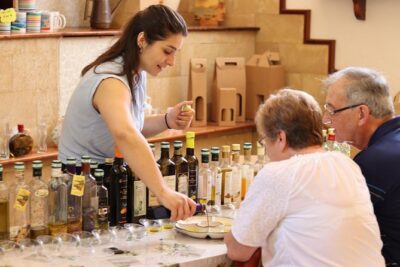
Masseria tour among thousand-year-old olive trees with oil tasting
Read our review →
Olive Grove Tour with Wines & Olive Oil Tasting
Read our review →
Bardolino: Lake Garda Oil Mill Tour with Olive Oil Tasting
Read our review →
Guided tour and olive oil tasting in Alhaurin el Grande (Málaga)
Read our review →Browse the lists this tour appears in