
REVIEW · CRETE
From Chania: Wine and Olive Oil Tasting Tour with Snacks
Crete’s oldest olive tree is only part of the appeal here. This six-hour outing takes you from Chania into the hills of Kissamos, where family wineries, olive groves, and a working oil factory show you how central these products are to island life. You taste local grapes such as Vidiano and Muscat of Spina, along with several international varieties.
I like the mix of stops: you get real production details instead of a tasting room alone, then a quiet village visit and one of Crete’s great living relics. I also like the guides, especially Andreas, Alex, Kostas, and Nikos, who are praised for explaining local culture as well as wine and olive oil. The main drawback is price: at $141 per person, it is not a cheap half-day outing, and one meal-sized snack stop may feel light if you expect lunch.
Key points at a glance
- Two family wineries: Taste local white grapes, red blends, and international varieties in welcoming, small-scale settings.
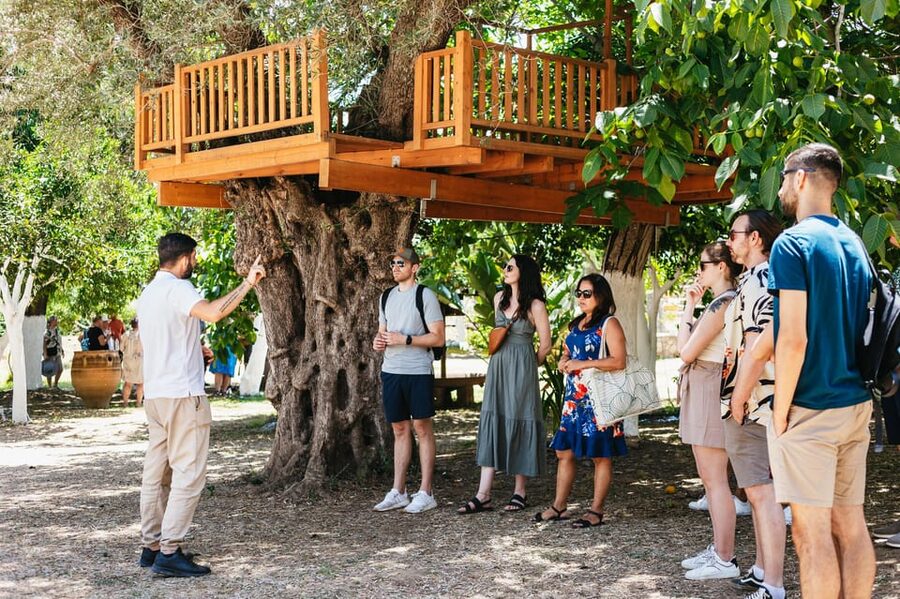
- A 3,000-year-old olive tree: Stop in a traditional village to see an ancient tree with a remarkable connection to Cretan farming.
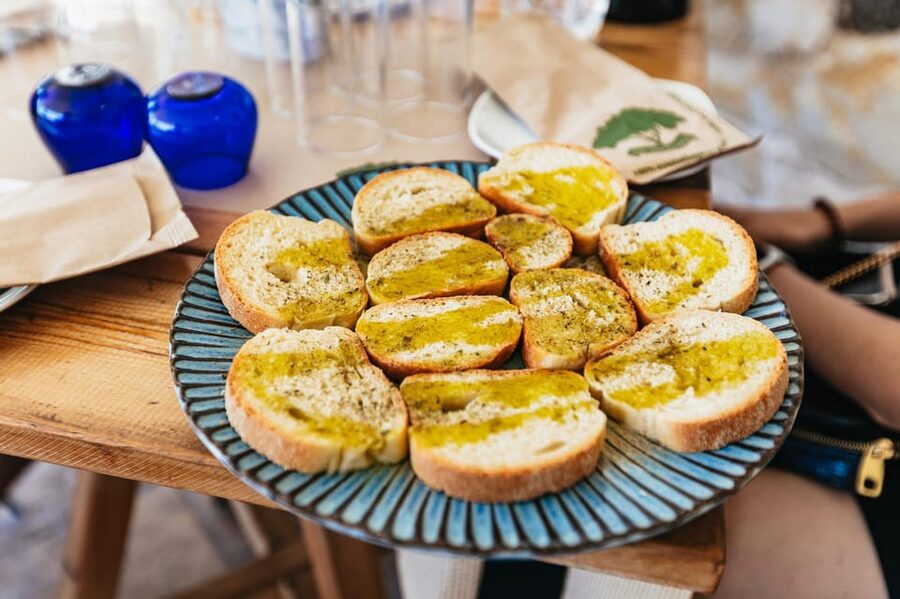
- An olive oil factory visit: Learn how extra virgin olive oil is made, then compare several oils with local foods.
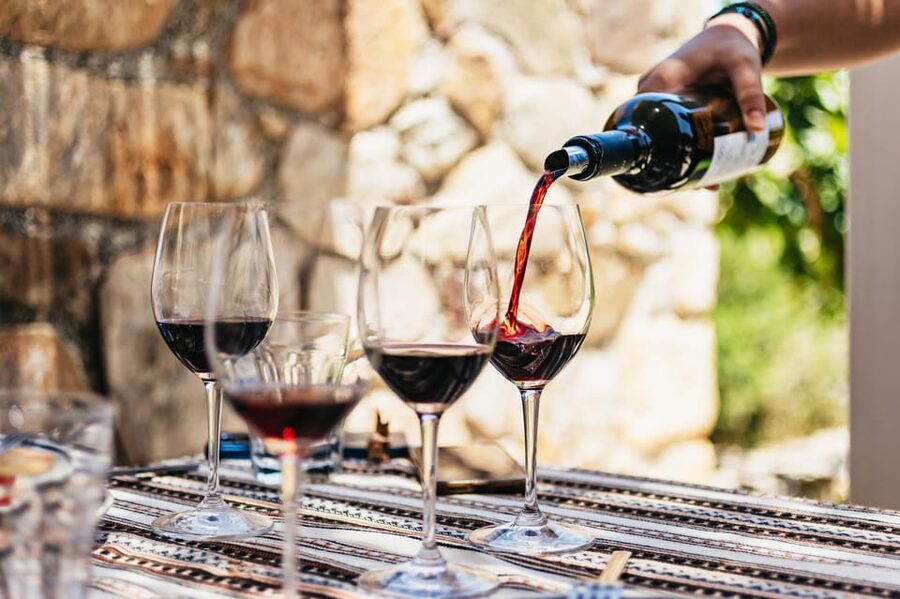
- About ten wines: The tastings can include five wines at each winery, with generous pours noted by several participants.
- Air-conditioned transport from Chania: Pickup and return are included from specific locations in the Chania region.
- A social, easygoing day: This suits couples, solo visitors, and anyone who wants countryside scenery without renting a car.
Leaving Chania for the hills of Kissamos
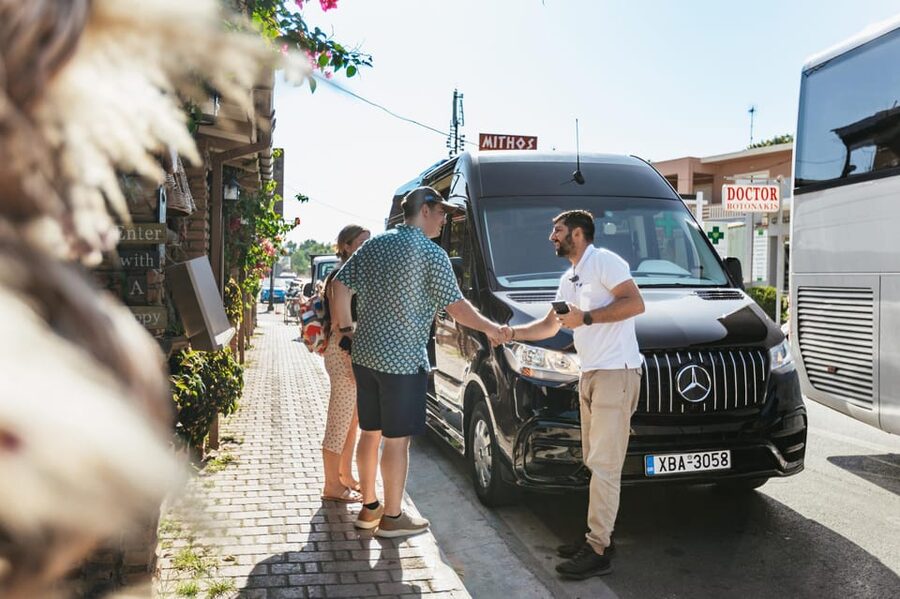
Pickup begins 30 to 60 minutes before the stated departure time, so your morning starts with a little waiting and coordination. The exact pickup point matters, particularly if you are staying outside central Chania. One participant found the assigned point inconvenient, but the company changed it after a message, so it is worth checking your location early.
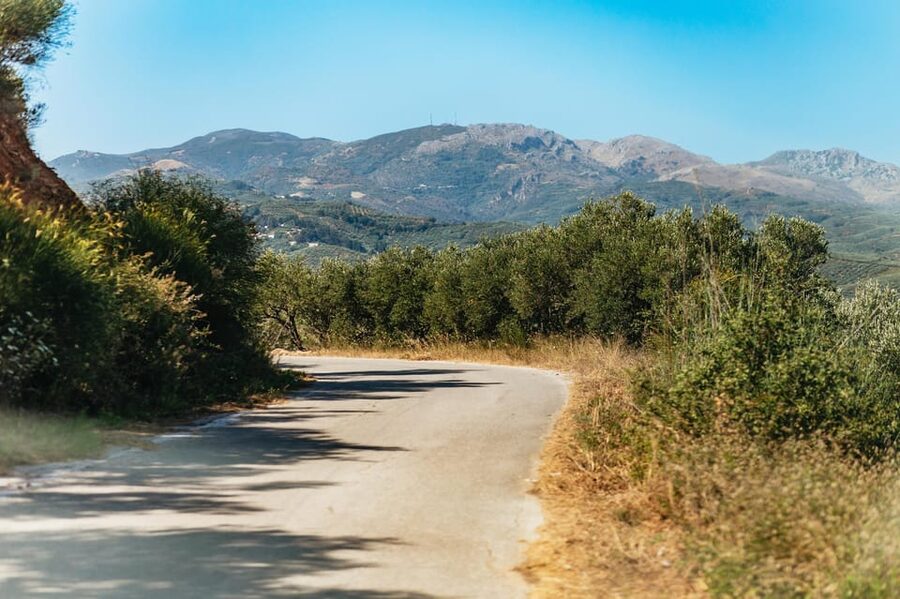
Once everyone is aboard, you leave the city and head toward the Kissamos region. The ride is part of the experience, not just a transfer. You pass olive groves, mountain roads, and rural villages while your guide fills in the story of Crete’s farming traditions.
The guide also shapes the day. Andreas appears often in the feedback, sometimes working as a sommelier as well as driver and host. Alex, Kostas, Nikos, and Thanassi are also praised for being friendly, funny, and well informed about Cretan culture. The company may assign someone else, but you can expect an English-speaking guide who handles the driving and commentary.
The vehicle is air-conditioned, which matters in the summer heat. Several people describe the transport as comfortable, and one specifically mentions a Mercedes van. The official description calls it an air-conditioned bus, so the exact vehicle can vary. Either way, you are not left navigating narrow country roads yourself after a day of wine tasting.
More Olive Oil Tastings in Crete:
- Olive Oil Tasting Tour
★ 5.0 · 195 reviews - Crete: Richtis Waterfall Full-Day Tour with Olive Tasting
★ 4.8 · 188 reviews - Cretan Cooking Class and Olive Oil Tasting
★ 5.0 · 178 reviews
The first winery and Crete’s native grapes
The first winery is a family-run operation established in 1993. That gives the visit a useful balance. You are not touring a grand industrial estate, but you are also not looking at a purely amateur setup. The focus is on how a working family business handles local grape varieties, modern farming, and wine production.
This is where the tasting usually begins in earnest. The wines can include Vidiano and Muscat of Spina, two local varieties worth paying attention to if you mostly know Greek wine through the familiar Assyrtiko of Santorini.
Vidiano is a Cretan white grape with fresh, rounded character. Muscat of Spina offers a more fragrant style. The tasting may also include Grenache rouge, Syrah, and Mourvèdre, showing how international grapes take on a different character in Cretan soil and weather.
Expect several wines rather than a single token sample. The full day can include about ten wines in total, with five at the first winery and another five later. This is generous for a tour that also includes food and olive oil, so pace yourself. You do not need to finish every glass to learn from the tasting.
The setting is part of the pleasure. Reviews describe the vineyards as beautiful and atmospheric, with hosts who explain their products without turning the visit into a hard sales pitch. You can buy bottles if you find something you like, but the sales approach appears low-pressure. That is a small detail, yet it makes the tasting feel more like a visit to a working producer and less like a shop with a lecture attached.
The ancient olive tree in the village

After the first tasting, the tour moves to a traditional village and an olive tree estimated to be 3,000 years old. The tree is often described as the oldest in the world, though the wording used for ancient trees can vary by source. The useful point is simpler: you are looking at a living olive tree with an extraordinary age, not a modern monument built to imitate the past.
This stop gives the day some breathing room. After several wines, you can walk around, take photographs, and listen to the guide explain older methods of olive cultivation and oil making. The setting is quiet, and the visit connects the modern wineries with the farming practices that shaped Cretan life for centuries.
I would not book this tour only for the tree. The stop is relatively brief, and the tree itself is not a full museum visit. But it adds context that a wine tasting alone cannot provide. Olive oil is not merely a condiment in Crete. It is tied to family land, village work, cooking, trade, and daily meals. Seeing an ancient tree makes that connection more tangible.
Wear shoes you can walk in comfortably. The tour includes vineyards, village paths, and olive-growing areas rather than a series of indoor rooms.
Seeing how extra virgin olive oil is produced
The olive oil factory is one of the strongest parts of the day. Here, you learn how olives become extra virgin olive oil and then taste several local products. The exact machinery and presentation can vary, but the visit includes a production explanation followed by sampling.
A good oil tasting is more than dipping bread into oil. You may compare oils by smell, bitterness, fruitiness, and the peppery sensation that can linger in the throat. The guide or factory host explains what you are tasting, so you can begin to separate fresh, lively oil from bland supermarket oil.
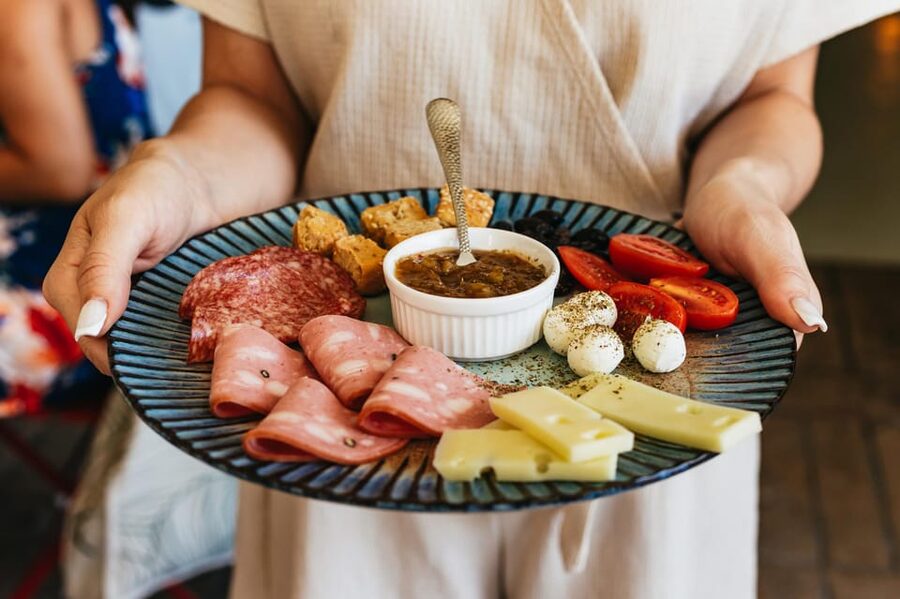
Local foods accompany the samples. The included food is described as light lunch or snacks, with cheese and other local products appearing in some tastings. Vegetarian and vegan needs have been accommodated when communicated in advance, but you should state dietary requirements before the tour rather than assume the spread will suit you.
Several people bought bottles to take home. That makes sense if you enjoy the tasting, but remember that olive oil is liquid and must fit your luggage plans. The staff are described as welcoming and informative, with no pressure to buy. You can simply taste, learn, and continue.
This stop also helps justify the price. A standard winery visit might give you samples and a sales pitch. Here, the olive oil factory adds another specialist visit, another set of tastings, and a practical look at a product most people use every day without knowing much about its production.
More Olive Oil and Wine Tours in Crete:
- From Chania: Olive Oil, Wine, Cheese & Honey Tasting Tour
★ 4.6 · 490 reviews - Crete: Full-Day Cretan Wines, Olive Oil, Raki and Food Tour
★ 5.0 · 264 reviews - Cretan Wines & Olive oil tour – The treasures of Crete
★ 5.0 · 147 reviews - Rethymno: Private Winery & Olive Oil Tasting Tour with Lunch
★ 5.0 · 56 reviews
The second winery and the fuller tasting
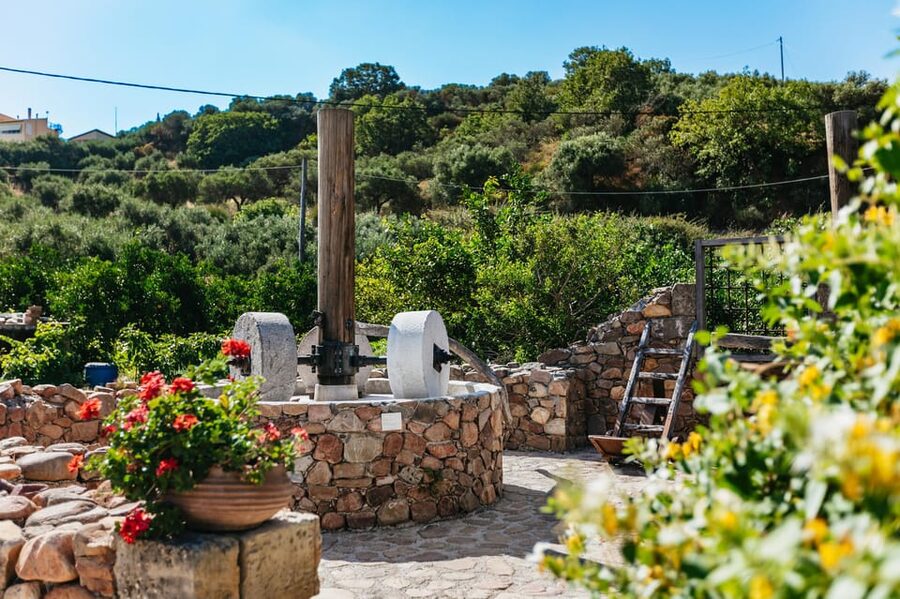
The second winery lies in the Kissamos area and presents a different wine experience. Here you may taste a local white blend made with Vilana, Vidiano, and Assyrtiko. The combination lets you compare Cretan grapes with a variety strongly associated with another Greek island.
The second stop is often described as especially scenic and atmospheric. You stroll through vineyards, sit down for more wine, and eat the included snacks or light meal. Local cheese and other small dishes help make this feel like a proper pause rather than a rushed standing tasting.
The order works well. By this stage, you have already heard about olive cultivation, seen the ancient tree, and tasted wine at the first producer. The second winery becomes a place to relax, compare notes, and enjoy the setting.
Food quantity is the one point to keep in mind. Most descriptions call the meal delicious, but at least one person wanted more food to balance the amount of wine. I would eat a sensible breakfast and avoid treating the snacks as a guaranteed full lunch. If you have a large appetite, carry a small extra snack, provided the operator allows it.
The group atmosphere can add to the fun. Reports describe friendly small groups, and solo visitors have found it easy to meet people during the tastings. Still, group chemistry is never guaranteed. If you prefer a private wine consultation or a slow meal with no social element, a private tour may suit you better.
Ending with Tsikoudia
Before returning to Chania, you learn the Cretan way to say goodbye: a small glass of Tsikoudia. This clear grape spirit is a traditional local drink, usually served as a warm gesture of hospitality.
It is a fitting end to the day, but it also deserves caution. You may already have tasted close to ten wines, so do not feel obliged to drink a full measure. Ask for water, take your time, and let the driver handle the roads. Children and anyone under 18 are offered water or fresh orange juice instead of alcohol.
The return to Chania completes a day that combines scenery, food, farming, and drink. You are usually back around the afternoon, though the exact timing can shift. Weather can also lead to minor changes in the schedule.
Is $141 a fair price?

At $141, this is a premium day trip by Chania standards. The price includes pickup and return from specified Chania-area points, an air-conditioned vehicle, an English-speaking guide, entrance fees, wine tastings, olive oil tasting, and snacks or a light lunch.
The value depends on what you would otherwise arrange yourself. If you rent a car, you could visit wineries more cheaply per person, but someone in your group must drive after tasting wine. You would also need to research producers, arrange visits, find the ancient olive tree, and handle rural directions.
For you, the tour is good value if you want a complete day with no planning and no alcohol-related driving problem. It is less attractive if you only want one winery, if you do not drink, or if you expect a substantial restaurant lunch.
The service is strongest when the guide is active and personal. Andreas, Alex, Kostas, Nikos, and other named guides receive praise for their local stories, driving, and ability to explain wine and olive oil in plain language. The most useful guides do not simply transport you between stops. They connect the products to Cretan life.
Who should book this Chania wine tour?
I would recommend it to couples, food-focused visitors, solo visitors, and first-time wine tasters who want a gentle introduction to Greek wine. You do not need advanced tasting skills. The hosts explain the wines and oils, and the atmosphere is informal enough for beginners.
It also works well for anyone who has spent several days on Chania’s beaches and wants to see the countryside. The olive groves and hills offer a different view of the island, and the old tree adds a memorable cultural stop.
Families can join, but children must be accompanied by an adult and cannot take part in wine tasting. They receive water or fresh orange juice instead. Unaccompanied minors are not allowed.
I would think twice if you want a full meal, dislike group outings, or have little interest in wine and olive oil. The day is built around tasting, so the value drops quickly if those are not your interests.
Practical advice before you go
Bring your passport or ID card, as required. Wear comfortable shoes for the vineyard and village walks, and bring sun protection for outdoor stops.
Eat breakfast, especially if you tend to feel alcohol quickly. The snacks are well regarded and may include local cheese, but the meal is described as light rather than a large lunch.
Tell the operator about dietary needs in advance. Vegetarian and vegan food has been arranged before, but it should not be left until the day of the tour.
Check the pickup point carefully. Pickup can begin 30 to 60 minutes before departure, and the available locations are specific to the Chania region. The activity is offered in English.
Cancellation is flexible up to 24 hours before departure for a full refund, and you can reserve now and pay later. Weather may cause small program changes without advance notice.
Should you book it?
Book this tour if you want a well-organized introduction to Cretan wine and olive oil, with countryside scenery and a guide handling the roads. The two wineries, factory visit, ancient olive tree, local snacks, and final Tsikoudia create a fuller day than a basic tasting appointment.
I would not choose it for a serious wine collector seeking a private, technical tasting, or for anyone expecting a large restaurant lunch. For most visitors staying in Chania, though, the combination is strong. You get local products, family-run businesses, practical food culture, and a chance to see more of western Crete without renting a car.
FAQ
How long does the Chania wine and olive oil tour last?
The tour lasts six hours, including transportation between Chania, the Kissamos region, the wineries, the olive oil factory, and the village with the ancient olive tree.
Is pickup from Chania included?
Yes. Pickup and drop-off are included from specific locations in the Chania region. Pickup begins 30 to 60 minutes before the stated departure time.
Which wines might I taste?
The tasting can include local Vidiano, Muscat of Spina, and Vilana, as well as Assyrtiko, Grenache rouge, Syrah, and Mourvèdre. The day may include about ten wines across two wineries.
Is food included?
Yes. Light lunch or snacks are included, along with local products such as cheese at some tastings. Vegetarian and vegan food can be accommodated if requested in advance.
Can children join the tour?
Children may join when accompanied by an adult. Alcohol tasting is not allowed for anyone under 18, so children are offered water or fresh orange juice instead. Unaccompanied minors are not allowed.
What should I bring?
Bring a passport or ID card. Comfortable walking shoes are also sensible because the day includes vineyards, village areas, and outdoor olive-growing sites.
Can I cancel the booking?
You can cancel up to 24 hours in advance for a full refund. The reserve-now, pay-later option is also available, and the operator may make minor changes if weather conditions require it.
Just added around Crete
- 1 hour and 30 minutes wines and olive oil tasting in Greece★ 5.0 · 2 reviews
- Crete in a Day: Knossos, Soap Workshops, Olive Oil & Wine Tasting★ 5.0 · 5 reviews
- Traditional Olive Oil Making at Spiridi Olive Oil Farm – Crete★ 5.0 · 3 reviews
- Full Day Spinalonga Elouda Agios Nikolaos Olive factory Tour★ 4.5 · 5 reviews
- PRIVATE Workshop ESSENTIAL OILS & OLIVE OIL Factory with TASTING★ 5.0 · 5 reviews
- Guided Tasting of 3 Extra Virgin Olive Oils at Douloufakis Winery★ 5.0 · 2 reviews
- Shore Escape: Chania, Monastery & Olive Oil Tasting★ 5.0 · 6 reviews
- Private Guided Tour to Lasithi Plateau Villages & Olive Oil Mill★ 5.0 · 5 reviews
Olive Oil Tastings, compared.

The Governor’s Olive Mill Tour with Olive Oil Tasting
Read our review →
Masseria tour among thousand-year-old olive trees with oil tasting
Read our review →
Olive Grove Tour with Wines & Olive Oil Tasting
Read our review →
Bardolino: Lake Garda Oil Mill Tour with Olive Oil Tasting
Read our review →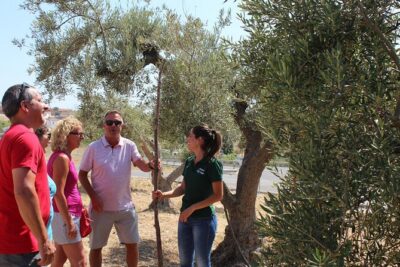
Guided tour and olive oil tasting in Alhaurin el Grande (Málaga)
Read our review →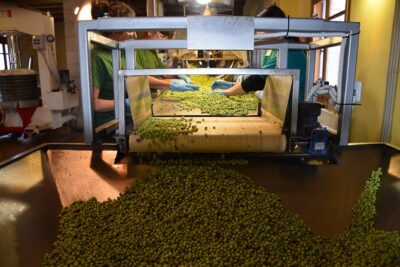
Browse the lists this tour appears in