
REVIEW · SEVILLE
Olive Oil Tasting and Culinary Day Trip in Carmona
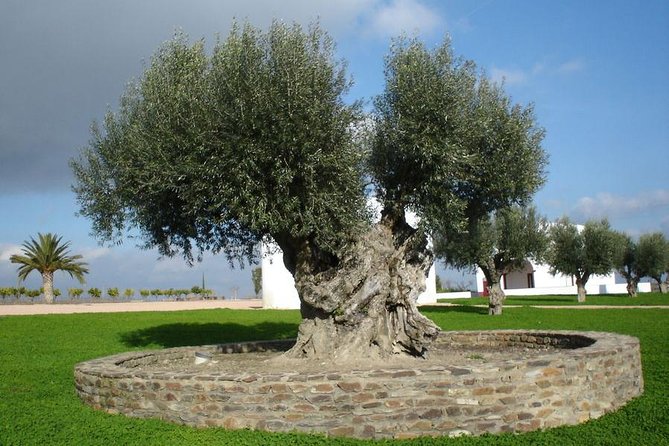
The best part of this Seville day trip is the change of pace. You leave the city for an olive oil estate, meet the people who make the oil, and learn why a bottle of extra virgin oil is more than a souvenir. Then you visit Carmona, a hilltop town with Roman remains, old gates, churches, and fine views across southern Spain.
I like the personal scale, with a maximum of eight people and hotel pickup in an air-conditioned car. I also like the chance to taste oil directly after learning how it is produced, followed by a guided walk through Carmona with guides such as Carlos, who has been praised for his patience and care. The main drawback is the fixed, non-refundable booking policy, and food or drinks are not included unless specifically stated.
Key points to know before booking
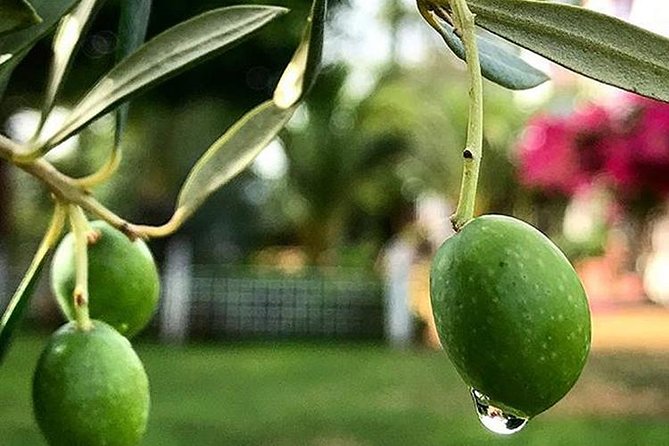
- Olive oil is the main event: You tour the production process, meet the makers, and sample the finished oil.
- Carmona adds real historical depth: The route includes a Roman necropolis, an ancient gateway, churches, a palace, and a central square.
- Small groups make a difference: The maximum group size is eight, with private arrangements possible according to the supplied experience details.
- Carlos may be your guide: He has been singled out for attentive, patient guiding and for finding a good lunch stop.
- Plan for walking: Comfortable shoes matter, even though the tour uses a vehicle between Seville and Carmona.
- Budget beyond the tour price: The $313.35 fee includes transport, guiding, the Carmona visit, and olive oil tasting, but food and drinks are generally extra.
Why the olive oil visit is worth your day
Andalusia is one of Spain’s great olive oil regions, but a supermarket tasting rarely tells you much. Here, you get a direct look at how the oil is made and how professionals assess it. That link between production and tasting is the reason I would choose this excursion over a simple countryside drive.
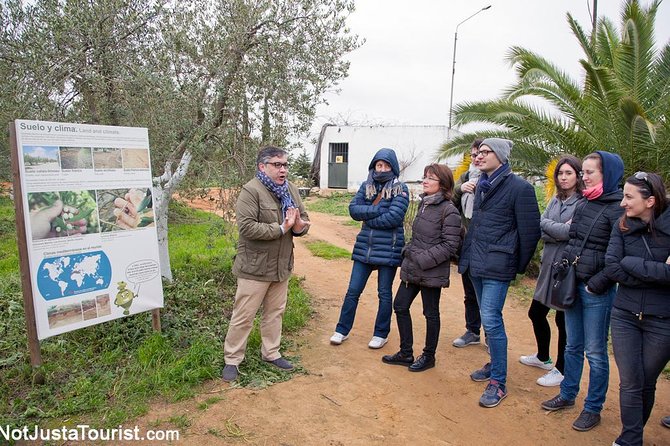
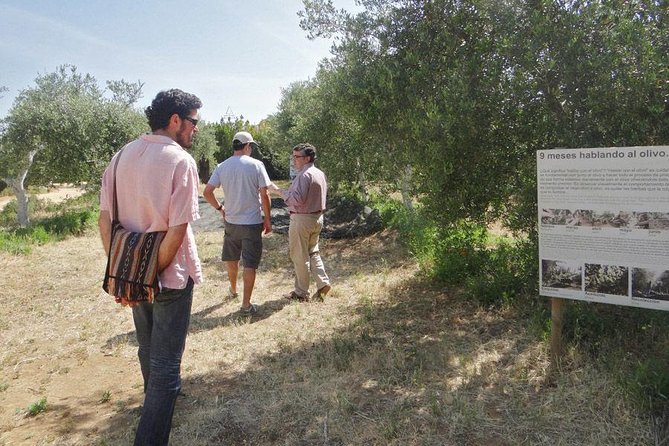
You meet the olive oil makers and learn about the process from people close to the work. At the estate called Basilippo, the tasting is led by one of the lead tasters. That detail matters: you are not simply handed a few bottles and told which one to like. You get guidance on what you are tasting and why the oils differ.
The tasting also gives the day a clear focus. Carmona is appealing on its own, but the olive oil visit is the experience’s most distinctive feature. You leave Seville with a better sense of how a central Andalusian food is produced, judged, and enjoyed.
You should keep your expectations practical. The available details do not promise a full cooking class or a large meal at the estate. The included feature is olive oil tasting, while food and drinks are not included unless specified. A restaurant lunch may be arranged during the Carmona portion, but you should budget for it.
More Olive Oil Tastings in Spain:
- Guided tour and olive oil tasting in Alhaurin el Grande (Málaga)
★ 5.0 · 200 reviews - Visit of the olive grove, olive oil tasting and snack
★ 4.9 · 111 reviews - Visit Oil Mill Museum and Olive Oil Tasting in Ronda
★ 4.5 · 105 reviews
Leaving Seville in a small group
The tour begins at about 9:00 am and lasts roughly eight hours. Hotel pickup and drop-off are included, which removes the need to find a meeting point outside the center or arrange separate transport to Carmona.
The vehicle is described as a comfortable air-conditioned car. That is useful in southern Spain, especially during warmer months, and the small group limit of eight should make the ride less tiring than a large coach. Transfer times are approximate, since traffic and the time of day can change the schedule.
The small group format also affects the guiding. You can ask questions without trying to catch a guide’s attention across a crowded bus. If your booking is arranged as a private tour, the experience can be even more flexible. One couple booked privately with Carlos, and the format allowed him to be patient with their questions and adjust the day to their pace.
Tours can be customized according to your preferences. That does not mean every request is guaranteed, but it is worth raising any needs when booking. If children are coming, provide their ages in advance. A baby booster costs 25 euros.
Stop 1: Carmona’s Roman Necropolis
The Roman Necropolis is the most ancient stop on the route. You have about 10 minutes listed here, with admission included at no extra charge.
A 10-minute stop is enough for an introduction and some photographs, but not for a long archaeological visit. Think of this as a compact historical stop that helps explain Carmona’s age and importance. Your guide can provide the context that a quick look at the remains cannot.
This is also where the day moves beyond food. You are not only visiting an olive estate and a pretty old town. You are seeing physical evidence of the Roman presence in the area, then moving through later buildings shaped by other periods of Spanish history.
Because the walking time at each listed stop is short, listen closely to the guide. The value is likely to come from the explanation and the connection between sites, rather than from spending a long time inside one monument.
Stop 2: Alcázar del Rey Don Pedro
The Alcázar del Rey Don Pedro is one of the stops that gives Carmona its strong medieval character. The name refers to King Peter, and the site adds a royal and defensive note to the town’s story.
The listed visit lasts about 10 minutes. That is brief, so you should not expect a full palace tour or a long independent exploration. Instead, the guide can point out what makes the building important and explain how Carmona’s rulers used the town’s strategic position.
I like having this stop alongside the Roman Necropolis. In a few minutes, the day moves from Roman burial customs to royal power and medieval control. That compact contrast helps you understand Carmona as a town shaped by several rulers, not just as a backdrop for photographs.
More Day Trips in Spain:
- 1 Day Rhodes Island Tour including Lindos and Medieval City
★ 4.0 · 82 reviews - Wine & Olive Oil tasting one day private tour in Crete
★ 5.0 · 2 reviews
Stop 3: Church of Santa Maria
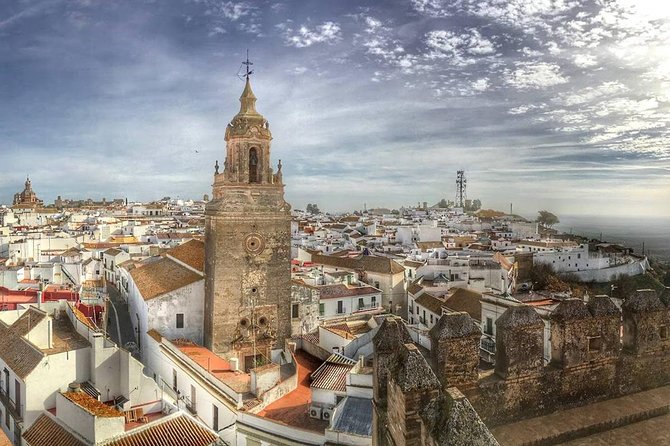
The Church of Santa Maria brings the route into Carmona’s religious history. The stop is listed at about 10 minutes, so your visit will be focused rather than leisurely.
A short church stop works well if you want an overview of the town without spending the whole day inside monuments. Your guide can identify the church’s place in the town and help you notice details you might otherwise pass without a second look.
The trade-off is simple: anyone hoping for a detailed art-history visit may find the timing too tight. If your main goal is to see many parts of Carmona while still making the olive oil visit the center of the day, the short format keeps the schedule moving.
Stop 4: Plaza de San Fernando
Plaza de San Fernando is the town’s public meeting space and one of the easiest places to understand Carmona as a living town, rather than a collection of monuments.
The stop lasts around 10 minutes. Use it to get your bearings, take in the surrounding buildings, and listen as your guide connects the square with the town’s past. The square also gives you a pause between enclosed historical sites.
I appreciate stops like this because they allow you to see how local life fits around the old architecture. You may find the experience more enjoyable if you resist treating every stop as a formal museum visit. The point is to build a picture of Carmona through streets, squares, gates, churches, and remains.
Stop 5: Puerta de Cordoba
Puerta de Cordoba is one of Carmona’s historic entrances. Gates tell you a great deal about an old town: who controlled access, how visitors entered, and how the settlement connected with other parts of the region.
The planned stop is about 10 minutes. That gives you time to see the gate and hear its story, but not to linger for a detailed architectural study. The guide’s explanation is especially useful here because a gate can look like a simple structure until you understand its defensive and symbolic role.
This stop also makes sense in relation to the Roman Necropolis. One site shows the town’s ancient past outside its walls, while the gate shows how later generations shaped movement through the town.
Stop 6: Iglesia de San Pedro
The final listed Carmona stop is Iglesia de San Pedro, another church that adds to the town’s religious and architectural character. Again, the time is about 10 minutes.
Six short stops might sound rushed, but they create a broad introduction to Carmona. You see ancient remains, royal architecture, religious buildings, a civic square, and a historic entrance. The day is designed for range rather than a single long museum visit.
If one site catches your interest, ask Carlos or your guide whether the schedule can be adjusted. The tour can be customized, although the available details do not promise extra time at every stop.
Lunch, tapas, and the cost of the day
The tour description refers to tapas and beverages as part of the day’s pleasures, but the formal inclusions specify olive oil tasting, the guided Carmona visit, transport, and hotel pickup and drop-off. Food and drinks are not included unless specified.
That distinction matters when you assess the $313.35 price. You are paying for a full day with a private-feeling vehicle, a driver-guide, door-to-door transport, the olive oil experience, and a guided visit to Carmona. You are not paying for an all-inclusive food tour.
Carlos has been praised for finding a good restaurant for lunch and for giving a history lesson about Carmona and its rulers. That makes lunch planning easier, but you should still expect to pay for your own meal unless your booking states otherwise.
For two people who value convenience and direct guiding, the price may make sense. You avoid arranging transport, researching an olive estate, and planning a Carmona route yourself. For a solo visitor or a larger family, the cost may feel high, especially once lunch and other drinks are added.
Group discounts are offered, but the amount is not given. Check the final price for your party before booking. Since the tour is limited to eight people, you are buying access to a small-format day rather than a budget coach excursion.
What the guides add
The guide can make or break a day that includes several brief stops. Carlos is the named guide connected with the supplied experience details, and his strengths are clear: patience, attentiveness, local history, and the ability to help with lunch arrangements.
That matters because the schedule is not built around long, self-guided visits. You rely on the guide to explain why the Roman Necropolis matters, connect the Alcázar with Carmona’s rulers, and give meaning to churches, gates, and squares.
At Basilippo, the olive oil portion is guided by one of the lead tasters. You therefore get two kinds of explanation during the day: the specialist view of the oil itself and the broader regional story provided by your driver-guide.
The experience is offered in English. If you want a private setup, ask about it before booking rather than assuming the standard arrangement will be private.
Walking, timing, and practical comfort
A moderate amount of walking is involved. Wear comfortable walking shoes, even though the vehicle handles the longer transfers. Carmona’s historic center includes streets and monuments, and the repeated short stops mean you will be getting in and out and moving between sites.
The schedule begins at 9:00 am and runs for about eight hours. Transfer times can change with traffic, so do not plan a tight evening commitment immediately afterward. Hotel pickup and drop-off make the start and finish simple, but the exact pickup details should be confirmed when you book.
Most people can participate. The supplied information does not list a special access arrangement for every stop, so anyone with mobility concerns should ask about the walking route and individual sites before paying.
The tour is suitable for children, but you must state each child’s age when booking. A baby booster costs 25 euros. That extra charge is easy to overlook, so include it in your family budget.
Who should book this Carmona day trip
I would choose this tour if you want three things in one day: a regional food experience, a guided historic town visit, and simple transport from Seville.
It suits people who prefer explanation to independent wandering. You will have a guide for the olive oil process and Carmona, and the small group can make questions easier. It also suits anyone who wants to meet producers rather than only buy a bottle in a shop.
The tour is less suitable if you want a slow, detailed archaeological day. The Carmona stops are listed at roughly 10 minutes each, and the olive oil visit is the main feature. It is also not the best match if you need a low-cost outing or want meals fully covered in the price.
Families can take part, provided they share children’s ages and arrange the required booster if needed. Couples may especially value a private version, while small groups can ask about group discounts.
Should you book it?
Book this experience if olive oil interests you and you want Carmona presented by a guide rather than tackled alone. The strongest reasons are the meeting with the oil makers, the specialist tasting at Basilippo, the small group size, and the chance to have Carlos guide the historical portion.
Before paying, confirm the pickup details, whether your booking is private or shared, what food and drinks are included, and the cost of any child booster. Since the booking cannot be refunded or changed, this is a day to reserve only when your Seville schedule is firm.
If those conditions suit you, the experience offers a useful mix: local food, Roman remains, royal history, churches, and an easy ride back to your hotel. It is a full day, but the subjects change often enough to keep it from feeling like one long monument tour.
FAQ
Where does the tour begin?
The tour begins with pickup in Seville at about 9:00 am. Hotel pickup and drop-off are included.
How long does the experience last?
The experience lasts approximately eight hours. Transfer times can vary with traffic and the time of day.
Is the tour offered in English?
Yes. The experience is offered in English.
How many people can join the tour?
The maximum group size is eight people. Private tours may also be arranged, and the tour can be customized according to your preferences.
Is olive oil tasting included?
Yes. Olive oil tasting is included, along with the olive oil visit and guided tour of Carmona.
Are lunch, tapas, and drinks included?
Food and drinks are not included unless specified. Lunch may be arranged during the Carmona visit, but you should confirm what your booking covers.
Can children join the tour?
Most people can participate, and children can join. You must provide each child’s age when booking. A baby booster costs 25 euros.
Just added around Spain
- XXI Century Olive Oil Mill Tour★ 5.0 · 3 reviews
- Visit to an olive oil mill and oil tasting with aperitif and food and wine pairing.★ 5.0 · 2 reviews
- Ulldecona: Guided Tour of the Millenary Olive Trees of Arión★ 5.0 · 2 reviews
- Treurer: Tapas Gourmet and Extra Virgin Olive Oil★ 4.7 · 3 reviews
- Olive Oil and Winery Tour from Zaragoza City★ 5.0 · 4 reviews
- Olive Oil Private Full-Day Tour with Tasting in Valencia★ 5.0 · 2 reviews
- Olive Oil Factory from Seville Private Tour★ 5.0 · 2 reviews
- Olive Oil Tasting Experience in Sevilla★ 5.0 · 2 reviews
Olive Oil Tastings, compared.
The Governor’s Olive Mill Tour with Olive Oil Tasting
Read our review →
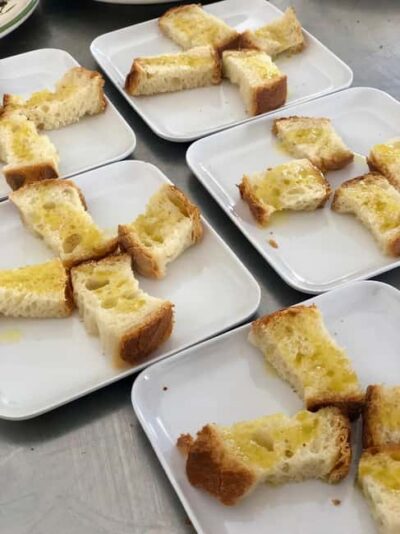
Masseria tour among thousand-year-old olive trees with oil tasting
Read our review →
Olive Grove Tour with Wines & Olive Oil Tasting
Read our review →
Bardolino: Lake Garda Oil Mill Tour with Olive Oil Tasting
Read our review →
Guided tour and olive oil tasting in Alhaurin el Grande (Málaga)
Read our review →Browse the lists this tour appears in