
REVIEW · THESSALONIKI
Thessaloniki: Cretan Olive Oil Tasting Experience
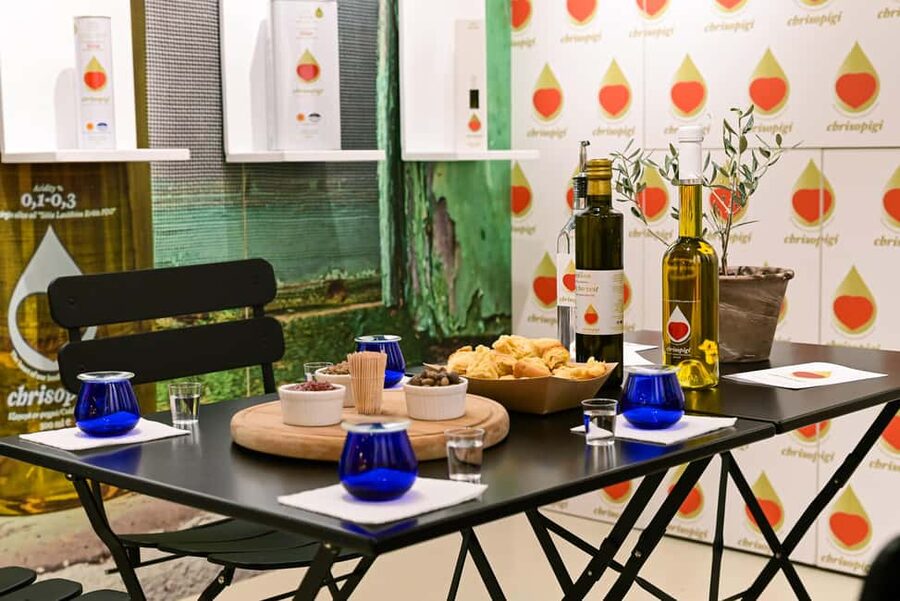
The best part of this Thessaloniki experience is that it turns a small deli stop into a lesson in how to taste olive oil properly. At Chrisopigi Deli, you sample early harvest extra virgin olive oil made from Koroneiki olives from Sitia, then compare its aroma, texture, and flavor with other Cretan products.
I like the personal scale of the session, and I like that you can taste more than oil: handmade olive paste, tsikoudia, a Cretan rusk, and cherry-tomato chutney all make the hour feel like a small food tour. The main consideration is that this is a shop-based tasting, not a visit to an olive grove or pressing facility, and the oil selection may be narrower than some visitors expect.
- A one-hour lesson in olive oil tasting: Learn the basic organoleptic features that mark premium extra virgin olive oil.
- Koroneiki oil from Sitia: Taste an early harvest oil linked to one of Crete’s best-known olive varieties.
- A full Cretan snack spread: Sample olive paste, raki, rusks, and cherry-tomato chutney.
- A central Thessaloniki location: Chrisopigi Deli sits at Ermou 25, close to Venizelou Street and a bus stop.
- A friendly, private format: The session is private, offered in English or Greek, and led by a host such as Ioannis.
- A useful shopping stop: Everything tasted is sold in the deli, along with other products from Cretan family businesses.
What the One-Hour Tasting Is Really About
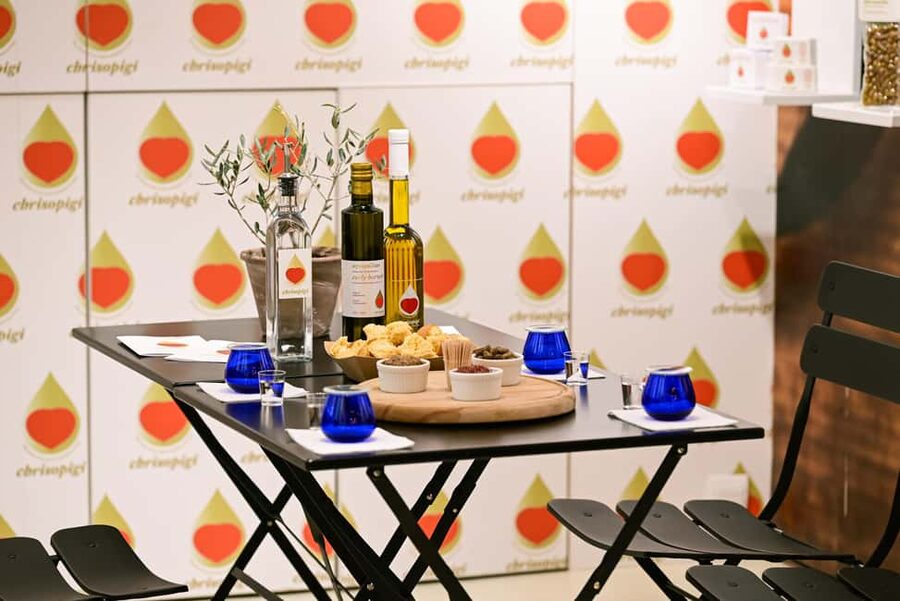
This is not a quick shot of oil followed by a sales pitch. The point is to teach you how to notice what is in your glass. Early harvest extra virgin olive oil tends to be prized for its fresh character, and the session gives you a way to identify that character through smell, mouthfeel, and taste.
The setting helps keep things simple. You meet at Chrisopigi Deli, at Ermou 25 in central Thessaloniki, about 20 meters from Venizelou Street and beside a bus stop. You do not need to arrange transport from another site, and the central address makes this easy to fit around sightseeing in the city center.
The scheduled duration is one hour. That is enough time for a focused introduction without turning the tasting into a long food lecture. In practice, the host may give you extra time if the conversation is flowing. One session lasted longer because the host did not rush the group, which is welcome when you have questions.
Meeting Ioannis at Chrisopigi Deli
The host is identified in guest feedback by several spellings, including Ioannis, Giannis, and Yanis. Use Ioannis when arranging your visit, but do not worry if the name appears slightly differently in a message or booking detail.
His role is important because this is a personal tasting rather than a self-guided sampling at a shop counter. He explains how the oil is produced, why early harvesting matters, and how to pay attention to the oil’s aroma, texture, and flavor.
The shop itself is compact and filled with Cretan goods. That gives the session a useful local-food context. You are not tasting an isolated bottle with no connection to a food tradition. You are trying oil alongside products designed to be eaten with it.
The private-group format should suit couples, families, and small parties that prefer to ask questions at their own pace. It also means the feel of the hour can depend on the host and the people in your booking. One especially fortunate session included Vitsentzos, the producer, who spoke about growing and harvesting olives on his family farm. That is not something I would promise for every date, but it shows how personal this experience can become.
More Olive Oil Tastings in Greece:
- The Governor’s Olive Mill Tour with Olive Oil Tasting
★ 5.0 · 502 reviews - From Chania: Wine and Olive Oil Tasting Tour with Snacks
★ 4.8 · 354 reviews - Olive Oil Tasting Tour
★ 5.0 · 195 reviews
Learning to Taste Early Harvest Extra Virgin Olive Oil
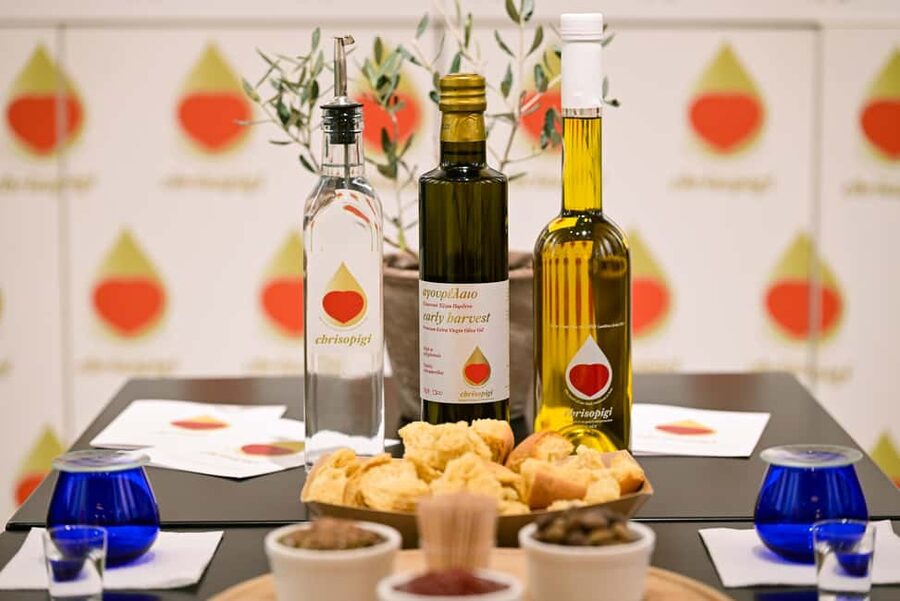
The central sample is an early harvest extra virgin olive oil made from Koroneiki olives from Sitia, Crete. Koroneiki is a familiar Cretan variety, and Sitia is known in the experience for producing oil with a premium profile.
The tasting focuses on the three things you need to notice:
- Aroma: Pay attention before tasting. The smell is part of the oil’s character, not a minor detail.
- Texture: Notice how the oil feels in your mouth, including its weight and finish.
- Flavor: Look for freshness and the features that separate a fine extra virgin oil from a flat cooking oil.
The session introduces the word organoleptic, which simply refers to qualities judged through the senses. You learn to assess oil through smell, taste, and mouthfeel rather than relying only on a label or price.
This is useful knowledge for the rest of your trip. Greek restaurants often place olive oil on the table, and markets offer many bottles that look appealing. After this hour, you should have a clearer idea of what you like and what makes an oil feel fresh and well made.
Do not expect a formal professional certification course. The experience is an approachable introduction. It is aimed at helping you appreciate premium oil, not training you to become an olive oil judge.
The Cretan Products on the Table
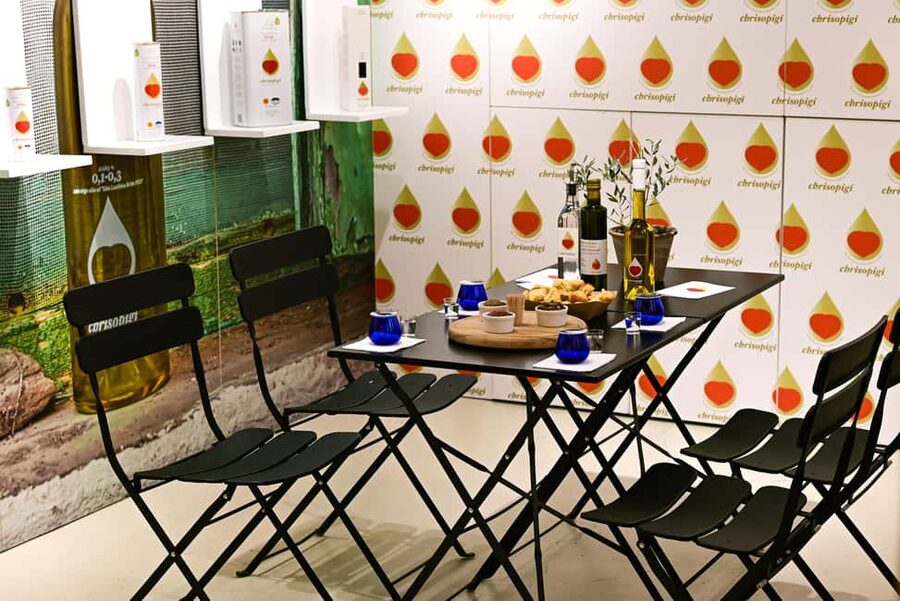
The oil is the main subject, but the supporting foods make the tasting more enjoyable and easier to understand. You taste handmade olive paste made from Koronian olives, along with a traditional Cretan rusk and cherry-tomato chutney.
The olive paste gives you another way to experience the fruit. Olive oil is smooth and fluid, while olive paste has a fuller, more direct olive taste. It also shows how the same basic ingredient can work as a spread or savory accompaniment.
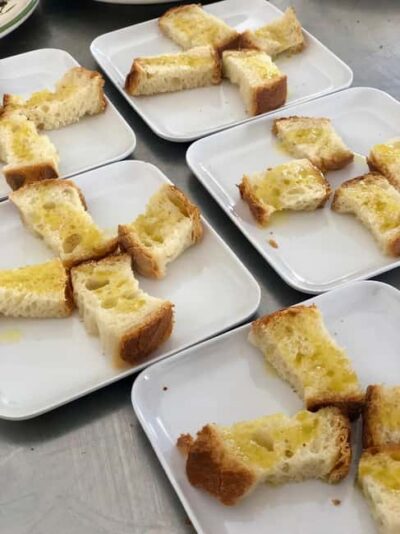
The traditional rusk comes from a small bakery in Crete. It is there to provide a sturdy partner for the oil, paste, and chutney. The rusk gives the tasting some substance, so this is not simply a sequence of tiny sips.
The cherry-tomato chutney adds a sweeter, sharper note. That contrast matters. A tasting can become tiring when every item has the same salty or oily profile. The chutney helps reset your palate and gives you a practical idea of how Cretan products can work together.
You also taste tsikoudia, often called raki, the traditional drink of Crete. This is an alcoholic drink, so keep that in mind if you are visiting with children or avoiding alcohol. The listed tasting includes it, but extra food and drinks are not included.
How the Production Story Adds Value
The production explanation gives the tasting a purpose beyond trying a few attractive foods. You learn about traditional olive oil production and how harvesting time affects the final product.
Early harvest oil is presented as a premium product with distinct sensory qualities. The session helps you connect those qualities to the way the olives are selected and handled. You do not need technical farming knowledge to follow the discussion, and the format leaves room for direct questions.
The most valuable part, for me, is the link between production and buying. Many visitors know that extra virgin olive oil is considered better, but they are less sure how to judge it. Here, you get a basic vocabulary for making that choice.
If the producer Vitsentzos is present, you may also hear about olive growing and harvesting from a family-farm perspective. Again, that appearance should be treated as a lucky addition rather than a standard part of every booking.
A few more olive oil tours around Greece worth a look
- Crete: Quad Safari, Olive Mill with Tasting & Ghost Village
★ 4.9 · 1,004 reviews - Knossos-Zeus Cave -Old Traditional Villages-Olive Oil Factory
★ 5.0 · 694 reviews - From Chania: Olive Oil, Wine, Cheese & Honey Tasting Tour
★ 4.6 · 490 reviews - Crete: Road-trip to Lasithi, Zeus Cave & Olive Mill Farm
★ 4.4 · 451 reviews
What You Can Buy After the Tasting
Every product tasted during the session is available for purchase at Chrisopigi Deli. That makes the shop stop practical if you find an oil or spread you want to take home.
The deli also carries other Cretan products from family-owned businesses. The exact range can vary, so I would not expect every item to be available on every visit. Still, the selection gives you a chance to continue the tasting beyond the scheduled hour.
One useful feature is that the explanation comes before the shopping. You can make a more informed choice instead of grabbing the prettiest bottle. The tasting also helps you decide if the early harvest style suits your palate before spending money on a full-size product.
Prices in the shop are described as fair by one visitor, but the experience price itself is the clearer value question. At $23 per person, you are paying for the guided tasting, the food samples, the production lesson, and private attention. For a one-hour activity, that is not the cheapest possible food stop, but it is reasonable if you want instruction and a chance to buy products with more confidence.
Finding the Deli on Ermou Street
The meeting point is Chrisopigi Deli at Ermou 25, in the middle of Ermou Street. It is close to Venizelou Street, about 20 meters away, and next to a bus stop.
The central address is convenient, but you should allow a few minutes to find the exact storefront. One party had trouble locating the shop because the market area was nearing closing time. The location is not described as a separate farm or large visitor center, so look for the deli rather than a countryside tasting room.
There is no transport included. You make your own way to the shop, which is easy to plan if you are already in central Thessaloniki. The activity is wheelchair accessible, another useful point for anyone checking venues carefully before booking.
Who Will Enjoy This Experience Most
I would recommend this to anyone who wants a short, food-focused activity between Thessaloniki sights. The one-hour length works well before lunch, after a morning walk, or as a compact introduction to Greek food culture.
It is especially suitable for:
- People who regularly buy olive oil and want to taste before choosing.
- Food lovers who enjoy small producers and regional products.
- Visitors looking for a private activity rather than a large group tour.
- Couples and families who want something calm and indoors.
- Anyone taking home Greek food and hoping to avoid random souvenir purchases.
It may be less satisfying if you want to walk through an olive grove, see machinery, or watch oil being pressed. None of those elements is promised. The session takes place inside the deli and focuses on tasting, explanation, and shopping.
You should also consider the limited time. One hour gives you a clear introduction, but it will not cover every Cretan food tradition or every style of Greek oil. If you already have strong olive oil knowledge, you may find the educational portion basic. The personal guide and products still give the visit value, but the activity is designed for curious beginners and interested food lovers.
Timing, Language, and Booking Details
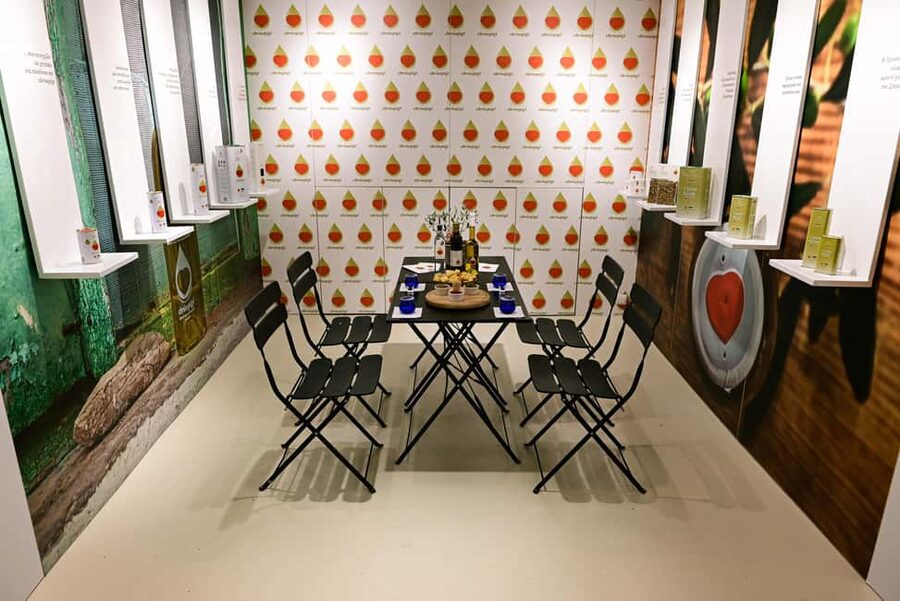
The session lasts one hour, with starting times available according to the booking calendar. It is offered in English or Greek, and the group is private.
You can cancel up to 24 hours before the activity for a full refund. The reserve-now, pay-later option also helps if you are building a Thessaloniki schedule that may change.
The tasting includes the listed oil, olive paste, tsikoudia, rusk, and chutney. Transportation, extra food and drinks, and personal purchases are not included. Your shopping after the tasting is optional, though the shop makes it easy to continue.
My Verdict on the $23 Price
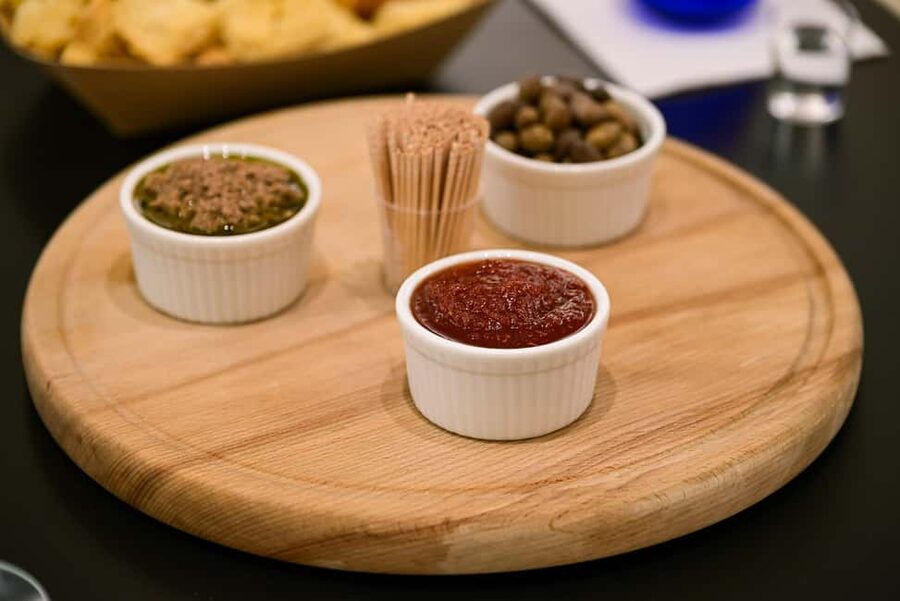
At $23 per person, this works best when you treat it as a guided food lesson with samples, not as a simple snack. You receive several Cretan tastes, an explanation of production, and help understanding the sensory qualities of premium extra virgin olive oil.
The strongest value comes from the private format and the host’s willingness to answer questions. Ioannis has been described as flexible with timing and generous with explanations. That personal touch can make the hour feel more substantial than the listed duration suggests.
The weaker point is variety. At least one session centered on products from one olive oil producer and included only two oils for tasting. If your main goal is to compare a wide range of brands, ask about the exact oils available before booking.
For many people, that limitation will not matter. The tasting is about understanding one Cretan style and the foods that accompany it. The shop then gives you a sensible place to buy what you liked.
Should You Book the Cretan Olive Oil Tasting?
Book it if you want an easy, central Thessaloniki activity with real food context and a friendly host. You will taste more than oil, learn how to assess what is in your glass, and leave with better tools for choosing Greek products.
Skip it if you need an outdoor farm visit, a full pressing demonstration, or a large comparative tasting. This is a small deli experience, and its appeal comes from personal attention rather than spectacle.
For most food-minded visitors, I think the combination works well: early harvest Koroneiki oil from Sitia, Cretan snacks, raki, practical tasting advice, and a shop where you can buy the same products afterward. At one hour and $23, it is a manageable addition to a Thessaloniki itinerary, especially for anyone who likes bringing home edible souvenirs with a story behind them.
FAQ
Where is the Cretan olive oil tasting held?
The tasting takes place at Chrisopigi Deli, Ermou 25, Thessaloniki. The shop is near Venizelou Street and next to a bus stop.
How long does the tasting last?
The scheduled duration is one hour.
What type of olive oil will I taste?
You will taste early harvest extra virgin olive oil made from the Koroneiki variety of olives from Sitia, Crete.
What other foods and drinks are included?
The tasting includes handmade olive paste, tsikoudia or raki, a traditional Cretan rusk, and cherry-tomato chutney.
Is transportation included?
No. You are responsible for getting to and from Chrisopigi Deli.
Is the activity offered in English?
Yes. The live tour guide service is available in English and Greek.
Is this a private group activity?
Yes. The activity is offered as a private group experience.
Is the tasting wheelchair accessible?
Yes. The activity is listed as wheelchair accessible.
Can I buy the products after tasting them?
Yes. All products included in the tasting are available for purchase at the shop. The deli also sells other Cretan products from family-owned businesses.
Can I cancel my booking?
You can cancel up to 24 hours in advance for a full refund. You can also reserve now and pay later.
Just added around Greece
- Athens: Greek Wine & Olive Oil Tasting at Brettos Plaka★ 4.5 · 3 reviews
- Breakfast in the markets with olive oil and honey tasting★ 4.8 · 8 reviews
- PRIVATE RHODES TOUR + Lunch Stop & WINE/OLIVE OIL Tasting★ 5.0 · 2 reviews
- Olive Tour & Tasting★ 5.0 · 4 reviews
- SYSTASIS Olive Oil Tasting Experience in Ermioni Greece★ 5.0 · 4 reviews
- Olive Facility Visit with Olive Oil Tasting Session★ 5.0 · 2 reviews
- Olive Oil Tasting at the Mykonian Farm★ 4.5 · 3 reviews
- Olive Oil Tour close to Nafplio★ 4.5 · 3 reviews
Olive Oil Tastings, compared.

The Governor’s Olive Mill Tour with Olive Oil Tasting
Read our review →

Masseria tour among thousand-year-old olive trees with oil tasting
Read our review →
Olive Grove Tour with Wines & Olive Oil Tasting
Read our review →
Bardolino: Lake Garda Oil Mill Tour with Olive Oil Tasting
Read our review →
Guided tour and olive oil tasting in Alhaurin el Grande (Málaga)
Read our review →Browse the lists this tour appears in