
REVIEW · GREECE
Olive Oil Tour & Tasting with sommelier -Kalentzi, Athens daytrip
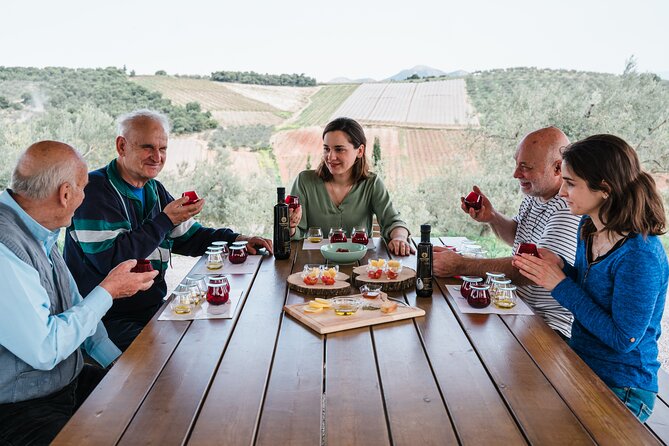
Greek olive oil makes far more sense once you have walked among the trees that produce it. At OLEOSOPHIA Olive Garden in Kalentzi, near Corinth, you follow a family path through rare Manaki olive trees, then sit down for a guided tasting with Greek snacks and views toward the slopes of Mt. Fokas.
I like the small group limit of eight, which gives Marianna room to explain details and answer questions. I also like that this is not just a tasting at a table: you learn about cultivation, sustainable farming, family traditions, and the practical difference between good olive oil and flawed oil. The main drawback is that you must arrange your own transport, and two hours may feel short if you want a full meal or a longer farm visit.
Key points at a glance
- Rare Manaki olives: Walk through a traditional family grove and learn about a variety associated with the Corinth area.
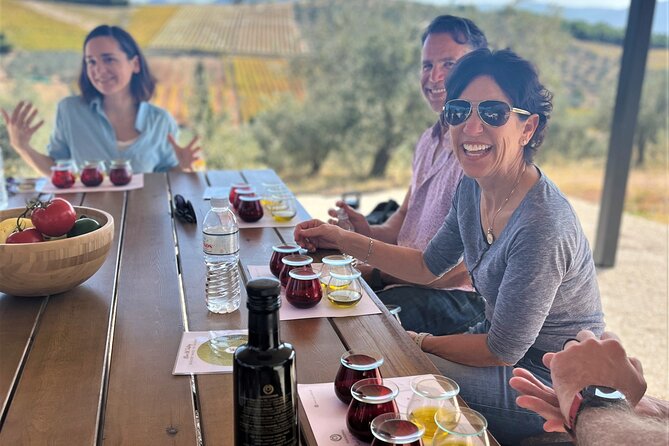
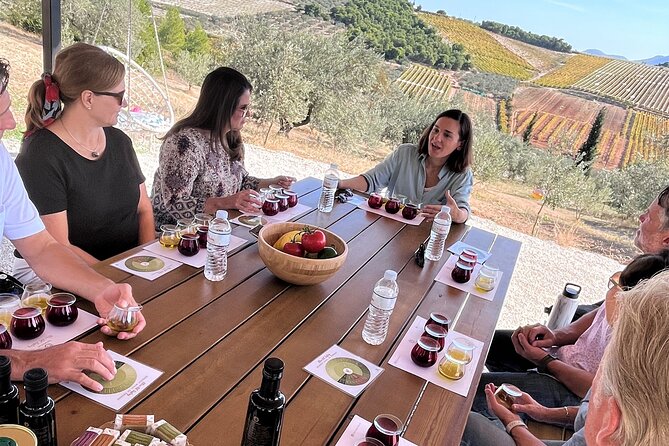
- Sommelier-led tasting: Marianna explains fruitiness, bitterness, pungency, olive oil grades, and the faults to avoid.
- Greek food pairing: Sample a small meze of Greek flavors with the oils rather than tasting them in isolation.
- Views toward Mt. Fokas: The tasting takes place with olive groves and grape-growing country in view.
- Small group setting: The maximum is eight people, a useful advantage for questions and personal attention.
- Simple two-hour format: The experience begins at 10:00 a.m. and ends back at the olive garden, with transport and lunch not included.
Walking into the family grove near Corinth
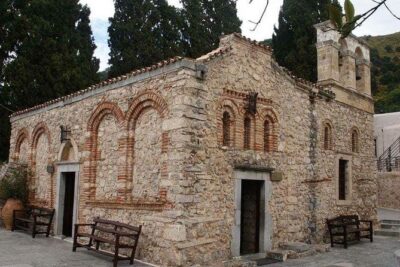
The meeting point is the petite chapel of St. Efrem in Kalentzi, at the OLEOSOPHIA Olive Garden and Olive Oil Tastings site. From there, the experience moves on foot through a family-owned olive grove. That opening walk gives you a useful frame for everything that follows: the oil is not an abstract product on a supermarket shelf, but the result of trees, weather, pruning, harvesting, and careful processing.
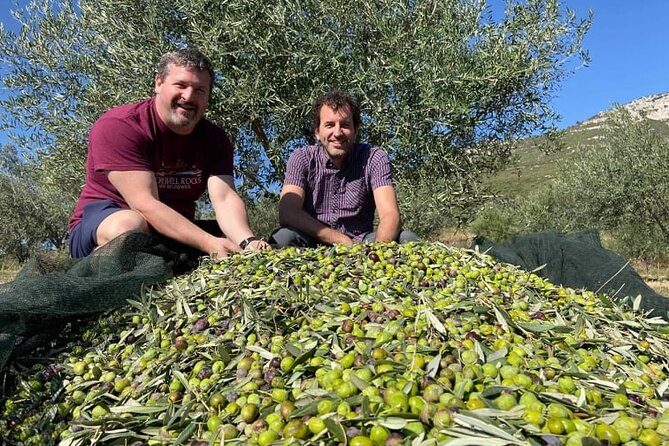
The grove contains Manaki olive trees, a variety described here as rare. The tour focuses on how the trees are cultivated and how sustainable agricultural practices fit into the family’s work. You also hear the family story, which adds a personal layer that a standard tasting room often lacks.
I like this start because it slows the subject down. You are not rushed straight to a lineup of tasting glasses. You first see the setting and learn why olive oil is tied so closely to daily life in Greece. The walk also gives you a better sense of place than a city-based food lesson can provide.
Keep your expectations sensible. This is an olive grove visit, not a full agricultural tour with every stage of production shown in detail. The supplied information promises discussion of cultivation, processing approaches, and product grades, but it does not describe a working mill visit or a harvest demonstration.
A few more olive oil tours around Greece worth a look
- Crete: Quad Safari, Olive Mill with Tasting & Ghost Village
★ 4.9 · 1,004 reviews - Knossos-Zeus Cave -Old Traditional Villages-Olive Oil Factory
★ 5.0 · 694 reviews - The Governor’s Olive Mill Tour with Olive Oil Tasting
★ 5.0 · 502 reviews
Understanding Manaki olives and Greek olive culture
The educational part is one of the strongest reasons to choose this experience. Marianna explains how biological processes in the olive tree can affect flavor, then connects that information to manufacturing methods and olive oil categories. That is useful because many bottles use terms that sound impressive but tell you little about freshness or quality.
You learn the basic categories of olive oil and how they relate to what is in the bottle. The goal is not to memorize technical language. It is to help you make a better choice when you are standing in front of a supermarket shelf, comparing labels and prices.
The family setting also helps place olive oil inside the Mediterranean diet. Here, olive oil is treated as more than a cooking fat. It is part of a wider way of eating, with vegetables, bread, herbs, small plates, and shared flavors. The food pairing later in the visit makes that point in a practical way.
A child-friendly note is worth making. One family group found that the children enjoyed both the process and the tasting, so the experience can work for families, provided the children are happy with a calm, food-focused outing. It is not designed as a children’s attraction, and the main value comes from listening and tasting.
Learning to recognize fruitiness, bitterness, and pungency
Olive oil tasting can seem mysterious until someone gives you a clear method. The tasting covers three central qualities: fruitiness, bitterness, and pungency.
Fruitiness refers to the fresh olive character in the aroma and flavor. It can suggest green or ripe fruit, depending on the oil. Bitterness is not automatically a flaw. In a fresh, well-made oil, it can be a positive sign and may balance the oil’s fruitiness.
Pungency is the peppery sensation, often felt at the back of the throat. A strong tickle does not necessarily mean something is wrong. It can be part of the character of a high-quality oil, especially when the oil is fresh and well balanced.
Marianna also explains negative traits to avoid. This is an important practical lesson because many people have tasted old or poorly stored oil without realizing that the stale flavor was a defect. You learn how to identify award-winning qualities, but you also learn what should make you cautious.
The tasting is not only about declaring one oil best. You are shown how to pay attention to smell, taste, texture, and finish. That helps you build your own judgment rather than simply accepting a guide’s verdict.
Pairing olive oil with a small Greek meze
After the grove walk and the tasting lesson, you try the oils with Greek flavors. The included food is a small meze intended for olive oil pairing, not lunch. Expect snacks that show how the oil works with familiar Mediterranean ingredients rather than a large restaurant-style meal.
This is where the lesson becomes easier to remember. A spoonful of oil on its own can seem intense. Pair it with food and you can notice how the peppery finish, bitterness, or fruitiness changes the overall bite. You may also pick up ideas for using olive oil in ways beyond the most obvious salad dressing.
The experience specifically discusses culinary applications, including some less expected uses. That makes the tasting useful after you return home. You leave with more than a souvenir bottle in mind. You have a better sense of which oils suit bread, vegetables, meze, or other Greek-style dishes.
Do not arrive expecting lunch. Lunch is not included, and the meze is described as snacks for pairing. If you need a substantial meal afterward, plan for it separately.
Same groves, a different morning out:
- From Chania: Olive Oil, Wine, Cheese & Honey Tasting Tour
★ 4.6 · 490 reviews - Crete: Road-trip to Lasithi, Zeus Cave & Olive Mill Farm
★ 4.4 · 451 reviews - Heraklion: Olive Farm Tour with Tasting of Local Delicacies
★ 4.9 · 411 reviews - Lassithi, Zeus Cave, Olive Mill Farm & Knossos Combo Tour
★ 4.6 · 404 reviews
Tasting with Mt. Fokas in view
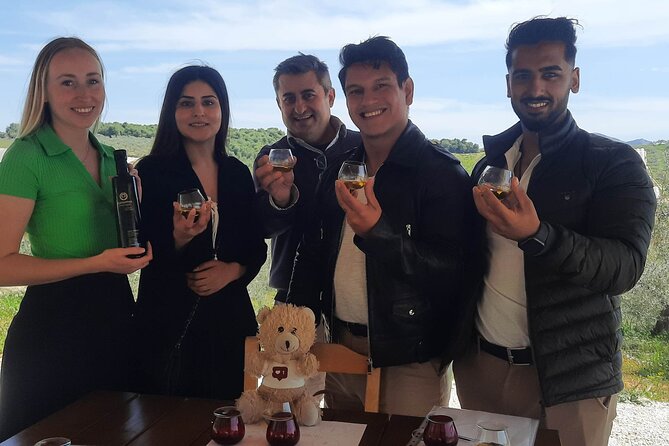
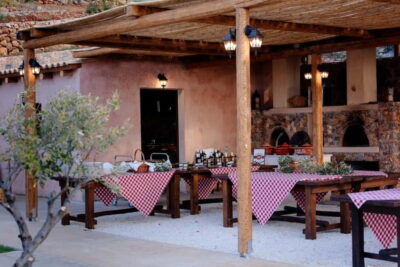
The tasting area looks across olive groves and vineyards toward the slopes of Mt. Fokas. The setting connects the food to the wider Corinth region, including the local story that the Lion of Nemea was born on these mythical slopes.
That view matters because it gives the tasting a strong sense of place. You are not simply sampling imported products in a generic shop. The olives, grapes, family land, and local stories all belong to the same setting.
The experience is held outdoors or in a grove setting according to the supplied description, so weather matters. Poor conditions can lead to a changed date or a full refund. Wear practical shoes for the walk and come prepared for the conditions on the day, though no specific dress code is given.
The area may appeal to anyone building a day around Corinth and its surrounding countryside. It is also useful for people who have already seen major archaeological sites and want a food experience with a local connection. Since transportation is not included, you need to treat the meeting point in Kalentzi as a separate part of your day plan.
Why the small group makes a difference
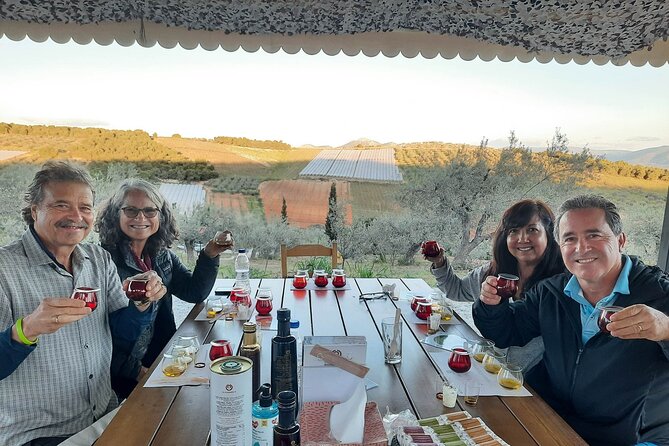
The maximum group size is eight people. For a tasting lesson, that is a meaningful limit. You have a better chance to hear the explanations clearly, ask about a bottle you use at home, and discuss flavors without waiting through a large crowd.
The small scale also fits the family nature of the grove. The experience is built around conversation, storytelling, and close observation rather than a scripted procession. Marianna’s style is described as charismatic and compelling, with explanations ranging from the biology of the tree to production methods and tasting technique.
That personal attention is especially useful if olive oil is new to you. You can ask basic questions without feeling that you should already know the difference between categories. If you are already an olive oil enthusiast, the discussion of faults, grades, and food pairing gives you more specific material to work with.
The tradeoff is that a small family operation may offer a less polished, less standardized format than a large commercial attraction. That is part of its appeal, but it also means the experience is best approached as a personal farm visit rather than a formal museum exhibit.
Is $96.12 a fair price?
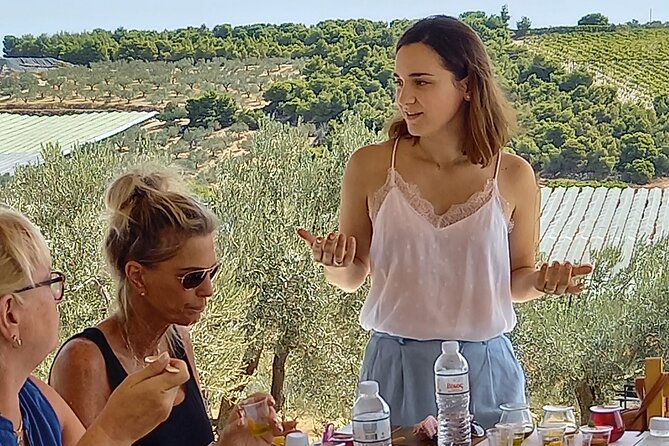
At $96.12 per person, this is not a cheap snack stop. The value depends on what you want from the outing.
The fee covers about two hours with an English-speaking sommelier, a walk through a family olive grove, instruction about cultivation and production, a structured olive oil tasting, and Greek meze for pairing. The group limit of eight adds value because the session is likely to feel more personal than a large commercial tasting.
The price makes the most sense if you care about food, want to understand Greek olive oil beyond the label, or plan to take home oil and use the lessons when shopping. It is less compelling if you only want a quick sample or a full meal. Lunch and private transportation are not included, so factor those costs into your day.
The strongest value is educational. You learn how to judge fruitiness, bitterness, pungency, and unwanted traits. That information can keep paying off long after the two-hour visit, especially if you cook with olive oil regularly.
Who should book this experience?
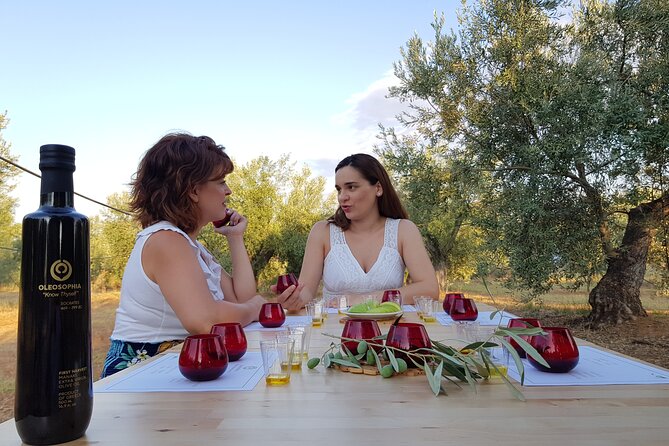
I would choose this for food-focused visitors, couples, small families, and anyone interested in Greek agriculture. It suits people who enjoy asking questions and paying attention to small differences in flavor.
It is also a good choice for someone who has always bought olive oil by price or attractive packaging. The practical advice on choosing oil from a shelf may be more useful than a simple list of products to buy.
Families can consider it, since children have enjoyed the tasting and process. Still, the activity requires a calm walk and an interest in food. If your group needs constant action, this may feel quiet.
It is not suitable for anyone with an allergy to olive oil. Service animals are allowed, and the site is near public transportation, but the experience does not include private transport. Confirm how you will reach Kalentzi before booking.
The activity is offered in English and begins at 10:00 a.m. It ends back at the meeting point, making it easy to connect with another Corinth-area plan afterward, provided you allow time for your own transportation.
Booking, weather, and cancellation details
Confirmation is provided at the time of booking, and a mobile ticket is accepted. You can cancel for a full refund up to 24 hours before the start time. Changes or cancellations inside that 24-hour window are not accepted for a refund.
The experience needs good weather. If the weather prevents the visit, you are offered another date or a full refund. The same applies if the minimum number required for the activity is not met.
Because the meeting time is fixed and the group is small, I would book only after checking your route to Kalentzi. The experience is usually reserved about 16 days ahead, so leaving it until the last minute may limit your choices.
Should you book the Kalentzi olive oil tasting?
Book it if you want a personal, grounded food experience near Corinth rather than a quick tasting counter. The walk among Manaki trees, Marianna’s explanation of how flavor develops, and the chance to test Greek oils with meze give the visit real substance.
Skip it if you need lunch included, private transport, or a long farm tour. At $96.12, the experience asks you to value instruction and setting, not just the amount of food served.
For the right visitor, this is a useful two-hour lesson in how to taste, buy, and use Greek olive oil. You leave with a clearer palate, a better shopping sense, and a stronger connection to the family land behind the bottle.
FAQ
Where does the olive oil tasting take place?
The experience begins and ends at OLEOSOPHIA Olive Garden and Olive Oil Tastings in Kalentzi, Greece. The meeting point is the petite chapel of St. Efrem.
What time does the experience start?
The scheduled start time is 10:00 a.m.
How long does the activity last?
The experience lasts approximately two hours.
Is transportation included?
No. Private transportation is not included. The site is near public transportation, but you must arrange your own way to the meeting point.
Is lunch included?
No. The included food is Greek-flavor snacks and a small meze for olive oil pairing. Lunch is not included.
What happens if bad weather cancels the experience?
You will be offered a different date or a full refund if poor weather causes the activity to be canceled.
Just added around Greece
- Athens: Greek Wine & Olive Oil Tasting at Brettos Plaka★ 4.5 · 3 reviews
- Breakfast in the markets with olive oil and honey tasting★ 4.8 · 8 reviews
- PRIVATE RHODES TOUR + Lunch Stop & WINE/OLIVE OIL Tasting★ 5.0 · 2 reviews
- Olive Tour & Tasting★ 5.0 · 4 reviews
- SYSTASIS Olive Oil Tasting Experience in Ermioni Greece★ 5.0 · 4 reviews
- Olive Facility Visit with Olive Oil Tasting Session★ 5.0 · 2 reviews
- Olive Oil Tasting at the Mykonian Farm★ 4.5 · 3 reviews
- Olive Oil Tour close to Nafplio★ 4.5 · 3 reviews
Greece Olive Oil Tours, compared.
Knossos-Zeus Cave -Old Traditional Villages-Olive Oil Factory
Read our review →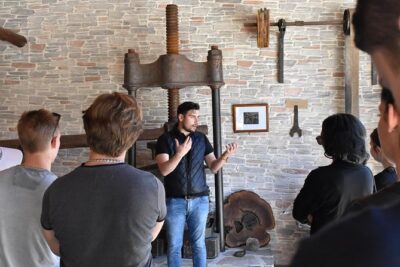
The Governor’s Olive Mill Tour with Olive Oil Tasting
Read our review →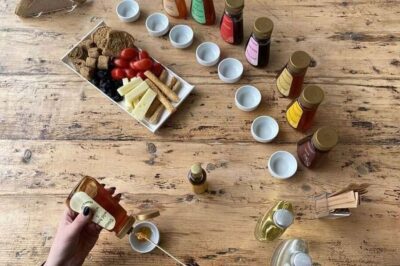
Road-trip to Lasithi, Zeus Cave & Olive Mill Farm
Read our review →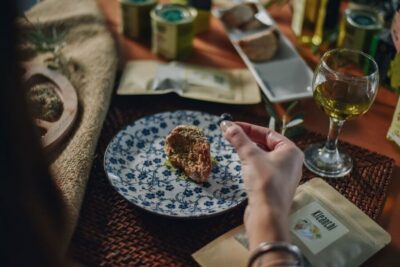
Olive Farm Tour with Tasting of Local Delicacies
Read our review →
Lassithi, Zeus Cave, Olive Mill Farm & Knossos Combo Tour
Read our review →
Browse the lists this tour appears in