
REVIEW · GREECE
Olive Oil Tasting & Fun Baking Class in the heart of Naxos Town
The best part of this Naxos experience is that olive oil is not treated as a souvenir or a quick tasting stop. Katerina connects it to daily island life, from harvest traditions and old pressing methods to the way locals use oil with bread, herbs, salads, and sweets. You also make olive bread from a family recipe passed down from her great-grandmother to her grandmother and then to her.
I like the small group of up to eight, which gives the class a friendly, personal pace. I also like the generous food: bread, pie, salad, olive oil, spreads, and even treats such as olive oil ice cream may appear as part of the meal. The main consideration is the location wording. The booking details give a meeting point in Naxos, while several descriptions place the family olive press and museum in Eggares, so confirm the exact meeting instructions before setting out.
Key points to know before booking
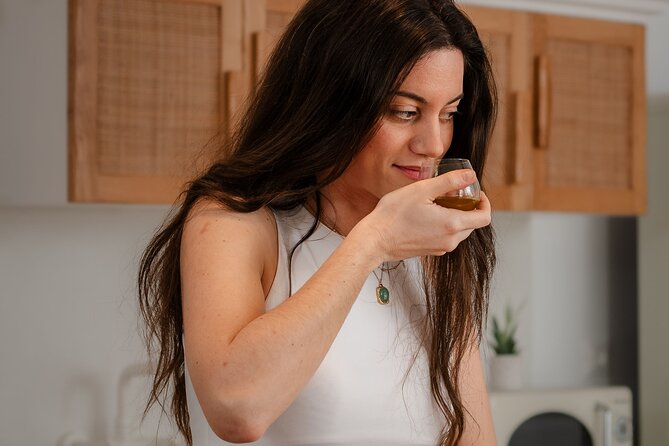
- Katerina leads the class, sharing family stories, Naxian food customs, and practical tips for tasting olive oil.
- You bake your own olive bread using a recipe passed through four generations.
- The food is substantial, with pie, seasonal salad, fresh bread, spreads, and a local lunch included.
- The group is capped at eight people, a useful size for questions and hands-on baking.
- The experience lasts about two hours and begins at 10:00 am.
- Free cancellation is available up to 24 hours before the start time, but later cancellations are not refunded.
Why this is more than an olive oil tasting
Naxos is easy to enjoy from a beach chair or a taverna table, but food tells you more about the island than a list of sights can. Olive oil is part of the island’s work, cooking, family life, and social habits. This class gives you a practical way into that world.
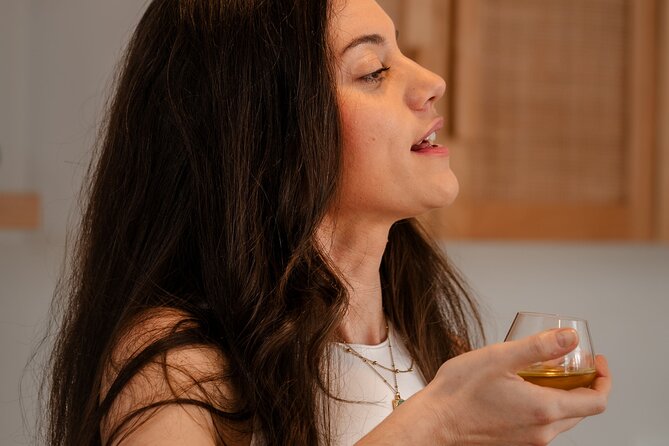
Katerina, who was born and raised on Naxos, leads the experience. Her approach is informal rather than academic. You learn what extra virgin olive oil means, how to notice aromas and flavors, and how to use oil in cooking. The point is not to turn you into a professional taster. It is to help you understand why two oils can taste different and how to spot a good one.
That makes the class useful after your holiday, too. You can take the tasting skills home and use them when buying oil or choosing what to serve with bread, salad, cheese, or vegetables. The information is simple enough for a first-time taster, but there is enough detail to keep food lovers interested.
More Olive Oil Tastings in Greece:
- The Governor’s Olive Mill Tour with Olive Oil Tasting
★ 5.0 · 502 reviews - From Chania: Wine and Olive Oil Tasting Tour with Snacks
★ 4.8 · 354 reviews - Olive Oil Tasting Tour
★ 5.0 · 195 reviews
The old press and the family setting
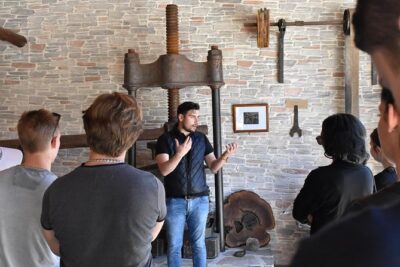
The experience includes a look at traditional olive pressing and the family story behind the business. Descriptions of the setting place this part at a family-run olive oil museum and shop in Eggares, with old-fashioned equipment and a garden surrounded by olive trees and views toward fields and mountains.
That setting matters. An olive oil talk in a modern shop can feel detached from farming. Here, the old press helps you picture how oil was once made and how the process has changed. You get a link between the trees outside, the machinery indoors, and the bottle on the table.
The family connection is also part of the charm. Nicoleta is described as the fourth generation involved with the experience, while Katerina guides the food and tasting session. Maya is also associated with the family operation. This is not a large commercial food show with a parade of strangers leading separate sections. It feels closer to a family business opening its doors for the morning.
The location detail deserves a practical note. The official meeting information gives the start point as 492H+33G, Naxos, Greece, and says the activity ends at the meeting point. Some descriptions call it a workshop in the heart of Naxos Town, while the fuller accounts describe a short, easy drive from the Chora area to Eggares. Because those details do not line up perfectly, use the confirmation you receive at booking and check the meeting point directly.
Learning to taste Naxian olive oil
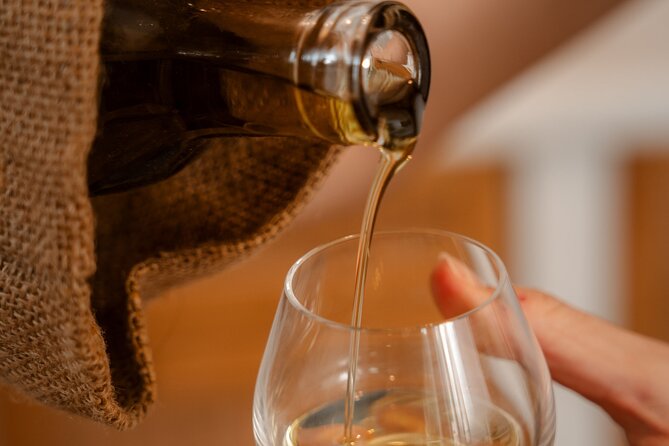
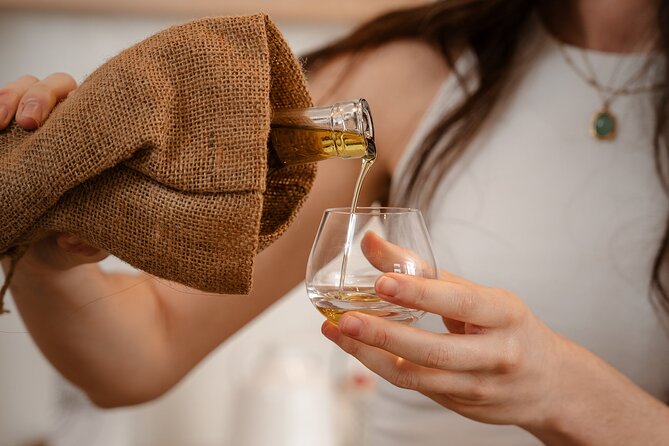
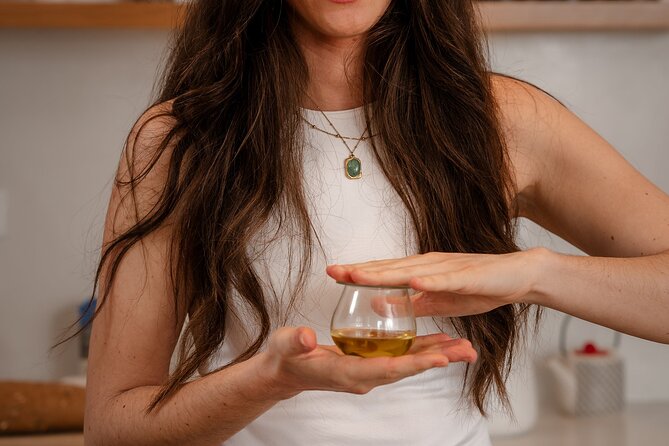
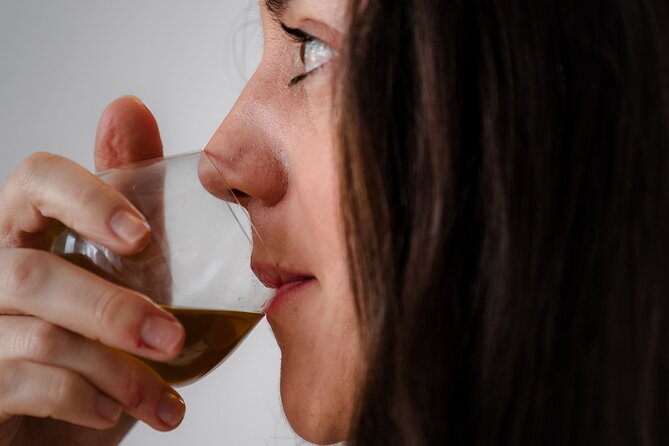
The tasting is the heart of the food lesson. Katerina explains what makes an oil extra virgin and guides you through different Naxian oils. You learn to pay attention to smell, flavor, freshness, and the way oil works with other ingredients.
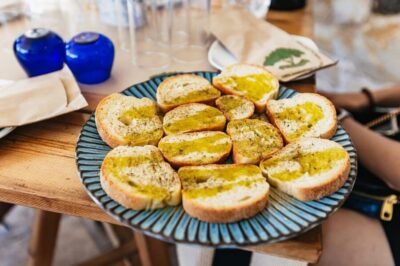
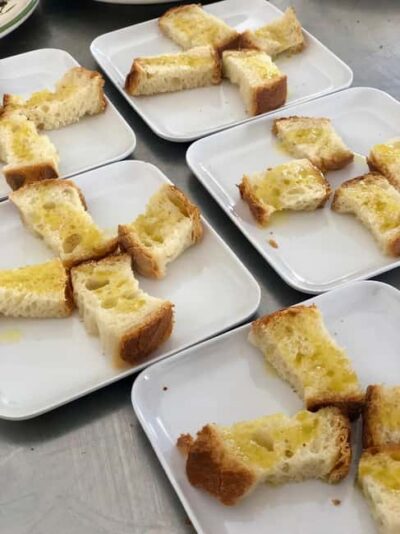
This is a hands-on tasting rather than a lecture. You may compare oils, try them with bread or herbs, and discuss what you notice. The goal is to make olive oil less anonymous. Instead of treating it as a background ingredient, you begin to notice its peppery edge, fruitier notes, or softer finish.
I like that the class also answers a question many visitors have: can you cook with extra virgin olive oil? The session connects tasting with everyday use, so the information stays practical. You learn how locals pair oil with food rather than simply memorizing production terms.
The setting encourages questions. With no more than eight people, you should have room to ask about harvesting, pressing, storage, or buying oil to take home. The museum shop offers the chance to purchase olive oil and other products, but shopping is not listed as part of the price. Any purchases are your own expense.
Making bread from a four-generation recipe

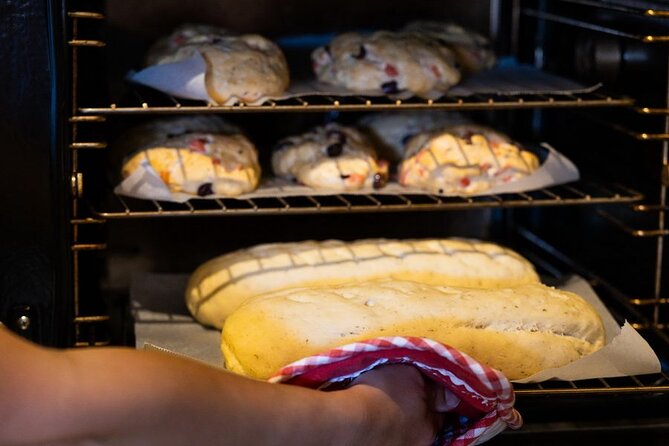
The baking section gives the experience its warmest touch. You prepare a traditional olive bread using Katerina’s family recipe, passed from her great-grandmother to her grandmother and then to her. Everyone gets involved in making the dough, and the finished bread becomes part of the meal.
This is not just a demonstration where you watch someone else work. You make your own loaf, which makes the recipe easier to remember and gives the class a clear hands-on focus. The activity also suits families. One account describes an eight-year-old taking part in the baking and enjoying an additional painting activity with Katerina.
The bread also carries a sense of place. The recipe is simple, but the story behind it gives it weight. You are not learning a generic cooking-class recipe selected for tourists. You are making something tied to one Naxian family and the way food passes through generations.
While the bread is baking, the group can continue with the olive oil tasting and discussion. The timing keeps the morning moving without making it feel rushed. You get a task to do, a story to hear, and food to look forward to.
More Workshops in Greece:
- Cretan Cooking Class and Olive Oil Tasting
★ 5.0 · 178 reviews - Corfu: Greek Cooking Class & Olive Oil Tasting
★ 5.0 · 178 reviews - Moires: Cooking Class and Olive Oil Tasting at a Family Farm
★ 5.0 · 93 reviews - Cooking Classes and olive oil tasting.The real taste of Greece!
★ 5.0 · 56 reviews
The meal is much more than bread and oil
Come hungry. The included food is one of the strongest reasons to consider the price.
The sample menu lists a pie of the day, a seasonal salad, and fresh-baked olive bread. The wider food experience includes local ingredients, spreads, olives, jam, herbs, and a filling lunch. The exact dishes can change with the season, but you should expect more than a few small tasting spoons.
The pie is described in one account as a traditional cheese pie with tomatoes, similar to a quiche. The salad includes fresh herbs, and the warm bread is served with oil and spreads. These details matter because they show how the tasting works in practice: you are learning through a complete meal, not tasting oil in isolation.
Some sessions may finish with homemade olive oil ice cream or another sweet olive oil treat. It is an unusual idea, but that is part of the fun. Olive oil is shown in a form you may not expect, alongside familiar Greek foods.
Bottled water, meals, and lunch are included. Personal expenses and tips are not. Since the activity lasts around two hours and begins at 10:00 am, it works well as a substantial morning meal rather than something to squeeze in before breakfast.
The value of the $102.41 price
At $102.41 per person, this is not a cheap tasting. You are paying for a small-group food class, a professional olive oil tasting, a museum or press visit, a hands-on recipe, and a full meal in a family-run setting.
The value improves if you would otherwise book separate activities. A basic tasting might cost less, and a simple cooking class might cost less, but this combines several pieces: island food culture, olive oil education, bread baking, lunch, and a chance to meet people connected to the family business.
The food is also a real part of the calculation. You are not paying for a short sample and leaving to find lunch elsewhere. The pie, salad, bread, spreads, and other local items make the experience closer to a hosted meal with instruction.
I would consider it good value for food-focused visitors, families, and anyone who prefers a personal activity over a large sightseeing tour. It is less attractive if you only want a quick olive oil sample, have a tight budget, or are unlikely to eat a full meal during the session.
Who will enjoy this most
This class suits couples, families, and small groups who like food with a story. It is also a good choice for a rainy or very hot day if you want a break from beaches and archaeological sites.
Children can take part in the bread making, and the small group lets the guide adjust the pace. The activity does not depend on advanced cooking skills. You should be comfortable taking part in basic food preparation, but the recipe is presented as simple and approachable.
It is also a strong pick for visitors who want an experience in English. Katerina is described as warm, funny, and clear in English, with a talent for explaining local customs without making the session stiff.
You may prefer another activity if you want a full farm visit, a long village tour, or a lesson focused on advanced Greek cooking. This experience centers on olive oil and bread, with the meal and family stories built around those themes.
Timing, group size, and practical details
The experience begins at 10:00 am and lasts about two hours. That makes it easy to plan before an afternoon at the beach or an evening in Naxos Town. It also means you should avoid a large breakfast. The food is generous enough to function as brunch or lunch.
The maximum group size is eight. That is small enough for individual attention, though the exact feel will depend on how many people book your date. A group of four or seven can still feel social without becoming crowded.
A mobile ticket is accepted, and the activity is offered in English. Confirmation is provided when you book. Service animals are allowed. Private transportation is not included, so pay close attention to the confirmed meeting point, especially because the descriptions connect the activity both with central Naxos Town and with the family location in Eggares.
Free cancellation applies if you cancel at least 24 hours before the start time. Changes or cancellations inside that window are not accepted for a refund, with cut-off times based on local time.
Should you book the Naxos olive oil and bread class?
I would book this if you want a personal food experience rather than another sightseeing stop. The combination of Katerina’s family bread recipe, the old olive press, the oil tasting, and a proper local meal gives the morning a clear sense of purpose.
The strongest reasons to go are the small group, the family connection, and the amount of food included. The main caution is the price and the unclear location wording. Confirm where you must meet before booking transport, and be sure you are looking for a substantial food session, not a short tasting.
For food lovers, families, and visitors who want to understand Naxos through everyday traditions, this is an easy choice. For anyone counting every euro or avoiding bread and oil-heavy meals, it may be better to spend the money elsewhere.
FAQ
Where does the olive oil and baking experience begin?
The listed meeting point is 492H+33G, Naxos, Greece. The activity ends at the meeting point.
What time does the experience start?
The start time is 10:00 am.
How long does the activity last?
The experience lasts approximately two hours.
What is included in the price?
Meals, bottled water, lunch, a professional olive oil tasting, and traditional bread baking with the recipe are included.
What food is served?
The sample menu includes the pie of the day, a seasonal salad, and fresh-baked olive bread. The broader meal may also include olives, spreads, jam, herbs, and other local ingredients.
How many people can join?
The activity has a maximum of eight travelers.
Is the experience offered in English?
Yes. The activity is offered in English.
Can I cancel for a full refund?
Yes, if you cancel at least 24 hours before the experience starts. Cancellations or changes made less than 24 hours before the start time are not refunded.
Just added around Greece
- Athens: Greek Wine & Olive Oil Tasting at Brettos Plaka★ 4.5 · 3 reviews
- Breakfast in the markets with olive oil and honey tasting★ 4.8 · 8 reviews
- PRIVATE RHODES TOUR + Lunch Stop & WINE/OLIVE OIL Tasting★ 5.0 · 2 reviews
- Olive Tour & Tasting★ 5.0 · 4 reviews
- SYSTASIS Olive Oil Tasting Experience in Ermioni Greece★ 5.0 · 4 reviews
- Olive Facility Visit with Olive Oil Tasting Session★ 5.0 · 2 reviews
- Olive Oil Tasting at the Mykonian Farm★ 4.5 · 3 reviews
- Olive Oil Tour close to Nafplio★ 4.5 · 3 reviews
Olive Oil Tastings, compared.
The Governor’s Olive Mill Tour with Olive Oil Tasting
Read our review →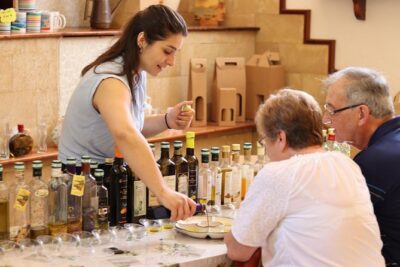
Masseria tour among thousand-year-old olive trees with oil tasting
Read our review →
Olive Grove Tour with Wines & Olive Oil Tasting
Read our review →
Bardolino: Lake Garda Oil Mill Tour with Olive Oil Tasting
Read our review →
Guided tour and olive oil tasting in Alhaurin el Grande (Málaga)
Read our review →Browse the lists this tour appears in