
REVIEW · GREECE
North Corfu: Olive Tour with Olive Oil Tasting and Mezze
The most memorable part of this Corfu tour is not simply tasting olive oil. It is seeing how deeply the olive tree shapes life in northern Corfu, from old family groves to a traditional press dating from the early 1900s. Jonathan leads the walk with warmth and clear knowledge, while the setting gives the subject real meaning.
I like the hands-on tasting, which helps you tell good oil from ordinary supermarket oil. I also like the generous local meze, served with olives, bread, cheese, meats, dolmadakia, and other Corfiot products. The main drawback is location: Loutses is about 45 minutes from Corfu Town and the port, and you must arrange your own transport.
Key points to know before booking
- A family-run olive farm: Jonathan is closely connected to the farm and presents olive growing as a living tradition, not a staged show.
- A walk through old olive groves: You see perennial trees, local plant life, and the setting where Corfiot olive production begins.
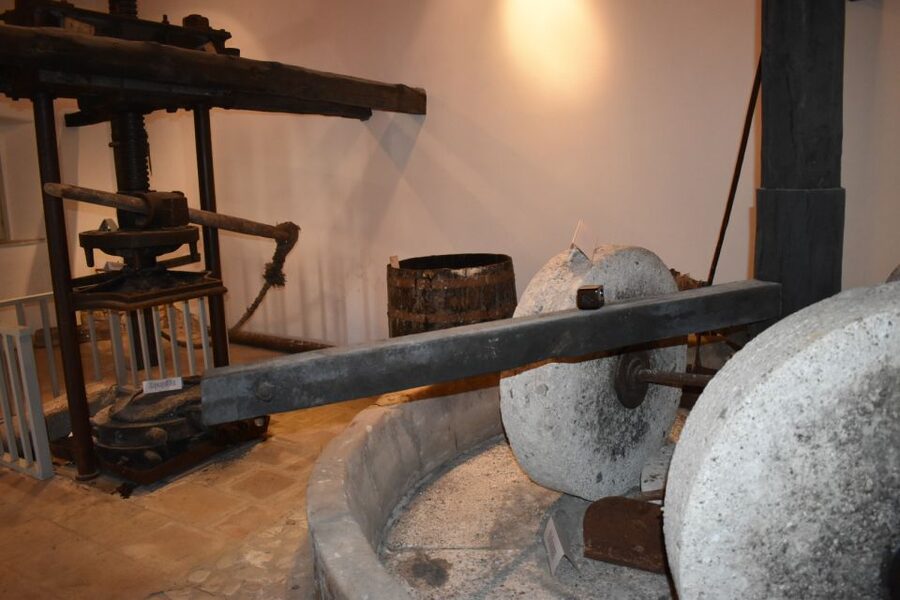
- A rare old press: The early twentieth-century olive press makes the past part of the tour, not just a story told indoors.
- A serious oil tasting: You learn how to judge quality and compare oil by taste rather than by label alone.
- A proper Corfiot meze: The final food spread includes local olives, bread, cheese, meats, dolmadakia, and wine.
- A rural location: Free private parking is available, but the meeting point is far from Corfu Town and is not marked on standard maps.
Why this olive tour feels different
Corfu is often sold through beaches, old-town lanes, and boat trips. Those are good reasons to visit, but the island also has a strong agricultural identity. Olive trees cover much of the countryside, and many of them are old enough to connect several generations of one family.
This tour gives you a way to understand that part of Corfu without spending a full day at a museum. You walk among the trees, hear how olives have been cultivated over time, and then see the tools used to turn fruit into oil. The subject stays practical. You learn what happens to the olives, why the oil can vary in quality, and how to taste it properly.
Jonathan is the main guide, and Chrysa also helps host the experience. Their style appears warm and personal rather than formal. Jonathan is also described as the owner of the farm, which matters here. You are not being shown a generic attraction. You are hearing about a working family connection to olive growing and the effort to preserve old methods and local products.
That personal link is one of the tour’s strongest points. It gives the visit a sense of purpose, especially if you care about small producers and local food.
More Olive Oil Tastings in Greece:
- The Governor’s Olive Mill Tour with Olive Oil Tasting
★ 5.0 · 502 reviews - From Chania: Wine and Olive Oil Tasting Tour with Snacks
★ 4.8 · 354 reviews - Olive Oil Tasting Tour
★ 5.0 · 195 reviews
Finding the meeting point in Loutses
The tour begins in the village of Loutses, in northern Corfu. The meeting place is opposite the small taverna Xatzos. You should use the supplied Google Maps link rather than rely only on a normal map search.
The olive grove does not appear clearly on maps, so look for the sign directing you from the village toward the farm. Free private parking is available, which makes this much easier if you have a rental car.
The location is worth keeping in mind when planning your day. From Corfu Town and the port, the drive takes about 45 minutes. That makes this a better choice for visitors staying in northern Corfu or for anyone happy to build a half-day around the experience. It is less convenient as a quick activity between a morning arrival and an afternoon departure.
Hotel pickup and drop-off are not included. You need to reach Loutses on your own, so allow extra time for the drive and for finding the village meeting point.
Walking through Corfu’s olive-growing country
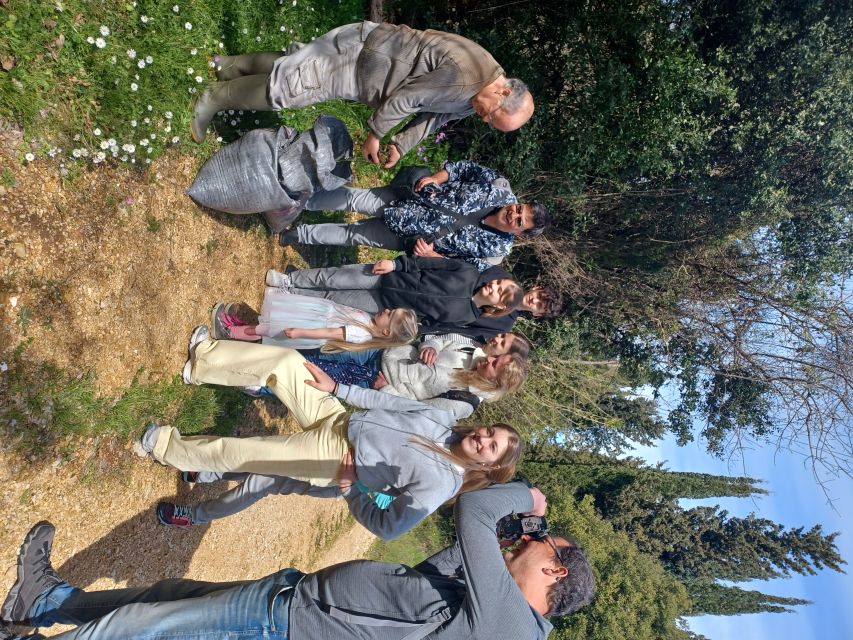
The first two hours focus on the olive grove and its story. You begin with the ecosystem of the farm, then walk through an area where old Corfiot olive trees grow among other plant and animal life.
The walk is not just a pretty stroll. It explains why olives became such a major part of local society and how cultivation changed from earlier periods to modern production. You also see trees that have lived for generations. Their age helps put the island’s agricultural past into a physical form you can actually touch and see.
I like this approach because it places the oil in context. A bottle on a shop shelf hides the work behind it. Here, you first see the trees and the land, then the equipment, and only after that taste the finished product.
The supplied details do not give a precise walking distance or information about the surface underfoot. If you have mobility concerns, contact the provider before booking and ask what the route involves. The tour takes place outdoors in an olive-growing area, so sensible shoes and protection from the sun are practical choices, even though those items are not listed as formal requirements.
The countryside is likely to be most appealing to people who prefer a slower, rural activity. If your ideal Corfu outing means constant action, swimming, or moving between several major sights, this may feel too gentle. If you want to understand everyday island life, the pace works in its favor.
Seeing an olive press from the early 1900s
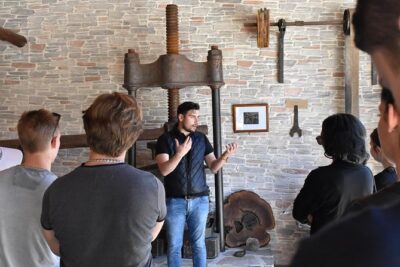
The walk leads to a small traditional village and the provider’s own olive mill and press. This equipment dates from the early twentieth century, giving you a direct link to an older way of making oil.
That old press is more than a photo stop. It helps explain the physical work that once went into olive production and the tools available before modern systems became common. You can compare past and present methods as Jonathan explains how production has changed.
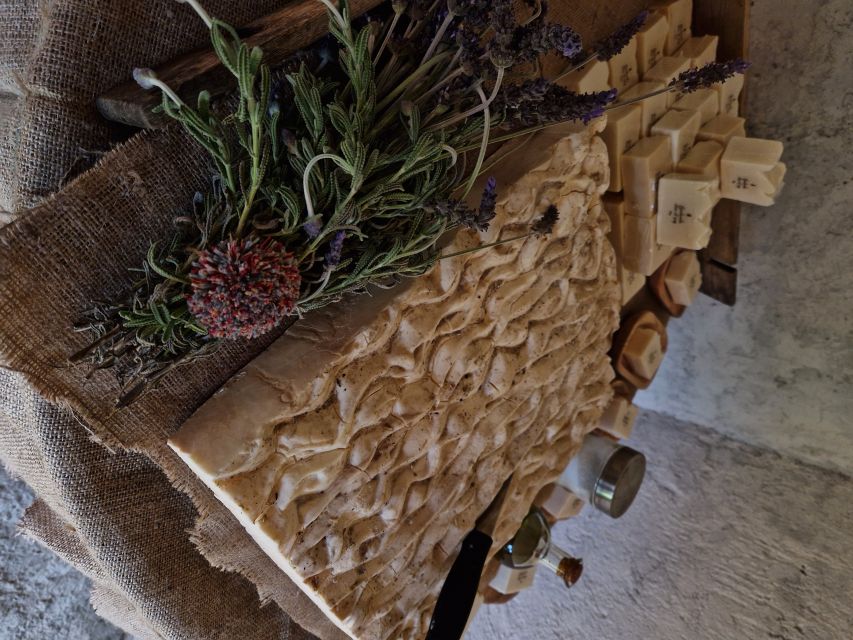
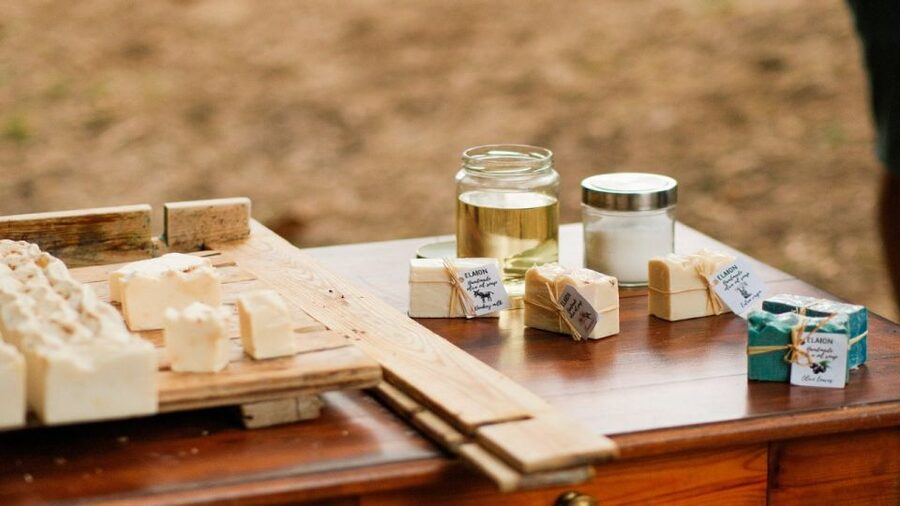
The tour also covers olive-oil soap. This is a useful detail because it shows another way the olive harvest was put to work. Oil was not only something to pour over food. It could also become a household product.
The press is likely to interest anyone who enjoys traditional crafts, food production, or family businesses. You do not need a specialist background. The experience is designed to make the process easy to follow, and Jonathan’s friendly delivery keeps the technical material from becoming dry.
A few more olive oil tours around Greece worth a look
- Crete: Quad Safari, Olive Mill with Tasting & Ghost Village
★ 4.9 · 1,004 reviews - Knossos-Zeus Cave -Old Traditional Villages-Olive Oil Factory
★ 5.0 · 694 reviews - From Chania: Olive Oil, Wine, Cheese & Honey Tasting Tour
★ 4.6 · 490 reviews - Crete: Road-trip to Lasithi, Zeus Cave & Olive Mill Farm
★ 4.4 · 451 reviews
Learning to taste olive oil properly
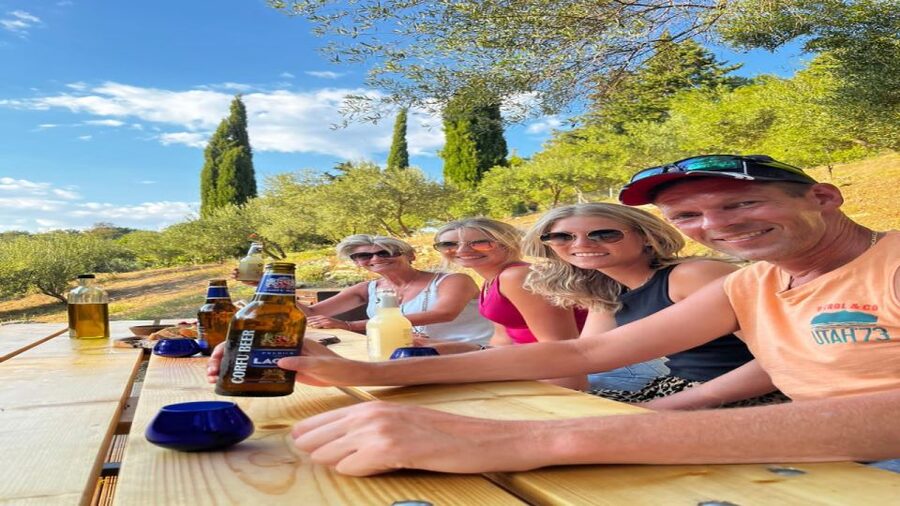
The tasting is the heart of the final hour. You sample local olive oil and learn how to recognize quality by smell and flavor rather than trusting a label or price tag.
This is where the tour offers more than a standard farm visit. The tasting is meant to change the way you use olive oil at home. You learn about different grades and the qualities that separate a good oil from a poor one. Several people have found that the comparison changed how they viewed supermarket oil, which is exactly the sort of practical lesson that stays with you.
The point is not to turn you into an olive-oil judge. It is to give you a better sense of what you are buying and eating. You may leave with a clearer idea of why fresh oil tastes different and why a bottle’s marketing language does not tell the whole story.
The producer’s own oil can also be purchased, along with creamy soaps made from olive oil. Buying is optional, of course, but it gives you a chance to take home something linked directly to the farm rather than a generic souvenir. The available information does not specify bottle sizes, prices, or shipping options, so ask on site if you want to plan a larger purchase.
The Corfiot meze under the olive trees
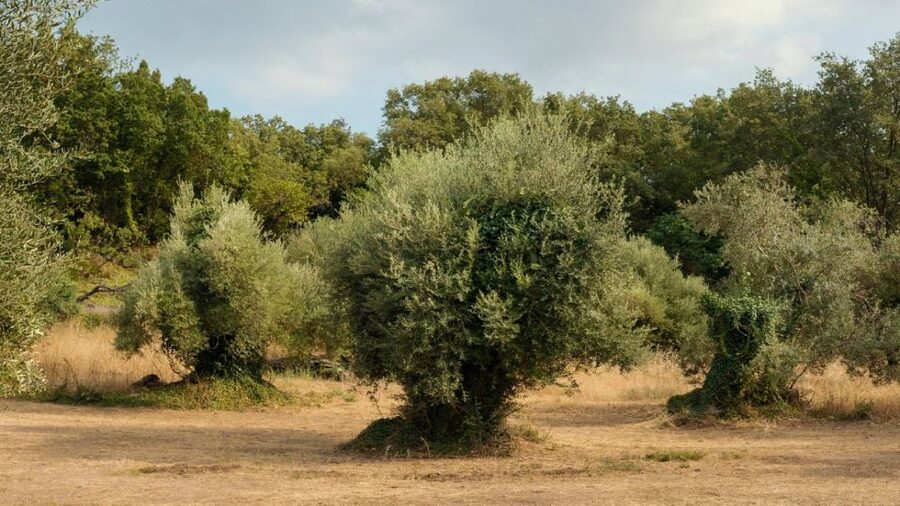
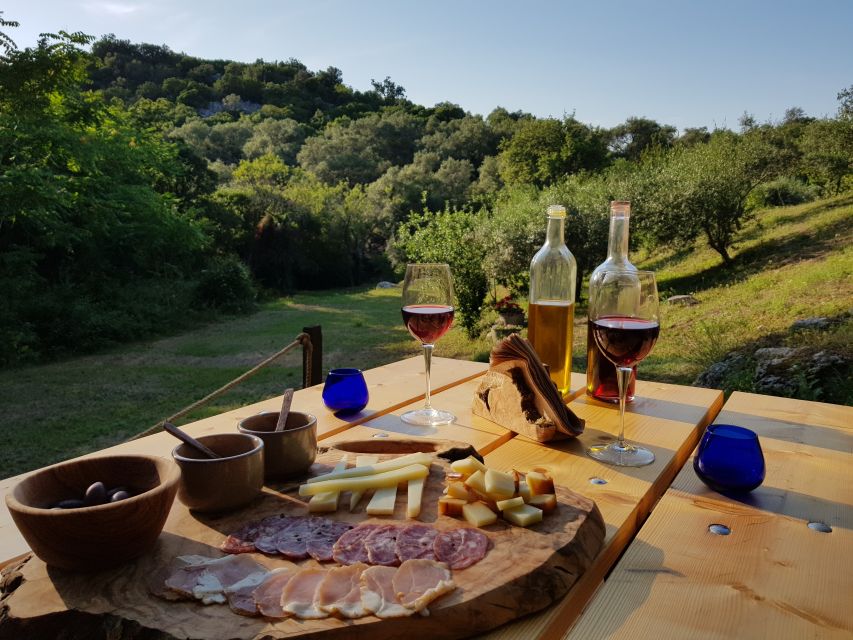
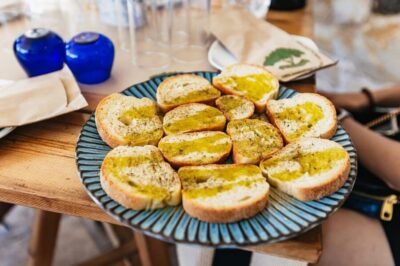
The tour ends with food, and this is not a token plate added as an afterthought. The meze includes quality Corfiot products such as olives, bread, cheese, and other local items. Additional details include local meats, dolmadakia, and local wine.
The setting matters. Eating in the shade of the olive trees gives the final hour a relaxed, social feel. You have already walked the grove and seen the press, so the food feels connected to the place rather than simply served at a nearby restaurant.
I especially like the balance of the ending. The tasting teaches you how to assess the oil, while the meze lets you enjoy it in the way you are most likely to use it, with bread and other foods. It turns a lesson into lunch-sized pleasure.
The exact menu can change, so do not book expecting one fixed list of dishes. The supplied information confirms Corfiot products, bread, cheese, olives, meats, dolmadakia, and wine, but not a set menu for every date. If you have dietary restrictions, ask before booking rather than assuming substitutions are available.
Is $64 a fair price?
At $64 per person, this is not the cheapest short activity on Corfu. The value depends on what you want from the outing.
You are paying for roughly three hours, a guide, access to a private family olive mill and press, a guided walk, a structured oil tasting, and a Corfiot meze. The tour is also private, with relatively small group sizes noted by the provider. That creates a more personal setting than a large coach visit to a commercial attraction.
The price makes the most sense if you care about food, local traditions, and direct contact with a small producer. It is also good value for couples or families who want one well-organized rural activity rather than several disconnected stops.
The calculation is less favorable if you are mainly looking for a cheap meal or a quick tasting. You also need to factor in transport from your accommodation, since pickup is not included. A rental car makes the visit simpler, while a taxi or other transport would add to the cost.
Who will enjoy this most?
This tour suits you if you enjoy learning how local food is made and prefer meeting the people behind it. It works particularly well for couples, families, food lovers, and anyone seeking a quieter side of Corfu.
It also suits visitors who appreciate a guide with a personal connection to the subject. Jonathan’s humor, passion, and detailed explanations are repeatedly emphasized in the supplied feedback. Chrysa adds to the hosting, and the overall tone is welcoming rather than stiff.
The tour is a good fit for older children who can manage a countryside walk and stay interested in a food demonstration. The information does not give a minimum age, so check with the provider if you are bringing very young children.
You may want to skip it if your time is limited to Corfu Town, if you do not have a convenient way to reach Loutses, or if you strongly dislike food tastings. The experience is built around walking, listening, tasting, and sharing a meze. That is its strength, but it also defines its limits.
Timing, language, and cancellation
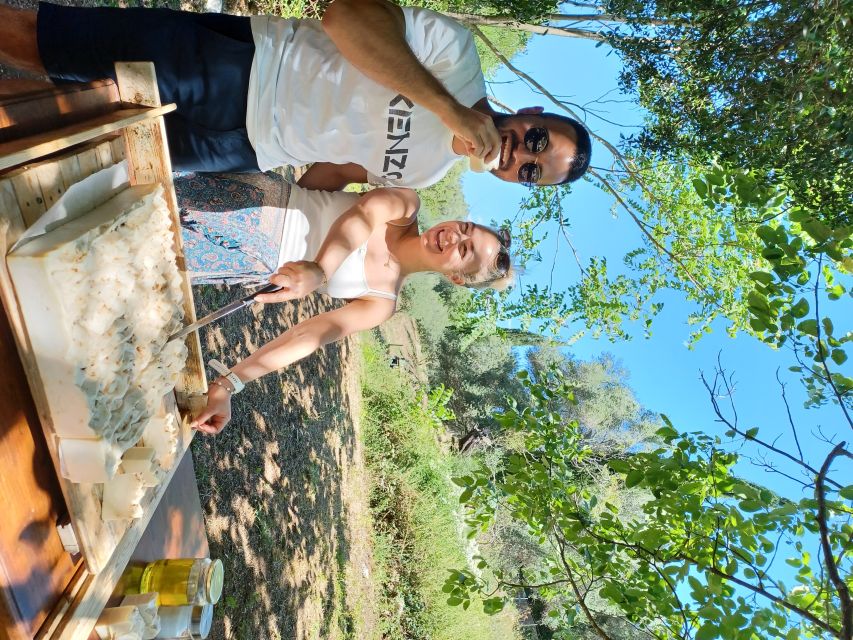
The activity lasts three hours, with about two hours for the guided walk and olive-production visit, followed by about one hour for the tasting and food. Starting times vary, so check availability when choosing your date.
The live tour is conducted in English. The price includes the guide, olive mill and press visit, olive-oil tasting, and Corfiot meze. Hotel pickup and drop-off are not included.
You can cancel up to 24 hours in advance for a full refund. A reserve-now, pay-later option is also available, which helps if your Corfu schedule is still changing.
Should you book the Loutses olive tour?
I would book this if you want an authentic food experience with real local connection rather than a fast commercial demonstration. The old press, the family farm, the walk among long-lived olive trees, and the final meze all fit together well.
The key decision is transport. If you are staying in northern Corfu or have a car, the 45-minute journey from Corfu Town is reasonable. If you are based in town without transport, calculate the added time and cost first.
For $64, you receive a substantial three-hour experience with food, instruction, and access to a place that is not part of the usual Corfu sightseeing circuit. It will not suit every itinerary, but for anyone curious about olive oil and the island’s rural traditions, this is a strong choice.
FAQ
Where does the olive tour begin?
It begins in the village of Loutses, opposite the small taverna Xatzos. A sign points toward the olive grove because the grove does not appear clearly on maps.
How far is Loutses from Corfu Town?
Loutses is approximately 45 minutes from Corfu Town and the port.
Is private parking available?
Yes, free private parking is available at the meeting area.
Is hotel pickup included?
No. You are responsible for reaching the meeting point in Loutses.
How long does the activity last?
The tour lasts three hours. About two hours are used for the guided walk and olive-production visit, followed by about one hour for the tasting and meze.
What language is the tour conducted in?
The live tour guide speaks English.
What will I see during the walking portion?
You walk through an olive-growing area, learn about the history of olive cultivation, and see old Corfiot olive trees along with local plant and animal life.
Can I see a traditional olive press?
Yes. The tour includes access to the provider’s olive mill and press, which dates from the early 1900s.
What food is included?
The meze includes Corfiot products such as olives, bread, cheese, and other local foods. The available details also mention local meats, dolmadakia, and local wine.
Can I cancel the booking?
Yes. You can cancel up to 24 hours in advance for a full refund. A reserve-now, pay-later option is also available.
Just added around Greece
- Athens: Greek Wine & Olive Oil Tasting at Brettos Plaka★ 4.5 · 3 reviews
- Breakfast in the markets with olive oil and honey tasting★ 4.8 · 8 reviews
- PRIVATE RHODES TOUR + Lunch Stop & WINE/OLIVE OIL Tasting★ 5.0 · 2 reviews
- Olive Tour & Tasting★ 5.0 · 4 reviews
- SYSTASIS Olive Oil Tasting Experience in Ermioni Greece★ 5.0 · 4 reviews
- Olive Facility Visit with Olive Oil Tasting Session★ 5.0 · 2 reviews
- Olive Oil Tasting at the Mykonian Farm★ 4.5 · 3 reviews
- Olive Oil Tour close to Nafplio★ 4.5 · 3 reviews
Olive Oil Tastings, compared.
The Governor’s Olive Mill Tour with Olive Oil Tasting
Read our review →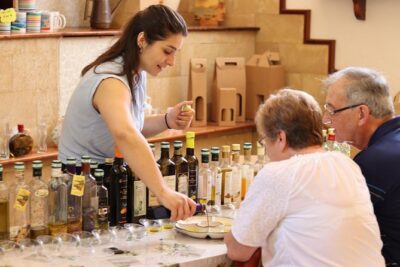
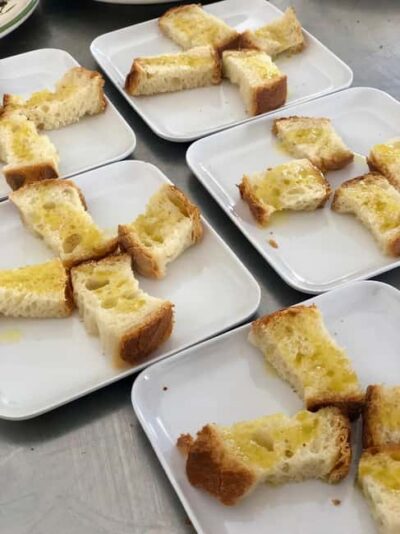
Masseria tour among thousand-year-old olive trees with oil tasting
Read our review →
Olive Grove Tour with Wines & Olive Oil Tasting
Read our review →
Bardolino: Lake Garda Oil Mill Tour with Olive Oil Tasting
Read our review →
Guided tour and olive oil tasting in Alhaurin el Grande (Málaga)
Read our review →Browse the lists this tour appears in