
REVIEW · GREECE
Extra Virgin Olive Oil Experience with Wine & Herbs
The real treat here is learning that olive oil is not just a cooking ingredient. Anton guides you through its flavors, origins, quality markers, and food uses, then lets you compare oils with bread, cheese, herbs, spices, and wine. It is a short, hands-on lesson with plenty of tasting.
I like the small setting, limited to 10 people, and Anton’s warm, personal approach. I also like the price: at $23 per person, it gives you a useful Greek food experience without taking half a day. The main drawback is the short 40-minute format. You will get a clear introduction, not a long farm visit or full meal.
Key points at a glance
- Four Greek extra virgin olive oils: Compare different flavors and styles rather than tasting only one bottle.
- Anton leads the session: He explains olive regions, production, tasting methods, and quality in clear English.
- Food pairings make the lesson practical: Try oil with bread, mountain herbs, common spices, cheese, and a glass of wine.
- A small studio creates an intimate setting: The group is limited to 10, with room for questions and conversation.
- The black cat poster marks the meeting point: Look for the Wine & Olive Oil Bar and come inside.
- Good value for a short activity: The 40-minute session costs $23 and fits easily into an Athens sightseeing day.
Why this tasting is worth your time
Greek olive oil is easy to buy, but harder to judge. Bottles can carry impressive labels, while the oil inside may vary in freshness, flavor, and quality. This experience gives you a simple way to taste with more care.
Anton covers the difference between extra virgin olive oil and other olive oil categories. He also explains Greek olive-growing regions and the qualities that help separate a fresh, well-made oil from a dull one. That information matters once you are standing in a shop, trying to choose a bottle to take home.
I especially like that the session is not limited to a technical tasting. You get to see how olive oil works with food. Bread gives you the cleanest first taste. Herbs and spices show how the oil can change a dish. Cheese and wine make the session feel social rather than like a classroom test.
The format is useful for first-time tasters. You do not need to know words for every flavor or have any background in food. You simply taste, compare, ask questions, and learn what to notice.
More Olive Oil and Wine Tours in Greece:
- From Chania: Olive Oil, Wine, Cheese & Honey Tasting Tour
★ 4.6 · 490 reviews - From Chania: Wine and Olive Oil Tasting Tour with Snacks
★ 4.8 · 354 reviews - Athens: Acropolis Wine Tasting with Cheese and Olives
★ 4.9 · 337 reviews
Finding the studio by the black cat poster
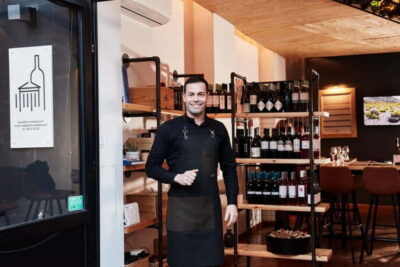
The meeting point is the Wine & Olive Oil Bar with the black cat poster. That detail is worth remembering because it is the clearest arrival clue provided for the experience. Once you find the poster, come inside.
The tasting takes place in a small studio connected with CRU BEE-HAVING Wine & Olive Oil Tastings. The compact space is part of the appeal. You are not being moved through a large commercial venue or placed in a crowded room. Instead, the setting supports conversation and direct attention from the host.
A small group can make a big difference during a tasting. With a maximum of 10 people, you have a better chance to ask about a flavor, production method, or pairing without feeling rushed by a large audience.
The small setting may not suit you if you prefer a spacious food hall or a formal visitor center. This is a focused, personal session. Think of it as a short studio lesson with nibbles, not a full-day visit to an olive farm.
The opening lesson: olive oil as pure fruit juice
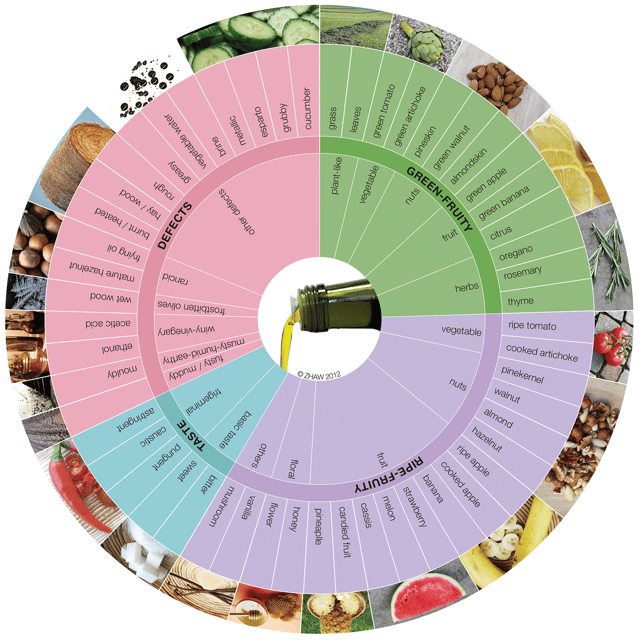
The session begins with the basic idea that olive oil is fruit juice. That framing helps explain why freshness, handling, and flavor matter. Good olive oil is not meant to taste flat or anonymous. It can have a range of aromas and tastes, from fresh and grassy to peppery or more rounded.
Anton introduces olive oil types and styles, along with Greek olive-growing regions. This gives the tasting a sense of place without turning it into a long history lecture. You learn that oil is shaped by its olives, growing area, production, and use.
The class also covers health and cosmetic uses. The information provided for this experience presents olive oil as a food with wider uses, so you can expect those subjects to form part of the discussion. The main focus remains tasting, evaluation, and pairing.
I appreciate this mix of background and direct tasting. Too much theory can make a short class feel dry. Too little explanation leaves you with a pleasant snack but no new skill. Here, the information is tied to what is in your glass and on your plate.
Tasting three or four oils
The experience information lists four extra virgin olive oils as included. One description also refers to trying three oils, so the exact number presented during a particular session may vary. You should expect a guided comparison of several oils, with four listed as the standard inclusion.
This is the heart of the activity. Instead of tasting one oil and being told it is good, you can compare oils side by side. That makes differences easier to notice. One may seem mild, another more aromatic, and another more peppery or forceful.
Anton explains how to taste extra virgin olive oil and what to look for. You learn how to assess aroma, flavor, and overall quality. The point is not to memorize complicated tasting language. It is to become more confident in your own judgment.
You may also learn how olive oil should be evaluated in general, not only extra virgin varieties. That makes the session useful beyond the day itself. You can apply the same basic attention when choosing oil in a Greek market or reading a label at home.
The experience does not promise a full professional certification course, and 40 minutes is not enough for that. What you receive is a brisk, approachable introduction that gives you a working vocabulary and a better sense of quality.
A few more olive oil tours around Greece worth a look
- Crete: Quad Safari, Olive Mill with Tasting & Ghost Village
★ 4.9 · 1,004 reviews - Knossos-Zeus Cave -Old Traditional Villages-Olive Oil Factory
★ 5.0 · 694 reviews - The Governor’s Olive Mill Tour with Olive Oil Tasting
★ 5.0 · 502 reviews - Crete: Road-trip to Lasithi, Zeus Cave & Olive Mill Farm
★ 4.4 · 451 reviews
Bread, cheese, herbs, spices, and wine
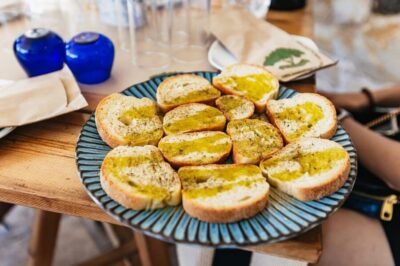
Bread is included, giving you a simple base for tasting the oils. This matters because strong flavors can distract from the oil itself. Start with the oil and bread, then move toward the other pairings as the session develops.
Mountain organic herbs and common spices are also included. These additions show how extra virgin olive oil can carry and balance other flavors. You can think about which combinations would work in a salad, with vegetables, over bread, or in a simple home-cooked meal.
Cheese adds another useful comparison. A rich or salty bite can make an oil feel different from the way it tastes alone. The tasting is not just about deciding which oil you prefer. It is about seeing how the same oil changes when food enters the picture.
A glass of wine is included, giving the experience a relaxed Greek food-and-drink feel. The wine is part of the tasting rather than the main subject, so do not book this expecting a full wine course.
The overview also mentions unusual pairings such as ice cream. That sounds like one of the more playful elements of the experience, though the included section specifically lists herbs, spices, cheese, wine, and bread. Ask Anton what pairings are being offered on the day if an unexpected combination interests you.
Anton’s teaching style
Anton is repeatedly described as warm, calm, professional, and easy to listen to. The strongest praise centers on his ability to explain olive oil without making the subject feel stiff or overly formal.
That matters in a short activity. A rushed or overly technical host could turn 40 minutes into a list of facts. Anton’s approach appears to make room for questions, personal stories, and conversation. You can expect the session to feel more like a guided discussion than a scripted presentation.
He also offers local suggestions beyond the tasting, including places to eat in Athens and ideas for a next destination. That is a useful extra if you meet him early in your trip, since you can use his advice during the rest of your stay.
The session is conducted in English. If you want a tasting in another language, this is not the right choice based on the information provided.
What the $23 price really buys you
At $23, this is a low-cost way to add a local food activity to an Athens itinerary. The price includes the oil tasting, herbs, spices, bread, cheese, and a glass of wine. You are also paying for Anton’s instruction and the chance to ask questions in a small group.
The value is strongest if you want to learn something you can use later. You are not simply consuming a few samples. You are learning how to notice quality and how to pair olive oil with food. That makes the experience more useful than a quick shop tasting with no explanation.
The price is less compelling if you are mainly looking for a full meal, a visit to olive groves, or a long production tour. None of those is part of the stated format. The experience is short and centered on tasting and instruction.
At 40 minutes, it works well before dinner, after a museum visit, or between other city plans. It is also a sensible rainy-day activity. You do not have to sacrifice a major block of sightseeing time.
Who should book this experience
I would recommend it to first-time visitors who want a small taste of Greek food culture without committing to a long cooking class. It also suits olive oil shoppers who want help choosing better bottles at home.
Food lovers will get the most from the pairing section. If you enjoy comparing flavors, you will have plenty to think about. Couples, solo visitors, and small groups can all fit the setting, though the group limit means availability may be tighter at popular times.
The activity is not suitable for children under 16 or people over 95. It is also not the best fit if you dislike wine, though the session is about olive oil rather than alcohol.
Because the activity lasts only 40 minutes, I would book it as one part of a day rather than the day’s main event. Put it near other central Athens plans, and leave yourself enough time to arrive at the black cat poster meeting point.
Booking and cancellation details
You can reserve now and pay later, which helps if your schedule is still changing. Free cancellation is available up to 24 hours in advance for a full refund.
Starting times vary, so check availability for your date. The instructor language is English, and the group is limited to 10 people.
If you are hoping to buy oil or wine afterward, the studio may offer that opportunity. One visitor specifically appreciated being able to shop from a local business rather than choosing a bottle without guidance in a market. Treat that as an optional benefit, not a guaranteed part of the tasting itself.
Should you book the olive oil experience?
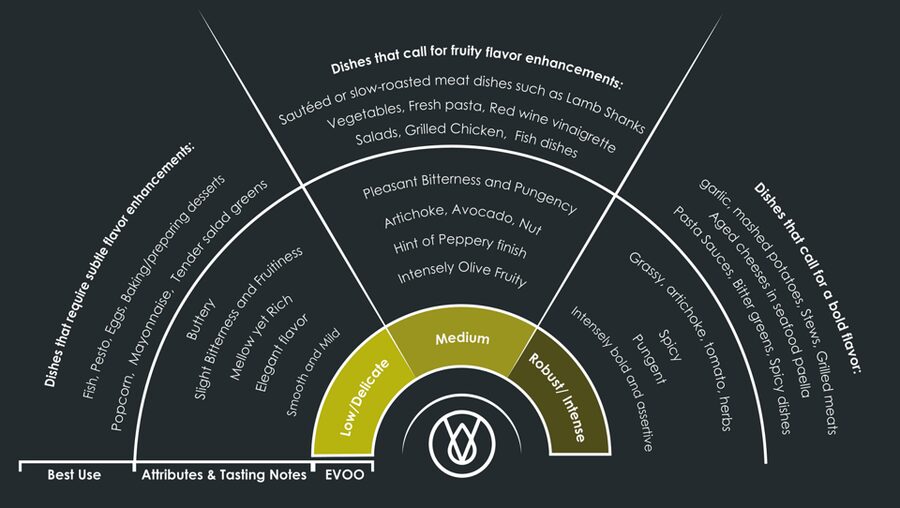
Book it if you want a friendly, focused introduction to Greek olive oil, especially if you like food pairings and small-group activities. Anton’s clear explanations, local suggestions, and personal style appear to be the main strengths.
Skip it if you want an orchard visit, a full Greek meal, or an extended wine tasting. The session is brief, and its purpose is to teach you how to taste and judge oil.
For $23, the balance is good. You get several oils, food pairings, wine, and a practical lesson in less than an hour. I would place it high on a short Athens food itinerary, particularly near the start of your trip, when Anton’s restaurant suggestions and oil-buying advice can still help you.
FAQ
Where does the olive oil experience take place?
It takes place at the CRU BEE-HAVING Wine & Olive Oil Tastings studio in Central Greece, with the meeting point marked by a black cat poster at the Wine & Olive Oil Bar.
How long does the tasting last?
The experience lasts 40 minutes.
How much does the experience cost?
The listed price is $23 per person.
How many olive oils will I taste?
Four extra virgin olive oils are listed as included. One description refers to three oils, so the exact number may vary by session.
What food and drinks are included?
The experience includes bread, mountain organic herbs, common spices, cheese, and a glass of wine.
What will I learn during the class?
You will learn about Greek olive oil regions, olive oil categories and styles, tasting methods, quality criteria, evaluation, food pairings, health uses, and cosmetic benefits.
Who leads the tasting?
The host and instructor is Anton.
Is the experience offered in English?
Yes. The listed instructor language is English.
Is the activity suitable for children?
No. It is not suitable for children under 16.
Can I cancel for a refund?
Yes. You can cancel up to 24 hours in advance for a full refund.
Just added around Greece
- Athens: Greek Wine & Olive Oil Tasting at Brettos Plaka★ 4.5 · 3 reviews
- Breakfast in the markets with olive oil and honey tasting★ 4.8 · 8 reviews
- PRIVATE RHODES TOUR + Lunch Stop & WINE/OLIVE OIL Tasting★ 5.0 · 2 reviews
- Olive Tour & Tasting★ 5.0 · 4 reviews
- SYSTASIS Olive Oil Tasting Experience in Ermioni Greece★ 5.0 · 4 reviews
- Olive Facility Visit with Olive Oil Tasting Session★ 5.0 · 2 reviews
- Olive Oil Tasting at the Mykonian Farm★ 4.5 · 3 reviews
- Olive Oil Tour close to Nafplio★ 4.5 · 3 reviews
Olive Oil & Wine Tours, compared.
Sorrento Farm and Food Experience including Olive Oil, Limoncello, Wine tasting
Read our review →
Lemon, Olive Oil and Wine Tasting Tour with Lunch
Read our review →

Browse the lists this tour appears in