
REVIEW · CHANIA
Chania Sourdough Bread Class – Olive Oil Tasting
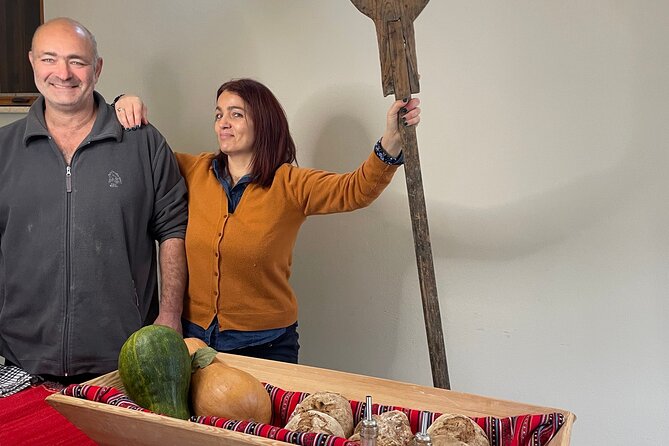
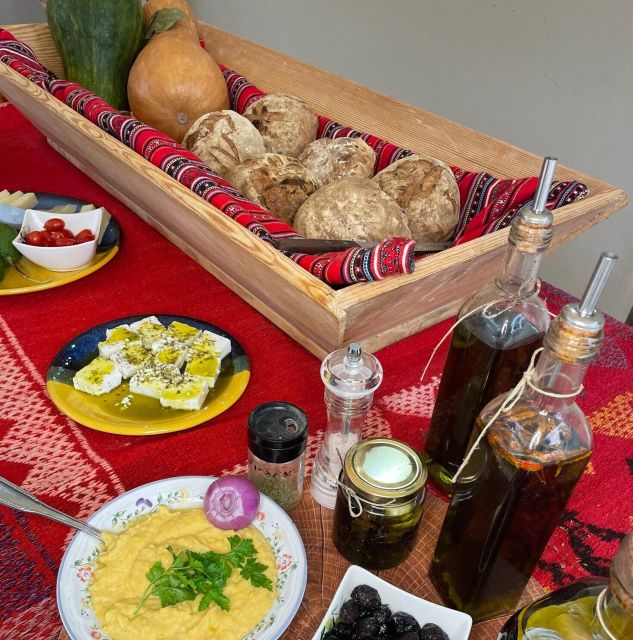
The best part of this Chania experience is that your bread becomes the center of a full Cretan meal. You mix and shape your own sourdough, add ingredients such as olives or seeds, bake it in a wood-fire oven, then eat it with herb-infused olive oil, salad, fava, local wine, and dessert. Nikos and Alex lead the class with plenty of conversation, humor, and local background.
I like the hands-on format, and I like that the lesson continues beyond the kitchen into the olive grove and farm. Sitting beneath a 500-year-old olive tree, learning how oil is harvested, and picking vegetables for lunch gives the class a strong sense of place. The main drawback is the location: you need to arrange your own taxi or car unless you pay extra for a transfer.
Key points to know before booking
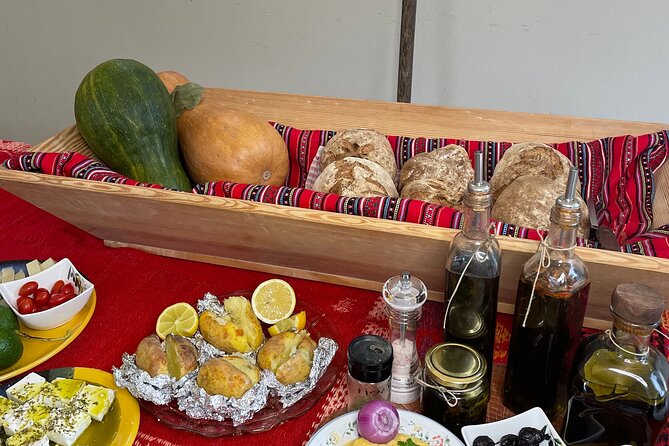
- You bake an individual sourdough loaf: Add olives, sun-dried tomatoes, seeds, or other preferred fillings before baking.
- The bread goes into a wood-fire oven: You are not simply watching a demonstration. Your loaf is part of the meal.
- Olive oil is a major part of the experience: Visit the grove and taste extra-virgin oil mixed with herbs.
- Lunch is made during the class: Help prepare Cretan salad, fava beans, seasonal side dishes, and other farm-based food.
- The setting is rural but close to Chania: Nerokourou is about 10 to 15 minutes from the city center.
- The atmosphere is family-run and social: Nikos, Alex, and Veerna bring cooking, conversation, history, and humor into the afternoon.
Why this bread class feels different from a standard cooking lesson
Many cooking classes give you a recipe, a short demonstration, and a meal at the end. This one builds the day around a food with real importance in rural Crete: bread baked slowly and shared with other dishes.
You start with a homemade refreshment or Greek coffee from the hostess. Cookies come with it, which gives you time to settle in before the practical work begins. Nikos introduces the sourdough process, and the lesson covers the basic steps needed to mix the ingredients and prepare the dough.
The pace matters here. Sourdough needs time to rest, so the class does not rush from mixing straight to eating. While the dough rests, the group moves outdoors for the olive grove and farm portions of the experience. I like this rhythm because it keeps the afternoon from feeling like four straight hours at a workbench.
The class is taught in English and Greek. Nikos brings stories, jokes, and local background into the lesson, while Alex helps keep the cooking moving. This combination should suit you if you prefer an informal class where you can ask questions and talk as you work.
The group size can affect the feel of the afternoon. One December class had a very small number of participants, allowing extra time for conversation. In a larger class, the atmosphere should be more social, but you may get less individual attention. If personal instruction is especially important to you, ask about the group size when booking.
More Olive Oil Tastings in Greece:
- The Governor’s Olive Mill Tour with Olive Oil Tasting
★ 5.0 · 502 reviews - From Chania: Wine and Olive Oil Tasting Tour with Snacks
★ 4.8 · 354 reviews - Olive Oil Tasting Tour
★ 5.0 · 195 reviews
Mixing dough and shaping your own loaf
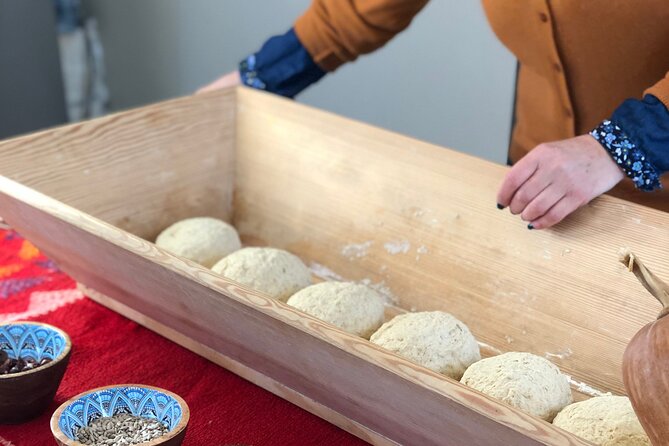
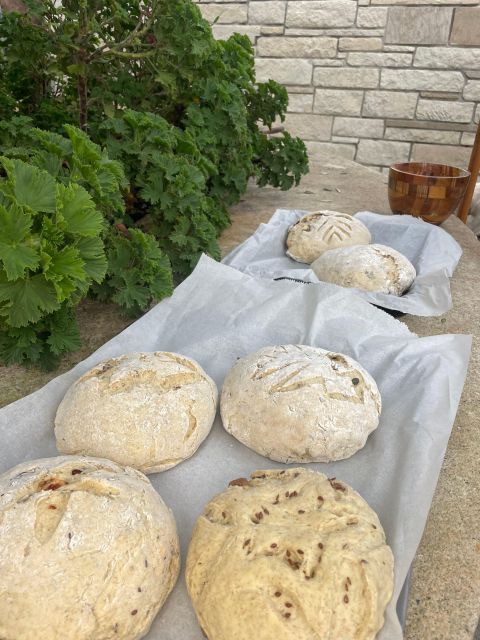
The hands-on bread work begins with the basic ingredients. You mix the dough, work it into shape, and prepare one loaf for yourself. This is a useful distinction: you are not just helping with a shared batch, and you do not leave with a generic piece of bread. Your loaf has your own choice of additions and shape.
The fillings are flexible. Options named for the class include olives, sun-dried tomatoes, and seeds. The exact choices may depend on what is available that day, but the idea is simple: make a loaf that reflects your taste.
I like this part for families and couples because it gives each person a small project. You can make a mild loaf, load yours with olives, or try a combination of seeds and tomatoes. It also gives the class a clear result to look forward to.
Do not expect a bakery certification course. The focus is traditional home cooking and shared food, not precise professional technique or a take-home sourdough starter. You will learn the method used for this experience and bake a loaf in the wood-fire oven.
The dough must rest before baking. That pause is not wasted time. It opens the door to the rest of the program, including the grove, oil tasting, farm visit, and preparation of lunch.
The olive grove and the taste of Cretan oil
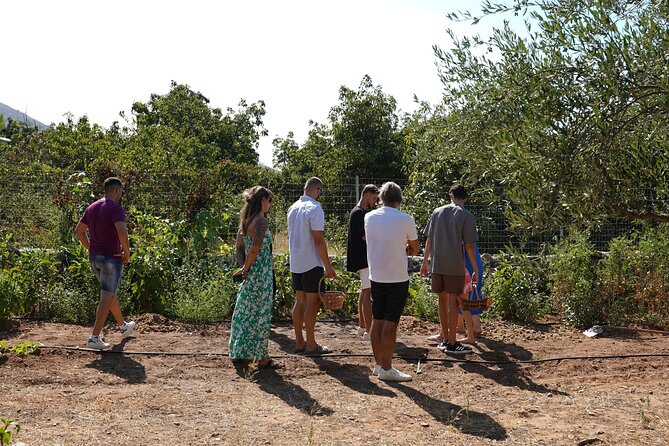
While the loaves rest, you visit the olive grove and learn about olive oil harvesting. This makes the oil tasting more useful than a quick pour at the table. You get some context for how the ingredient is produced and how central it is to Cretan cooking.
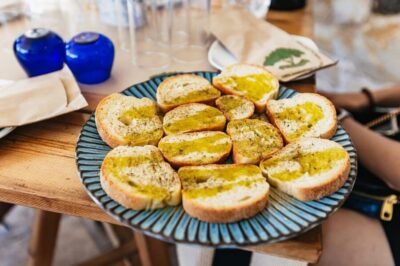
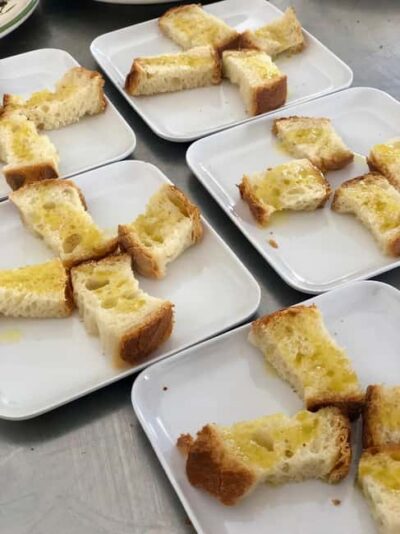
The class also covers mixing olive oil with herbs. That matters because the oil is not treated as a background condiment. You pair it with the bread you made, tasting how herbs change its aroma and flavor.
A practical tip: pay attention to the bread and oil pairing rather than filling up on the first dish that appears. Fresh bread, strong extra-virgin olive oil, and herbs can be a meal by themselves, but the full lunch is still ahead.
The setting adds to the experience. You sit beneath olive trees, including a very old tree described as 500 years old. You may also find puppies around the property, which adds a relaxed country feel, especially for families. These details are not the main point of the class, but they help explain why this feels like time spent in a home and farm setting rather than a restaurant classroom.
The olive grove portion may be less appealing if you want a tightly packed cooking schedule. Some of your time is spent outdoors and talking, not measuring ingredients. I see that as a benefit for most people, but it is worth knowing if your priority is a technical bread lesson from start to finish.
Picking vegetables and preparing a Cretan lunch
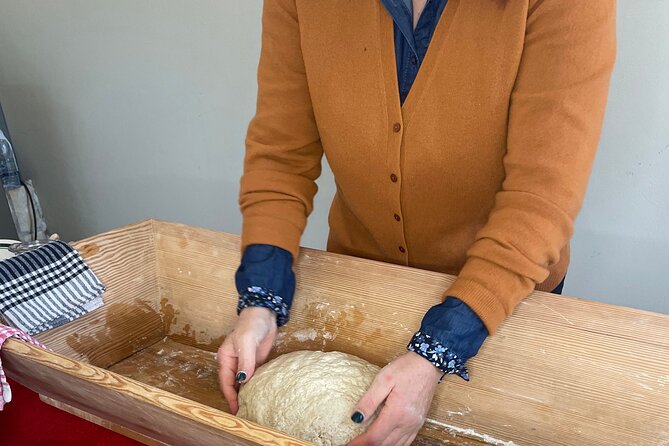
The farm visit gives the meal a second hands-on element. You help harvest vegetables and use them for a Cretan salad. The class also prepares extra side dishes, including Greek fava beans and other seasonal appetizers.
The menu is not presented as a fixed restaurant course. The food depends partly on the season and what is available from the farm. That is good news if you want food connected to the place, but it means you should not book expecting one exact list of dishes every time.
The meal can include fresh Greek salad, herbed potatoes, fava, bread, olive oil, and seasonal appetizers. These are simple foods, but the class shows how much depends on good ingredients and generous use of olive oil.
I especially like the chance to try fava if it is new to you. It is a staple Greek dish with a smooth, earthy character, and it works well with bread and oil. The meal also gives you a chance to compare your loaf with the other bread being baked and to see how the different fillings work at the table.
This part of the afternoon is as important as the recipe. You learn how Cretan food is assembled: vegetables, beans, herbs, olive oil, bread, and wine brought together without fuss. You are not just eating a dish prepared in advance. You help create the spread.
More Workshops in Greece:
- Corfu: Greek Cooking Class & Olive Oil Tasting
★ 5.0 · 178 reviews - Cretan Cooking Class and Olive Oil Tasting
★ 5.0 · 178 reviews - Moires: Cooking Class and Olive Oil Tasting at a Family Farm
★ 5.0 · 93 reviews - Cooking Classes and olive oil tasting.The real taste of Greece!
★ 5.0 · 56 reviews
The wood-fire oven and the final meal
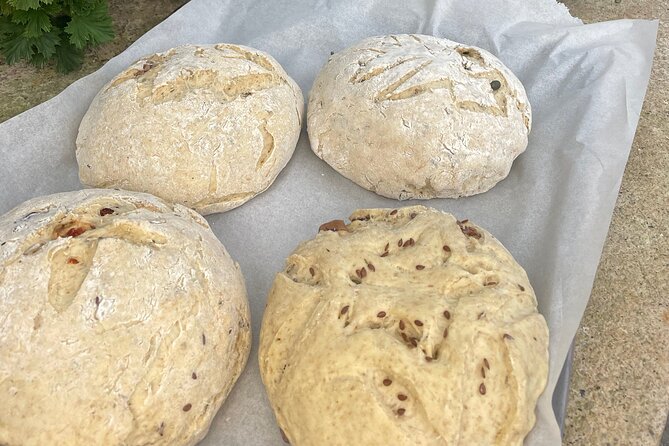
Once the dough has rested, your loaves go into the wood-fire oven. That oven is one of the most appealing details of the class. It gives the baking a clear sense of place and makes the final stage more memorable than taking bread from a modern kitchen oven.
The aroma is part of the reward. As the loaves bake, the kitchen fills with the smell of dough, olive oil, and herbs. When the bread comes out, it is served as part of the meal rather than wrapped away as a souvenir.
You pair your bread with herb-flavored extra-virgin olive oil and the dishes prepared during the class. Local wine is served in generous amounts, and dessert comes at the end. The meal is substantial, so arrive ready to eat and do not plan another large dinner immediately afterward.
Wine changes the practical side of the day. If you intend to drink, a taxi or paid transfer is the sensible choice. Driving yourself is possible, and parking is available along the fence, but the wine should be part of your transport decision.
The closing meal also gives the class its social payoff. Cooking can be a useful activity, but sitting down to eat what you made is what turns it into a complete experience. Nikos, Alex, and Veerna may join at different points, helping with the final stages and keeping the mood lively.
How the hosts shape the afternoon
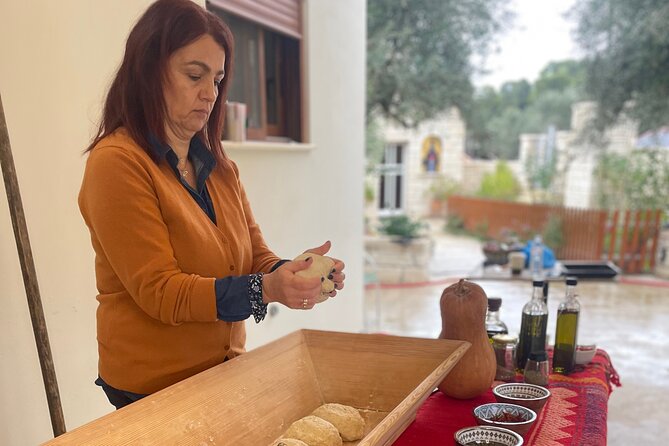
The strongest feature of this class is its people. Nikos, also called Uncle Nicos in the class setting, turns the bread lesson into a story about food, tradition, and everyday life. Alex keeps the schedule moving and offers practical help as you cook.
Veerna joins near the end and helps with the final touches. The result is a family-style atmosphere rather than a formal instructor-and-student setup.
I would choose this class if you enjoy conversation as much as technique. You may hear local history and personal stories while you work. The atmosphere is warm and informal, and the class can feel especially personal when numbers are low.
That style is not perfect for everyone. If you want strict timing, exact measurements, and a quiet lesson focused only on sourdough science, this may feel loose. If you want food, conversation, outdoor time, and a look at local hospitality, the format makes much more sense.
Price, duration, and getting to Nerokourou
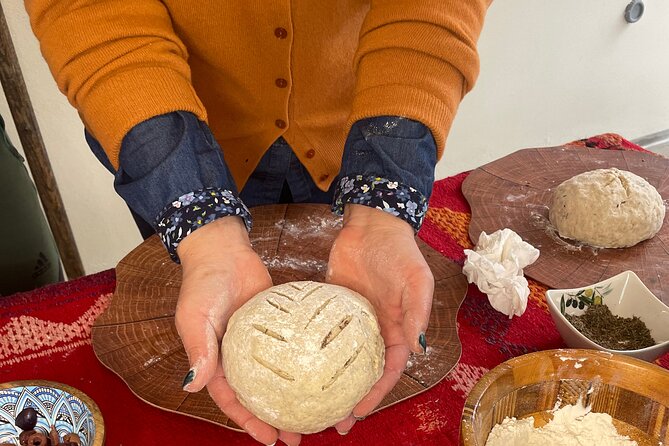
The price is $106 per person for about 4.5 hours. I consider that a fair value if you use the full experience: instruction, ingredients, your own loaf, the olive grove, the farm visit, lunch, dessert, and generous local wine.
It would be expensive if you viewed it only as a bread-baking lesson. You are paying for a half-day food experience with a meal and drinks, not simply for a recipe and a short workshop.
The class takes place in Nerokourou, about 10 to 15 minutes from central Chania. You can reach it by car or taxi, and parking is available along the fence. Transportation is not included in the listed price.
A transfer service is available for an extra fee based on your location. It uses a nine-seat van or an electric vehicle, and the ride may be shared with other people attending the class. Ask about this option in your booking form if you would rather not arrange a taxi.
The 4.5-hour length is worth planning around. This is not a quick morning activity squeezed between major sights. You need enough time for the dough to rest, the grove and farm visits, cooking, baking, and lunch. Check the available starting time before booking, then keep the rest of that part of the day fairly open.
The class is wheelchair accessible. Since transportation arrangements and property conditions can vary, it is sensible to confirm the details when you book if you have specific mobility needs.
Who will enjoy this Cretan cooking experience
I would recommend this class to you if you want:
- A relaxed, family-run cooking experience
- A full meal rather than a short demonstration
- A taste of rural Crete close to Chania
- Time outdoors in an olive grove and farm
- Local wine with your food
- A hands-on activity suitable for couples, families, and small groups
- A chance to meet hosts who mix cooking with stories and humor
It also suits people who want an activity for a day when the weather is pleasant enough for outdoor time. The grove and farm are important parts of the schedule, so the experience is not confined to the kitchen.
You may want a different class if you need a highly technical sourdough course, want to make several loaves, or dislike long shared meals. The bread is the focus, but it is only one part of the afternoon.
The perfect audience is someone who wants to understand Cretan food through the people, ingredients, and setting. You will learn some bread technique, but you will also learn why olive oil, vegetables, bread, herbs, and conversation belong together at the Cretan table.
Should you book the Chania Sourdough Bread Class?
Book it if you want more than a recipe. The strongest reasons are the wood-fire bread, the olive oil tasting, the meal you help prepare, and the easy family hospitality from Nikos, Alex, and Veerna.
Think carefully about transport, especially because wine is included and the class sits outside central Chania. Also remember that the afternoon may be more social and relaxed than technical.
For me, the value is strongest for anyone staying in Chania who wants one memorable half-day built around food and local life. You leave with the experience of making a personal loaf, but the bigger souvenir is understanding how Cretan cooking works: good oil, simple vegetables, fresh bread, time under olive trees, and a table shared generously.
FAQ
Where is the Chania Sourdough Bread Class held?
The class is in Nerokourou, a beautiful neighborhood about 10 to 15 minutes from central Chania.
Is transportation included?
No. You can reach the class by car or taxi. Parking is available along the fence. Transfer service is offered for an extra fee based on your pickup location.
How long does the experience last?
The experience lasts about 4.5 hours. Starting times vary, so check availability when booking.
What food and drinks are included?
Ingredients, lunch, generous amounts of local wine, and dessert are included. The meal can include Cretan salad, fava beans, seasonal appetizers, and other side dishes.
Can I customize my bread?
Yes. You prepare your own loaf and can add ingredients such as olives, sun-dried tomatoes, seeds, or other preferred fillings.
Which languages are spoken?
The class is offered in English and Greek.
Can I cancel for a full refund?
Yes. You can cancel up to 24 hours in advance for a full refund. You can also reserve now and pay later.
Just added around Greece
- Soap, Wine, Raki, Olive Oil, Meet the local Producers Tour★ 5.0 · 4 reviews
- Spinalonga,Elounda,Ag.Nikolaos, Olive Factory From Heraklion★ 3.1 · 6 reviews
- Safari:Lasithi plateau, Mythology park,olive oil tasting★ 5.0 · 4 reviews
- Private Tour, Olive Mill, Scotino Cave, Lasithi Plateau H/D★ 5.0 · 3 reviews
- Private Olive Oil Tour & Tasting with Lunch from Katakolo★ 4.6 · 5 reviews
- Private-Knossos Palace-Zeus -Villages-Olive Oil Factory★ 5.0 · 7 reviews
- Orange & Natural Wines Of Greece with Cheese & Olive Oils★ 5.0 · 7 reviews
- Kalamata, Greece: Organic Olive Grove Tour-Olive oil tasting★ 5.0 · 10 reviews
Olive Oil Tastings, compared.
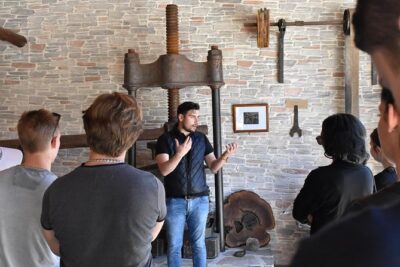
The Governor’s Olive Mill Tour with Olive Oil Tasting
Read our review →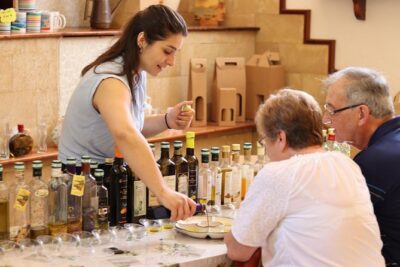
Masseria tour among thousand-year-old olive trees with oil tasting
Read our review →
Olive Grove Tour with Wines & Olive Oil Tasting
Read our review →
Bardolino: Lake Garda Oil Mill Tour with Olive Oil Tasting
Read our review →
Guided tour and olive oil tasting in Alhaurin el Grande (Málaga)
Read our review →Browse the lists this tour appears in